
Diving at Cebaco Bajo Cagado (Panama)
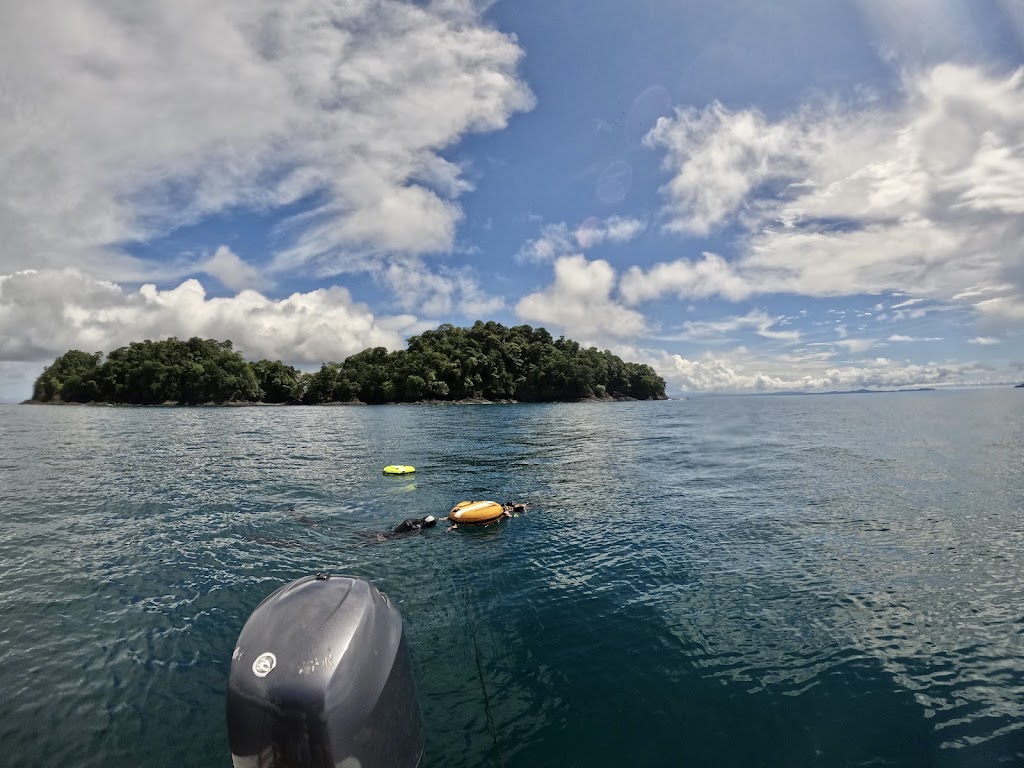
Cebaco Bajo Cagado distinguishes itself as a premier dive site within Coiba National Park, Panama, drawing divers seeking substantial pelagic encounters. It offers an immersive journey into the Pacific's deeper realms, where bull sharks may be observed on the sandy bottom between 35 and 40 m (115 and 130 ft). This site provides a unique blend of vibrant reef life in shallower sections and thrilling large animal sightings deeper down.
As evening covers Cebaco Bajo Cagado, the local air temperature is measured at 27°C. The current wave height at the surface is recorded at 0.9 m. These late-day readings characterize the surface conditions for the night.
Dive Site Location & Key Facts
Dive Site Overview
Historically, this Pacific Ocean site within Coiba National Park has been recognized for its dynamic marine interactions, shifting the focus from purely colorful reefs to significant pelagic activity. Diving here unfolds across a varied topography, descending from shallower coral gardens to a distinct sandy bottom.
Initial descents reveal vibrant areas between 20 and 30 m (65 and 100 ft), described as an 'underwater Eden garden,' rich with gorgonians and sea fans. As divers continue deeper, particularly between 35 and 40 m (115 and 130 ft), the chance to observe larger species, such as bull sharks, emerges.
The site presents a layered experience, culminating with a diverse array of fish and smaller sharks during the ascent and safety stop between 5 and 10 m (16 and 33 ft). It's a comprehensive dive showcasing the rich biodiversity characteristic of this protected marine environment.
Conditions are Good
Optimal conditions expected
Current conditions near Cebaco Bajo Cagado show 27° air, 30° sea temperature, 0.9 m waves, and 21 km/h wind. Forecast data is refreshed regularly to ensure accuracy.
Best Time to Dive
Optimizing your dive experience at Cebaco Bajo Cagado largely depends on understanding the seasonal conditions. The months of January, February, March, April, and December consistently show a 'Good' dive score, making them ideal. During this period, average air temperatures range from approximately 27-28°C (81-82°F), and rainfall is minimal, typically less than 3 mm. These conditions usually translate to calmer surface waters and potentially better visibility for your dives. Conversely, from May through November, dive scores are rated 'Moderate,' with average monthly rainfall increasing significantly, often reaching 10-17 mm. While diving is still possible, these months might involve rougher seas and reduced visibility due to increased precipitation and higher wave heights, averaging 1.2-1.3 m (4-4.3 ft), compared to 0.8-1.0 m (2.6-3.3 ft) in the 'Good' season. Planning your trip around the drier, calmer periods will enhance the overall experience.
PEAK SEASON SCORE
Scores combine air & water temps, waves, wind & rainfall for overall conditions.
BEST MONTHS TO DIVE
Monthly records compiled from satellite and marine observation nodes over the last 3 years. Data provided by Open-Meteo and MET Norway.
Dive Experience & Conditions
Descending into Cebaco Bajo Cagado, divers immediately notice the pronounced thermoclines, creating distinct temperature shifts underwater. While surface waters are generally warm, cooler layers can be encountered, particularly in deeper sections. Current conditions vary, but moderate to strong currents are not uncommon, especially at sites known for pelagic action. These currents, while requiring careful navigation, also contribute to the presence of larger marine life. Visibility is generally good but can fluctuate with seasonal rainfall, as noted in the broader climate patterns. In shallower sections between 5 and 10 m (16 and 33 ft), the water often feels cooler and murkier above the thermocline, yet it is often where an 'underwater festival' of fish congregates.
Dive Difficulty & Safety Guidelines
Given the depth profiles and potential for encounters with large marine life at Cebaco Bajo Cagado, a strong understanding of dive planning and buoyancy control is crucial. Divers exploring the deeper areas, particularly those targeting the 35 to 40 m (115 to 130 ft) range, should possess advanced certification and experience with deep diving. Always follow your dive guide's instructions and maintain awareness of your surroundings, especially regarding currents that can be present.
Observing a mandatory safety stop is essential for decompression, and some deeper dives here may even warrant short decompression stops, as reported by experienced divers. The site is generally safe when approached with appropriate training and respect for the marine environment.
Recommended Equipment
- Dive Computer
This gear list is based on verified equipment signals for Cebaco Bajo Cagado, Panama. Always confirm final gear choices with your dive operator, guide, or liveaboard.
Recommended Dive Suit
Exposure protection is partly a personal preference.
Dive skin or rash guard typically provides a reliable level of thermal protection for dives here. Weather models currently point toward consistent diving conditions over the next several days.
Divers heading to Cebaco Bajo Cagado today should expect water temperatures around 30°C (86°F). Surface air temperatures are resting at 27°C (81°F).
Emergency & Medical Support
Essential information to help you plan your dive trip to Cebaco Bajo Cagado.

Hyperbaric chambers are a critical part of dive safety infrastructure. Availability varies significantly by region, and not all dive areas have immediate access.
Before diving, it's recommended to:
- confirm nearest medical facilities
- check emergency procedures with local dive operators
- ensure dive insurance covers evacuation if required
Divers Alert Network
Diving emergency assistance available through DAN World.
+1-919-684-9111- 24/7 emergency hotline
- Diving medical assistance
- Evacuation coordination
Emergency contacts are provided for reference. Always verify local emergency services before diving.
Marine Life at Cebaco Bajo Cagado
The underwater landscape of Cebaco Bajo Cagado presents a dynamic tableau, where sightings lean heavily towards sizeable pelagic fish and marine mammals. Divers can anticipate encountering bull sharks on the sandy bottom in deeper areas.
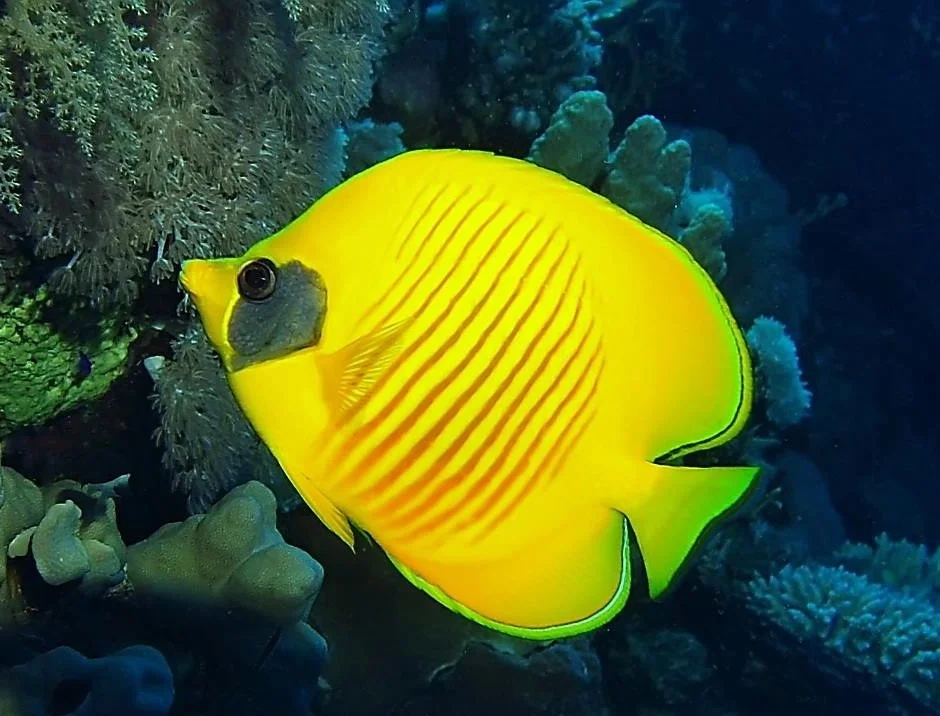
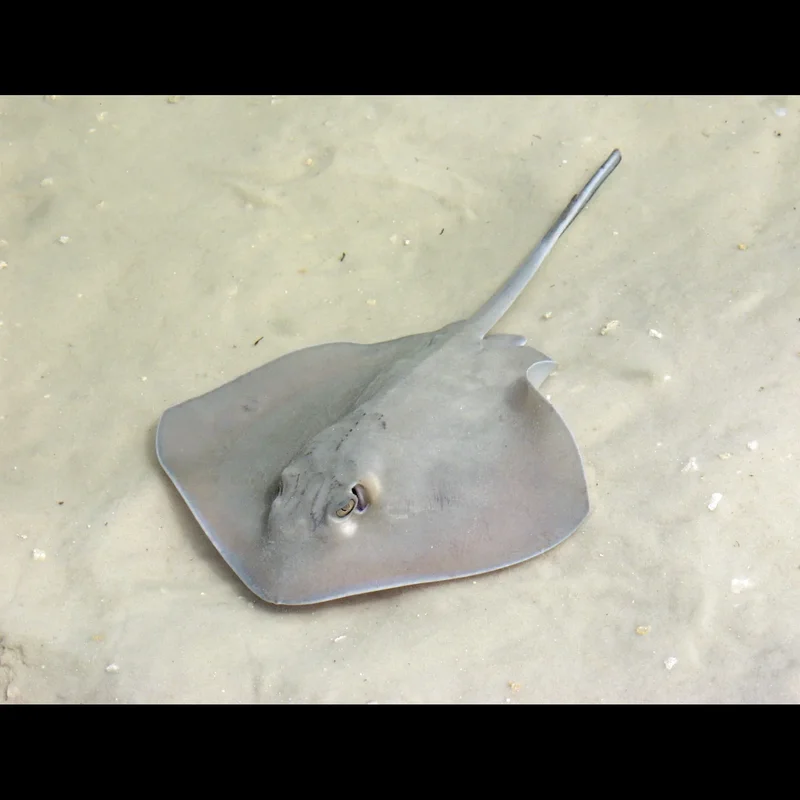
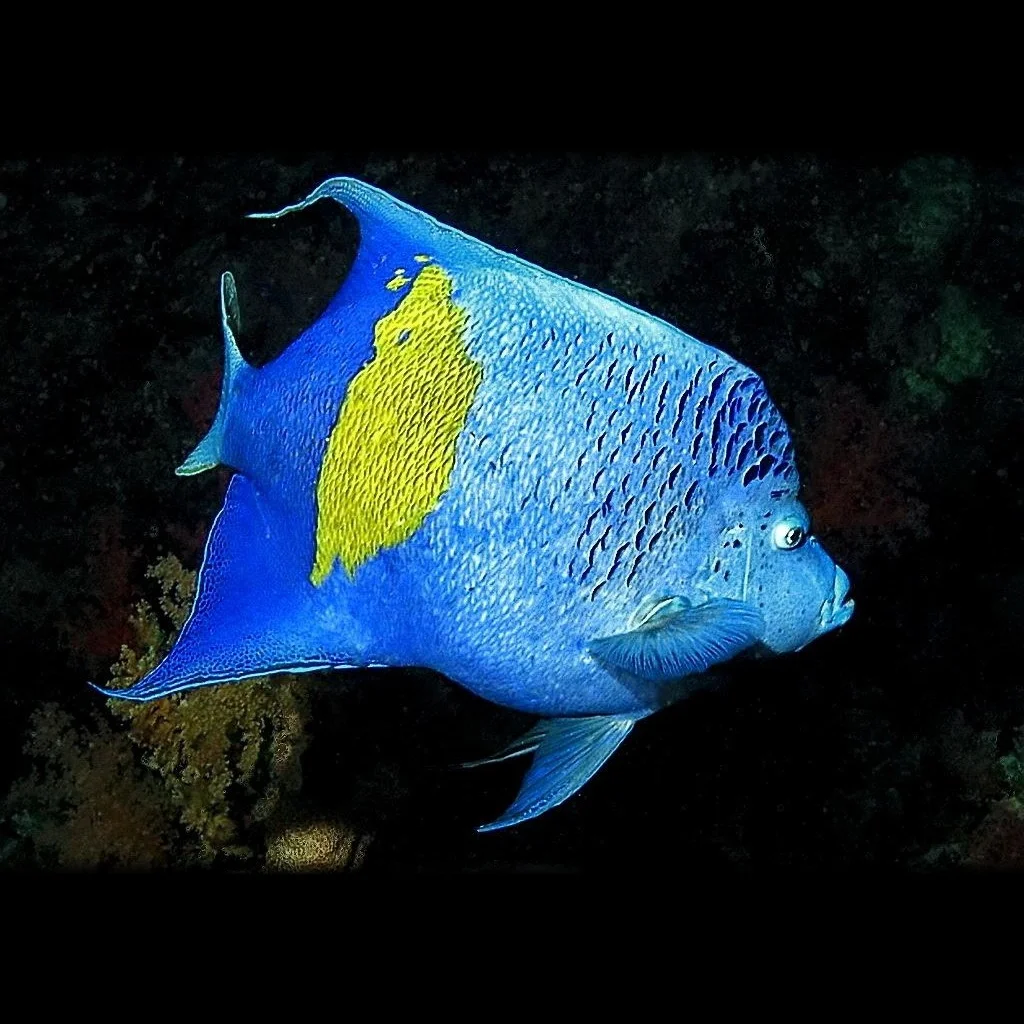
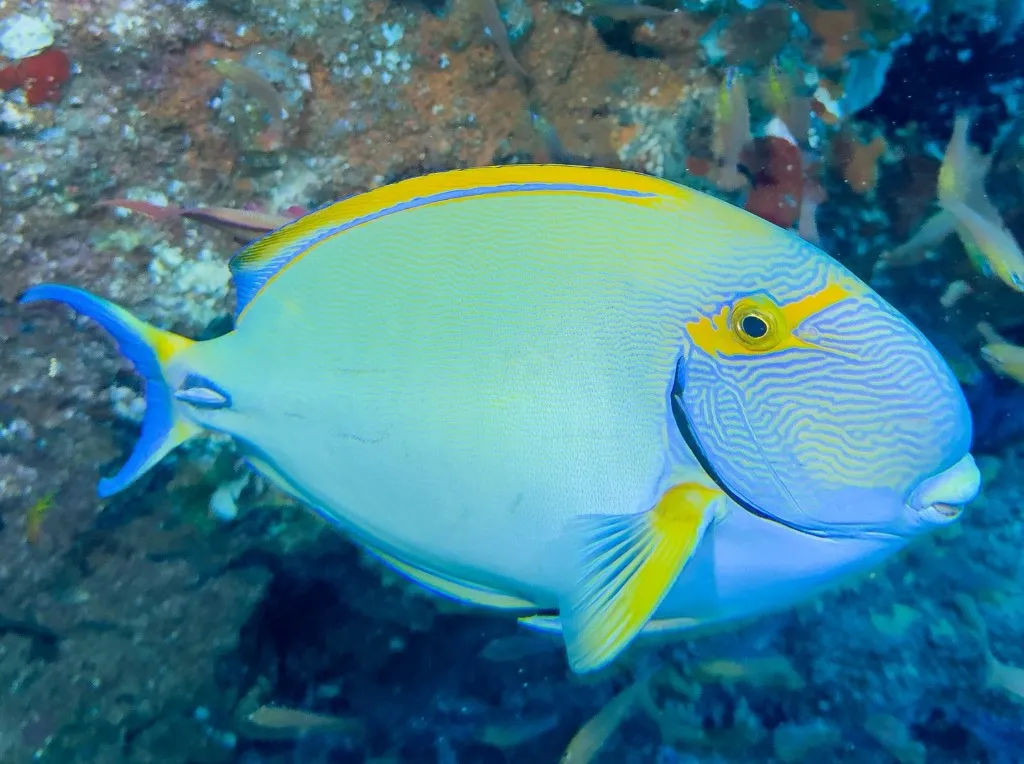
The site is a known location for white-tip sharks, which appear at various depths, including during safety stops. Mid-water and shallower zones reveal a bustling community of fish such as jackfish, grunt, spadefish, longtail stingrays, rainbow wrasse, razor surgeonfish, black nosed butterflyfish, white-spotted pufferfish, and king angelfish, often seen swimming over extensive gorgonians and sponges.

Dive Centers Near Cebaco Bajo Cagado
Today: 07:00 - 18:00

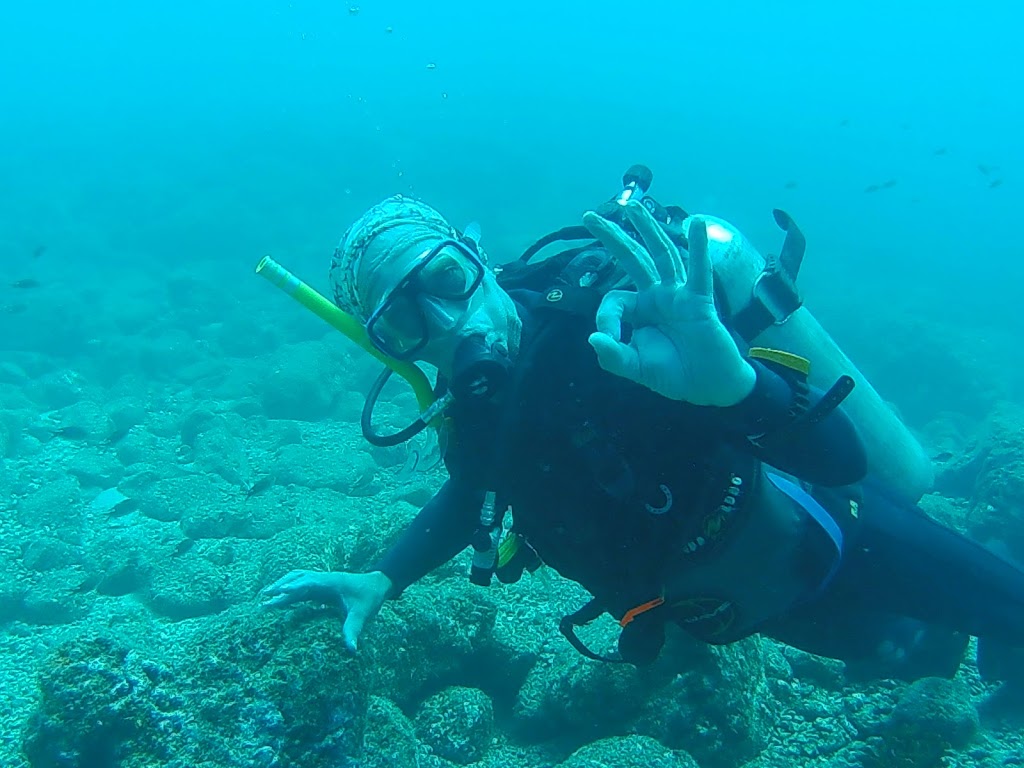
Nearest Airports
Nearest airports to help plan travel to this dive area.
Search Flights
Check available flights and routes on Expedia, using the nearby airports listed in this section.
Search Flights on ExpediaFrequently Asked Questions
What is the best time of year to dive Cebaco Bajo Cagado?
The optimal diving season runs from January to April and includes December. During these months, conditions are generally 'Good,' with minimal rainfall, warmer air temperatures, and typically calmer seas, offering the best chances for clear visibility and comfortable dives.
What kind of marine life can I expect to see at this dive site?
Cebaco Bajo Cagado is known for its pelagic encounters. You might see bull sharks and white-tip sharks, along with large schools of jackfish, grunts, and spadefish. The shallower reefs are also home to diverse smaller fish like king angelfish and various wrasses.
What are the typical depths for diving at Cebaco Bajo Cagado?
Diving here typically ranges from 5 to 40 m (16 to 130 ft). Shallower sections around 5-10 m (16-33 ft) are common for safety stops, while deeper areas, specifically 35-40 m (115-130 ft), offer opportunities to see bull sharks on the sandy bottom.
Are there strong currents at Cebaco Bajo Cagado?
Currents at this site can vary, but moderate to strong currents are possible, especially in deeper areas where pelagic species are more common. Divers should be prepared for potential currents and follow their dive guide's instructions closely.
What certification level is recommended for diving here?
Due to the potential for deeper dives and currents, an Advanced Open Water certification or equivalent is generally recommended. Experience with deep diving and drift diving is beneficial to fully enjoy and safely navigate the site.
How do thermoclines affect the dive experience?
Thermoclines are a notable feature, creating layers of varying water temperatures. While surface waters are warm, descending into deeper sections or passing through thermoclines can bring cooler temperatures. This often influences where certain marine life congregates.
Planning to dive Cebaco Bajo Cagado?
Send one inquiry and receive offers directly from the best verified local dive operators.
Conditions are Good
Optimal conditions expected
Current conditions near Cebaco Bajo Cagado show 27° air, 30° sea temperature, 0.9 m waves, and 21 km/h wind. Forecast data is refreshed regularly to ensure accuracy.