
Diving in Panama
Panama offers diverse diving conditions, shaped by local geography, water type, and site accessibility. We currently track 21 dive locations in our database for Panama.
Panama's unique geography, straddling both the Pacific Ocean and the Caribbean Sea, offers divers the rare opportunity to explore distinct marine ecosystems. This strategic location means varied underwater terrain and diverse coastal features.
While general dive site information is concentrated around certain areas, the country's dual-ocean access defines its diving appeal. Coiba Marine Park is a notable area for its documented marine encounters, including large pelagics. Travel to Panama is predominantly by air, with direct flights available from major airports in North and South America, and from Amsterdam and Madrid in Europe.
Dive Map of Panama
Diving locations in Panama are distributed across its dual coastlines, encompassing both the Pacific Ocean and the Caribbean Sea. This geographical spread allows for varied experiences. Offshore islands also contribute to the country's diving landscape.
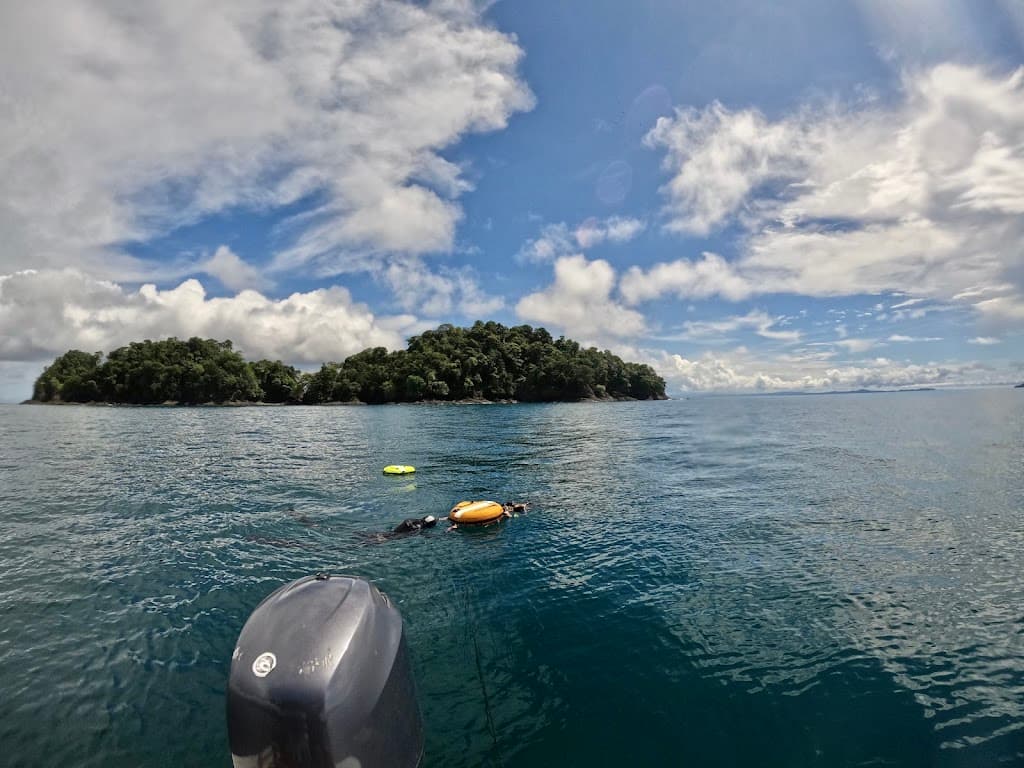
Coiba Marine Park, also known as Coiba National Park, stands out as a significant area within this distribution. Its surrounding islands are recognized for offering some of the country's best diving opportunities.
Dive Sites to Explore
View all 21 sites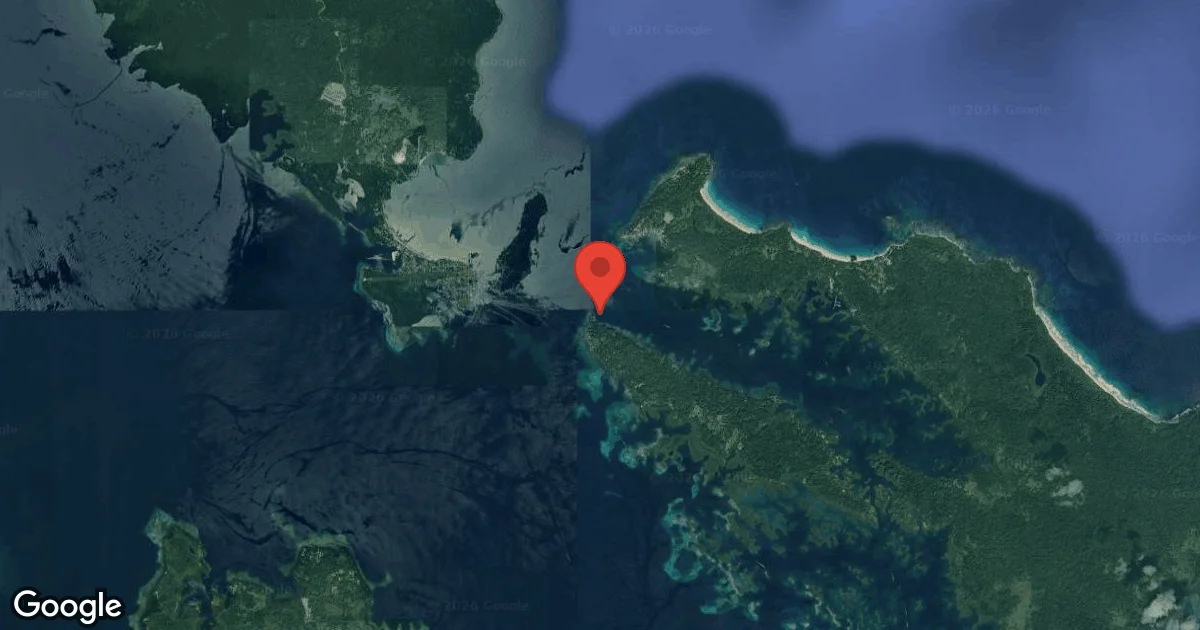
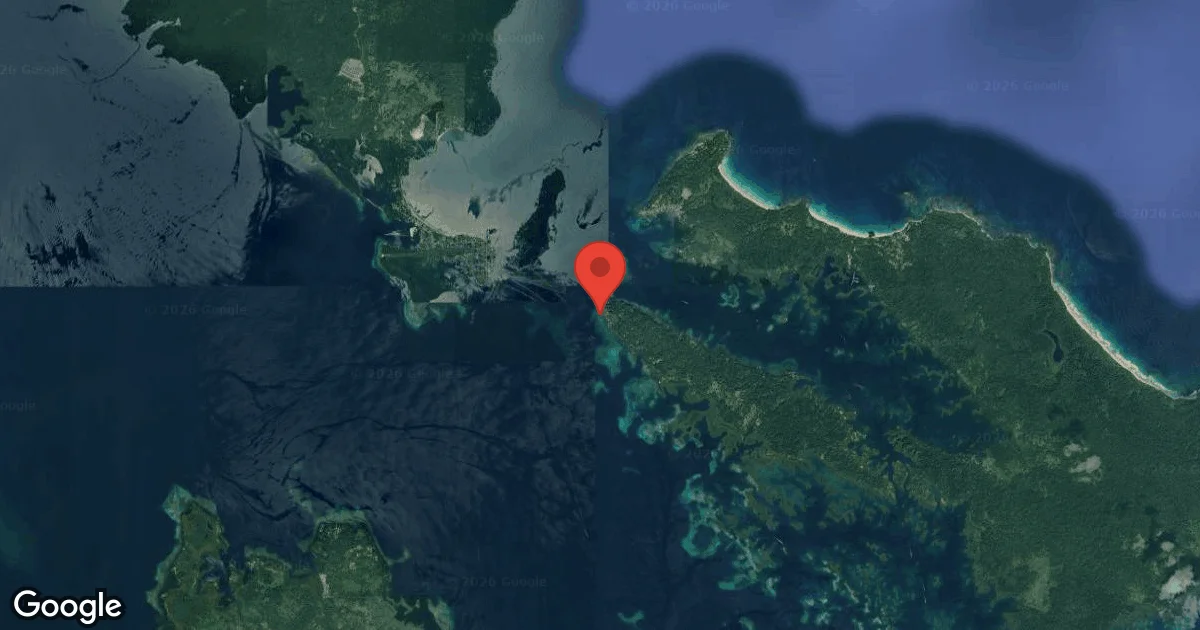
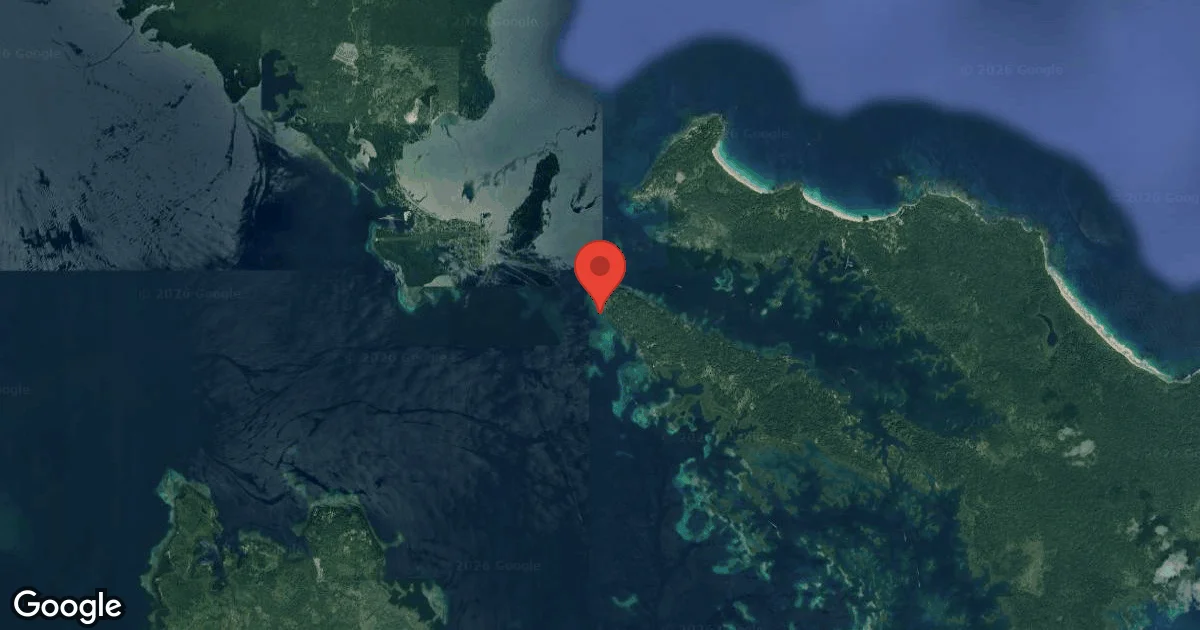
While specific site details are concentrated, diving in Panama includes opportunities for deeper exploration. Some locations support dives reaching depths of 24.5 m (80 ft).
Coiba National Park is mentioned as a prime area for diving, recognized for its marine life and the potential to uncover historical remnants. The diverse underwater terrain can feature various formations, though specific details on shallow versus deep site variation beyond the noted depth are not widely documented.
Best Time to Dive in Panama
For divers interested in specific marine encounters, August and September stand out as prime months in Panama. These months are noted for peak sightings of humpback whales, reef sharks, and possibly orcas.
Beyond these specific windows, general seasonal guidance for diving is not extensively detailed. Planning a trip around these peak marine life events can enhance the diving experience.
Monthly Sea Temperatures
Sea temperatures in Panama generally span a comfortable range from 25°C (77°F) to 29°C (84°F) across both coasts. The Caribbean side is characterized by warm, tropical conditions.
The Atlantic, in contrast, tends to be cooler. Divers can expect these warm conditions in most areas, making for comfortable dives.
| Jan | Feb | Mar | Apr | May | Jun | Jul | Aug | Sep | Oct | Nov | Dec | |
|---|---|---|---|---|---|---|---|---|---|---|---|---|
| Max | 29° | 28° | 28° | 29° | 30° | 30° | 30° | 30° | 30° | 30° | 30° | 29° |
| Avg | 28° | 27° | 27° | 28° | 29° | 29° | 29° | 29° | 29° | 29° | 29° | 28° |
| Min | 27° | 26° | 26° | 26° | 28° | 28° | 28° | 28° | 29° | 28° | 28° | 27° |
Dive Conditions
Divers in Panama may encounter varying underwater conditions, including the presence of surge. Surge is a notable environmental factor that can affect some dive sites, particularly around offshore islands.
Broader details on typical visibility are not extensively documented at a national level. The diving conditions can vary between the Caribbean and Pacific coasts, reflecting their distinct oceanographic characteristics.
Marine Life Highlights
Most Mentioned Species
Marine life in Panama varies across dive locations, with different species appearing depending on environment and conditions. The species highlighted here are the most frequently associated with dive sites in our data, offering a realistic overview of what divers are most likely to encounter.
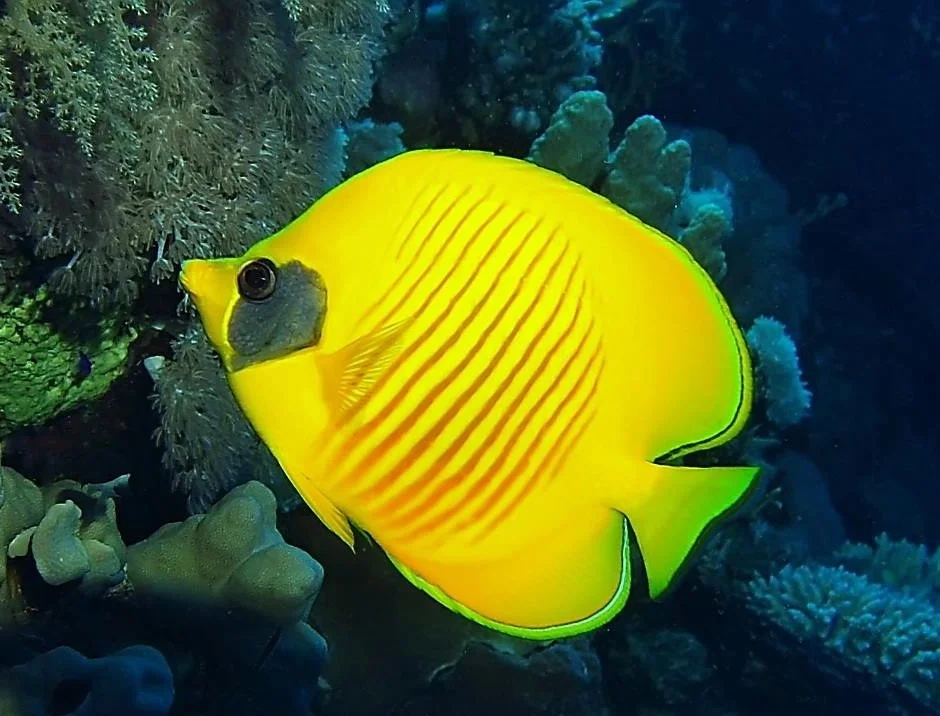
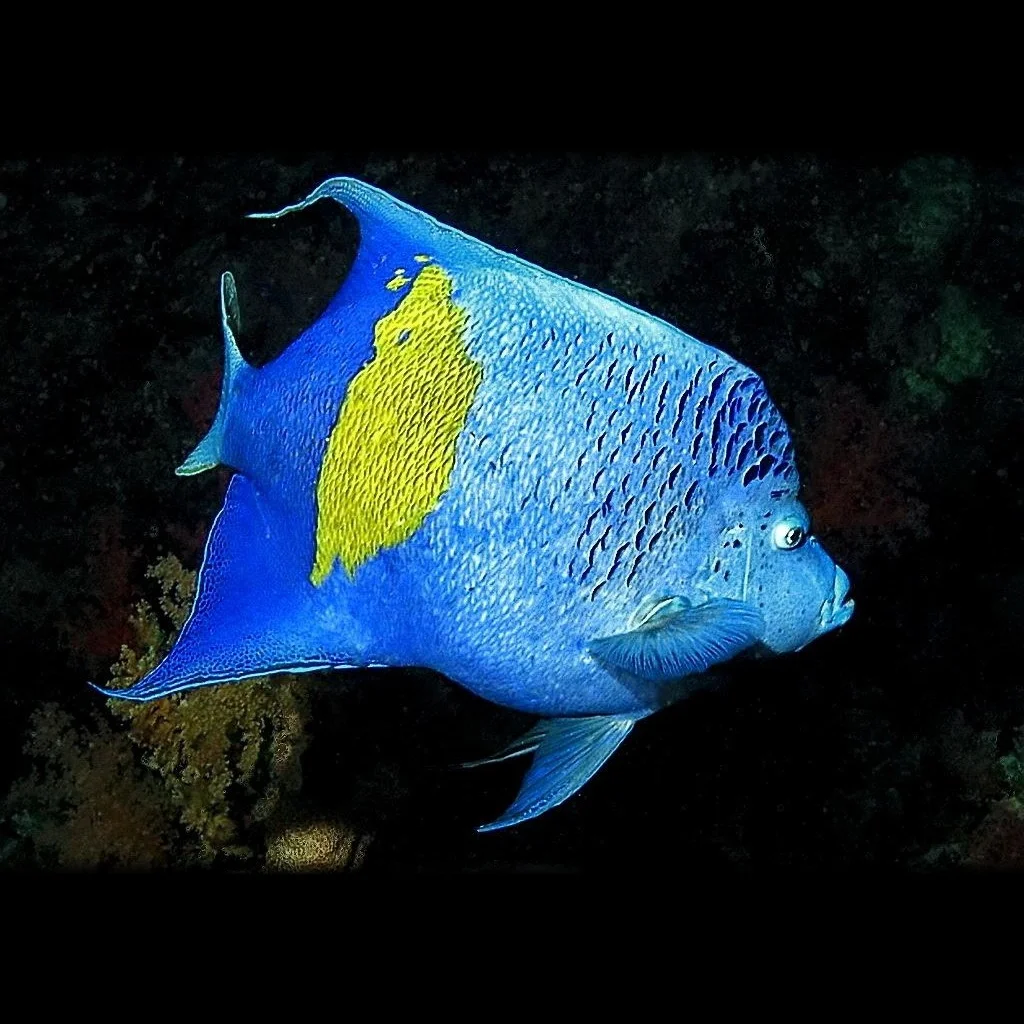
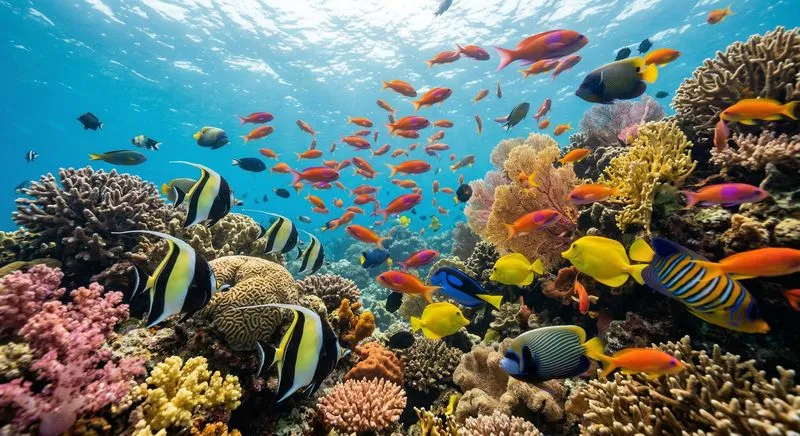
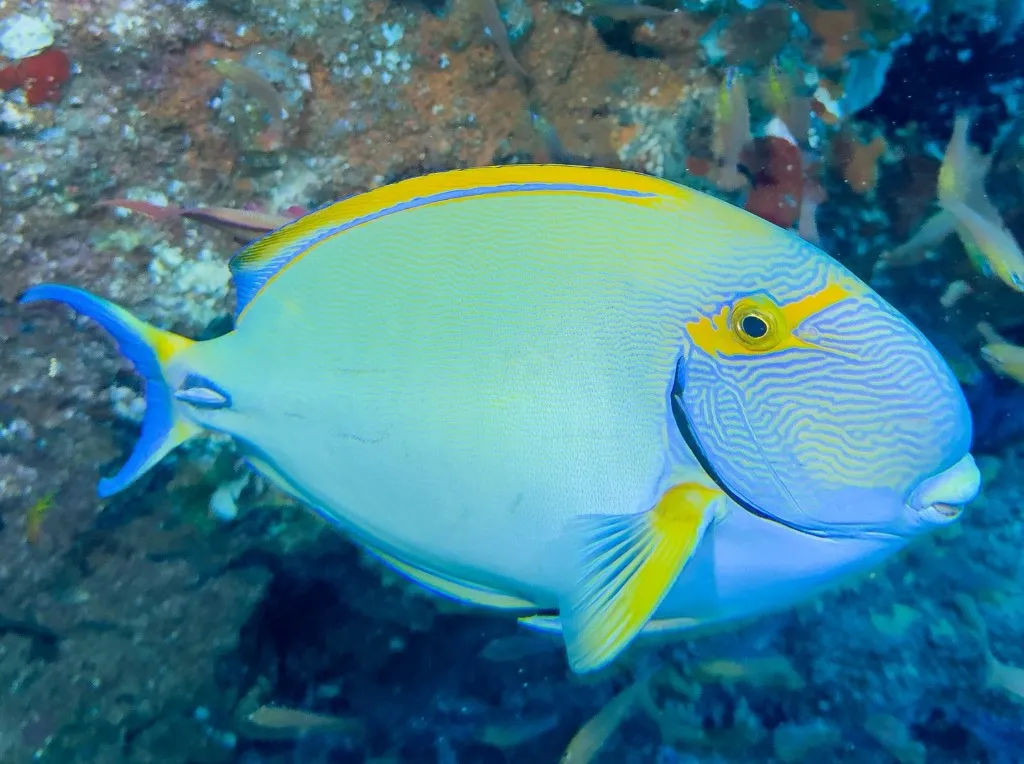
Divers in Panama can anticipate encounters with a variety of marine species. In areas like Coiba Marine Park, sightings of humpback whales, reef sharks, and orcas are documented.
Offshore islands often host butterflyfish and angelfish, alongside reef sharks and various rays. Additionally, damselfish are found among coral formations, and schools of turtles are common, contributing to diverse underwater observations.
Regions for Diving
Panama's diving regions are defined by its unique position between the Caribbean Sea and the Pacific Ocean, offering distinct environments. The Caribbean provides warm, tropical waters.
The Pacific side, while offering a different experience, also sees water temperatures generally ranging from 25°C (77°F) to 29°C (84°F). Coiba National Park, encompassing Coiba Marine Park, is a key area for exploration, known for its significant marine diversity and status as a UNESCO World Heritage Site.
Travel & Passport Guide
Travel Basics
Trip Planning
Safety & Diving Considerations
Divers in Panama should be prepared for specific environmental factors, including potential surge conditions. Dive sites can also involve deeper profiles, with some reaching 24.5 m (80 ft).
Planning dives with awareness of these conditions is important. Given the country's dual-ocean access, understanding local site specifics and current patterns is advisable for safe diving practices.
Dive Centers in Panama
View all 14 dive centers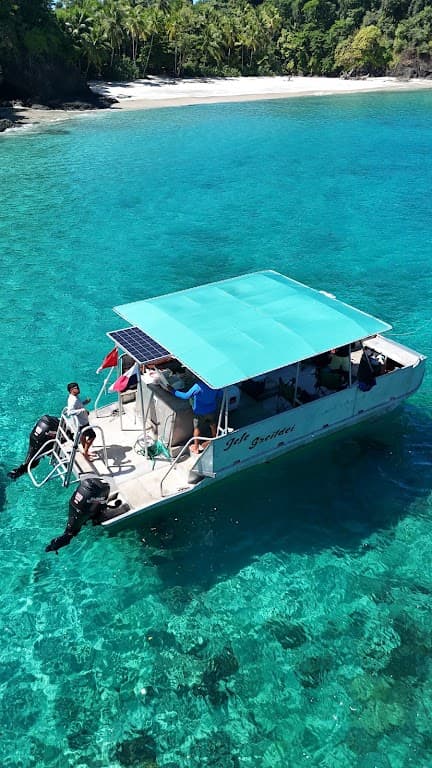
Frequently Asked Questions
Where are the primary diving locations in Panama?
Coiba Marine Park, also known as Coiba National Park, is a prominent diving area, recognized for its abundant marine life and status as a UNESCO World Heritage Site. Diving around offshore islands is also noted.
What marine life can divers expect to see?
Divers might encounter humpback whales, reef sharks, and orcas, especially during August and September in areas like Coiba Marine Park. Rays, butterflyfish, angelfish, damselfish, and turtles are also present.
What are the typical sea temperatures?
Water temperatures generally range from 25°C (77°F) to 29°C (84°F) across both coasts. The Caribbean Sea is warm and tropical, while the Atlantic side tends to be cooler.
Are there opportunities for deep diving?
Yes, some dive sites in Panama offer opportunities for deep diving, reaching depths of up to 24.5 m (80 ft).
How can one travel to Panama?
Most international travel to Panama is by air, with direct flights available from major North and South American airports. Direct flights from Europe originate in Amsterdam and Madrid.