
Diving at Daku Arch (Philippines)
Situated off Siargao Island, Daku Arch presents an engaging dive site known for its distinctive underwater topography. Divers navigating this location encounter a series of natural swim-throughs carved into the coral rock. Its proximity to Daku Island, positioned to the left when facing General Luna, makes it a readily accessible spot for local dive operators. The site is a popular choice for those looking to refine their buoyancy control in dynamic conditions.
Evening condition tracking at Daku Arch features an air temperature of 29.5°C. We have recorded wave heights measuring 0.9 m during this period. These figures outline the environmental parameters currently present.
Dive Site Location & Key Facts
Dive Site Overview
Navigating Daku Arch reveals a fascinating underwater topography, shaped by natural forces into a series of impressive rock formations and engaging swim-throughs. Divers enter an environment sculpted with at least two distinct passages, beginning with a comfortable, wide archway that allows for a smooth, unhurried entry.
This initial section transitions smoothly to a second passage. Progressing further, a subsequent opening narrows considerably, demanding precise buoyancy control and careful finning to maneuver efficiently through the more confined space. Beyond these immediate archways, the terrain shifts dramatically to an open sandy bottom, dotted generously with various coral clusters and isolated pinnacles.
These scattered formations provide crucial shelter and feeding grounds for a range of marine life. This diverse environment, blending structural complexity with expansive sandy areas, provides ample opportunities for varied marine interactions within the recreational depth limits.
Reaching a maximum depth of 16 m (52 ft), the interplay between shadowed rock structures and sunlit sandy stretches creates a dynamic dive profile, encouraging thorough exploration. Its unique geological features offer both exhilarating challenges and tranquil observation zones.
Conditions are Good
Optimal conditions expected
Current conditions near Daku Arch show 30° air, 30° sea temperature, 0.9 m waves, and 28 km/h wind. Forecast data is refreshed regularly to ensure accuracy.
Best Time to Dive
Planning a dive to Daku Arch is generally most rewarding from March through October, when conditions typically favor clearer waters and calmer seas. During these months, the dive score averages 'Good' (7-8), reflecting more stable weather patterns. Rain levels are consistently lower, averaging around 5-8 mm, compared to the wetter periods of January-February and November-December, which see 11-14 mm of rain. Wave heights also tend to be minimal, often below 1 meter, creating comfortable boat entries and better visibility. Air temperatures throughout the year remain pleasantly warm, ranging from 26-28°C (79-82°F), with water temperatures typically remaining warm, usually ranging from 27-29°C (81-84°F).
PEAK SEASON SCORE
Scores combine air & water temps, waves, wind & rainfall for overall conditions.
BEST MONTHS TO DIVE
Monthly records compiled from satellite and marine observation nodes over the last 3 years. Data provided by Open-Meteo and MET Norway.
Dive Experience & Conditions
Diving at Daku Arch offers a blend of structural exploration and open reef observation, making for a varied experience. Negotiating the distinct swim-throughs requires sound buoyancy skills, particularly within the narrower second passage where precision is key. Beyond the arch itself, a gently sloping reef extends onto a sandy bottom at depths up to 16 m (52 ft). Visibility at this site can range widely, often between 10-25 meters (33-82 ft), depending on recent weather and surge. Water movement typically involves light surge and motion, which can add a dynamic element to the experience, especially near the rock formations.
Dive Difficulty & Safety Guidelines
Ensuring a safe dive at Daku Arch begins with a thorough pre-dive briefing from a local professional. Given the presence of swim-throughs, advanced open water certification and strong buoyancy control are advisable, particularly for the more confined passages. Always dive with a buddy and maintain good awareness of your surroundings inside the archways.
While generally a safe site, paying attention to variable currents and maintaining proper ascent rates are critical. It's also important to avoid contact with the delicate coral formations and rock structures to preserve this environment.
Recommended Equipment
- Dive Computer
- DSMB
This gear list is based on verified equipment signals for Daku Arch, Philippines. Always confirm final gear choices with your dive operator, guide, or liveaboard.
Recommended Dive Suit
Experienced divers often bring flexible gear options.
Environmental readings suggest that the waters surrounding Daku Arch are about 30°C (86°F) at the moment. Surface air temperatures are resting at 30°C (85°F). Divers who spend longer periods underwater often choose dive skin or rash guard.
Current forecasts indicate relatively stable conditions for the coming days.
Emergency & Medical Support
Essential information to help you plan your dive trip to Daku Arch.

Hyperbaric chambers are a critical part of dive safety infrastructure. Availability varies significantly by region, and not all dive areas have immediate access.
Before diving, it's recommended to:
- confirm nearest medical facilities
- check emergency procedures with local dive operators
- ensure dive insurance covers evacuation if required
Divers Alert Network
Diving emergency assistance available through DAN World.
+1-919-684-9111- 24/7 emergency hotline
- Diving medical assistance
- Evacuation coordination
Emergency contacts are provided for reference. Always verify local emergency services before diving.
Marine Life at Daku Arch
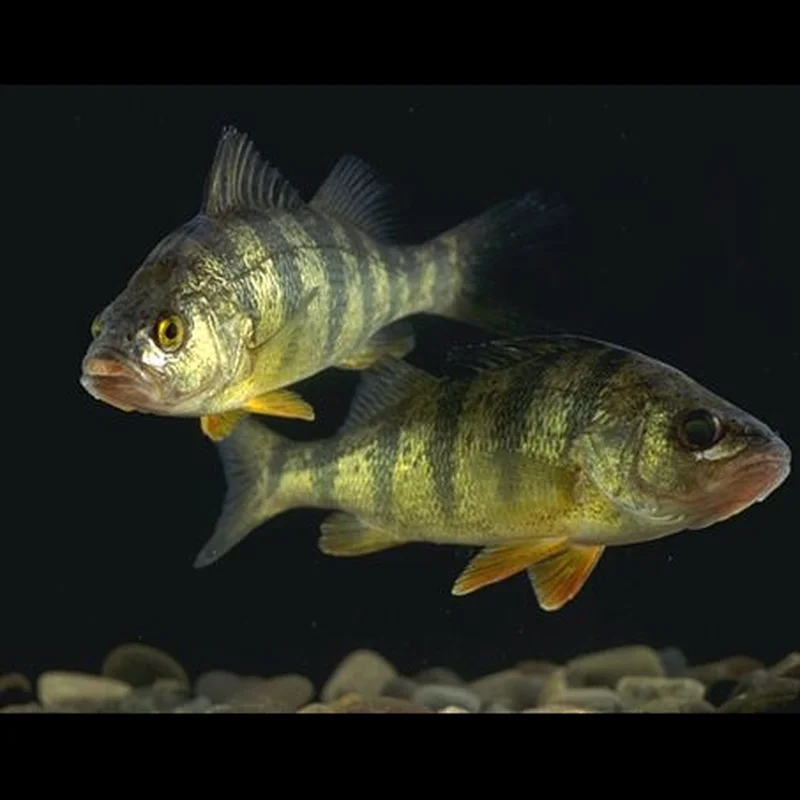
Daku Arch hosts a diverse array of marine life, particularly in the scattered reef sections and around the sandy patches beyond the arch. Divers frequently observe various reef fishes congregating near coral heads.
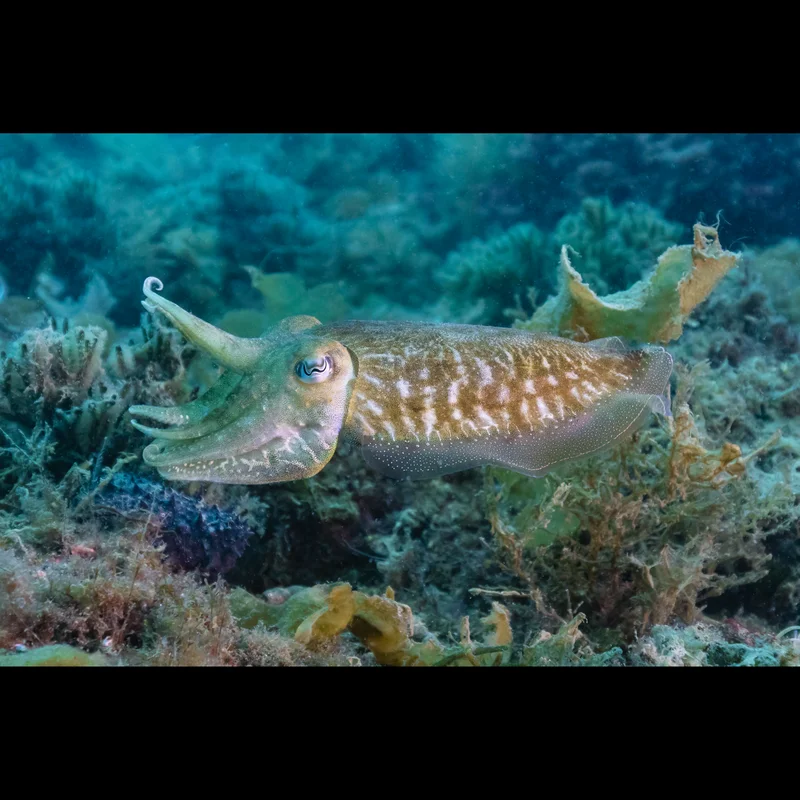
Keep an eye out for resident cuttlefish, often seen camouflaged on the sandy bottom or among rocks. Occasional octopus sightings add excitement.
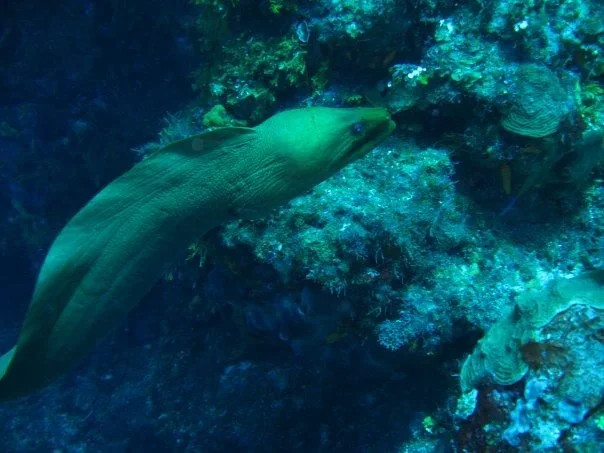
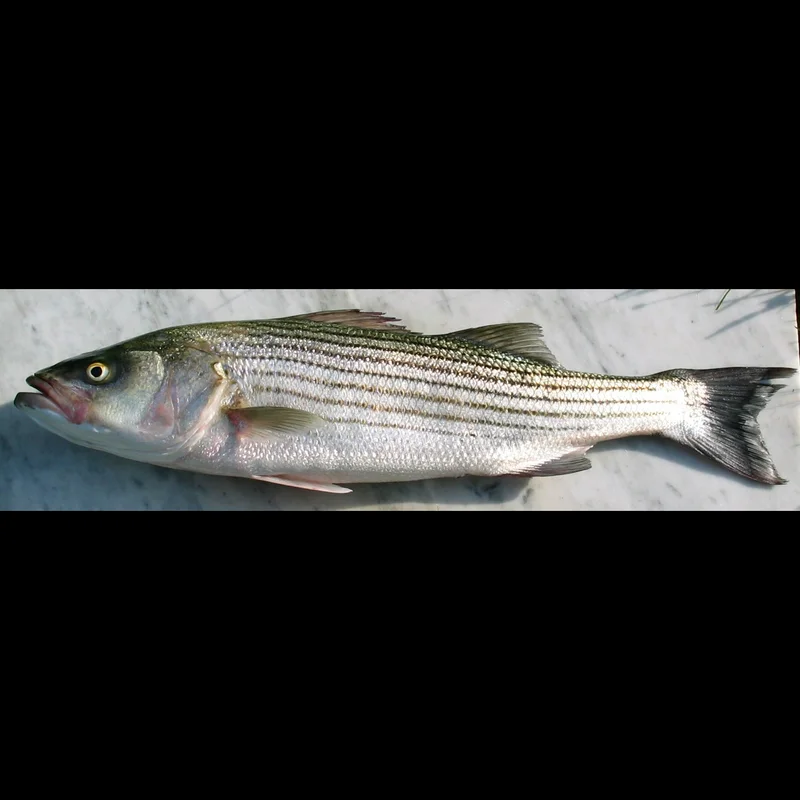
Moray Eels may be found tucked into crevices, and schools of Large Eyed Seabream are common in open water. Unique sightings like the Electric Fire Clam are also reported, adding to the site's allure.

Dive Sites Near Daku Arch
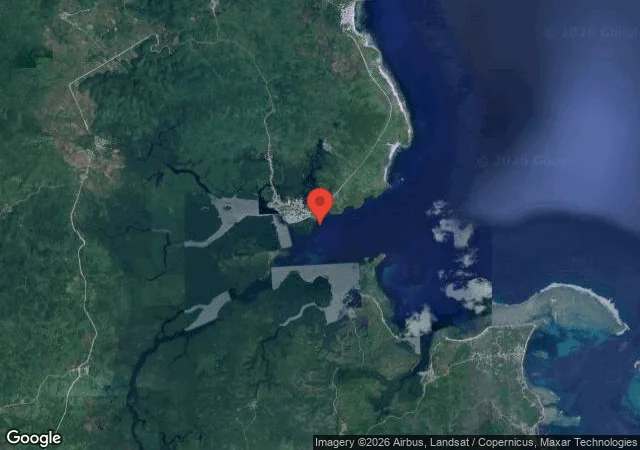
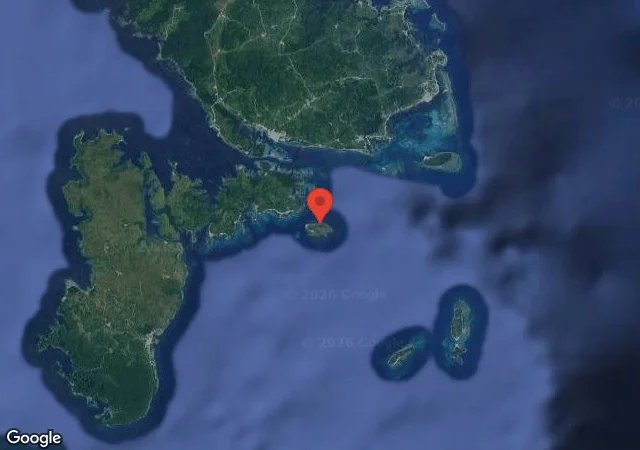
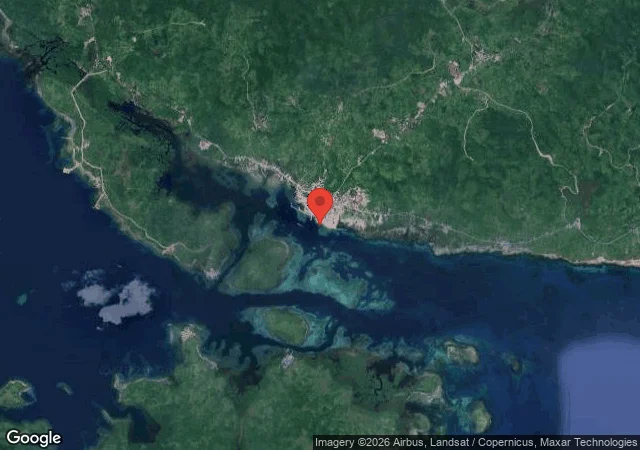
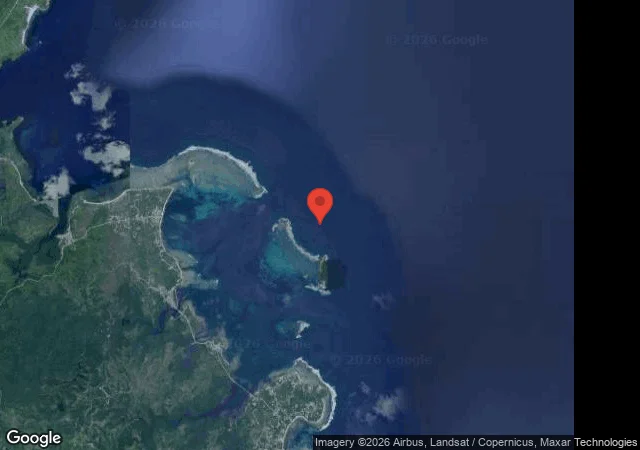
View all dive sites in PhilippinesDiscover more underwater gems in this area.
Dive Centers Near Daku Arch
Today: 08:30 - 17:30
Nearest Airports
Nearest airports to help plan travel to this dive area.
Search Flights
Check available flights and routes on Expedia, using the nearby airports listed in this section.
Search Flights on ExpediaFrequently Asked Questions
What is the maximum depth at Daku Arch?
The maximum recreational depth recorded at Daku Arch is 16 meters (52 feet). Shallower sections and the archways themselves are typically within 10 meters.
Are there any strong currents?
Conditions can vary, but the site generally experiences light surge and motion. The narrower swim-throughs might feel more dynamic, requiring good buoyancy control.
What kind of marine life can I expect to see?
Expect to encounter reef fishes, occasional octopus, and schools of Large Eyed Seabream. Cuttlefish are a common sighting, often camouflaged on the sandy substrate.
Is Daku Arch suitable for beginner divers?
While the sandy bottom sections can be beginner-friendly, the swim-throughs and potentially dynamic conditions may challenge novice divers. A PADI Open Water Diver certification is a minimum requirement, but training in Peak Performance Buoyancy is beneficial here.
What are the main features of the dive site?
The primary features are natural swim-throughs carved into the coral rock. Beyond these, a sloping reef leads to a sandy bottom dotted with coral clusters and scattered reef life.
How do I get to Daku Arch?
Daku Arch is accessed via boat. Dive centers operating out of Siargao Island, particularly near General Luna, offer trips to this site.
Planning to dive Daku Arch?
Send one inquiry and receive offers directly from the best verified local dive operators.
Conditions are Good
Optimal conditions expected
Current conditions near Daku Arch show 30° air, 30° sea temperature, 0.9 m waves, and 28 km/h wind. Forecast data is refreshed regularly to ensure accuracy.