
Diving in Philippines
Planning dives in Philippines means understanding how conditions vary across different types of dive locations. 269 dive sites are currently cataloged across Philippines in our system. Divers can use this to better understand site conditions.
Accessing the underwater realms of this archipelago often involves a mix of dedicated liveaboard journeys and shore-based resort operations. With over 7,000 islands, the country provides an expansive range of diving experiences, accommodating various skill levels and preferences. Major destinations such as Tubbataha Reefs, Apo Island, and Malapascua are frequently best explored via liveaboards, granting entry to more remote and unspoiled sites.
For divers who prefer resort-based stays, key hubs like Anilao in Batangas, Moalboal in Cebu, and Panglao in Bohol provide extensive shore diving and day trip excursions. The region's location within the Coral Triangle contributes to its exceptional marine biodiversity.
Expect to encounter a vibrant array of life here, from over 500 coral species and 2,500 fish species to elusive thresher sharks, majestic whale sharks, and diverse macro life, including flamboyant cuttlefish and pygmy seahorses. The dive landscape truly caters to both wide-angle and macro photographers.
Dive Map of Philippines
Underwater exploration across this island nation is structured around its distinct island groups, each presenting unique topographies and marine encounters. The dive landscape here varies significantly, stretching from the northern reaches of Luzon through the central Visayas and down into the southern islands of Mindanao and Palawan.
Accessible dive sites are plentiful in key regions such as Batangas on Luzon's coast and the Central Visayas, which includes Cebu and Bohol. More remote treasures like Tubbataha Reefs in the Sulu Sea and Apo Reef off Mindoro Occidental are typically accessed through specialized expeditions.
Across these diverse areas, specific sites like Monad Shoal near Malapascua, Pescador Island, and the World War II wrecks of Coron Bay offer distinct underwater experiences for any diver.
Dive Sites to Explore
View all 269 sites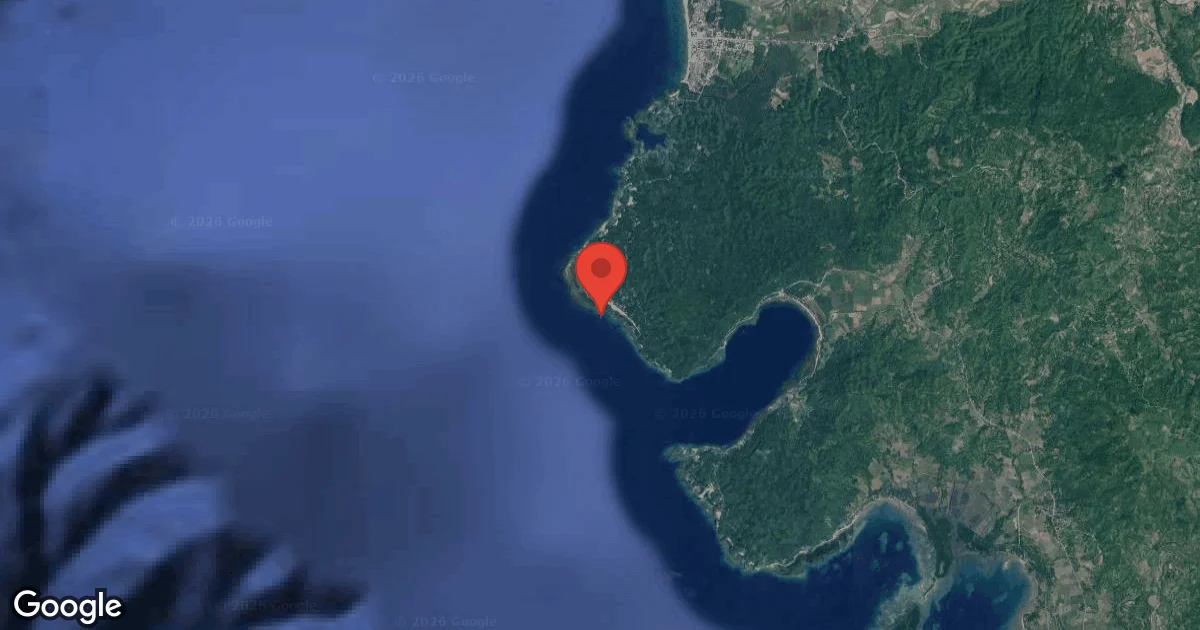
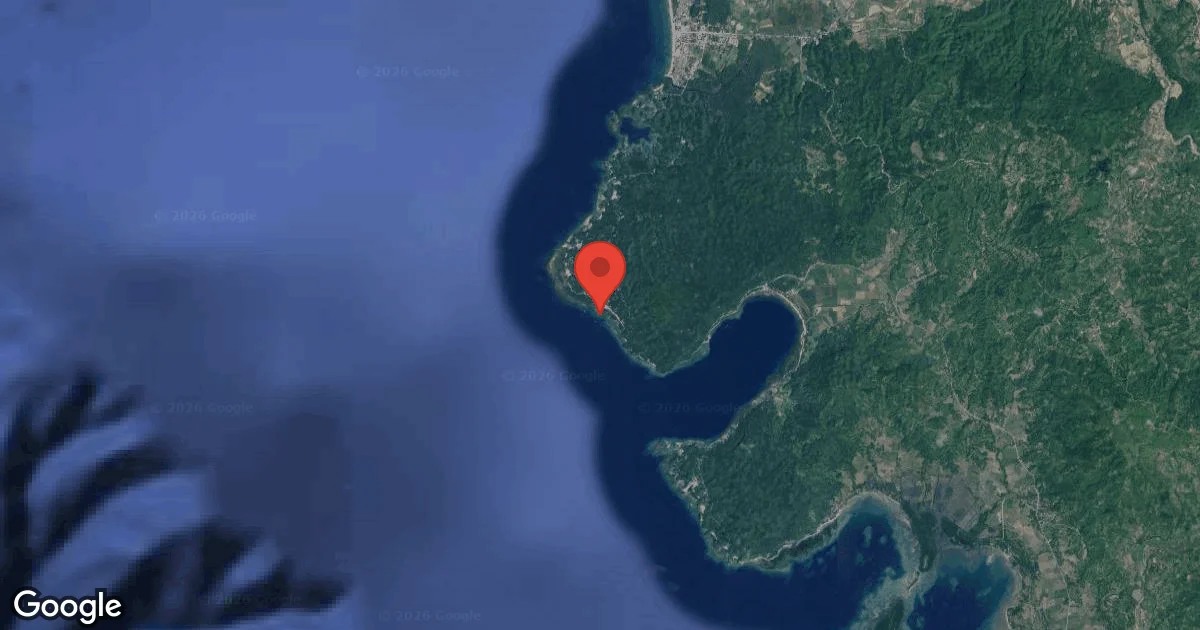
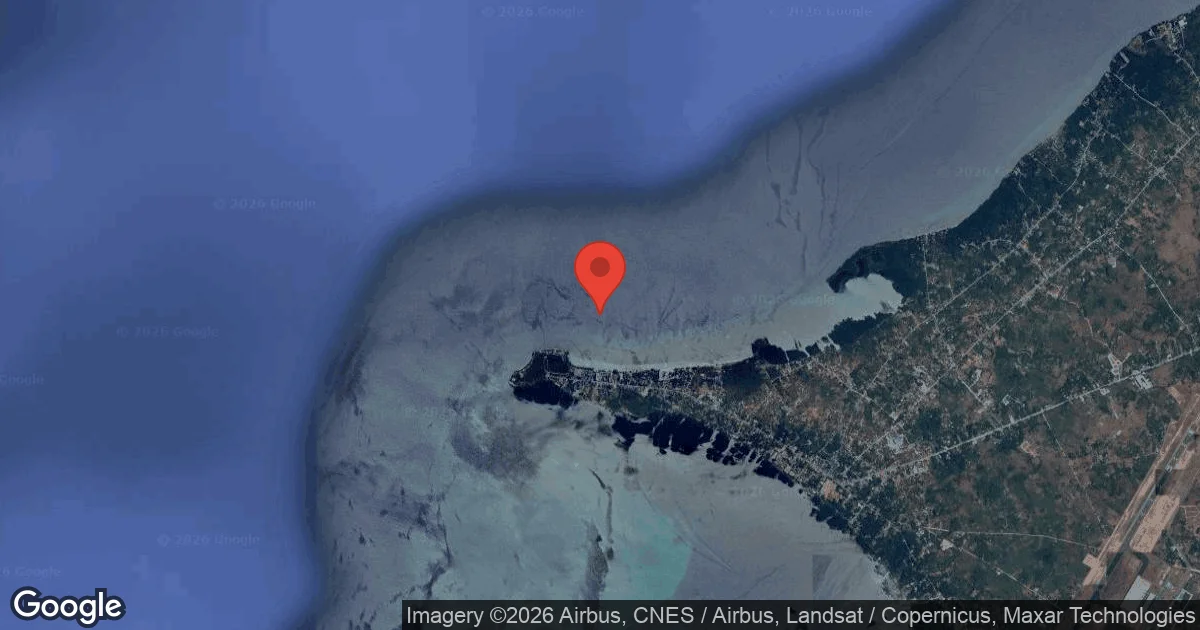
The Philippines presents a spectrum of dive sites, from challenging drift dives suitable for advanced divers to calmer, critter-rich areas perfect for macro enthusiasts and beginners. Its diverse underwater landscapes ensure there is something for every experience level.
For those seeking pelagic encounters, Monad Shoal near Malapascua Island in Cebu is a primary location. This submerged island provides consistent early morning thresher shark sightings, with depths reaching around 18-40 m (60-130 ft). Potential strong currents here make it ideal for Advanced Open Water divers. Coron Bay, within Palawan, delivers a historical diving experience with its collection of World War II wrecks, including the Irako and Akitsushima. These sunken Japanese warships allow for thrilling penetration dives amidst vibrant marine ecosystems. Barracuda Lake in Coron also features a distinct freshwater diving experience, marked by its thermoclines.
Near Moalboal, the Sardine Run offers an awe-inspiring spectacle where millions of sardines form massive bait balls close to shore, attracting larger predators. This site features excellent visibility and is accessible to most divers. For macro photography, Anilao in Batangas is a prime location. Sites like Lighthouse Reef here are noted for encounters with flamboyant cuttlefish, seahorses, and blue-ringed octopuses, often with calmer conditions. Balicasag Island off Panglao, Bohol, displays spectacular drop-offs and abundant reef life, including schooling jackfish and colorful corals. Visibility across these sites can range from 15-45 m (49-148 ft), with some areas like Tubbataha boasting exceptionally clear waters.
Best Time to Dive in Philippines
Choosing the best time to dive in the Philippines often involves balancing optimal conditions with specific marine life encounters. The peak dive season, generally from March through May, offers outstanding conditions with calm seas, excellent visibility, and high marine life activity across most regions. This period is ideal for liveaboard trips to remote destinations like Tubbataha Reefs and Apo Reef.
The dry season, from November to May, is widely considered the most reliable period for diving, characterized by clear skies and calm waters. Whale shark sightings, particularly in southern regions like Donsol, peak from November to June. Manta ray encounters are most common from December to May. While the wet season, from June to October, brings increased rainfall and can result in rougher seas and reduced visibility in some areas due to the southwest monsoon, certain central and southern regions, like Davao and Camiguin, experience less seasonal variation and can still offer good diving.
Divers planning trips for specific encounters should consult regional calendars; for instance, Dumaguete and Apo Island peak from March to June with gentle currents and clear water. The transition period from September to October can bring variable weather, but opportunities remain.
Monthly Sea Temperatures
The tropical climate ensures that sea temperatures across the Philippines remain consistently warm, providing a comfortable diving environment throughout the year. Divers can generally expect water temperatures averaging between 26-30°C (79-86°F), with minimal seasonal fluctuations.
Even during what might be considered cooler months, the water maintains its warmth, often making thick wetsuits unnecessary for most divers. This consistent thermal comfort is a significant advantage, allowing for longer bottom times and a more relaxed experience underwater.
Whether exploring shallow, vibrant reefs or deeper wreck sites, the inviting tropical waters allow divers to focus on the marine life without concern for temperature discomfort. The stable warmth supports the rich biodiversity found in these waters.
| Jan | Feb | Mar | Apr | May | Jun | Jul | Aug | Sep | Oct | Nov | Dec | |
|---|---|---|---|---|---|---|---|---|---|---|---|---|
| Max | 28° | 28° | 28° | 30° | 31° | 31° | 30° | 30° | 30° | 30° | 30° | 29° |
| Avg | 27° | 27° | 27° | 28° | 30° | 30° | 29° | 29° | 29° | 29° | 29° | 28° |
| Min | 26° | 26° | 26° | 27° | 28° | 29° | 29° | 28° | 28° | 28° | 28° | 27° |
Dive Conditions
Dive conditions in the Philippines are notably diverse, ranging from exceptionally calm environments to areas with challenging currents, depending on the specific region and site. Visibility is generally excellent, frequently exceeding 30 m (100 ft) in many prime locations, especially during the dry season from November to May. This clear water enhances the experience for both macro and wide-angle photography.
However, certain areas are recognized for their strong currents, which demand more advanced diving skills. Sites such as Monad Shoal in Malapascua, sections of the Verde Island Passage, and the reef walls of Tubbataha can experience powerful water movements. Divers planning to visit these locations should possess appropriate certifications and be comfortable with drift diving techniques. The country offers abundant reef diving and frequent drift opportunities.
During the wet season, from June to October, increased rainfall and the southwest monsoon can lead to rougher seas and reduced visibility in some regions. Conversely, destinations like Anilao are known for their generally calmer conditions, making them ideal for macro photography and less experienced divers. Other sites, such as Sombrero Island, offer exhilarating drift dives, providing varied experiences across the archipelago.
Marine Life Highlights
Most Mentioned Species
Marine life in Philippines varies across dive locations, with different species appearing depending on environment and conditions. The species highlighted here are the most frequently associated with dive sites in our data, offering a realistic overview of what divers are most likely to encounter.
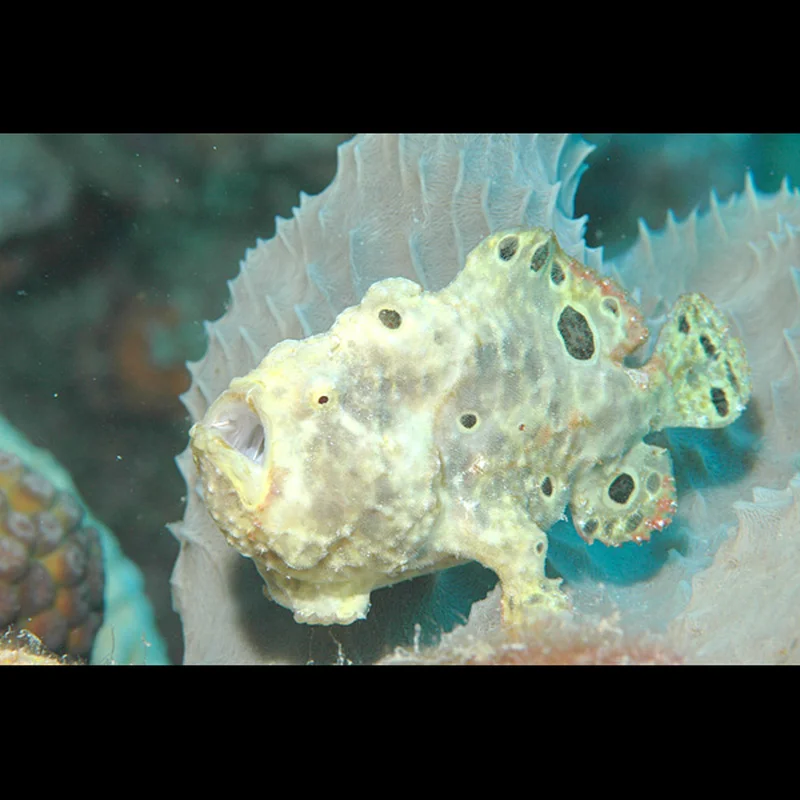
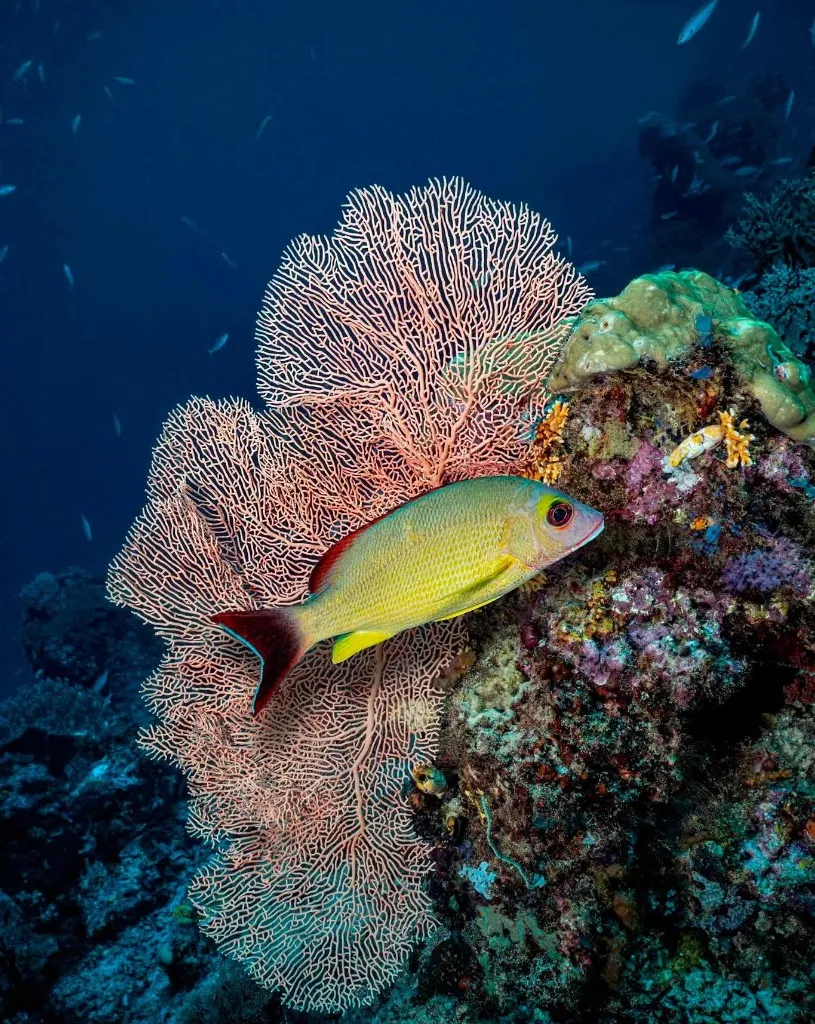
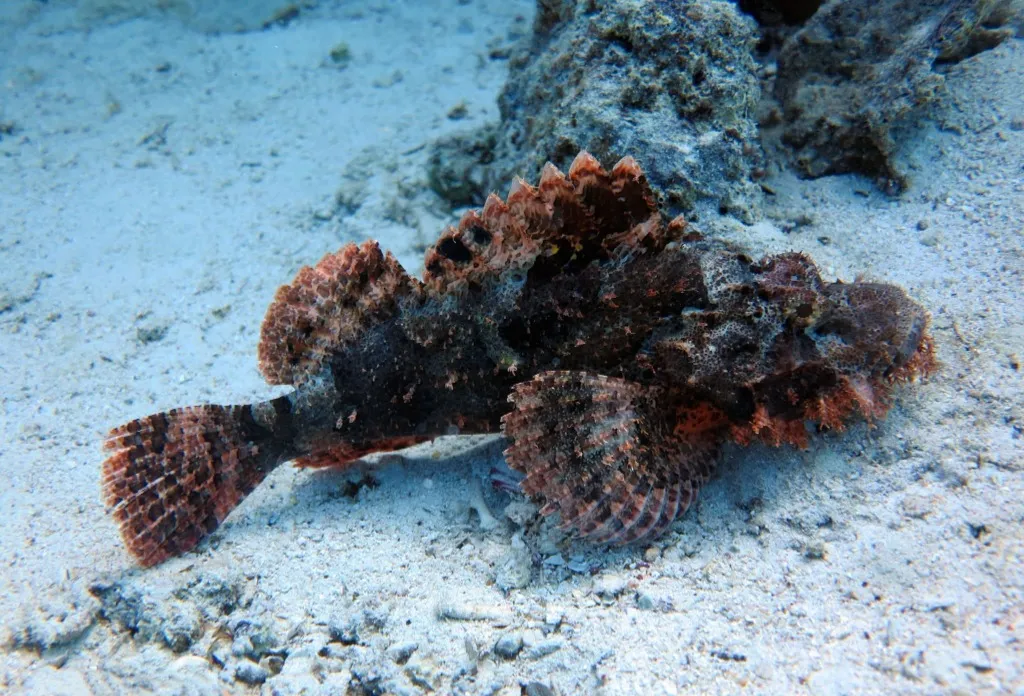
The marine life encountered here follows seasonal patterns, with specific sightings more probable during certain times of the year. For instance, whale shark observations are most frequent from November to June, while manta rays are commonly spotted from December to May. These larger pelagics add an exciting dimension to the diving experience.
Beyond the big animals, the reefs host a remarkable diversity of species. Divers can anticipate encountering schooling jacks, barracudas, and various reef sharks, including whitetip and blacktip reef sharks. Green sea turtles are also frequently observed gliding through the vibrant reef ecosystems.
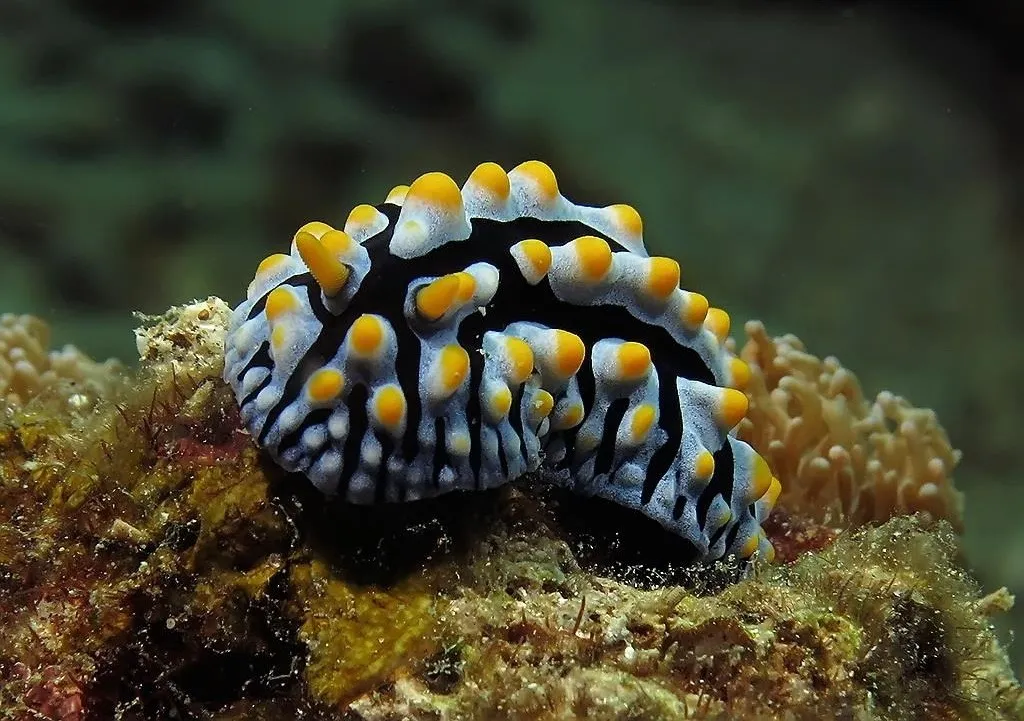
Macro enthusiasts will find a plethora of subjects, from flamboyant cuttlefish and blue-ringed octopuses to frogfish, ghost pipefish, nudibranchs, and pygmy seahorses. The country's location within the Coral Triangle supports a rich ecosystem, home to over 500 species of coral and 2,500 species of fish.
Regions for Diving
The dive regions of the Philippines offer distinctly different experiences, from remote pelagic encounters to accessible macro havens and historical wreck sites. Each area presents a unique set of conditions and marine life.
Tubbataha Reefs Natural Park, located far offshore in the Sulu Sea, is a UNESCO World Heritage Site accessible primarily by liveaboard from March to June. This remote park features pristine reef walls, exceptionally clear waters, and abundant pelagic life, including sharks, manta rays, and large schools of fish. Visibility often exceeds 30 m (100 ft), but strong currents can be present. In contrast, Coron Bay in Palawan is a key location for historic World War II wreck diving. Here, divers can explore numerous sunken Japanese ships amidst rich marine ecosystems, with depths varying and visibility generally good. Coron also includes freshwater diving in Barracuda Lake.
Anilao, situated in Batangas on Luzon, is a highly accessible destination, particularly sought after for its macro diving and muck sites. It's an excellent spot for photographers seeking critters like frogfish, nudibranchs, and seahorses, with generally calmer conditions and good visibility. The water temperature here, like most regions, stays warm, around 26-30°C (79-86°F). Further south, Malapascua Island in Cebu is well-regarded for its early morning thresher shark encounters at Monad Shoal. This region, part of the Central Visayas, also offers vibrant reef diving and is best visited from December to May for calm seas and excellent visibility. Nearby, Apo Island off Negros Oriental and Balicasag Island off Panglao in Bohol provide stunning coral gardens, abundant reef fish, and opportunities to see schooling jacks and sea turtles, often with gentle currents and clear waters, especially from March to June.
Travel & Passport Guide
Travel Basics
Trip Planning
Safety & Diving Considerations
Ensuring a safe dive experience in this archipelago requires an understanding of local conditions and adherence to established diving practices. While numerous sites offer calm and accessible diving, certain areas are recognized for their challenging environments.
Dive locations such as Monad Shoal, the Verde Island Passage, and Tubbataha’s reef walls can experience strong currents. Divers planning to visit these spots should hold appropriate certifications, such as Advanced Open Water, and be comfortable with drift diving techniques. Always dive within your training limits and with a reputable dive operator familiar with the local environment.
Crucial aspects include proper dive planning, understanding entry and exit points, current direction, and emergency procedures. Carrying personal safety equipment like a surface marker buoy (SMB) and a dive computer is also advisable. Staying hydrated and being mindful of your overall physical condition before and during dives contributes significantly to safety.
Dive Centers in Philippines
View all 49 dive centers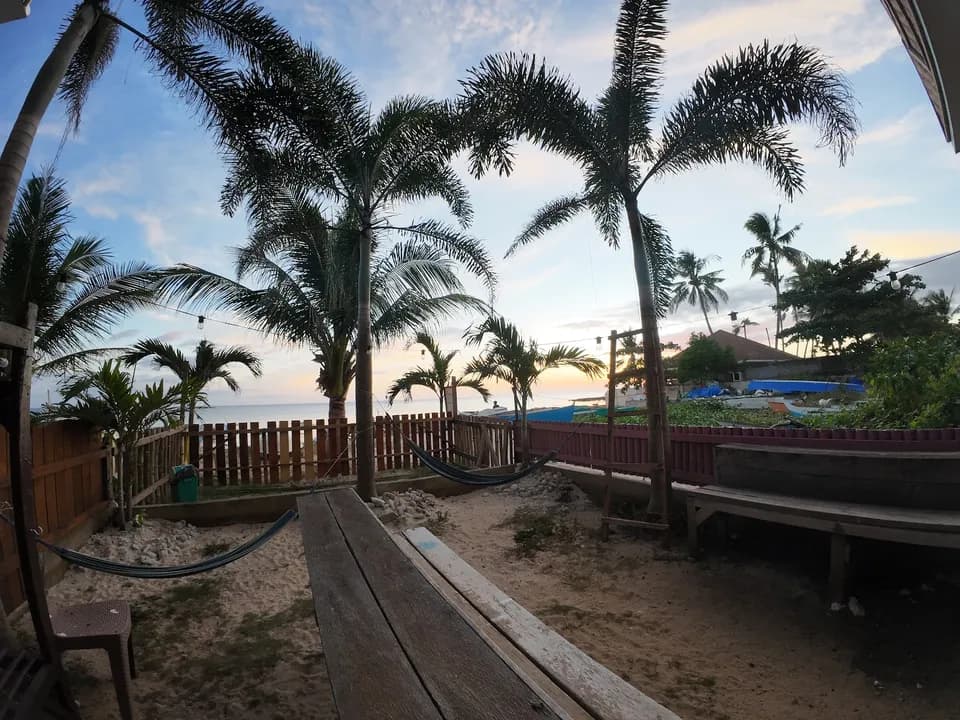
Frequently Asked Questions
What is the best overall time to go diving in the Philippines?
The peak dive season in the Philippines generally runs from March through May, offering the best overall conditions. During these months, you can expect calm seas, excellent visibility often exceeding 30 m (100 ft), and a high level of marine life activity. The dry season from November to May is also highly recommended, providing reliable weather and good access to most dive destinations.
What kind of marine life can I expect to see?
The Philippines is a biodiversity hotspot. Divers frequently encounter pelagic species like thresher sharks (especially at Monad Shoal), whale sharks (seasonal, November to June), and manta rays (December to May). Reefs are vibrant with schooling jacks, barracudas, and various reef sharks. Macro enthusiasts will find a rich array of critters, including flamboyant cuttlefish, blue-ringed octopuses, frogfish, nudibranchs, and pygmy seahorses.
Are there dive sites suitable for beginners and advanced divers?
Yes, the Philippines offers diving for all skill levels. Beginners can enjoy calmer reef dives in areas like Anilao or parts of Apo Island. Advanced divers will find thrilling experiences at sites with strong currents, such as Tubbataha Reefs or Monad Shoal, and challenging penetration dives in the World War II wrecks of Coron Bay.
What are the typical water temperatures for diving?
The Philippines boasts consistently warm tropical waters year-round. Sea temperatures generally range from 26-30°C (79-86°F). This comfortable warmth means that divers often only require a thin wetsuit or even just a rash guard for thermal protection, allowing for enjoyable and extended underwater explorations.
Which regions are best for wreck diving or macro photography?
For wreck diving, Coron Bay in Palawan is the premier destination, offering numerous accessible World War II Japanese shipwrecks. If macro photography is your passion, Anilao in Batangas is widely regarded as one of Asia's best muck diving locations, abundant with unique and rare critters.