
Diving at Kalangahan Reef (Philippines)
Divers approaching Kalangahan Reef should prepare for a dynamic multi-level profile, moving from shallow, sheltered areas to deeper, exposed sections. The site's varied topography, while appealing to a broad range of skill sets, requires mindful ascent and descent planning to fully appreciate its distinct coral zones. Its tiered structure offers both gentle introductions for new divers and engaging depths for those with more experience.
As evening covers Kalangahan Reef, the local air temperature is measured at 32.5°C. The current wave height at the surface is recorded at 0 m. These late-day readings characterize the surface conditions for the night.
Dive Site Location & Key Facts
Dive Site Overview
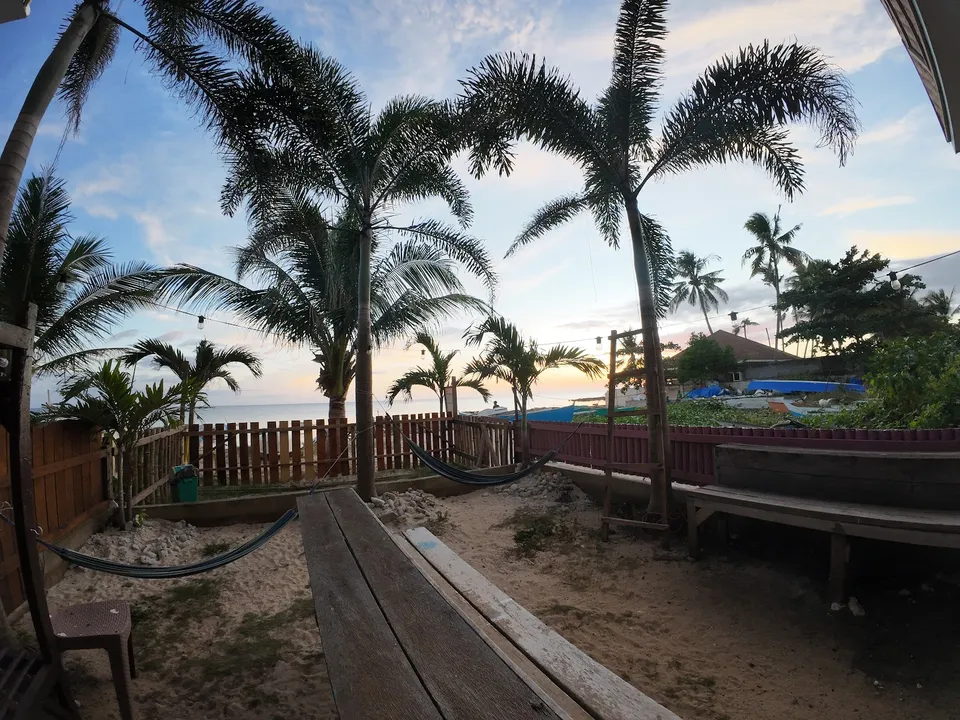
Kalangahan Reef presents a distinctive underwater landscape, structured across three discernible reef platforms, each offering a unique experience for divers. Accessible from the shore, directly fronting the Lady Eda private dive resort, this site provides convenient entry for all skill levels.
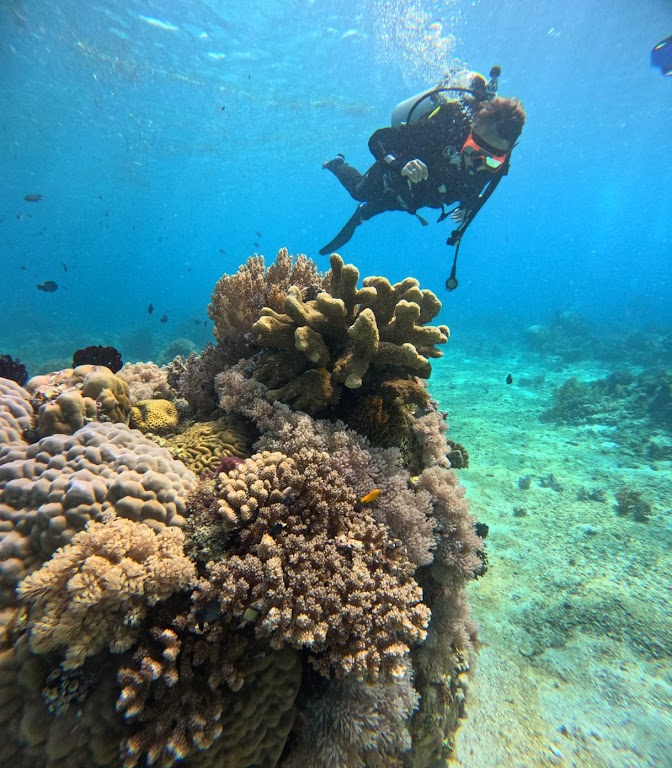
The underwater journey begins on a shallow reef, which gradually descends from 3 to 5 meters (10 to 16 ft). This initial section is ideal for introductory dives and offers prime opportunities for macro photography, showcasing a variety of small reef inhabitants. Moving further seaward, a middle reef sits at approximately 8 meters (26 ft), serving as a transitional zone with varied coral formations and a different array of marine life.
Finally, the third reef plate drops down to depths between 18 and 30 meters (59 to 98 ft), specifically catering to more experienced divers seeking deeper exploration and greater challenges. The site's reputation as a good location for muck diving also highlights the potential for discovering unique and often expertly camouflaged small critters across its diverse substrates and sandy patches.
Both beginner and experienced divers find this multi-level environment accommodating, with depths that allow for progressive skill development and extended bottom times in the shallower zones.
Conditions are Excellent
07:00 - 14:00
Optimal conditions expected
Current conditions near Kalangahan Reef show 33° air, 31° sea temperature, 0.2 m waves, and 17 km/h wind. Forecast data is refreshed regularly to ensure accuracy.
Best Time to Dive
Optimizing your dive experience at Kalangahan Reef largely aligns with the Philippines' dry season, generally from April through November, when conditions are most favorable. During these months, average air temperatures consistently hover between 27°C and 27.5°C (80-81°F), contributing to comfortable surface intervals. Rainfall is notably lower, often below 7 mm (0.3 inches) monthly, which typically translates to clearer water and better visibility. Wave heights are minimal, frequently less than 0.3 meters (1 ft), ensuring calmer seas and easier shore entries. This period consistently registers 'Excellent' dive scores, making it the premier window for exploring the reef's multiple levels and diverse marine life without significant weather interruptions.
PEAK SEASON SCORE
Scores combine air & water temps, waves, wind & rainfall for overall conditions.
BEST MONTHS TO DIVE
Monthly records compiled from satellite and marine observation nodes over the last 3 years. Data provided by Open-Meteo and MET Norway.
Dive Experience & Conditions
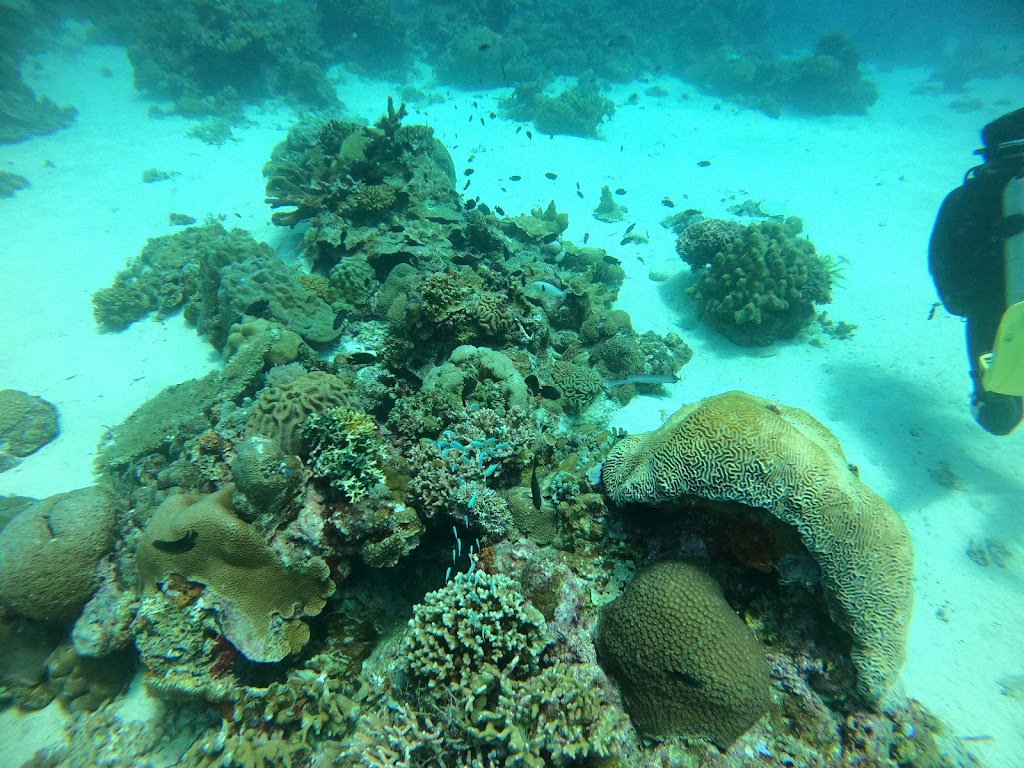
Beginning a dive here involves a straightforward shore entry, leading directly to the initial shallow reef. As divers descend, they first encounter the upper section, spanning from 3 to 5 meters (10 to 16 ft), which is characterized by vibrant coral gardens and abundant reef fish. Progressing through the site, the middle reef becomes apparent at 8 meters (26 ft), showcasing a different ecological profile. Divers can then navigate towards the deeper third reef, which extends to a maximum depth of 30 meters (98 ft). The water throughout the site is saline, with temperatures that vary depending on conditions but are generally warm, reflecting the tropical climate. This multi-tiered structure allows for varied dive profiles, from leisurely shallow explorations to more advanced deep reef dives, with ample opportunity for muck diving observations closer to the substrate.
Dive Difficulty & Safety Guidelines
For a safe dive at Kalangahan Reef, it's prudent for all divers to maintain situational awareness, especially given the site's multi-level structure. While suitable for beginners, advanced divers exploring the deeper sections should plan their dive profiles carefully to manage bottom time and nitrogen absorption. Always monitor your air consumption and no-decompression limits, particularly when moving between the distinct reef depths.
As with any coastal dive, a local orientation briefing before entering the water can provide valuable insights into current conditions or specific underwater features. Adhering to responsible diving practices, such as maintaining neutral buoyancy and avoiding contact with corals, helps preserve the reef's delicate ecosystem.
Recommended Equipment
- Dive Computer
- DSMB
- Hard-soled Dive Boots
This gear list is based on verified equipment signals for Kalangahan Reef, Philippines. Always confirm final gear choices with your dive operator, guide, or liveaboard.
Recommended Dive Suit
Current diving conditions indicate water temperatures around 31°C (87°F) at Kalangahan Reef. Surface air temperatures are resting at 33°C (91°F).
Environmental conditions may feel slightly cooler as the week progresses. A significant temperature drop is forecast; strongly suggest bringing a backup warmer suit option. A neoprene vest or hood can add flexibility if temperatures feel cooler underwater.
Most divers exploring waters at this temperature rely on dive skin or rash guard for effective insulation. Water temperature is only one factor influencing overall comfort during a dive. Divers planning trips later in the week may want to consider bringing a slightly warmer suit.
Emergency & Medical Support
Essential information to help you plan your dive trip to Kalangahan Reef.

Hyperbaric chambers are a critical part of dive safety infrastructure. Availability varies significantly by region, and not all dive areas have immediate access.
Before diving, it's recommended to:
- confirm nearest medical facilities
- check emergency procedures with local dive operators
- ensure dive insurance covers evacuation if required
Divers Alert Network
Diving emergency assistance available through DAN World.
+1-919-684-9111- 24/7 emergency hotline
- Diving medical assistance
- Evacuation coordination
Emergency contacts are provided for reference. Always verify local emergency services before diving.
Marine Life at Kalangahan Reef
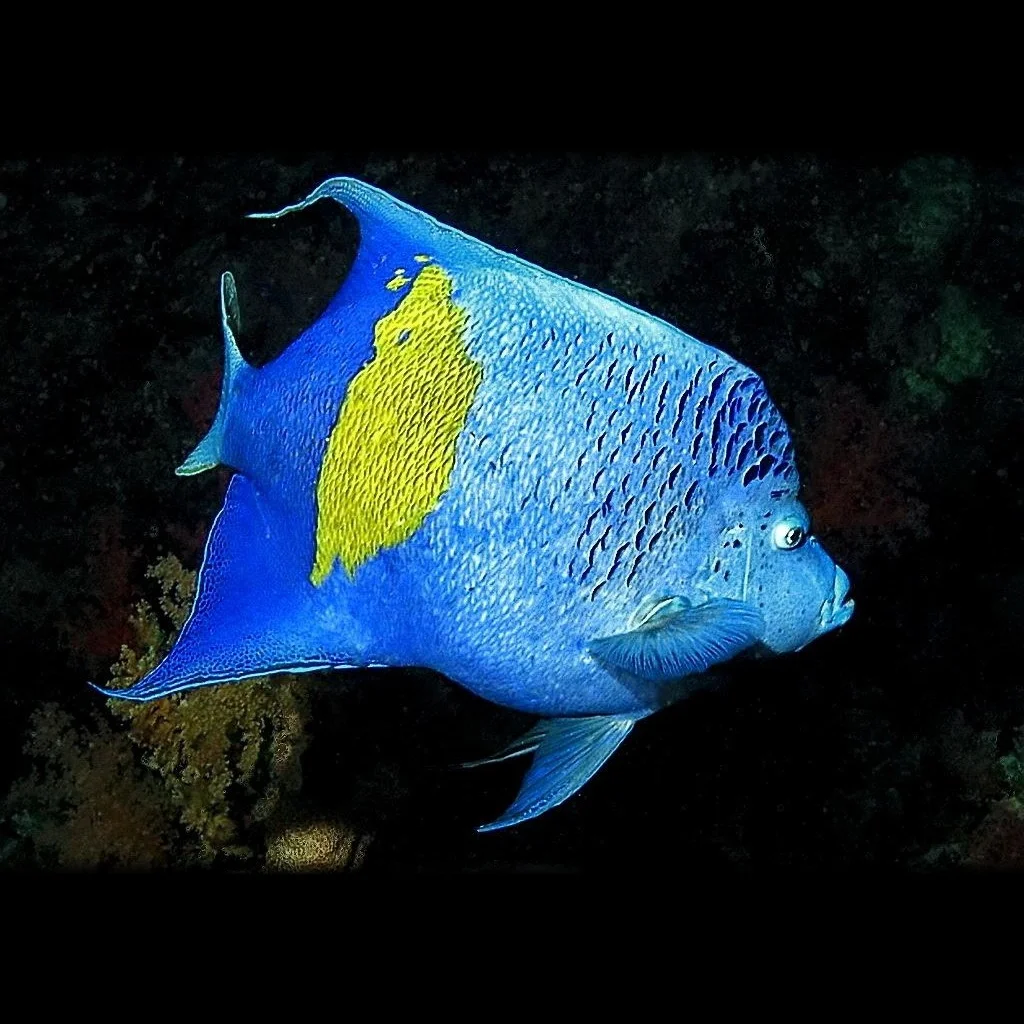
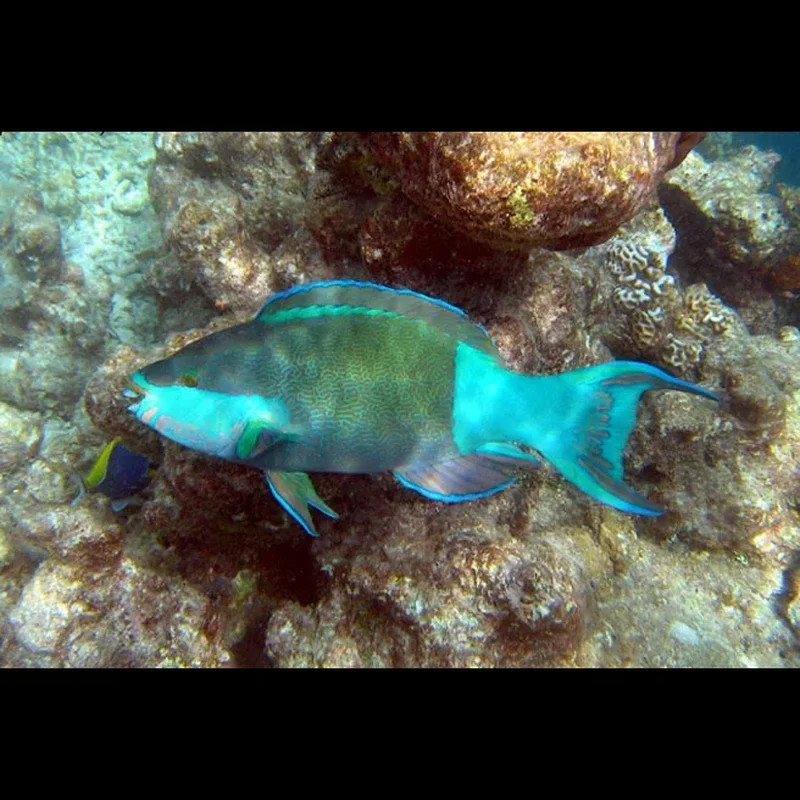
Kalangahan Reef hosts a remarkable array of marine life, appealing to both macro enthusiasts and those observing larger reef inhabitants. Divers commonly spot various reef fish, including the brightly colored angelfish, bannerfish, and trumpetfish, alongside numerous parrotfish and triggerfish.
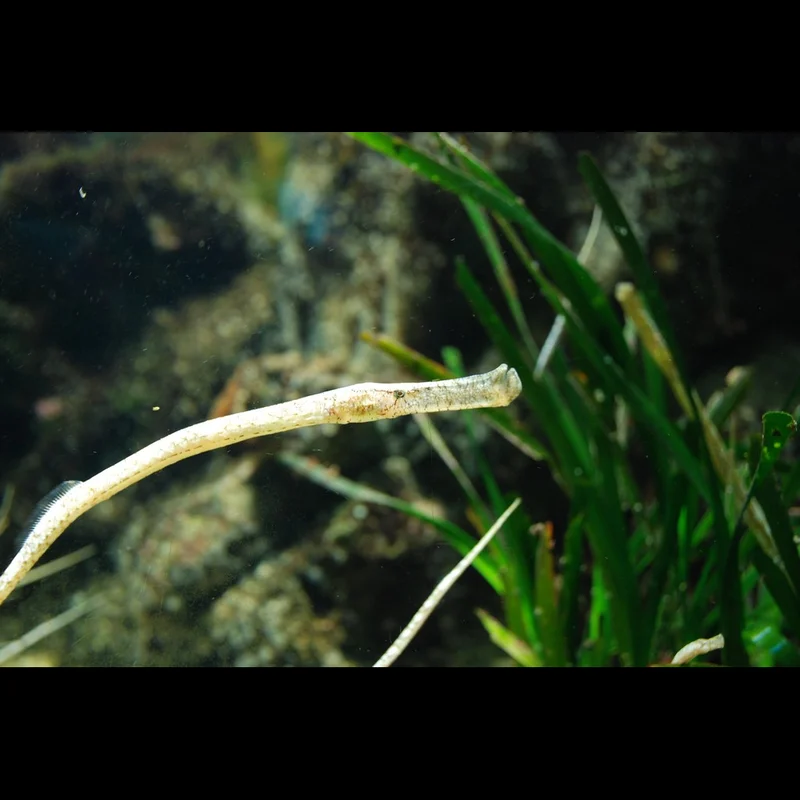
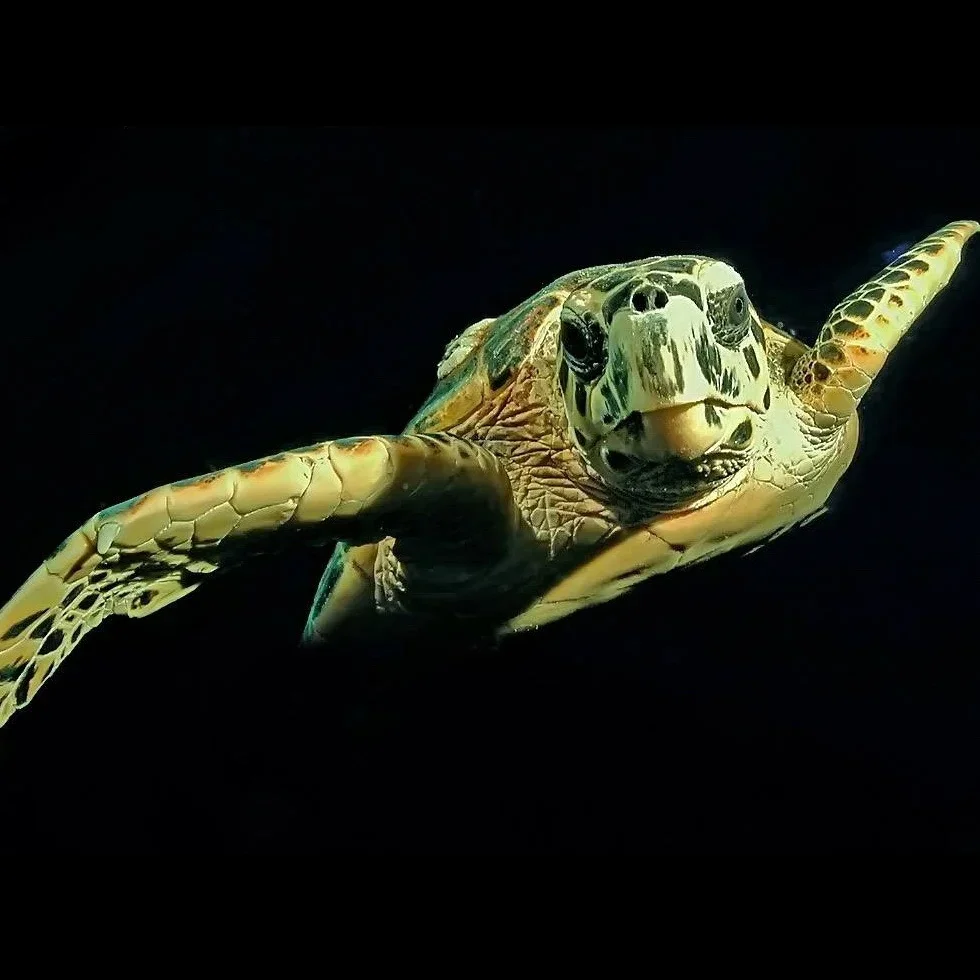
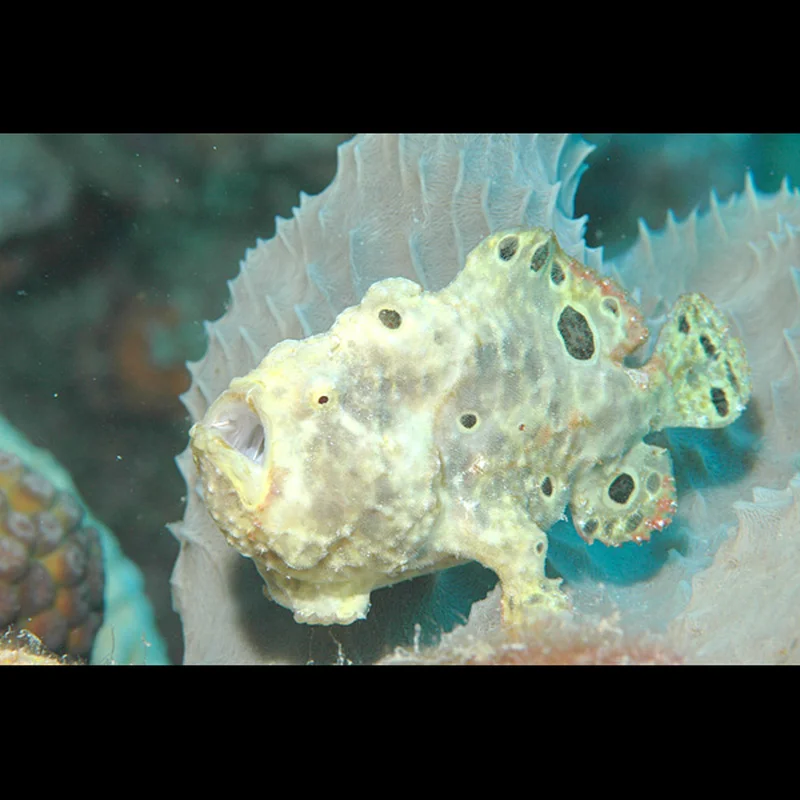
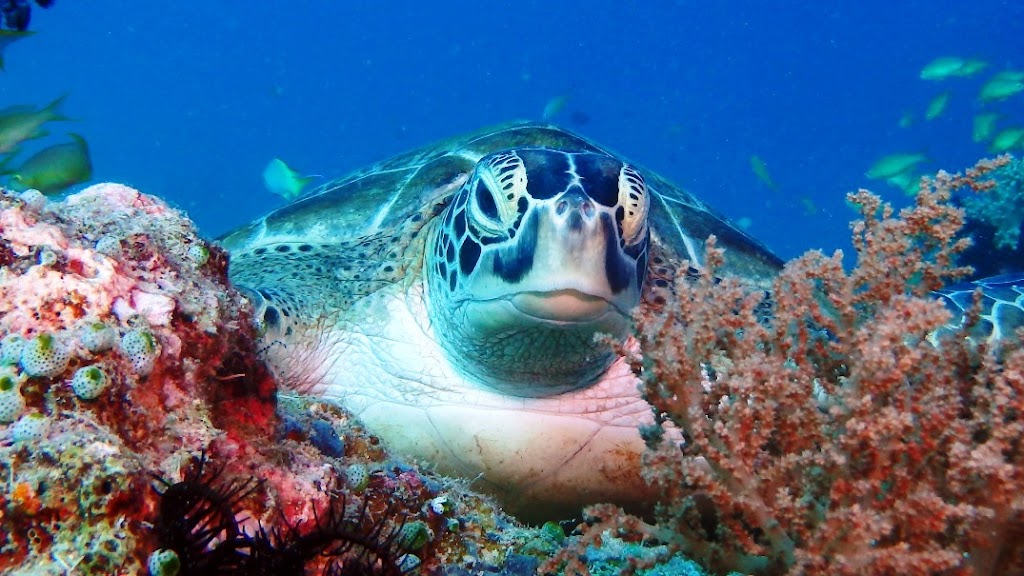
Look closer for masters of camouflage, such as frogfish and pipefish, often found nestled among the corals. The site is also home to green and hawksbill turtles, frequently observed gliding through the water.
Additionally, the reef provides habitat for several species of nudibranchs, jawfish, and even pipehorses, adding to the rich biodiversity encountered during a dive.
Dive Centers Near Kalangahan Reef
Today: 07:30 - 17:00
Nearest Airports
Nearest airports to help plan travel to this dive area.
Search Flights
Check available flights and routes on Expedia, using the nearby airports listed in this section.
Search Flights on ExpediaFrequently Asked Questions
Where is Kalangahan Reef located?
Kalangahan Reef is found in the Philippines, directly in front of the Lady Eda private dive resort in Misamis Oriental. This offers convenient access for divers staying nearby.
What skill level is required to dive at Kalangahan Reef?
The reef is considered ideal for both beginners and experienced divers. Its multi-tiered structure allows for shallow, easy dives and deeper, more challenging explorations.
What is the maximum depth at Kalangahan Reef?
The maximum reported depth at Kalangahan Reef is 30 meters (98 ft). The reef features distinct sections at 3-5 meters, 8 meters, and the deepest section at 18-30 meters.
What kind of marine life can I expect to see?
You can anticipate seeing a rich variety of reef fish like surgeonfish, snappers, and lionfish. Notable sightings include turtles, frogfish, pipefish, jawfish, and numerous nudibranchs, making it excellent for macro photography.
Is Kalangahan Reef good for muck diving?
Yes, Kalangahan Reef is known as a good location for muck diving. Its varied bottom composition and shallow areas provide excellent opportunities to discover cryptic and small marine critters.
What are the entry conditions for diving at this site?
Kalangahan Reef primarily features a shore entry. This allows for straightforward access to the various reef sections, beginning with the shallower depths.
How many distinct reef sections does Kalangahan Reef have?
Kalangahan Reef is characterized by three distinct reef sections. These include a shallow reef at 3-5 meters, a middle reef at 8 meters, and a third, deeper reef descending to 18-30 meters.
Planning to dive Kalangahan Reef?
Send one inquiry and receive offers directly from the best verified local dive operators.
Conditions are Excellent
07:00 - 14:00
Optimal conditions expected
Current conditions near Kalangahan Reef show 33° air, 31° sea temperature, 0.2 m waves, and 17 km/h wind. Forecast data is refreshed regularly to ensure accuracy.