
Diving at Lusaran (Philippines)
Lusaran offers divers a gateway to the diverse underwater landscapes characteristic of the wider Cebu region. Navigating this area requires understanding its varied dive sites, from shallow reefs to deeper wreck explorations. Adapting to conditions across different locales, including potential currents, is key for a rewarding experience. Planning often involves considering proximity to Mactan for access to many well-known spots.
As evening covers Lusaran, the local air temperature is measured at 30.5°C. The current wave height at the surface is recorded at 0.3 m. These late-day readings characterize the surface conditions for the night.
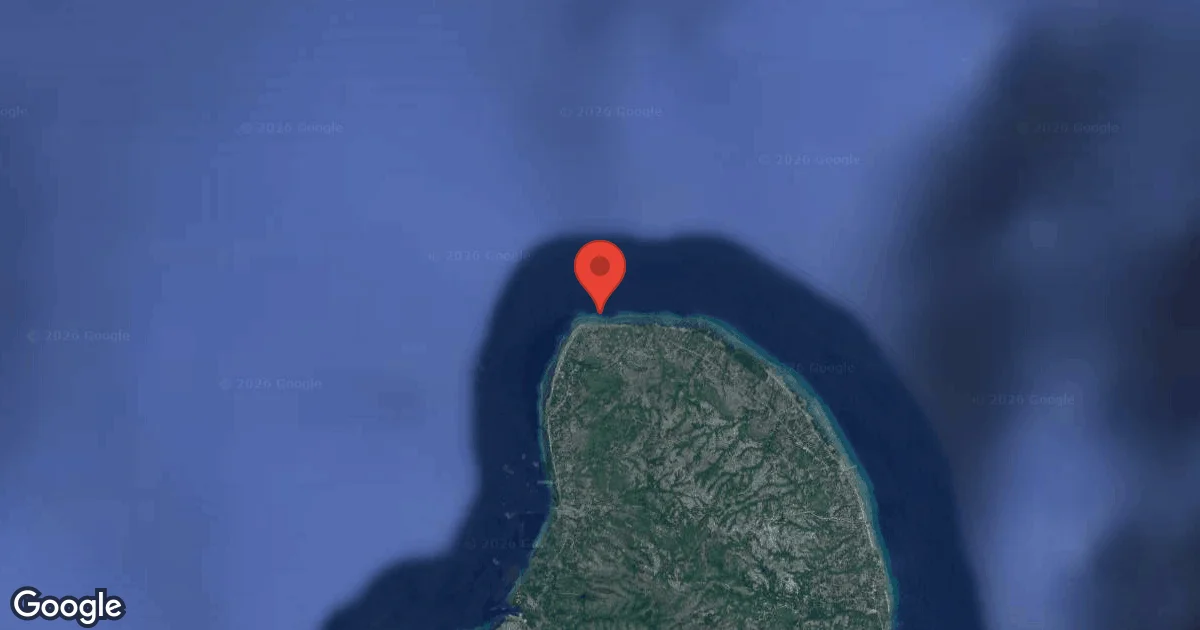
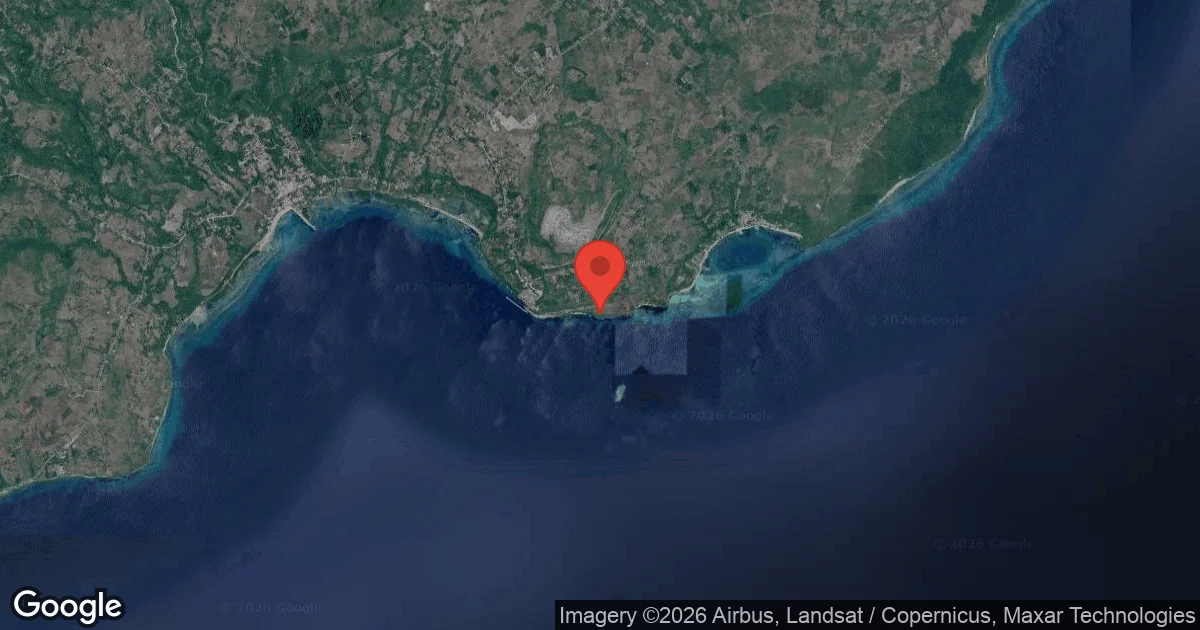
Dive Site Location & Key Facts
Dive Site Overview
From the Lusaran vicinity, divers access the vibrant underwater narratives of the Cebu region. Expansive dive environments await, from thriving coral reefs to intriguing wrecks and unique geological formations.
Divers can explore depths ranging from a mere 3 m (10 ft) in sheltered areas, suitable for beginners, down to 100 m (330 ft) for technical exploration, including deep wrecks. Rich marine biodiversity here places the region firmly within the "golden coral's triangle," ensuring encounters with varied aquatic life across its ocean and reef sites. Whether seeking the shallow airplane wreck at Tambuli, found at approximately 20 m (65 ft), or venturing into the cleaning stations for thresher sharks at 30-40 m (100-135 ft) at specific sites, the region accommodates many skill levels.
Dive safaris are a common approach to discovering different sites, sometimes venturing to places like the Double-barrier reef or Hilutugan. Flexible options mean recreational and technical divers find suitable adventures within a reasonable distance.
Conditions are Excellent
07:00 - 14:00
Optimal conditions expected
Current conditions near Lusaran show 31° air, 30° sea temperature, 0.5 m waves, and 20 km/h wind. Forecast data is refreshed regularly to ensure accuracy.
Best Time to Dive
While diving remains viable year-round near Lusaran, distinct seasonal shifts shape conditions. The period from April to June, and again in October, often presents excellent diving opportunities, marked by lower wave heights and less rainfall. During these months, average air temperatures hover between 28°C (82°F) and 28.5°C (83°F), with monthly rainfall averaging 3.5-7.5 mm. Conversely, months like January, February, and March, though still rated good, see slightly cooler air temperatures around 26.5-27°C (80-81°F) and higher average wind speeds, potentially affecting surface conditions. Wave heights can also vary more during July and September, with averages up to 0.8 meters. Divers generally find the water consistently warm, though specific temperatures aren't consistently reported for Lusaran itself. Planning around the dryer, calmer periods generally offers the most comfortable surface intervals and smoother boat rides to dive sites.
PEAK SEASON SCORE
Scores combine air & water temps, waves, wind & rainfall for overall conditions.
BEST MONTHS TO DIVE
Monthly records compiled from satellite and marine observation nodes over the last 3 years. Data provided by Open-Meteo and MET Norway.
Dive Experience & Conditions
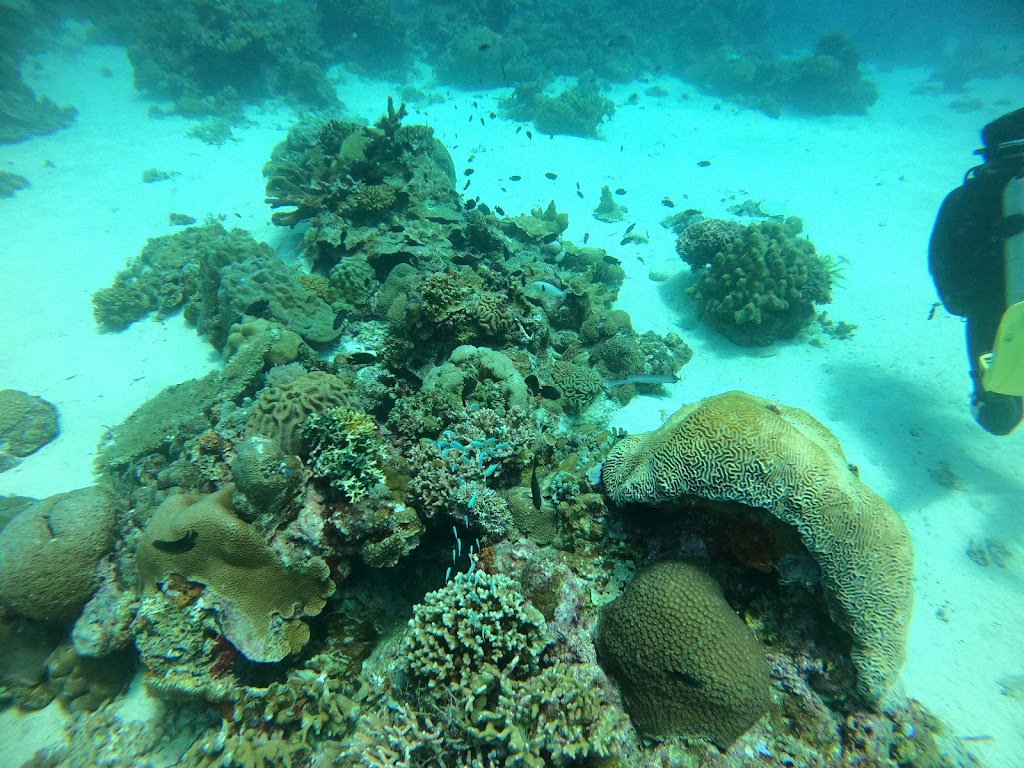
Upon entering the water near Lusaran, divers are often greeted by dynamic reef structures typical of the Cebu region. Depths accessible to recreational divers extend significantly, allowing for exploration of vibrant shallow sections before transitioning to deeper walls or slopes. Visibility typically ranges from good to excellent, although it can vary based on local currents and recent weather patterns. Depending on the site, divers might encounter mild to moderate currents, which can be particularly noticeable at certain locations, creating exciting drift opportunities. Water temperatures are generally tropical, making comfortable dives throughout the year. The diverse underwater topography includes both natural coral formations and artificial reefs, providing varied habitats.
Dive Difficulty & Safety Guidelines
Approaching dives in the Lusaran area effectively demands adherence to established protocols. Given the diversity of dive sites, from shallow reefs to deeper technical explorations, divers must accurately assess their certification level and experience. A qualified dive buddy is essential, and agencies like PADI, SSI, RAID, or CMAS provide relevant training for the various sites available.
Always ensure your gear is well-maintained and suitable for the planned depth and duration. Pay close attention to local briefings regarding currents and entry/exit points, which can change depending on daily conditions.
While there are no consistently reported unique hazards for Lusaran itself, responsible diving practices, including respecting marine life and maintaining buoyancy control, are paramount.
Recommended Equipment
- Dive Computer
- DSMB
This gear list is based on verified equipment signals for Lusaran, Philippines. Always confirm final gear choices with your dive operator, guide, or liveaboard.
Recommended Dive Suit
Current diving conditions indicate water temperatures around 30°C (86°F) at Lusaran. Surface air temperatures are resting at 31°C (87°F).
Environmental conditions may feel slightly cooler as the week progresses. Cooler days are ahead; you might want a warmer option for later in the week. A neoprene vest or hood can add flexibility if temperatures feel cooler underwater.
In water temperatures like these, dive skin or rash guard typically offers sufficient warmth for most recreational dives. Some divers naturally tolerate cooler water better than others.
Emergency & Medical Support
Essential information to help you plan your dive trip to Lusaran.

Hyperbaric chambers are a critical part of dive safety infrastructure. Availability varies significantly by region, and not all dive areas have immediate access.
Before diving, it's recommended to:
- confirm nearest medical facilities
- check emergency procedures with local dive operators
- ensure dive insurance covers evacuation if required
Divers Alert Network
Diving emergency assistance available through DAN World.
+1-919-684-9111- 24/7 emergency hotline
- Diving medical assistance
- Evacuation coordination
Emergency contacts are provided for reference. Always verify local emergency services before diving.
Marine Life at Lusaran
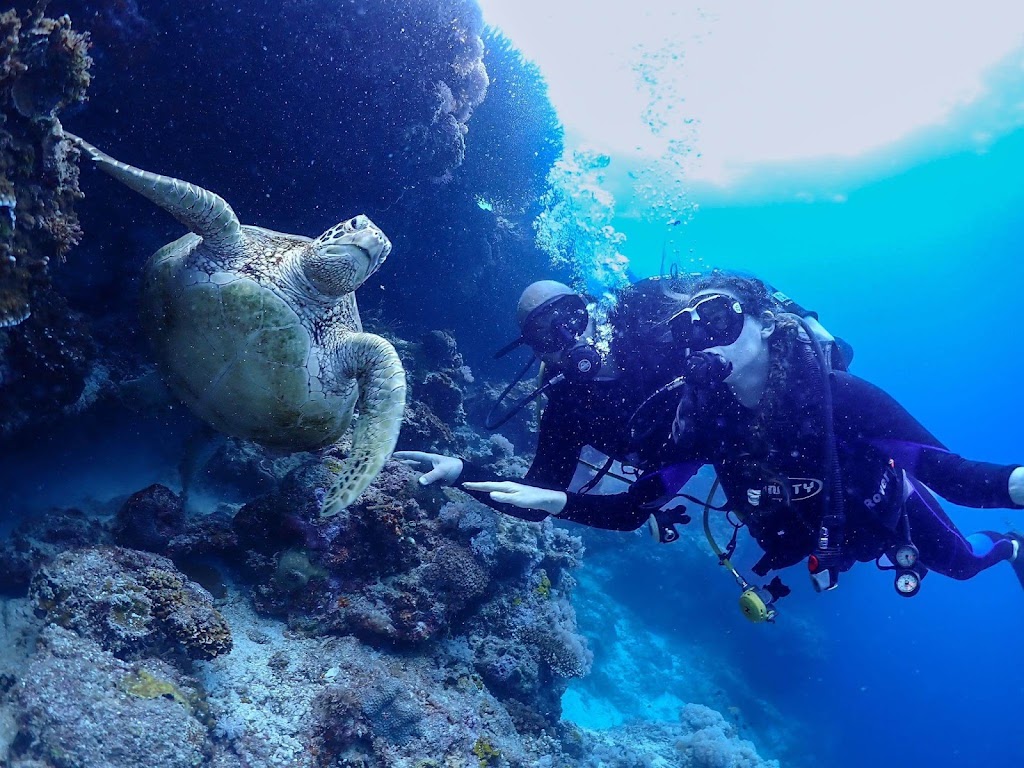
The initial descent often reveals the region's commitment to marine preservation, evident in the healthy coral formations and a high biodiversity. Lusaran's surrounding waters are part of the "golden coral's triangle," making marine encounters diverse.
You'll frequently observe a spectrum of reef fish darting among both natural and artificial reef structures. At specific nearby sites, divers have the chance to witness the spectacular sardine run or encounter thresher sharks during early morning dives at deeper cleaning stations.
Even artificial reefs, such as the Tambuli airplane wreck, are now teeming with varied smaller marine life and colorful soft corals.

Dive Sites Near Lusaran
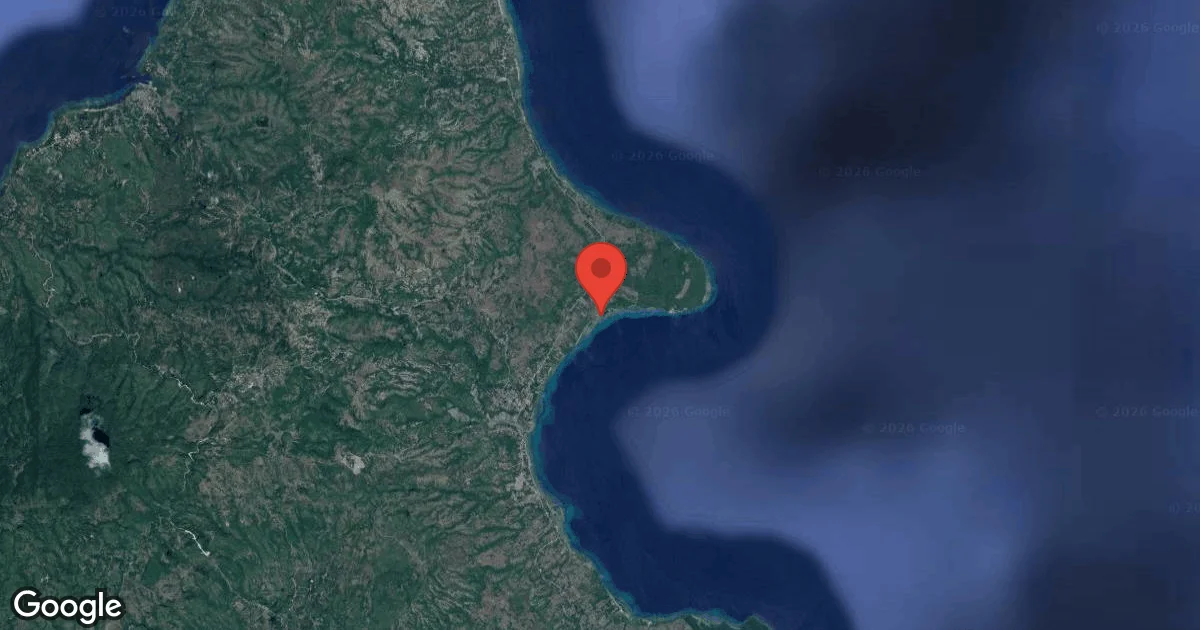
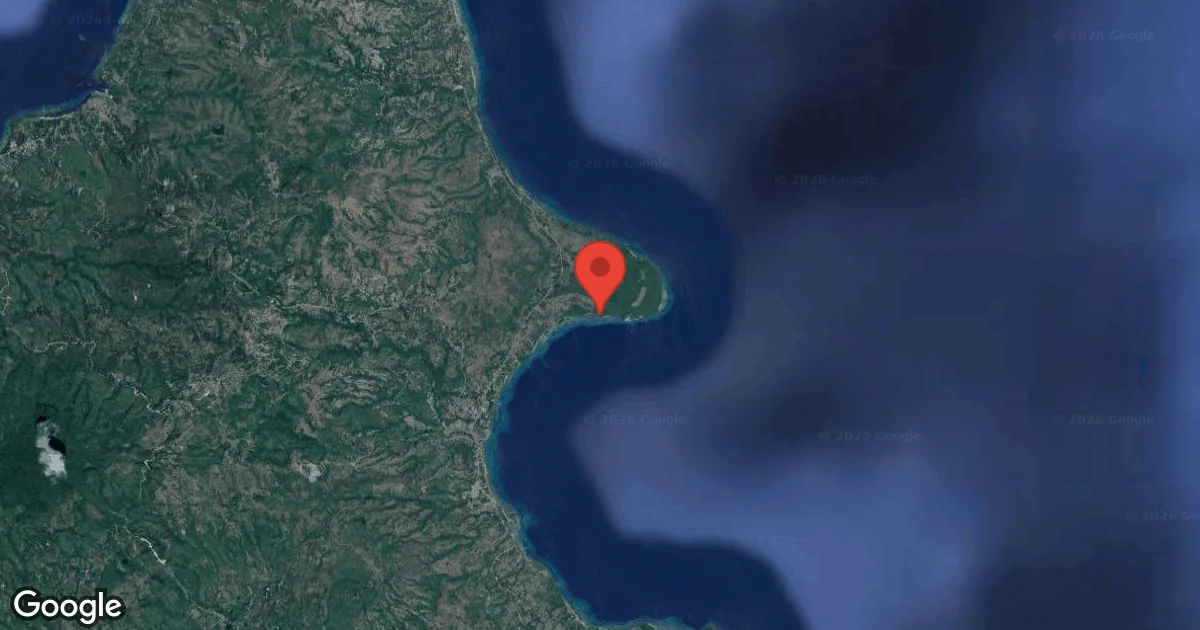
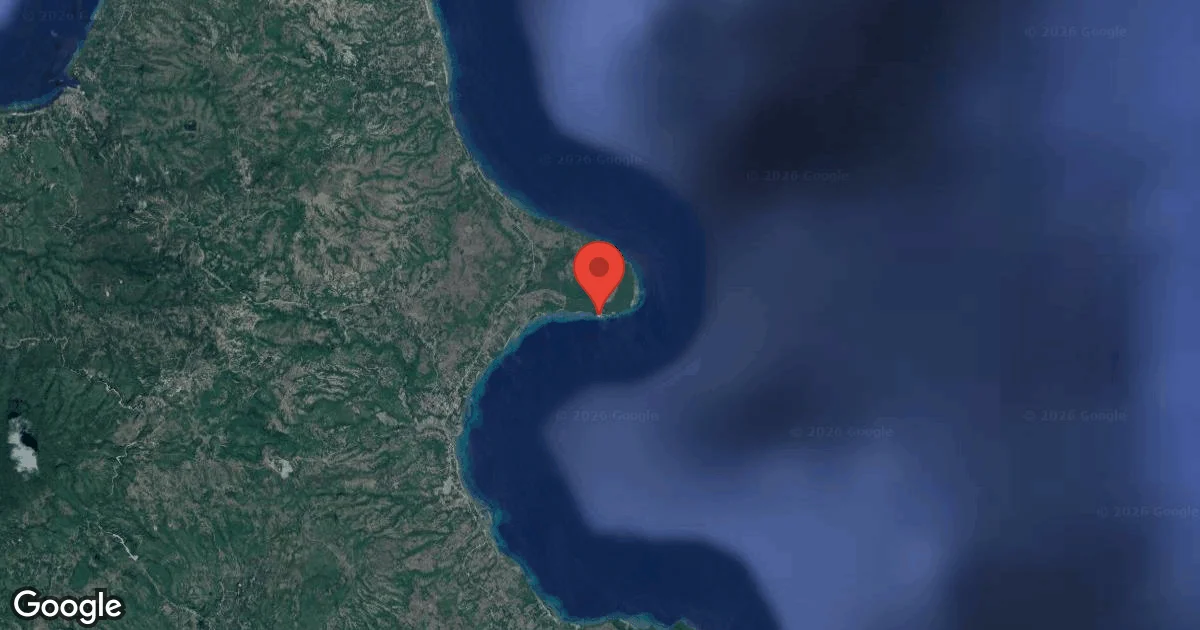
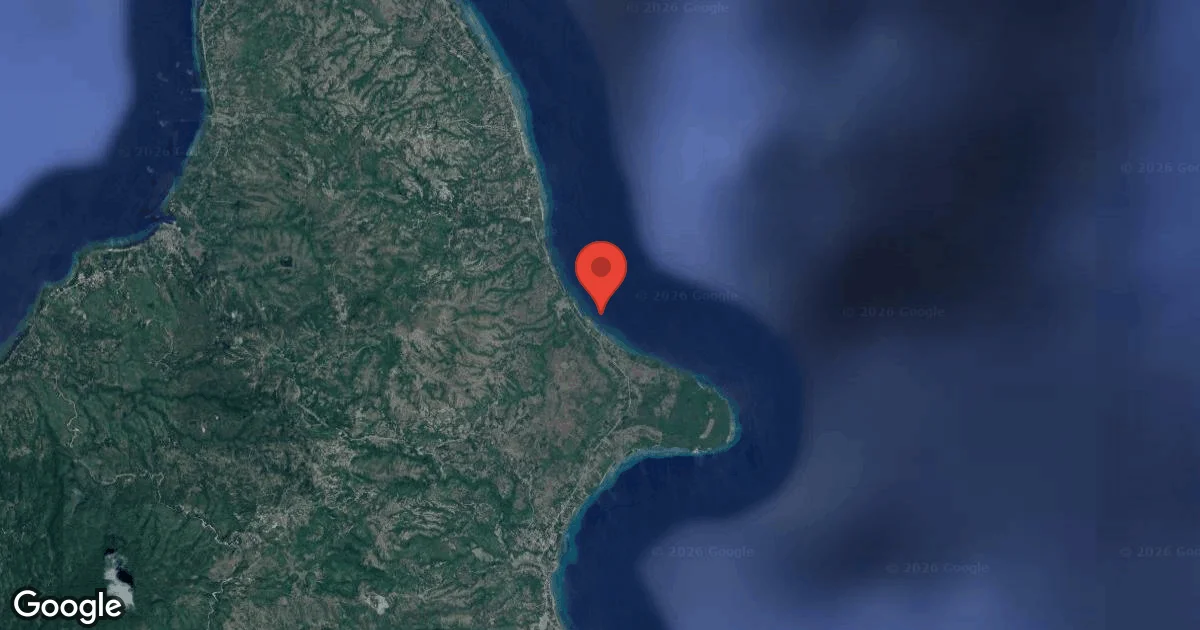
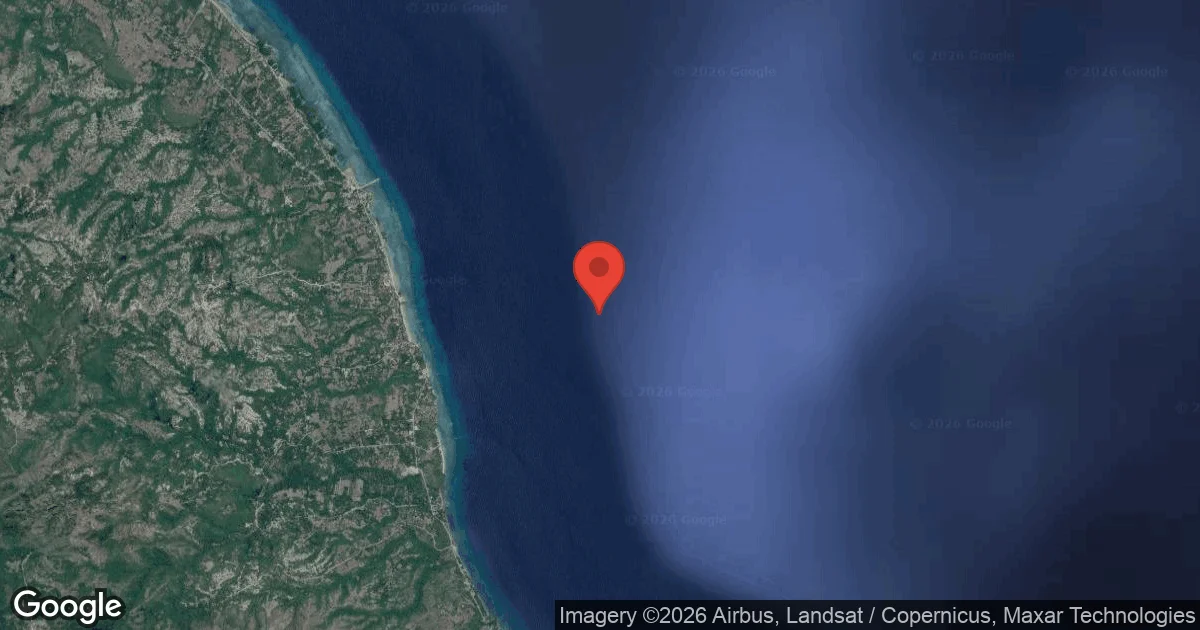
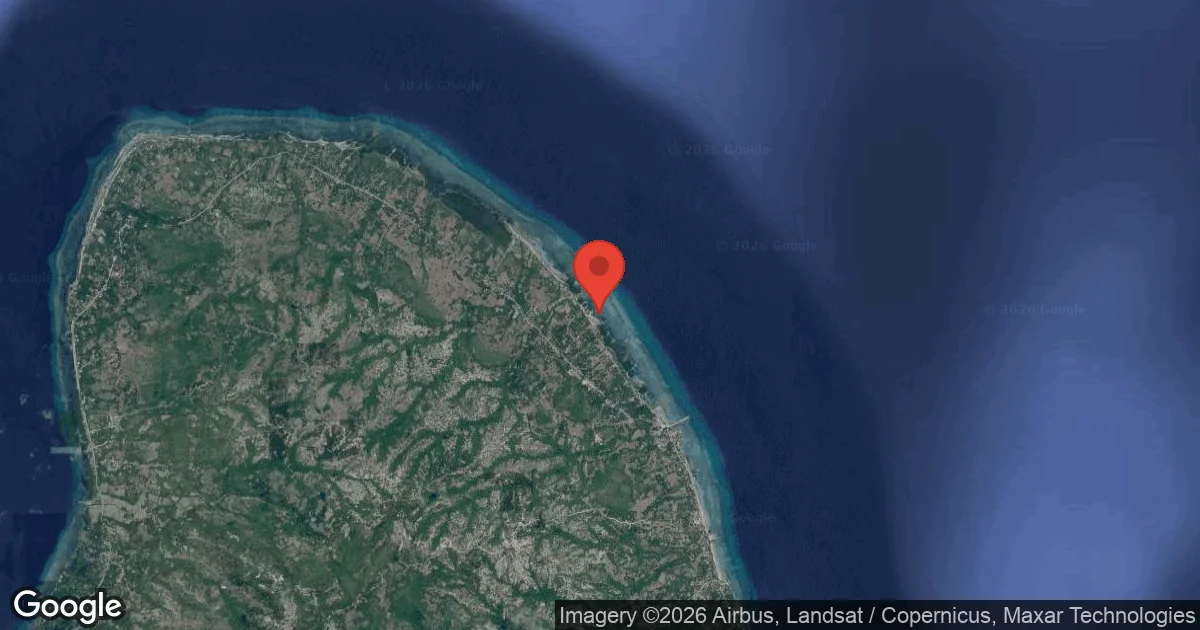
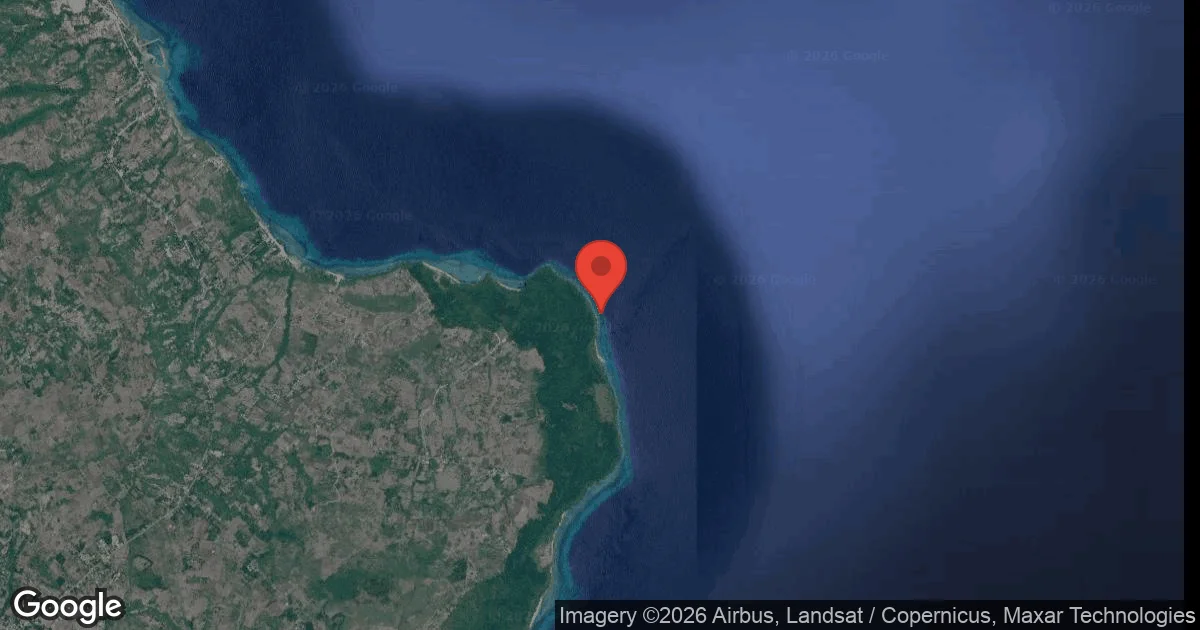
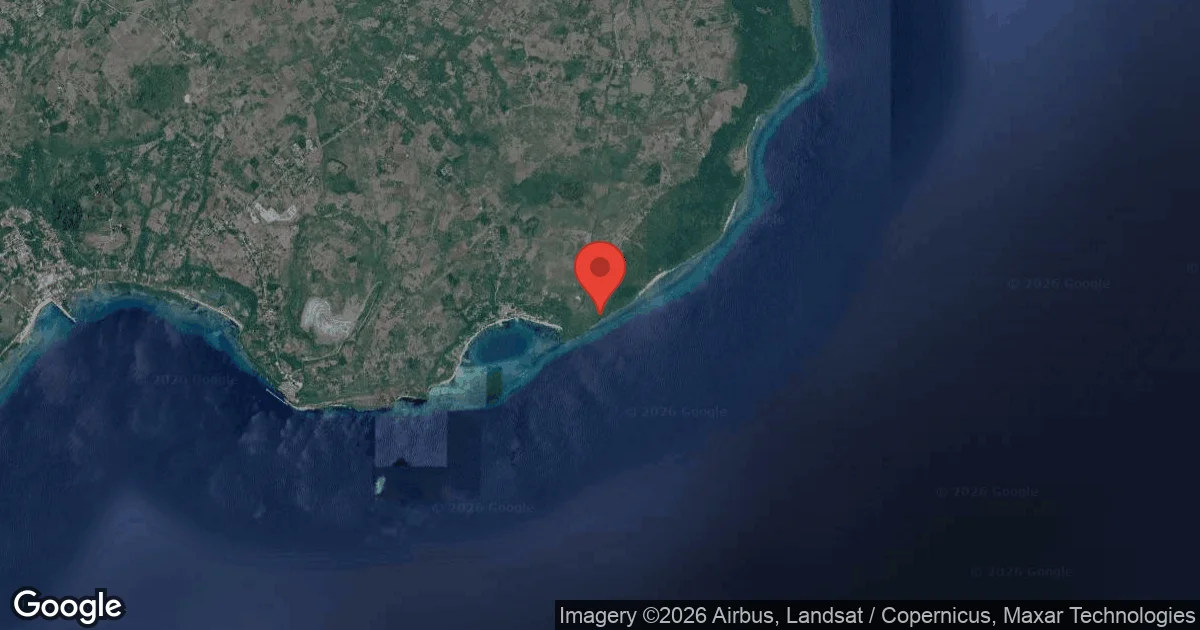
View all dive sites in PhilippinesDiscover more underwater gems in this area.
Dive Centers Near Lusaran
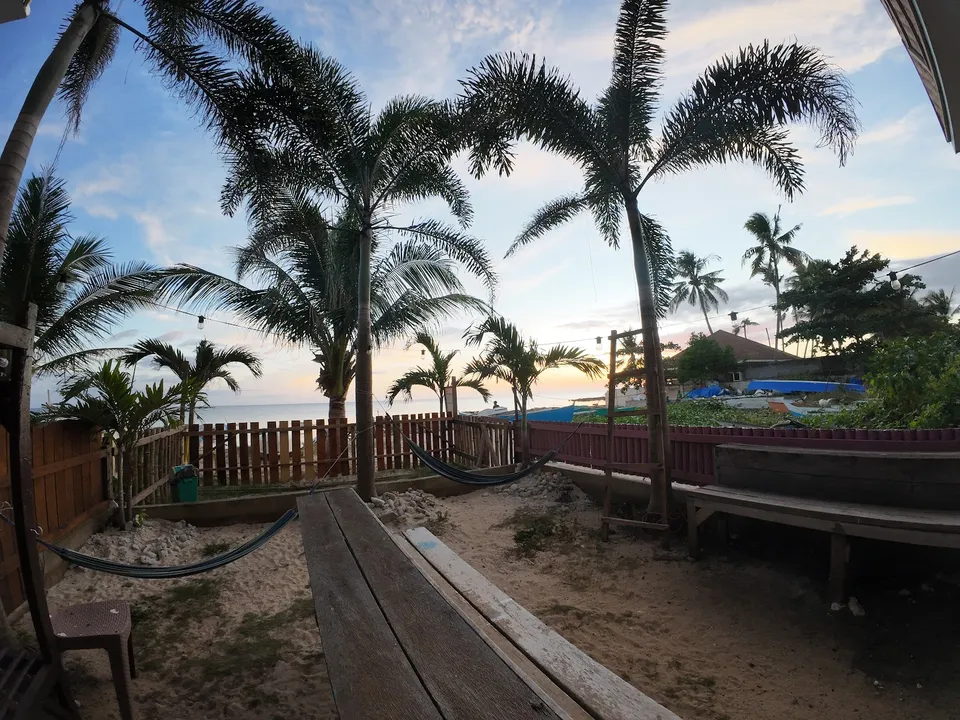
Today: 07:30 - 17:00

Nearest Airports
Nearest airports to help plan travel to this dive area.
Search Flights
Check available flights and routes on Expedia, using the nearby airports listed in this section.
Search Flights on ExpediaFrequently Asked Questions
What is the best time of year to dive near Lusaran?
The periods from April to June and again in October generally offer excellent conditions with lower rainfall and calmer seas. Air temperatures during these months average around 28-28.5°C (82-83°F). However, diving is viable year-round, with good conditions reported for most other months.
What skill levels are accommodated by diving near Lusaran?
The region caters to all levels of certified divers. Sites range from shallow areas suitable for Open Water divers, like parts of Kontiki Reef or the Tambuli wreck, to deeper technical dives reaching 100 m (330 ft).
Are there specific notable dive sites nearby?
Yes, within the broader Cebu-Mactan area, divers can explore sites like the Tambuli airplane wreck, known for its artificial reef. Moalboal offers the sardine run, while Thresher Point attracts divers seeking thresher sharks at deeper cleaning stations in the early morning.
What are the typical water conditions for diving?
Water temperatures are generally tropical and consistently warm throughout the year. Visibility typically ranges from good to excellent, although it can be influenced by local currents and recent weather. Mild to moderate currents are possible at some sites.
Is dive equipment rental available in the area?
Yes, dive centers in the Cebu-Mactan area typically offer full equipment rental. This usually includes items such as BCDs, regulators, masks, fins, wetsuits, and dive computers, catering to various diver needs.
Are dive safaris offered from the Lusaran vicinity?
Dive safaris are a popular option in the region, providing opportunities to visit multiple dive sites over a day or longer. These expeditions often explore locations like the Double-barrier reef or Hilutugan and Nalusuan Islands, offering diverse underwater experiences.
Are there marine sanctuary fees for diving?
Some dive operators in the area, such as Scotty's Dive Center, reportedly do not charge diving fees for marine sanctuaries they visit. It's advisable to confirm this policy with your chosen dive operator when planning your trip.
Planning to dive Lusaran?
Send one inquiry and receive offers directly from the best verified local dive operators.
Conditions are Excellent
07:00 - 14:00
Optimal conditions expected
Current conditions near Lusaran show 31° air, 30° sea temperature, 0.5 m waves, and 20 km/h wind. Forecast data is refreshed regularly to ensure accuracy.