
Diving at Tulapos Marine Sanctuary (Philippines)
Tulapos Marine Sanctuary invites divers to explore a remarkable, man-made artificial reef. Its tranquil environment suits those seeking a relaxing exploration, free from strong currents. A coral garden begins shallow, gently descending into deeper areas. Expect a pleasant journey along its slopes, with opportunities to observe resident marine life.
Tonight's objective overview for Tulapos Marine Sanctuary shows an air temperature of 27°C. The measured surface conditions include wave heights around 0.6 m. This environmental data is logged for the close of the day.
Dive Site Location & Key Facts
Dive Site Overview
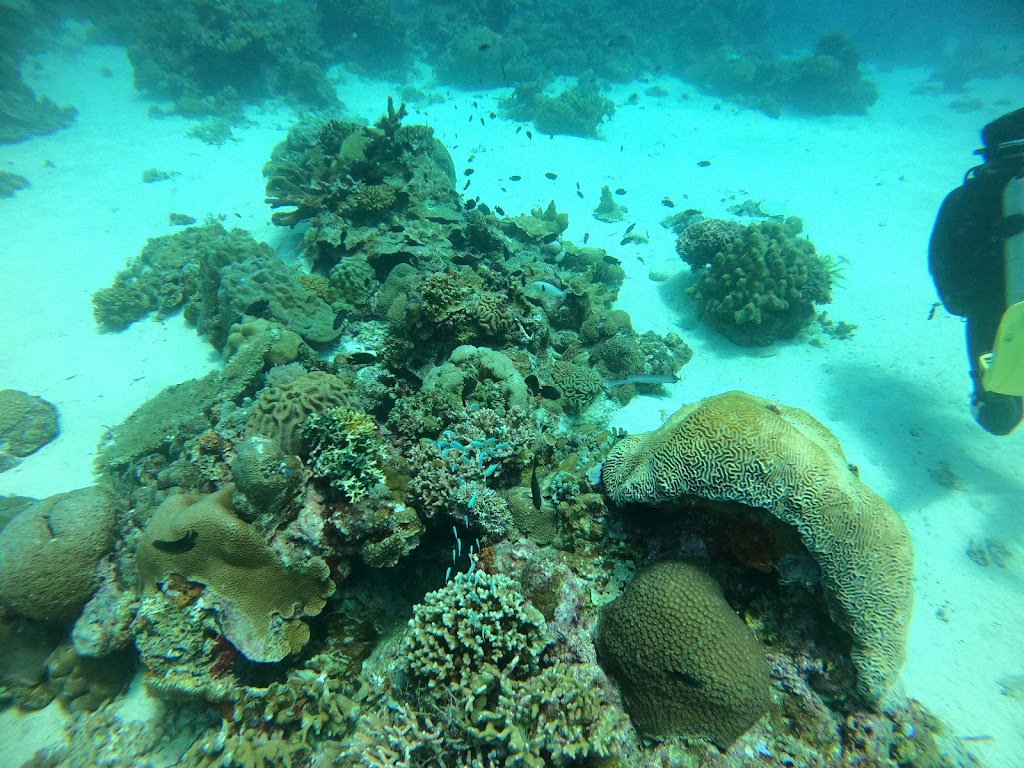
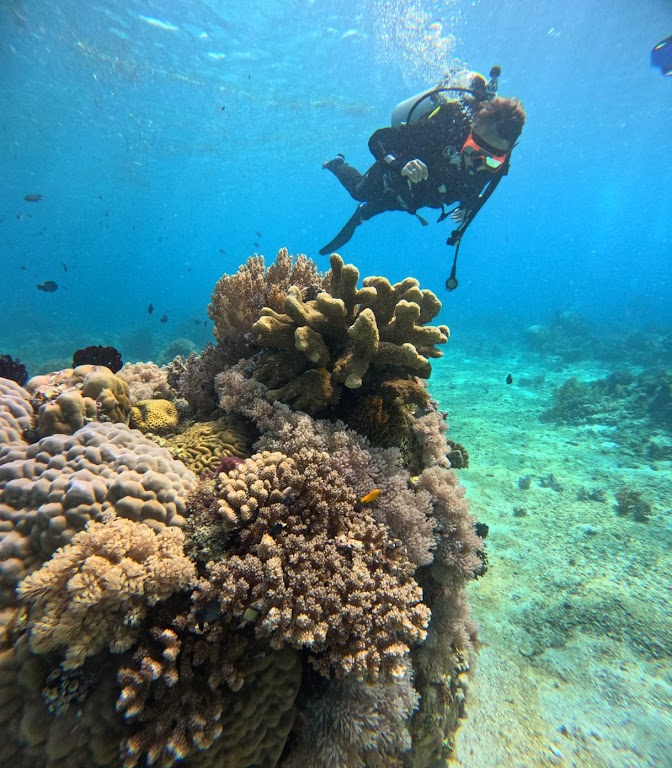
Tulapos Marine Sanctuary presents an intriguing underwater landscape, defined by a distinctive artificial reef. A coral garden initiates at an accessible 2 meters (6.5 ft) and gracefully slopes downward, inviting a gradual descent into deeper waters.
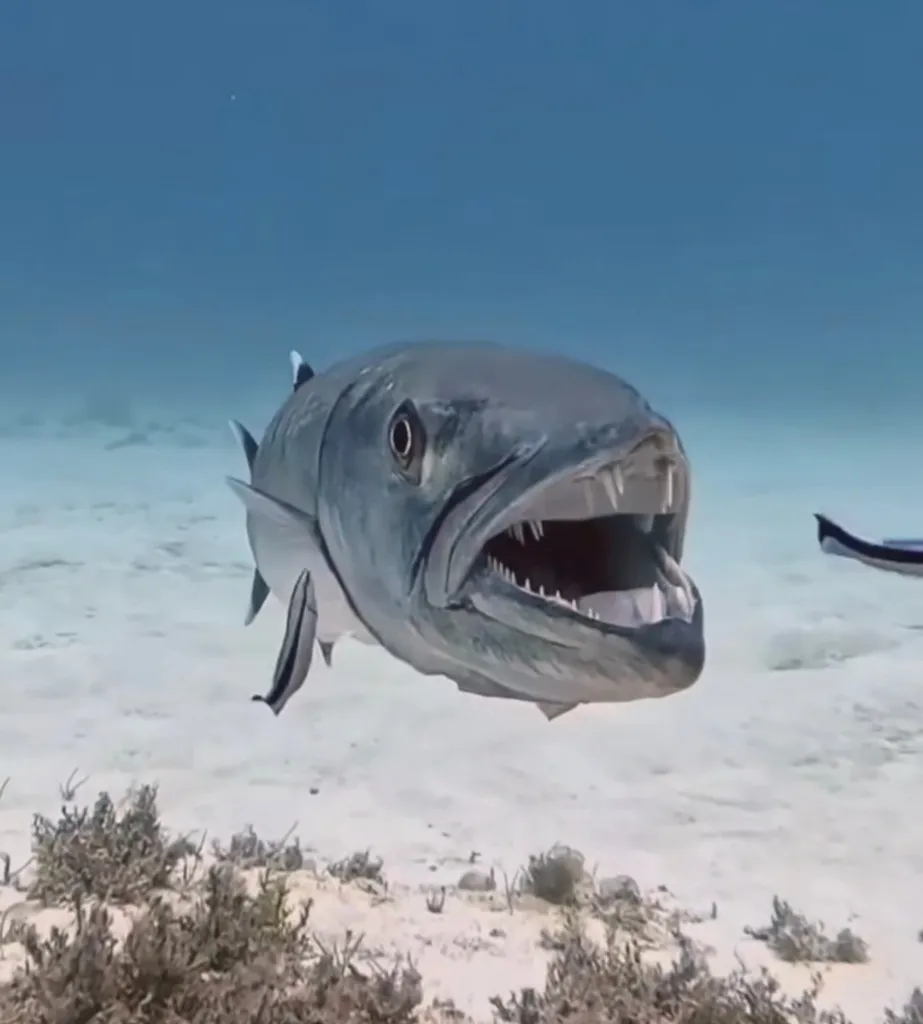
At the sanctuary's heart lies its 'graveyard effect,' where concrete crosses provide a vital foundation for marine growth, cultivating a serene, protected environment. Diving here emphasizes comfort, often accommodating both shore and boat entries depending on chosen access and logistical factors. Divers frequently report encountering a sizable school of barracuda, a memorable and impressive welcome.
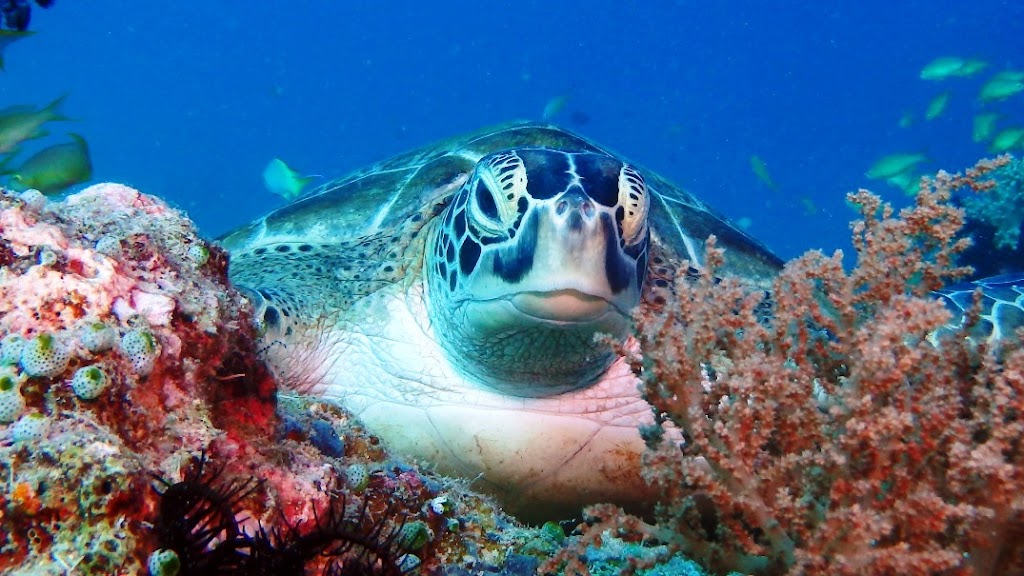
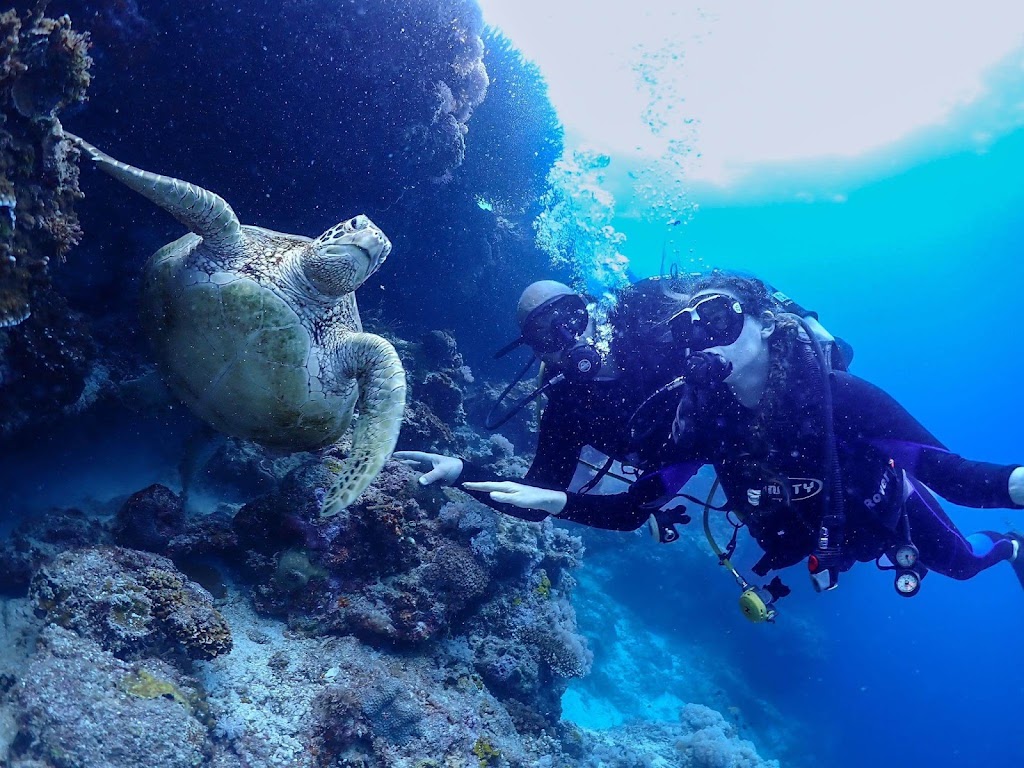
Navigating the site, observe turtles peacefully grazing among the corals, contributing to a vibrant seascape within this conservation zone. Much exploration focuses on shallower zones, though maximum depths can reach approximately 30 m (100 ft).
This invites advanced open water divers to explore its quieter, more profound sections. Consistent depth profiles, paired with generally mild currents, facilitate unhurried exploration where the artificial reef's thriving details are fully appreciated.
Conditions are Good
Optimal conditions expected
Current conditions near Tulapos Marine Sanctuary show 27° air, 30° sea temperature, 0.6 m waves, and 30 km/h wind. Forecast data is refreshed regularly to ensure accuracy.
Best Time to Dive
Optimal visibility and comfortable conditions at Tulapos Marine Sanctuary are typically found during specific months. From April through November generally offers excellent dive conditions, characterized by notably calmer seas and significantly reduced precipitation. During these months, average air temperatures comfortably range between 27-28°C (81-82°F), enhancing the overall dive trip and making surface intervals enjoyable. Rainfall usually remains low, averaging around 3.5 to 7.7 mm, directly contributing to clearer waters by minimizing runoff. While site-specific water temperatures aren't consistently reported, these conditions generally indicate warmer, more stable underwater environments. Diving within this window means encountering less chop at the surface and improved light penetration, allowing for a more vivid appreciation of the coral gardens and artificial reef structures. Outside of this period, visibility might be slightly reduced due to increased rainfall or stronger winds, though diving is often still possible.
PEAK SEASON SCORE
Scores combine air & water temps, waves, wind & rainfall for overall conditions.
BEST MONTHS TO DIVE
Monthly records compiled from satellite and marine observation nodes over the last 3 years. Data provided by Open-Meteo and MET Norway.
Dive Experience & Conditions
Understanding current dynamics at Tulapos Marine Sanctuary reveals a widely regarded relaxing dive, typically experiencing gentle conditions. A gentle slope characterizes the site, ranging from around 6 meters (20 ft) down to 30 meters (100 ft) in certain sections, which naturally leads to mild and manageable currents. Divers can expect an unhurried exploration of the coral formations and artificial reef. While conditions can vary with local weather patterns or tidal movements, the sanctuary environment consistently prioritizes a comfortable pace, making it accessible for many. Depths here suit various certification levels, though deeper areas will appeal particularly to those with advanced training seeking extended bottom time. Visibility often remains good, particularly during the calm season, allowing for clear views of the vibrant marine life and intricate reef structures. Temperature ranges are not consistently reported, but often align with tropical norms, providing generally warm water for extended dives.
Dive Difficulty & Safety Guidelines
Approaching Tulapos Marine Sanctuary requires adherence to its unique features and protected status for a safe dive. As a marine sanctuary, divers must strictly follow 'look, but don't touch' principles, ensuring the delicate corals and man-made reef structures remain preserved.
With maximum depths around 30 meters (100 ft), divers planning to explore deeper sections should hold an Advanced Open Water certification. Always dive within your training and comfort limits.
Maintaining excellent buoyancy control is crucial, especially when navigating around the artificial reef elements and observing marine life, such as resident barracuda and turtles. Exercise caution to avoid disturbing the ecosystem.
Being aware of your surroundings helps protect both the environment and ensures a rewarding dive experience for everyone.
Recommended Equipment
- Dive Computer
- DSMB
This gear list is based on verified equipment signals for Tulapos Marine Sanctuary, Philippines. Always confirm final gear choices with your dive operator, guide, or liveaboard.
Recommended Dive Suit
According to recent observations, water temperatures near Tulapos Marine Sanctuary are approximately 30°C (86°F). Surface air temperatures are resting at 27°C (81°F).
The upcoming forecast points to generally steady conditions in the area.
Divers who prefer moderate insulation typically choose dive skin or rash guard in similar environments. Consider warmer surface protection (like a boat coat) due to brisk winds. Many experienced divers adjust their exposure protection depending on the type of dive planned. Stronger winds may also make surface intervals feel cooler than usual.
Due to technical issues with our weather providers, live updates are temporarily delayed. The data above reflects the conditions at the time of the last successful fetch.
Emergency & Medical Support
Essential information to help you plan your dive trip to Tulapos Marine Sanctuary.

Hyperbaric chambers are a critical part of dive safety infrastructure. Availability varies significantly by region, and not all dive areas have immediate access.
Before diving, it's recommended to:
- confirm nearest medical facilities
- check emergency procedures with local dive operators
- ensure dive insurance covers evacuation if required
Divers Alert Network
Diving emergency assistance available through DAN World.
+1-919-684-9111- 24/7 emergency hotline
- Diving medical assistance
- Evacuation coordination
Emergency contacts are provided for reference. Always verify local emergency services before diving.
Marine Life at Tulapos Marine Sanctuary
Many divers at Tulapos Marine Sanctuary find a large school of barracuda often provides the most striking encounter. Beyond impressive schooling fish, the sanctuary provides a habitat where turtles are regularly observed, calmly grazing on the corals.
A diverse coral garden, benefiting from the artificial reef structure, supports a variety of reef fish. You'll find these fish inhabiting underwater rocks and vibrant fields of staghorn corals in deeper areas.

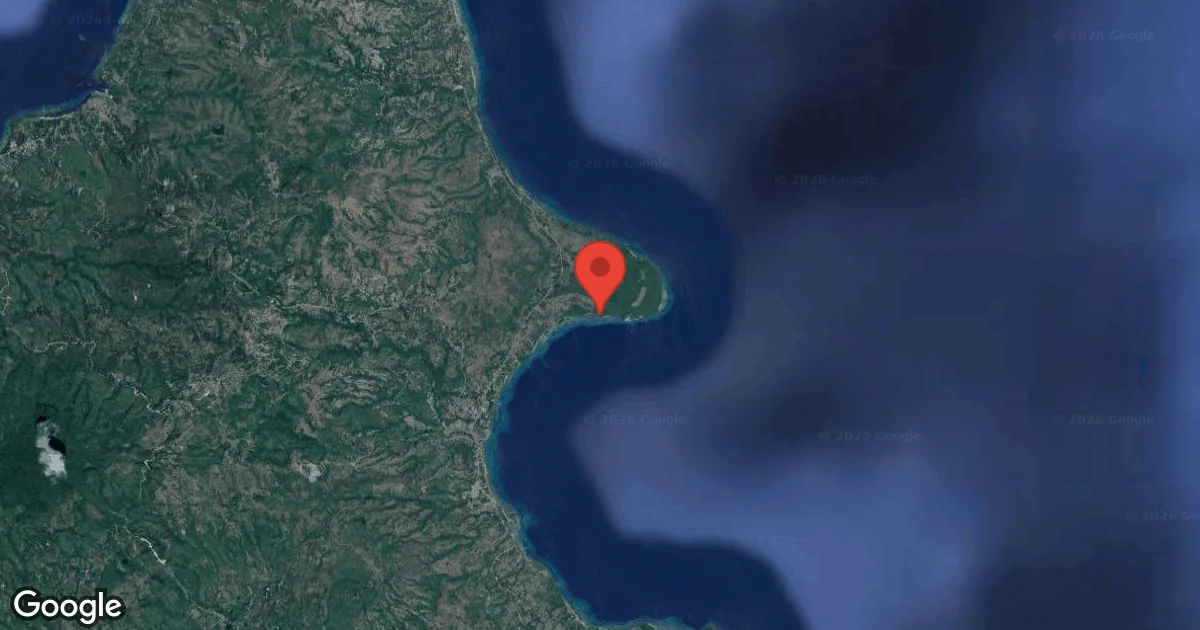
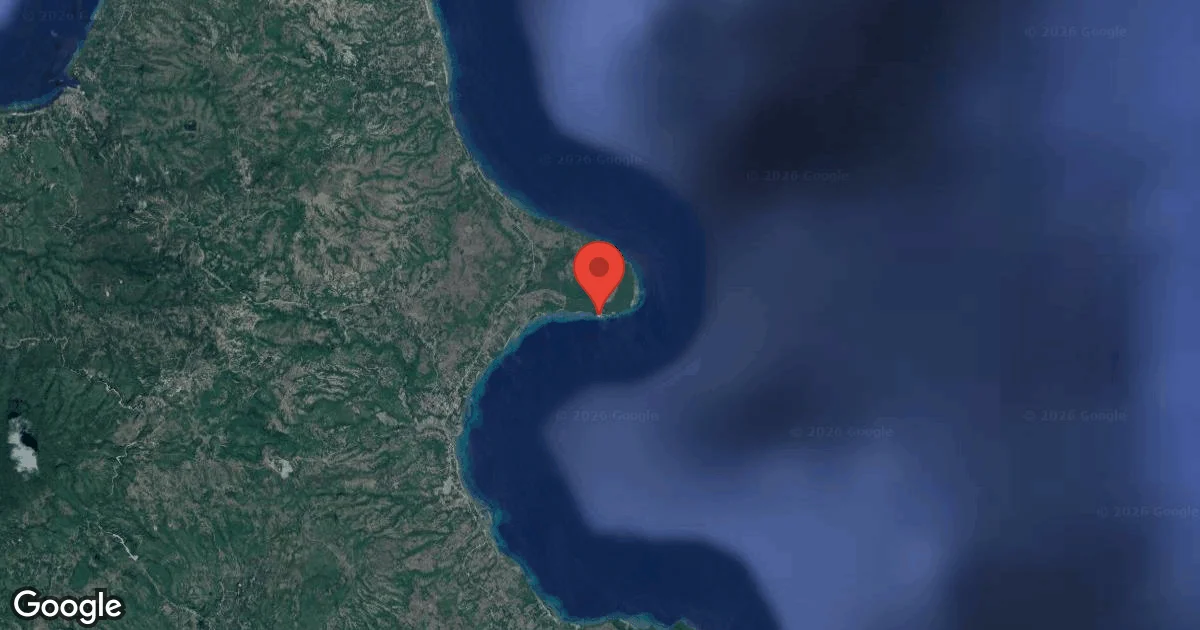
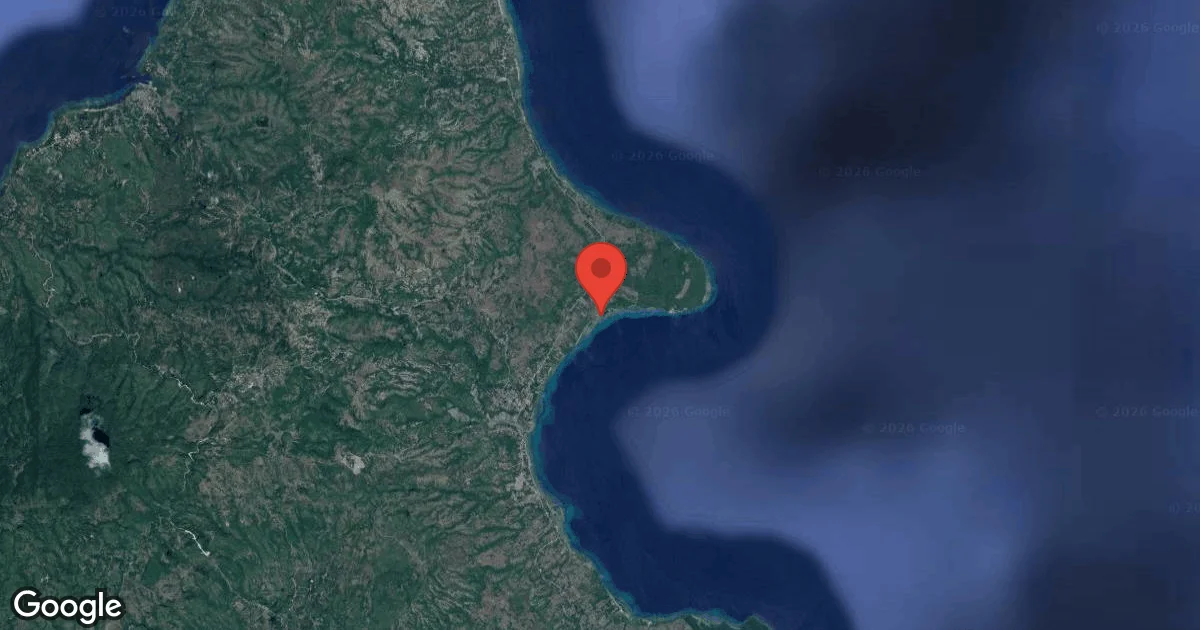
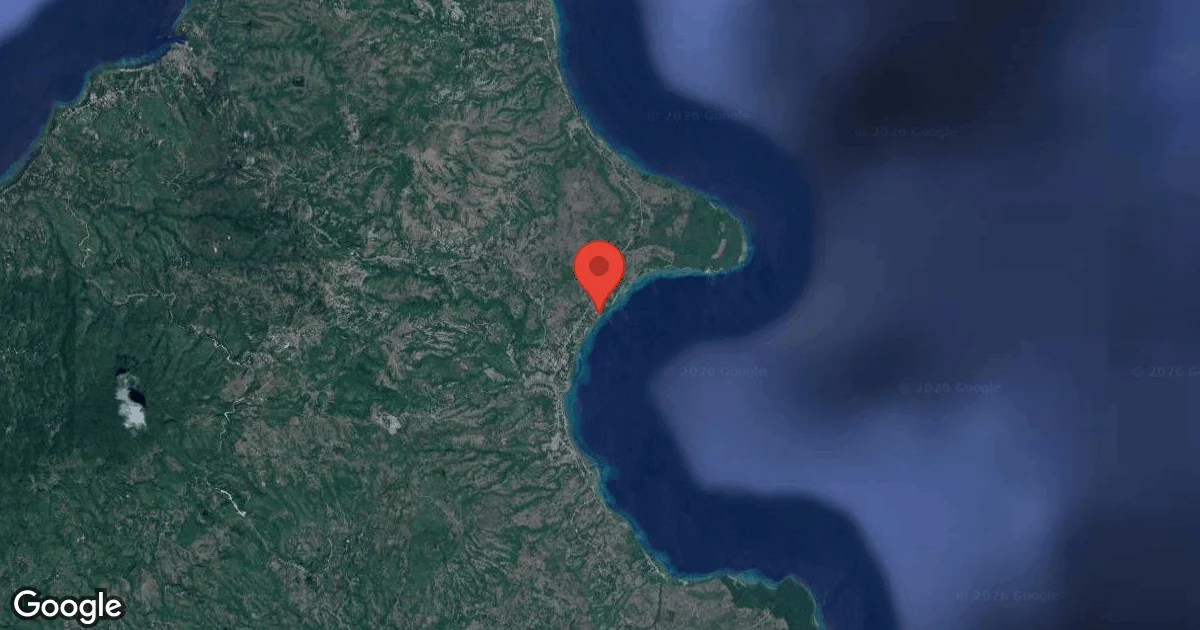
Dive Sites Near Tulapos Marine Sanctuary
View all dive sites in PhilippinesDiscover more underwater gems in this area.
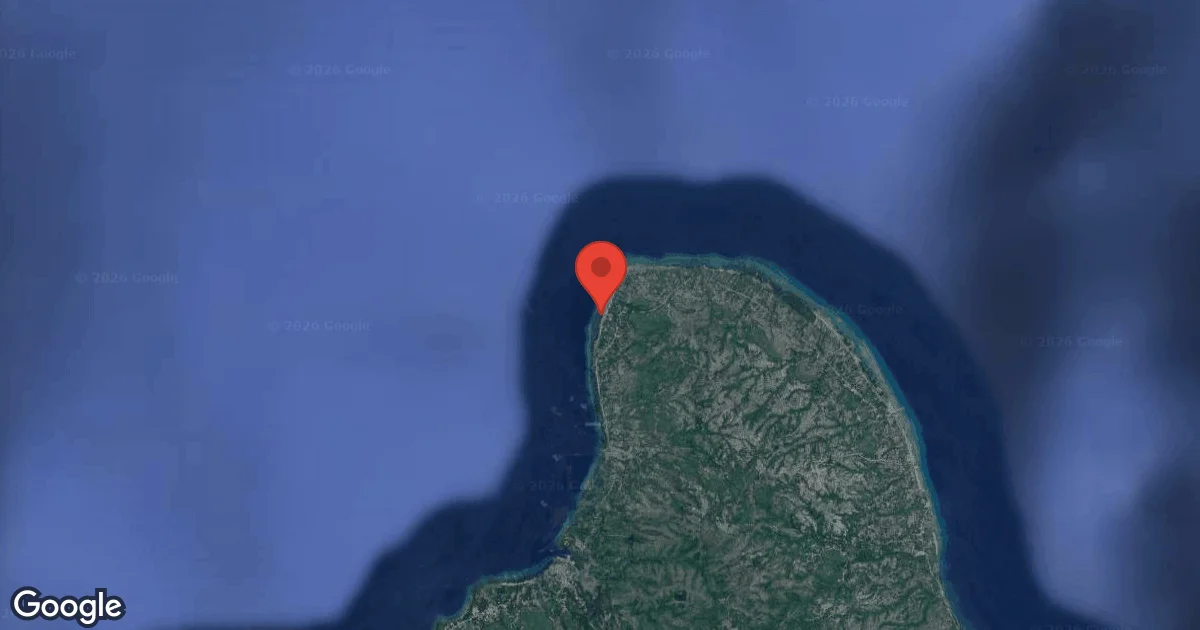
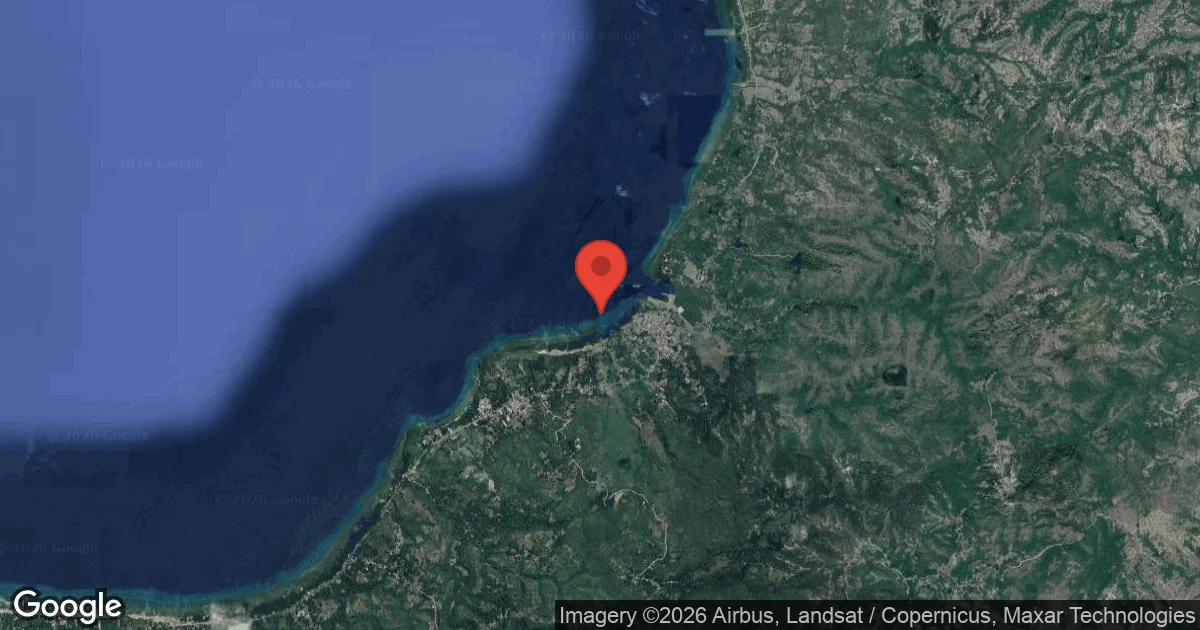
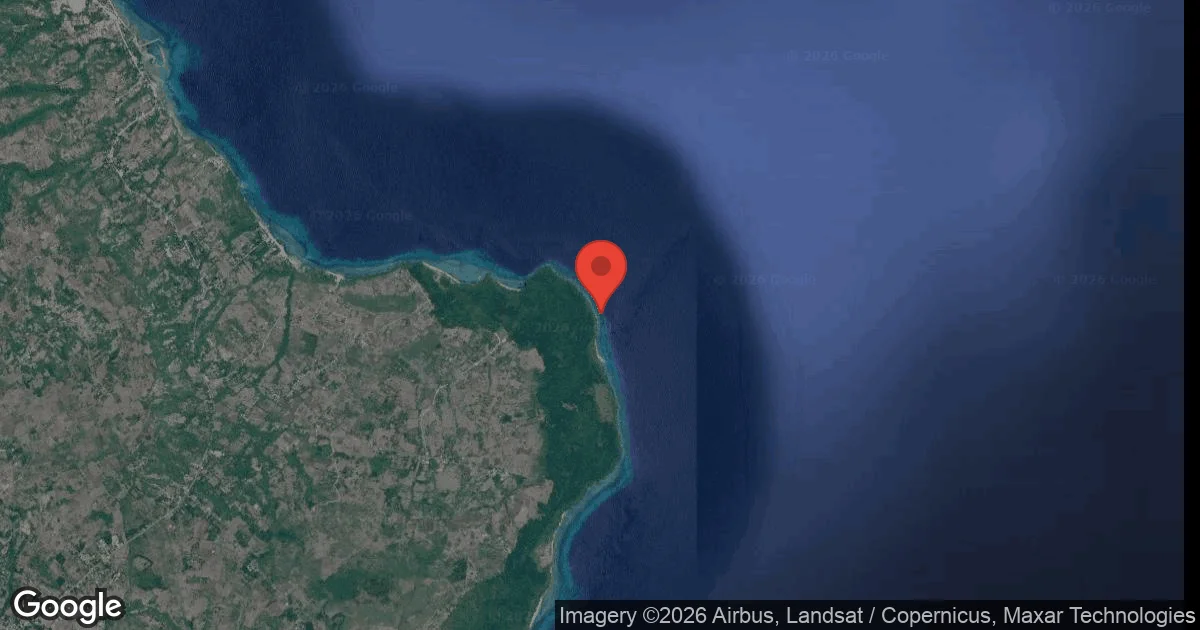
Dive Centers Near Tulapos Marine Sanctuary
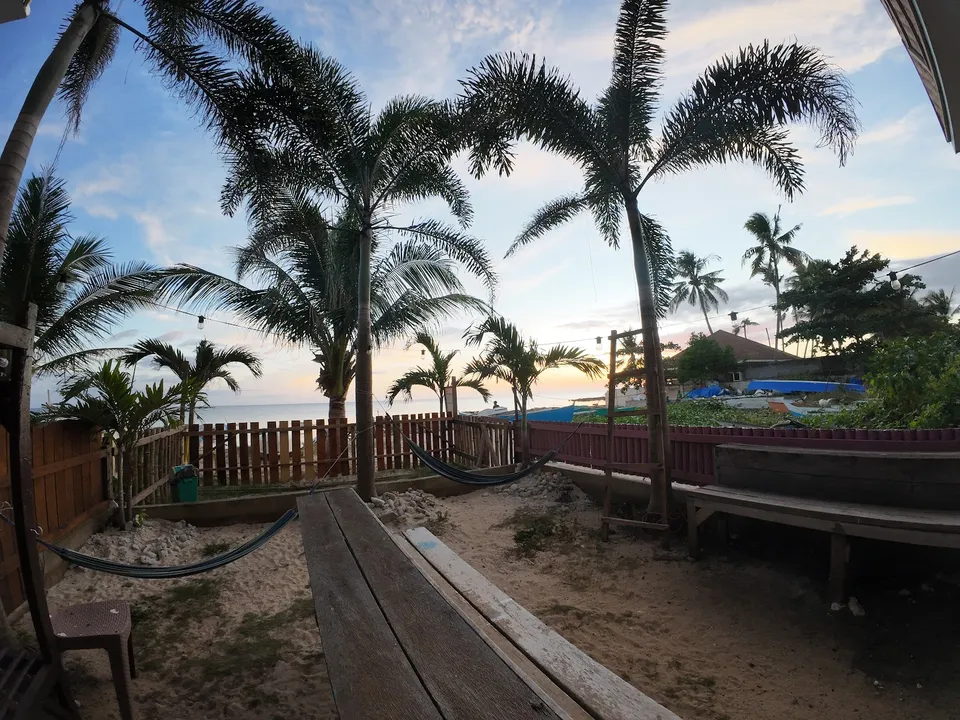
Today: 07:30 - 17:00
Nearest Airports
Nearest airports to help plan travel to this dive area.
Search Flights
Check available flights and routes on Expedia, using the nearby airports listed in this section.
Search Flights on ExpediaFrequently Asked Questions
What makes Tulapos Marine Sanctuary unique?
Tulapos Marine Sanctuary is distinguished by its artificial reef, created using concrete crosses. Such structures provide a vital foundation for the coral garden and a habitat for various marine life, offering an interesting dive experience.
What is the typical depth range for diving at Tulapos?
At Tulapos, the coral garden begins at a shallow 2 meters (6.5 ft) and gently slopes down. While many areas extend to about 22 meters (72 ft), maximum depth can reach approximately 30 meters (100 ft) in some sections.
Is Tulapos Marine Sanctuary suitable for beginner divers?
Yes, Tulapos is generally considered a relaxing dive with a gentle slope and mild conditions, making it suitable for beginners. Divers should always stay within their certification limits, especially when exploring deeper sections.
What kind of marine life can I expect to see?
Divers frequently encounter a large school of barracuda at Tulapos. You can also expect to see turtles grazing on the corals, along with a variety of reef fish inhabiting the coral gardens and artificial reef structures.
How can I access the dive site?
Tulapos Marine Sanctuary can typically be accessed via both shore and boat entries. Specific access points may vary depending on local dive operators and prevailing conditions.
What are the best months to dive at Tulapos for good visibility?
Months from April through November generally offer excellent dive conditions with optimal visibility. Reduced average wave heights and rainfall during this time contribute to clearer underwater views.
Are strong currents common at this site?
No, strong currents are not typically common at Tulapos Marine Sanctuary. It is widely described as a relaxing dive site with generally gentle conditions and a mild slope, making it a comfortable experience for most divers.
Planning to dive Tulapos Marine Sanctuary?
Send one inquiry and receive offers directly from the best verified local dive operators.
Conditions are Good
Optimal conditions expected
Current conditions near Tulapos Marine Sanctuary show 27° air, 30° sea temperature, 0.6 m waves, and 30 km/h wind. Forecast data is refreshed regularly to ensure accuracy.