
Diving at Tambalanang (Philippines)
Tambalanang offers accessible diving for individuals holding an Open Water Diver certification or higher, presenting an engaging site within the El Nido region. Its geology primarily consists of rock formations, creating a diverse underwater terrain suitable for various skill levels. Divers seeking encounters with pelagic species will find this location appealing.
Tonight's objective overview for Tambalanang shows an air temperature of 25.5°C. The measured surface conditions include wave heights around 0.5 m. This environmental data is logged for the close of the day.
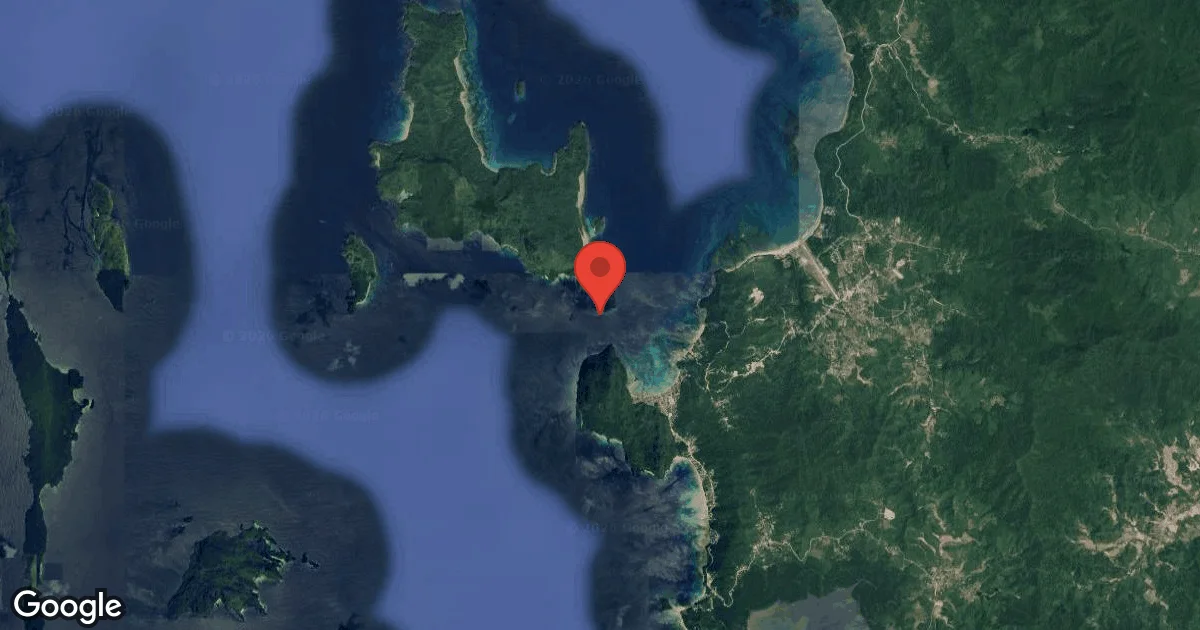
Dive Site Location & Key Facts
Dive Site Overview
Distinct rock formations characterize Tambalanang, serving as a focal point for marine activity in the El Nido area. This site provides a straightforward dive, typically explored to depths between 5 and 24 meters (16 and 79 ft).
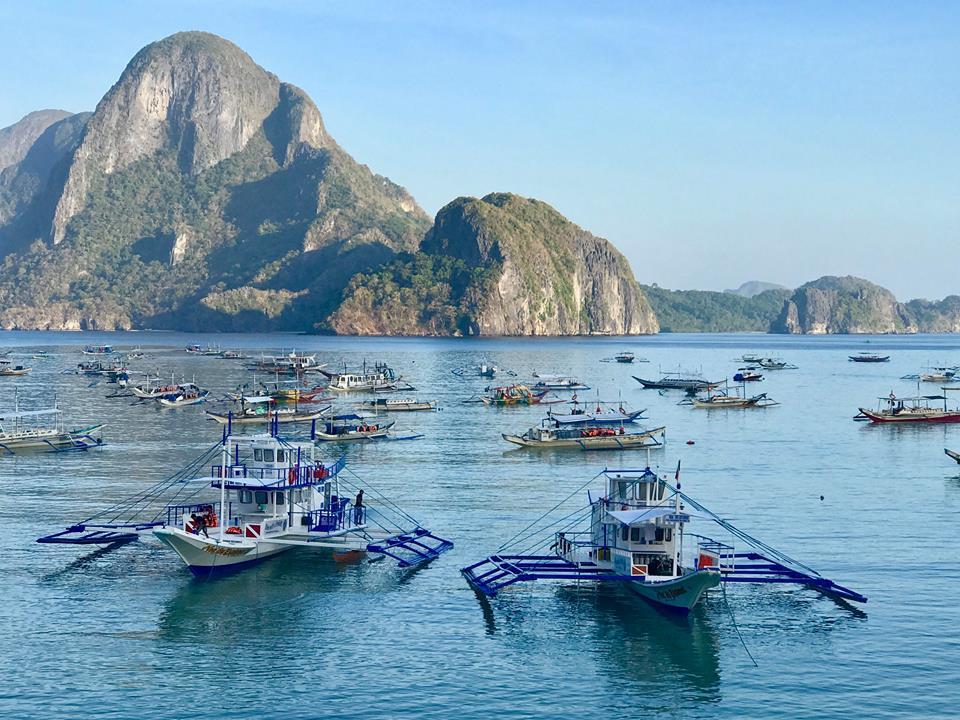
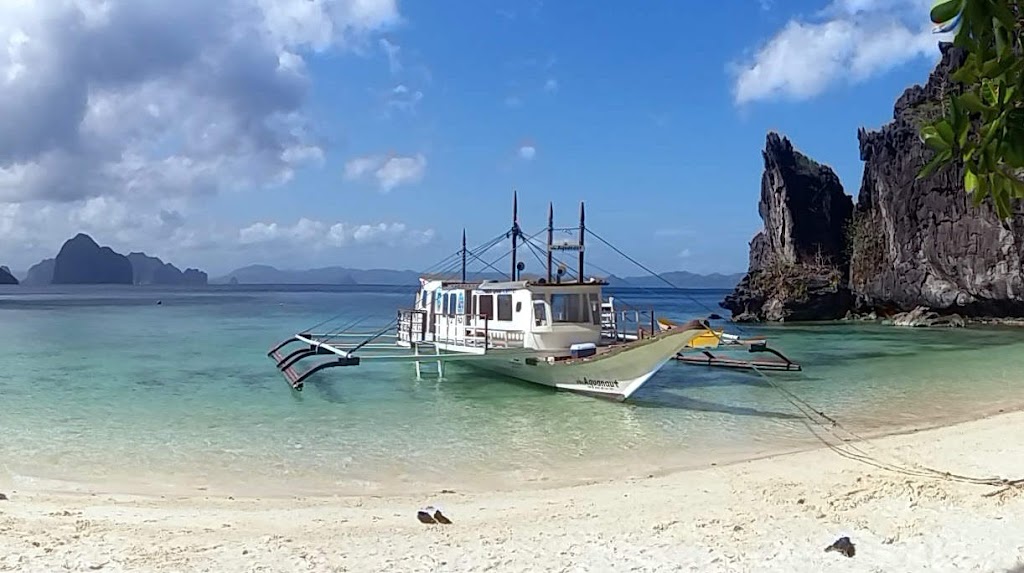
Access is via a short 20-minute speedboat ride, making it readily available from local dive centers. While its 'Rocks' description hints at the primary topography, the surrounding El Nido archipelago contributes to a rich ecosystem with diverse features like sandy patches, slopes, and even drop-offs at nearby sites.
For divers, Tambalanang offers the opportunity to observe several marine inhabitants drawn to its rocky substrate, presenting a lively underwater environment without demanding extreme technical skills. Encounters with larger species are regularly reported, adding an element of excitement to the dive profile.
Conditions are Good
Optimal conditions expected
Current conditions near Tambalanang show 26° air, 30° sea temperature, 0.5 m waves, and 20 km/h wind. Forecast data is refreshed regularly to ensure accuracy.
Best Time to Dive
Considering ocean conditions and climate trends, the optimal period for diving Tambalanang generally spans from February to May. During these months, wave heights typically measure below 1 meter (3 ft), and wind speeds are comparatively lower, often under 18 km/h (11 mph). April stands out as an excellent month for diving, exhibiting the calmest conditions with average wave heights around 0.5 meters and minimal rainfall. Air temperatures during this peak season range from 27°C (81°F) in February, gradually increasing to 29°C (84°F) by April. Conversely, July and September tend to experience higher rainfall and increased wave activity, contributing to a 'Moderate' dive score. For the most comfortable experience and best visibility, planning a visit during the drier, calmer spring months is advisable.
PEAK SEASON SCORE
Scores combine air & water temps, waves, wind & rainfall for overall conditions.
BEST MONTHS TO DIVE
Monthly records compiled from satellite and marine observation nodes over the last 3 years. Data provided by Open-Meteo and MET Norway.
Dive Experience & Conditions
Descending into Tambalanang provides a sensory experience dominated by its unique rock landscape, which forms both walls and smaller structures. Depths are generally within recreational limits, typically ranging from 5 to 24 meters (16 to 79 ft). While specific water temperature data for Tambalanang isn't consistently reported, the surrounding region in Palawan usually sees averages between 22-27°C (72-81°F). Visibility, while varying with conditions, is generally good for exploring the site's rocky contours. The presence of these prominent rock formations often influences local currents, which can vary depending on tidal movements, requiring divers to pay attention to their buoyancy and positioning.
Dive Difficulty & Safety Guidelines
To ensure a safe and rewarding dive at Tambalanang, always adhere to PADI Standard Safe Diving Practices. Diving with a local dive professional, particularly one familiar with current site conditions, is strongly recommended due to the variability often encountered in rocky marine environments. Maintaining proper buoyancy control is crucial to protect the delicate marine ecosystem and to navigate around the rock formations.
Divers should also respect marine life by maintaining a safe distance, especially from any larger pelagic species encountered. Planning your dive within your certification limits and staying aware of your air consumption and no-decompression limits will contribute to a positive experience.
Recommended Equipment
- Dive Computer
- DSMB
This gear list is based on verified equipment signals for Tambalanang, Philippines. Always confirm final gear choices with your dive operator, guide, or liveaboard.
Recommended Dive Suit
For dives of average duration, dive skin or rash guard usually provides sufficient protection from heat loss.
Current readings at Tambalanang show water temperatures near 30°C (87°F). Surface air temperatures are resting at 26°C (78°F).
Weather projections show fairly stable environmental conditions ahead.
Due to technical issues with our weather providers, live updates are temporarily delayed. The data above reflects the conditions at the time of the last successful fetch.
Emergency & Medical Support
Essential information to help you plan your dive trip to Tambalanang.

Hyperbaric chambers are a critical part of dive safety infrastructure. Availability varies significantly by region, and not all dive areas have immediate access.
Before diving, it's recommended to:
- confirm nearest medical facilities
- check emergency procedures with local dive operators
- ensure dive insurance covers evacuation if required
Divers Alert Network
Diving emergency assistance available through DAN World.
+1-919-684-9111- 24/7 emergency hotline
- Diving medical assistance
- Evacuation coordination
Emergency contacts are provided for reference. Always verify local emergency services before diving.
Marine Life at Tambalanang
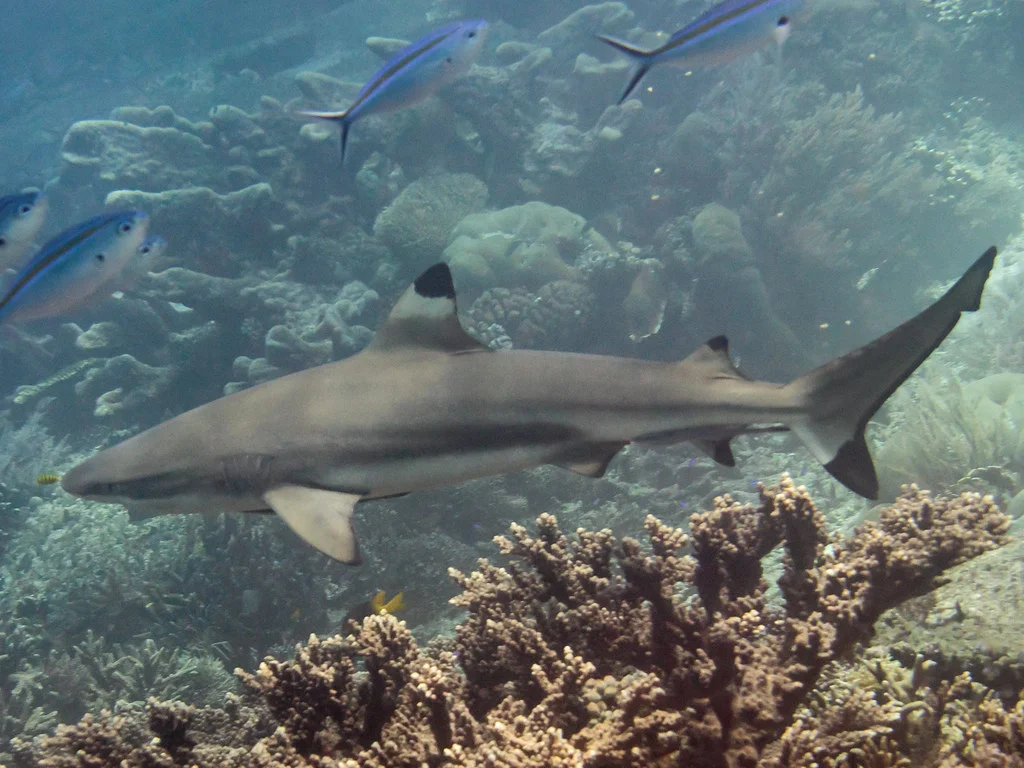
The rocky landscape of Tambalanang creates a habitat attractive to a variety of marine life, making encounters a common occurrence. Divers frequently report sightings of blacktip reef sharks navigating through the formations, adding an exciting dynamic to the dive.
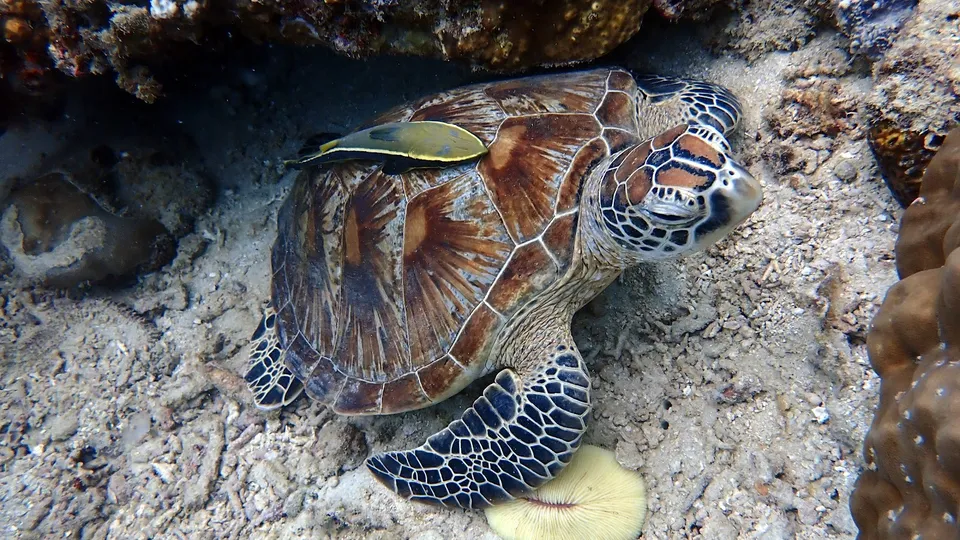
Turtles are also regular visitors, often observed gracefully swimming past or resting near the rocks. Schools of colorful fish, accustomed to sheltering within the rocky crevices and along the coral-dusted surfaces, enhance the vibrant underwater scenery, providing ample subjects for observation and photography.
Dive Sites Near Tambalanang
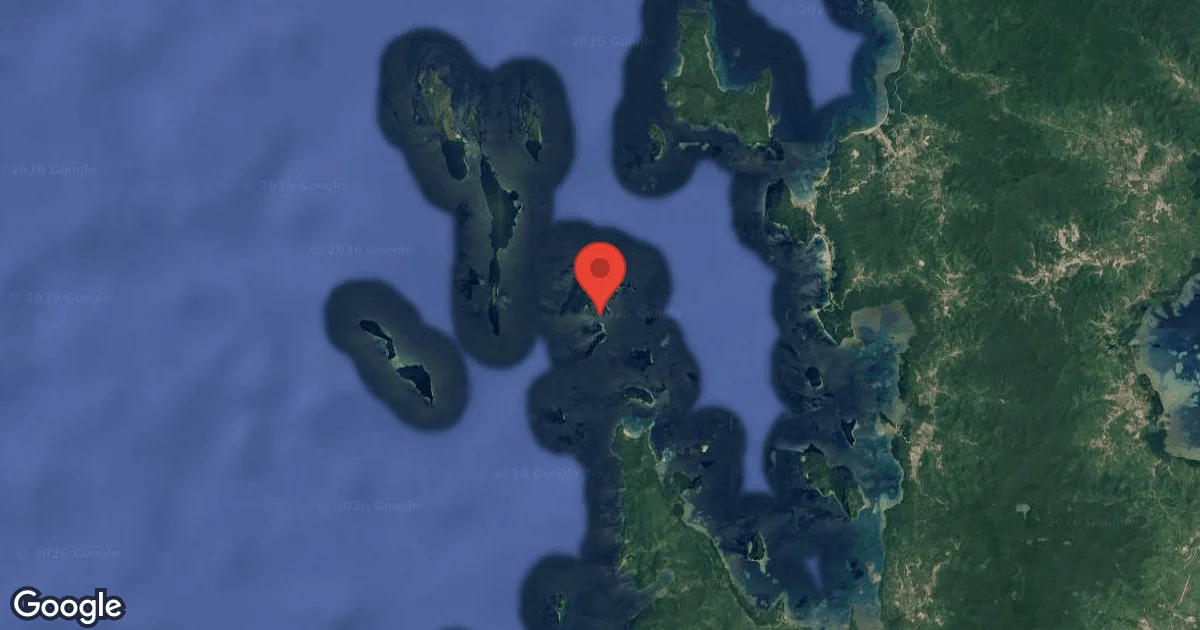
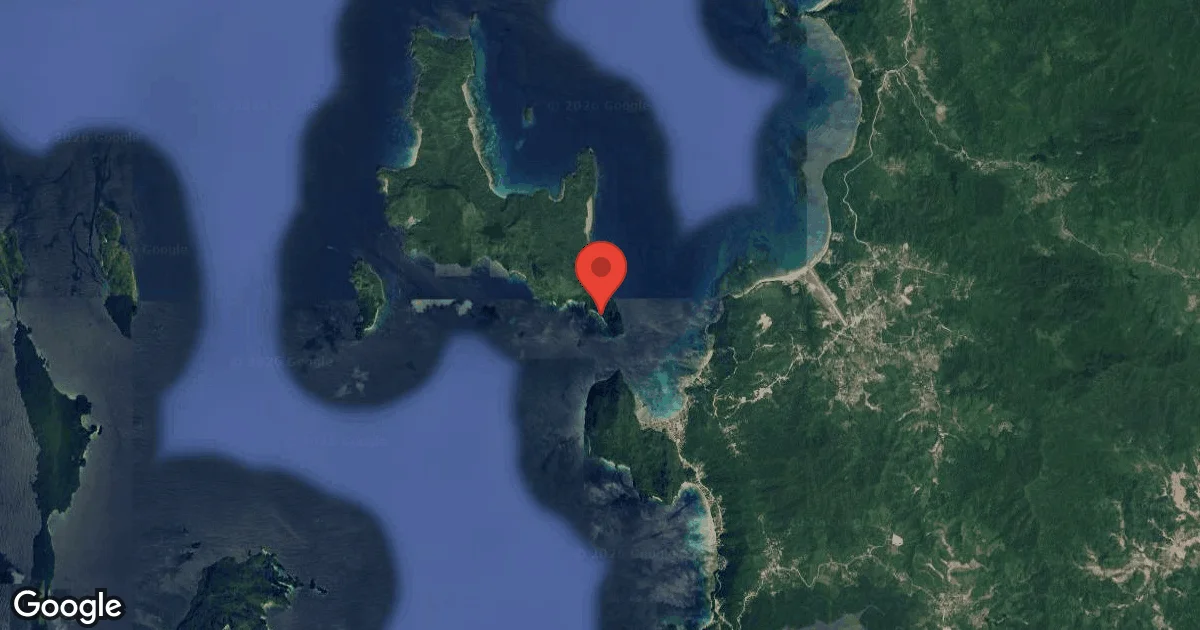
View all dive sites in PhilippinesDiscover more underwater gems in this area.
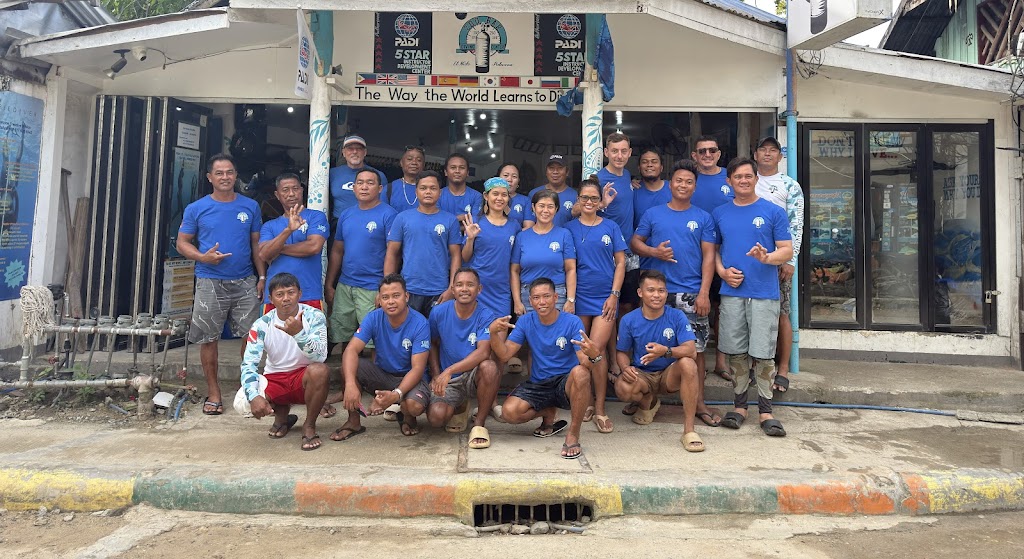
Dive Centers Near Tambalanang
Today: 07:00 - 22:00
Nearest Airports
Nearest airports to help plan travel to this dive area.
Search Flights
Check available flights and routes on Expedia, using the nearby airports listed in this section.
Search Flights on ExpediaFrequently Asked Questions
What is the primary characteristic of Tambalanang?
Tambalanang is primarily characterized by its extensive rock formations. These underwater structures create a diverse topography and serve as key habitats for various marine species.
What is the typical depth range for diving at Tambalanang?
Dives at Tambalanang typically range from a minimum depth of 5 meters (16 ft) to a maximum of 24 meters (79 ft). This depth profile makes it suitable for most recreational divers.
What marine life can divers expect to see here?
Divers often encounter blacktip reef sharks and various species of turtles. The site also supports a wide variety of colorful fish, which congregate around the rocky structures.
Is Tambalanang suitable for all diver levels?
Yes, Tambalanang is generally considered suitable for all diver levels, from Open Water certified divers to more experienced individuals. Its depth range and characteristics accommodate a broad skill set.
How is access to the Tambalanang dive site?
Access to Tambalanang is primarily by boat. It's typically a brief 20-minute speedboat ride from the main dive centers in El Nido.
What are the best months to dive Tambalanang?
February through May are generally the best months for diving Tambalanang. During this period, calmer seas, less wind, and minimal rainfall contribute to optimal underwater visibility and comfort.
Planning to dive Tambalanang?
Send one inquiry and receive offers directly from the best verified local dive operators.
Conditions are Good
Optimal conditions expected
Current conditions near Tambalanang show 26° air, 30° sea temperature, 0.5 m waves, and 20 km/h wind. Forecast data is refreshed regularly to ensure accuracy.