
Diving at Dilumacad Island (Philippines)
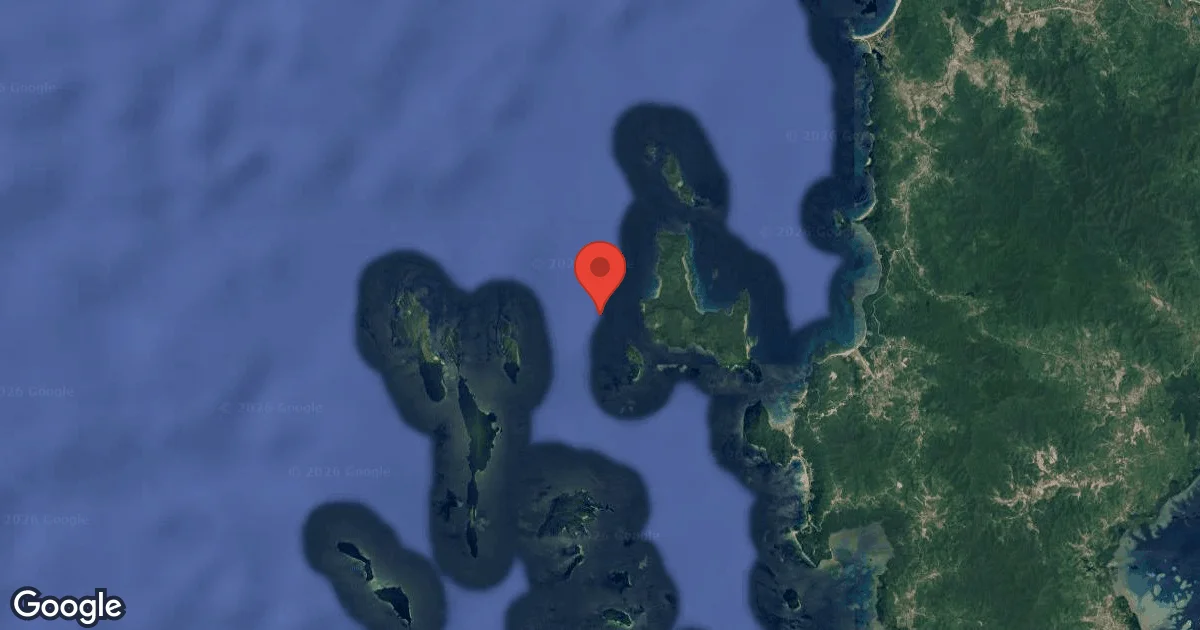
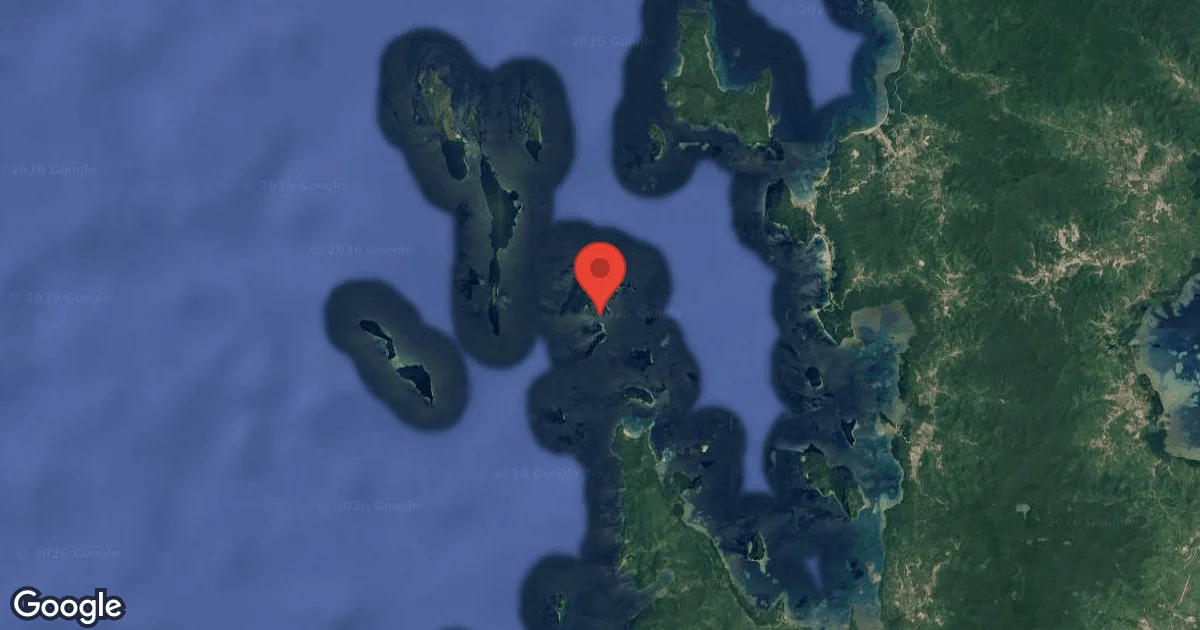
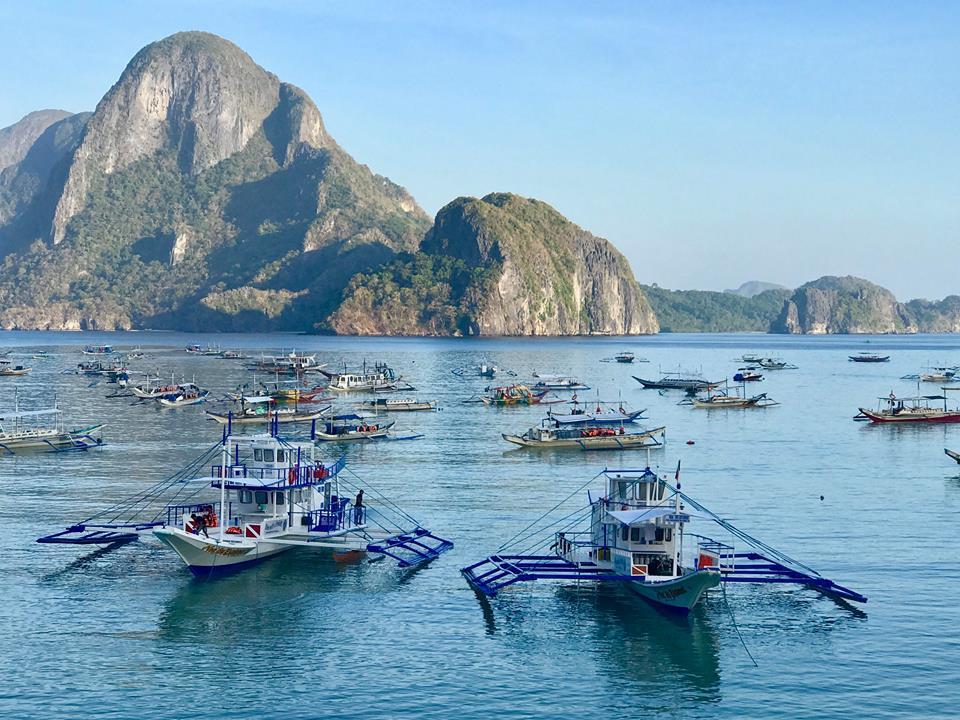
Dilumacad Island, known colloquially as Helicopter Island for its distinctive shape, is situated approximately 6 km west of El Nido in Palawan. A popular dive destination, it offers a varied underwater topography, encompassing vibrant southern and northern reef sections separated by a significant sandy expanse. Beyond its prominent reefs, the island is particularly noted for a distinctive cave system found on its northern side, attracting divers seeking cavern exploration.
Evening condition tracking at Dilumacad Island features an air temperature of 25.5°C. We have recorded wave heights measuring 0.4 m during this period. These figures outline the environmental parameters currently present.
Dive Site Location & Key Facts
Dive Site Overview
Exploring Dilumacad Island offers divers a compelling journey through diverse underwater landscapes, making it a frequently visited site within Bacuit Bay. The main dive area, located on the island's south-east, unfolds into a distinctive three-part topology.
Descending here reveals a thriving southern reef, transitioning into an expansive sandy bottom, before concluding at another vibrant reef section to the north. Essentially, this arrangement creates two distinct dive profiles: one exploring the southern reef and part of the sand, and another focusing on the northern reef with its adjacent sandy areas. Maximum depths for these reef and sandy patch dives reach up to 30 m (98 ft).
For those drawn to overhead environments, the island's northern side presents an engaging cave dive. This system features an entrance wide enough for two divers, leading into a 15-20m (50-65 ft) tunnel that opens into a central cavern.
Water conditions typically feature moderate currents, yet visibility can extend well, revealing the structure and resident marine life. Accessible via a short boat ride from El Nido, this site caters to a range of experience levels, from Open Water divers exploring the reefs to those undertaking specialized cavern training.
Conditions are Good
Optimal conditions expected
Current conditions near Dilumacad Island show 25° air, 30° sea temperature, 0.5 m waves, and 27 km/h wind. Forecast data is refreshed regularly to ensure accuracy.
Best Time to Dive
For optimal diving conditions, particularly favoring clarity and comfort, consider visiting Dilumacad Island between November and May. During these months, the region generally experiences lower rainfall, contributing to enhanced underwater visibility. Air temperatures during this period are pleasant, averaging around 27-29°C (81-84°F). Wave heights also tend to be calmer, especially from March to May, often below 0.6 m (2 ft), which can significantly improve surface conditions and ease boat entries. While the dive scores indicate good conditions for much of the year, the stability and reduced precipitation of the November-May dry season typically present the most consistent experience. July, however, often sees higher wave activity and increased rainfall, which can seasonally impact visibility and overall dive quality. Planning your trip during the drier, calmer months is advised for the clearest views of the reefs and the safest approach to the cave systems.
PEAK SEASON SCORE
Scores combine air & water temps, waves, wind & rainfall for overall conditions.
BEST MONTHS TO DIVE
Monthly records compiled from satellite and marine observation nodes over the last 3 years. Data provided by Open-Meteo and MET Norway.
Dive Experience & Conditions
Navigating Dilumacad Island's dive sites often involves encountering moderate currents, a factor divers should always consider, especially within the cave system. While the currents on the main reef sections are typically manageable, a specific tunnel exit for the cave can sometimes narrow, accommodating only one diver at a time. This particular cave dive, reaching depths of 5-10 meters, demands careful attention to prevailing conditions. Diving here isn't recommended when strong north winds are present, as they can significantly impact safety and water movement within the entry and exit points. Visibility at the cave entrance is reported around 10 meters, but can vary across the open reefs depending on seasonal factors and recent weather. Water temperature generally remains warm, although specific annual averages aren't consistently reported; typically, tropical Philippine waters are comfortable for diving year-round. Divers should anticipate variations and be prepared for potential surface chop during windier periods.
Dive Difficulty & Safety Guidelines
Successfully navigating Dilumacad Island's dive sites, particularly its cave, requires proper planning and adherence to safety protocols. A key consideration for the cave dive involves a potentially narrow exit from a 10-meter tunnel, which permits only one diver at a time. This section demands excellent buoyancy control and situational awareness.
Avoid attempting this dive during strong north winds; such conditions can significantly increase current strength and create hazards within the overhead environment. Always dive within your certification limits and consider specialized training like the PADI Cavern Diver course if you plan extensive cave exploration.
A reliable dive computer is essential for monitoring bottom time and ascent rates across the recreational depth range. Maintain adequate surface marker buoy deployment protocols for boat pickups, especially in areas with moderate currents. Always dive with a buddy and conduct thorough equipment checks before each descent.
Recommended Equipment
- Dive Computer
- DSMB
This gear list is based on verified equipment signals for Dilumacad Island, Philippines. Always confirm final gear choices with your dive operator, guide, or liveaboard.
Recommended Dive Suit
Forecast models show minimal temperature variation in the coming days.
Some divers prefer slightly warmer exposure protection simply for additional comfort.
Dive skin or rash guard usually works well for maintaining comfort during standard dive profiles in these conditions. The latest environmental readings for Dilumacad Island suggest water temperatures around 30°C (86°F). Surface air temperatures are resting at 25°C (78°F).
Emergency & Medical Support
Essential information to help you plan your dive trip to Dilumacad Island.

Hyperbaric chambers are a critical part of dive safety infrastructure. Availability varies significantly by region, and not all dive areas have immediate access.
Before diving, it's recommended to:
- confirm nearest medical facilities
- check emergency procedures with local dive operators
- ensure dive insurance covers evacuation if required
Divers Alert Network
Diving emergency assistance available through DAN World.
+1-919-684-9111- 24/7 emergency hotline
- Diving medical assistance
- Evacuation coordination
Emergency contacts are provided for reference. Always verify local emergency services before diving.
Marine Life at Dilumacad Island
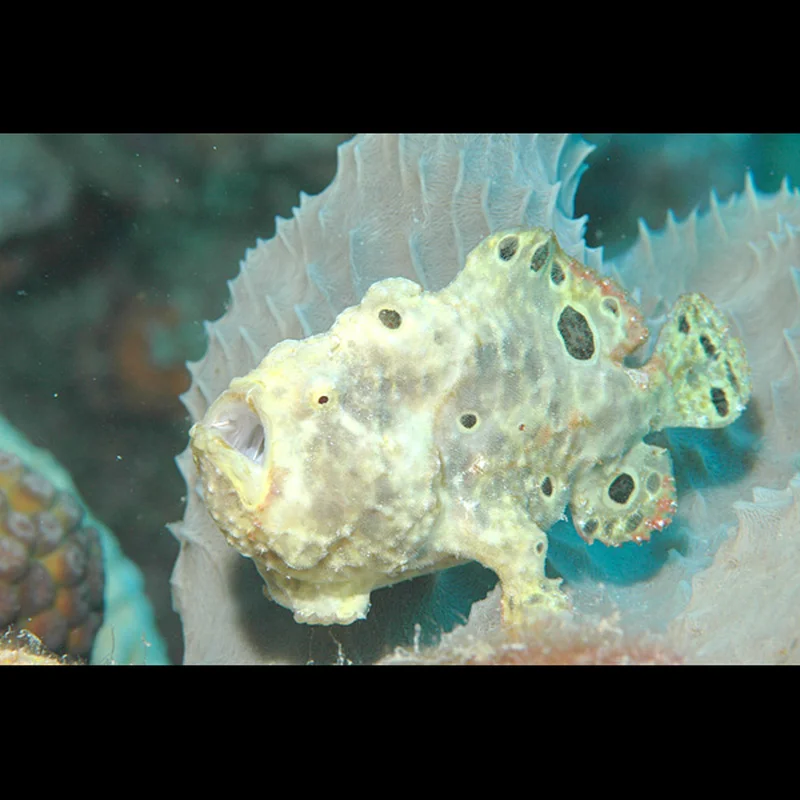
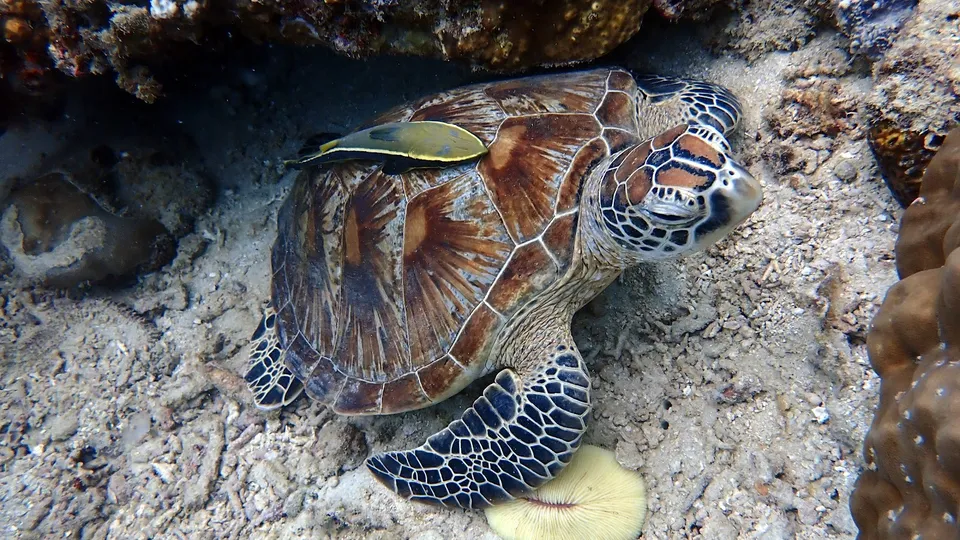
The varied underwater landscape of Dilumacad Island supports a diverse array of marine species, observable across its vibrant reef sections and expansive sandy bottom. Keep a keen eye out for masterfully camouflaged frogfish, often blending seamlessly with the corals and sponges.
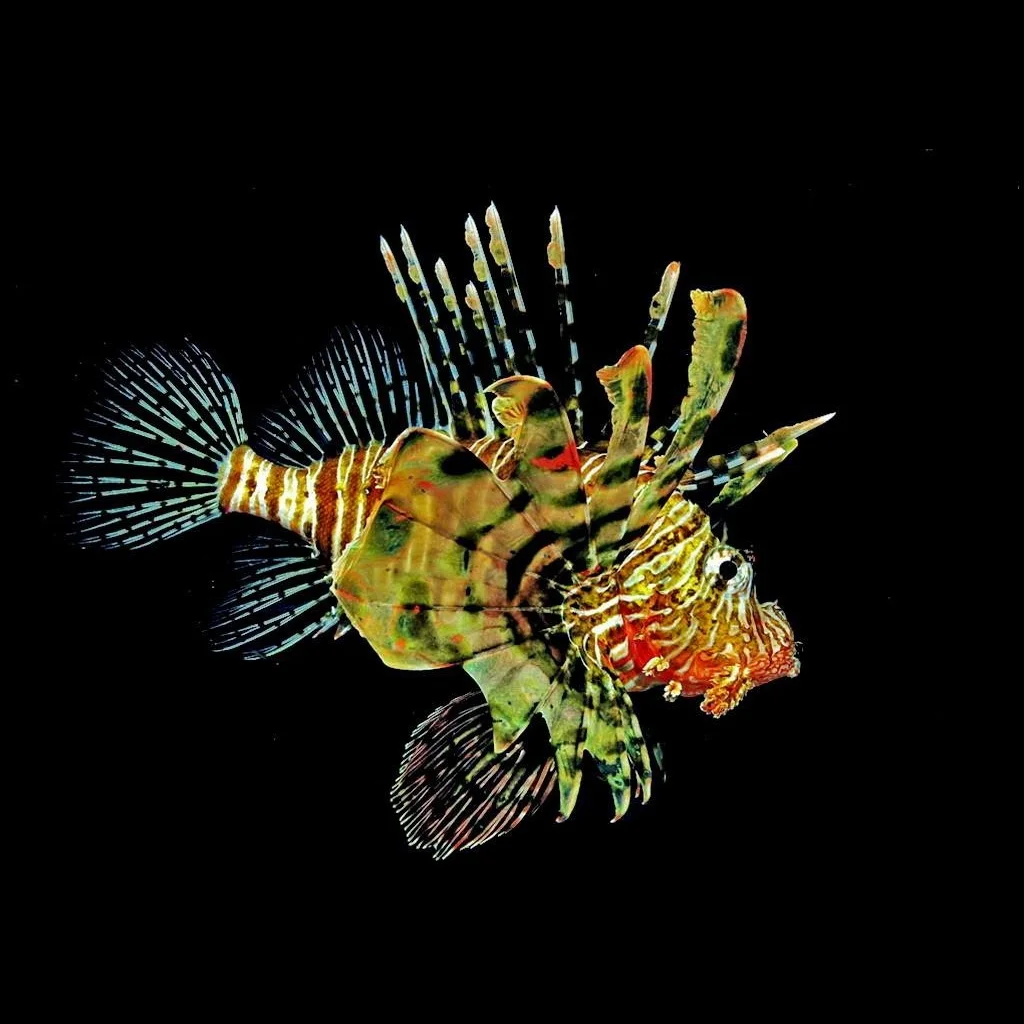
Patrolling the reef edges, lionfish can frequently be spotted, showcasing their distinctive fins. Over the sandy patches, patient observation might reveal elusive pipehorses and the often-shy jawfish, tending to their burrows.
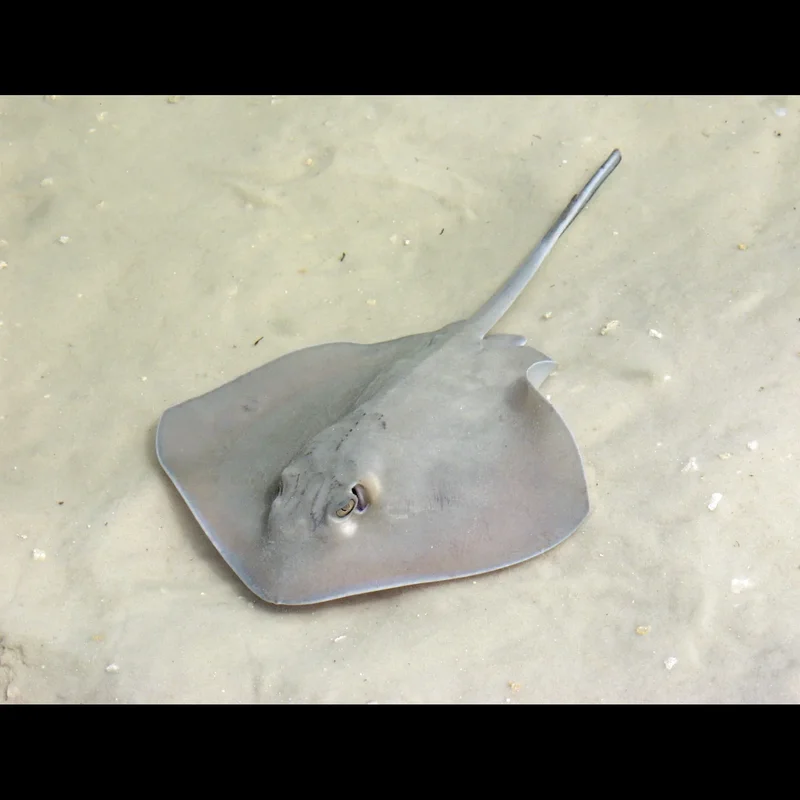
Bluespotted stingrays glide gracefully across the seafloor, particularly in the shallower sandy areas. The deeper reef structures provide habitat for numerous smaller reef fish, adding to the dynamic visual experience.

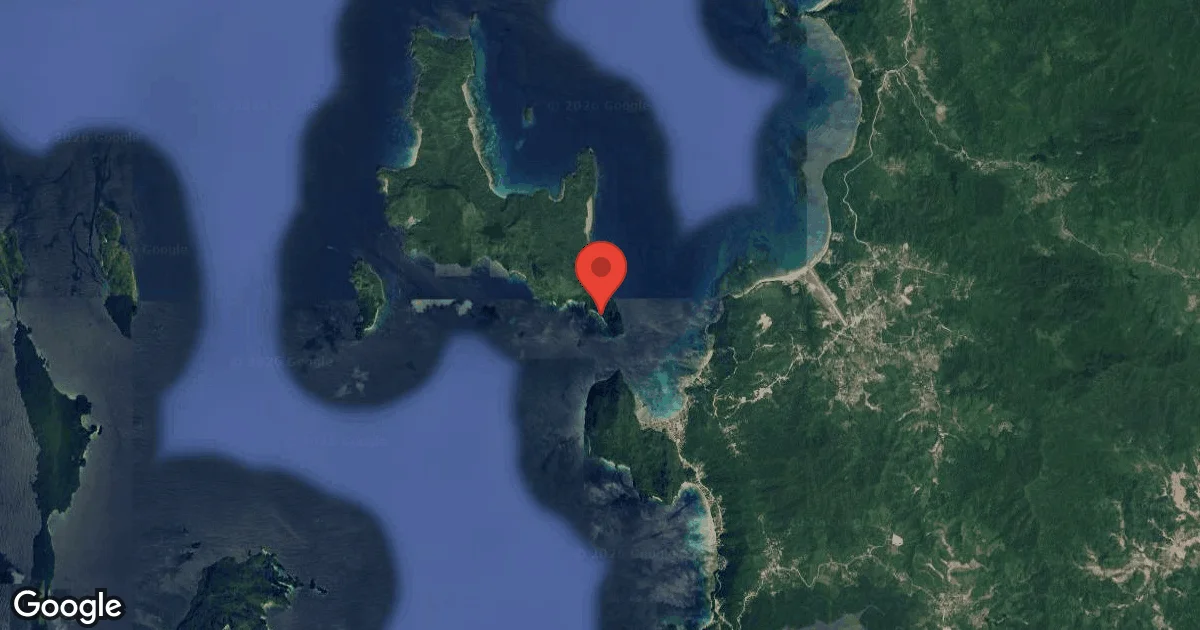
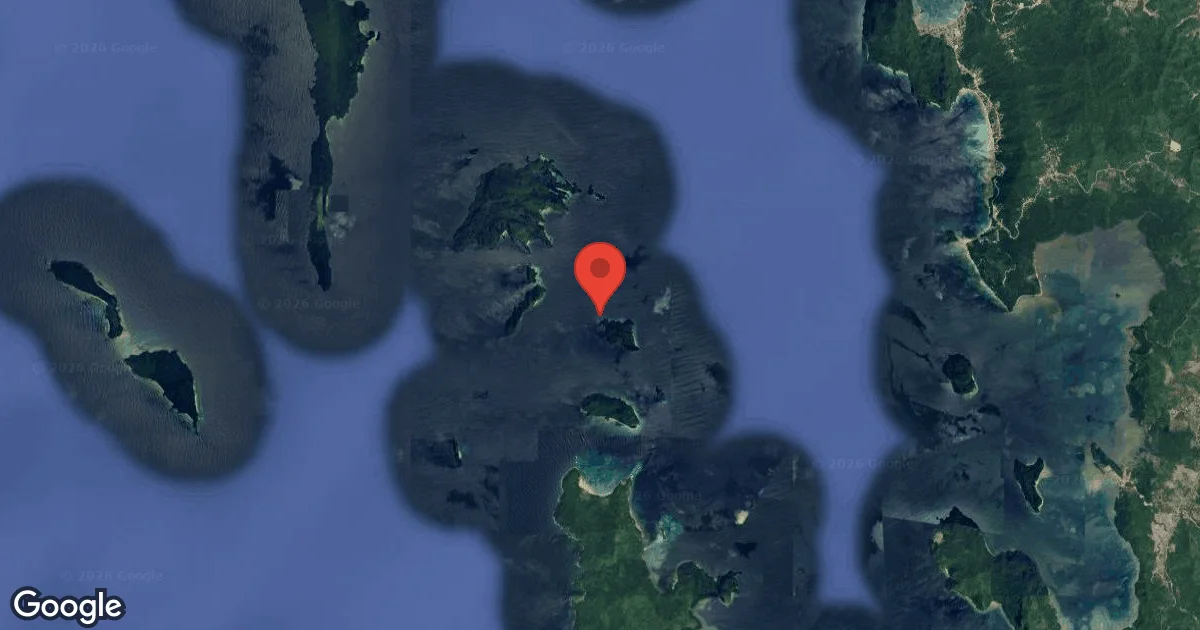
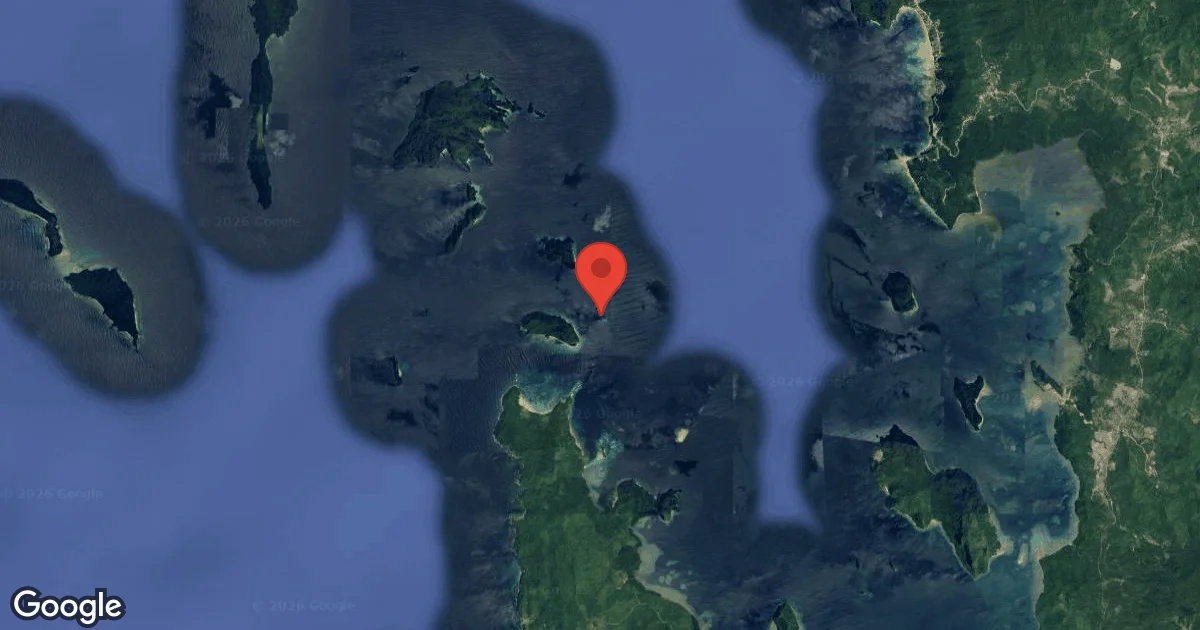
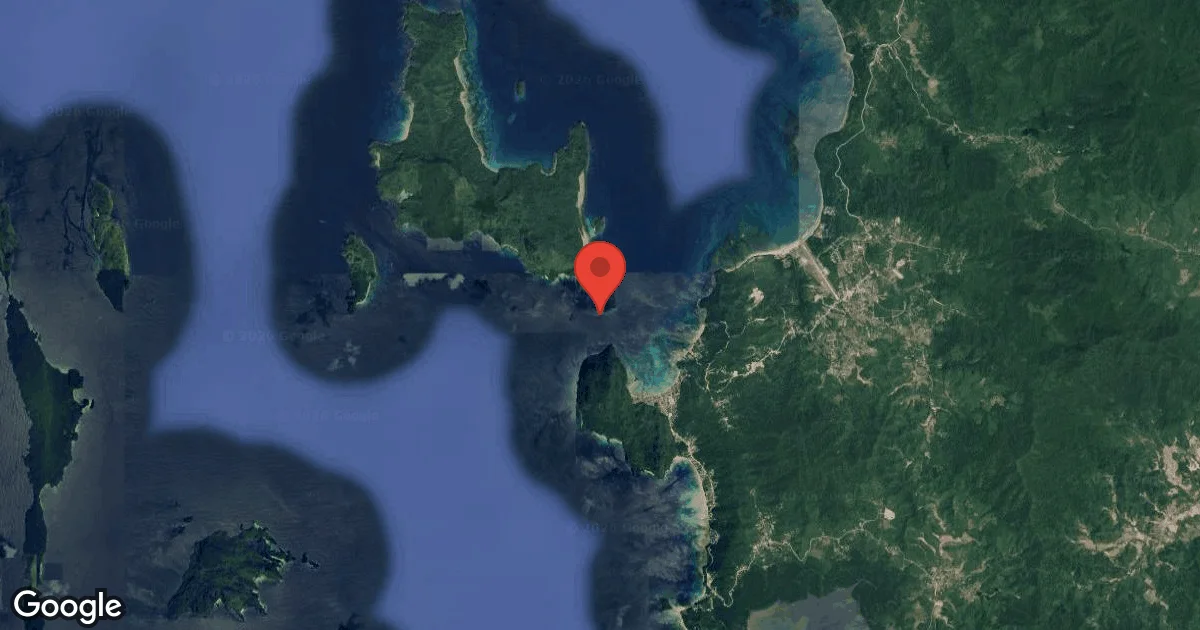
Dive Sites Near Dilumacad Island
View all dive sites in PhilippinesDiscover more underwater gems in this area.
Dive Centers Near Dilumacad Island

Today: 07:00 - 22:00


Nearest Airports
Nearest airports to help plan travel to this dive area.
Search Flights
Check available flights and routes on Expedia, using the nearby airports listed in this section.
Search Flights on ExpediaFrequently Asked Questions
How far is Dilumacad Island from El Nido, and how do I get there?
Approximately 6 km west of El Nido town, Dilumacad Island is best reached by boat. Dive sites around the island typically involve a short 15-30 minute ride from El Nido, depending on the specific location.
What level of diving experience is required for Dilumacad Island?
Most of the reef and sandy patch dives are suitable for PADI Open Water certified divers. However, the cave system on the north side requires more advanced skills and potentially specialized training like Cavern Diver certification due to the overhead environment and specific entry/exit considerations.
What are the characteristics of the cave dive at Dilumacad Island?
The cave on Dilumacad's north side features an entrance wide enough for two divers, leading into a 15-20 meter (50-65 ft) tunnel that opens into a central cavern. There's a particular 10-meter tunnel section that narrows, allowing only one diver to exit at a time.
When is the best time of year to dive Dilumacad Island?
The optimal period for diving Dilumacad Island, especially for its cave and best visibility, is generally from November to May. These months typically offer calmer seas, lower rainfall, and excellent overall dive scores.
Are there strong currents at Dilumacad Island?
Currents at Dilumacad Island are generally described as moderate, particularly around the reef sections. It's important to exercise caution, especially within the cave system, where specific points might have increased flow and a narrow exit.
What kind of marine life can I expect to see?
Divers can anticipate encounters with frogfish, lionfish, pipehorses, and jawfish. Bluespotted stingrays are also common sightings gliding over the sandy bottoms, contributing to a vibrant underwater experience.
Why is Dilumacad Island also known as "Helicopter Island"?
The island is colloquially known as Helicopter Island due to its distinctive rock formations. From certain viewpoints, its silhouette strikingly resembles that of a helicopter.
Planning to dive Dilumacad Island?
Send one inquiry and receive offers directly from the best verified local dive operators.
Conditions are Good
Optimal conditions expected
Current conditions near Dilumacad Island show 25° air, 30° sea temperature, 0.5 m waves, and 27 km/h wind. Forecast data is refreshed regularly to ensure accuracy.