
Diving at Grass Cay (Puerto Rico)
Diving at Grass Cay provides a varied underwater landscape for exploration. A combination of large coral heads, gentle sloping reefs, and interesting mounds dots the sandy flats. This diverse bottom topography invites divers to navigate its contours, promising an engaging experience as you explore around these natural formations. It's an opportunity to immerse yourself in the dynamic environment.
Tonight's objective overview for Grass Cay shows an air temperature of 27°C. The measured surface conditions include wave heights around 1.2 m. This environmental data is logged for the close of the day.
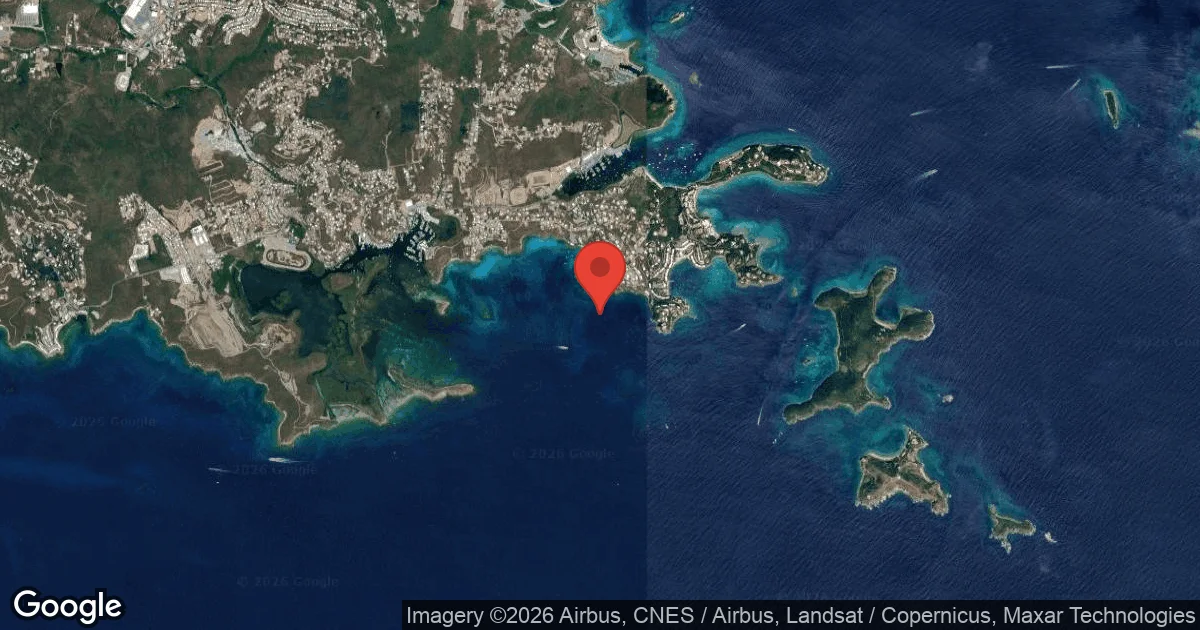
Dive Site Location & Key Facts
Dive Site Overview
Initially, divers arriving at Grass Cay are presented with a site characterized by a dynamic, mixed topography. Dive plans often involve navigating around distinct mounds on sandy areas, then transitioning to explore prominent coral heads, and finally working along sloping reef sections.
This approach provides a comprehensive tour of the site's structure, contrasting with other local dive experiences. Some reports suggest that while corals here appear diverse and healthy, fish density and other smaller marine critters can vary, sometimes leaving divers curious about typical conditions. An earlier experience at a site dubbed "Heaven" nearby indicated fluctuating visibility, starting clear but becoming murkier at greater depths, a factor that could occasionally influence a dive here, though not consistently reported for Grass Cay itself.
For those seeking varied experiences, local operators like Sea Ventures sometimes combine such dives with excursions to Culebra, offering a broader day trip.
Conditions are Good
07:00 - 14:00
Optimal conditions expected
Current conditions near Grass Cay show 27° air, 30° sea temperature, 0.8 m waves, and 21 km/h wind. Forecast data is refreshed regularly to ensure accuracy.
Best Time to Dive
Understanding local climate patterns can significantly enhance your Grass Cay experience. Optimal conditions are frequently observed in April and September, which consistently register "Good" dive scores. These months typically present favorable conditions, including air temperatures ranging from 26°C (79°F) in April to 28.5°C (83°F) in September. Rainfall tends to be lower during periods such as January through April, June and July, September, and December, potentially contributing to clearer waters. Wind speeds and wave heights also exhibit seasonal variations; calmer periods might offer improved visibility and more comfortable boat rides. Water temperature isn't consistently reported for specific months in the data, but the surrounding Caribbean typically maintains warm conditions year-round, making it comfortable for diving.
PEAK SEASON SCORE
Scores combine air & water temps, waves, wind & rainfall for overall conditions.
BEST MONTHS TO DIVE
Monthly records compiled from satellite and marine observation nodes over the last 3 years. Data provided by Open-Meteo and MET Norway.
Dive Experience & Conditions
Navigating Grass Cay often involves responding to the water's natural flow. Divers may encounter currents, which can at times necessitate staying closer to the sandy bottom when swimming against them. Once a turn-around point is reached, these same currents can transform into a pleasant drift, making for an effortless return along the reef. Visibility is not consistently reported and can vary. Some dive experiences in the region describe waters as warm and initially clear, only to become increasingly murky with depth, an observation that might apply here under certain conditions. Dynamic currents and variable visibility mean divers should be prepared for changing conditions underwater.
Dive Difficulty & Safety Guidelines
Divers exploring Grass Cay should always prioritize standard safe diving practices and consult with local dive professionals before entering the water. Conditions can vary, particularly with currents that might necessitate specific dive planning, such as understanding drift potential. Maintaining adequate distance from marine life, particularly sea turtles, is essential to respect their natural behavior and space.
There are no specific hazards consistently reported for this site in the available data, but awareness of your surroundings and adherence to your dive plan remain paramount. Always review current site conditions with your dive operator; local knowledge is invaluable.
Recommended Equipment
- Dive Computer
- DSMB
This gear list is based on verified equipment signals for Grass Cay, Puerto Rico. Always confirm final gear choices with your dive operator, guide, or liveaboard.
Recommended Dive Suit
According to recent observations, water temperatures near Grass Cay are approximately 30°C (85°F). Surface air temperatures are resting at 27°C (80°F).
The forecast outlook suggests that temperatures will stay close to current levels.
Divers who prefer moderate insulation typically choose dive skin or rash guard in similar environments. Consider warmer surface protection (like a boat coat) due to brisk winds. Many experienced divers adjust their exposure protection depending on the type of dive planned. Stronger winds may also make surface intervals feel cooler than usual.
Due to technical issues with our weather providers, data hasn't been fetched for over 48 hours. The data above reflects the conditions at the time of the last successful fetch.
Emergency & Medical Support
Essential information to help you plan your dive trip to Grass Cay.

Hyperbaric chambers are a critical part of dive safety infrastructure. Availability varies significantly by region, and not all dive areas have immediate access.
Before diving, it's recommended to:
- confirm nearest medical facilities
- check emergency procedures with local dive operators
- ensure dive insurance covers evacuation if required
Divers Alert Network
Diving emergency assistance available through DAN World.
+1-919-684-9111- 24/7 emergency hotline
- Diving medical assistance
- Evacuation coordination
Emergency contacts are provided for reference. Always verify local emergency services before diving.
Marine Life at Grass Cay
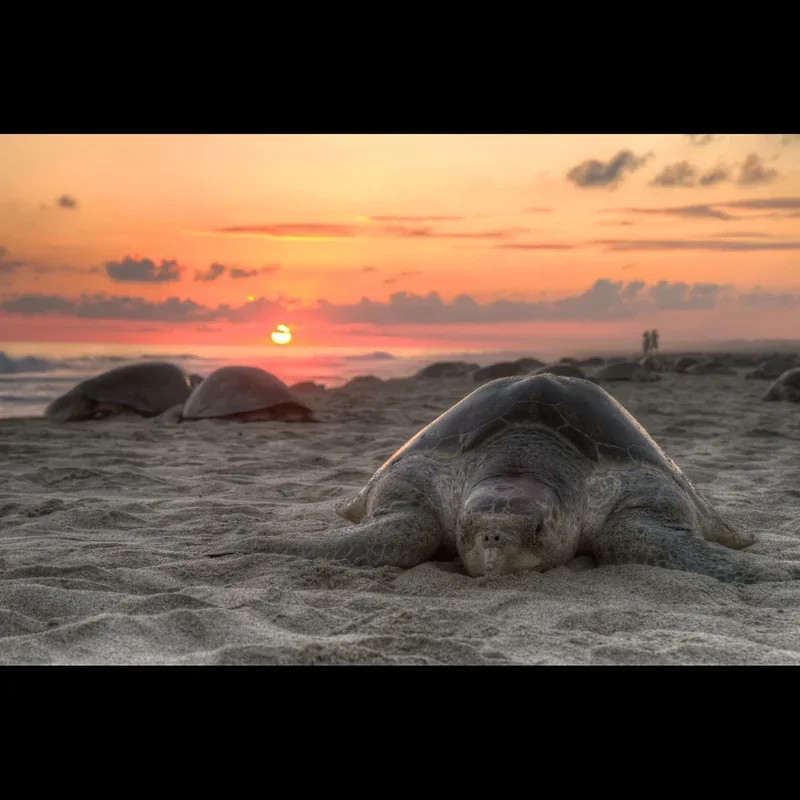
Grass Cay is a place where marine encounters can be quite rewarding. Sea turtles are a highlight, often observed actively foraging on the seagrass flats; divers should ensure they provide ample space.
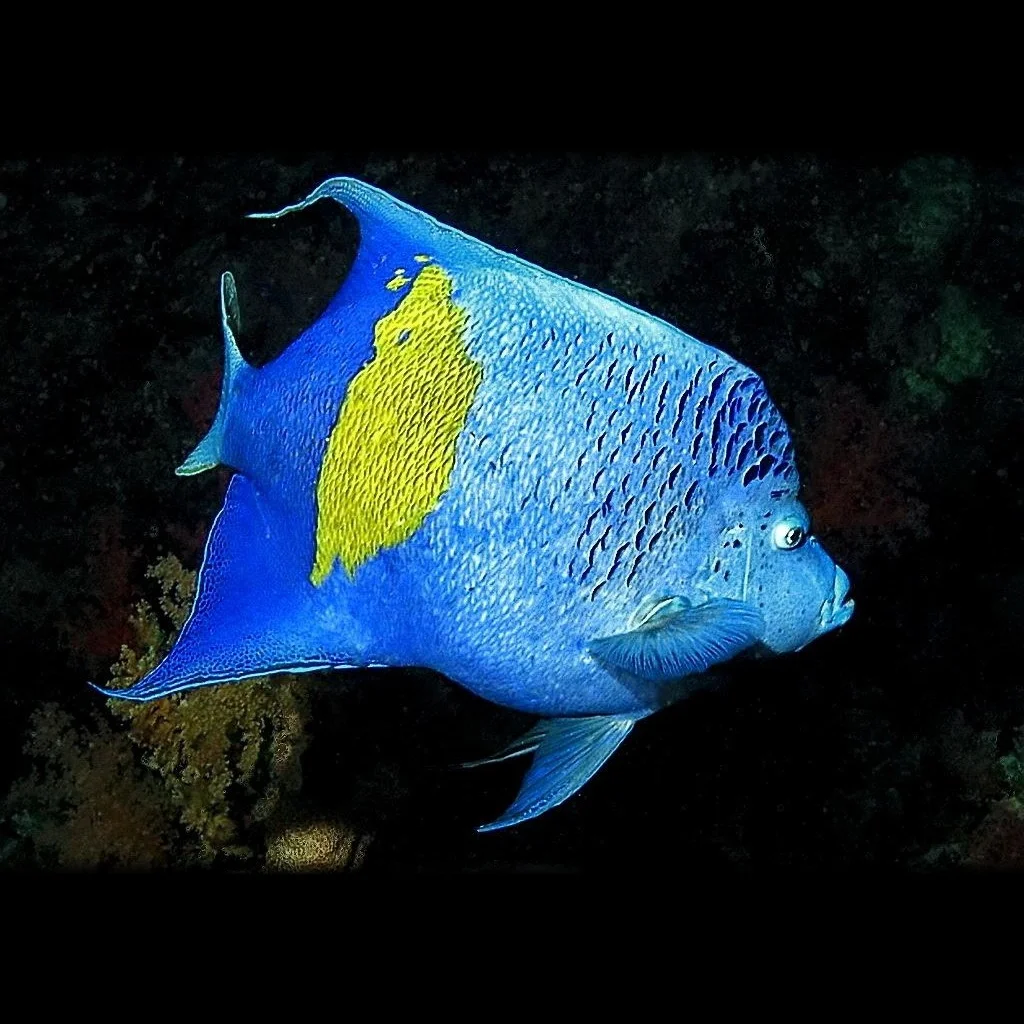
Angelfish are frequently seen scattered along the reef sections. While some dives might present fewer fish, other critters like squid have been noted.
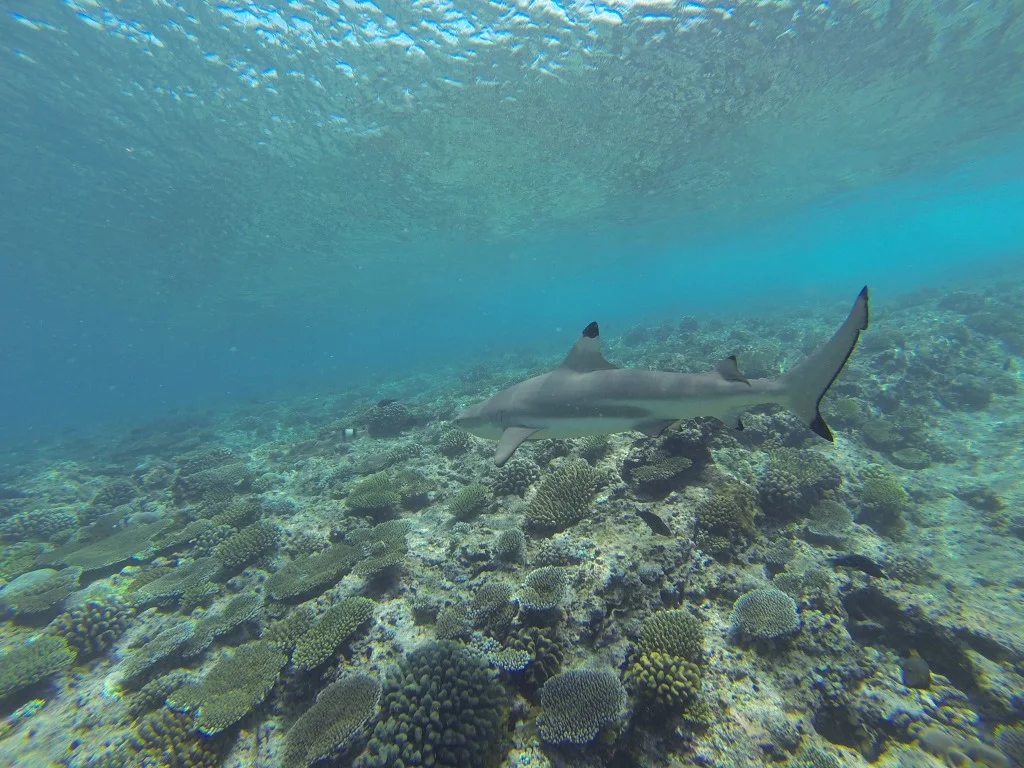
Broader area reports also list potential sightings of sharks, whales, and dolphins, though these are less consistently reported for Grass Cay itself. Coral formations here are diverse and appear healthy, creating a vibrant backdrop for these animal observations.

Dive Sites Near Grass Cay
View all dive sites in Puerto RicoDiscover more underwater gems in this area.
Dive Centers Near Grass Cay
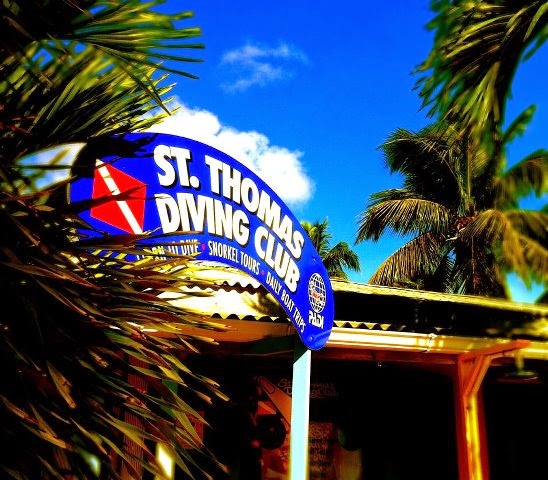
Today: 08:00 - 17:00
Nearest Airports
Nearest airports to help plan travel to this dive area.
Search Flights
Check available flights and routes on Expedia, using the nearby airports listed in this section.
Search Flights on ExpediaFrequently Asked Questions
What is the typical dive profile at Grass Cay?
A common dive at Grass Cay involves navigating around sandy mounds, exploring large coral heads, and then following the contours of a sloping reef. This provides a diverse underwater tour of the site's features.
Are there strong currents at Grass Cay?
Currents can be present at Grass Cay. Divers might find themselves swimming against a current initially, potentially staying low on the sandy bottom. However, these currents can also create enjoyable drift diving conditions on the return leg of a dive.
What kind of marine life can I expect to see?
You can often see sea turtles grazing on the grasses and various angelfish along the reef. Squid have also been observed. The corals are noted for being diverse and healthy.
When is the best time of year to dive Grass Cay?
April and September generally offer the best dive conditions, with favorable air temperatures and higher dive scores. These months often have lower rainfall and calmer weather, which can contribute to better visibility.
What is the visibility like at Grass Cay?
Visibility can vary; while some regional reports mention clear water at the surface, it might become murkier at greater depths depending on conditions. It's advisable to check with local dive operators for current visibility reports.
Is Grass Cay suitable for all diver levels?
Given the potential for currents and varied conditions, divers should consult with local professionals to assess if the site matches their skill level and comfort, particularly if conditions are dynamic.
Planning to dive Grass Cay?
Send one inquiry and receive offers directly from the best verified local dive operators.
Conditions are Good
07:00 - 14:00
Optimal conditions expected
Current conditions near Grass Cay show 27° air, 30° sea temperature, 0.8 m waves, and 21 km/h wind. Forecast data is refreshed regularly to ensure accuracy.