
Diving in Puerto Rico
Diving in Puerto Rico covers a wide range of environments, with conditions that vary depending on location and site type. Our database currently contains 31 dive locations across Puerto Rico. This allows divers to evaluate locations before planning trips.
Puerto Rico's diving identity is shaped by its diverse marine geography and varied underwater topography. From the Coastal Waters of Northern Puerto Rico to areas near Cabo San Juan, the island's periphery offers a range of experiences. Further east, the Anegada Passage and broader Atlantic Waters present distinct environments, each with unique characteristics for exploration.
Diving here encompasses abundant reef systems and frequent drift opportunities, alongside walls, wrecks, and caverns. While specific site details are not extensively documented nationally, general conditions provide a framework. Sea temperatures typically range from 24°C to 27°C (75-81°F), with winter months being cooler. Visibility averages 12-15 m (40-50 ft), potentially reaching 30 m (100 ft) on calmer days, though local wind and rain can cause fluctuations. Divers should also be mindful of moderate to fresh southeasterly winds and potentially confused seas, especially in Atlantic offshore waters and passages.
Dive Map of Puerto Rico
The geographical spread of dive locations in Puerto Rico is defined by its distinct marine regions and surrounding islands. Key areas include the Coastal Waters of Northern Puerto Rico, the waters around Cabo San Juan, and the well-known LA PARGUERA on the southern coast. Further offshore, the Anegada Passage and the Atlantic Waters of Puerto Rico and the US Virgin Islands represent broader zones for exploration.
Specific islands such as Mona Island, Desecheo Island, Culebra, and Vieques are noted for diving activity. While a comprehensive, nationally detailed map of dive sites is not extensively available, understanding these geographical markers helps frame potential dive planning. Available dive information is concentrated around a limited number of documented locations rather than being widely distributed.
Dive Sites to Explore
View all 31 sites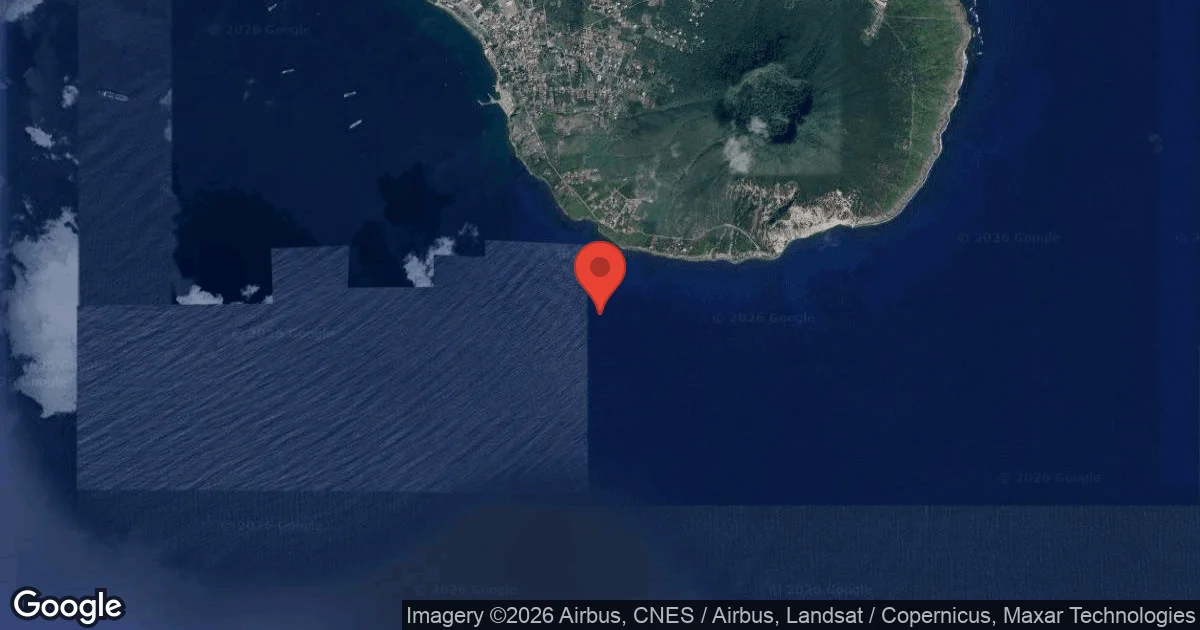
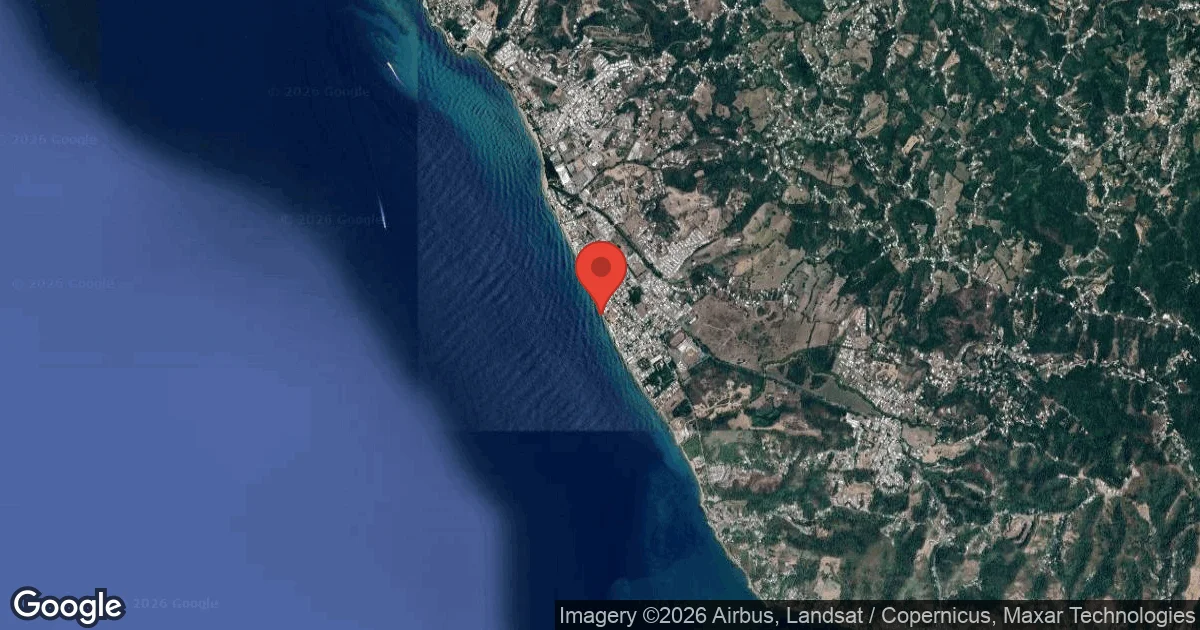
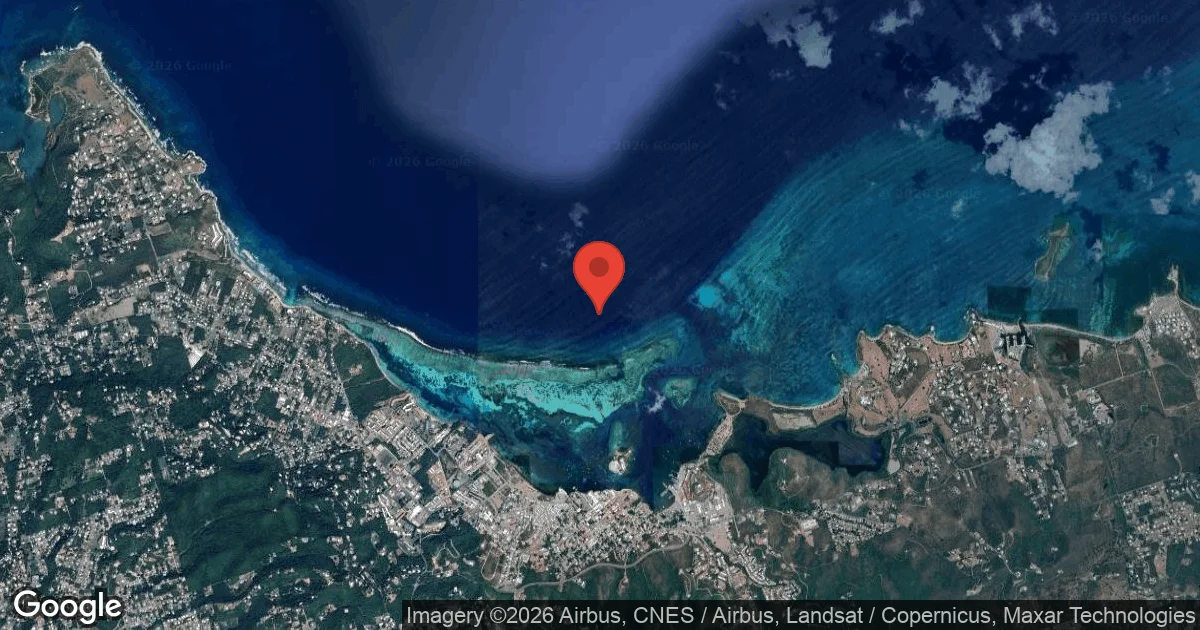
Diving in Puerto Rico offers illustrative examples across various site categories. The southwestern coast near LA PARGUERA is recognized for its walls, including the La Parguera Wall (Drop-Off) and the Black Wall. This area also presents opportunities for exploring shallow reef systems and several caves, catering to different diver preferences. Divers can anticipate abundant reef diving and frequent drift opportunities throughout the region.
Further offshore, islands like Mona Island and Desecheo Island are frequently mentioned for their clear conditions and diverse marine environments. Wreck diving is also present, with sites such as the Fantasma and a wreck near San Juan providing historical exploration. While extensive details on all sites are limited, these examples highlight the potential for varied underwater experiences, from reef and drift diving to more specialized wall and wreck explorations that characterize the island's offerings.
Best Time to Dive in Puerto Rico
Seasonal changes significantly impact diving conditions in Puerto Rico. While diving is generally possible year-round, specific periods offer distinct advantages. Winter months, for instance, are noted for cooler water temperatures compared to summer.
From January through March, divers can expect sea temperatures around 23-24°C (73-75°F). Visibility also varies, influenced by local wind and rain patterns; calmer days can provide extended sightlines. Additionally, the winter months are often considered the prime time for potential humpback whale sightings, adding another dimension to the dive experience.
Monthly Sea Temperatures
Sea temperatures in Puerto Rico exhibit clear seasonal variations throughout the year. Overall, temperatures typically range from 24°C to 27°C (75-81°F). Winter months generally present cooler conditions than the summer period.
Specifically, from January through March, divers can anticipate water temperatures averaging 23-24°C (73-75°F). These temperatures reflect the broader seasonal shifts across the region, influencing comfort levels for extended dives.
| Jan | Feb | Mar | Apr | May | Jun | Jul | Aug | Sep | Oct | Nov | Dec | |
|---|---|---|---|---|---|---|---|---|---|---|---|---|
| Max | 27° | 27° | 27° | 28° | 28° | 29° | 30° | 30° | 30° | 30° | 29° | 28° |
| Avg | 26° | 26° | 26° | 27° | 27° | 28° | 29° | 29° | 29° | 29° | 29° | 28° |
| Min | 26° | 25° | 26° | 26° | 27° | 27° | 28° | 28° | 29° | 28° | 28° | 27° |
Dive Conditions
Several factors influence the underwater environment for divers in Puerto Rico. Visibility is a primary consideration, typically averaging 12-15 m (40-50 ft) but capable of extending up to 30 m (100 ft) under optimal conditions. This can fluctuate significantly, as it is largely influenced by local wind and rain patterns.
Currents and sea states also play a role. Moderate to fresh southeasterly winds are frequently observed, which can contribute to confused seas, particularly across Atlantic offshore waters and local passages like the Anegada Passage. Divers should monitor forecasts, as Small Craft Advisories are sometimes issued, indicating potentially challenging conditions. Areas such as San Juan may specifically experience reduced visibility due to waves and strong winds.
Marine Life Highlights
Most Mentioned Species
Marine life in Puerto Rico varies across dive locations, with different species appearing depending on environment and conditions. The species highlighted here are the most frequently associated with dive sites in our data, offering a realistic overview of what divers are most likely to encounter.
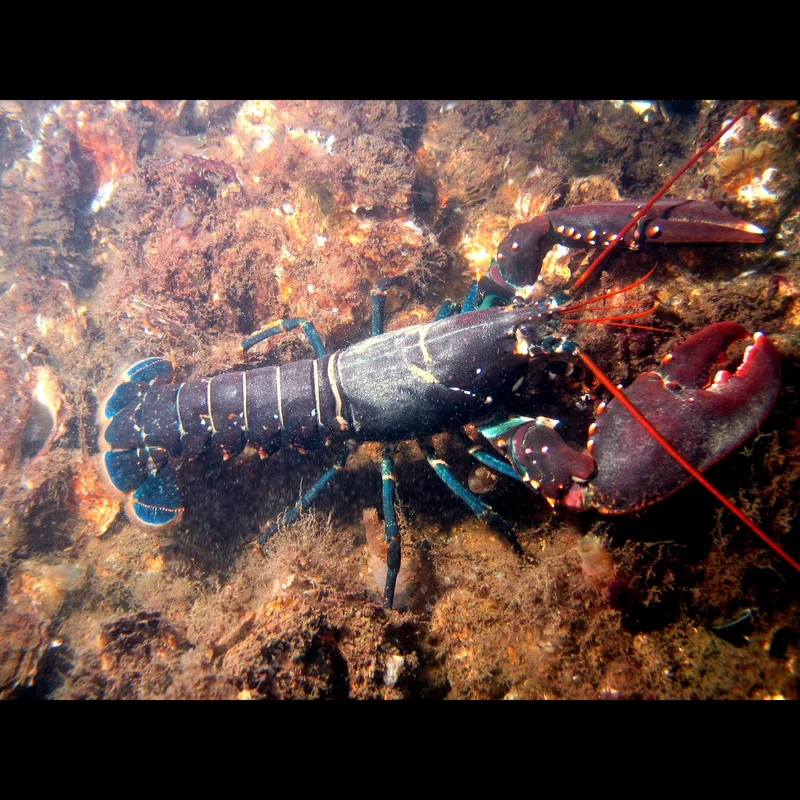
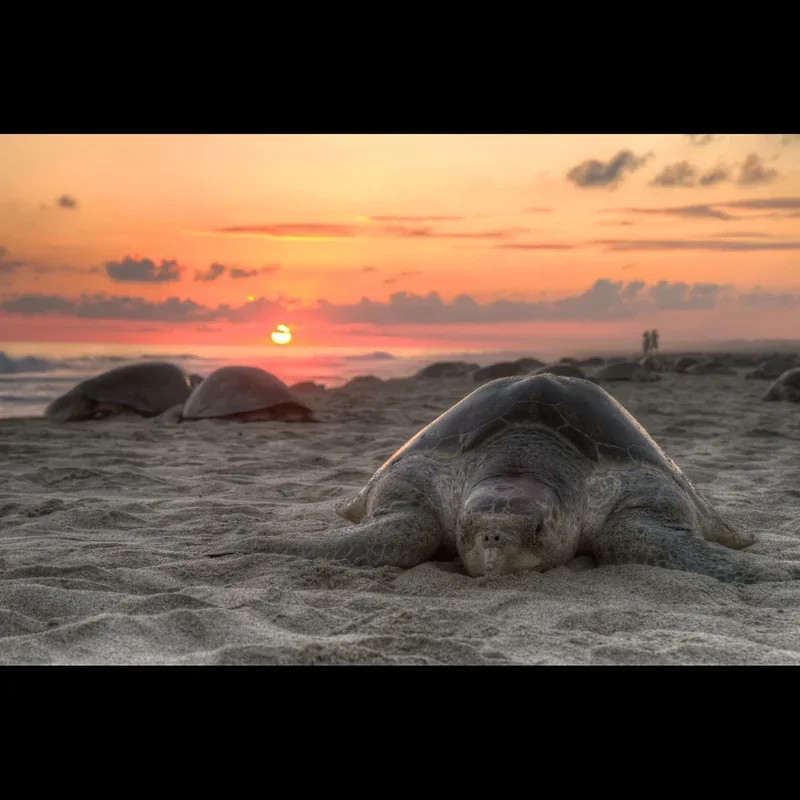
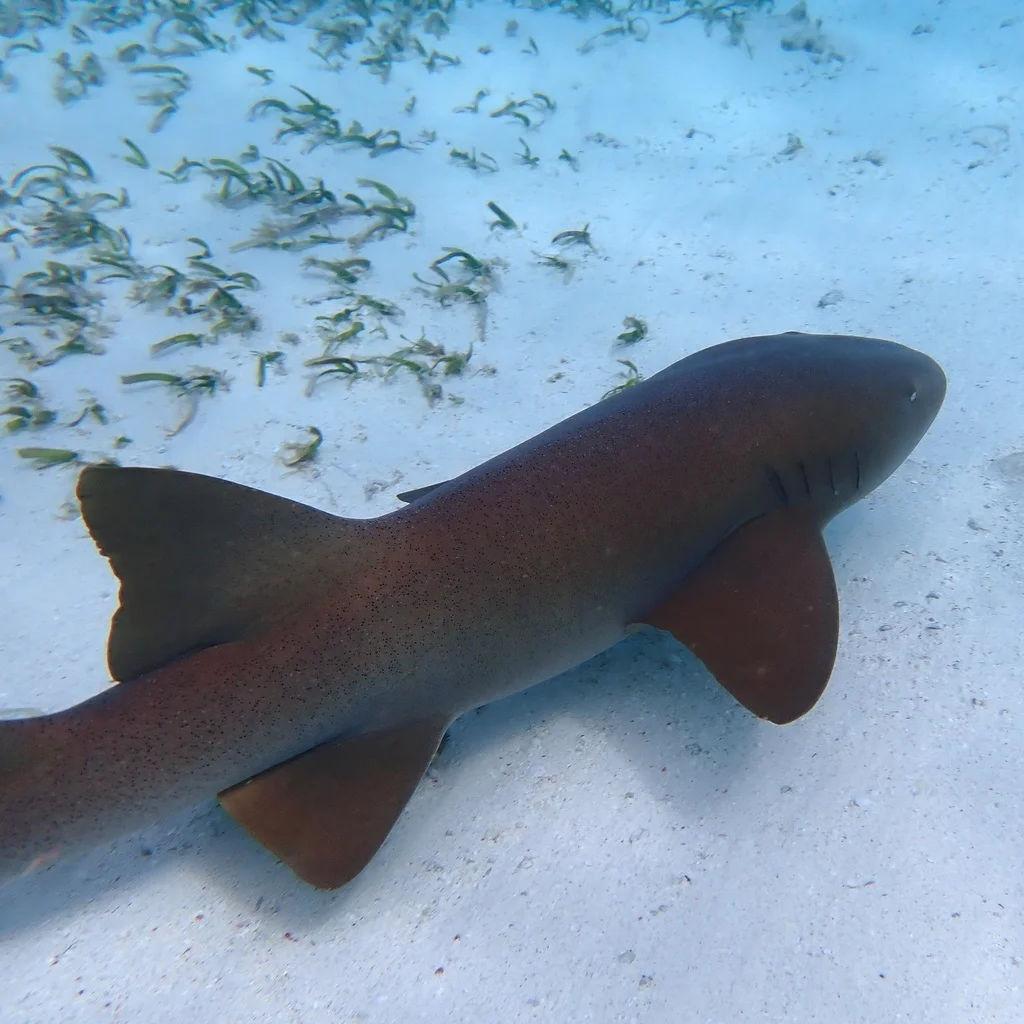
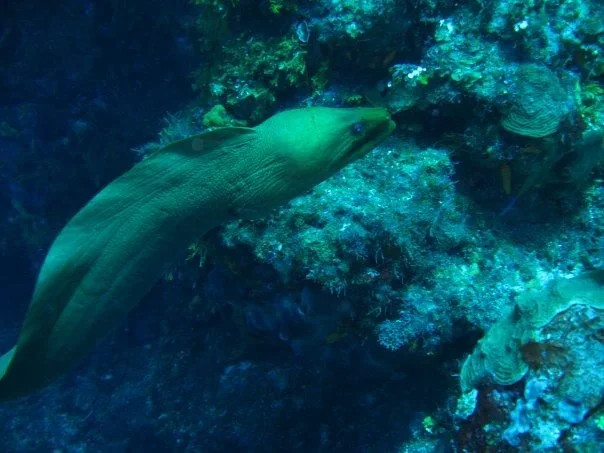
An overview of prevalent marine species in Puerto Rico suggests encounters with a range of aquatic life. Divers may observe green sea turtles and reef sharks. Other notable sightings include eagle rays, various species of dolphins, and, seasonally, humpback whales.
While specific, nationally aggregated marine life inventories are not extensively documented, these examples highlight the potential for diverse encounters. Most available information is concentrated around a limited number of documented locations rather than being widely distributed across all dive sites. Local dive operators often provide the most current details on what species are present in their specific areas.
Regions for Diving
Distinct geographical zones define the primary diving regions of Puerto Rico. These include the Coastal Waters of Northern Puerto Rico and the areas extending from Cabo San Juan. On the southern coast, LA PARGUERA is a well-known location, recognized for its diverse underwater topography.
Further east, the Anegada Passage and the broader Atlantic Waters of Puerto Rico and the US Virgin Islands offer more expansive marine environments. Specific islands such as Mona Island, Desecheo Island, Culebra, and Vieques also serve as significant diving destinations. Diving activity in this country is not extensively documented at a national level, with most available information focused on these specific locations rather than broad regional patterns.
Travel & Passport Guide
Travel Basics
Trip Planning
Safety & Diving Considerations
Critical safety considerations for divers in Puerto Rico primarily involve understanding and respecting prevailing marine conditions. Hazardous marine conditions can persist, influenced by moderate to fresh southeasterly winds that are frequently observed.
These winds often lead to confused seas, particularly across Atlantic offshore waters and local passages such as the Anegada Passage. Small Craft Advisories are sometimes issued for these areas, signaling potentially challenging sea states. Divers should consistently monitor marine forecasts and local conditions to ensure safe planning and execution of dives.
Dive Centers in Puerto Rico
View all 14 dive centers
Frequently Asked Questions
When is the best time to dive in Puerto Rico regarding water temperature?
Water temperatures in Puerto Rico change seasonally. Winter months are cooler than summer. From January to March, temperatures are typically 23-24°C (73-75°F).
What are the typical underwater visibility conditions?
Underwater visibility averages 12-15 m (40-50 ft) and can reach up to 30 m (100 ft). It varies significantly with local wind and rain; areas like San Juan may experience reduced visibility due to waves and strong winds.
Are there any general marine safety advisories for divers?
Divers should be aware of potentially hazardous marine conditions, including moderate to fresh southeasterly winds and confused seas, especially in Atlantic offshore waters and local passages. Small Craft Advisories are sometimes in effect.
What are some of the main diving regions or notable sites in Puerto Rico?
Diving is noted in regions such as the Coastal Waters of Northern Puerto Rico, areas near Cabo San Juan, LA PARGUERA, and the Anegada Passage. Specific islands like Mona Island and Desecheo Island are also mentioned.
What types of marine life can divers expect to see?
Divers may observe green sea turtles, reef sharks, eagle rays, and dolphins. Humpback whales are also sighted seasonally.