
Diving at Barents Sea, Liinahamari (Russia)
Diving at Liinahamari, in Russia's Barents Sea, presents an immediate, stark encounter with Arctic conditions. The initial immersion can feel like falling into liquid nitrogen, creating a sharp burning sensation on any unprotected skin. This demanding environment calls for meticulous preparation and specialized gear. Operating down to 40 m (131 ft), this cold-water destination is reserved for those experienced in extreme expeditions.
Recent updates for Barents Sea, Liinahamari show an air temperature measuring 5°C. Overall water conditions reflect the typical seasonal state for Russia. Please exercise standard safety precautions before entering the water.
Dive Site Location & Key Facts
Dive Site Overview
Beneath the frequently stark, ice-kissed surface of the Barents Sea, a surprisingly active marine realm awaits divers at Liinahamari. This Arctic waterway, named for Willem Barents, offers an experience far removed from tropical diving.
Liinahamari itself provides sheltered entry points for boat dives within its deep, glacial carving. Traversing a distinctive halocline layer, typically around three meters deep, divers transition from a freshwater lens into the main body of ice-cold Arctic water. Below this boundary, conditions often deliver impressive 30 meters visibility, unveiling a world of lush kelp forests and robust invertebrate communities.
The abrupt shift in temperature and salinity reveals a surprisingly biodiverse ecosystem, home to resilient fish species and myriad benthic organisms. Many divers articulate a sense of profound wonder during their initial encounters here, struck by the contrast between the frigid exterior and the vibrant life thriving across the recreational depth range. It's a challenging but deeply rewarding exploration.
Conditions are Excellent
07:00 - 14:00
Optimal conditions expected
Current conditions near Barents Sea, Liinahamari show 5° air, 10° sea temperature, N/A waves, and 15 km/h wind. Forecast data is refreshed regularly to ensure accuracy.
Best Time to Dive
Optimal diving at Liinahamari typically aligns with the milder periods, predominantly from June through September, when overall climate conditions are more favorable. Air temperatures during these months average between 9°C (48°F) in June, peaking at 14°C (57°F) in August, then cooling to 10.5°C (51°F) by September. Rainfall remains relatively low in June (1.58 mm) and July (1.87 mm), increasing slightly to 3.3 mm in August and 3.81 mm in September, which minimizes surface runoff impacts. Average wind speeds are lowest in July at 17.45 km/h (10.8 mph), making for calmer surface conditions. Water temperature generally hovers around +6°C (43°F) during these months, though exact values vary depending on specific currents and depths.
PEAK SEASON SCORE
Scores combine air & water temps, waves, wind & rainfall for overall conditions.
BEST MONTHS TO DIVE
Monthly records compiled from satellite and marine observation nodes over the last 3 years. Data provided by Open-Meteo and MET Norway.
Dive Experience & Conditions
Descending into the Barents Sea's depths near Liinahamari, divers first navigate a layer of muddy freshwater near the surface. Around three meters (10 ft), a distinct halocline marks the transition into the main body of Arctic water. Below this boundary, visibility often extends to an impressive 30 meters (100 ft), revealing the rich underwater landscape. Water temperatures, even in warmer months, consistently remain around +6°C (43°F), necessitating comprehensive thermal protection. Diving here primarily involves boat entry, exploring the unique topography of the fjord down to its maximum recreational depth. While surface conditions can be affected by stronger winds during other parts of the year, the fjord environment often offers some degree of natural shelter from open ocean swells.
Dive Difficulty & Safety Guidelines
Diving in the Barents Sea near Liinahamari is not an undertaking for the inexperienced; it demands a high level of cold-water diving proficiency. The extreme water temperatures, which can feel like liquid nitrogen on exposed skin, require robust thermal protection. Divers commonly utilize specialized equipment such as two-valve cylinders and duplicate regulators to prevent freezing failures, ensuring redundancy in critical life support systems.
Meticulous dive planning, including careful ascent rates and adequate surface support, is essential. Due to the maximum depth of 40 m (131 ft), advanced training, such as the PADI Deep Diver specialty, is recommended to manage potential nitrogen narcosis and extended decompression obligations in this challenging environment.
Recommended Equipment
Deep dive hazard. Increased narcosis and gas consumption risk.
- Dive Computer
- DSMB
- Primary & Backup Lights
This gear list is based on verified equipment signals for Barents Sea, Liinahamari, Russia. Always confirm final gear choices with your dive operator, guide, or liveaboard.
Recommended Dive Suit
Temperatures look set to gradually increase over the next several days. A warming trend is expected over the next few days.
Many experienced divers would consider drysuit (strongly recommended) an appropriate choice here. Strong cold advisory: dress warmly immediately after exiting the water.
Recent environmental data from Barents Sea, Liinahamari indicates water temperatures near 10°C (51°F). Surface air temperatures are resting at 5°C (41°F).
Emergency & Medical Support
Essential information to help you plan your dive trip to Barents sea, Liinahamari.

Hyperbaric chambers are a critical part of dive safety infrastructure. Availability varies significantly by region, and not all dive areas have immediate access.
Before diving, it's recommended to:
- confirm nearest medical facilities
- check emergency procedures with local dive operators
- ensure dive insurance covers evacuation if required
Divers Alert Network
Diving emergency assistance available through DAN World.
+1-919-684-9111- 24/7 emergency hotline
- Diving medical assistance
- Evacuation coordination
Emergency contacts are provided for reference. Always verify local emergency services before diving.
Marine Life at Barents Sea, Liinahamari
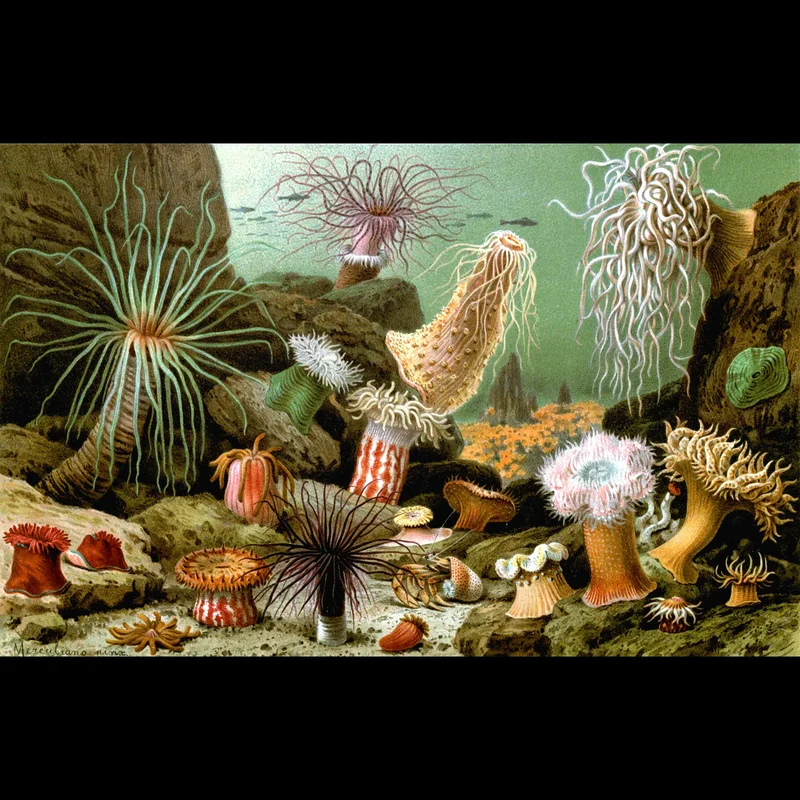
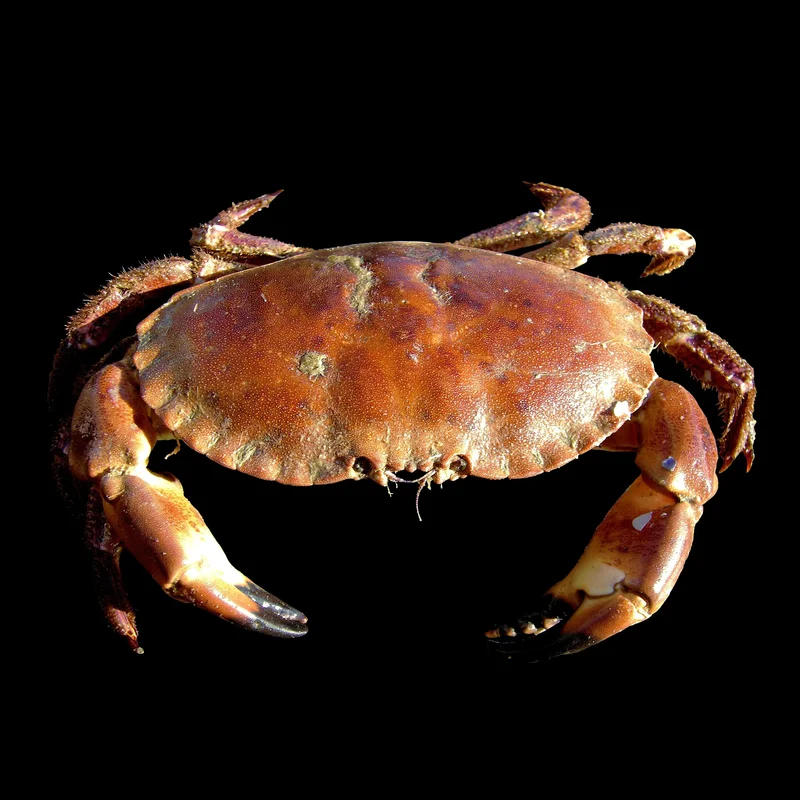
Despite the harsh Arctic environment, Liinahamari's underwater world presents a surprisingly active array of marine organisms. Divers consistently encounter numerous crabs, often seen scuttling across the seabed, alongside vibrant sea anemones clinging to rocky surfaces.
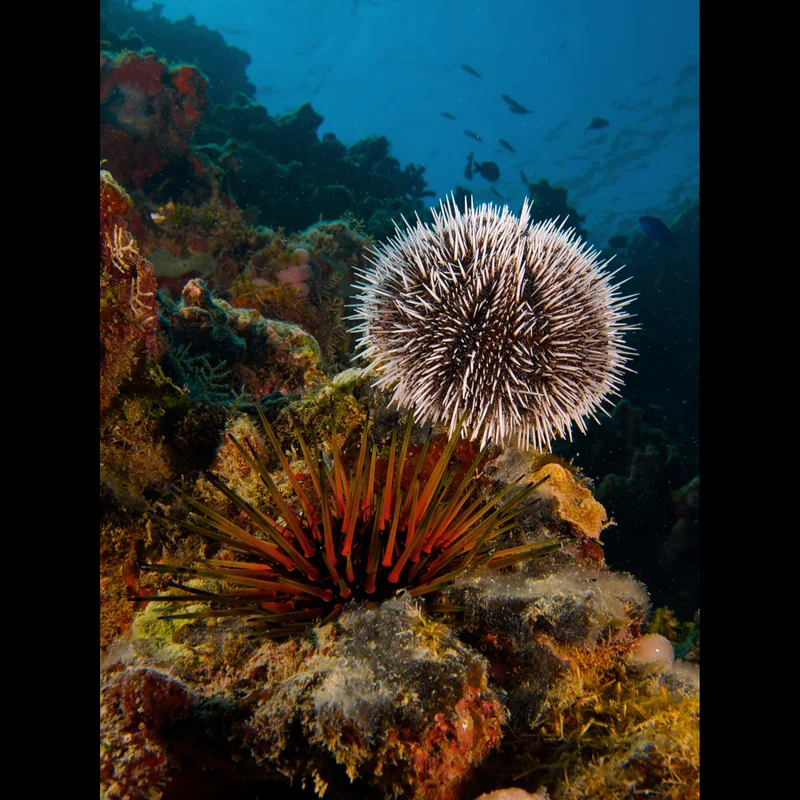
Extensive seaweed kelp forests provide essential shelter, acting as a nursery for various fish species, starfishes, and sea urchins. Mollusks, actinium, and soft corals add to the biodiversity, with sightings of polar cod and even grey seals being reported in the broader Barents Sea region. Thousands upon thousands of red king crabs are particularly abundant.

Dive Centers Near Barents Sea, Liinahamari
No Dive Centers Local To Barents Sea, Liinahamari
Are you a dive center visiting this location? Get listed to reach divers.
Nearest Airports
Nearest airports to help plan travel to this dive area.
Search Flights
Check available flights and routes on Expedia, using the nearby airports listed in this section.
Search Flights on ExpediaFrequently Asked Questions
What is the typical water temperature at Liinahamari?
Water temperatures in the Barents Sea near Liinahamari consistently remain around +6°C (43°F), even during the milder summer months. This cold environment necessitates specialized thermal protection.
What kind of underwater visibility can I expect?
After passing through a shallow layer of muddy freshwater, divers typically encounter impressive visibility. In the deeper Arctic water, visibility often extends up to 30 meters (100 ft), allowing for clear views of the marine landscape.
What marine life can be seen at Liinahamari?
The site is rich with crabs and sea anemones. Divers also regularly observe extensive seaweed kelp, various fish species, starfishes, sea urchins, mollusks, actinium, and soft corals. Sightings of polar cod and abundant red king crabs are also common.
What unique challenges does diving here present?
Extreme cold water poses the primary challenge, necessitating full drysuit protection and redundant regulator systems to prevent freezing. The remote location also demands thorough logistical planning and self-sufficiency for any dive expedition.
Is specific training recommended for this dive site?
Yes, due to the cold water and the site's maximum depths, advanced certifications are highly recommended. Training such as the PADI Deep Diver specialty, along with significant cold-water diving experience, is crucial for safety and enjoyment.
How does the underwater environment compare to the surface?
At the surface, especially outside of summer, the landscape can appear as a stark, icy desert. Underwater, however, divers are often surprised by a vibrant and active ecosystem teeming with diverse marine life, creating a striking contrast.
Planning to dive Barents Sea, Liinahamari?
Send one inquiry and receive offers directly from the best verified local dive operators.
Conditions are Excellent
07:00 - 14:00
Optimal conditions expected
Current conditions near Barents Sea, Liinahamari show 5° air, 10° sea temperature, N/A waves, and 15 km/h wind. Forecast data is refreshed regularly to ensure accuracy.