
Diving in Russia
Dive conditions in Russia are influenced by local geography, resulting in noticeable differences between sites. 5 dive locations are currently indexed within Russia on our platform. It provides a clearer overview of available dive options.
Dramatic geographical contrasts define diving opportunities across Russia, presenting experiences far removed from typical tropical waters. Divers can move from the ancient freshwater expanse of Lake Baikal to the marine environments of the remote Kuril Islands and the Arctic-influenced White Sea. This vast country provides specialized diving, notably offering extensive ice diving in the White Sea, which attracts those seeking extreme cold-water conditions and unique perspectives beneath frozen surfaces.
These diverse locations host unique aquatic life, enriching the specialized experiences available. Lake Baikal is home to the endemic Baikal seal, a unique freshwater species found nowhere else on Earth. In the cold marine areas, particularly during ice diving in the White Sea, divers might observe delicate soft corals thriving beneath ice formations. This wide range of environments ensures that each region offers a distinct identity for those exploring its underwater landscapes.
Dive Map of Russia
Understanding Russia's diving landscape benefits significantly from a geographical overview, revealing how distinct regions shape underwater experiences. A map would clearly delineate primary areas such as the ancient freshwater Lake Baikal in Siberia, the remote Kuril Islands in the Far East, and the Arctic-influenced White Sea Coast in Karelia.
These locations are the main centers for documented diving activity, each offering unique environments. Their varied positions across the country underscore the need for regional planning when considering a dive trip.
Dive Sites to Explore
View all 5 sites
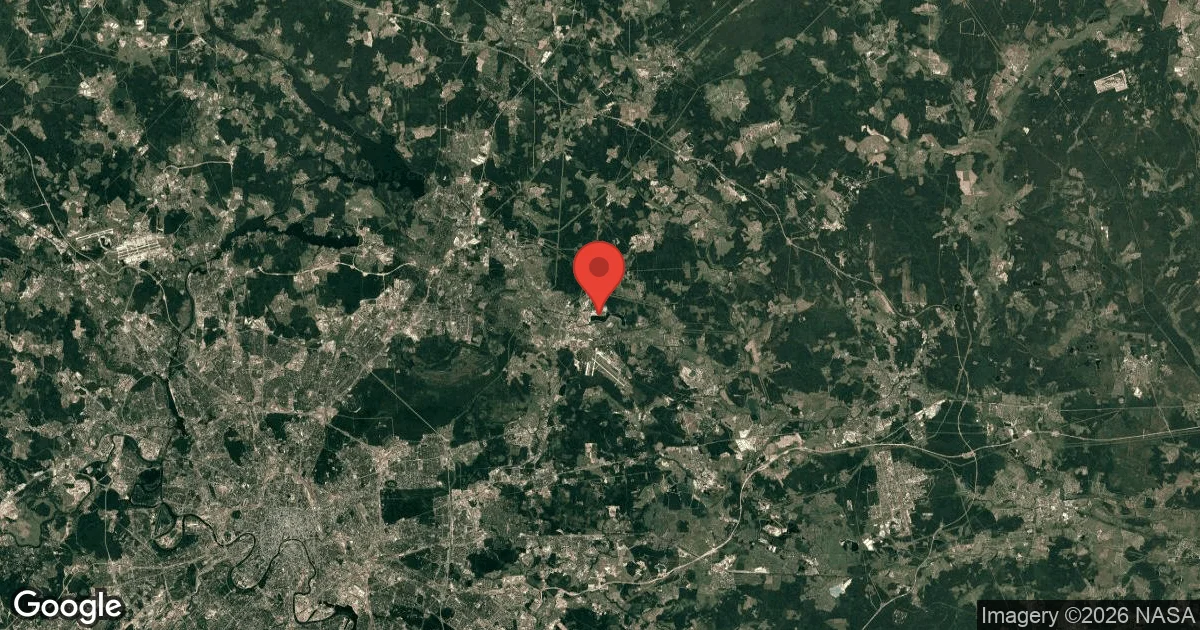

Available national data on specific dive sites across Russia is limited, with most information concentrated around a few documented locations rather than broad regional patterns. Despite this, divers visiting these known regions can anticipate varied conditions and distinct underwater landscapes.
In Lake Baikal, for instance, the water is noted for its exceptional clarity, providing extensive visibility for exploring its unique freshwater ecosystem. Similarly, the White Sea offers remarkable sightlines, particularly during ice diving season beneath ice hummocks. These documented areas allow for exploration of diverse underwater topographies, from deep freshwater rifts to cold marine environments, each presenting its own set of visual experiences.
Best Time to Dive in Russia
Optimal diving periods in Russia vary significantly by region, reflecting the country's vast climate differences. Generally, the summer months, from June to September, represent the primary window for diving across many areas. During this time, water temperatures are more moderate, and underwater visibility tends to be at its best for exploration.
Conversely, the White Sea Coast in Karelia provides unique year-round diving opportunities, including specialized ice diving throughout the winter. For those considering winter expeditions, air temperatures in early April can be around 1°C (34°F) in some northern areas, indicating that appropriate cold-weather gear and specialized training are essential for a safe experience.
Monthly Sea Temperatures
Water temperatures in Russia exhibit considerable extremes, directly reflecting the country's vast geographical spread and diverse aquatic environments. During summer, temperatures range significantly, from a chilly 2°C (36°F) in the depths of Lake Baikal to approximately 15°C (59°F) in the Far East.
These figures consistently indicate that divers should be thoroughly prepared for cold water conditions across almost all documented sites, even during warmer months. Dry suits are often a necessity for comfort and safety, allowing divers to extend their bottom time in these colder environments.
| Jan | Feb | Mar | Apr | May | Jun | Jul | Aug | Sep | Oct | Nov | Dec | |
|---|---|---|---|---|---|---|---|---|---|---|---|---|
| Max | 6° | 4° | 6° | 13° | 22° | 25° | 29° | 29° | 25° | 21° | 13° | 9° |
| Avg | 4° | 2° | 3° | 8° | 16° | 22° | 26° | 25° | 22° | 16° | 10° | 6° |
| Min | 2° | 1° | 1° | 3° | 10° | 19° | 22° | 22° | 19° | 12° | 6° | 2° |
Dive Conditions
Underwater conditions in Russia are marked by notable variations, with visibility being a key factor across different regions. Lake Baikal is widely recognized for its exceptional clarity, providing extensive sightlines for exploring its unique freshwater ecosystem. Similarly, the White Sea offers impressive visibility, particularly during its ice diving season where views beneath the hummocks can be striking.
General visibility during summer months in other documented areas is often described as optimal. Information regarding specific current patterns for various dive sites across the country is not extensively detailed, suggesting divers should seek local advice for current conditions.
Marine Life Highlights
Most Mentioned Species
Marine life in Russia varies across dive locations, with different species appearing depending on environment and conditions. The species highlighted here are the most frequently associated with dive sites in our data, offering a realistic overview of what divers are most likely to encounter.
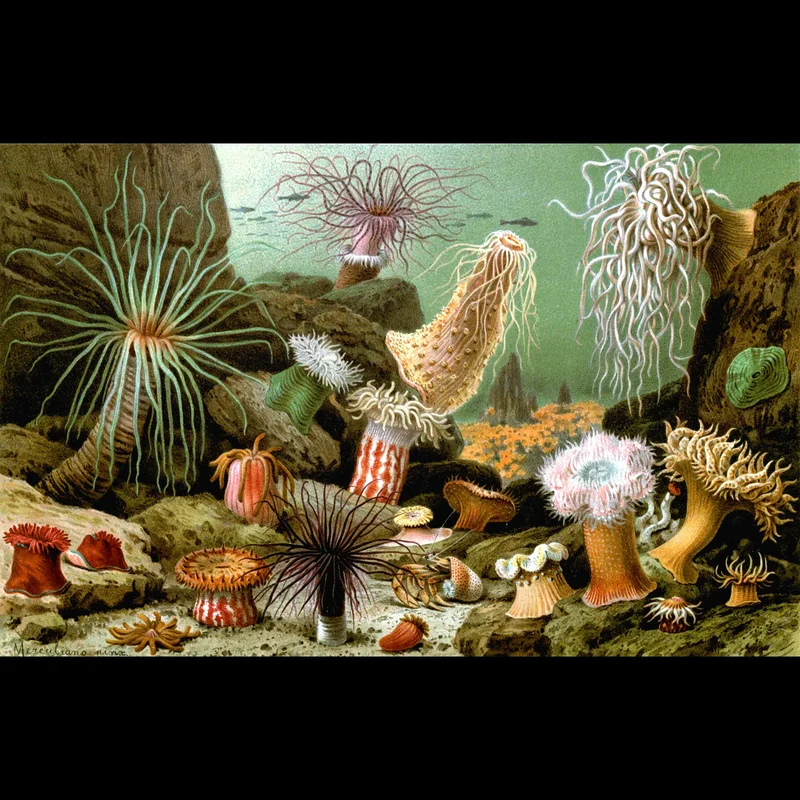
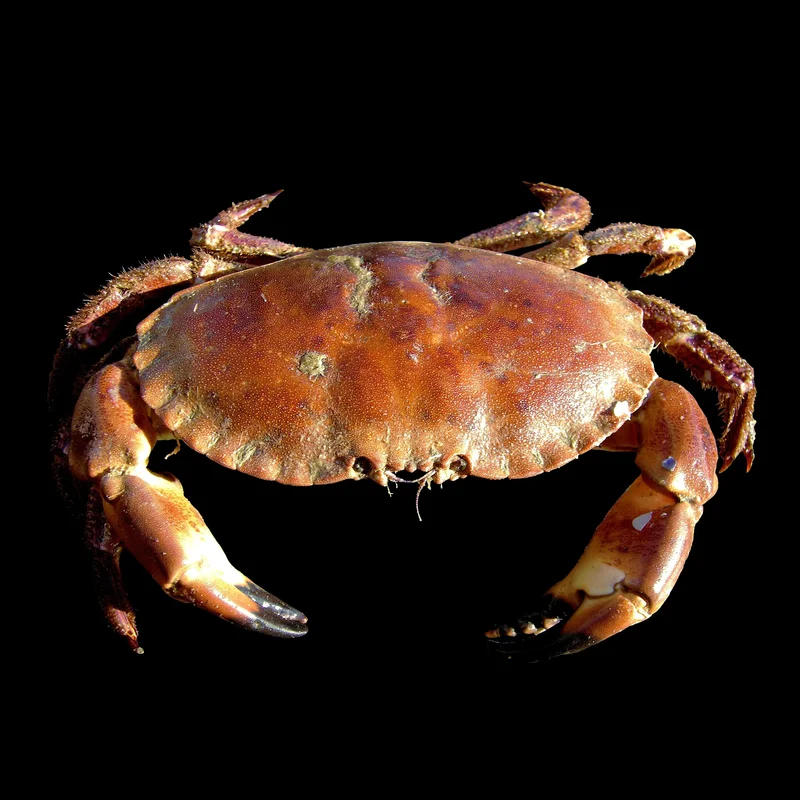
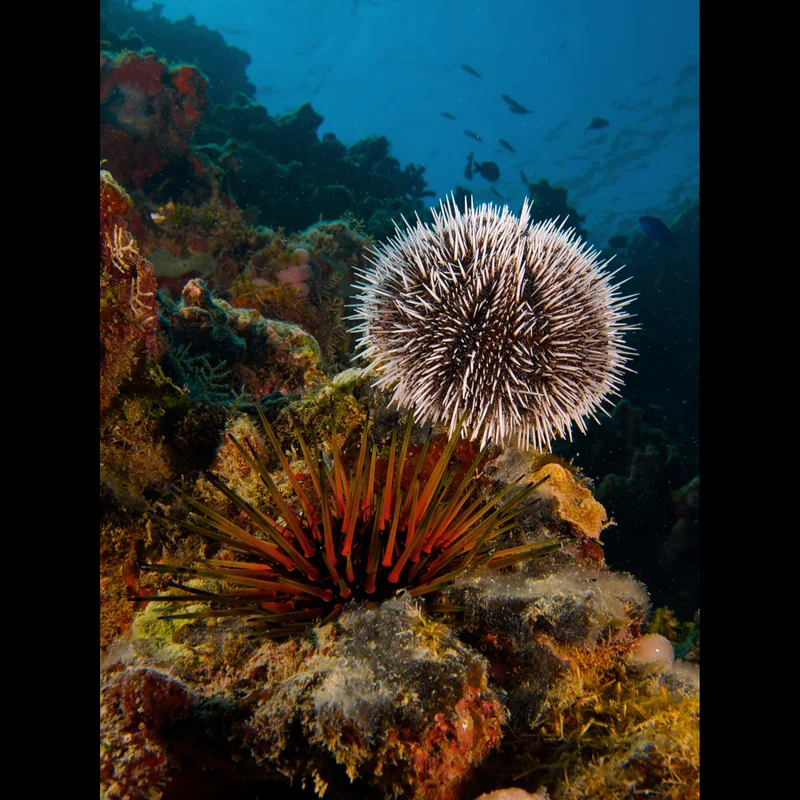
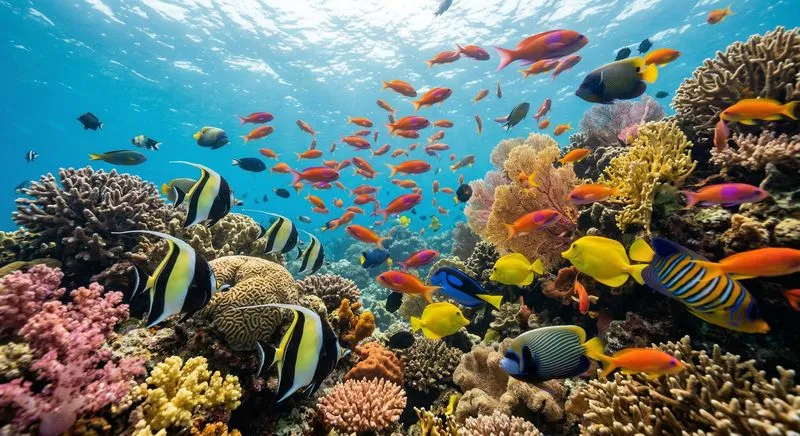
Marine life encounters in Russia are distinctly tied to specific regions and their unique environmental conditions. Lake Baikal, a freshwater marvel, is home to the endemic Baikal seal, a unique species found only within its vast waters. This offers a rare opportunity for divers to observe a freshwater pinniped in its natural habitat.
In colder marine environments, such as those encountered during ice diving in the White Sea, divers may observe delicate soft corals thriving under ice formations. The Kuril Islands, located in the Far East, are noted for supporting diverse marine life, though specific seasonal links or detailed species lists are less documented.
Regions for Diving
Russia's documented diving regions each present a distinct character and experience. Lake Baikal, globally recognized as the world's deepest and oldest freshwater lake, offers an unparalleled diving environment. Divers here can explore its depths in water noted for its exceptional clarity, with opportunities to encounter the endemic Baikal seal. Even in summer, water temperatures can be as low as 2°C (36°F), requiring appropriate cold-water gear.
Further north, the White Sea Coast in Karelia provides versatile diving options. It supports both recreational diving during the summer months and specialized ice diving throughout the winter, boasting impressive visibility, particularly beneath the ice. In the Far East, the remote Kuril Islands are noted for their diverse marine life and interesting underwater topography, with summer water temperatures reaching around 15°C (59°F). Each region promises a unique set of challenges and rewards for the intrepid diver.
Travel & Passport Guide
Travel Basics
Trip Planning
Safety & Diving Considerations
Diving information for Russia is concentrated around a limited number of documented locations, rather than being widely distributed across the country. This concentration naturally limits comprehensive insights into national safety protocols or specific current conditions for all potential dive sites.
Divers planning trips should prioritize consulting local dive operators and guides in their chosen region. These local experts can provide the most current and relevant information on site-specific hazards, prevailing conditions, and necessary safety precautions, ensuring a more secure diving experience.
Dive Centers in Russia
View all 7 dive centers
Frequently Asked Questions
When is the best time to dive in Russia?
The primary diving season in Russia is during the summer months, from June to September. This period generally offers more moderate water temperatures and optimal visibility. However, the White Sea Coast in Karelia provides diving experiences all year round, including ice diving in winter.
What unique marine life can be seen while diving in Russia?
Divers may encounter the endemic Baikal seal in Lake Baikal. In colder, marine environments like the White Sea, observations can include soft corals, particularly during ice diving. The Kuril Islands are also recognized for their diverse marine life.
What are the typical water temperatures for diving?
Water temperatures vary significantly across Russia's dive regions. During summer, temperatures can range from approximately 2°C (36°F) in Lake Baikal to around 15°C (59°F) in the Far East. Divers should prepare for cold water conditions, often requiring dry suits.