
Diving at Deep Blinders (South Africa)
Deep Blinders invites divers to explore a vibrant South African reef, alive with diverse marine activity. Descend into a world where healthy coral structures provide shelter for numerous fish species. Keep an eye out for rays gracefully gliding over sandy expanses adjacent to the reef, making each dive an engaging observation of marine behavior.
Tonight's objective overview for Deep Blinders shows an air temperature of 8.5°C. The measured surface conditions include wave heights around 2 m. This environmental data is logged for the close of the day.
Dive Site Location & Key Facts
Dive Site Overview
Deep Blinders presents a captivating reef system, structurally defined by its location seaward of prominent pinnacles. Abundant, healthy coral growth characterizes this vibrant underwater landscape, forming the bedrock of a flourishing ecosystem.
Reef topography creates a dynamic environment, with numerous crevices and overhangs providing extensive shelter and diverse feeding opportunities for a wide array of resident fish species. Divers can navigate along the reef structure, gradually descending to a maximum depth of around 16 m / 52 ft. Such a depth is suitable for a broad range of certified divers, from those completing initial training to more experienced enthusiasts.
Expansive sandy areas, often featuring subtle undulations, flank the main coral formations. These sandy patches frequently reveal rays resting or foraging, adding another dimension to marine observations.
Dense, colorful coral architecture combined with the adjacent soft substrate allows for varied exploration across its relatively shallow profile, making Deep Blinders an engaging reef dive with consistent appeal.
Conditions are Good
High Swell Advisory. Not recommended.
Current conditions near Deep Blinders show 9° air, 13° sea temperature, 2.3 m waves, and 10 km/h wind. Forecast data is refreshed regularly to ensure accuracy.
Best Time to Dive
Planning a dive at Deep Blinders benefits from an understanding of seasonal climate patterns, with the best conditions for visibility generally occurring from October through April. During these months, the dive score is consistently reported as 'Moderate'. Air temperatures are warmer, typically ranging from approximately 16.5°C / 62°F in October to 21°C / 70°F in February. Rainfall is also comparatively lower in this period, with averages often below 2 mm / 0.08 inches per month, which tends to favor clearer water. Conversely, the cooler months from May to September typically show a 'Poor' dive score, with air temperatures dropping to between 12.5°C / 54°F and 16°C / 61°F. Wave heights during this cooler period can also be significantly higher, which can impact surface conditions and boat transfers, making diving more challenging. While the site is accessible year-round for experienced operators, optimal conditions for clearer water and calmer seas are more prevalent during the warmer, drier season.
PEAK SEASON SCORE
Scores combine air & water temps, waves, wind & rainfall for overall conditions.
BEST MONTHS TO DIVE
Monthly records compiled from satellite and marine observation nodes over the last 3 years. Data provided by Open-Meteo and MET Norway.
Dive Experience & Conditions
Beginning a dive typically involves boat entry, followed by a descent into the shallow reef environment. A maximum depth of 16 m / 52 ft makes it well-suited for divers holding PADI Open Water Diver certification or even those on a Discover Scuba Diving experience. As you descend, visibility varies depending on recent weather, though clear views of vibrant coral structures often present themselves. Water temperature is not consistently reported, but often aligns with regional averages for temperate South African waters, which tend to be on the cooler side. Currents here are generally manageable for certified divers, although they can vary with local tidal influences. Expect a relaxed exploration of the reef, allowing ample time to observe diverse marine life within its colorful ecosystem.
Dive Difficulty & Safety Guidelines
While Deep Blinders does not have consistently reported unique hazards, divers should always prioritize standard safety practices. Planning dives with a certified buddy and adhering to no-decompression limits are fundamental. Given the boat entry, proper boarding and exit procedures, along with vigilant surface communication, are crucial.
Although not always present, local currents can shift, so maintaining good buoyancy control and being aware of your surroundings are important throughout the dive. Divers trained in PADI Open Water Diver techniques will find the site approachable.
Always carry a Surface Marker Buoy (SMB) for visibility, especially if surface conditions are less calm. Always review and understand emergency protocols before commencing any dive.
Recommended Equipment
- Dive Computer
- DSMB
This gear list is based on verified equipment signals for Deep Blinders, South Africa. Always confirm final gear choices with your dive operator, guide, or liveaboard.
Recommended Dive Suit
For divers planning standard recreational dives, 7mm wetsuit or semidry is usually a suitable option. Strong cold advisory: dress warmly immediately after exiting the water. Divers vary widely in how quickly they feel cold underwater.
Conditions at Deep Blinders currently place the water temperature near 13°C (56°F). Surface air temperatures are resting at 9°C (47°F).
Temperatures look set to gradually increase over the next several days. A warming trend is expected over the next few days.
Emergency & Medical Support
Essential information to help you plan your dive trip to Deep Blinders.

Hyperbaric chambers are a critical part of dive safety infrastructure. Availability varies significantly by region, and not all dive areas have immediate access.
Before diving, it's recommended to:
- confirm nearest medical facilities
- check emergency procedures with local dive operators
- ensure dive insurance covers evacuation if required
Divers Alert Network
Diving emergency assistance available through DAN Southern Africa.
+27828106010- 24/7 emergency hotline
- Diving medical assistance
- Evacuation coordination
Emergency contacts are provided for reference. Always verify local emergency services before diving.
Marine Life at Deep Blinders
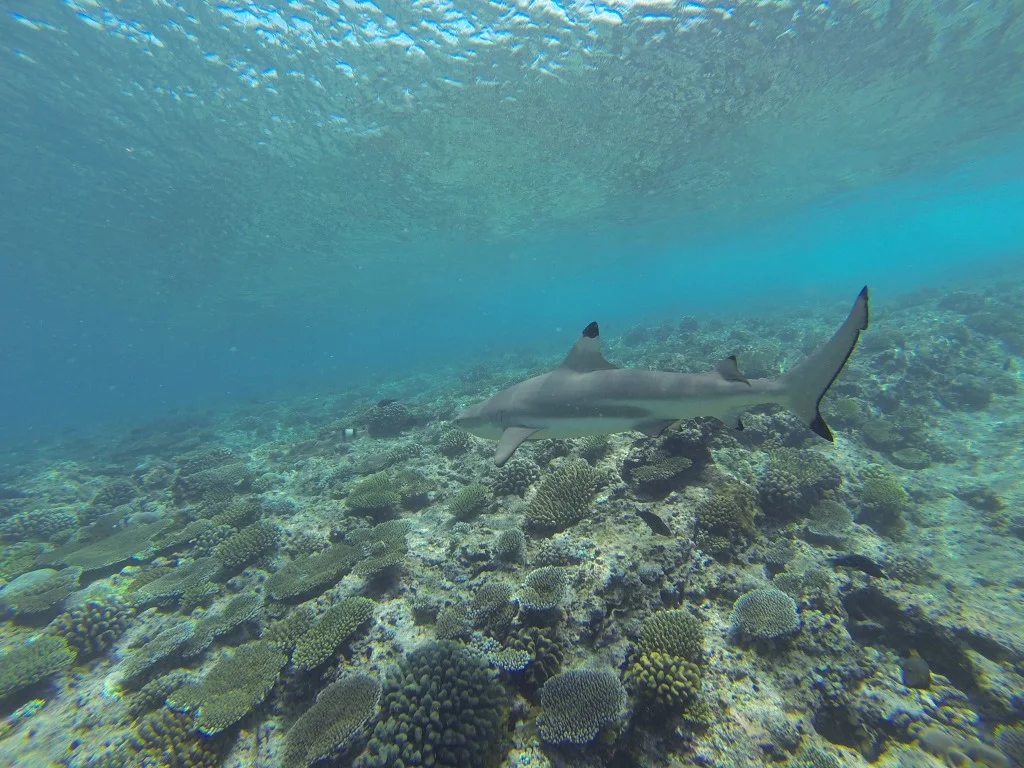
Deep Blinders' reef supports a diverse array of marine life, thriving among healthy coral structures. Numerous fish species reside within its crevices and overhangs, creating a dynamic visual experience.
Common sightings for divers include various fish congregating around the corals. Additionally, sandy areas adjacent to the reef are often where rays can be spotted, frequently resting or moving across the seabed.
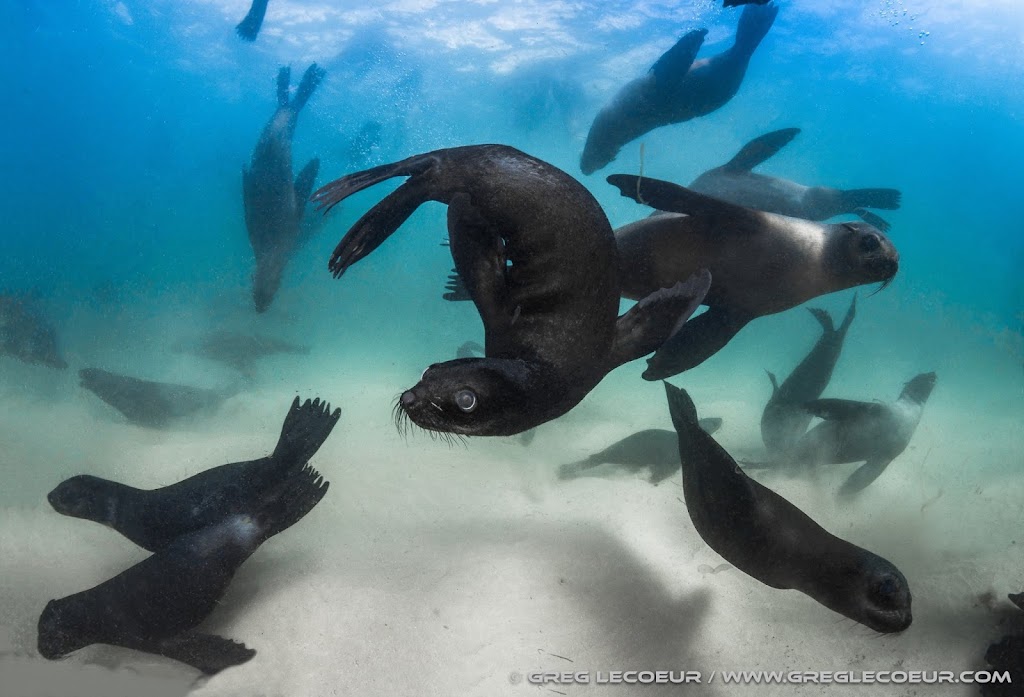
Larger pelagic species such as sharks, whales, dolphins, and turtles are also known to pass through the area, offering potential encounters, particularly depending on the season and specific dive conditions.

Dive Sites Near Deep Blinders
View all dive sites in South AfricaDiscover more underwater gems in this area.
Dive Centers Near Deep Blinders
Today: 08:00 - 17:00
Nearest Airports
Nearest airports to help plan travel to this dive area.
Search Flights
Check available flights and routes on Expedia, using the nearby airports listed in this section.
Search Flights on ExpediaFrequently Asked Questions
What is the maximum depth at Deep Blinders?
Reaching approximately 16 meters / 52 feet, the site accommodates a wide range of certified divers. Such depths are suitable for many skill levels.
What skill level is required to dive Deep Blinders?
Divers holding a PADI Open Water Diver certification will find Deep Blinders well within their skill set. It's also suitable for introductory experiences like Discover Scuba Diving.
How do divers access the site?
Access to Deep Blinders is typically via boat. Divers usually descend directly into the reef environment from the surface.
What kind of marine life can I expect to see?
Expect to see numerous fish species among healthy corals. Rays are frequently observed on the adjacent sandy areas. Sharks, whales, dolphins, and turtles are possible sightings depending on the season.
When is the best time of year to dive Deep Blinders?
Optimal diving conditions, particularly for visibility, usually occur from October through April. During these months, air temperatures are warmer, and rainfall is lower.
Are there strong currents at Deep Blinders?
Currents at Deep Blinders are generally manageable for certified divers. However, conditions can vary with local tidal influences, so divers should always be prepared.
Is a wetsuit recommended for this dive?
Yes, a wetsuit is highly recommended. Water temperatures in this temperate South African region tend to be cooler, making thermal protection essential for comfort.
Planning to dive Deep Blinders?
Send one inquiry and receive offers directly from the best verified local dive operators.
Conditions are Good
High Swell Advisory. Not recommended.
Current conditions near Deep Blinders show 9° air, 13° sea temperature, 2.3 m waves, and 10 km/h wind. Forecast data is refreshed regularly to ensure accuracy.