
Diving at Shallow Blinders (South Africa)
Shallow Blinders serves as a vibrant house reef in Plettenberg Bay, easily accessible for most divers. This site offers a dynamic underwater experience, particularly noted for its three distinct pinnacles. It functions as a significant nursery during warmer months, drawing a variety of marine life. Its conditions often make it a welcoming spot for both new and experienced divers exploring South Africa's diverse coastal waters.
As evening covers Shallow Blinders, the local air temperature is measured at 12.5°C. The current wave height at the surface is recorded at 2.5 m. These late-day readings characterize the surface conditions for the night.
Dive Site Location & Key Facts
Dive Site Overview
Uniquely accessible via a short swim from shore, Shallow Blinders presents a captivating shallow dive experience within Plettenberg Bay. This site is defined by its trio of coral pinnacles, descending to a maximum depth of 13 m (42 ft), making it well within recreational diving limits.
A short distance offshore, divers encounter a rich reef environment that acts as a haven for numerous fish species and a seasonal nursery. The natural light penetration in these shallower sections enhances the vibrant soft coral formations and the diverse invertebrate life, drawing many underwater photographers. Whether you're a PADI Open Water Diver or considering a PADI Discover Scuba Diving experience, this site caters to a broad range of certification levels.
Expect varied terrain with abundant opportunities for macro photography, showcasing the intricate details of the reef's inhabitants.
Conditions are Poor
High Swell Advisory. Not recommended.
Current conditions near Shallow Blinders show 13° air, 14° sea temperature, 2.4 m waves, and 26 km/h wind. Forecast data is refreshed regularly to ensure accuracy.
Best Time to Dive
Planning your dive at Shallow Blinders should align with favorable conditions to maximize your experience. The months from January to April, and October to December, generally offer a 'Moderate' dive score, indicating more agreeable conditions. During these periods, air temperatures average between 16.5°C (62°F) in October and 21°C (70°F) in February, with relatively lower rain and wave heights compared to winter. Summer months specifically bring an increased chance of encountering ragged-tooth sharks, adding a thrilling dimension to the dive. Conversely, the colder months from May to September are rated 'Poor' for diving, characterized by higher wave activity, stronger winds, and cooler air temperatures, sometimes dropping to 12.5°C (54°F) in July, which can impact overall dive comfort and visibility.
PEAK SEASON SCORE
Scores combine air & water temps, waves, wind & rainfall for overall conditions.
BEST MONTHS TO DIVE
Monthly records compiled from satellite and marine observation nodes over the last 3 years. Data provided by Open-Meteo and MET Norway.
Dive Experience & Conditions
Approaching Shallow Blinders typically involves a shore entry followed by a short swim to the main reef structure. As a shallow dive, reaching a maximum depth of 13 m (42 ft), the site allows for extended bottom times and relaxed exploration. Descending onto the coral reef, divers will immediately notice the impressive three pinnacles forming the site's backbone. Water temperatures are not consistently reported but generally reflect the coastal conditions of South Africa, ranging through the year. Divers often find excellent natural light penetration, which, combined with the site's rich biodiversity, makes it particularly appealing for photography. The conditions are typically manageable for most recreational divers, though surface conditions on entry and exit should always be assessed.
Dive Difficulty & Safety Guidelines
Diving at Shallow Blinders requires standard recreational dive training, with PADI Open Water Diver certification being appropriate for this site. Considering its accessibility as a shore dive, careful attention to entry and exit points is always recommended. Divers should remain aware of potential boat traffic in the broader bay area, though direct site hazards are not consistently reported.
Adhering to depth limits of 13 m (42 ft) and monitoring no-decompression limits are essential, especially given the potential for extended bottom times in the shallower reef sections. A professional dive guide familiar with local conditions can provide valuable insights for a safe and enjoyable experience.
Recommended Equipment
- Dive Computer
- Hard-soled Dive Boots
This gear list is based on verified equipment signals for Shallow Blinders, South Africa. Always confirm final gear choices with your dive operator, guide, or liveaboard.
Recommended Dive Suit
7mm wetsuit or semidry is often considered an appropriate level of exposure protection for conditions like these. A hood or vest is suggested for sensitive divers due to surface winds. A thermal robe or jacket is recommended between dives.
Divers entering the water at Shallow Blinders today can expect temperatures near 14°C (57°F) beneath the surface. Surface air temperatures are resting at 13°C (55°F).
Environmental models indicate a modest warming trend ahead. A warming trend is expected over the next few days.
Due to technical issues with our weather providers, data hasn't been fetched for over 48 hours. The data above reflects the conditions at the time of the last successful fetch.
Emergency & Medical Support
Essential information to help you plan your dive trip to Shallow Blinders.

Hyperbaric chambers are a critical part of dive safety infrastructure. Availability varies significantly by region, and not all dive areas have immediate access.
Before diving, it's recommended to:
- confirm nearest medical facilities
- check emergency procedures with local dive operators
- ensure dive insurance covers evacuation if required
Divers Alert Network
Diving emergency assistance available through DAN Southern Africa.
+27828106010- 24/7 emergency hotline
- Diving medical assistance
- Evacuation coordination
Emergency contacts are provided for reference. Always verify local emergency services before diving.
Marine Life at Shallow Blinders
On arrival at Shallow Blinders, the sheer variety of fish species inhabiting the pinnacles quickly becomes apparent. Throughout the year, divers can routinely spot pajama sharks, leopard sharks, and puffadder shy sharks gracefully navigating the reef.
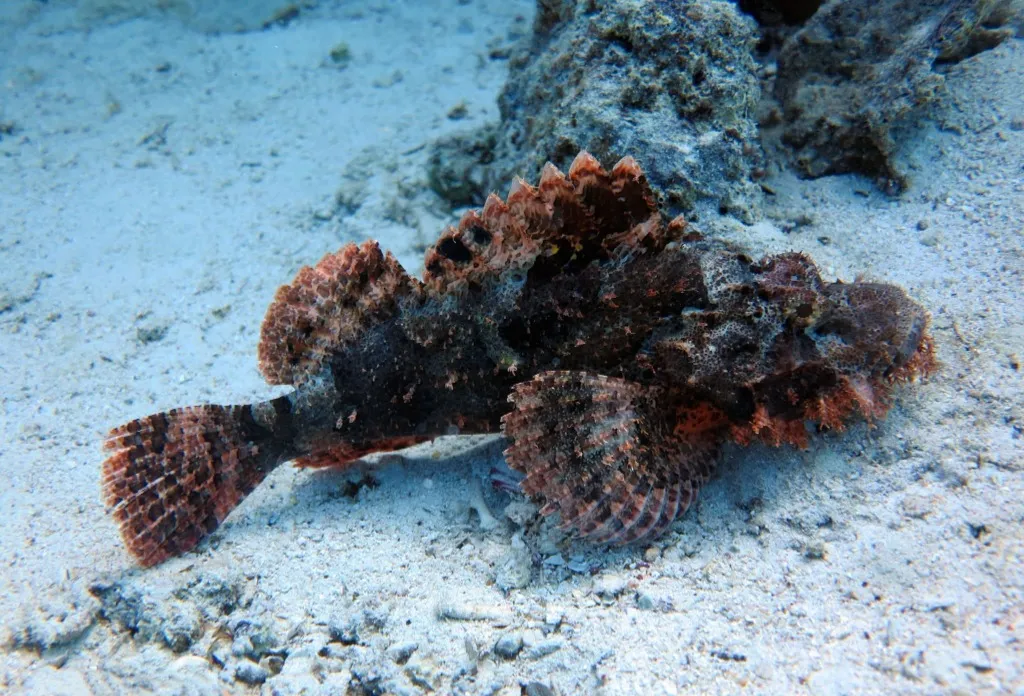
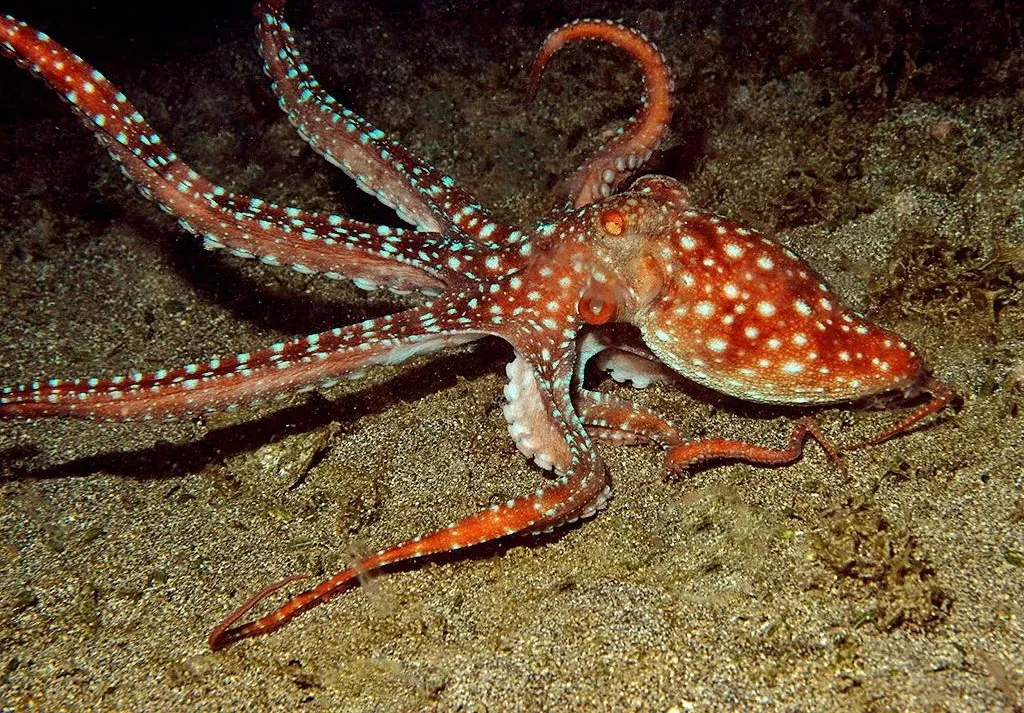
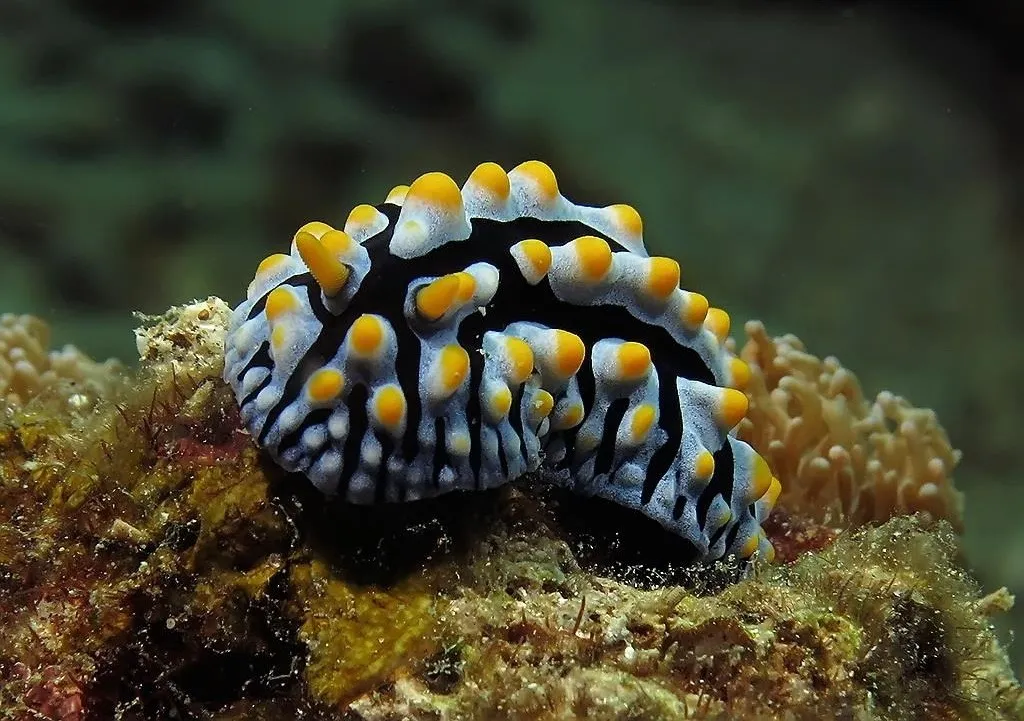
During summer months, the site acts as a nursery, frequently hosting juvenile marine life and occasionally attracting larger ragged-tooth sharks. Exploring the reef reveals a treasure trove for macro enthusiasts, including nudibranchs, octopuses, sea spiders, and scorpionfish.
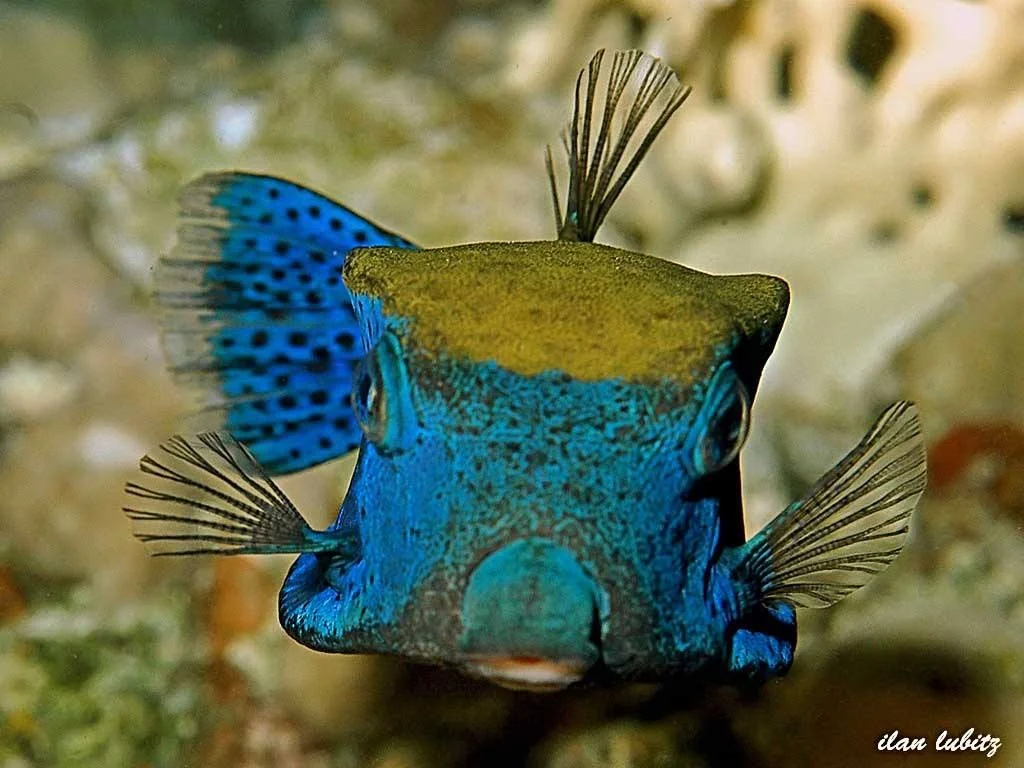
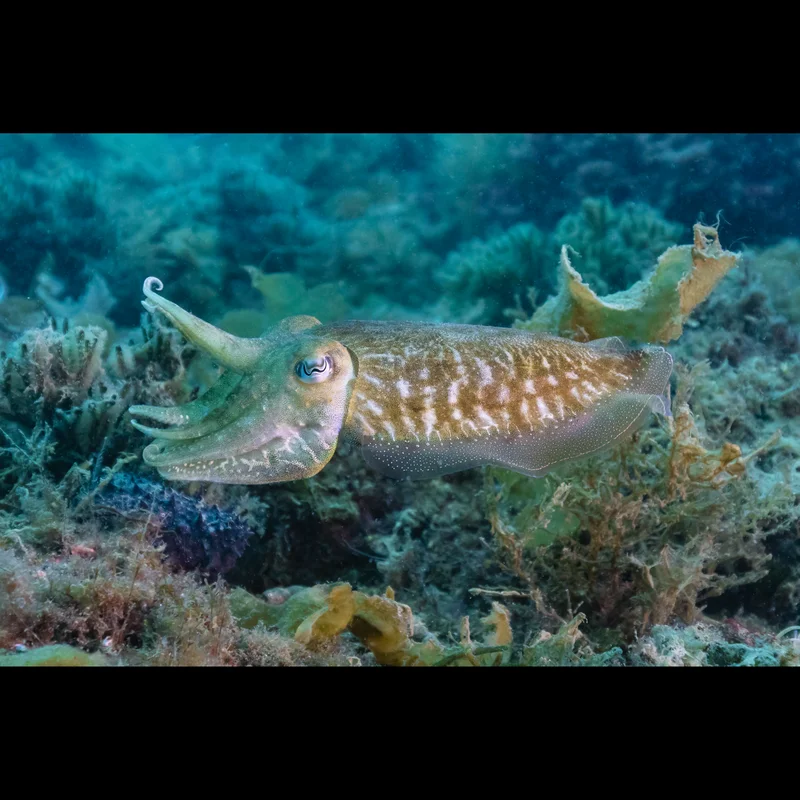
Furthermore, the swim out to the site often yields sightings of rays, cuttlefish, and boxfish, complementing the vibrant starfish, sponges, and shellfish found across the soft coral reefs.
Dive Sites Near Shallow Blinders
View all dive sites in South AfricaDiscover more underwater gems in this area.
Dive Centers Near Shallow Blinders
Today: 08:00 - 17:00
Nearest Airports
Nearest airports to help plan travel to this dive area.
Search Flights
Check available flights and routes on Expedia, using the nearby airports listed in this section.
Search Flights on ExpediaFrequently Asked Questions
What is the maximum depth at Shallow Blinders?
Shallow Blinders is a relatively shallow dive site, reaching a maximum depth of 13 m (42 ft). This makes it suitable for most recreational divers and allows for longer bottom times.
Is Shallow Blinders suitable for beginner divers?
Yes, Shallow Blinders is well-suited for beginners. It's recommended for PADI Open Water Divers and those undertaking PADI Discover Scuba Diving experiences due to its shallow depth and generally manageable conditions.
What kind of marine life can I expect to see?
You can anticipate seeing a diverse array of marine life, including pajama sharks, leopard sharks, and puffadder shy sharks year-round. During summer, ragged-tooth sharks may also be present. Macro life like nudibranchs, octopuses, and scorpionfish are common on the reef, along with various rays, cuttlefish, and boxfish.
How do I access the Shallow Blinders dive site?
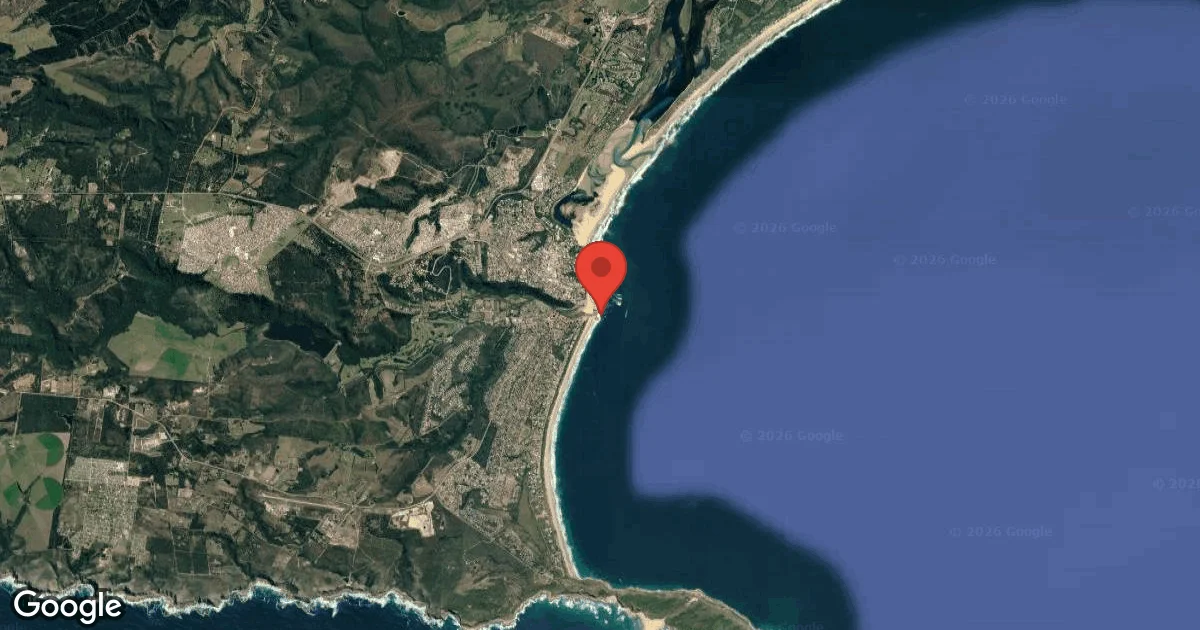
Access to Shallow Blinders is typically via a shore entry. Divers can expect a short swim from the beach directly in front of local dive centers to reach the main reef system.
When is the best time of year to dive Shallow Blinders?
The best time to dive is generally from January to April and October to December. These months offer more favorable conditions with moderate dive scores, warmer air temperatures, and an increased chance of seeing specific marine life like ragged-tooth sharks.
Is Shallow Blinders good for underwater photography?
Absolutely. Shallow Blinders is often described as a photographer's paradise due to excellent natural light penetration and a rich array of macro subjects like nudibranchs and scorpionfish, alongside diverse fish species on the coral reef.
Planning to dive Shallow Blinders?
Send one inquiry and receive offers directly from the best verified local dive operators.
Conditions are Poor
High Swell Advisory. Not recommended.
Current conditions near Shallow Blinders show 13° air, 14° sea temperature, 2.4 m waves, and 26 km/h wind. Forecast data is refreshed regularly to ensure accuracy.