
Diving at Oedolgae (Korea, Republic of)
Oedolgae, a prominent sea stack off Jeju Island, currently presents a complex dynamic for divers. While historically recognized as a favored destination for skin scuba enthusiasts, recent signage indicates restricted access for both swimming and scuba diving in certain areas. This evolution necessitates careful planning and up-to-date local information, ensuring divers understand permissible zones and approaches to this distinctive site.
Evening condition tracking at Oedolgae features an air temperature of 24.5°C. We have recorded wave heights measuring 1.2 m during this period. These figures outline the environmental parameters currently present.
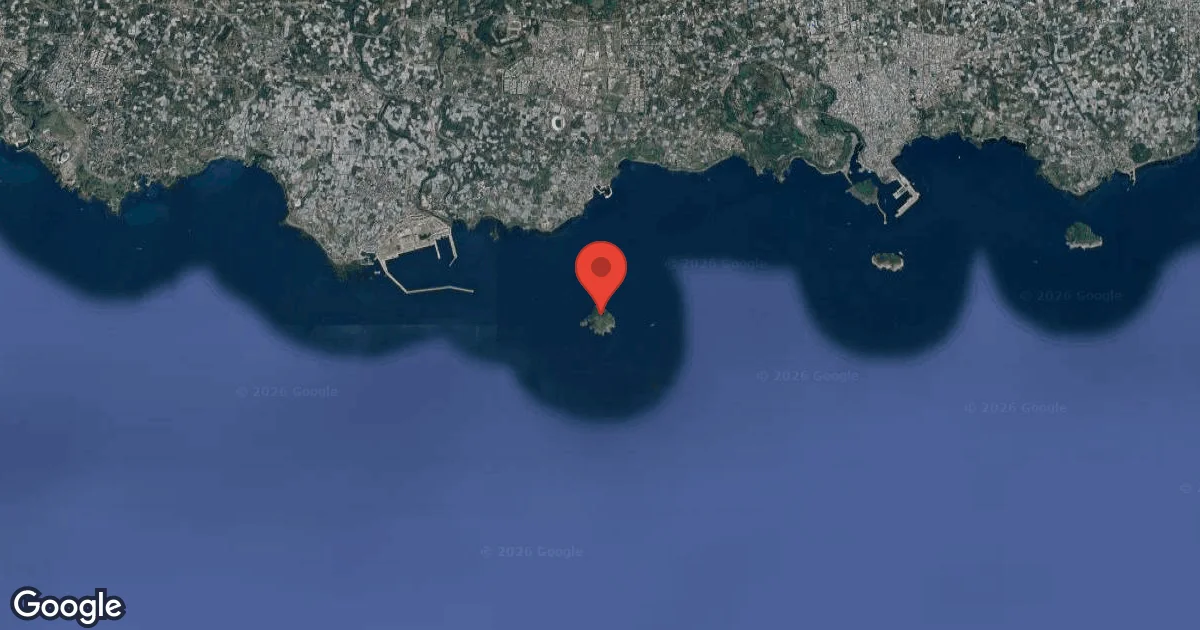
Dive Site Location & Key Facts
Dive Site Overview
The dramatic formations of Oedolgae date back approximately 150,000 years, sculpted by ancient volcanic activity that profoundly shaped the island's coastal landscape. This impressive sea stack, reaching 20 m (65 ft) in height, stands as a testament to persistent wave erosion, which has carved its distinct shape into the ocean.
Underwater, the sea floor gradually slopes, stretching out in an S-shape parallel to the coastline, characterized by a series of deformed super-large rocks. Diving here is exclusively conducted by boat, allowing access to the deeper sections, which can extend to a maximum depth of 28 m (91 ft). Along the bedrock surfaces, divers can observe various soft corals, including cockscomb, long-branched pine, and white pine, contributing to the site's biological appeal.
Local legends also imbue the rock with historical significance, from tales of a transformed grandfather and an 'Angel Rock' to its role as 'General Rock' during a Goryeo Dynasty battle.
Conditions are Good
Optimal conditions expected
Current conditions near Oedolgae show 24° air, 27° sea temperature, 1.6 m waves, and 30 km/h wind. Forecast data is refreshed regularly to ensure accuracy.
Best Time to Dive
Planning a dive at Oedolgae often begins with assessing the prevailing conditions. The period from January through April, and then August through December, generally offers 'Good' dive scores, making these months preferable. During these times, average air temperatures range from 5.5°C (42°F) in January to 19.5°C (67°F) in October. Wave heights typically remain manageable, often between 1.0 to 1.3 meters, with average wind speeds in the 13-17 km/h range. Rainfall tends to be lower compared to the summer months. Conversely, May, June, and July show 'Moderate' dive scores; while warmer, with air temperatures from 18.5°C (65°F) to 26.5°C (80°F), these months can experience increased wave activity, sometimes reaching 1.5 meters, and slightly higher rainfall. Consistent water temperature data is not consistently reported, so divers should prepare for varying thermal conditions.
PEAK SEASON SCORE
Scores combine air & water temps, waves, wind & rainfall for overall conditions.
BEST MONTHS TO DIVE
Monthly records compiled from satellite and marine observation nodes over the last 3 years. Data provided by Open-Meteo and MET Norway.
Dive Experience & Conditions
Beginning a dive at Oedolgae requires boat access, as shore entry is not feasible here. The underwater topography unfolds as the sea floor gradually deepens, forming an S-shaped path that runs parallel to the coastline. Divers will navigate around super-large, uniquely deformed rock formations, typical of a sea stack and reef environment. Maximum depth at this site reaches 28 m (91 ft), providing a recreational depth range for exploration. Along the expansive bedrock surfaces, the vibrant presence of soft corals such as cockscomb, long-branched pine, and white pine creates intricate scenery. As a site carved by strong wave erosion, currents can vary, requiring divers to remain attentive to local conditions.
Dive Difficulty & Safety Guidelines
Navigating Oedolgae's waters is generally considered 'Very Difficult' by some sources, indicating a need for experienced divers. The PADI Advanced Open Water Diver certification is recommended, along with specialized training like PADI Night Diver for those exploring after dusk. Divers should be aware of reported restricted access signs for swimming and scuba diving in certain areas surrounding Oedolgae Rock.
Therefore, it's crucial to consult with local dive operators before planning an excursion to obtain current information regarding permissible diving zones and any necessary permits. Always adhere to established dive plans and maintain situational awareness, particularly around the complex rock structures.
Recommended Equipment
- Dive Computer
- DSMB
This gear list is based on verified equipment signals for Oedolgae, Korea, Republic of. Always confirm final gear choices with your dive operator, guide, or liveaboard.
Recommended Dive Suit
The latest conditions reported around Oedolgae place the water temperature close to 27°C (80°F). Surface air temperatures are resting at 24°C (76°F).
2-3mm shorty or light wetsuit is generally considered suitable for water temperatures like this. Consider warmer surface protection (like a boat coat) due to brisk winds.
Forecasts suggest a slight cooling pattern in the days ahead. Cooler days are ahead; you might want a warmer option for later in the week. Some divers prefer carrying a slightly thicker suit as a backup.
Emergency & Medical Support
Essential information to help you plan your dive trip to Oedolgae.

Hyperbaric chambers are a critical part of dive safety infrastructure. Availability varies significantly by region, and not all dive areas have immediate access.
Before diving, it's recommended to:
- confirm nearest medical facilities
- check emergency procedures with local dive operators
- ensure dive insurance covers evacuation if required
Divers Alert Network
Diving emergency assistance available through DAN World.
+1-919-684-9111- 24/7 emergency hotline
- Diving medical assistance
- Evacuation coordination
Emergency contacts are provided for reference. Always verify local emergency services before diving.
Marine Life at Oedolgae
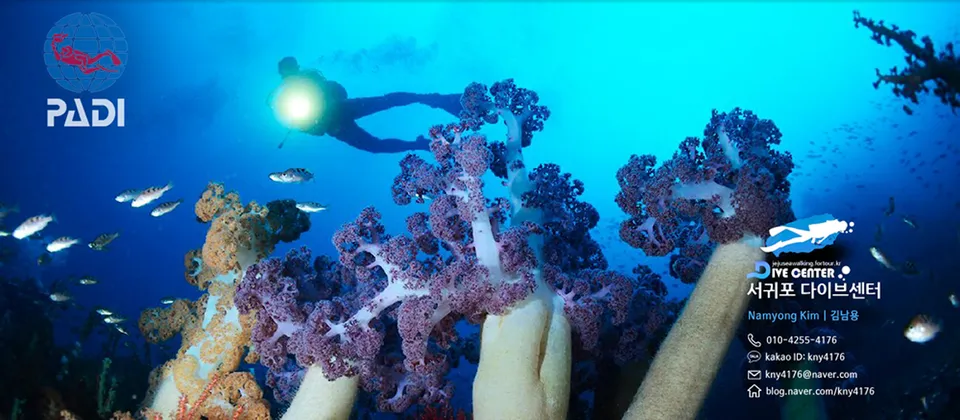
Beneath the surface at Oedolgae, divers often encounter a dynamic range of marine life inhabiting its distinctive reef and pinnacle structures. The bedrock supports a variety of soft corals, including striking cockscomb, long-branched pine, and white pine, which create colorful underwater gardens.
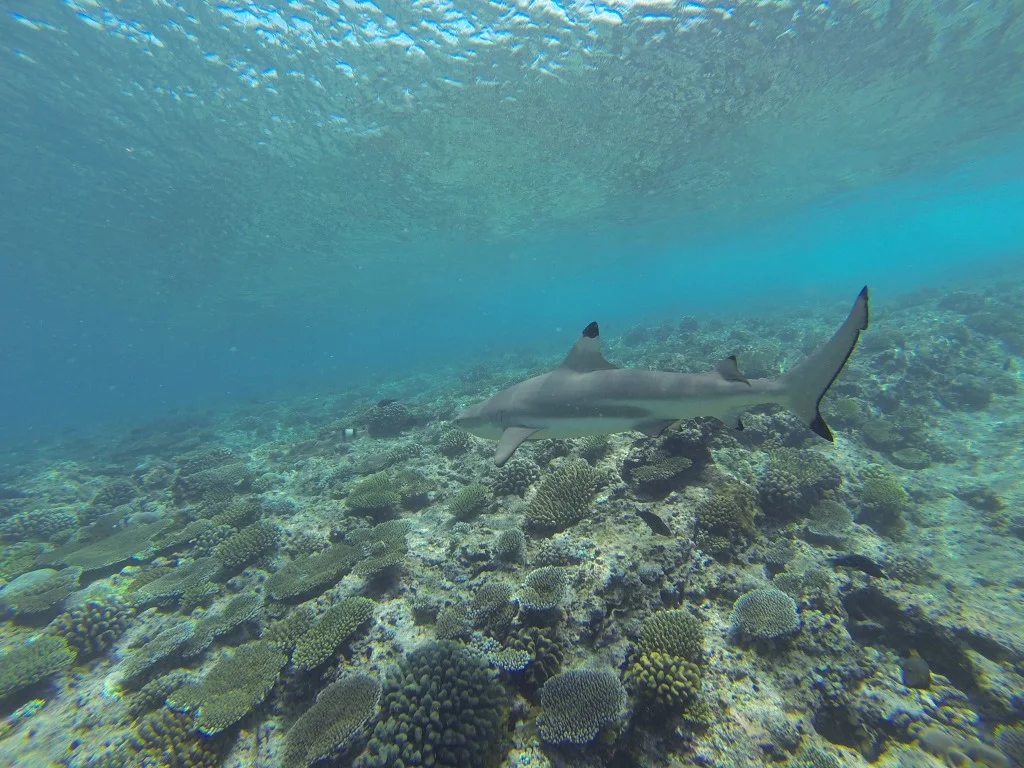
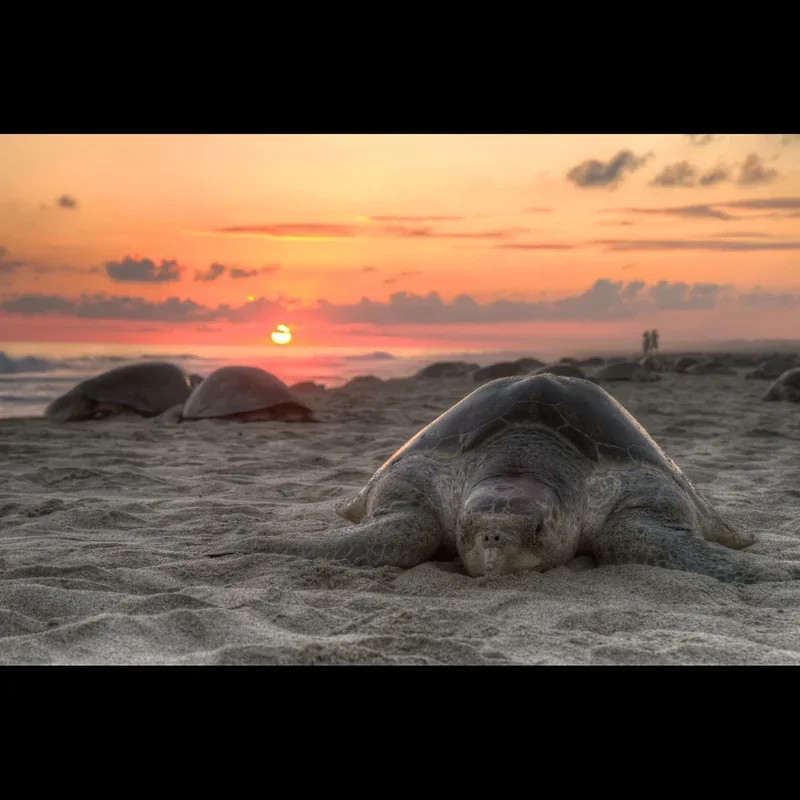
Larger pelagic species are also frequently sighted in these waters. Common sightings include various types of sharks, majestic whales, agile dolphins, and graceful sea turtles, adding an exciting dimension to the dive experience.
Dive Sites Near Oedolgae
View all dive sites in Korea, Republic ofDiscover more underwater gems in this area.
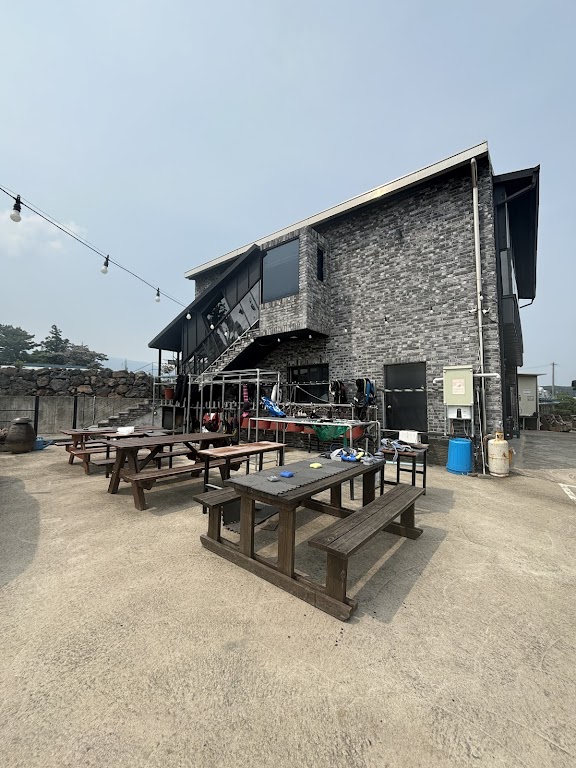
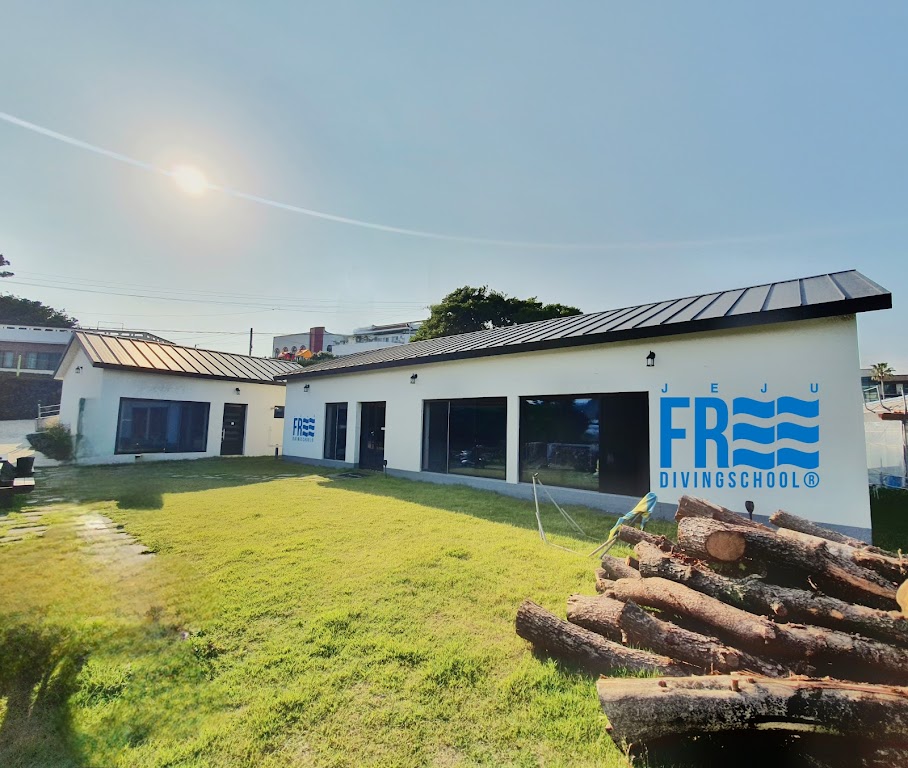
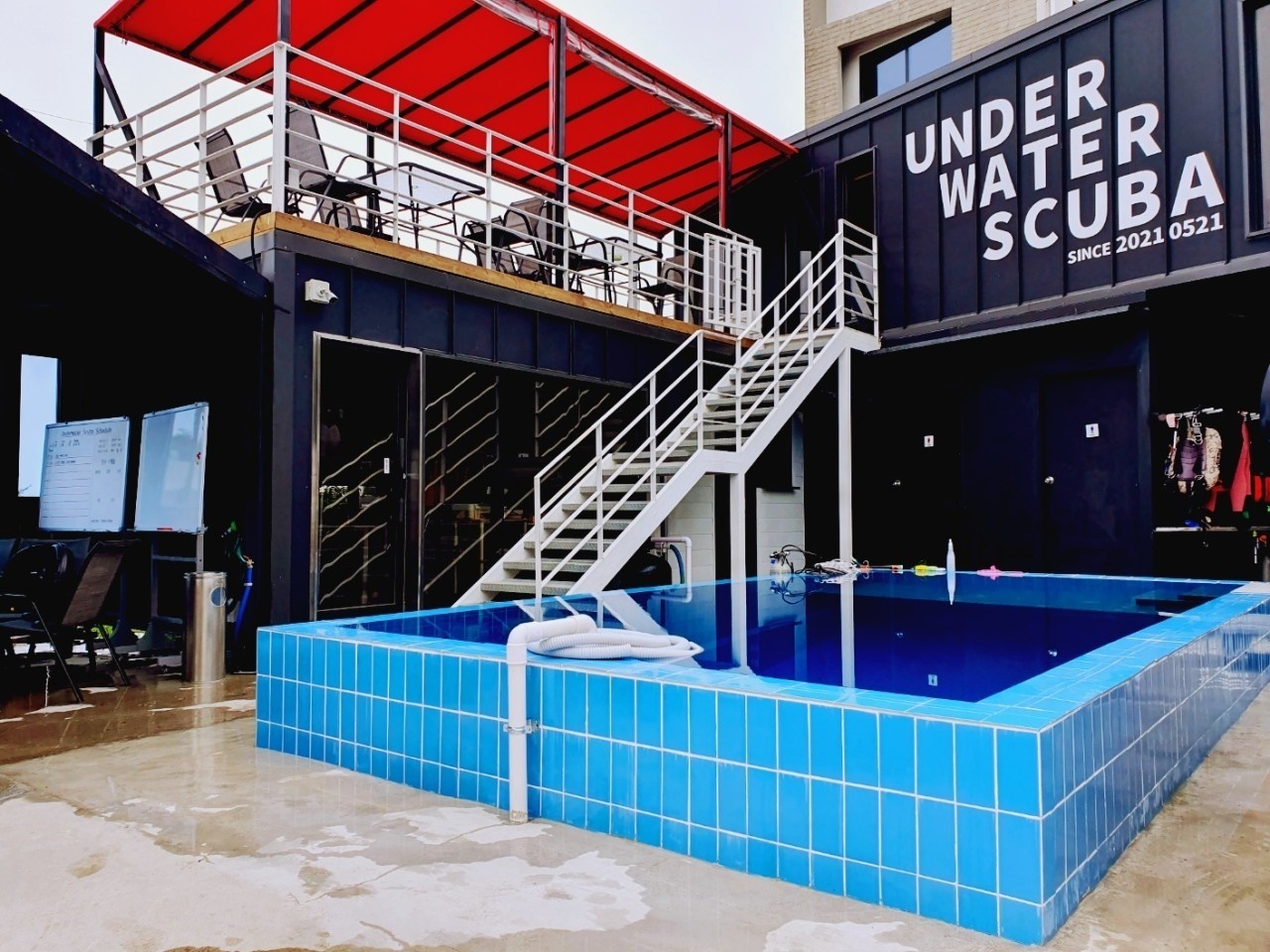
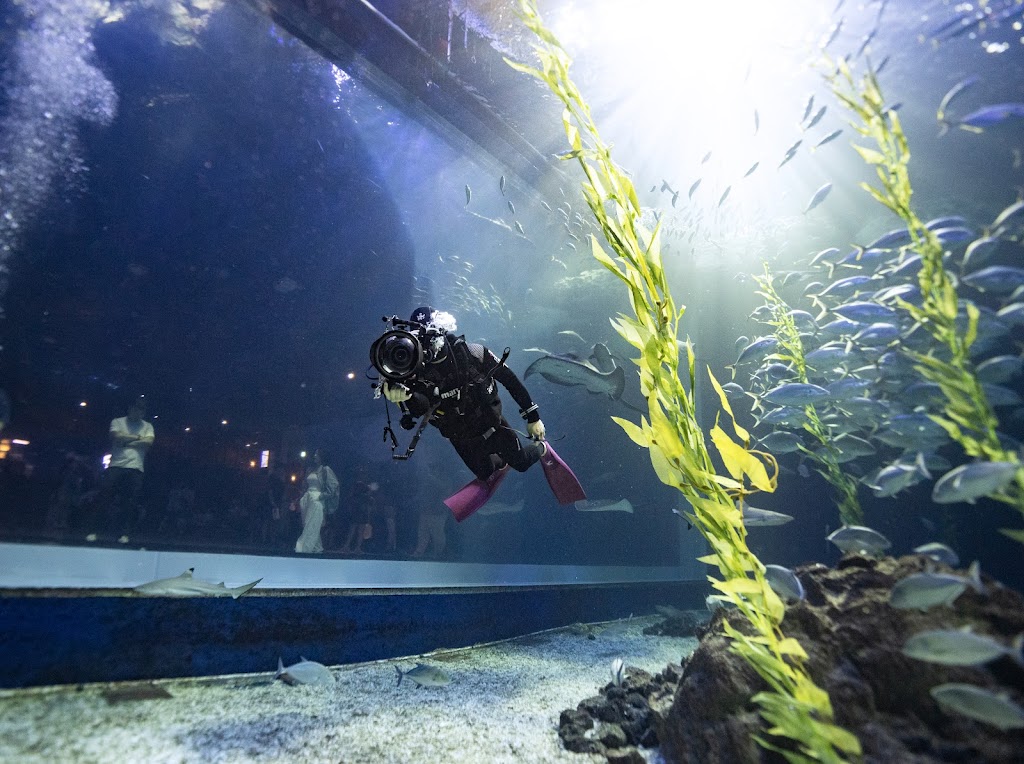
Dive Centers Near Oedolgae

Today: 08:00 - 17:00
Nearest Airports
Nearest airports to help plan travel to this dive area.
Search Flights
Check available flights and routes on Expedia, using the nearby airports listed in this section.
Search Flights on ExpediaFrequently Asked Questions
What is the maximum diving depth at Oedolgae?
The maximum depth available for diving at Oedolgae reaches 28 m (91 ft). At this depth, divers can enjoy a comprehensive recreational experience exploring the unique underwater topography.
Is shore diving possible at Oedolgae?
No, diving at Oedolgae is exclusively conducted via boat. Shore entry is not feasible due to the rock formations and reported access restrictions.
What marine life can be seen at Oedolgae?
Divers may encounter a variety of soft corals like cockscomb, long-branched pine, and white pine. Larger marine animals, including sharks, whales, dolphins, and turtles, are also commonly sighted in these waters.
What are the best months to dive at Oedolgae?
The most favorable conditions for diving generally occur from January to April, and again from August to December. During these months, divers can expect 'Good' dive scores with more stable weather patterns.
What diving certifications are recommended for Oedolgae?
Due to the site's challenging nature, a PADI Advanced Open Water Diver certification is recommended. The PADI Night Diver course is also suggested for those interested in night diving.
Are there any access restrictions for diving at Oedolgae?
Some areas around Oedolgae Rock have reported signs indicating restricted access for swimming and scuba diving. It's essential to confirm current regulations and permissible dive zones with local operators.
Planning to dive Oedolgae?
Send one inquiry and receive offers directly from the best verified local dive operators.
Conditions are Good
Optimal conditions expected
Current conditions near Oedolgae show 24° air, 27° sea temperature, 1.6 m waves, and 30 km/h wind. Forecast data is refreshed regularly to ensure accuracy.