
Diving at Tiger Island (Korea, Republic of)
The waters surrounding Tiger Island, off Jeju, are characterized by dynamic currents that sculpt its underwater terrain and influence dive conditions. Divers should anticipate strong water movement, particularly around deeper sections and channels between the main and baby islands. These currents, while challenging, contribute significantly to the vibrant ecosystem. Conditions can shift, requiring attentive dive planning to safely navigate the site.
Evening condition tracking at Tiger Island features an air temperature of 26.5°C. We have recorded wave heights measuring 1.2 m during this period. These figures outline the environmental parameters currently present.
Dive Site Location & Key Facts
Dive Site Overview
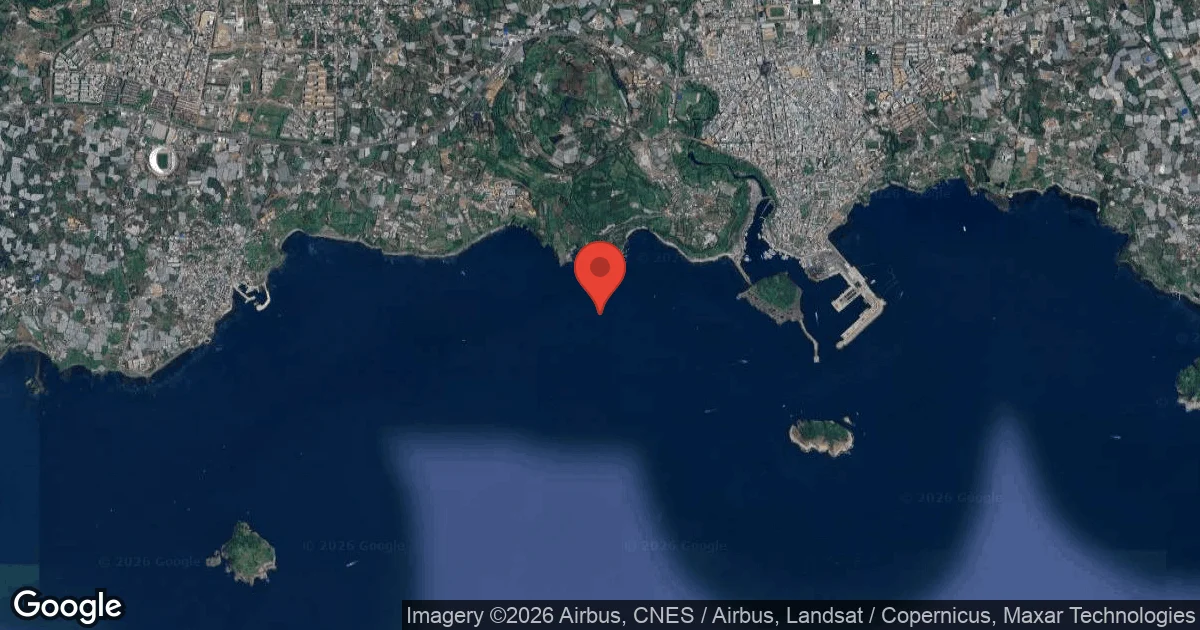
Ancient volcanic activity profoundly shaped Tiger Island, off Jeju, which comprises a main island and a smaller "Baby Island," each presenting distinct dive environments. Divers typically reach the site via boat from Seogwipo, emphasizing its secluded nature.
Its structure features dramatic rock formations and sharp edges, a clear testament to its geological past, creating highly varied underwater topography that shifts from gentle slopes to sheer walls. Near the front of the main island, depths are about 15 meters (49 ft), generally suitable for divers new to the site or those preferring shallower profiles for extended bottom times.
However, venturing towards Baby Island reveals a different challenge; the water deepens significantly, allowing dives up to 40 meters (131 ft) where stronger currents are often encountered. Unique topographical features, sometimes colloquially named "nostrils" and "anus," describe small cave-like structures within the island's formation, adding to its intrigue and offering overhead environments for trained divers.
This diverse underwater landscape, encompassing shallow reefs, deeper walls, and intriguing caves, has evolved to host a rich mixture of tropical and temperate marine life. It truly creates a complex and engaging dive destination.
Being uninhabited islands accessible from Seogwipo, a remote and natural feel characterizes the diving experience here, far from crowded dive spots.
Conditions are Moderate
Optimal conditions expected
Current conditions near Tiger Island show 27° air, 27° sea temperature, 1.6 m waves, and 28 km/h wind. Forecast data is refreshed regularly to ensure accuracy.
Best Time to Dive
Planning your dive to Tiger Island means considering the seasonal variations that affect the overall experience. While limited available data exists for specific water temperatures, average air temperatures range significantly from approximately 5°C (41°F) in January to 27°C (81°F) in August. Rainfall is generally lowest in December and January, around 1.2 to 1.5 mm, peaking in May, June, and July, which see average rainfall between 13.8 and 15.1 mm. Dive scores are consistently rated 'Good' for most of the year, particularly from August through April. However, conditions during June have been reported with strong currents and reduced visibility, suggesting that months rated 'Moderate' for diving, such as May, June, and July, may require more careful assessment of daily conditions. Even in warmer months, the water can be cool enough that two-tank dives might feel uncomfortably cold without appropriate thermal protection. Visibility and current vary greatly, even within the same season.
PEAK SEASON SCORE
Scores combine air & water temps, waves, wind & rainfall for overall conditions.
BEST MONTHS TO DIVE
Monthly records compiled from satellite and marine observation nodes over the last 3 years. Data provided by Open-Meteo and MET Norway.
Dive Experience & Conditions
Diving Tiger Island presents a dynamic underwater experience, often characterized by strong currents and variable visibility. While specific visibility values are not consistently reported, divers have noted it can be limited to just a few meters, making close attention to dive guides and buddy systems crucial for safety. A variety of dive types are available, including cave, reef, and wall diving. Fronting the main island, shallower sections provide a more protected environment, well-suited for those still gaining confidence in current. Towards Baby Island, the maximum depth reaches 40 meters (131 feet), revealing deeper walls and more exposed areas where currents tend to be particularly strong. Navigating these currents requires situational awareness and proper finning techniques. Bottom topography includes flat areas with bumps, large rocks, and pinnacles, alongside slopes and steep walls, all contributing to the site's challenging and rewarding nature.
Dive Difficulty & Safety Guidelines
Successfully navigating the conditions at Tiger Island requires specific skills and careful adherence to safety protocols. Strong currents are a regular feature, especially in deeper areas and channels between the islands. Divers should be proficient in drift diving techniques and highly capable of maintaining buoyancy in challenging conditions.
Given the potential for depths up to approximately 39 meters (130 ft) for certain dives, such as to a local wreck, the PADI Advanced Open Water Diver certification is recommended. The site's dynamic environment also makes training in Delayed Surface Marker Buoy (DSMB) deployment essential for indicating your position to the boat.
A PADI Deep Diver certification is also beneficial for exploring the deeper sections safely. Always receive a thorough briefing from your local dive center, paying close attention to current patterns and entry/exit procedures.
Recommended Equipment
Deep dive hazard. Increased narcosis and gas consumption risk.
Overhead environment. Do not enter beyond training and gas planning limits.
- Dive Computer
- DSMB
- Primary & Backup Lights
- Reel / Spool
- Cutting Tool
This gear list is based on verified equipment signals for Tiger Island, Korea, Republic of. Always confirm final gear choices with your dive operator, guide, or liveaboard.
Recommended Dive Suit
With water temperatures around 27°C (80°F), many divers find a 2-3mm shorty or light wetsuit provides comfortable protection.
Divers performing multiple dives may appreciate slightly warmer protection later in the day.
Weather models indicate a small drop in surface temperatures later this week. A significant temperature drop is forecast; strongly suggest bringing a backup warmer suit option. A warmer option can provide additional comfort if conditions shift.
Emergency & Medical Support
Essential information to help you plan your dive trip to Tiger Island.

Hyperbaric chambers are a critical part of dive safety infrastructure. Availability varies significantly by region, and not all dive areas have immediate access.
Before diving, it's recommended to:
- confirm nearest medical facilities
- check emergency procedures with local dive operators
- ensure dive insurance covers evacuation if required
Divers Alert Network
Diving emergency assistance available through DAN World.
+1-919-684-9111- 24/7 emergency hotline
- Diving medical assistance
- Evacuation coordination
Emergency contacts are provided for reference. Always verify local emergency services before diving.
Marine Life at Tiger Island
Upon descending, divers often first notice the abundance of soft corals, which blanket many sections of the reef. These swaying corals create a vibrant backdrop for the diverse macro life.
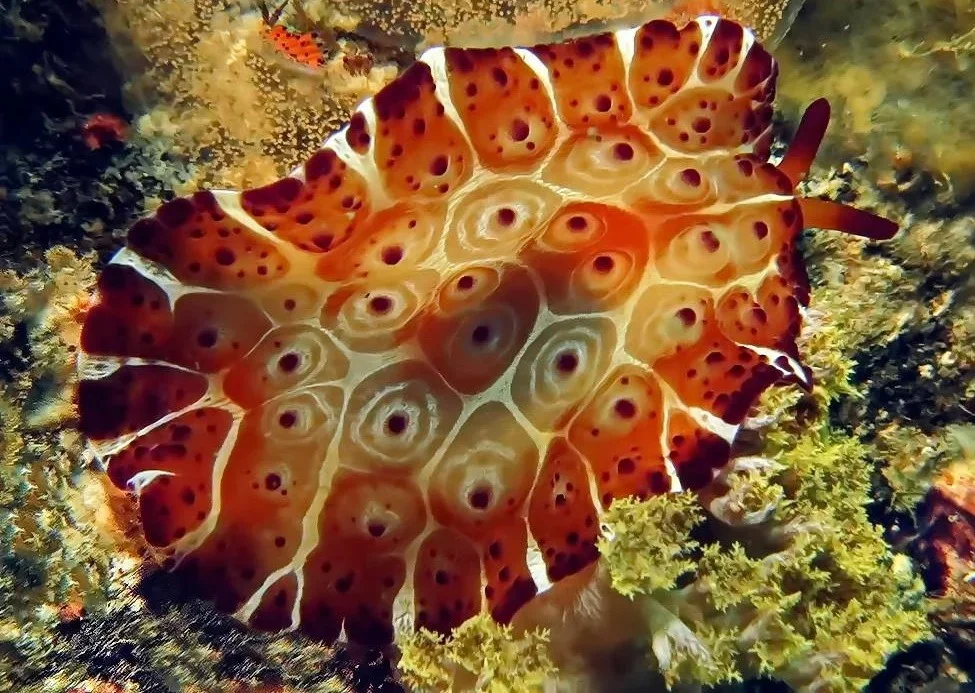
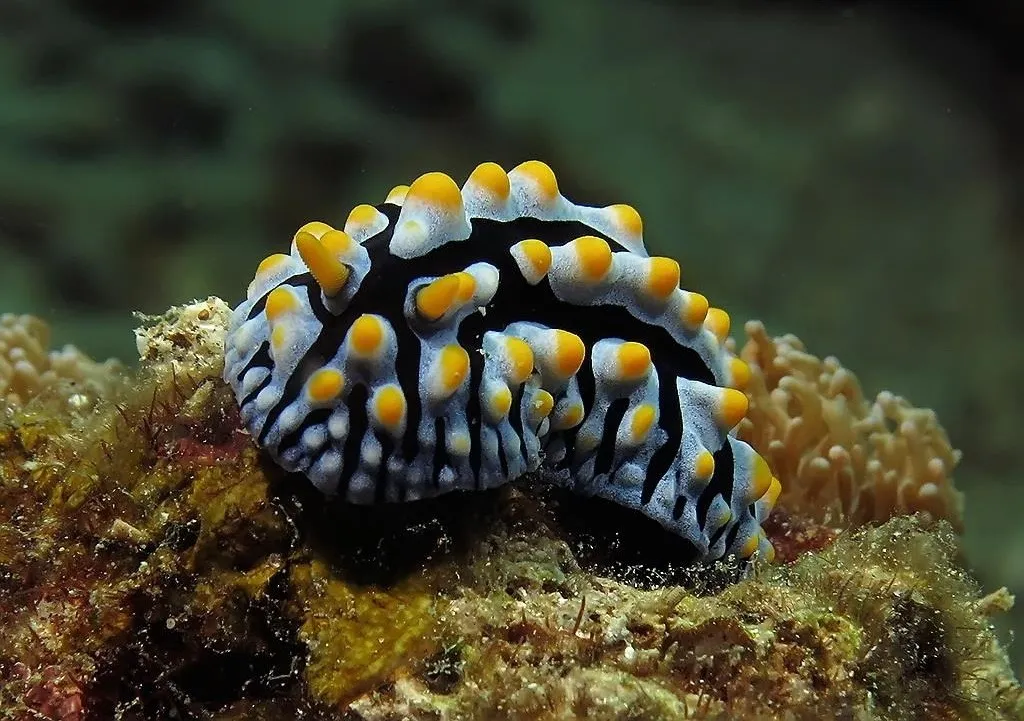
The site is particularly rich in nudibranchs; these colorful sea slugs are frequently observed decorating the reef, offering excellent opportunities for underwater photography. You'll encounter various tropical fish inhabiting the coral gardens.
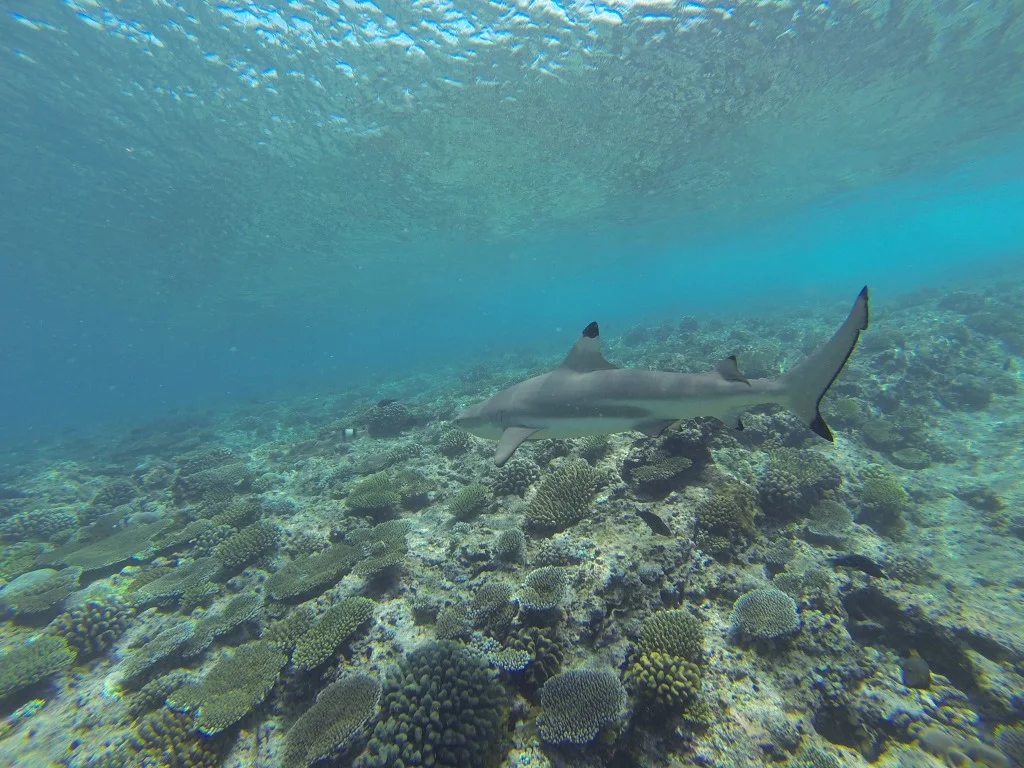
While less common, sightings of sharks, whales, dolphins, and turtles have been reported in the broader Jeju area. The interplay between hard volcanic structures and soft coral growth creates a unique visual tapestry underwater.
Dive Sites Near Tiger Island
View all dive sites in Korea, Republic ofDiscover more underwater gems in this area.
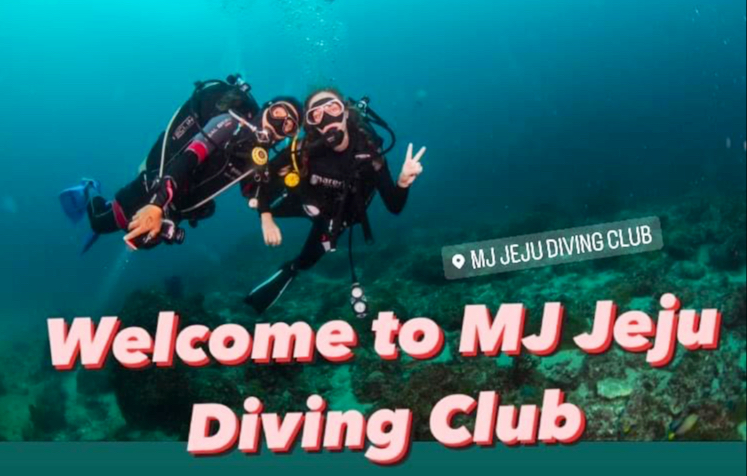
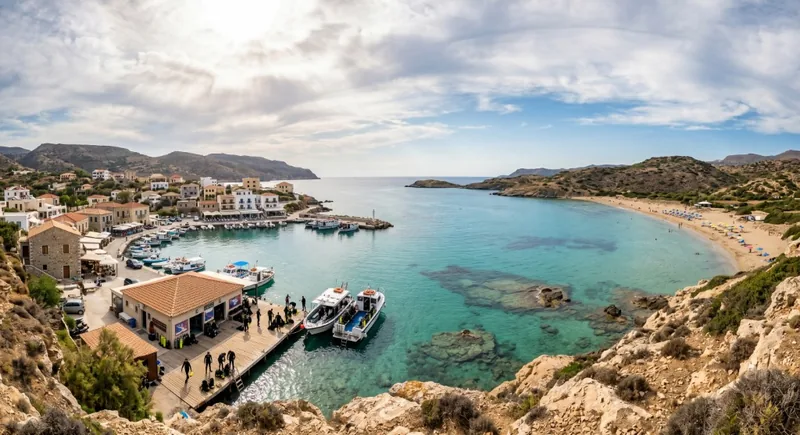
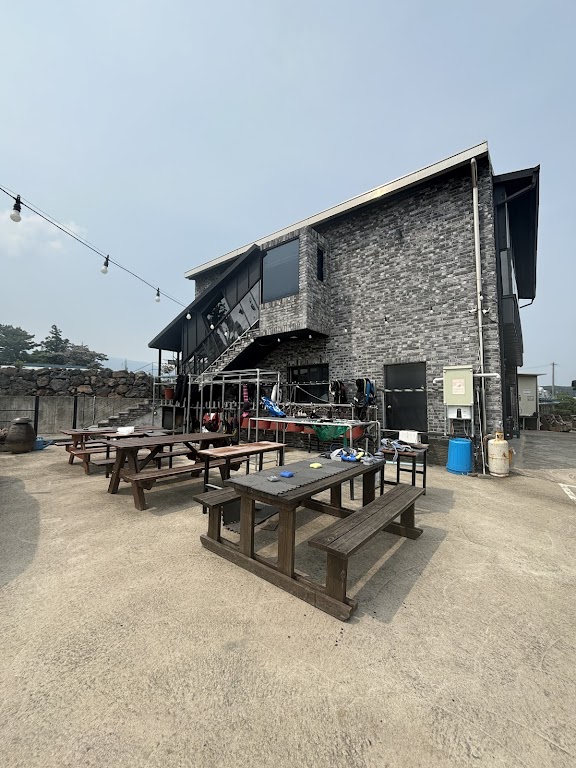
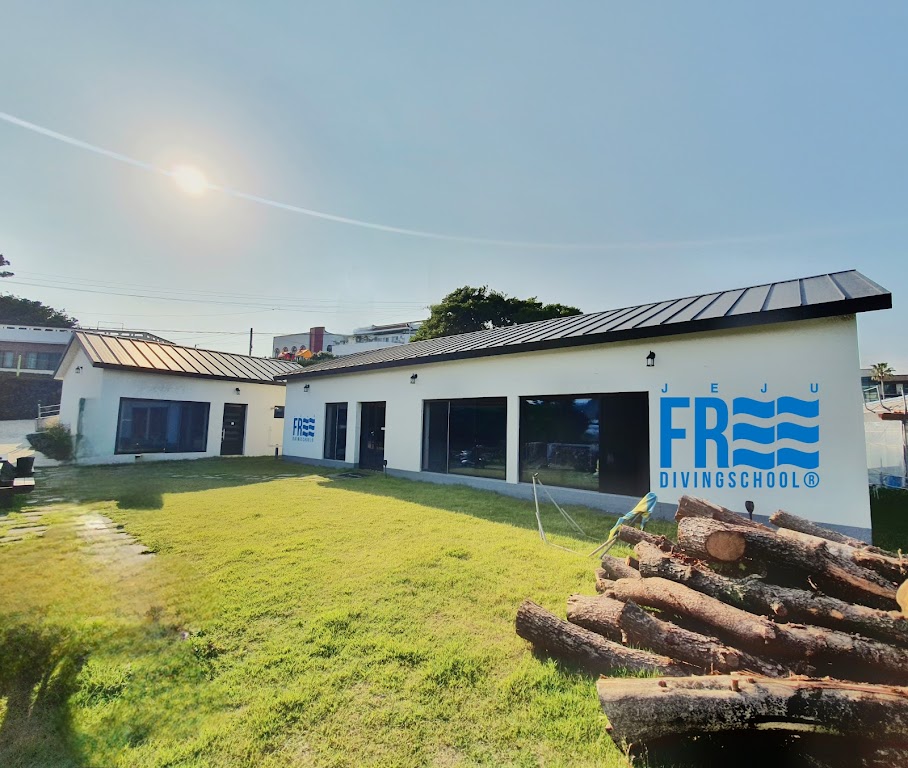
Dive Centers Near Tiger Island
Today: 08:00 - 17:00
Nearest Airports
Nearest airports to help plan travel to this dive area.
Search Flights
Check available flights and routes on Expedia, using the nearby airports listed in this section.
Search Flights on ExpediaFrequently Asked Questions
How do I get to Tiger Island?
Tiger Island is accessed by boat from Seogwipo on Jeju Island, South Korea. Local dive centers typically organize daily boat trips to the island.
What types of diving can I do at Tiger Island?
The site offers a variety of dive experiences, including reef, wall, and cave diving. Depths vary from shallow areas suitable for beginners to deeper sections reaching 40 meters (131 ft).
Are there strong currents at Tiger Island?
Yes, strong currents are a common characteristic of Tiger Island, particularly in deeper areas and around Baby Island. Divers should be prepared for dynamic water movement.
What is the visibility like?
Visibility can be variable and is not consistently reported as excellent; divers have noted it can sometimes be limited to a few meters. Conditions can change based on weather and currents.
What marine life can I expect to see?
Divers frequently encounter an abundance of soft corals and various nudibranchs. You can also expect to see numerous tropical fish, with occasional reports of larger pelagic species like sharks or dolphins in the wider area.
Do I need special equipment for diving here?
Due to potentially strong currents and varying water temperatures, a dive computer, DSMB, gloves, and appropriate thermal protection like a wetsuit or dry suit are highly recommended. A dive knife is also prudent.
What language is spoken at dive centers?
While English speakers may be harder to find, especially in low season, some dive centers, like Sealife SCUBA Center, have English-speaking staff. Translation apps and readily available WiFi on Jeju can assist with communication.
Is Tiger Island suitable for beginners?
The front of the main island offers shallower dives around 15 meters (49 ft) suitable for beginners. However, deeper sections towards Baby Island and areas with strong currents are more appropriate for advanced divers.
Planning to dive Tiger Island?
Send one inquiry and receive offers directly from the best verified local dive operators.
Conditions are Moderate
Optimal conditions expected
Current conditions near Tiger Island show 27° air, 27° sea temperature, 1.6 m waves, and 28 km/h wind. Forecast data is refreshed regularly to ensure accuracy.