
Diving at Pared de la Illa Petita (Spain)
For divers considering Pared de la Illa Petita, anticipate a site that caters to varying skill levels depending on the chosen dive profile. Its structure, suggested by the name 'Wall of the Small Island,' combined with 'cave' and 'reef' tags, indicates diverse underwater topography. While specific depth profiles for this site aren't consistently reported, many similar local dives accommodate both advanced divers seeking deeper sections and open water certified individuals exploring shallower reef areas. Proper planning ensures a suitable experience for your certification level.
Evening condition tracking at Pared de la Illa Petita features an air temperature of 24.5°C. We have recorded wave heights measuring 1.4 m during this period. These figures outline the environmental parameters currently present.
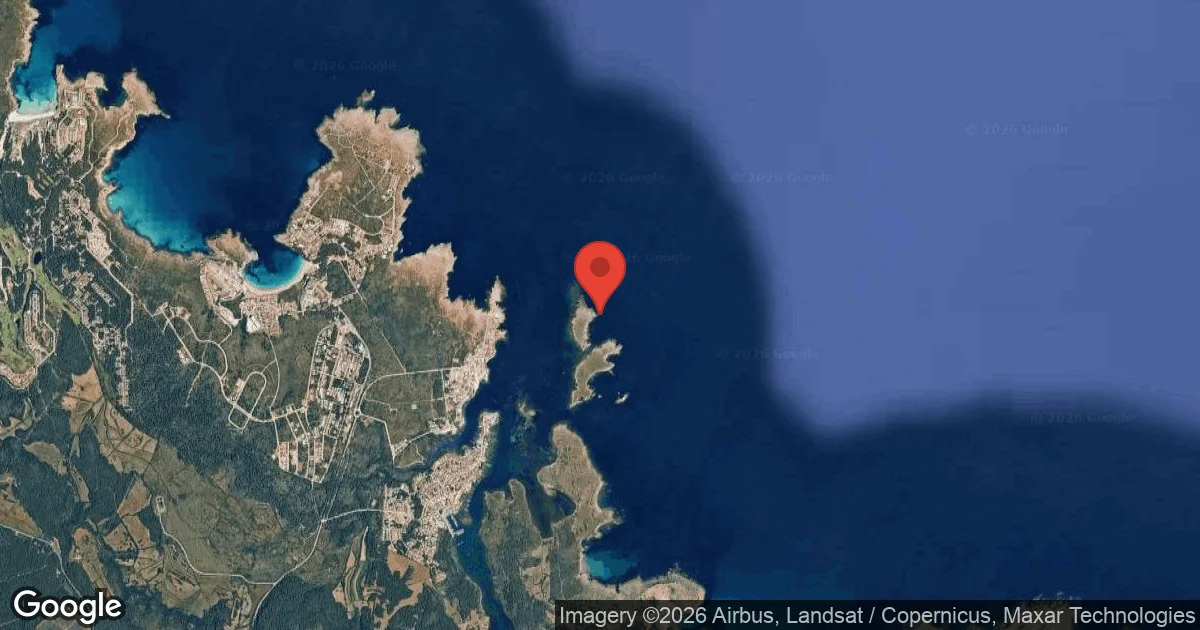
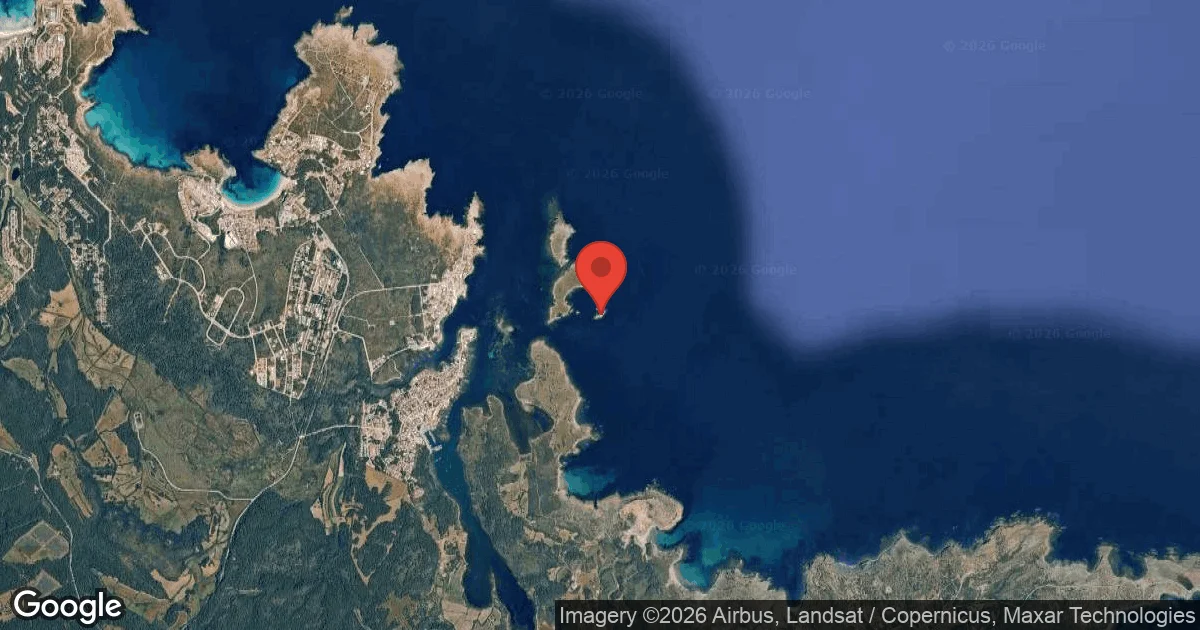
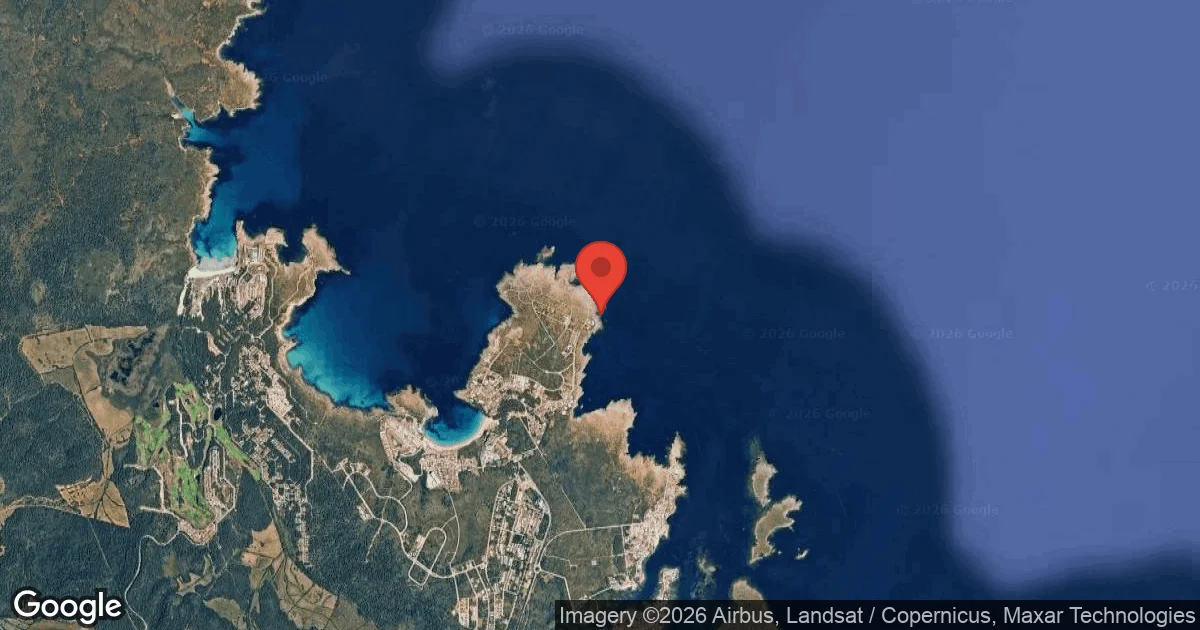
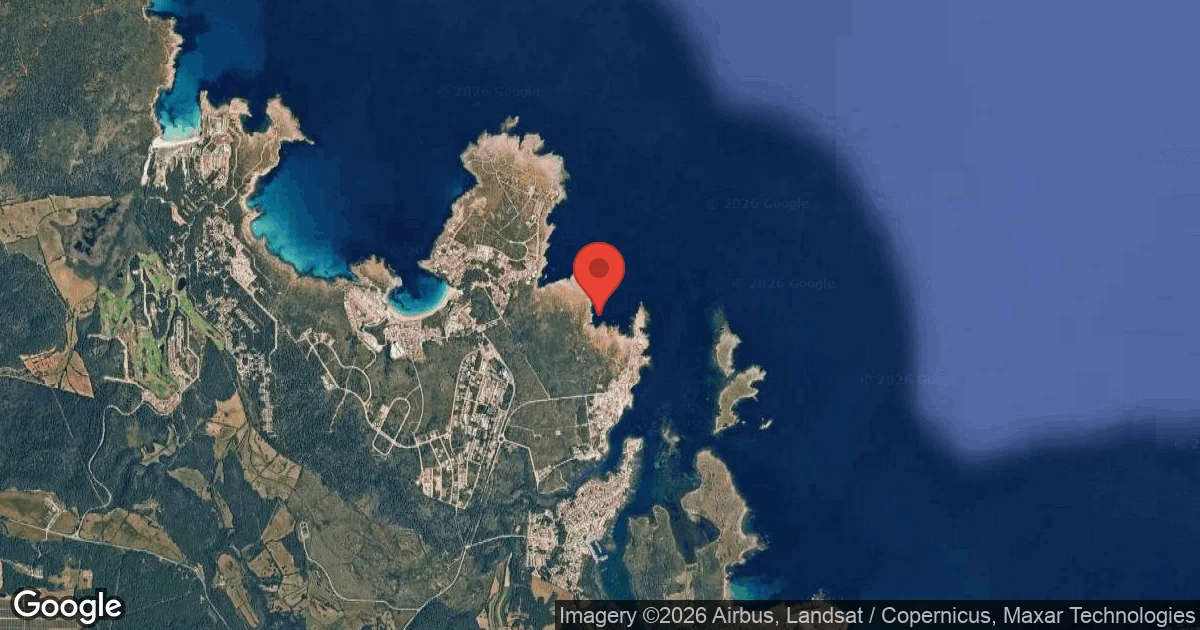
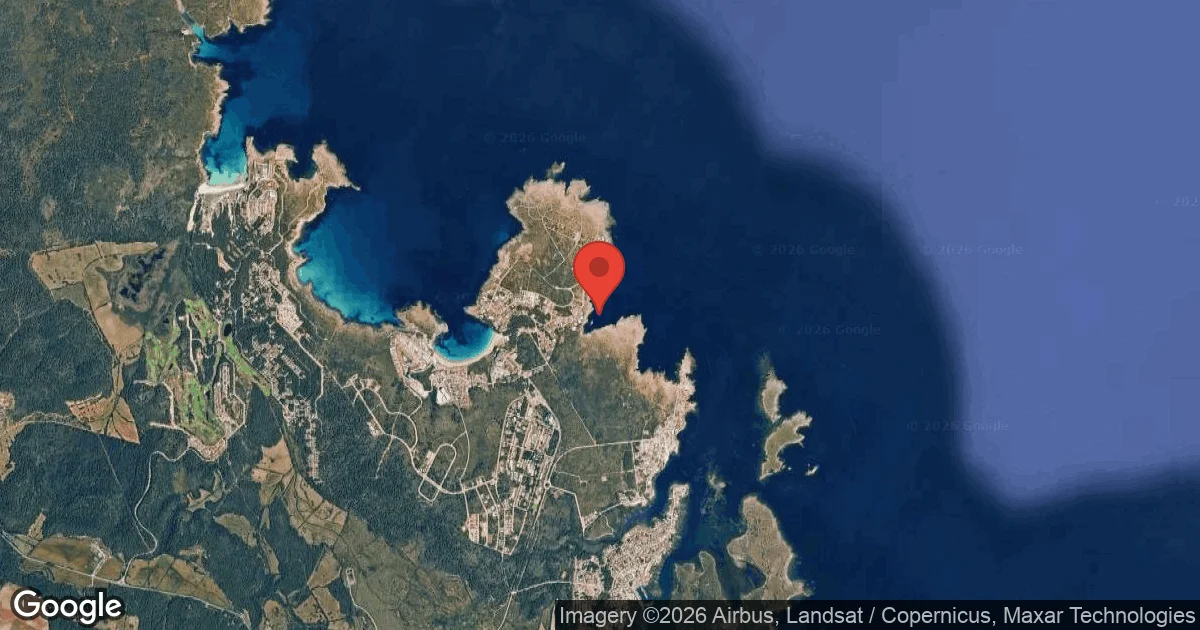
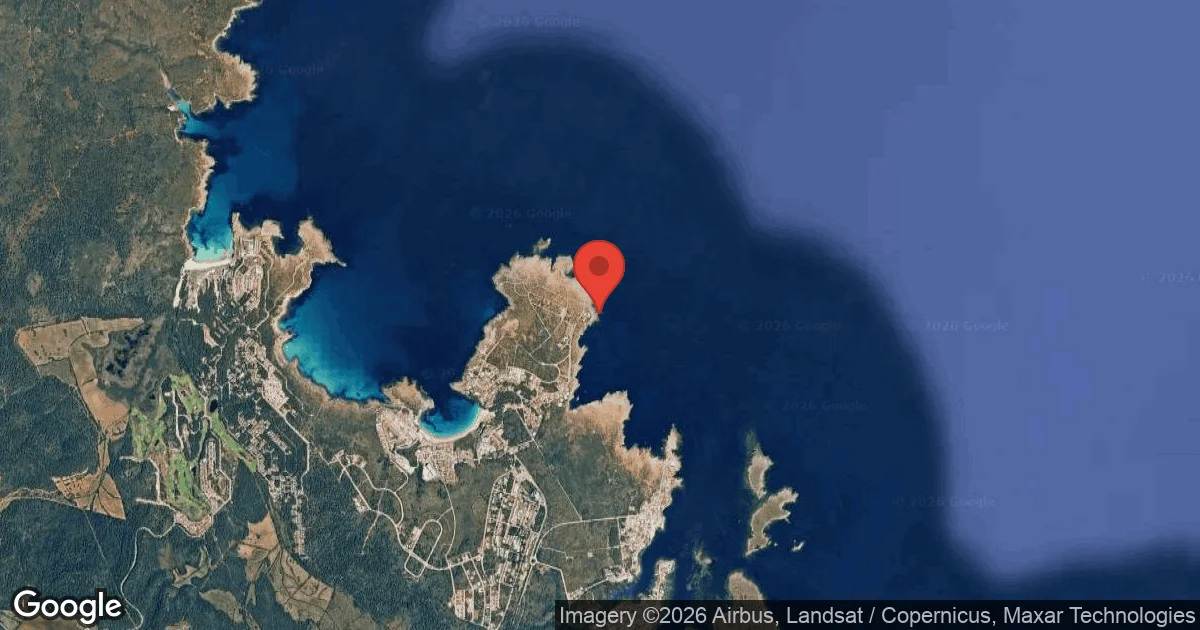
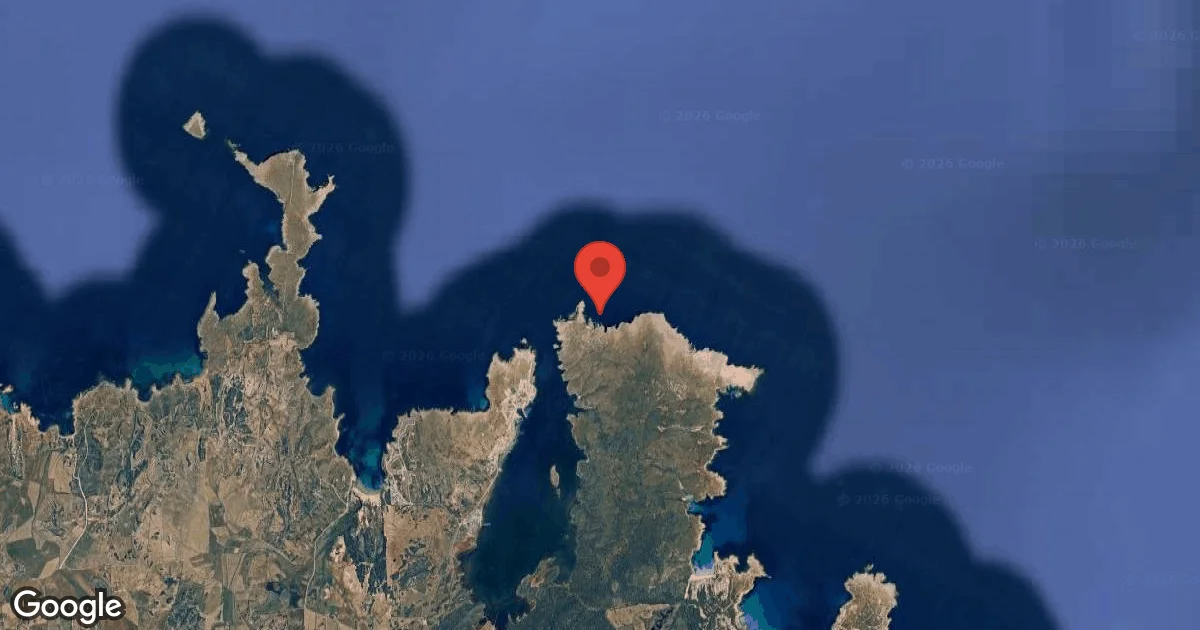
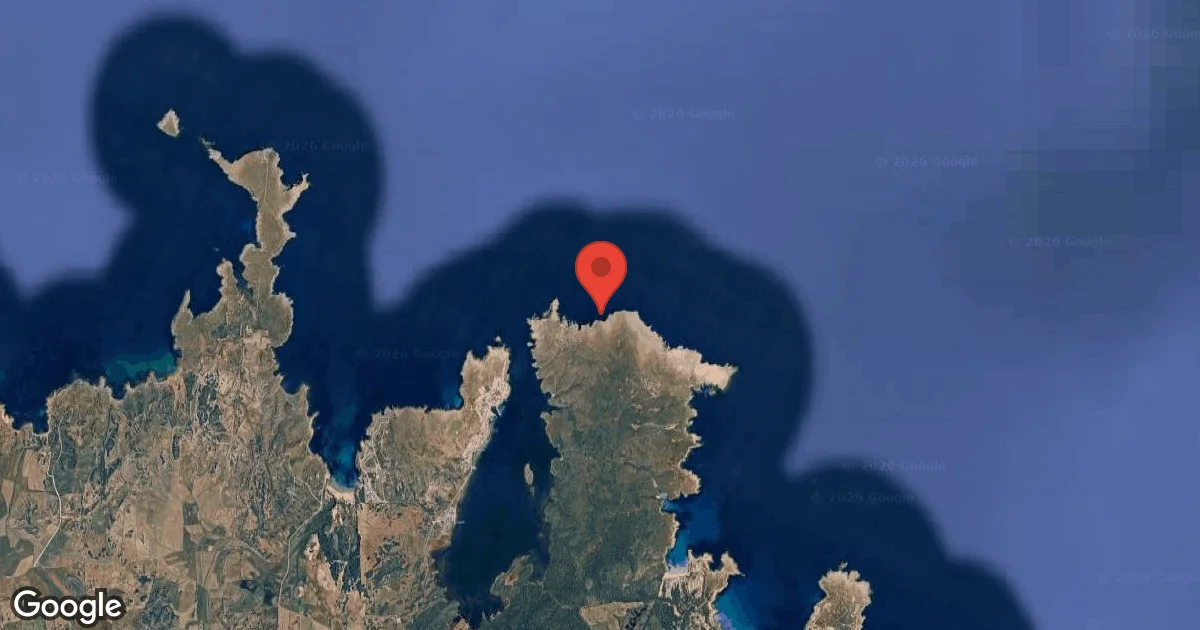
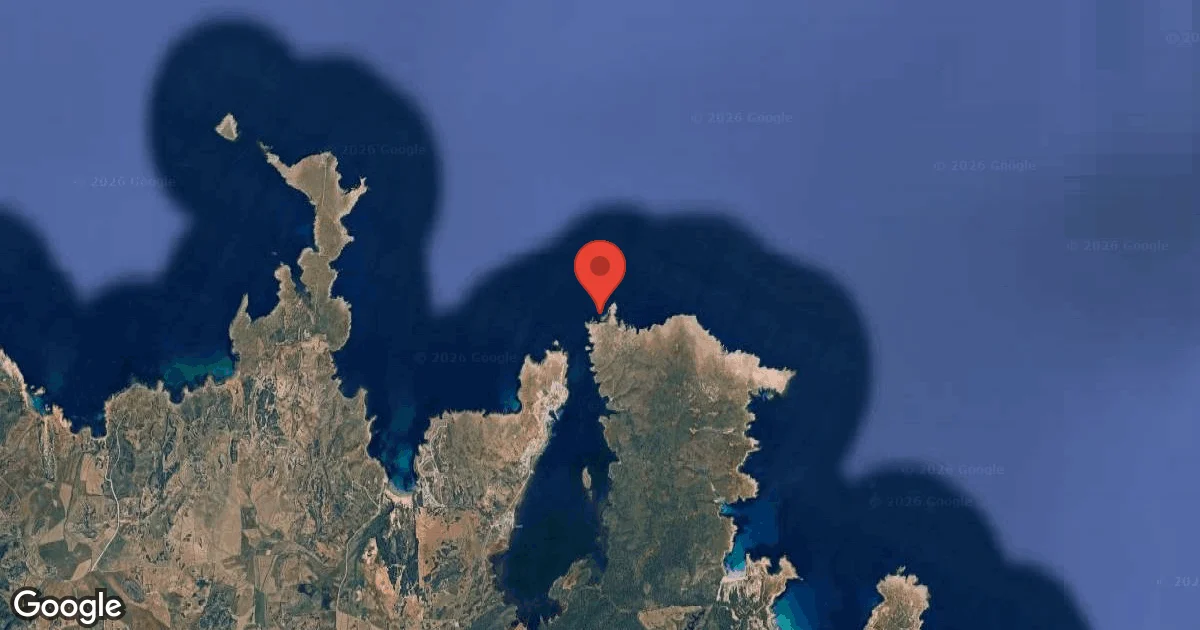
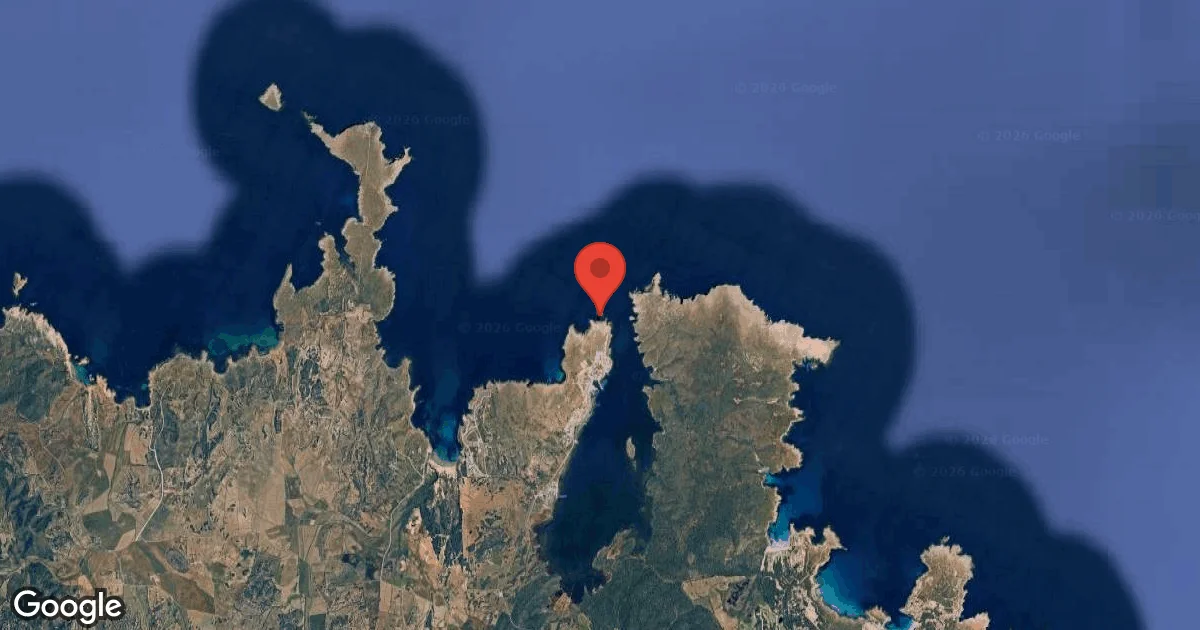
Dive Site Location & Key Facts
Dive Site Overview
Pared de la Illa Petita, meaning 'Wall of the Small Island,' presents a compelling dive in the region, distinct for its structural geology. Integrating elements of both a wall and a reef, the site hints at a dynamic underwater landscape.
Divers here generally encounter rocky formations that characterize the Mediterranean seabed, often with a mix of porous rock and ancient geological features. A 'cave' tag suggests opportunities for overhead environment exploration, demanding appropriate training and equipment for safe passage. It's an environment where divers can appreciate the geological forces that shaped the underwater terrain over millennia, creating intricate formations.
Such features allow for varied dive plans, from exploring the shallower reef top, abundant with small creatures and seagrass beds, to descending along the wall's face. This descent can potentially reveal hidden crevices and overhangs, each a potential home for marine life.
Natural contours of the wall dive often create diverse microhabitats, drawing a varied array of marine life typical for the local waters. It offers a tangible connection to the area's underwater geography, inviting thorough investigation of its rocky character and potential deeper sections that extend beyond typical recreational limits.
Conditions are Good
07:00 - 14:00
Optimal conditions expected
Current conditions near Pared de la Illa Petita show 25° air, 26° sea temperature, 0.9 m waves, and 26 km/h wind. Forecast data is refreshed regularly to ensure accuracy.
Best Time to Dive
Considering optimal conditions, the period from June through October generally offers the best diving at Pared de la Illa Petita, aligning with warmer air temperatures and calmer seas. June through August see average air temperatures ranging from 23.5°C (74°F) to 26°C (79°F), coupled with lower average rainfalls between 0.28 mm and 1.13 mm. These months typically provide improved surface comfort and a higher likelihood of smooth boat travel. As autumn approaches, September and October maintain good conditions, with average air temperatures still pleasant at 23°C (73.4°F) and 21°C (70°F) respectively. Visibility tends to be clearer during these periods, which is advantageous for exploring wall and reef structures. While water temperatures aren't specifically reported, they generally mirror the warmer air, making for more comfortable dives during these peak months.
PEAK SEASON SCORE
Scores combine air & water temps, waves, wind & rainfall for overall conditions.
BEST MONTHS TO DIVE
Monthly records compiled from satellite and marine observation nodes over the last 3 years. Data provided by Open-Meteo and MET Norway.
Dive Experience & Conditions
Descending upon Pared de la Illa Petita, divers will typically find the initial sections of the reef forming a plateau before transitioning into the 'wall' structure. While precise depths are not available, regional wall dives often start in shallower ranges, gradually sloping or dropping to greater depths. The structure itself is characterized by its rocky composition, with porous areas and potential gorgonian growth that contribute to its visual appeal. Visibility in these waters is generally good, often allowing clear views across the reef and down the wall face, enhancing the experience of exploring its vertical features. Current conditions can vary, from mild to occasional moderate flows along the wall, which experienced divers can utilize for drift diving if planned. These conditions emphasize the importance of good buoyancy control, especially when navigating close to the wall or exploring any 'cave' features noted in the site's tags.
Dive Difficulty & Safety Guidelines
Approaching Pared de la Illa Petita with an expert mindset means prioritizing thorough dive planning tailored to its wall and potential cave characteristics. Although specific hazards for this site aren't reported, divers should always be mindful of ambient currents, which can vary along wall structures. Maintaining excellent buoyancy control is crucial to prevent accidental contact with the delicate reef or disturbing any cave entrances.
If exploring deeper sections, which are common for wall dives in the region, ensure you have appropriate deep dive training or certifications. Many local sites with depths between 25-45 meters recommend using Nitrox to extend bottom time and enhance safety, a consideration for those planning extensive exploration here.
Always dive with a reliable buddy and carry an underwater light to fully appreciate the marine life and structural details in shadowed areas or potential overhead environments.
Recommended Equipment
Overhead environment. Do not enter beyond training and gas planning limits.
- Dive Computer
- Primary & Backup Lights
- Reel / Spool
- Cutting Tool
This gear list is based on verified equipment signals for Pared de la Illa Petita, Spain. Always confirm final gear choices with your dive operator, guide, or liveaboard.
Recommended Dive Suit
The latest conditions reported around Pared de la Illa Petita place the water temperature close to 26°C (79°F). Surface air temperatures are resting at 25°C (76°F).
2-3mm shorty or light wetsuit generally offers enough warmth for most dives under these conditions. A hood or vest is suggested for sensitive divers due to surface winds.
Forecast conditions over the next few days suggest temperatures will remain relatively stable.
Due to technical issues with our weather providers, live updates are temporarily delayed. The data above reflects the conditions at the time of the last successful fetch.
Emergency & Medical Support
Essential information to help you plan your dive trip to PARED DE LA ILLA PETITA.

Hyperbaric chambers are a critical part of dive safety infrastructure. Availability varies significantly by region, and not all dive areas have immediate access.
Before diving, it's recommended to:
- confirm nearest medical facilities
- check emergency procedures with local dive operators
- ensure dive insurance covers evacuation if required
Divers Alert Network
Diving emergency assistance available through DAN Europe.
+39 0642115685- 24/7 emergency hotline
- Diving medical assistance
- Evacuation coordination
Emergency contacts are provided for reference. Always verify local emergency services before diving.
Closest Listed Hyperbaric Chambers
Showing listed hyperbaric chamber facilities within 200 km of this dive site.
Distances are approximate straight-line distances and may not reflect emergency travel time.
Underwater and Hyperbaric Medicine
Palma de Mallorca, Spain•Approx. 144 km straight-line
Underwater and Hyperbaric Medicine
Information is provided for reference and planning purposes only. Dive Navigator does not verify operational status, staffing, availability, or quality of care at listed facilities. In an emergency, contact local emergency services, DAN, your dive operator, or the chamber directly. Do not travel to a facility without calling ahead.
Marine Life at Pared de la Illa Petita
Observing the wall and reef sections of Pared de la Illa Petita, divers often notice the 'infinity of underwater life' common to these local waters. Typical Mediterranean reef inhabitants can be found sheltering within the rock formations and along the wall.
Keep an eye out for diverse invertebrates clinging to the porous rock and, in areas of good current, there's a chance to spot good-sized gorgonians. Smaller fish species often congregate around the reef's ledges, while pelagic species might pass by in the blue.
The varied topography, with its mix of wall and reef features, provides a rich environment for a range of marine organisms.

Dive Sites Near Pared de la Illa Petita
View all dive sites in SpainDiscover more underwater gems in this area.
Dive Centers Near Pared de la Illa Petita
Today: 09:00 - 09:304-6
Nearest Airports
Nearest airports to help plan travel to this dive area.
Search Flights
Check available flights and routes on Expedia, using the nearby airports listed in this section.
Search Flights on ExpediaFrequently Asked Questions
What is the typical depth range for Pared de la Illa Petita?
While precise depth data for this specific site is not consistently reported, similar wall and reef dives in the region can range from shallow sections at 15-20 m (50-65 ft) to deeper areas reaching 30-45 m (100-150 ft). Divers should plan their profile based on their certification and comfort level.
Is Pared de la Illa Petita suitable for beginners?
The site can accommodate various skill levels. Shallower sections of the reef and the upper part of the wall may be accessible to Open Water divers. However, any deeper sections or noted cave environments would require advanced training and experience.
What kind of marine life can I expect to see?
Pared de la Illa Petita, as a Mediterranean reef and wall dive, typically hosts a variety of marine life. You can expect to encounter diverse invertebrates, sponges, schooling fish, and potentially larger pelagic species in the blue. Specific sightings vary with conditions and time of year.
Are there any strong currents at the site?
Currents at wall dive sites like Pared de la Illa Petita can vary. Conditions might range from calm to moderate, depending on local weather patterns and tides. Always check local reports on the day of your dive and be prepared for potential changes.
Is a dive light necessary for this site?
Yes, carrying an underwater light is highly recommended. It helps illuminate the natural colors of marine life and rock formations that are often muted at depth. It's also essential for exploring any potential caves or darker crevices along the wall.
Is Nitrox recommended for diving here?
Nitrox is often recommended for dives in the region that involve deeper profiles or extended bottom times, especially if you plan to explore the deeper sections of Pared de la Illa Petita. Consult with your dive center for specific recommendations based on your planned dive.
Planning to dive Pared de la Illa Petita?
Send one inquiry and receive offers directly from the best verified local dive operators.
Conditions are Good
07:00 - 14:00
Optimal conditions expected
Current conditions near Pared de la Illa Petita show 25° air, 26° sea temperature, 0.9 m waves, and 26 km/h wind. Forecast data is refreshed regularly to ensure accuracy.