
Diving at Punta D’Es Morter (Spain)
Beneath the often mild Mediterranean surface, Punta d’es Morter provides a dive experience suitable for various skill levels. Situated on the edge of the Fornells Reserve, the site often experiences calmer conditions, with average wave heights during peak summer dive months dropping below 1 meter (3 feet). Distinctive underwater architecture characterizes the dive, making it well-regarded among divers.
Tonight's objective overview for Punta D’Es Morter shows an air temperature of 30.5°C. The measured surface conditions include wave heights around 0.5 m. This environmental data is logged for the close of the day.
Dive Site Location & Key Facts
Dive Site Overview
Punta d’es Morter presents a complex underwater landscape, featuring an array of pinnacles, canyons, and natural tunnels. Divers explore numerous holes and crevices across the seafloor, creating an intricate environment.
A notable highlight often includes a unique “cenote” experience; here, natural backlighting filters through the water, creating a visually striking effect reminiscent of freshwater sinkholes. Such light play offers a memorable visual spectacle, enhancing the overall dive. For many, a straightforward diving profile makes it accessible for a wide range of certifications.
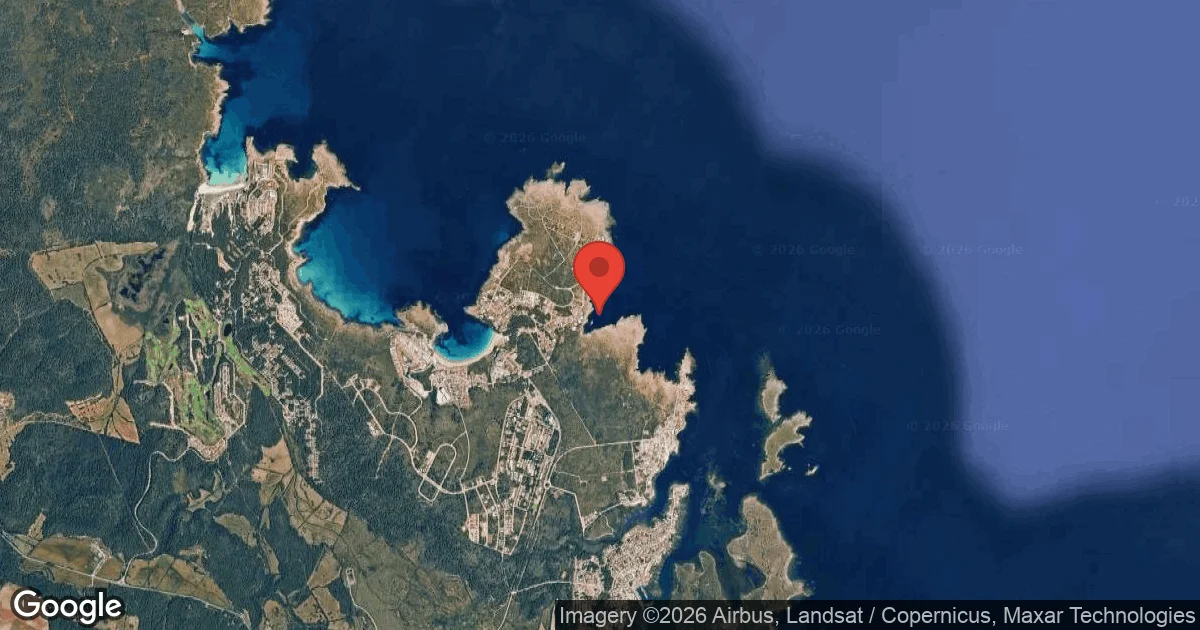
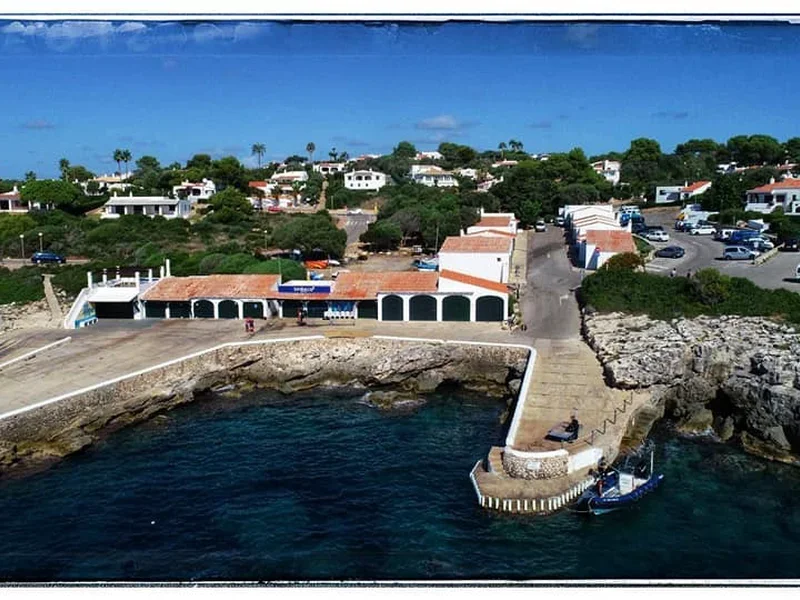
Departing from the mouth of Fornells Bay, the site rests directly on the edge of a significant marine reserve, suggesting potential for varied observations and a healthy ecosystem. Recreational depth at Punta d’es Morter is documented at 25 m (82 ft), accommodating open water and more experienced divers within established limits.
Dive plans here often involve navigating various swim-throughs, adding an element of exploration without demanding advanced technical skills. Geological features provide ample opportunity for detailed inspection, rather than focusing purely on pelagic encounters.
Conditions are Good
Optimal conditions expected
Current conditions near Punta D’Es Morter show 30° air, 26° sea temperature, 1.2 m waves, and 17 km/h wind. Forecast data is refreshed regularly to ensure accuracy.
Best Time to Dive
Divers seeking optimal conditions at Punta d’es Morter generally target the months from June to October, when dive scores consistently rate as 'Good' or 'Moderate'. During this period, air temperatures are comfortably warm, ranging from 23.5°C (74°F) in June to 21°C (70°F) in October. Rainfall is minimal, with July and August seeing the lowest averages at 0.28 mm and 1.12 mm respectively, which typically results in better surface conditions. Wave heights are also at their lowest during the summer, particularly in June with an average of 0.7 meters (2.3 feet), making boat access smoother. While specific water temperatures are not consistently reported for this location, the general trend for Mediterranean sites indicates warmer waters during these months, improving comfort. Earlier spring months from March to May also present 'Good' dive scores, with increasing air temperatures and manageable conditions, though water might be cooler.
PEAK SEASON SCORE
Scores combine air & water temps, waves, wind & rainfall for overall conditions.
BEST MONTHS TO DIVE
Monthly records compiled from satellite and marine observation nodes over the last 3 years. Data provided by Open-Meteo and MET Norway.
Dive Experience & Conditions
Access to Punta d’es Morter is typically by boat, departing from Fornells Bay. It's a relatively simple dive, suitable for all certification levels, including open water and more experienced divers. Geological formations like pinnacles and canyons characterize diving here, presenting a mix of wall and ocean environments. Divers frequently navigate tunnels and various holes, exploring the intricate topography. While the maximum depth reaches around 25 m (82 ft), shallower sections offer ample opportunities for exploration. Visibility varies depending on local currents and weather, but general Mediterranean conditions often provide clear water. Wind speeds average lower from June to September, influencing surface chop and overall comfort for boat trips.
Dive Difficulty & Safety Guidelines
While Punta d’es Morter accommodates all skill levels, divers should remain aware of their depth and air consumption, especially when exploring tunnels and intricate rock formations. A maximum depth of 25 meters (82 feet) aligns with advanced open water certification limits. Always dive within your certified training and comfort zone.
Given the boat access, proper briefing on entry and exit procedures is crucial. Consistently reported specific hazards beyond general dive safety considerations like current checks are not documented for Punta d’es Morter; conditions vary. Divers should always plan their dive, dive their plan, and carry a dive computer.
Recommended Equipment
- Dive Computer
- DSMB
This gear list is based on verified equipment signals for Punta D’Es Morter, Spain. Always confirm final gear choices with your dive operator, guide, or liveaboard.
Recommended Dive Suit
According to recent observations, water temperatures near Punta D’Es Morter are approximately 26°C (79°F). Surface air temperatures are resting at 30°C (87°F).
A modest cooling trend is expected in the upcoming forecast. Cooler days are ahead; you might want a warmer option for later in the week. A neoprene vest or hood can add flexibility if temperatures feel cooler underwater.
Divers who prefer moderate insulation typically choose 2-3mm shorty or light wetsuit in similar environments. A hood or vest is suggested for sensitive divers due to surface winds. Many experienced divers adjust their exposure protection depending on the type of dive planned.
Due to technical issues with our weather providers, data hasn't been fetched for over 48 hours. The data above reflects the conditions at the time of the last successful fetch.
Emergency & Medical Support
Essential information to help you plan your dive trip to Punta d’es Morter.

Hyperbaric chambers are a critical part of dive safety infrastructure. Availability varies significantly by region, and not all dive areas have immediate access.
Before diving, it's recommended to:
- confirm nearest medical facilities
- check emergency procedures with local dive operators
- ensure dive insurance covers evacuation if required
Divers Alert Network
Diving emergency assistance available through DAN Europe.
+39 0642115685- 24/7 emergency hotline
- Diving medical assistance
- Evacuation coordination
Emergency contacts are provided for reference. Always verify local emergency services before diving.
Closest Listed Hyperbaric Chambers
Showing listed hyperbaric chamber facilities within 200 km of this dive site.
Distances are approximate straight-line distances and may not reflect emergency travel time.
Underwater and Hyperbaric Medicine
Palma de Mallorca, Spain•Approx. 140 km straight-line
Underwater and Hyperbaric Medicine
Information is provided for reference and planning purposes only. Dive Navigator does not verify operational status, staffing, availability, or quality of care at listed facilities. In an emergency, contact local emergency services, DAN, your dive operator, or the chamber directly. Do not travel to a facility without calling ahead.
Marine Life at Punta D’Es Morter
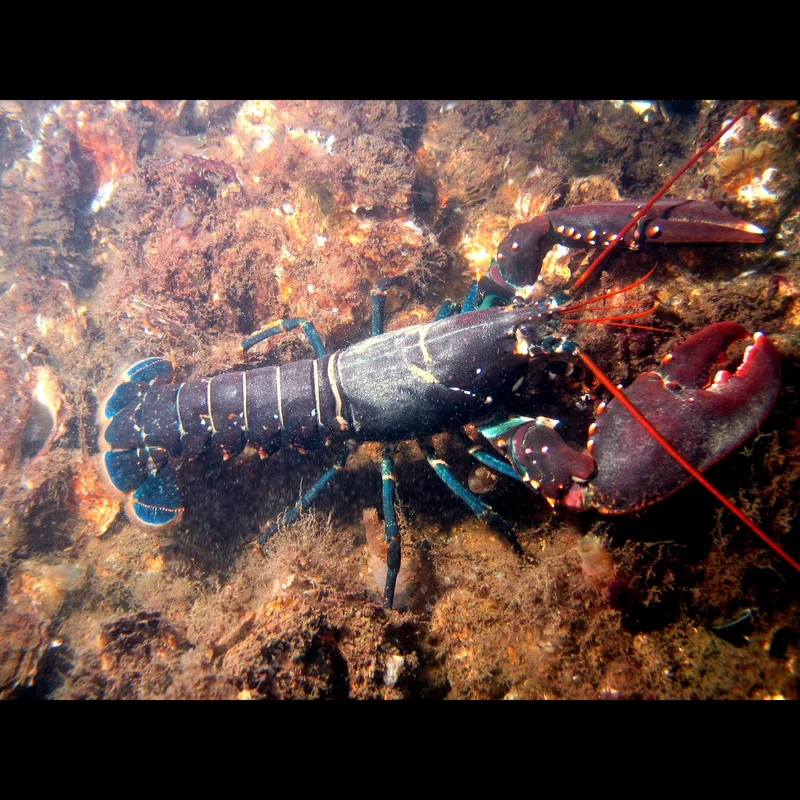
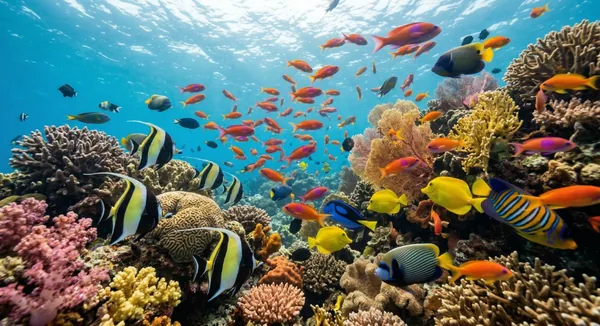
Diverse marine life thrives within the reserve's boundaries, supported by Punta d’es Morter's varied underwater topography. Divers can look for lobsters and octopus tucked into the numerous holes and crevices.
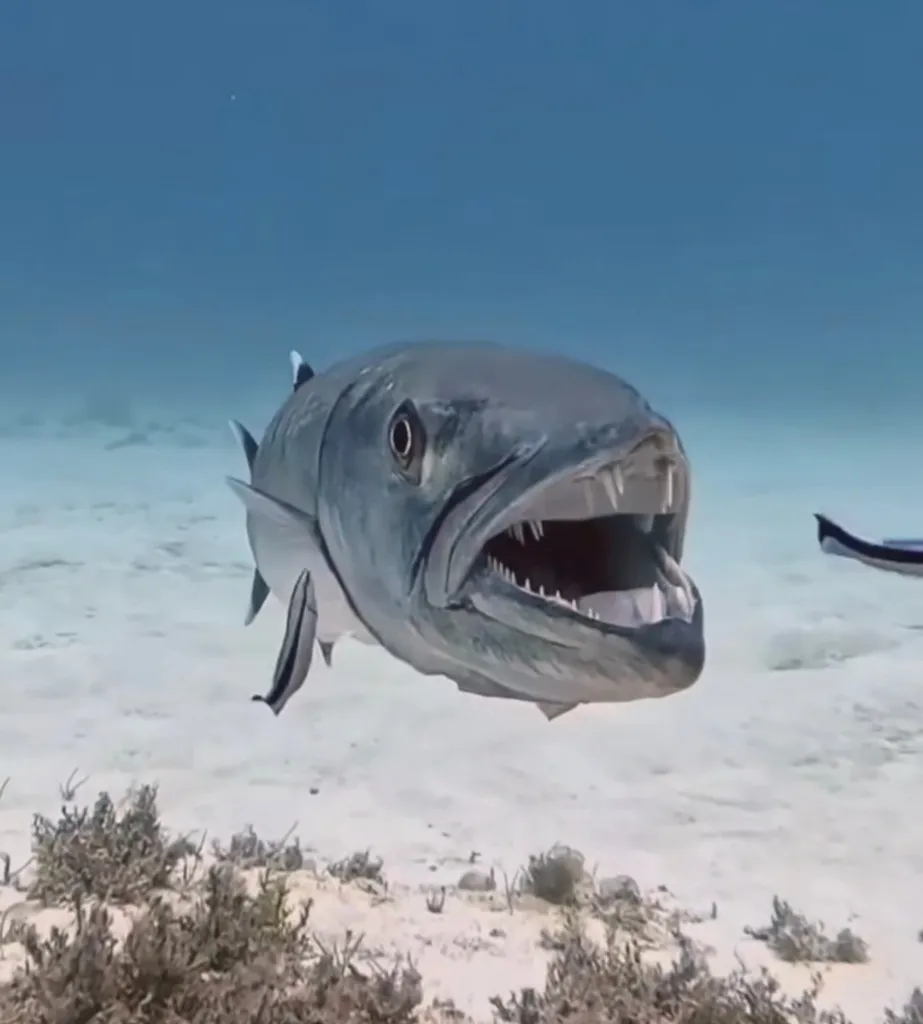
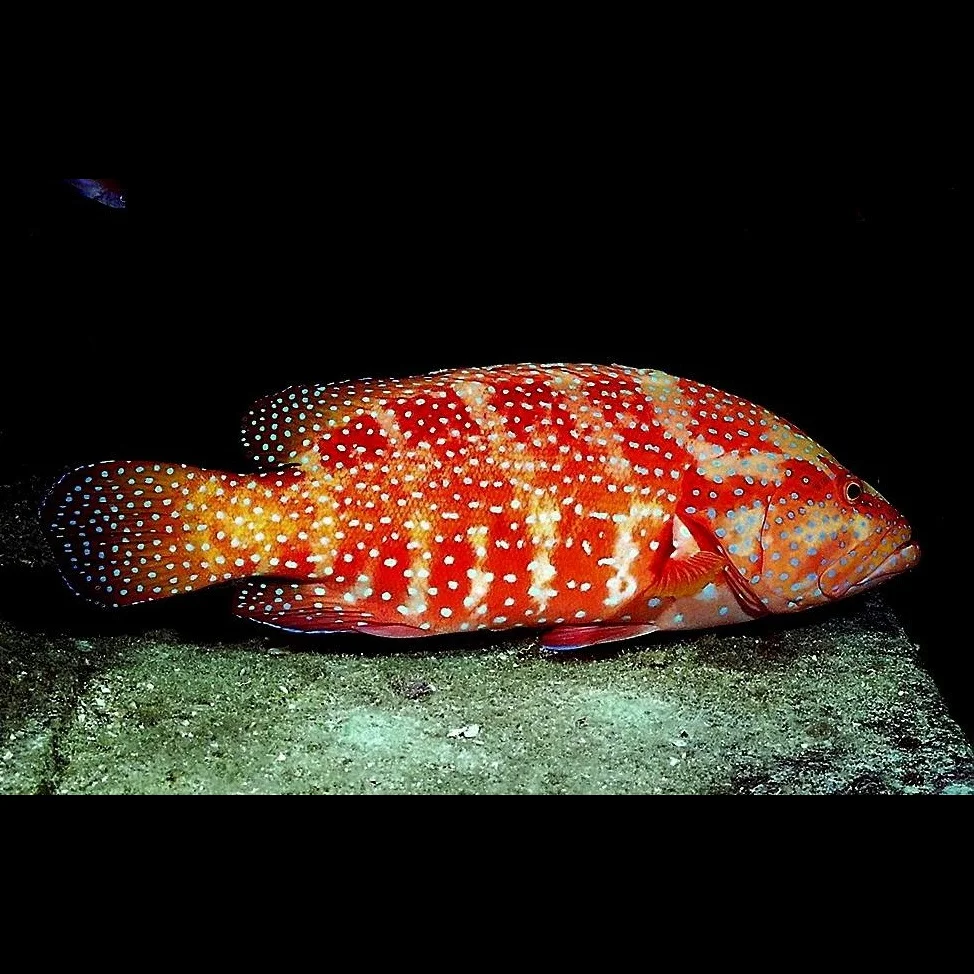
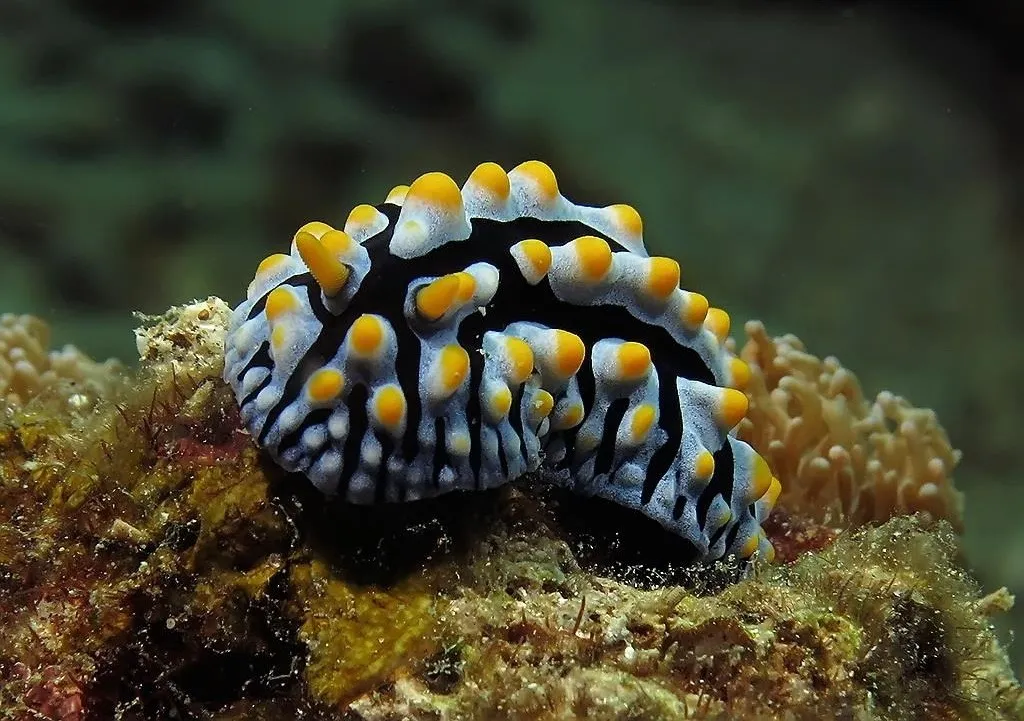
Eels and nudibranchs are frequently observed along the walls and within the more sheltered areas of the site. Larger fish like barracudas and groupers may be encountered in the blue or near deeper sections.
Nearby Posidonia patches suggest a rich habitat for smaller species and juvenile fish, contributing to the overall biodiversity of the site. Specific sightings will depend on the time of year and prevailing conditions.
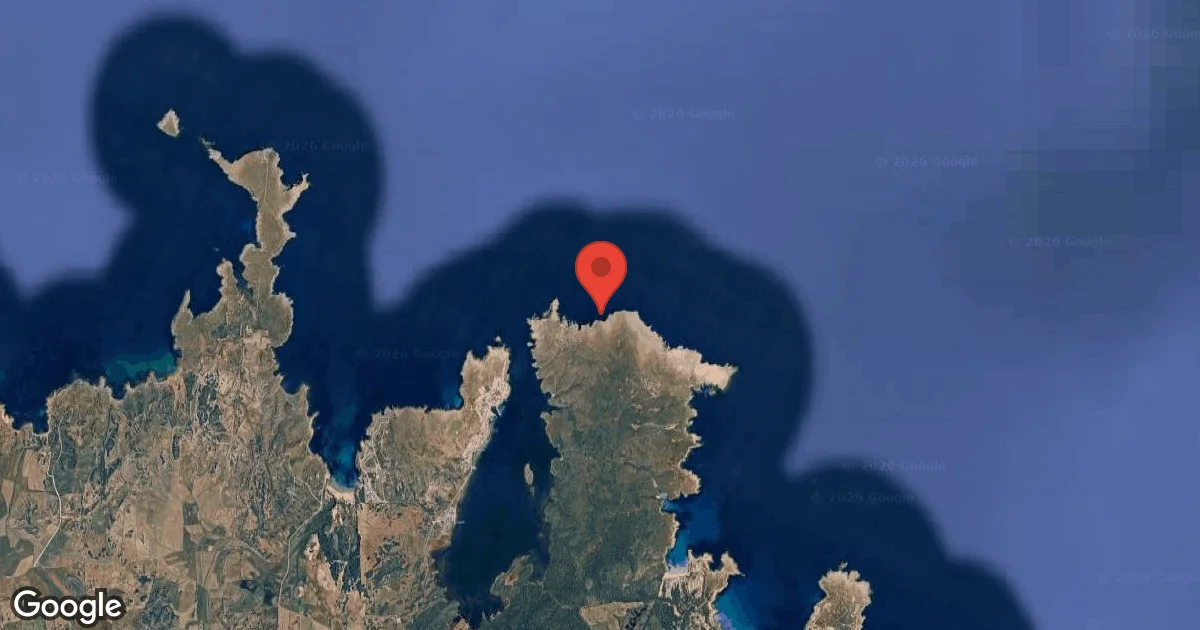
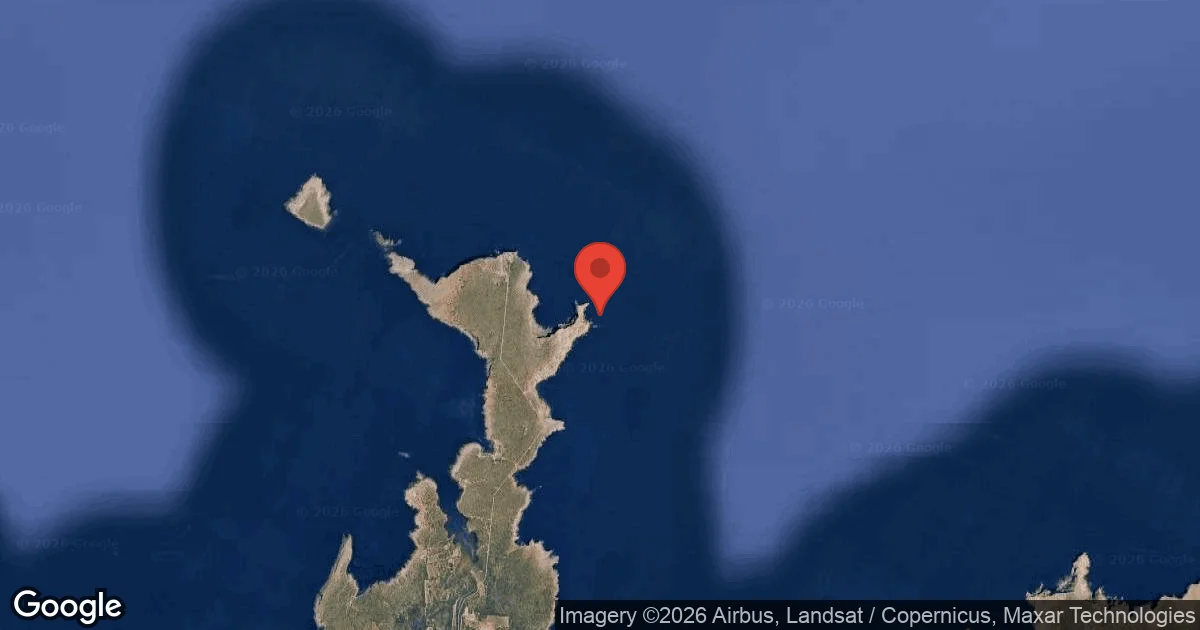
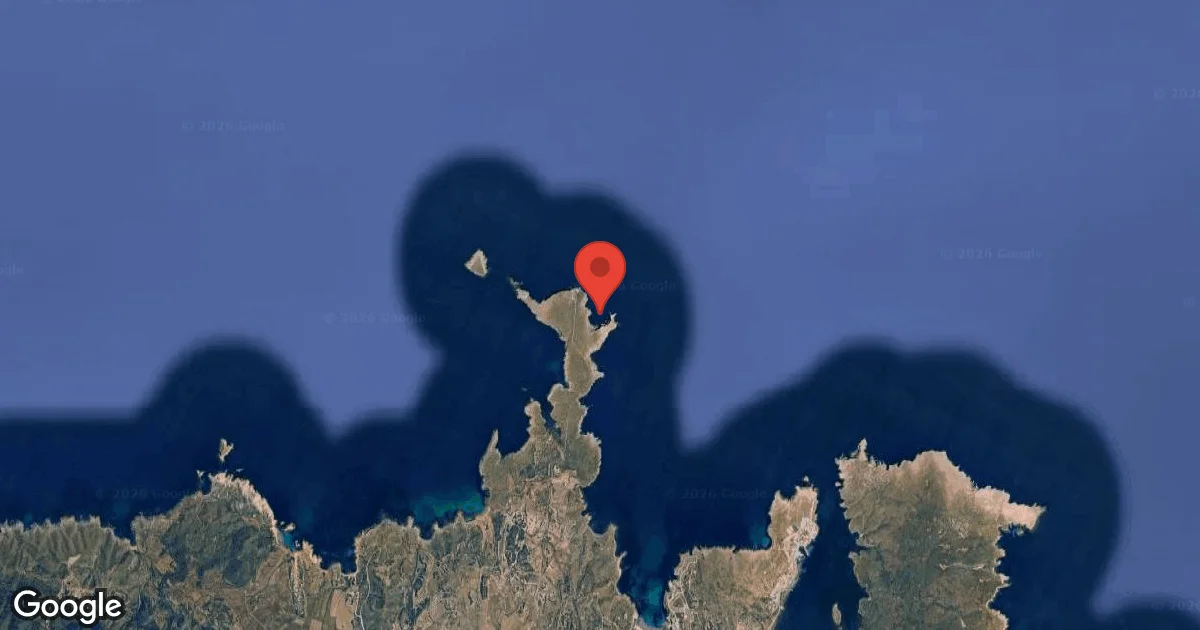
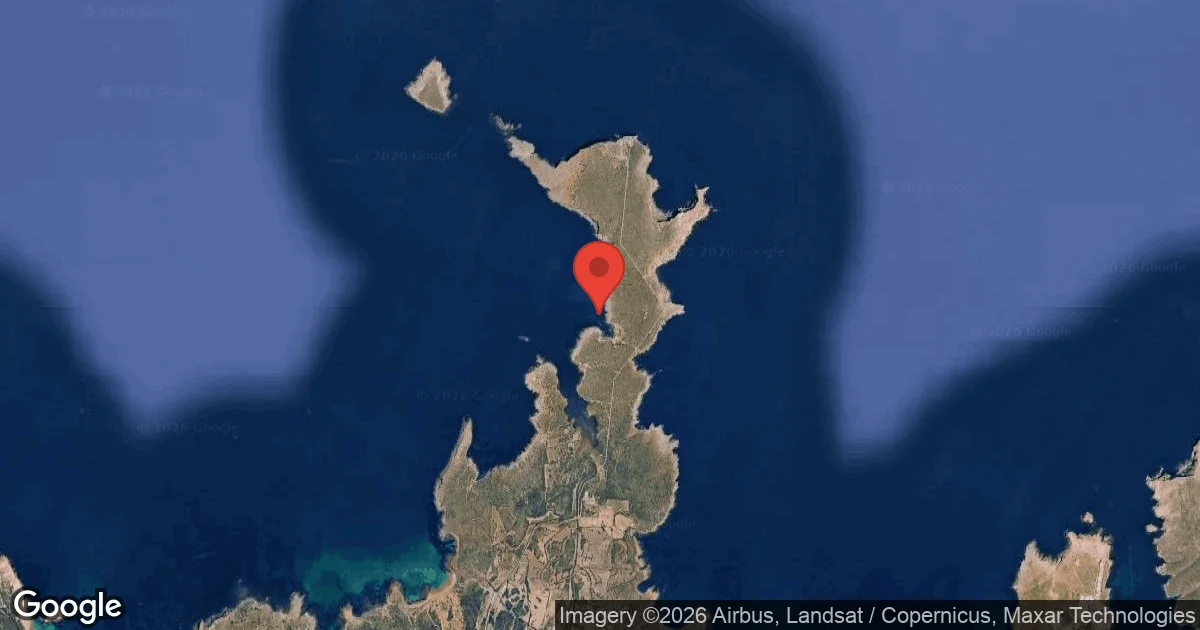
Dive Sites Near Punta D’Es Morter
View all dive sites in SpainDiscover more underwater gems in this area.
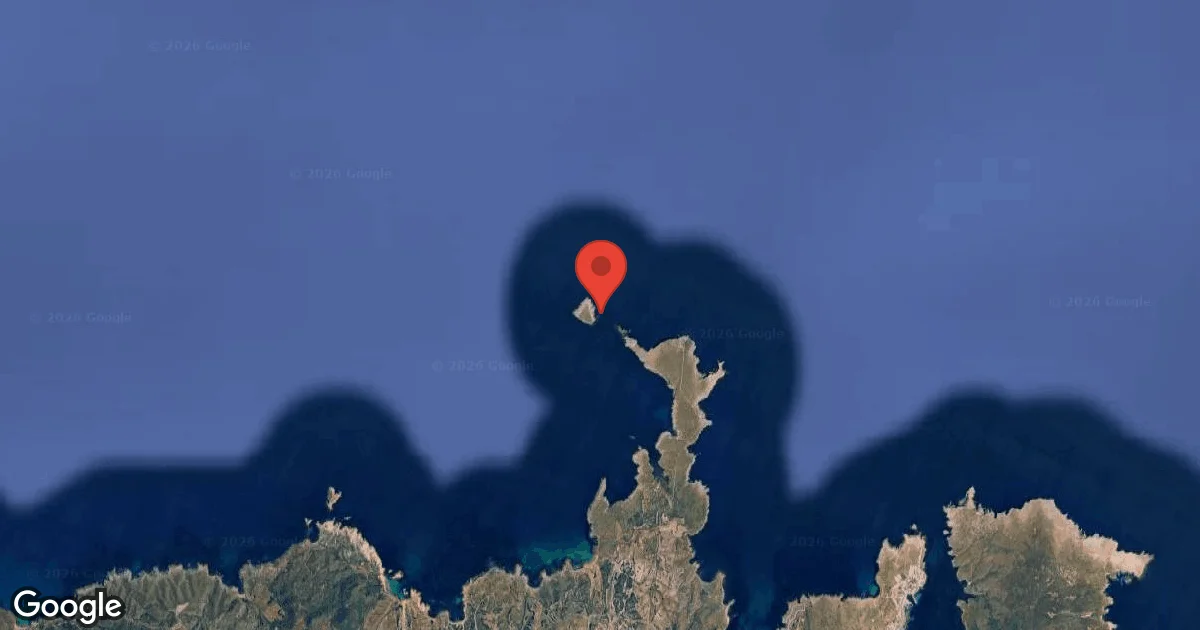
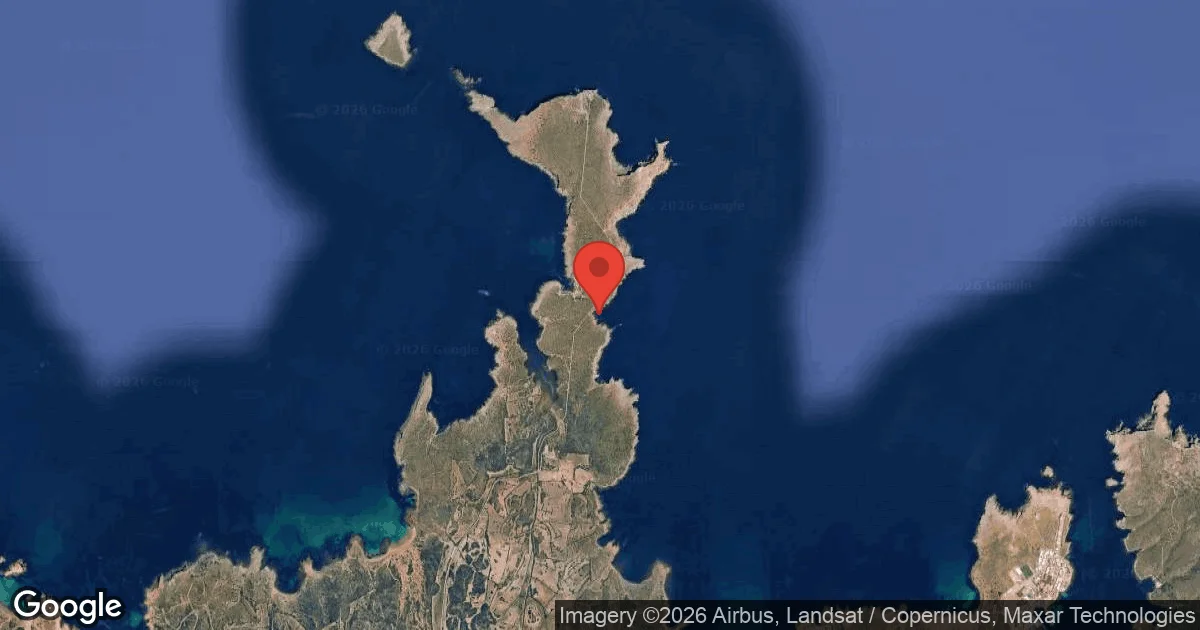
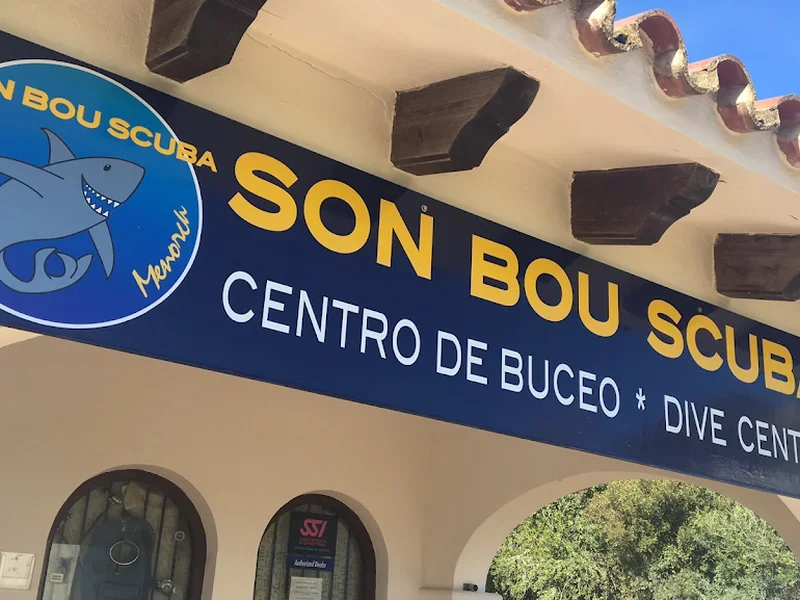
Dive Centers Near Punta D’Es Morter
Today: 09:00 - 09:304-6
Nearest Airports
Nearest airports to help plan travel to this dive area.
Search Flights
Check available flights and routes on Expedia, using the nearby airports listed in this section.
Search Flights on ExpediaFrequently Asked Questions
What is the typical dive difficulty at Punta d’es Morter?
Punta d’es Morter is considered a simple dive, suitable for all certification levels. It accommodates both Open Water and more experienced divers looking for straightforward exploration.
How do divers access Punta d’es Morter?
Access to this dive site is typically by boat. Operators usually depart from the mouth of Fornells Bay to reach the location efficiently.
Are there any unique features at Punta d’es Morter?
Yes, the site features a distinctive 'cenote' where natural backlighting creates a beautiful visual effect. Divers will also find pinnacles, canyons, tunnels, and numerous holes to explore.
What is the maximum depth for diving at Punta d’es Morter?
Maximum recreational depth at Punta d’es Morter is 25 meters (82 feet). Shallower sections are also available for exploration.
What marine life can be seen at Punta d’es Morter?
Divers may encounter lobsters and octopus hiding in crevices, as well as eels and nudibranchs. Barracudas and groupers can sometimes be seen in the open water or around the deeper rock formations.
When is the best time to dive at Punta d’es Morter?
Optimal diving months generally span June to October. During this period, air temperatures are warmer, rainfall is minimal, and wave heights are typically lower, resulting in a more comfortable diving experience.
Are there specific safety concerns or guidelines for this site?
Divers should always adhere to their certification limits and monitor air consumption, especially when exploring confined spaces like tunnels. While no specific hazards are consistently reported for the site, general dive safety protocols and checking for local currents are advised.
Is Punta d’es Morter part of a marine reserve?
Yes, Punta d’es Morter lies directly on the edge of the North Marine Reserve in Menorca. Its proximity often contributes to the health and diversity of the marine environment.
Planning to dive Punta D’Es Morter?
Send one inquiry and receive offers directly from the best verified local dive operators.
Conditions are Good
Optimal conditions expected
Current conditions near Punta D’Es Morter show 30° air, 26° sea temperature, 1.2 m waves, and 17 km/h wind. Forecast data is refreshed regularly to ensure accuracy.