
Diving in Spain
Across Spain, underwater environments vary, creating a range of diving conditions to consider. At present, 323 dive sites are recorded on our platform for Spain. It provides a clearer overview of available dive options.
Spain's diving landscape spans the Atlantic Ocean and the Mediterranean Sea, creating distinctly different underwater environments. This geographical breadth presents divers with diverse experiences, from volcanic seascapes to historic wrecks and marine reserves. The Canary Islands, in the Atlantic, provide stable conditions suitable for year-round exploration.
Conversely, the mainland's eastern and southern coasts, along with the Balearic Islands, are influenced by the Mediterranean. Here, regions like Costa Brava and Murcia provide varied dive sites, including the Medes Islands Marine Reserve and the well-preserved wrecks of Cabo de Palos. The Balearic archipelago, comprising Mallorca, Menorca, and Ibiza, diversifies the Mediterranean offering with its limestone caves and expansive reef systems.
This continental and insular spread ensures a wide array of dive types. Abundant reef diving is a consistent feature, and divers can also anticipate frequent drift opportunities and the exploration of numerous wrecks. Whether exploring the geological wonders of the Atlantic or the historical sites of the Mediterranean, Spain provides varied access points and underwater topography for comprehensive dive planning.
Dive Map of Spain
Understanding Spain's diving potential is best approached through its distinct regional segmentation, each offering unique underwater characteristics. The Atlantic-influenced Canary Islands, including Lanzarote, Tenerife, and Gran Canaria, showcase dramatic volcanic landscapes. These islands present a rugged topography of lava flows and underwater caves, providing a specific environment for Atlantic marine species and sites like the Underwater Museum.
Moving to the Mediterranean, the Balearic Islands—Mallorca, Menorca, and Ibiza—present a different appeal. Here, divers encounter extensive limestone cave systems, such as Sa Gleda, and protected seagrass meadows that define the unique biodiversity of the region. These islands are notable for their clear waters and a mix of natural formations and historical elements within areas like Cabrera National Park.
The Mediterranean mainland further diversifies the offering. Regions like Costa Brava in Catalonia and Murcia provide access to significant marine reserves, including the Medes Islands and Islas Hormigas. These areas are characterized by thriving coral ecosystems and numerous historical wrecks, such as the Reggio Messina and those near Cabo de Palos. Each segment provides a distinct underwater identity.
Dive Sites to Explore
View all 323 sites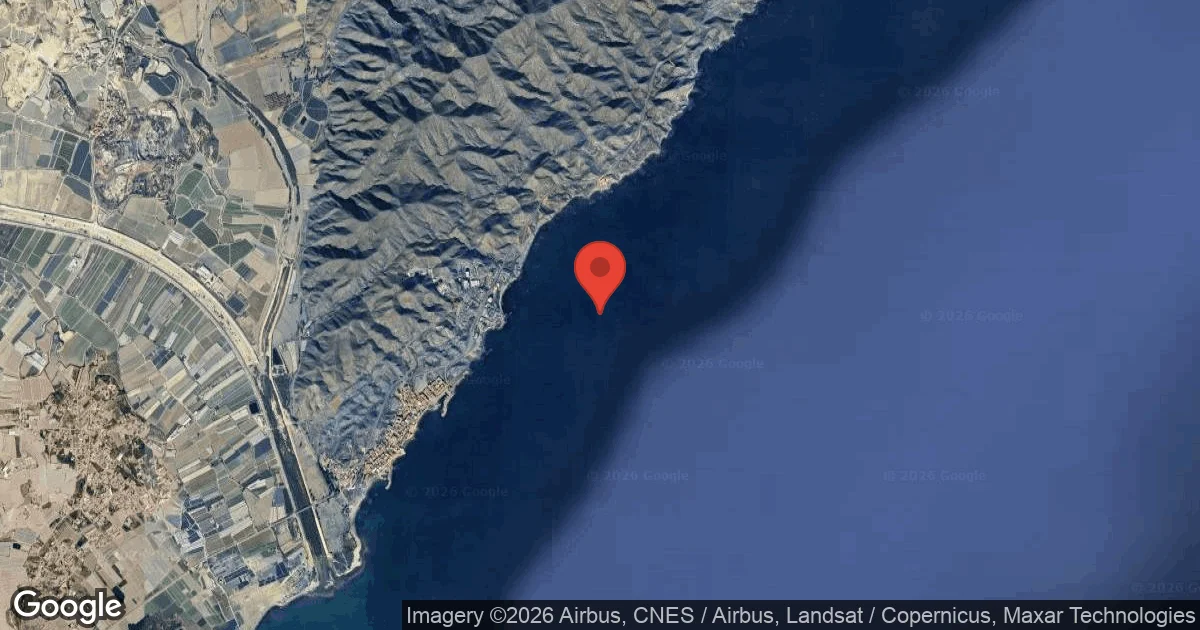
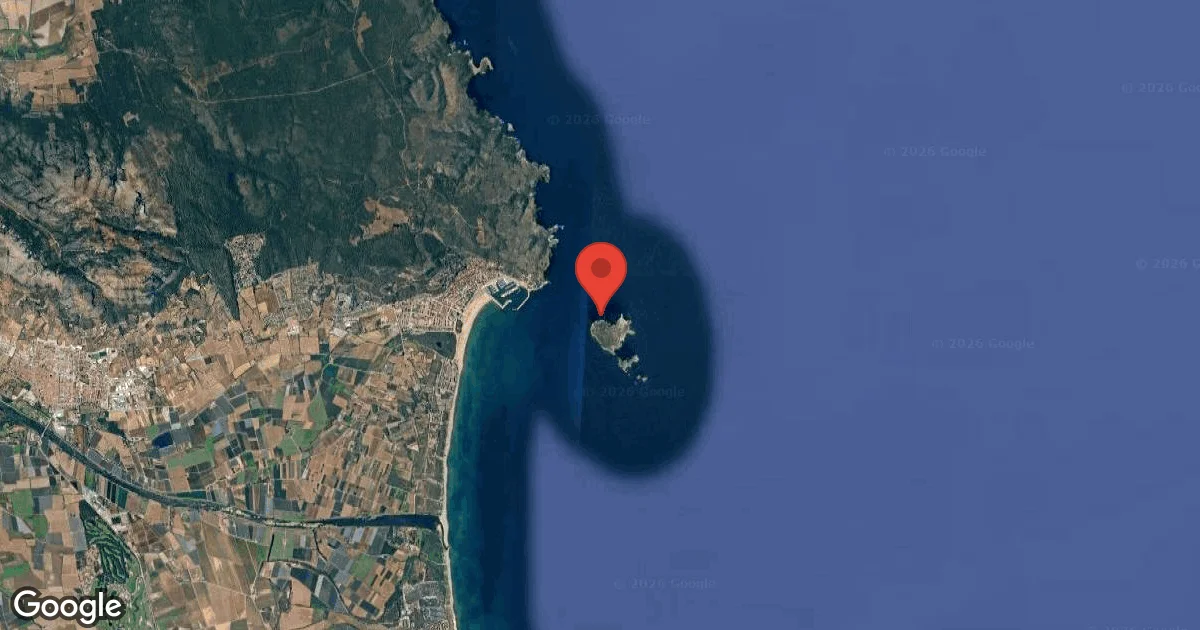
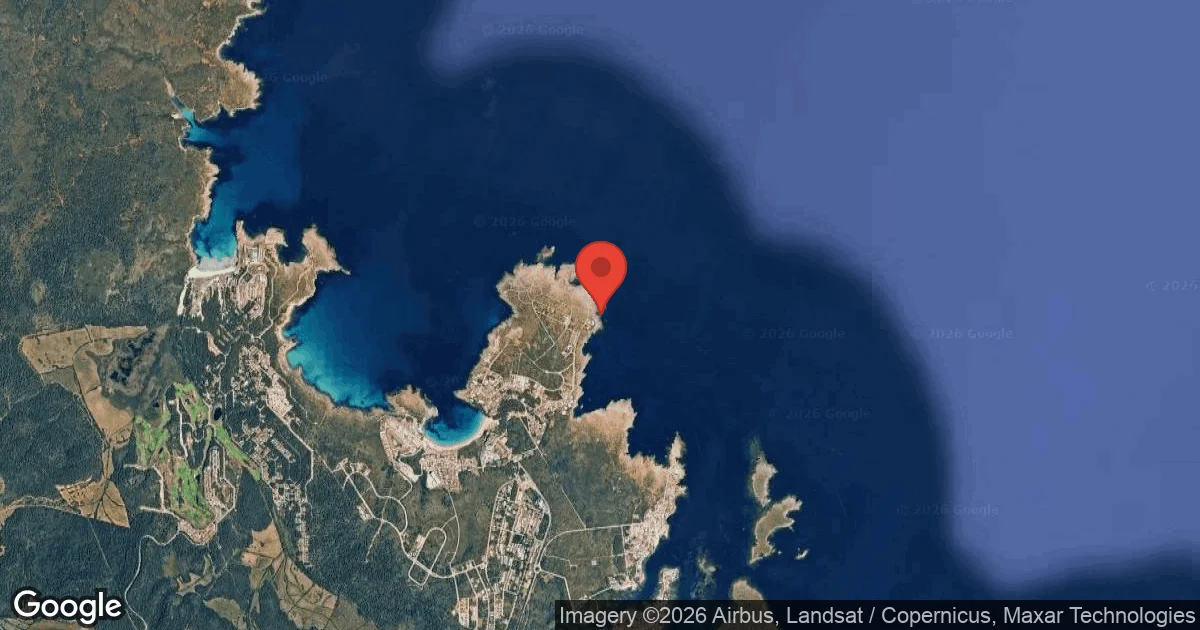
Spain presents a compelling collection of dive sites, with several standing out for their unique features and biological significance. Islas Hormigas Marine Park, located near Mar Menor, is a prime example of a protected area offering thriving marine ecosystems. Divers here can explore coral-encrusted wrecks and encounter diverse species.
Near Barcelona and Tarragona, the wreck of a World War II bomber plane, the Heinkel, offers a historical dive for those interested in artificial reefs. Moving to the Costa Brava region, the Medes Islands Marine Reserve contains sites like Dolphin’s Cave, known for its caves and tunnels. Another prominent wreck in Costa Brava is the Reggio Messina, the largest in the area.
In the Canary Islands, Lanzarote hosts the unique Underwater Museum, an artistic installation that also functions as a thriving habitat. Fuerteventura offers Salinas Reef, noted for its marine diversity and suitability for various diver levels. Gran Canaria features El Cabron, recognized for its volcanic rock formations and associated marine life, including trumpetfish and parrotfish. Visibility at many of these sites can range from 10 to 30 meters (33-98 ft), peaking even further in optimal conditions.
Best Time to Dive in Spain
Defining the optimal windows for diving in Spain requires considering its dual coastlines: the Mediterranean and the Atlantic. The main diving season for Mediterranean sites generally extends from May to October, providing warm water, calm seas, and excellent visibility. During the summer months, from June to September, water temperatures are at their highest, reaching between 20°C and 25°C (68-77°F).
Spring (April to June) and autumn (October to December) offer quieter diving experiences with slightly cooler temperatures but often good visibility. For regions like Costa Brava, April to June is a transition period with improving conditions and rising water temperatures, reaching 17-19°C (63-66°F). Visibility remains good, often between 15 and 20 meters (49-66 ft).
The Canary Islands, influenced by the Atlantic, offer a year-round diving destination with stable conditions. While the Mediterranean experiences cooler winter months, from December to February, with water temperatures dropping to 13-15°C (55-59°F) and reduced visibility, the Canary Islands maintain mild water temperatures throughout the year. This makes them a reliable choice for winter diving, sometimes even offering peak visibility during these months.
Monthly Sea Temperatures
Diver comfort levels in Spain's waters are largely dictated by the region and time of year. The Mediterranean Sea, encompassing areas like Costa Brava and the Balearic Islands, experiences its warmest temperatures from June to September, typically ranging from 20°C to 25°C (68-77°F). During this period, a 3mm or 5mm wetsuit is usually sufficient for comfort.
During spring and fall, water temperatures cool to an average of 16°C to 20°C (61-68°F), suggesting a thicker 7mm wetsuit or semi-dry suit. Winter months, from December to February, present the coldest conditions, with temperatures dropping to 13°C to 15°C (55-59°F). Drysuits or very thick wetsuits are recommended for diving during this period.
In contrast, the Canary Islands, situated in the Atlantic, benefit from milder water temperatures that remain relatively warm almost all year. While specific ranges vary by island, these waters generally allow for comfortable diving with a 5mm or 7mm wetsuit for much of the year, avoiding the colder extremes of the Mediterranean mainland.
| Jan | Feb | Mar | Apr | May | Jun | Jul | Aug | Sep | Oct | Nov | Dec | |
|---|---|---|---|---|---|---|---|---|---|---|---|---|
| Max | 14° | 14° | 14° | 15° | 16° | 18° | 20° | 20° | 20° | 19° | 17° | 15° |
| Avg | 14° | 13° | 13° | 14° | 15° | 16° | 18° | 19° | 19° | 17° | 16° | 14° |
| Min | 13° | 12° | 12° | 13° | 13° | 15° | 16° | 17° | 17° | 16° | 15° | 13° |
Dive Conditions
Dive conditions in Spain vary significantly across its diverse underwater topography, with visibility and currents being primary factors. Visibility is often optimal during the warmer months, particularly from May to September in Mediterranean areas like Costa Brava, where it can reach up to 30 meters (98 ft). During this period, visibility frequently exceeds 20 meters (65 ft), enhancing exploration of underwater landscapes.
However, visibility can be reduced during winter months, sometimes dropping to 10 meters (33 ft) or less, mainly due to increased weather disturbances and water movement. This is also when plankton blooms can occasionally reduce clarity. In spring and fall, visibility typically ranges between 15 to 20 meters (49-66 ft).
Currents are generally mild in many Mediterranean sites, especially during the summer, contributing to calm sea conditions. However, specific sites, particularly those in more exposed areas or marine parks like Islas Hormigas or the Columbretes Islands, may experience stronger currents. The Canary Islands typically offer stable Atlantic conditions, though local currents can influence specific volcanic dive sites.
Marine Life Highlights
Most Mentioned Species
Marine life in Spain varies across dive locations, with different species appearing depending on environment and conditions. The species highlighted here are the most frequently associated with dive sites in our data, offering a realistic overview of what divers are most likely to encounter.
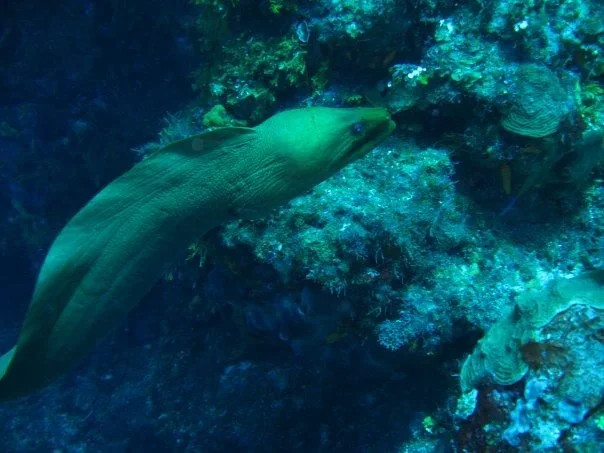
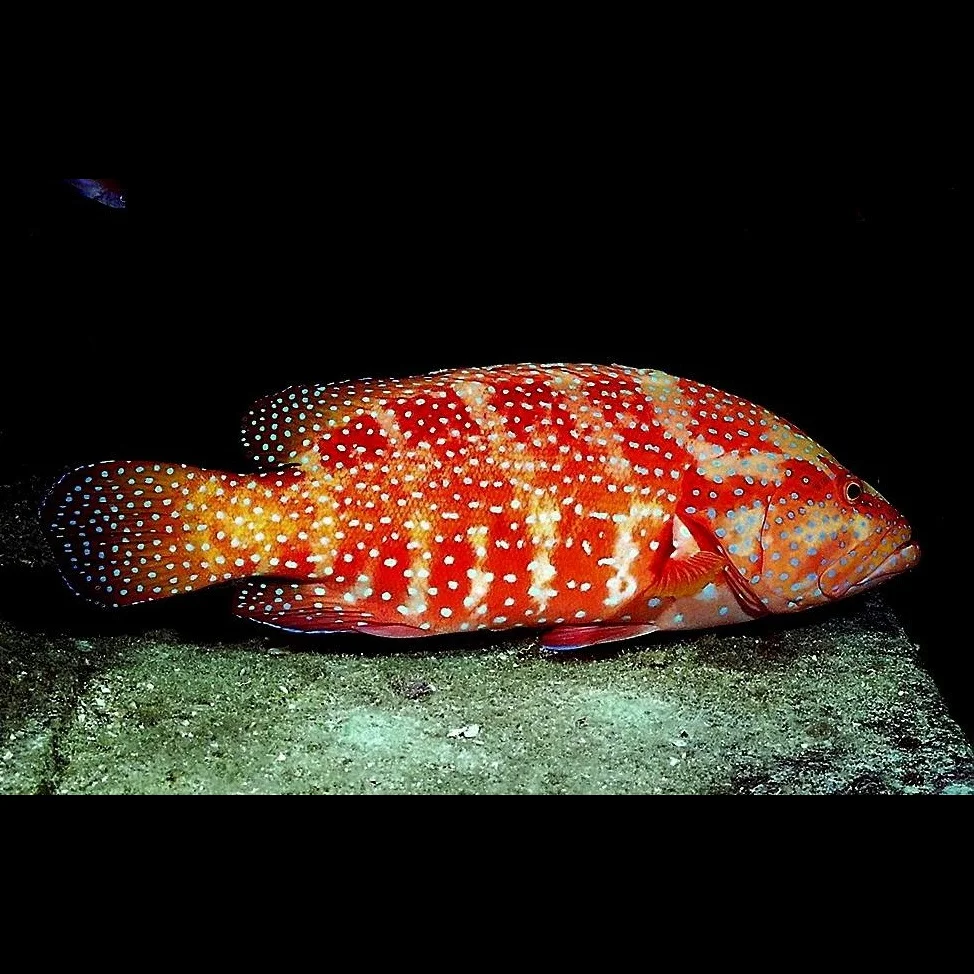
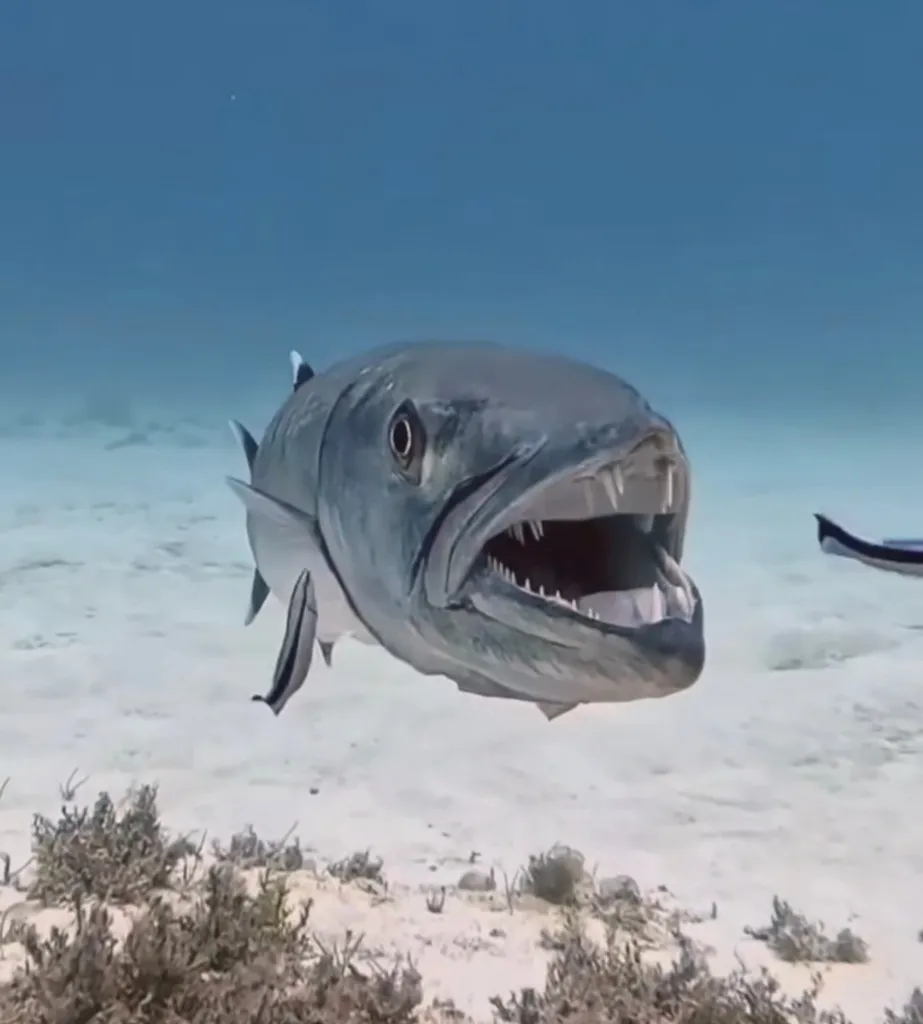
Spain's marine ecosystems support diverse life, with various habitats attracting different species. Reefs and volcanic formations are home to abundant fish species, including groupers, barracudas, and moray eels. In areas like Punta Guincho, divers observe trumpetfish, damselfish, electric rays, and parrotfish among the volcanic structures.
Protected marine reserves, such as the Medes Islands, feature thriving coral forests and gorgonian corals, including red and black varieties. These areas also host larger groupers, some weighing up to 30 kilograms. Pelagic species are also present; sunfish visit areas like Andalucía and Catalonia, while the Balearic Islands are known for sightings of rays, whales, dolphins, and various sea turtles. El Bajon is a site where whale sharks and manta rays have been observed.
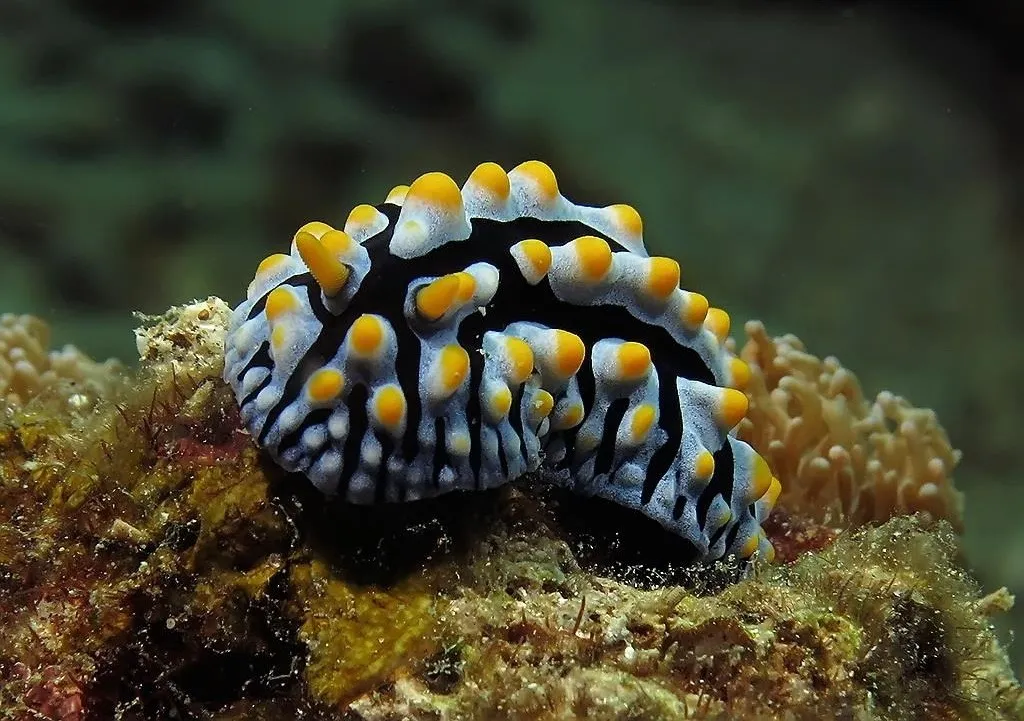
Macro life, including nudibranchs and seahorses, can be found in the Balearics. Cooler Atlantic waters, particularly in the north, attract schools of sardines, anchovies, and mackerel. Other common sightings across Spain's dive sites include octopuses, cuttlefish, and various types of rays, such as stingrays, bull rays, and butterfly rays.
Regions for Diving
Exploring Spain's underwater environments often begins by accessing its distinct coastal and island regions. The Canary Islands, situated in the Atlantic, are accessible via direct flights to major islands like Tenerife, Gran Canaria, and Lanzarote. This archipelago offers year-round diving with stable Atlantic conditions and mild water temperatures, often reaching up to 30 meters (98 ft) of visibility. Notable sites include Lanzarote's Underwater Museum, Fuerteventura's Salinas Reef, and Tenerife's Los Chuchos, known for its rays.
The Balearic Islands, in the Mediterranean, including Mallorca, Menorca, Ibiza, and Formentera, are reached by flights or ferries from mainland Spain. These islands are particularly appealing from May to October. Mallorca features Sa Gleda Cave and the Cabrera National Park. Ibiza provides unspoiled dive sites, while Formentera is noted for its seagrass beds and calm waters, ideal for underwater photography.
Along the northeastern Mediterranean coast, Costa Brava in Catalonia is easily accessed from Barcelona. The region's main diving season runs from May to September, with water temperatures reaching 20-25°C (68-77°F) and visibility often between 10 and 30 meters (33-98 ft). Highlights include the Medes Islands Marine Reserve, with sites like Dolphin’s Cave, and the Reggio Messina wreck. Further south, the Murcia region, including destinations like Cabo de Palos and Islas Hormigas Marine Park, is best dived from July to September, offering coral-encrusted wrecks and diverse marine life.
Travel & Passport Guide
Travel Basics
Trip Planning
Safety & Diving Considerations
Diving in Spain is supported by a robust infrastructure, ensuring a focus on diver safety. Access to emergency services and recompression chambers is generally available in key diving regions, which is an important consideration for any dive trip. Divers are encouraged to confirm local emergency protocols with their chosen dive operators.
While many Mediterranean sites experience mild currents, especially during summer's calm seas, divers should always be aware of local conditions. Some dive sites, particularly those in open water or marine protected areas, may encounter stronger or more variable currents. Proper dive planning, including checking local forecasts and consulting with experienced dive guides, is essential.
Maintaining appropriate buoyancy control and adhering to dive limits are fundamental safety practices. Spain's varied underwater terrain, which includes wrecks, caves, and volcanic formations, means that some sites may present specific challenges. Choosing dive operators that prioritize safety briefings and small group sizes can enhance the overall diving experience.
Dive Centers in Spain
View all 104 dive centers
Frequently Asked Questions
What are the typical water temperatures for diving in Spain?
Water temperatures in Spain vary by region and season. Mediterranean sites range from 20-25°C (68-77°F) in summer to 13-15°C (55-59°F) in winter. The Canary Islands, in the Atlantic, offer milder, more consistent temperatures year-round, allowing for comfortable diving in most seasons. Overall, temperatures can range from 13°C to 26°C (55-79°F).
Which Spanish regions are best for diving with diverse marine life?
Regions like the Balearic Islands and the Canary Islands are known for their marine diversity. The Balearics host whales, dolphins, and sea turtles, along with macro life such as nudibranchs. In the Canary Islands, sites like El Bajon are known for sightings of whale sharks and manta rays, while volcanic formations at Punta Guincho attract trumpetfish and parrotfish. Islas Hormigas Marine Park also offers abundant species.
What is the best time of year to go diving in Spain?
The main diving season for Mediterranean Spain is from May to October, when waters are warm and visibility is excellent. The Canary Islands, however, offer good diving conditions year-round due to their stable Atlantic climate. While summer (June-September) is peak for warmth and visibility, spring and autumn provide quieter dives with good conditions.
What kind of dive sites can be explored in Spain?
Spain offers a variety of dive sites. These include coral-encrusted wrecks, such as the Heinkel bomber near Barcelona and the Reggio Messina in Costa Brava. Divers can explore natural features like caves and crevices in the Medes Islands and Sa Gleda Cave in Mallorca. Volcanic rock formations are prominent in the Canary Islands, and unique attractions like Lanzarote's Underwater Museum also exist.
How clear is the water visibility for diving in Spain?
Visibility in Spain is generally good, often ranging between 10 and 30 meters (33-98 ft). During the summer months, particularly from May to September in the Mediterranean, visibility can exceed 20 meters (65 ft). In the Canary Islands, visibility can reach up to 30 meters. Winter months may see reduced visibility, sometimes dropping to 10 meters (33 ft) or less due to weather.