
Diving at SS Coila (Spain)
A compelling deep wreck dive off Sagunto, Spain, the SS Coila awaits certified divers. Sunk during World War I, this British vessel lies at considerable depth, demanding advanced training. Its distinct two-halved structure, featuring a visible steam boiler, presents an intricate exploration challenge for those with appropriate deep diving qualifications. An underwater testament to the region's maritime heritage.
As evening covers SS Coila, the local air temperature is measured at 23°C. The current wave height at the surface is recorded at 0.5 m. These late-day readings characterize the surface conditions for the night.
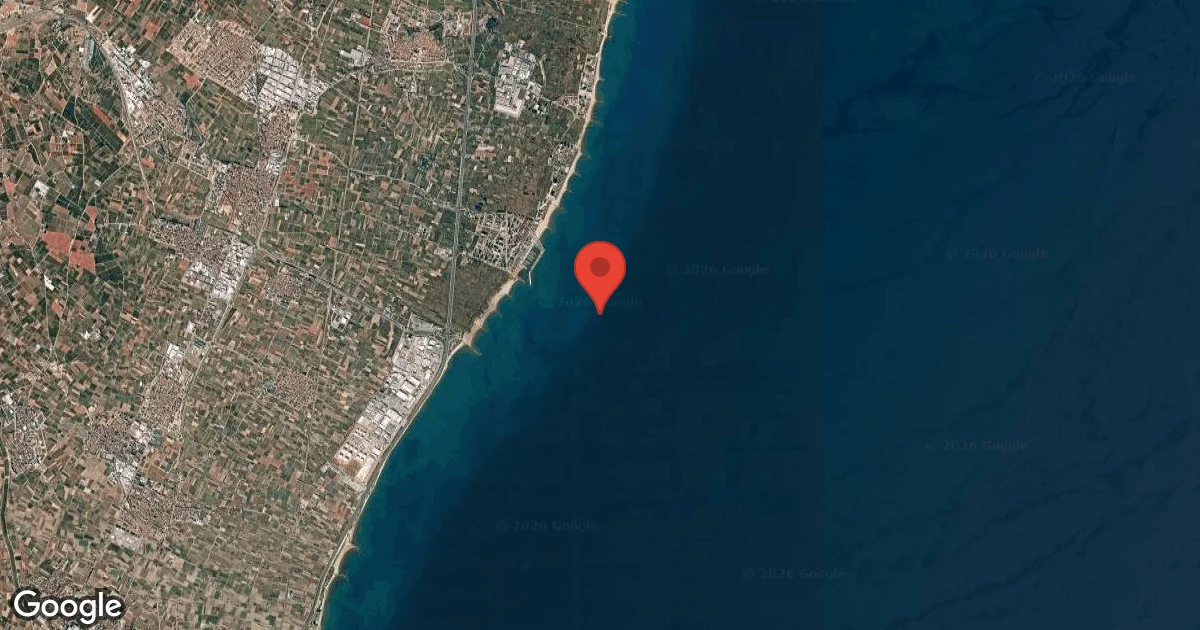
Dive Site Location & Key Facts
Dive Site Overview
British merchant vessel SS Coila met its end in 1917, torpedoed by German submarine U-64 while en route from Glasgow to Livorno. Resting at a maximum depth of 35 m / 114 ft, site requires experienced deep divers.
Torpedo strike dramatically split ship, creating two distinct halves for exploration. Revealing internal mechanics, a large, exposed steam boiler is most notable. Often considered vessel's heart, boiler remains remarkably preserved, serving as a prominent focal point within wreckage.
Intact propellers and stern sections also provide points of interest for detailed examination. Divers can explore various holds and structural components scattered across seabed, frequently encountering schooling fish sheltering within wreck's contours.
Underwater exploration provides an intimate look at wartime maritime history, demanding careful buoyancy control due to depth and potential silting. Visibility often allows for good panoramic views of entire site, enhancing experience.
Accessing SS Coila is exclusively via boat, with expeditions typically organized from dive centers throughout Valencian Community. Divers should anticipate bottom time appropriate for deep air or nitrox diving protocols, emphasizing responsible planning for historically rich site.
Conditions are Excellent
07:00 - 14:00
Optimal conditions expected
Current conditions near SS Coila show 23° air, 26° sea temperature, 0.5 m waves, and 22 km/h wind. Forecast data is refreshed regularly to ensure accuracy.
Best Time to Dive
Planning a dive to the SS Coila can be a year-round endeavor, reflecting the Region of Valencia's mild water temperatures that support consistent diving. However, conditions vary seasonally. The warmest air temperatures for diving span from June through September, averaging 23-27°C / 73-81°F, which makes surface intervals more comfortable. In contrast, winter months (December to February) see air temperatures around 13-14°C / 55-57°F, still offering good diving conditions despite the cooler air. Rainfall is generally low throughout the year, though September and October might record slightly higher average precipitation, it rarely disrupts dive plans significantly. The coastline generally benefits from relatively stable conditions, allowing access to the wreck for much of the year.
PEAK SEASON SCORE
Scores combine air & water temps, waves, wind & rainfall for overall conditions.
BEST MONTHS TO DIVE
Monthly records compiled from satellite and marine observation nodes over the last 3 years. Data provided by Open-Meteo and MET Norway.
Dive Experience & Conditions
Descending on this deep wreck typically involves a boat entry into saltwater. The SS Coila is positioned at a depth of 35 meters / 114 feet, requiring careful dive planning and execution. Currents are not consistently reported as strong for this specific area, fitting the regional characteristic of well-protected diving locations. Reflecting the luminous underwater environment often found in the Region of Valencia, visibility at the SS Coila can contribute to a rewarding exploration of the vessel's distinct halves. Divers will spend time examining the impressive steam boiler, which remains a prominent feature of the torpedoed midsection.
Dive Difficulty & Safety Guidelines
Navigating a deep wreck like the SS Coila at 35 m / 114 ft demands a rigorous approach to safety. PADI Deep Diver certification is explicitly suggested, as managing nitrogen absorption, bottom time, and potential decompression obligations are critical.
Wreck diving inherently carries risks such as entanglement, overhead environments, and structural instability within the site's two halves, especially around the exposed boiler. Divers should be proficient in buoyancy control and have experience with deep environments.
Always dive with a reputable local operator who understands the site's specific characteristics and adheres to safe diving practices.
Recommended Equipment
Deep dive hazard. Increased narcosis and gas consumption risk.
Overhead / entanglement risk. Wreck penetration requires proper training.
- Dive Computer
- DSMB
- Primary & Backup Lights
- Wreck Reel
- Cutting Tool
This gear list is based on verified equipment signals for SS Coila, Spain. Always confirm final gear choices with your dive operator, guide, or liveaboard.
Recommended Dive Suit
Divers planning relaxed exploration may appreciate the warmth of 3mm wetsuit. A hood or vest is suggested for sensitive divers due to surface winds. Surface intervals may feel cooler. Divers often notice that perceived temperature can feel cooler during deeper or longer dives.
The waters surrounding SS Coila are currently maintaining temperatures close to 26°C (78°F). Surface air temperatures are resting at 23°C (73°F).
Conditions are expected to stay fairly consistent in the days ahead.
Emergency & Medical Support
Essential information to help you plan your dive trip to SS COILA.

Hyperbaric chambers are a critical part of dive safety infrastructure. Availability varies significantly by region, and not all dive areas have immediate access.
Before diving, it's recommended to:
- confirm nearest medical facilities
- check emergency procedures with local dive operators
- ensure dive insurance covers evacuation if required
Divers Alert Network
Diving emergency assistance available through DAN Europe.
+39 0642115685- 24/7 emergency hotline
- Diving medical assistance
- Evacuation coordination
Emergency contacts are provided for reference. Always verify local emergency services before diving.
Closest Listed Hyperbaric Chambers
Showing listed hyperbaric chamber facilities within 200 km of this dive site.
Distances are approximate straight-line distances and may not reflect emergency travel time.
Unidad Hiperbarica Hospital de Castellon UTH-HGUCS
24/7 ListedICU CapableCastellon, Spain•Approx. 52 km straight-line
Unidad Hiperbarica Hospital de Castellon UTH-HGUCS
24/7 ListedICU CapableInformation is provided for reference and planning purposes only. Dive Navigator does not verify operational status, staffing, availability, or quality of care at listed facilities. In an emergency, contact local emergency services, DAN, your dive operator, or the chamber directly. Do not travel to a facility without calling ahead.
Marine Life at SS Coila
The SS Coila's structure, broken into two halves and resting on the seabed, forms an artificial reef that attracts a variety of marine inhabitants. While exploring the historic wreckage, divers may encounter a diversity of underwater life.
Common sightings around the site include pelagic species such as sharks, whales, dolphins, and various turtles, making the backdrop of the wreck a dynamic underwater landscape. The wreck itself serves as a habitat for smaller reef fish and invertebrates, blending historical interest with ecological value.
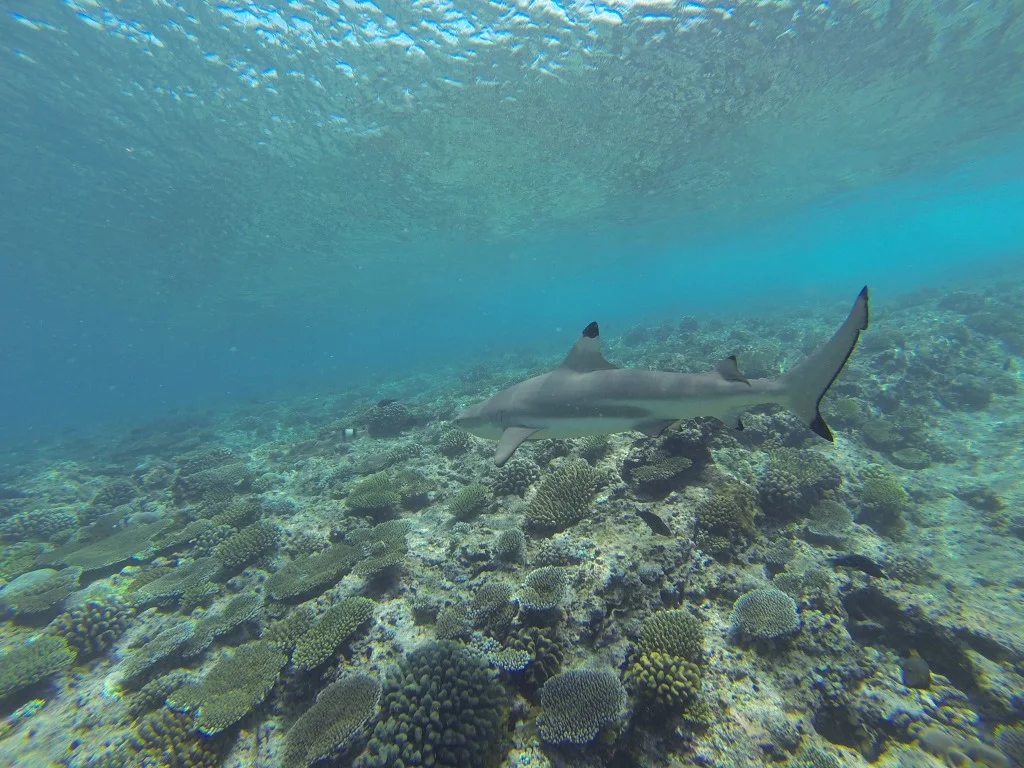
Dive Sites Near SS Coila
View all dive sites in SpainDiscover more underwater gems in this area.
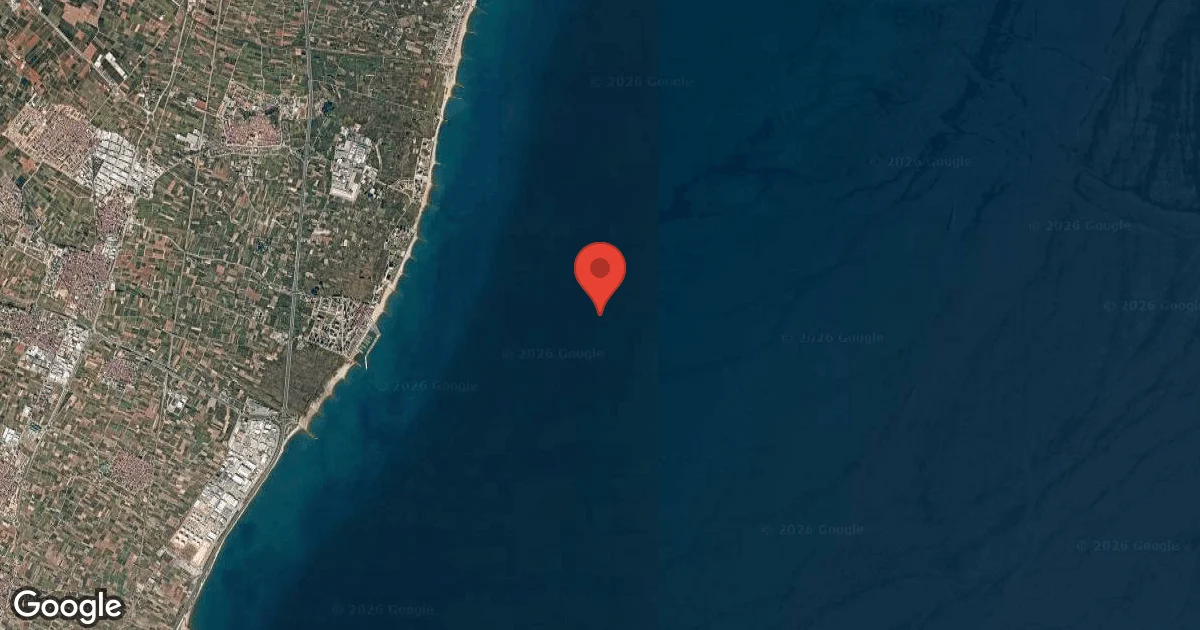
Dive Centers Near SS Coila
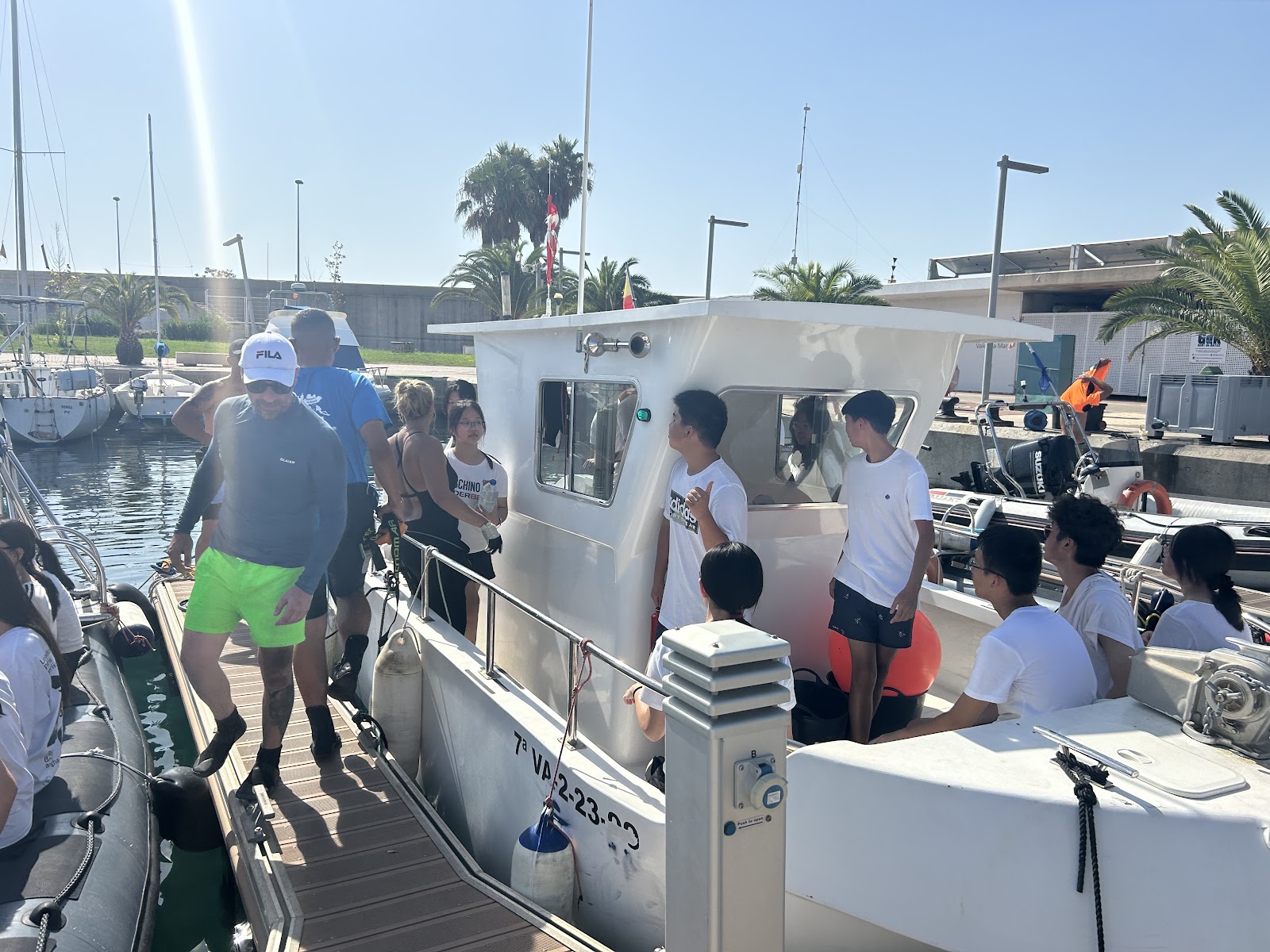
Today: 09:00 - 22:00
Nearest Airports
Nearest airports to help plan travel to this dive area.
Search Flights
Check available flights and routes on Expedia, using the nearby airports listed in this section.
Search Flights on ExpediaFrequently Asked Questions
What certification level is required for the SS Coila?
Diving SS Coila requires appropriate qualifications for its significant depth. A minimum PADI Advanced Open Water Diver certification is needed, with PADI Deep Diver specialization strongly recommended for safer exploration. Experienced divers should also possess appropriate wreck diving training.
How is the visibility generally at the SS Coila?
Visibility at SS Coila can contribute to rewarding exploration of vessel's distinct halves. Conditions typically reflect luminous underwater environment often found in Region of Valencia. Clearer days allow for comprehensive view of wreck's structure.
Are there strong currents at the dive site?
Strong currents are not consistently reported for SS Coila's specific area. Site generally benefits from regional characteristic of relatively protected diving locations. Divers should still assess local conditions on dive day.
What marine life can be seen around the wreck?
Wreckage functions as an artificial reef, attracting various species. Divers may observe schooling fish, crabs, and occasional larger pelagic visitors utilizing structure for shelter or as a hunting ground. A blend of historical interest with ecological value exists here.
How do divers access the SS Coila?
Access to SS Coila is exclusively by boat. Dive operators from Valencian Community typically organize trips. Booking with a reputable local center familiar with logistics of this deep wreck dive is essential.
What are the notable features of the SS Coila wreck?
SS Coila is distinct for being split into two main halves due to torpedo strike. A prominent feature is its exposed steam boiler, remarkably preserved and often a focal point for divers. Exploring different sections reveals various structural components of vessel.
What are the water temperatures around the SS Coila?
Water temperatures in Region of Valencia support year-round diving, ranging from approximately 13-16°C / 55-61°F in winter to 22-27°C / 72-81°F during summer months. Divers should check current reports for precise thermal conditions.
Planning to dive SS Coila?
Send one inquiry and receive offers directly from the best verified local dive operators.
Conditions are Excellent
07:00 - 14:00
Optimal conditions expected
Current conditions near SS Coila show 23° air, 26° sea temperature, 0.5 m waves, and 22 km/h wind. Forecast data is refreshed regularly to ensure accuracy.