
Diving at La Draga (Spain)
Off La Pobla de Farnals in Valencia, Spain, the La Draga wreck forms a fragmented yet extensive artificial reef. A former vessel, approximately 60 m / 200 ft long, it now lies divided into three main sections. Debris scatters across an area spanning 150 m / 490 ft of sandy seabed. Primarily explored via boat, it serves as a key aggregation point for local coastal marine life.
Evening condition tracking at La Draga features an air temperature of 21.5°C. We have recorded wave heights measuring 0.4 m during this period. These figures outline the environmental parameters currently present.
Dive Site Location & Key Facts
Dive Site Overview
Descending onto La Draga reveals a multi-part wreck site catering to certified Open Water divers seeking an accessible experience. Once a ship around 60 meters long, it broke apart into three distinct sections during its sinking, now spread over an expanse of sand reaching about 150 meters.
Exploration occurs from a boat, typically to a maximum depth of 10-12 meters. While generally reported to be free of strong currents, conditions can vary with local factors, so current assessments remain essential. Visibility has been noted as medium, around 5 meters on some occasions.
Divers should maintain good buoyancy control and situational awareness, especially within fragmented structures. A sandy bottom surrounding the wreck contrasts with encrusted metal, providing habitat for various species.
Exploring this dive offers an approachable wreck experience, focusing on perimeter observation of the diverse marine community that has adopted the wreck as home.
Conditions are Excellent
07:00 - 14:00
Optimal conditions expected
Current conditions near La Draga show 22° air, 26° sea temperature, 0.7 m waves, and 11 km/h wind. Forecast data is refreshed regularly to ensure accuracy.
Best Time to Dive
Diving at La Draga is generally favorable year-round, with consistently good dive scores across all months. However, conditions offer distinct experiences depending on the season. Warmer months, from June to September, see average air temperatures ranging from 24-27°C / 75-81°F, often bringing calmer seas and more comfortable surface intervals. Rainfall during peak periods is minimal, typically less than 1 mm, contributing to stable diving conditions. Conversely, winter months like December and January, with average air temperatures around 12-13°C / 54-55°F, can present cooler conditions, though still providing good dive opportunities. During colder periods, observed water temperatures have been as low as 11°C / 52°F, necessitating appropriate thermal protection. Wave heights remain relatively consistent throughout the year, usually below 0.8 meters, though localized weather patterns can influence. Accessibility and enjoyment persist, provided divers prepare for seasonal temperature variations.
PEAK SEASON SCORE
Scores combine air & water temps, waves, wind & rainfall for overall conditions.
BEST MONTHS TO DIVE
Monthly records compiled from satellite and marine observation nodes over the last 3 years. Data provided by Open-Meteo and MET Norway.
Dive Experience & Conditions
Explorers at La Draga will find a relatively shallow profile, with a maximum depth generally reported at 10-12 meters. Site accessibility for Open Water certified divers is a benefit, allowing extended bottom times. Wreck fragments lie on a sandy bottom, which can influence visibility if stirred; reports often indicate medium clarity, sometimes around 5 meters. Currents are not consistently reported as strong here, generally allowing for relaxed drift or stationary dives around the structures. Always prudent to check local conditions on the day, as currents can be localized and influenced by tides or weather. Divers should focus on maintaining good buoyancy to avoid disturbing sediment and to safely navigate scattered sections. Its relative shallowness and typically mild conditions contribute to a medium difficulty rating.
Dive Difficulty & Safety Guidelines
Approaching the La Draga wreck requires adherence to fundamental safety practices, especially given its fragmented nature. Although currents aren't typically reported as strong, divers should always assess conditions with their local dive guide prior to entry. Scattered wreck sections, while not presenting complex penetrations, demand careful navigation and situational awareness to prevent accidental contact with sharp edges or unstable debris.
Proper buoyancy control is paramount to avoid kicking up sand and diminishing visibility for yourself and others. As with any wreck, PADI Wreck Diver training is valuable for understanding additional considerations involved, even for shallower, less complex sites.
Divers should plan their dive within no-decompression limits, staying well within certification and comfort levels. Entry via boat reinforces the need for clear communication with the dive operator regarding entry and exit procedures.
Recommended Equipment
Overhead / entanglement risk. Wreck penetration requires proper training.
- Dive Computer
- DSMB
- Primary & Backup Lights
- Wreck Reel
- Cutting Tool
This gear list is based on verified equipment signals for La Draga, Spain. Always confirm final gear choices with your dive operator, guide, or liveaboard.
Recommended Dive Suit
For many recreational divers, 3mm wetsuit provides a practical level of insulation in these conditions. Surface intervals may feel cooler. Divers who tend to get cold easily may prefer slightly thicker exposure protection.
At the moment, divers exploring La Draga will likely experience water temperatures near 26°C (78°F). Surface air temperatures are resting at 22°C (71°F).
Temperatures look set to gradually increase over the next several days. A warming trend is expected over the next few days.
Emergency & Medical Support
Essential information to help you plan your dive trip to La draga.

Hyperbaric chambers are a critical part of dive safety infrastructure. Availability varies significantly by region, and not all dive areas have immediate access.
Before diving, it's recommended to:
- confirm nearest medical facilities
- check emergency procedures with local dive operators
- ensure dive insurance covers evacuation if required
Divers Alert Network
Diving emergency assistance available through DAN Europe.
+39 0642115685- 24/7 emergency hotline
- Diving medical assistance
- Evacuation coordination
Emergency contacts are provided for reference. Always verify local emergency services before diving.
Closest Listed Hyperbaric Chambers
Showing listed hyperbaric chamber facilities within 200 km of this dive site.
Distances are approximate straight-line distances and may not reflect emergency travel time.
Unidad Hiperbarica Hospital de Castellon UTH-HGUCS
24/7 ListedICU CapableCastellon, Spain•Approx. 54 km straight-line
Unidad Hiperbarica Hospital de Castellon UTH-HGUCS
24/7 ListedICU CapableInformation is provided for reference and planning purposes only. Dive Navigator does not verify operational status, staffing, availability, or quality of care at listed facilities. In an emergency, contact local emergency services, DAN, your dive operator, or the chamber directly. Do not travel to a facility without calling ahead.
Marine Life at La Draga
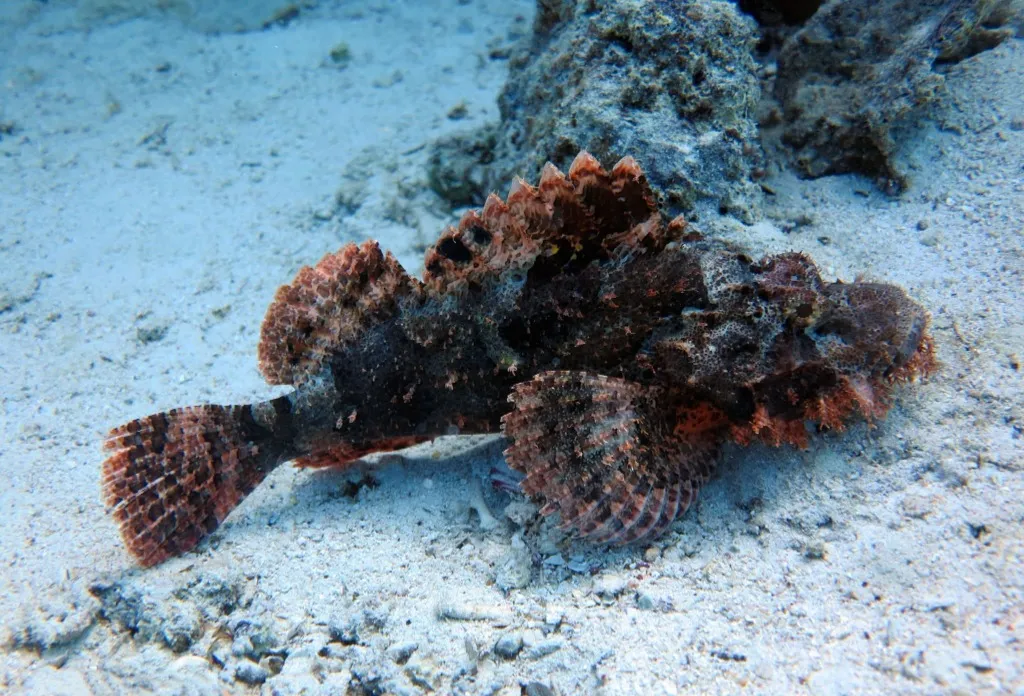
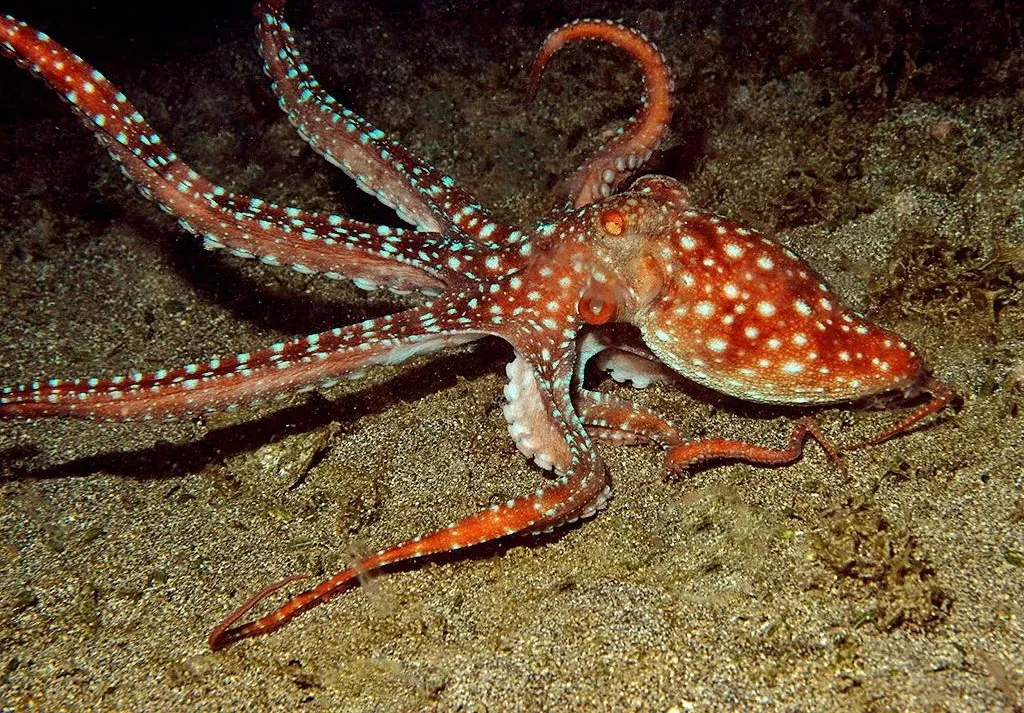
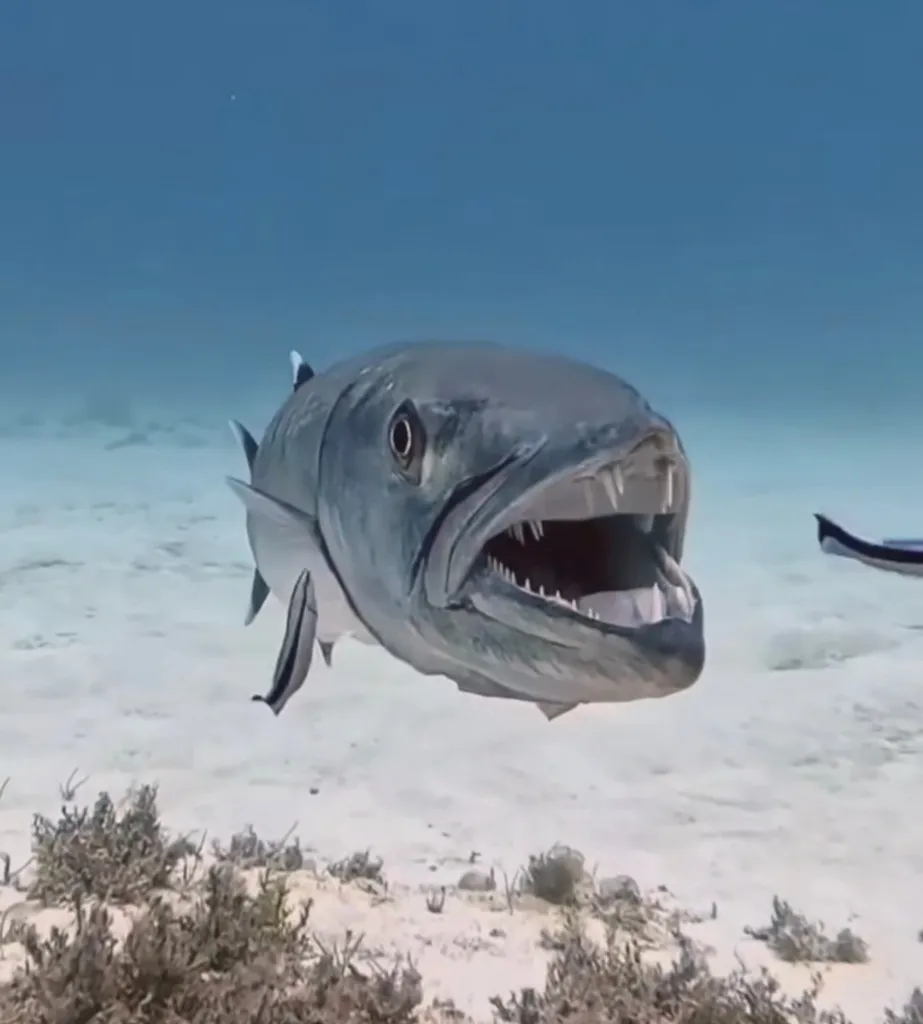
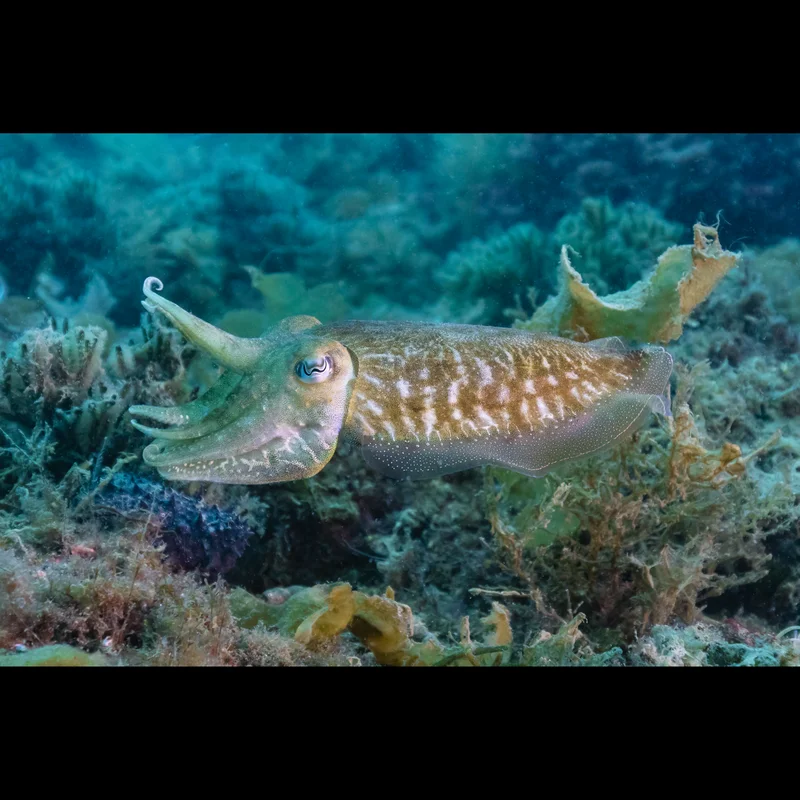
A thriving habitat for numerous species thrives within the fragmented Draga wreck's underwater landscape. Around main structures and sandy perimeters, schools of mojarras, castanets, barracudas, and seabream create dynamic scenes.
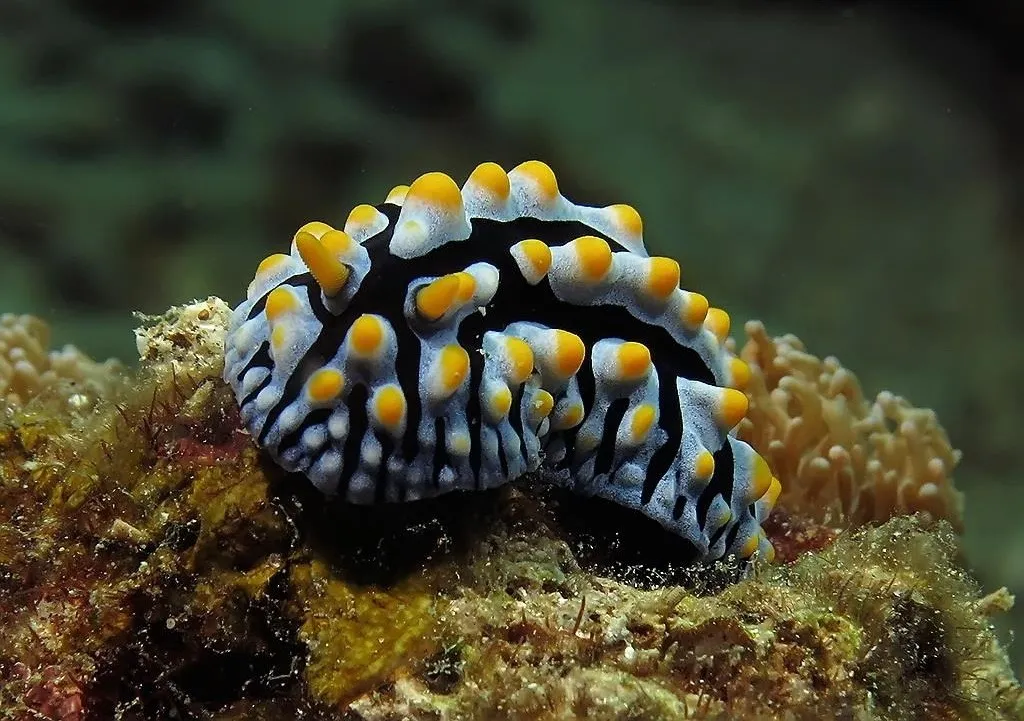
Closer inspection of the wreck's interior and sheltered crevices often reveals octopuses, cuttlefish, and occasional nudibranchs. A sandy seabed surrounding the wreck is home to typical Mediterranean invertebrates, including sea cucumbers, starfish, and urchins, alongside larger dwellers like scorpionfish and bigheads. Such a diverse community highlights the ecological importance of artificial reefs.
Dive Sites Near La Draga
View all dive sites in SpainDiscover more underwater gems in this area.
Dive Centers Near La Draga
Today: 09:00 - 22:00
Nearest Airports
Nearest airports to help plan travel to this dive area.
Search Flights
Check available flights and routes on Expedia, using the nearby airports listed in this section.
Search Flights on ExpediaFrequently Asked Questions
What is the maximum depth at La Draga?
La Draga is a relatively shallow dive site, with a maximum depth generally reported at 10-12 meters, making it accessible for a wide range of divers.
Is La Draga suitable for beginner divers?
Yes, La Draga is considered suitable for Open Water certified divers. Its shallower depth and generally mild conditions contribute to its medium difficulty rating, making it a good wreck introduction.
What kind of marine life can I expect to see at La Draga?
Schools of mojarras, castanets, barracudas, and seabream frequent the wreck. Divers often spot octopuses, cuttlefish, and nudibranchs within its structures, alongside sea cucumbers, starfish, and scorpionfish on the sandy bottom.
Are there strong currents at the La Draga wreck?
Strong currents are not consistently reported at this specific site. However, local conditions can vary, so divers should always check with their dive operator on the day of the dive.
What is the typical visibility at La Draga?
Visibility at La Draga is often reported as medium, with some observations around 5 meters. Conditions can be influenced by sediment, so good buoyancy control is advisable.
How is the La Draga wreck structured?
A former ship, approximately 60 meters long, it sank in three main sections. Fragments are spread across an area spanning about 150 meters on a sandy seabed.
What training is recommended for diving La Draga?
While accessible to Open Water divers, the PADI Wreck Diver specialty course is beneficial. This training helps divers understand the unique considerations and safety protocols for exploring wreck sites, even shallower ones.
Planning to dive La Draga?
Send one inquiry and receive offers directly from the best verified local dive operators.
Conditions are Excellent
07:00 - 14:00
Optimal conditions expected
Current conditions near La Draga show 22° air, 26° sea temperature, 0.7 m waves, and 11 km/h wind. Forecast data is refreshed regularly to ensure accuracy.