Loading...

Diving at Kalais Wreck (Spain)
Published
Featured prominently in classic Las Palmas dive guides for its majestic upright posture on a 33-to-35-meter seabed, the 109-meter cement freighter Kalais holds legendary status in Canary Islands maritime history. Positioned directly at the mouth of the modern Muelle de La Esfinge pier—where structures above 22 meters were trimmed for shipping clearance in 2020—the wreck now lies within restricted Port Authority waters.
Early observations for Kalais Wreck report a surface air temperature of 22.5°C. The water surface is currently presenting wave heights of 1.2 m. Consider these environmental metrics before beginning your descent.
Dive Site Location & Key Facts
Site Characteristics
Max Depth
35m115ft
Visibility
15m49ft
Entry TypeBoat
Water Typesalt
Dive Types
DeepWreck
Dive Site Overview
Launched in Middlesbrough, England, in 1948 as the 3,659-gross-ton freighter Holberg—powered by a rare three-cylinder Doxford opposed-piston diesel engine—the ship was operating under the name Kalais during the 1970s Nigerian cement boom when engine failure off West Africa forced a German tug to tow her into Las Palmas in February 1978. Abandoned by her owners with holds full of hardened 50-kilogram cement sacks, she was moved out to the Rada Norte anchorage and finally sank in a storm on December 1, 1979 (often compressed to 1978 in tourist summaries).
Settling dead upright on sand and silt at 33 to 35 meters, her five open holds, petrified cement-bag stacks, aft verandas, and towering Doxford engine room made her Gran Canaria's signature wreck dive for over three decades (note also that the Las Palmas guide swapped average and maximum depth labels in its summary box, printing 35 m as average and 22 m as maximum).
With the construction and operational opening of the outer Muelle de La Esfinge (Nelson Mandela pier), the wreck ended up directly in the commercial port entrance fairway: recreational scuba access was closed by Port Authority order, and in autumn 2020 diamond-wire saws removed upper hull and stern sections protruding above the 22-meter navigation clearance depth.
Kalais Wreck
Conditions are Good
7/10
Confidence: 8/10
Indicates meteorological model agreement and data availability.
Best Dive Window
Optimal conditions expected
06:12
18:45
H: 10:45
L: 16:20
Air / Sea Temp
22° / 23°
Wave Height
1.3 m
Wind Speed
31 km/h NNE
Rain Chance
0%
Current conditions near Kalais Wreck show 22° air, 23° sea temperature, 1.3 m waves, and 31 km/h wind. Forecast data is refreshed regularly to ensure accuracy.
Radius: ~12km
Updated: Nov 24, 2026, 02:30 local timeMARINE: OPEN-METEOWEATHER: YR.NO
Best Time to Dive
Historically sheltered from prevailing northeast trade winds by the bulk of La Isleta peninsula, Rada Norte experiences its calmest ocean swells between September and November, with water temperatures of 22 to 23.5°C.
Today, any visit requires prior special authorization from the Las Palmas Port Authority and Harbour Master, so recreational divers planning a trip to Las Palmas routinely substitute the unrestricted Arona wreck off Jinámar.
PEAK SEASON SCORE
70/100
GoodScores combine air & water temps, waves, wind & rainfall for overall conditions.
BEST MONTHS TO DIVE
MAY
OCT
NOV
DIVE SCORE GUIDE (0–100)
Excellent (90–100)
Very Good (80–89)
Good (70–79)
Moderate (50–69)
Poor (30–49)
Not Recommended (0–29)
Monthly records compiled from satellite and marine observation nodes over the last 3 years. Data provided by Open-Meteo and MET Norway.
Dive Experience & Conditions
Lying 3.2 nautical miles from Las Palmas marina outside the Reina Sofía breakwater, the upright hull rises from 33–35 meters on fine harbor silt up to the 22-meter clearance horizon. While visibility on good Atlantic days reaches 20 to 25 meters, port dredging and commercial vessel prop-wash in Rada Norte are notorious for dropping bottom visibility abruptly into a dense silt cloud.
Because surrounding flat silt offers zero visual reference away from the hull, line discipline and reel-assisted ascents have always defined diving on the Kalais.
Dive Difficulty & Safety Guidelines
Respect Las Palmas Port Authority harbor exclusion zones: unauthorized recreational boats and divers are strictly barred from entering the operational Muelle de La Esfinge shipping fairway.
On any authorized technical or survey inspection, divers must carry primary and backup lights, line cutters, Nitrox 32, and a spool-deployed surface marker buoy, avoiding deteriorated internal bulkheads and collapsed crane debris over the engine room.
Recommended Equipment
Deep dive hazard. Increased narcosis and gas consumption risk.
Overhead / entanglement risk. Wreck penetration requires proper training.
- Dive Computer
- DSMB
- Primary & Backup Lights
- Wreck Reel
- Cutting Tool
This gear list is based on verified equipment signals for Kalais Wreck, Spain. Always confirm final gear choices with your dive operator, guide, or liveaboard.
Recommended Dive Suit
With water temperatures around 23°C (74°F), many divers find a 3-5mm wetsuit provides comfortable protection.
Divers performing multiple dives may appreciate slightly warmer protection later in the day.
Forecast models indicate that diving conditions should remain largely unchanged.
Kalais Wreck conditions last reviewed: 02:30 local time (UTC-1), Nov 24, 2026
Emergency & Medical Support
Essential information to help you plan your dive trip to Kalais Wreck.

Hyperbaric chambers are a critical part of dive safety infrastructure. Availability varies significantly by region, and not all dive areas have immediate access.
Before diving, it's recommended to:
- confirm nearest medical facilities
- check emergency procedures with local dive operators
- ensure dive insurance covers evacuation if required
24/7 Available
Divers Alert Network
Diving emergency assistance available through DAN Europe.
+39 0642115685- 24/7 emergency hotline
- Diving medical assistance
- Evacuation coordination
Emergency contacts are provided for reference. Always verify local emergency services before diving.
Marine Life at Kalais Wreck
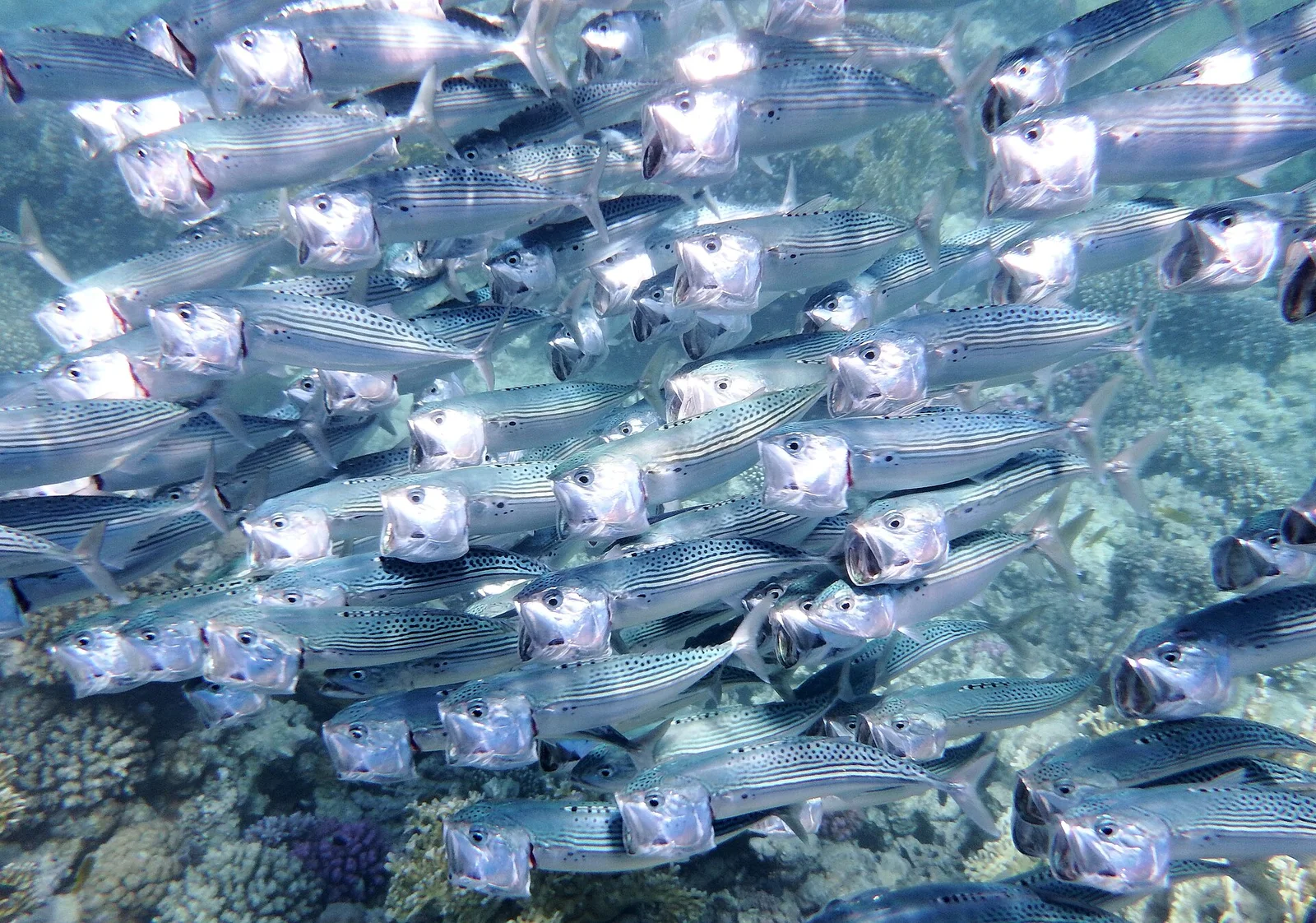
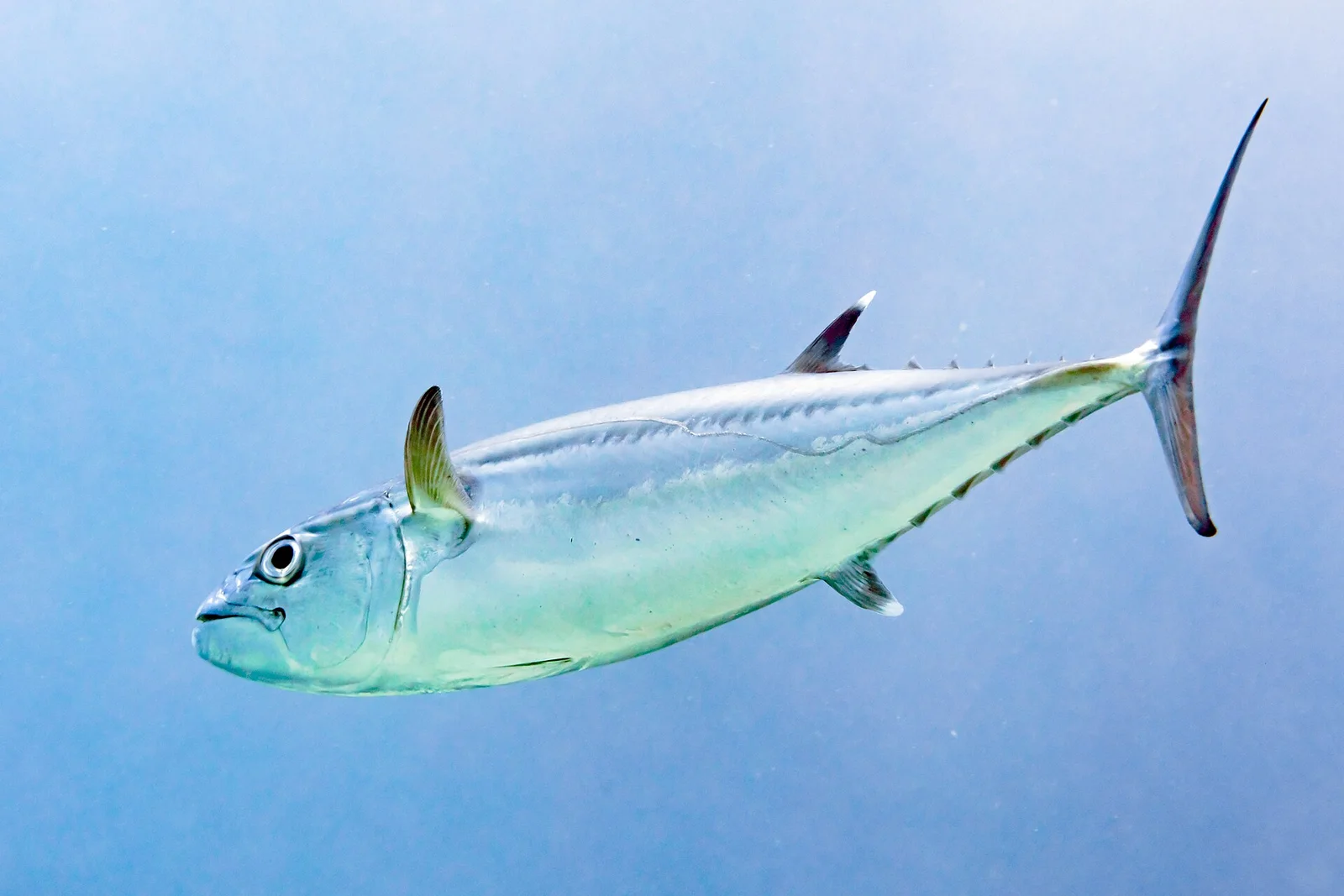
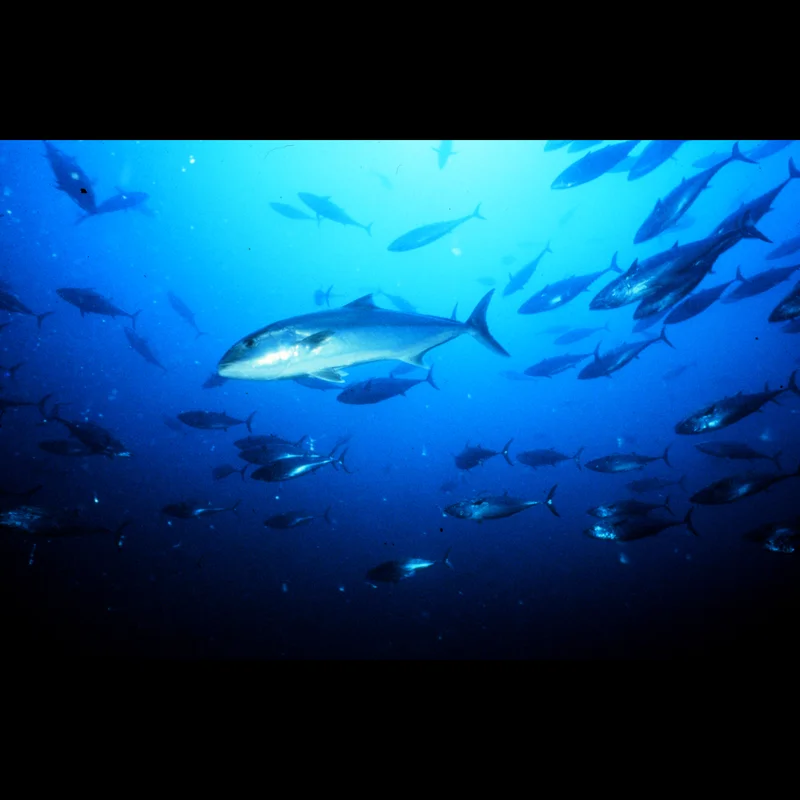
Even within outer harbor waters, the upright steel Oasis of the Kalais supports a resident school of large yellowmouth barracuda, hovering clouds of bogues, and hunting amberjacks, white trevally, Atlantic bonitos, and seasonal skipjack tuna.
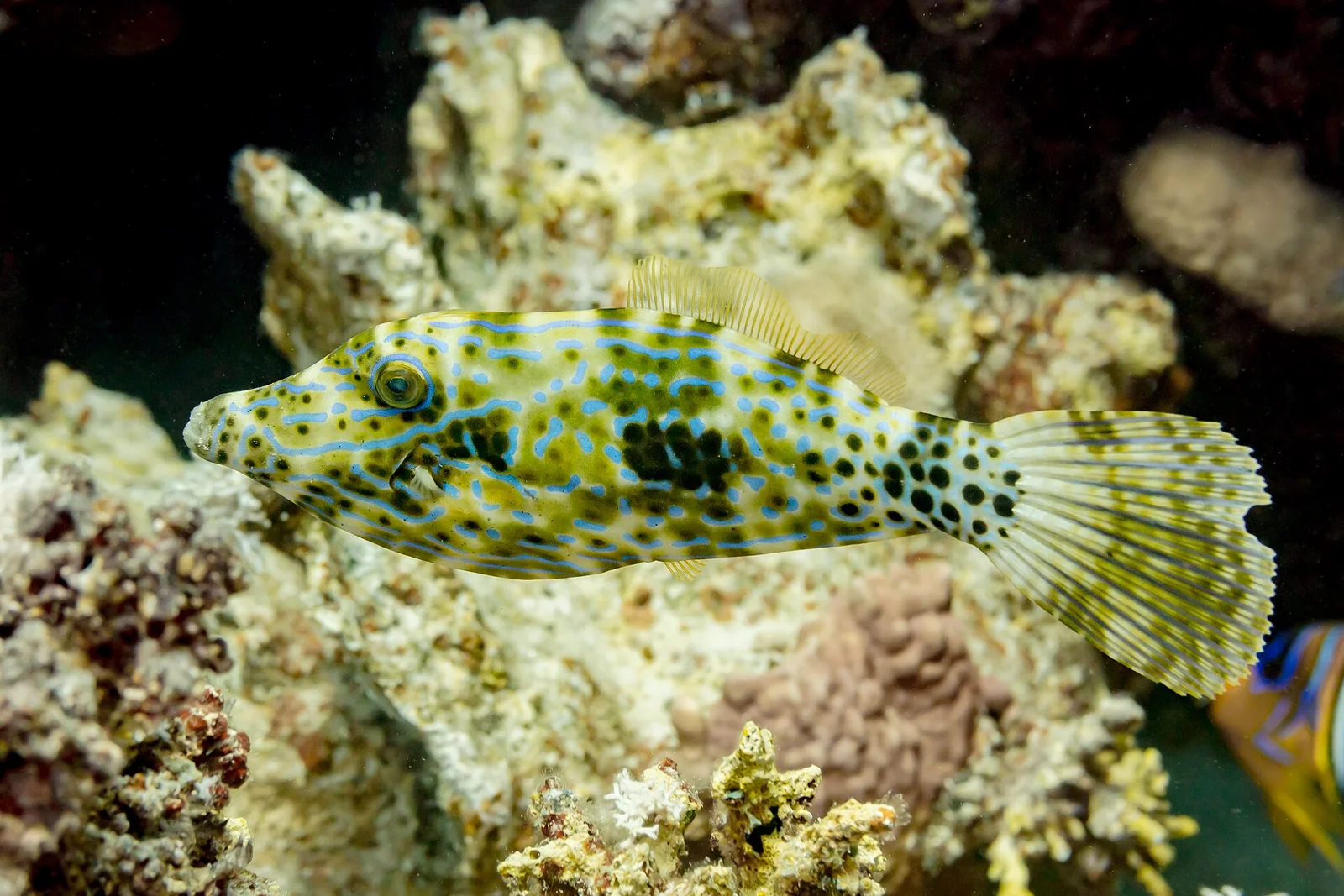
Dark cargo holds filled with calcified cement sacks shelter bastard grunts, ruby-red glasseyes, scorpionfish, arrow crabs, and Canarian filefish.

1 / 2
Image contributors:Diego Delso, Kora27 + 2 more
Want to contribute photos or local dive knowledge? Learn how to contributeDive Sites Near Kalais Wreck
View all dive sites in SpainDiscover more underwater gems in this area.
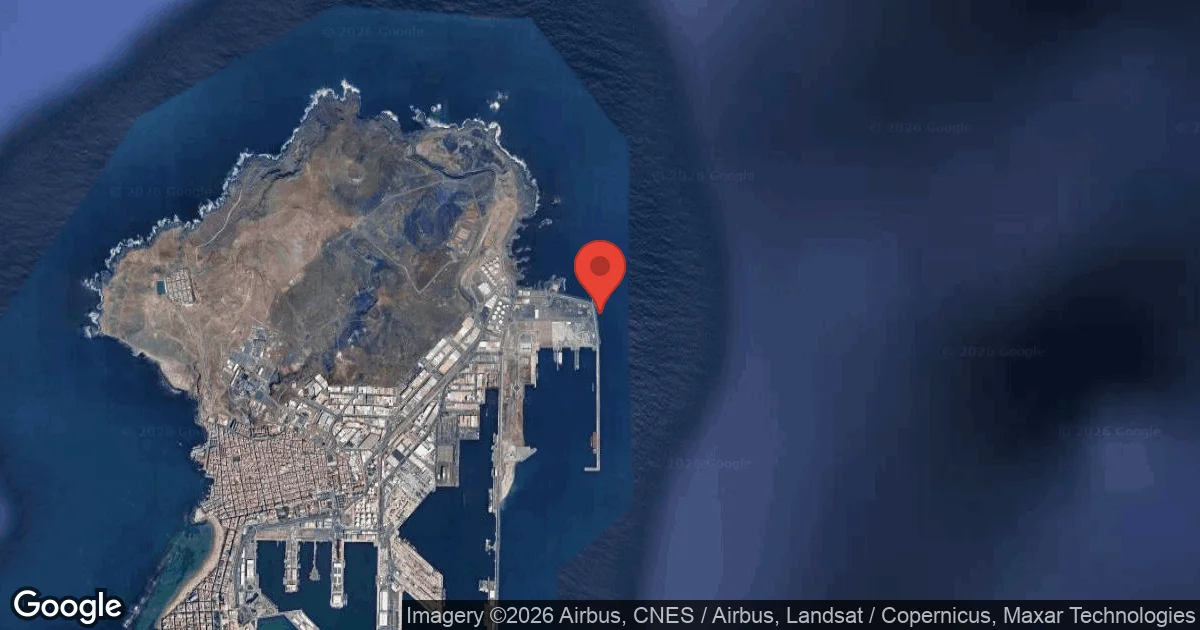
Max 35 m
1 km
advancedÁngela Pando Wreck
BoatDrift
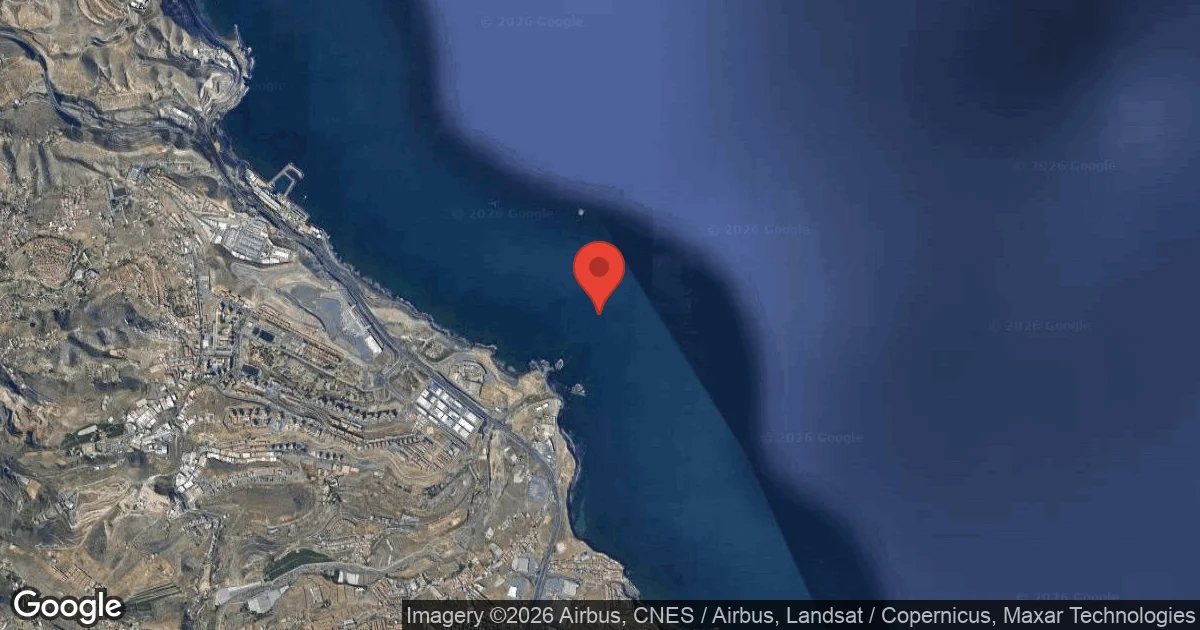
Max 36 m
13.5 km
advancedArona Wreck
BoatDown Line
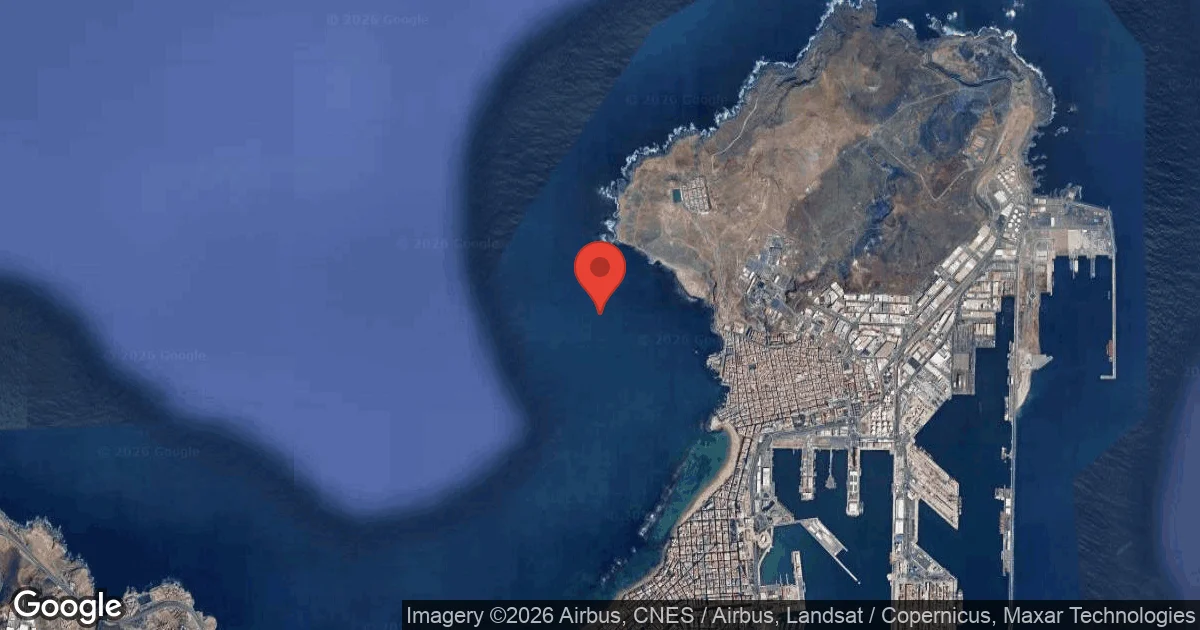
Max 30 m
4.2 km
intermediateBaja Fernando
BoatOcean
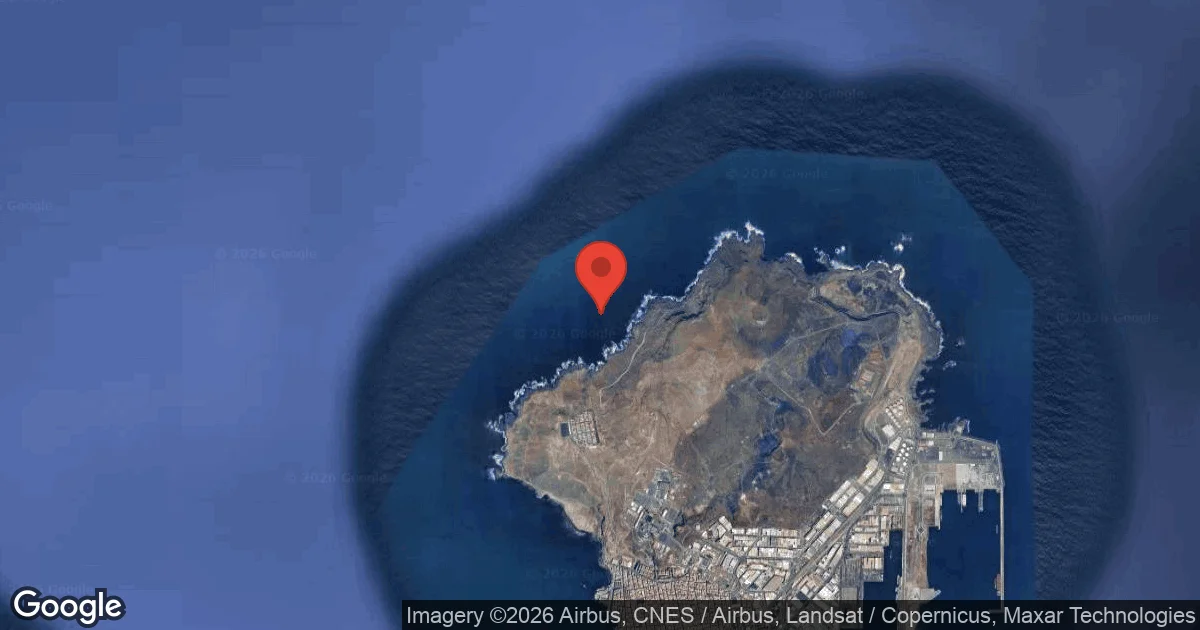
Max 42 m
3.9 km
advancedLa Catedral (La Isleta)
BoatCanyon
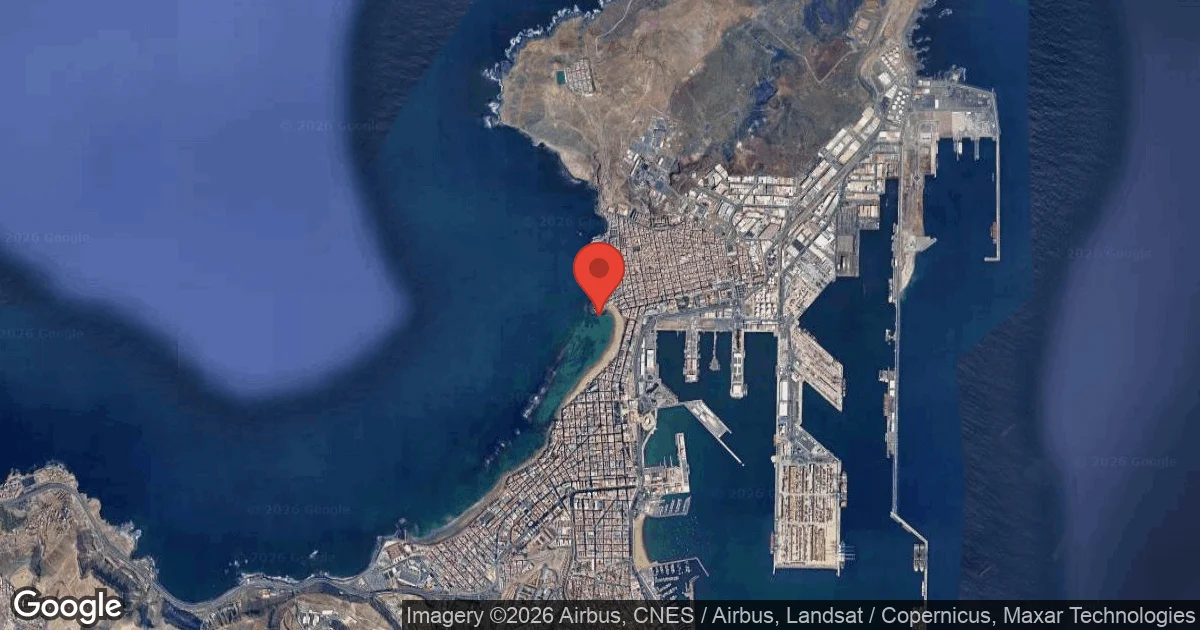
Max 5 m
3.3 km
360°
beginnerPlaya Grande (Las Canteras)
BeachOcean
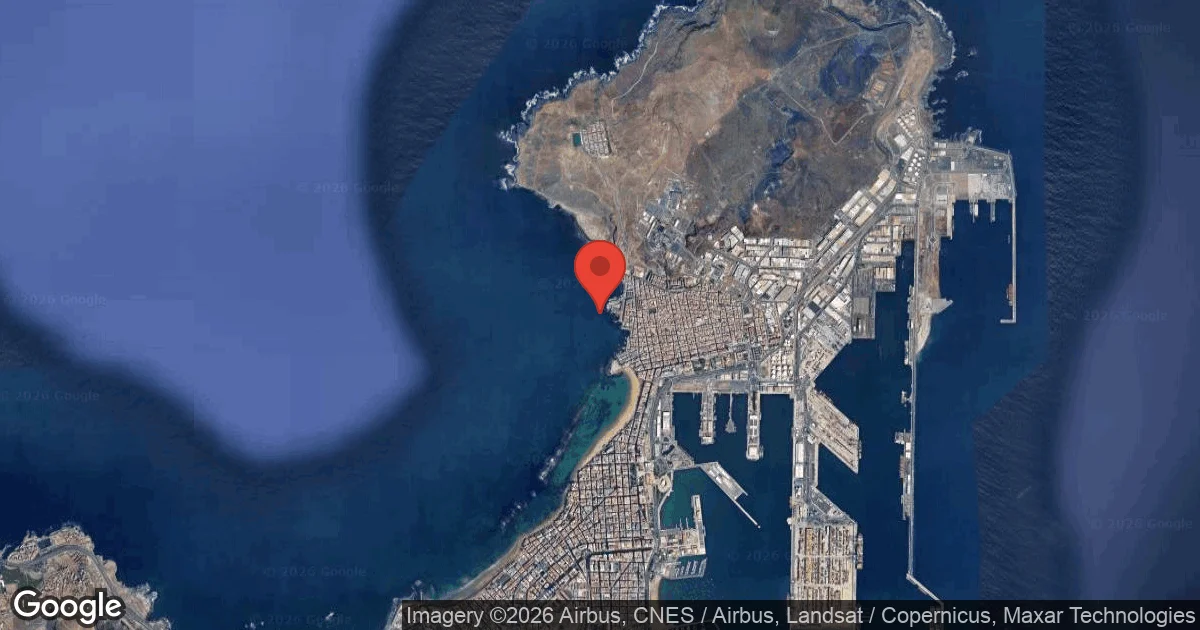
Max 12 m
3.3 km
360°
beginnerRoque Matavinos
BoatCanyon
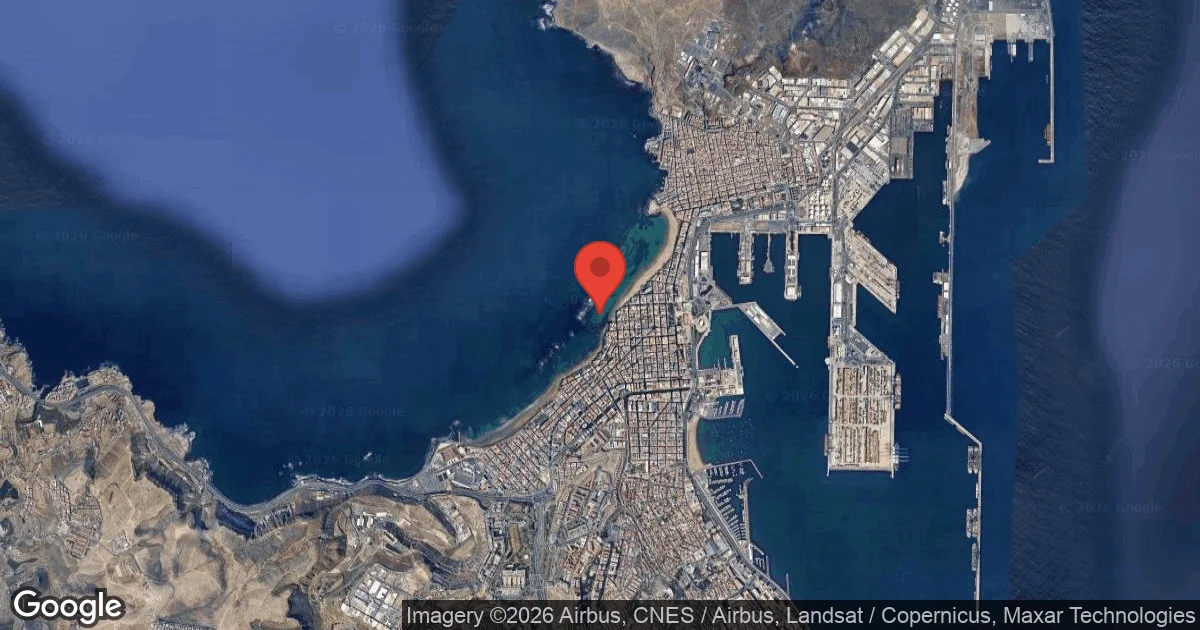
Max 5 m
4 km
360°
beginnerPlaya Chica (Las Canteras)
BeachOcean
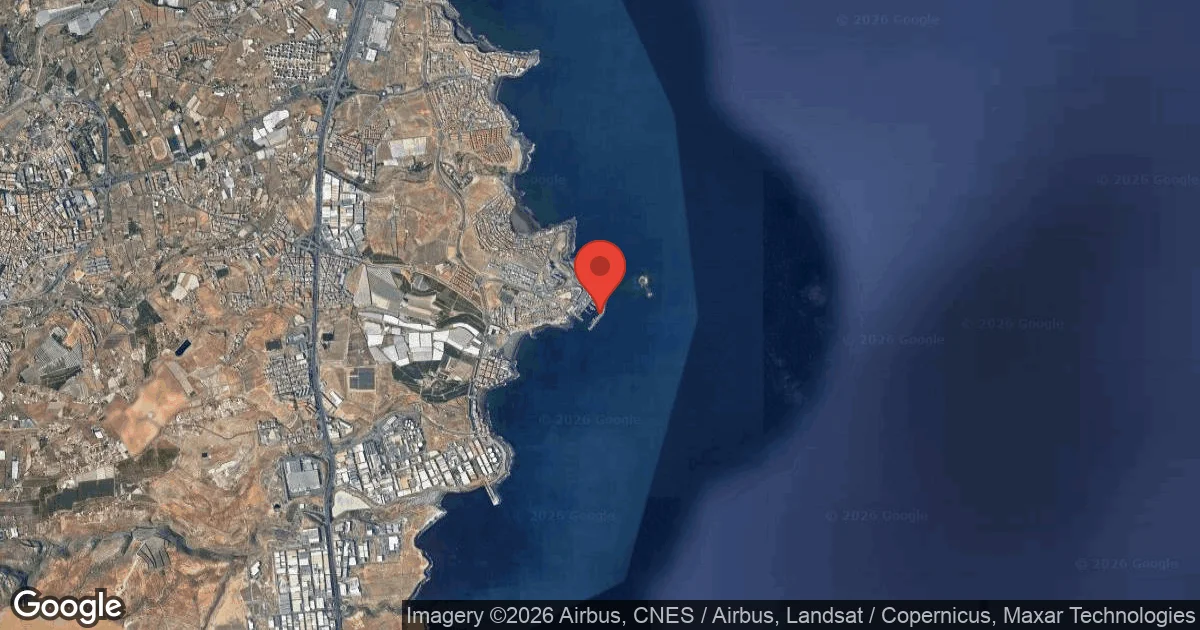
Max 8 m
18.6 km
beginnerTaliarte
BeachMuck
Max 35 m
1 km
advancedÁngela Pando Wreck
BoatDrift
Max 36 m
13.5 km
advancedArona Wreck
BoatDown Line
Max 30 m
4.2 km
intermediateBaja Fernando
BoatOcean
Max 42 m
3.9 km
advancedLa Catedral (La Isleta)
BoatCanyon
Max 5 m
3.3 km
360°
beginnerPlaya Grande (Las Canteras)
BeachOcean
Max 12 m
3.3 km
360°
beginnerRoque Matavinos
BoatCanyon
Max 5 m
4 km
360°
beginnerPlaya Chica (Las Canteras)
BeachOcean
Max 8 m
18.6 km
beginnerTaliarte
BeachMuck
Dive Centers Near Kalais Wreck
Working Hours
SunClosed
Mon09:00 - 18:00
Tue09:00 - 18:00
Wed09:00 - 18:00
Thu09:00 - 18:00
Fri09:00 - 18:00
SatClosed
Today: 09:00 - 18:00
SunClosed
Mon09:00 - 18:00
Tue09:00 - 18:00
Wed09:00 - 18:00
Thu09:00 - 18:00
Fri09:00 - 18:00
SatClosed
Nearest Airports
Nearest airports to help plan travel to this dive area.
Gran Canaria Airport LPA
25 km
Tenerife Norte-Ciudad de La Laguna Airport TFN
99 km
Tenerife Sur Airport TFS
116 km
💵 Currency: EUR
Search Flights
Check available flights and routes on Expedia, using the nearby airports listed in this section.
Search Flights on ExpediaAffiliate link · Dive Navigator may earn a commission at no extra cost to you.
Frequently Asked Questions
Can recreational tourists currently book regular dives on the Kalais?
No. Because the Kalais lies directly in the entrance fairway of the operational Muelle de La Esfinge (Nelson Mandela pier), Las Palmas Port Authority regulations restrict recreational scuba access; local dive centers take wreck divers to the Arona instead.
What happened to the upper decks of the Kalais in 2020?
In autumn 2020, commercial salvage teams used diamond wire saws to cut and extract hull and stern structures rising above the port's 22-meter navigation clearance depth.
When did the Kalais sink and what cargo was she carrying?
Towed into Las Palmas disabled in February 1978 loaded with 50-kilogram sacks of cement bound for Warri, Nigeria, the abandoned freighter sank upright on Rada Norte during a storm on December 1, 1979.
What is the true maximum depth of the Kalais?
The keel rests upright on sand and silt at 33 to 35 meters (108 to 115 feet), with remaining upper structure leveled to 22 meters—correcting the transposed depth labels printed in older local leaflets.
What unique engine sits inside the Kalais?
A historic British-built three-cylinder, six-piston Doxford opposed-piston two-stroke marine diesel engine manufactured in 1948.
Which unrestricted Gran Canaria wreck offers a comparable big-ship dive today?
The 96.7-meter refrigerated freighter Arona off Punta Jinámar (20 to 36 meters) is open year-round and serves as Gran Canaria's flagship big-wreck dive.
Trip Inquiry
Planning to dive Kalais Wreck?
Tell us your dates and diving needs. We'll review your request and seek offers from relevant local dive centers.
Request Dive Offers Free request for offers • No booking obligation
Kalais Wreck
Conditions are Good
7/10
Confidence: 8/10
Indicates meteorological model agreement and data availability.
Best Dive Window
Optimal conditions expected
06:12
18:45
H: 10:45
L: 16:20
Air / Sea Temp
22° / 23°
Wave Height
1.3 m
Wind Speed
31 km/h NNE
Rain Chance
0%
Current conditions near Kalais Wreck show 22° air, 23° sea temperature, 1.3 m waves, and 31 km/h wind. Forecast data is refreshed regularly to ensure accuracy.
Radius: ~12km
Updated: Nov 24, 2026, 02:30 local timeMARINE: OPEN-METEOWEATHER: YR.NO


