Loading...

Diving at Arona Wreck (Spain)
Published
Lying on its starboard beam across a 36-meter Atlantic sand plain off Punta Jinámar, the 97-meter refrigerated freighter Arona reigns as Gran Canaria's signature big-wreck dive. Draped in gorgonians and enveloped by baitballs under constant attack from barracudas and amberjacks, the hull delivers dramatic ocean-scale scenery six nautical miles south of Las Palmas marina.
Starting the day at Arona Wreck, the ambient air temperature is recorded at 21°C. Ongoing monitoring shows wave heights measuring 1 m. This data represents the current surface conditions for early activities.
Dive Site Location & Key Facts
Site Characteristics
Max Depth
36m118ft
Visibility
20m66ft
Entry TypeBoat
Water Typesalt
Dive Types
DeepWreck
Dive Site Overview
Launched at Ferrol in 1968 as Carmen M. de Pinillos to inaugurate Spain's refrigerated Canary-to-mainland banana trade—and renamed Arona in 1974—this 1,758-gross-ton reefer met its end in April 1978, even though older tourist leaflets occasionally misprint the date as 1972. Carrying 2,000 tons of frozen mackerel and horse mackerel toward Lagos, an engine-room fire erupted south of Gran Canaria on April 21; while under tow back toward Las Palmas on April 23, 1978, a violent secondary explosion flooded the stern and sent her down 0.75 nautical miles northeast of Punta Jinámar.
Settled along a 160-degree heading on clean sand at 36 meters, the port rail rises to roughly 20 to 24 meters, presenting four cavernous refrigerated cargo holds, derrick gantries, and exposed structural framing. Severe winter storms—most notably in early 2026—have opened a dramatic gap ahead of the stern, partially re-exposed the massive six-cylinder Burmeister & Wain diesel engine, and tilted the bow 15 degrees down onto the seabed, closing the old under-bow crawlway.
Far from diminishing the dive, those open structural vistas flood the holds with blue Atlantic light and let divers admire the ship's scale safely along the exterior and upper hold rims.
Arona Wreck
Conditions are Good
7/10
Confidence: 8/10
Indicates meteorological model agreement and data availability.
Best Dive Window
Optimal conditions expected
06:12
18:45
H: 10:45
L: 16:20
Air / Sea Temp
21° / 23°
Wave Height
1.2 m
Wind Speed
37 km/h NNW
Rain Chance
0%
Current conditions near Arona Wreck show 21° air, 23° sea temperature, 1.2 m waves, and 37 km/h wind. Forecast data is refreshed regularly to ensure accuracy.
Radius: ~12km
Updated: Nov 24, 2026, 05:25 local timeMARINE: OPEN-METEOWEATHER: YR.NO
Best Time to Dive
Because the Arona lies in open ocean exposed to east-coast wind waves, April through June and September through November deliver the flattest seas and lightest currents. Water temperatures span 18°C in winter to 23.5°C in early autumn.
In July and August, brisk northeast alisios trade winds raise afternoon whitecaps along the Jinámar coast, making early-morning boat departures during neap tides essential.
PEAK SEASON SCORE
76/100
GoodScores combine air & water temps, waves, wind & rainfall for overall conditions.
BEST MONTHS TO DIVE
MAY
OCT
NOV
DIVE SCORE GUIDE (0–100)
Excellent (90–100)
Very Good (80–89)
Good (70–79)
Moderate (50–69)
Poor (30–49)
Not Recommended (0–29)
Monthly records compiled from satellite and marine observation nodes over the last 3 years. Data provided by Open-Meteo and MET Norway.
Dive Experience & Conditions
Boats tie into a permanent mooring buoy secured to one of the cargo gantries, roughly 6.7 nautical miles south of Las Palmas marina. Because surface chop and bottom currents often move independently here, divers descend and ascend strictly hand-over-hand along the downline.
Visibility typically reaches 15 to 25 meters. A classic Nitrox 32 profile drops first to the 36-meter sand beside the imposing bow, works aft past the open cargo holds near 28 to 30 meters, and returns forward along the gorgonian-trimmed port gunwale at 20 to 24 meters before ascending up the mast and mooring line.
Dive Difficulty & Safety Guidelines
Treat interior corridors and collapsed tween-decks as strictly off-limits: progressive corrosion and 2026 storm fractures have left hanging plates, exposed deck beams, and unstable bulkheads throughout the aft accommodation and lower holds. Enjoy wide-open views into the cargo bays without entering overhead traps.
At 25 to 36 meters in open water, no-decompression limits pass rapidly on air; Nitrox 32, disciplined gas monitoring (turning back toward the mooring line well before reserve pressure), and carrying a personal surface marker buoy with reel are essential.
Recommended Equipment
Deep dive hazard. Increased narcosis and gas consumption risk.
Overhead / entanglement risk. Wreck penetration requires proper training.
- Dive Computer
- DSMB
- Primary & Backup Lights
- Wreck Reel
- Cutting Tool
This gear list is based on verified equipment signals for Arona Wreck, Spain. Always confirm final gear choices with your dive operator, guide, or liveaboard.
Recommended Dive Suit
With water temperatures around 23°C (74°F), many divers find a 3-5mm wetsuit provides comfortable protection.
Local dive briefings can provide the most accurate guidance.
The upcoming forecast points to generally steady conditions in the area.
Arona Wreck conditions last reviewed: 05:25 local time (UTC-1), Nov 24, 2026
Emergency & Medical Support
Essential information to help you plan your dive trip to Arona Wreck.

Hyperbaric chambers are a critical part of dive safety infrastructure. Availability varies significantly by region, and not all dive areas have immediate access.
Before diving, it's recommended to:
- confirm nearest medical facilities
- check emergency procedures with local dive operators
- ensure dive insurance covers evacuation if required
24/7 Available
Divers Alert Network
Diving emergency assistance available through DAN Europe.
+39 0642115685- 24/7 emergency hotline
- Diving medical assistance
- Evacuation coordination
Emergency contacts are provided for reference. Always verify local emergency services before diving.
Marine Life at Arona Wreck
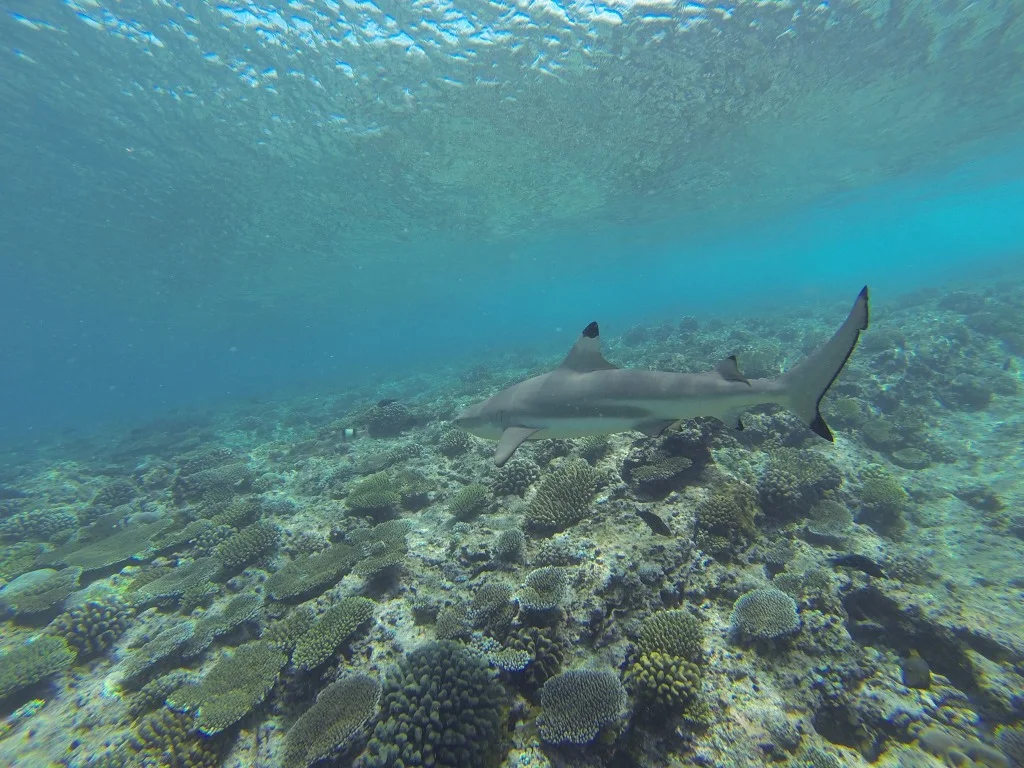
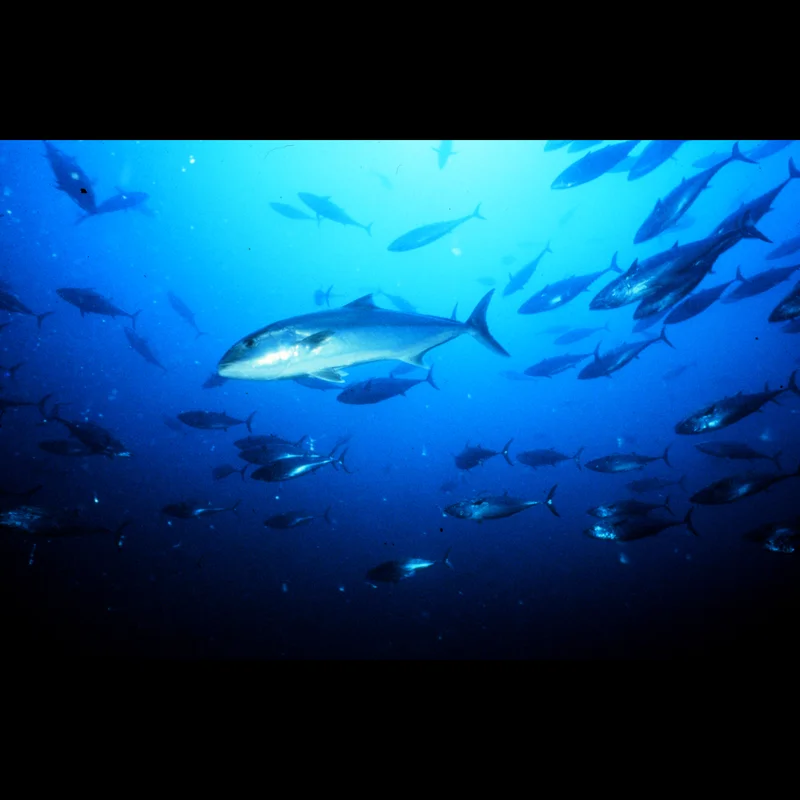
Few wrecks in Macaronesia rival the Arona's pelagic theater: a dense silver sphere of bogues and damselfish hovers permanently over the port rail and masts, repeatedly blitzed by resident packs of large yellowmouth barracuda, greater and lesser amberjacks, Atlantic bonitos, and occasional wahoo or smooth hammerheads.
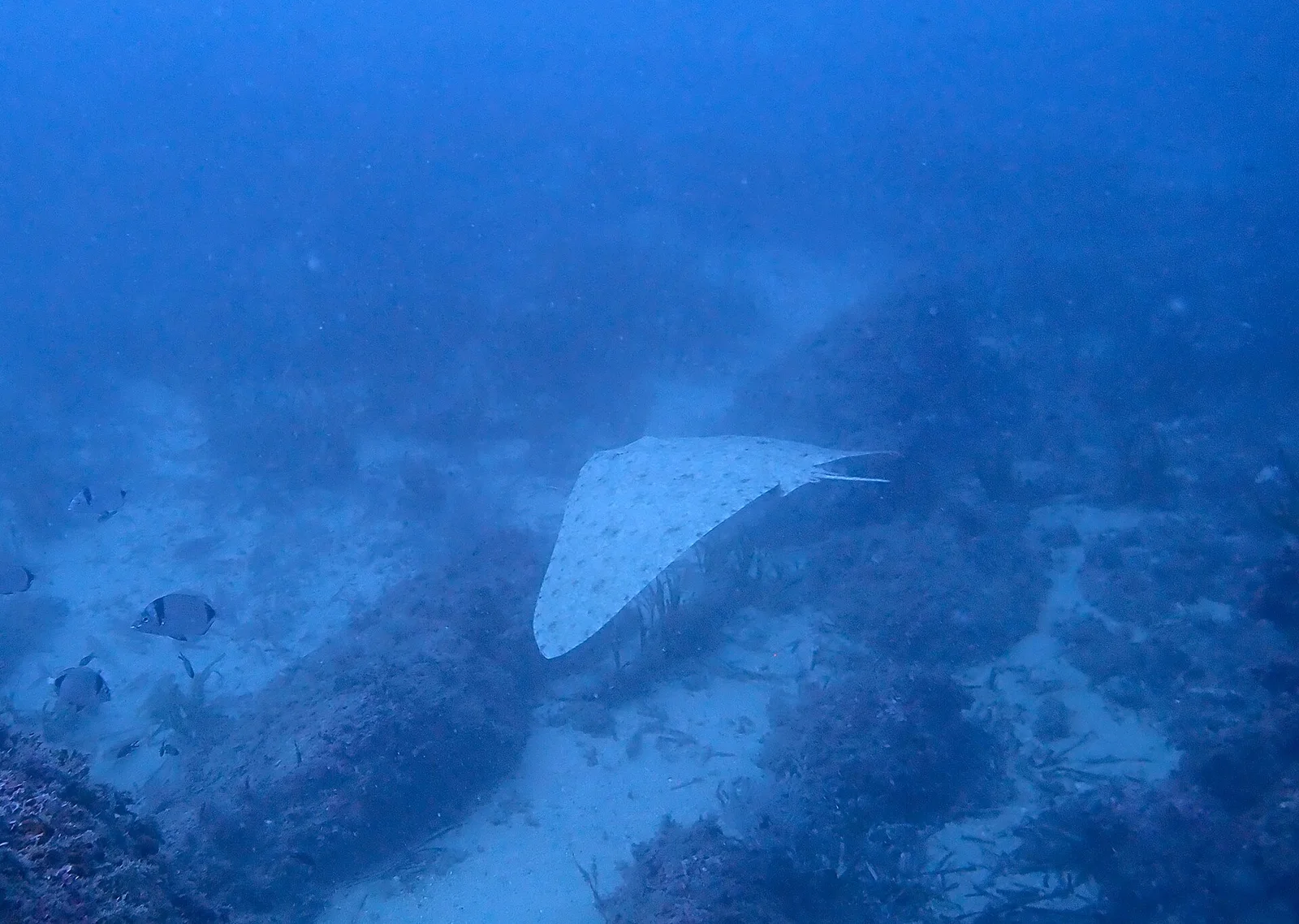
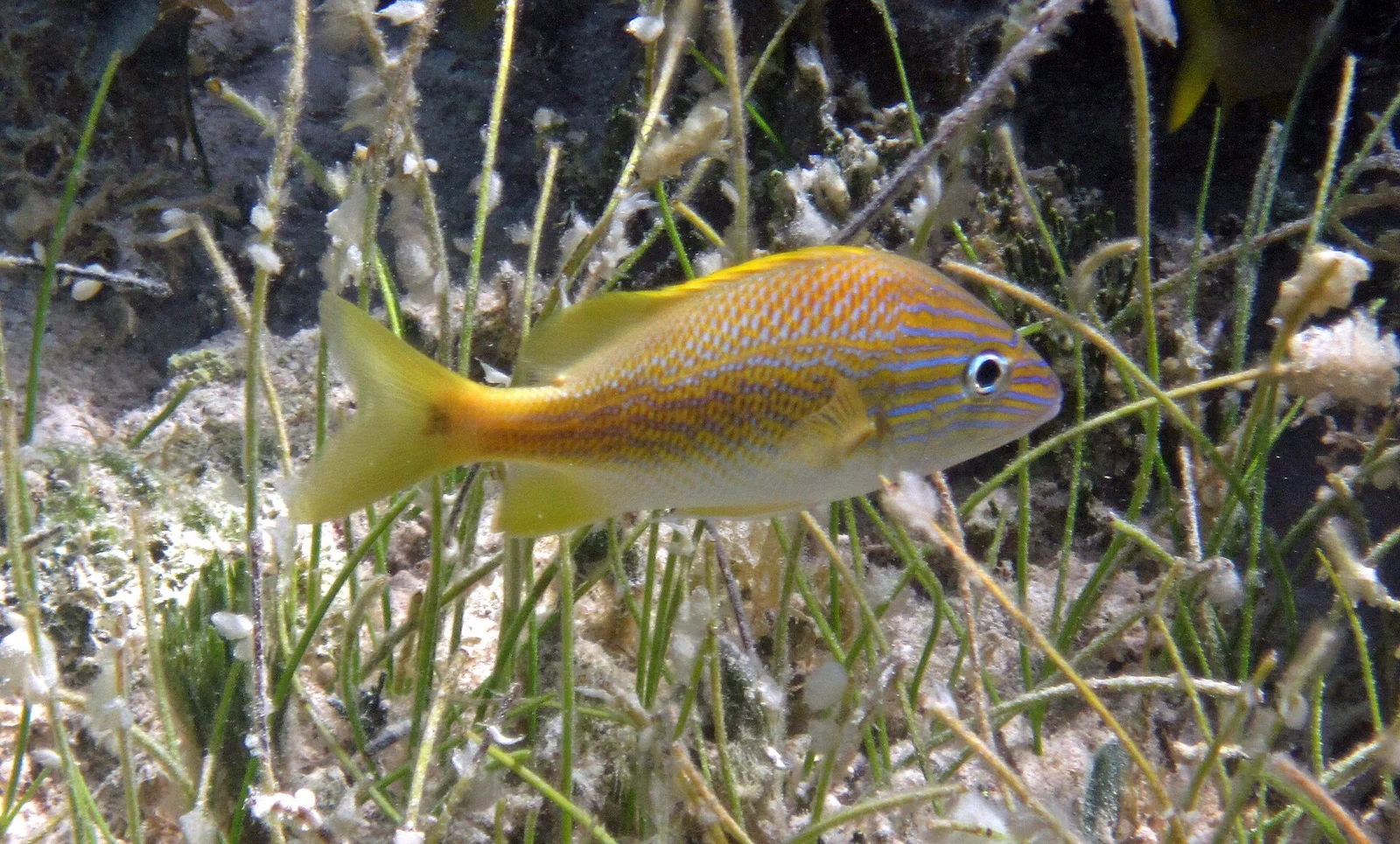
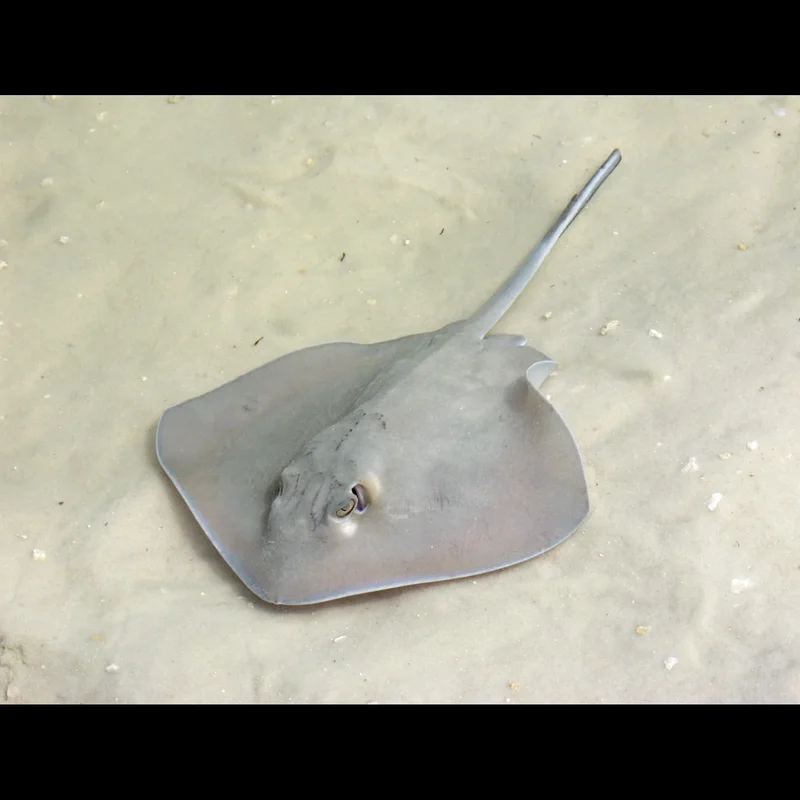
Along the hull plates bloom red and yellow Leptogorgia sea fans, jewel anemones, nudibranchs, Canary slipper lobsters, and even tropical West African vagrants such as Monrovia doctorfish, while brown meagre, bastard grunts, common stingrays, butterfly rays, and angelsharks patrol the 36-meter sand base.
1 / 2
Image contributors:Izandsub, A. Hulbert + 3 more
Want to contribute photos or local dive knowledge? Learn how to contributeDive Sites Near Arona Wreck
View all dive sites in SpainDiscover more underwater gems in this area.
Max 35 m
13.5 km
advancedKalais Wreck
BoatDown Line
Max 35 m
14.5 km
advancedÁngela Pando Wreck
BoatDrift
Max 8 m
5.1 km
beginnerTaliarte
BeachMuck
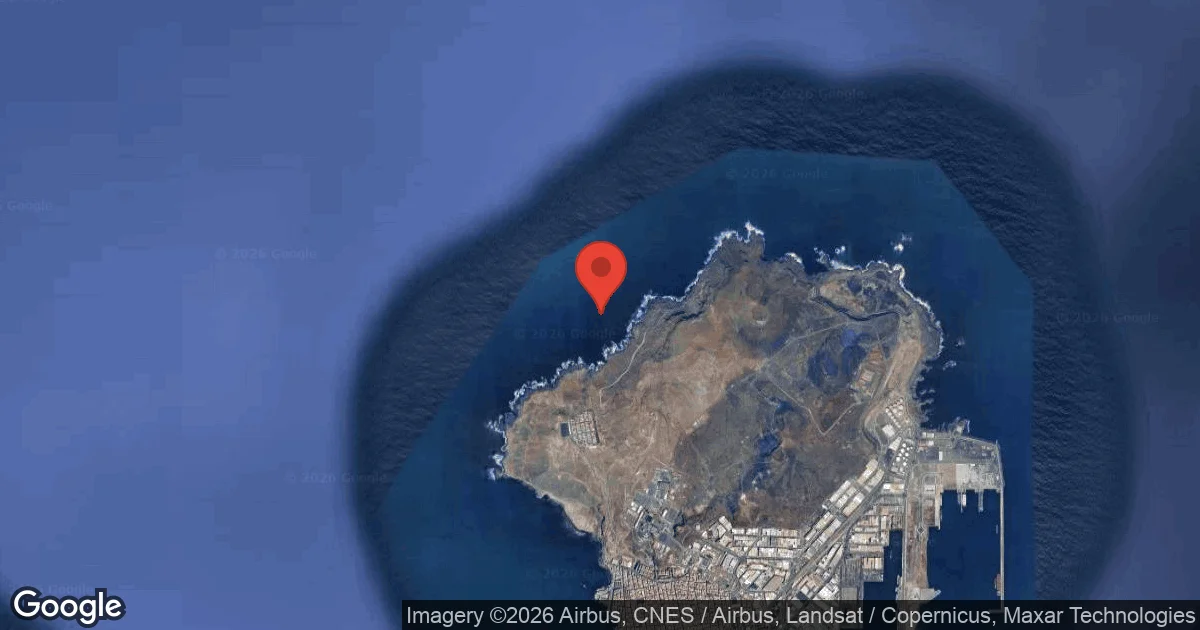
Max 42 m
16.4 km
advancedLa Catedral (La Isleta)
BoatCanyon
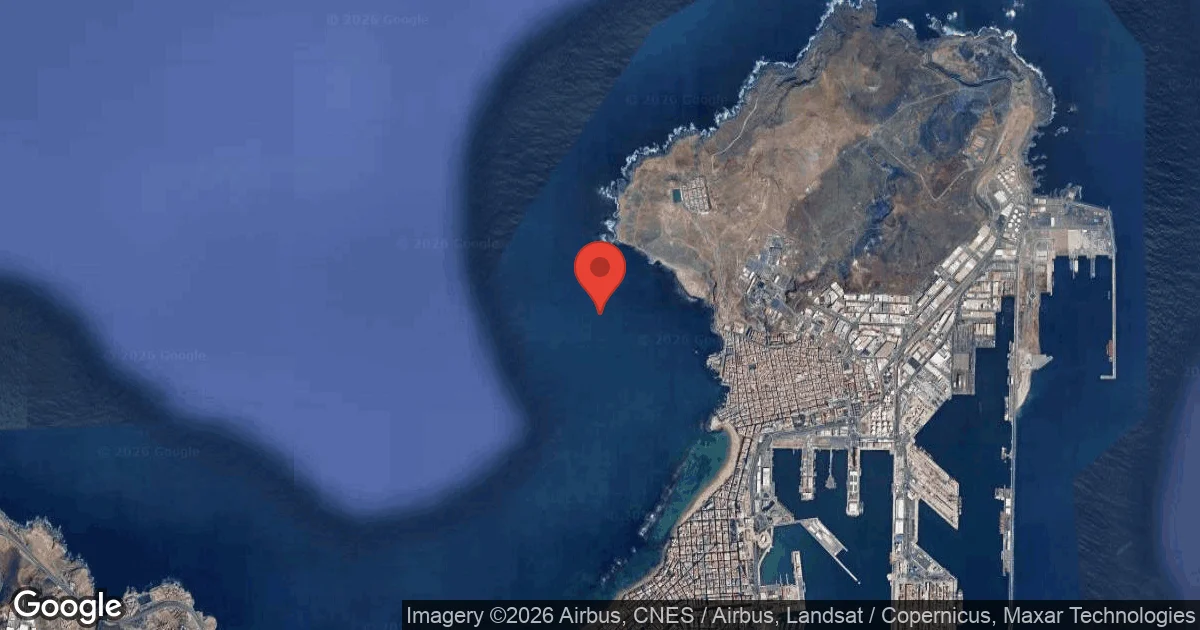
Max 30 m
14.9 km
intermediateBaja Fernando
BoatOcean
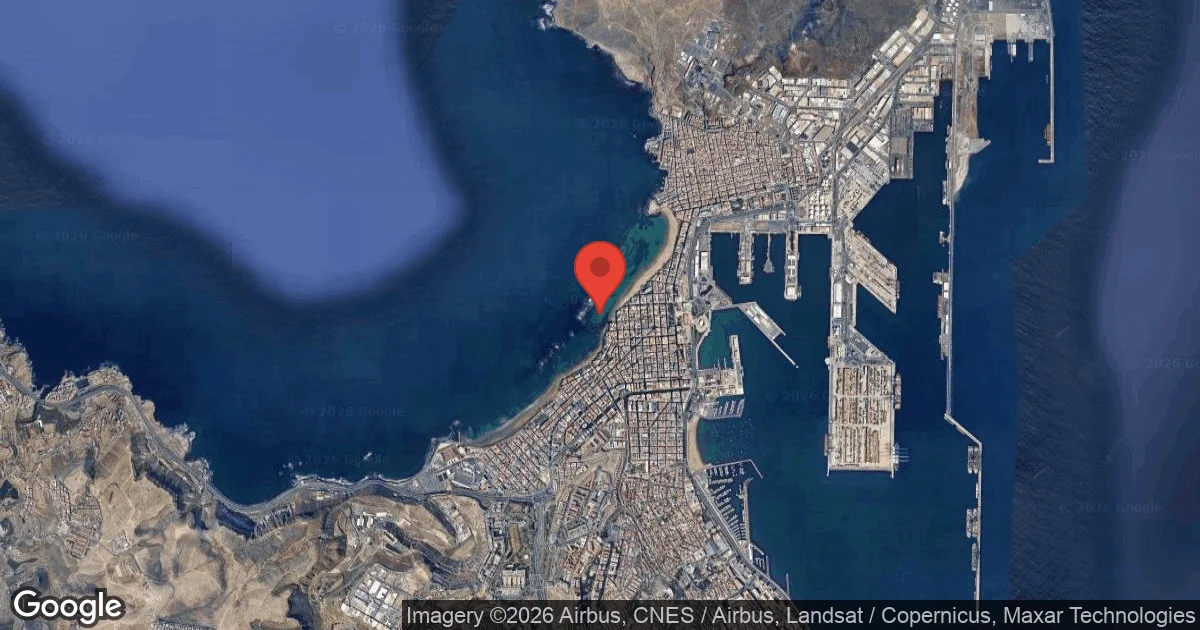
Max 5 m
13 km
360°
beginnerPlaya Chica (Las Canteras)
BeachOcean
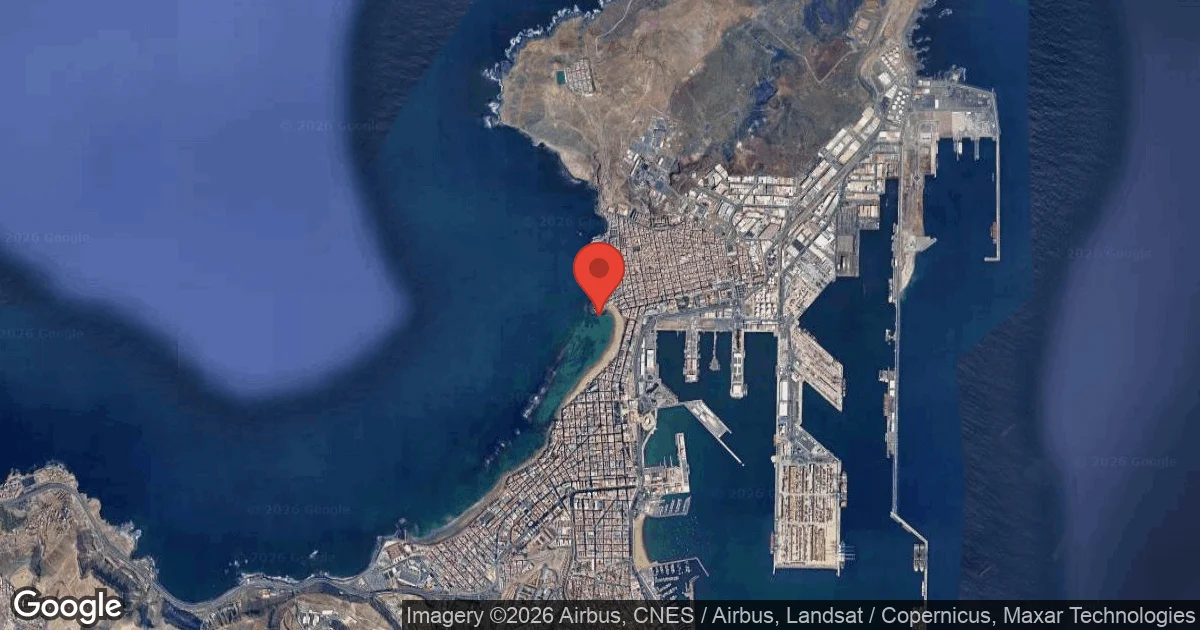
Max 5 m
13.6 km
360°
beginnerPlaya Grande (Las Canteras)
BeachOcean
Max 12 m
14.1 km
360°
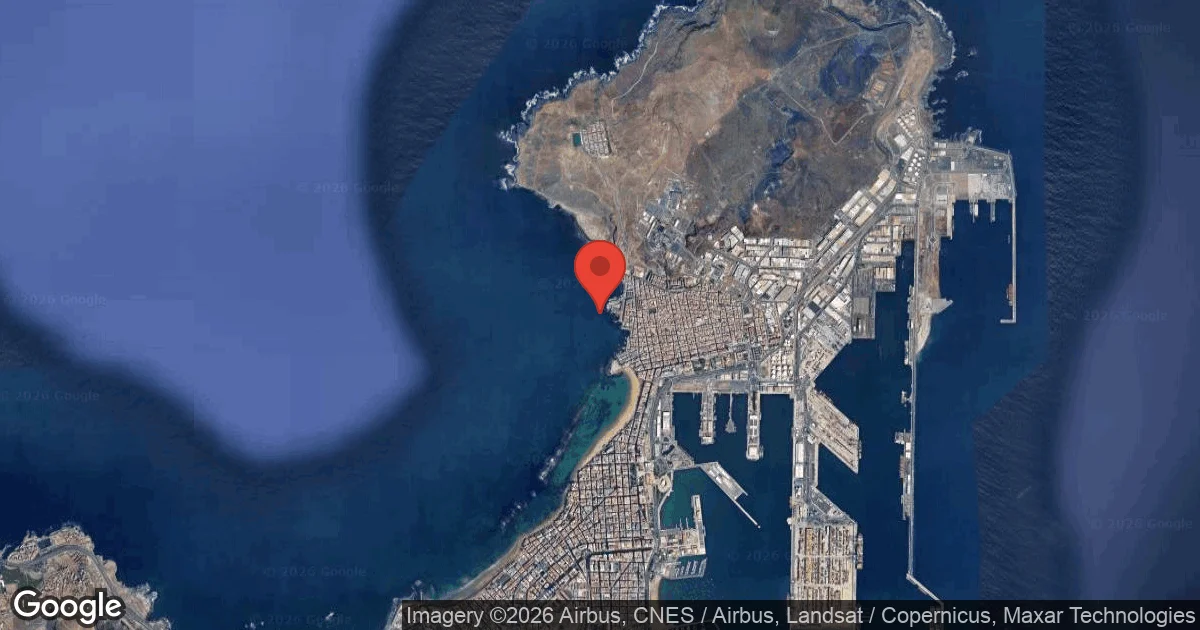
beginnerRoque Matavinos
BoatCanyon
Max 35 m
13.5 km
advancedKalais Wreck
BoatDown Line
Max 35 m
14.5 km
advancedÁngela Pando Wreck
BoatDrift
Max 8 m
5.1 km
beginnerTaliarte
BeachMuck
Max 42 m
16.4 km
advancedLa Catedral (La Isleta)
BoatCanyon
Max 30 m
14.9 km
intermediateBaja Fernando
BoatOcean
Max 5 m
13 km
360°
beginnerPlaya Chica (Las Canteras)
BeachOcean
Max 5 m
13.6 km
360°
beginnerPlaya Grande (Las Canteras)
BeachOcean
Max 12 m
14.1 km
360°
beginnerRoque Matavinos
BoatCanyon
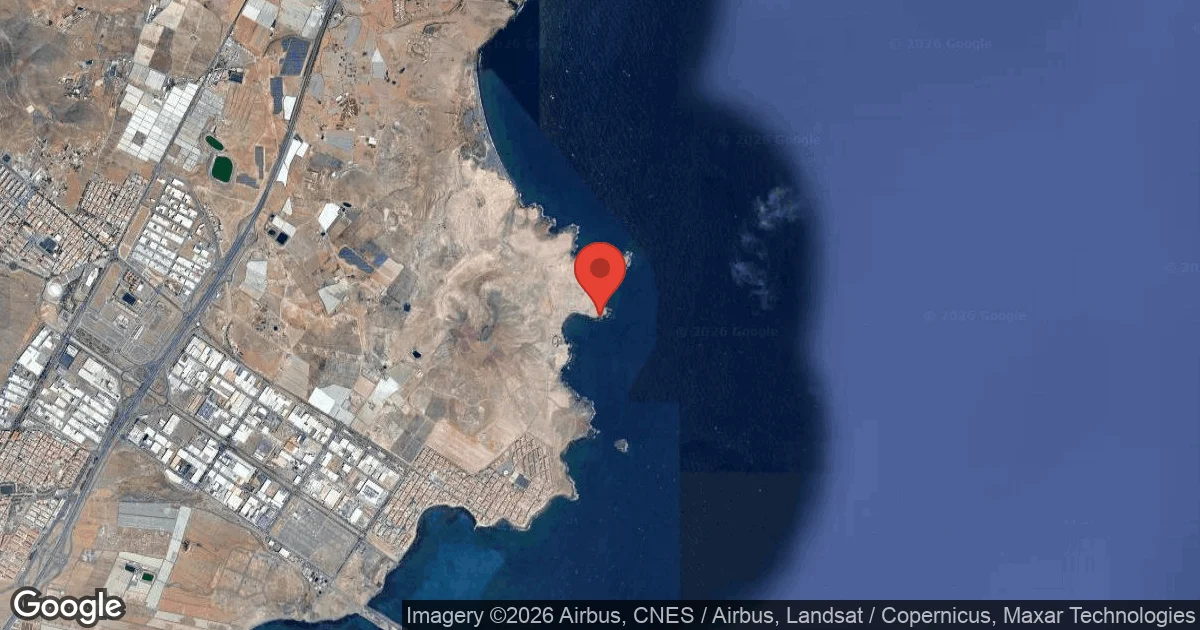
Max 23 m
18 km
360°
intermediateEl Cabrón
CavernOcean
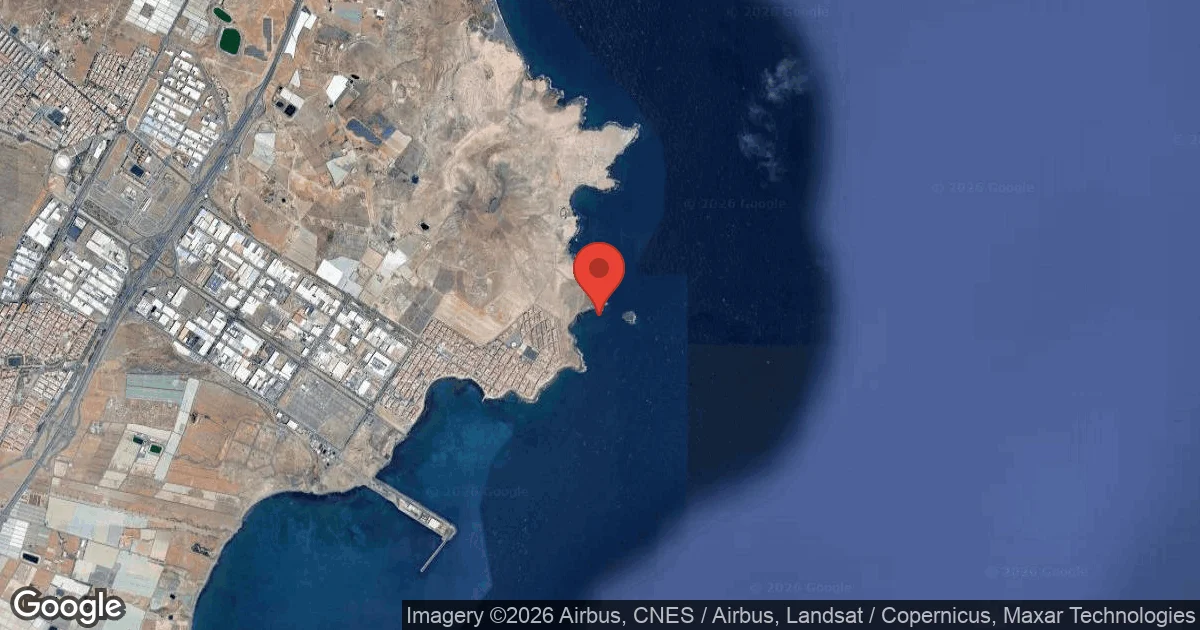
Max 22 m
19 km
360°
beginnerRisco Verde
BeachOcean
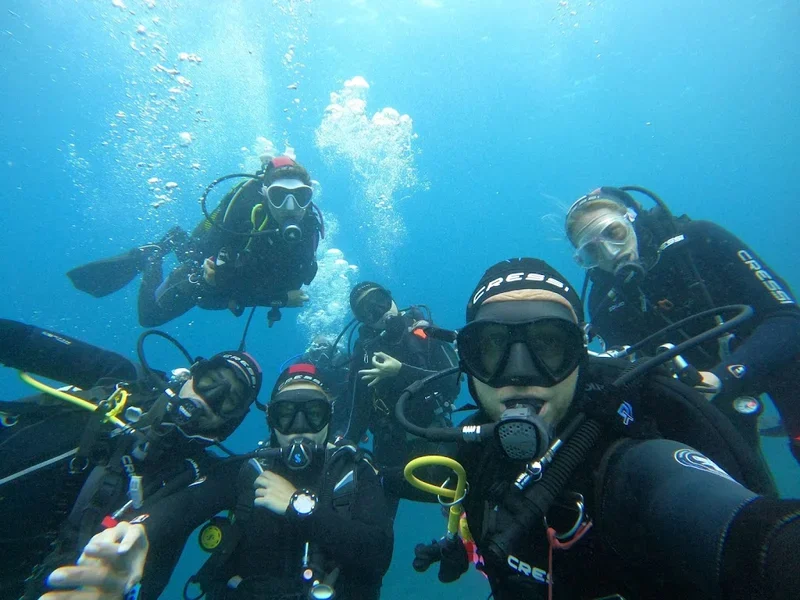
Dive Centers Near Arona Wreck
Working Hours
SunClosed
Mon09:00 - 18:00
Tue09:00 - 18:00
Wed09:00 - 18:00
Thu09:00 - 18:00
Fri09:00 - 18:00
SatClosed
Today: 09:00 - 18:00
SunClosed
Mon09:00 - 18:00
Tue09:00 - 18:00
Wed09:00 - 18:00
Thu09:00 - 18:00
Fri09:00 - 18:00
SatClosed
4.9| 449 reviews
42.9 km
4.7| 500 reviews
43.7 kmNearest Airports
Nearest airports to help plan travel to this dive area.
Gran Canaria Airport LPA
11 km
Tenerife Norte-Ciudad de La Laguna Airport TFN
106 km
Tenerife Sur Airport TFS
117 km
💵 Currency: EUR
Search Flights
Check available flights and routes on Expedia, using the nearby airports listed in this section.
Search Flights on ExpediaAffiliate link · Dive Navigator may earn a commission at no extra cost to you.
Frequently Asked Questions
When did the Arona actually sink, and why do some guides say 1972?
Maritime records and period photographs confirm the Arona (ex-Carmen M. de Pinillos) sank at 18:20 on April 23, 1978 after an engine-room fire and explosion while under tow; 1972 is a recurring misprint in older tourist brochures.
What are the depth and orientation of the Arona wreck?
The 96.7-meter ship lies on its starboard side along a 160-degree heading on a sandy seabed at 36 meters (118 feet), with its port rail rising to roughly 20 to 24 meters.
Is deep interior penetration safe inside the Arona?
No. Decades of Atlantic storms—including major structural collapses in early 2026 that dropped aft bulkheads and tilted the bow onto the sand—have made internal passageways unstable, so divers explore the exterior and open cargo holds.
What certification and gas mix are best for diving the Arona?
Advanced Open Water or Deep Diver certification with at least 40 logged dives is recommended, and Nitrox 32 greatly improves no-decompression margins between 22 and 36 meters.
How do dive boats access and moor on the Arona?
Dive boats run roughly 20 to 25 minutes south from Las Palmas marina (or north from Telde ports) and tie to a permanent mooring line attached to one of the wreck's cargo gantries.
What marine life makes the Arona famous among photographers?
Massive baitballs of bogues hunted by barracudas and amberjacks swirl above the hull, while sea fans, nudibranchs, brown meagre, grunts, stingrays, and angelsharks inhabit the lower plates and sand.
Trip Inquiry
Planning to dive Arona Wreck?
Tell us your dates and diving needs. We'll review your request and seek offers from relevant local dive centers.
Request Dive Offers Free request for offers • No booking obligation
Arona Wreck
Conditions are Good
7/10
Confidence: 8/10
Indicates meteorological model agreement and data availability.
Best Dive Window
Optimal conditions expected
06:12
18:45
H: 10:45
L: 16:20
Air / Sea Temp
21° / 23°
Wave Height
1.2 m
Wind Speed
37 km/h NNW
Rain Chance
0%
Current conditions near Arona Wreck show 21° air, 23° sea temperature, 1.2 m waves, and 37 km/h wind. Forecast data is refreshed regularly to ensure accuracy.
Radius: ~12km
Updated: Nov 24, 2026, 05:25 local timeMARINE: OPEN-METEOWEATHER: YR.NO


