
Diving at Tangalle Reef (Sri Lanka)
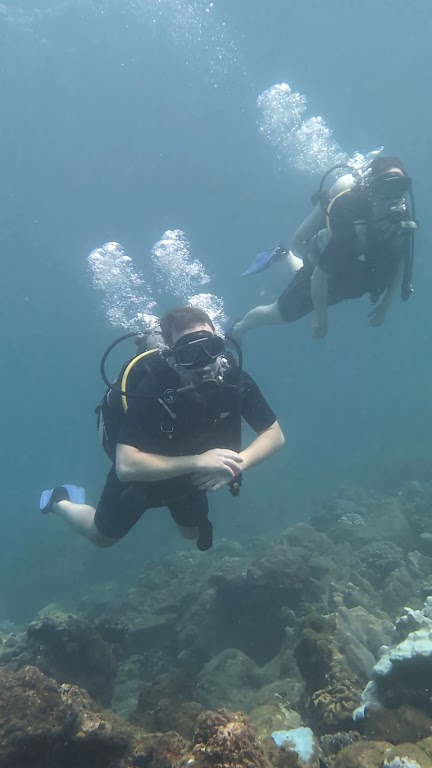
For divers seeking an accessible and vibrant underwater experience, Tangalle reef offers an engaging exploration suitable for all certification levels. The main reef system provides comfortable depths, peaking at a maximum of 18 meters (59 feet). This moderate profile allows for excellent light penetration, illuminating a thriving underwater landscape. Beginners can particularly benefit from the site's focus on discovery diving and snorkeling opportunities, ensuring a welcoming environment for developing skills.
Evening condition tracking at Tangalle Reef features an air temperature of 30.5°C. We have recorded wave heights measuring 1.9 m during this period. These figures outline the environmental parameters currently present.
Dive Site Location & Key Facts
Dive Site Overview
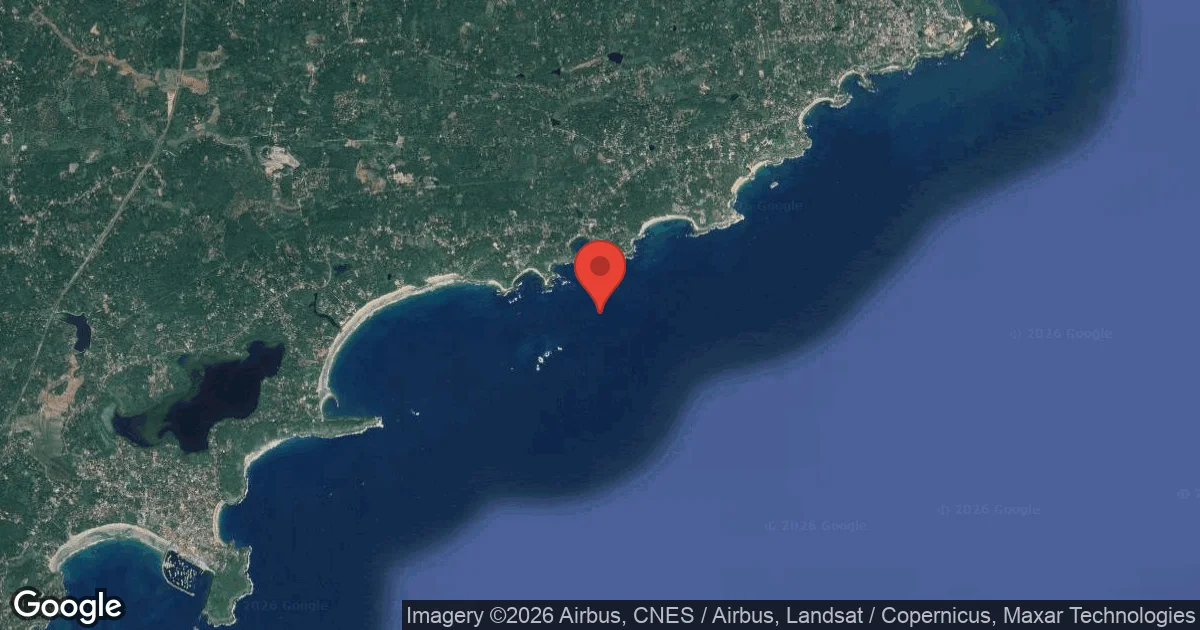
Tangalle Reef sits off Sri Lanka’s southern coast as a shallow reef dive with a reported maximum depth of 18 m (59 ft). The site is shaped by coral patches, low reef structure, and broken rocky sections that give divers a steady, easy-to-follow underwater profile.
The shallower depth keeps the dive open and readable in good conditions. Natural light reaches the reef well, and the route works best at a slower pace, with time spent looking into small reef channels, coral heads, and sheltered areas where reef fish move close to the structure.
Nearby Tangalle and Nilwella dive options include deeper wreck and artificial reef sites For divers planning a two-dive outing in the area, it can work well as the natural reef portion of the day, especially when paired with one of the nearby artificial or wreck sites.
Among primary attractions is the 'Cargo Wreck', known locally as 'Beauty 25'. Resting at 25 meters (82 feet), this fascinating wreck forms a vibrant artificial reef, attracting a variety of marine life. Its local nickname, 'Beauty 25', holds multiple meanings for area divers.
A boat journey to the site often takes around 25 minutes, the wreck itself lies at a depth of 25 meters, and local lore suggests it sank approximately 25 years ago, creating a memorable connection to the number. Wreck structures provide ample opportunities for exploration, with various entry points for certified divers to observe resident species.
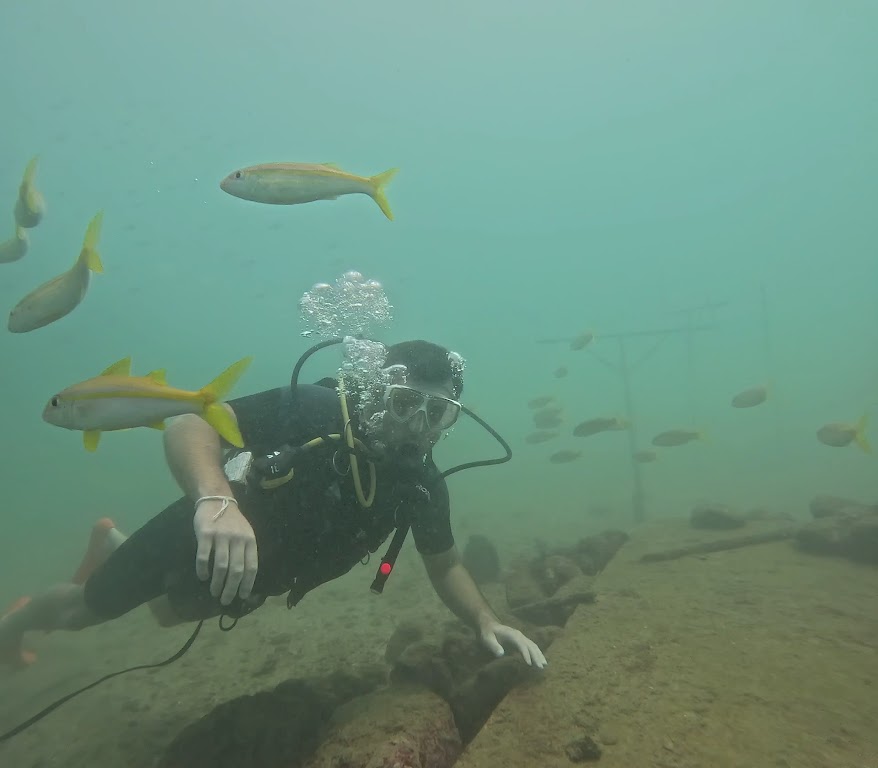
A second compelling site often visited is the 'Underwater Reef Museum'. An innovative project, the 'Underwater Reef Museum' features intentionally placed artificial structures designed to promote coral growth and expand marine habitats.
Exploring the museum reveals carefully positioned sculptures and formations, each serving as a substrate for new coral colonies. Such structures provide shelter and feeding grounds, enriching biodiversity. Together, these two sites present a contrast between historical maritime elements and forward-thinking conservation efforts.
Maximum depth across the dive sites averages around 25 meters (82 feet), varying slightly by specific location. Divers encounter a rich mix of soft and hard corals here, flourishing on both natural and artificial substrates.
Conditions are Poor
High Swell Advisory. Not recommended.
Current conditions near Tangalle Reef show 31° air, 28° sea temperature, 2.3 m waves, and 36 km/h wind. Forecast data is refreshed regularly to ensure accuracy.
Best Time to Dive
Planning your dive around the local climate maximizes the experience at Tangalle reef. The period from January through April and again in December generally provides the most favorable conditions, with consistent 'Good' dive scores. Air temperatures during these months typically range from 26-27.5°C (79-82°F), coupled with lower average wave heights around 1.2-1.4 meters (4-4.6 feet) and lighter winds. Early mornings offer the best water visibility, as afternoon winds can affect the clarity of the ocean floor. Conversely, the monsoon season, particularly June and August, shows 'Poor' dive scores due to increased wave heights, reaching up to 2 meters (6.6 feet), and stronger winds, which may impact comfort and visibility.
PEAK SEASON SCORE
Scores combine air & water temps, waves, wind & rainfall for overall conditions.
BEST MONTHS TO DIVE
Monthly records compiled from satellite and marine observation nodes over the last 3 years. Data provided by Open-Meteo and MET Norway.
Dive Experience & Conditions
A gentle depth profile defines much of the diving at Tangalle reef, with the primary reef system gradually sloping to a maximum depth of 18 meters (59 feet). This characteristic ensures prolonged bottom times and abundant natural light throughout the dive. The topography primarily features extensive hard and soft coral growth, forming numerous bommies and rocky outcrops that create diverse habitats. Water temperature is not consistently reported but generally mirrors the warm air temperatures, remaining pleasant. Visibility often varies depending on the time of day and recent weather, but early morning dives typically offer the clearest conditions, allowing for a detailed appreciation of the flourishing reef.
Dive Difficulty & Safety Guidelines
Diving at Tangalle reef necessitates adherence to standard safety protocols and local guidance. You will be accompanied by an experienced diving master and supporting crew, ensuring supervision appropriate to the group size. Boat entries are the standard method for accessing dive sites here.
It's crucial to follow general dive safety practices, particularly regarding post-dive activities; flying within 24 hours after diving is not recommended for health reasons. Always confirm dive availability, as tours can be cancelled due to unexpected weather, in which case full refunds or alternative activities are usually offered. For comfort and protection, carrying good sunscreen, a hat, and sunglasses is advised.
Recommended Equipment
- Dive Computer
- DSMB
This gear list is based on verified equipment signals for Tangalle Reef, Sri Lanka. Always confirm final gear choices with your dive operator, guide, or liveaboard.
Recommended Dive Suit
Recent conditions suggest the water at Tangalle Reef remains near 28°C (83°F), offering typical conditions for the area. Surface air temperatures are resting at 31°C (87°F).
Weather models indicate a small drop in surface temperatures later this week. Cooler days are ahead; you might want a warmer option for later in the week. A neoprene vest or hood can add flexibility if temperatures feel cooler underwater.
Divers who prefer moderate insulation typically choose 2-3mm shorty or light wetsuit in similar environments. Consider warmer surface protection (like a boat coat) due to brisk winds. Many experienced divers adjust their exposure protection depending on the type of dive planned. Stronger winds may also make surface intervals feel cooler than usual. Divers planning trips later in the week may want to consider bringing a slightly warmer suit.
Emergency & Medical Support
Essential information to help you plan your dive trip to Tangalle reef.

Hyperbaric chambers are a critical part of dive safety infrastructure. Availability varies significantly by region, and not all dive areas have immediate access.
Before diving, it's recommended to:
- confirm nearest medical facilities
- check emergency procedures with local dive operators
- ensure dive insurance covers evacuation if required
Divers Alert Network
Diving emergency assistance available through DAN World.
+1-919-684-9111- 24/7 emergency hotline
- Diving medical assistance
- Evacuation coordination
Emergency contacts are provided for reference. Always verify local emergency services before diving.
Marine Life at Tangalle Reef
The underwater landscape at Tangalle reef is a dynamic habitat, supporting a variety of marine life amidst thriving coral formations. The excellent light penetration nourishes extensive hard and soft corals, creating a complex and colorful foundation for the ecosystem.
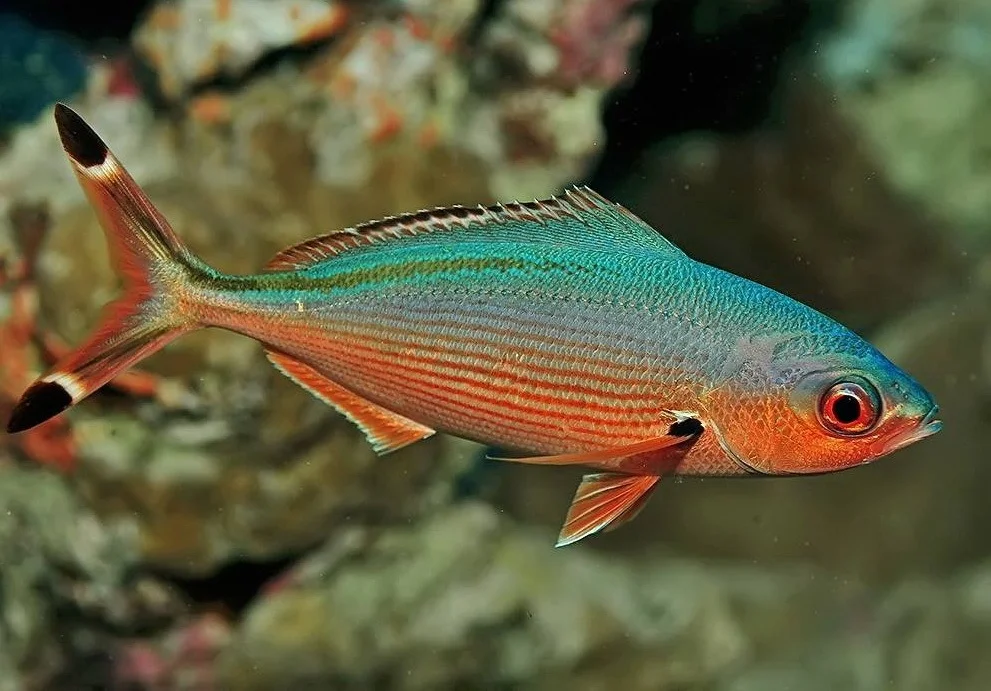
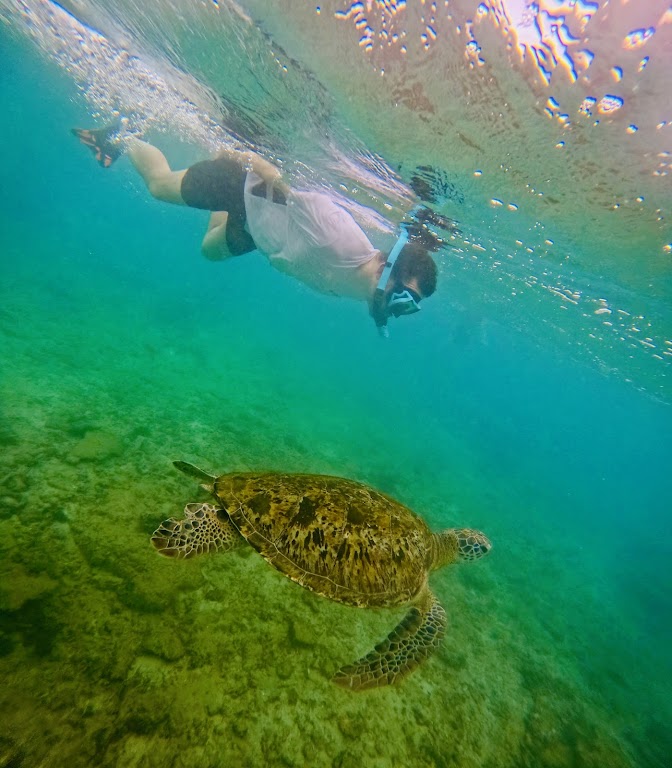
You'll encounter a diverse array of tropical fish, from numerous colorful species to larger schools of shimmering fusiliers and jacks often seen patrolling just off the reef crest. Lucky divers may even share the water with turtles, which are occasionally sighted, adding an exciting element to the underwater exploration.
Dive Sites Near Tangalle Reef
View all dive sites in Sri LankaDiscover more underwater gems in this area.
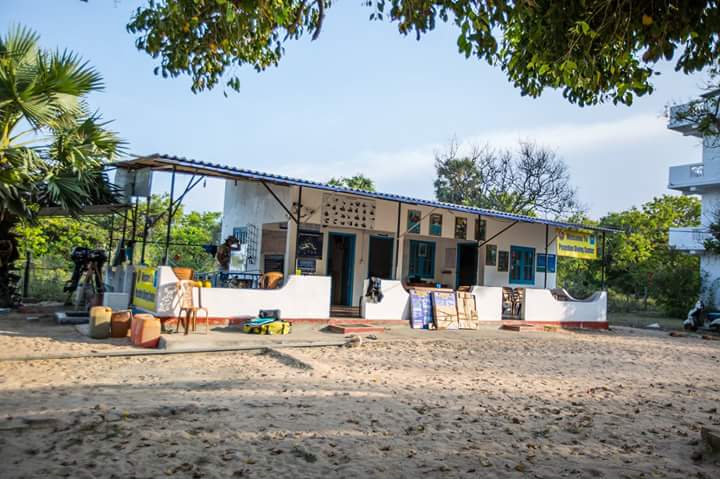
Dive Centers Near Tangalle Reef
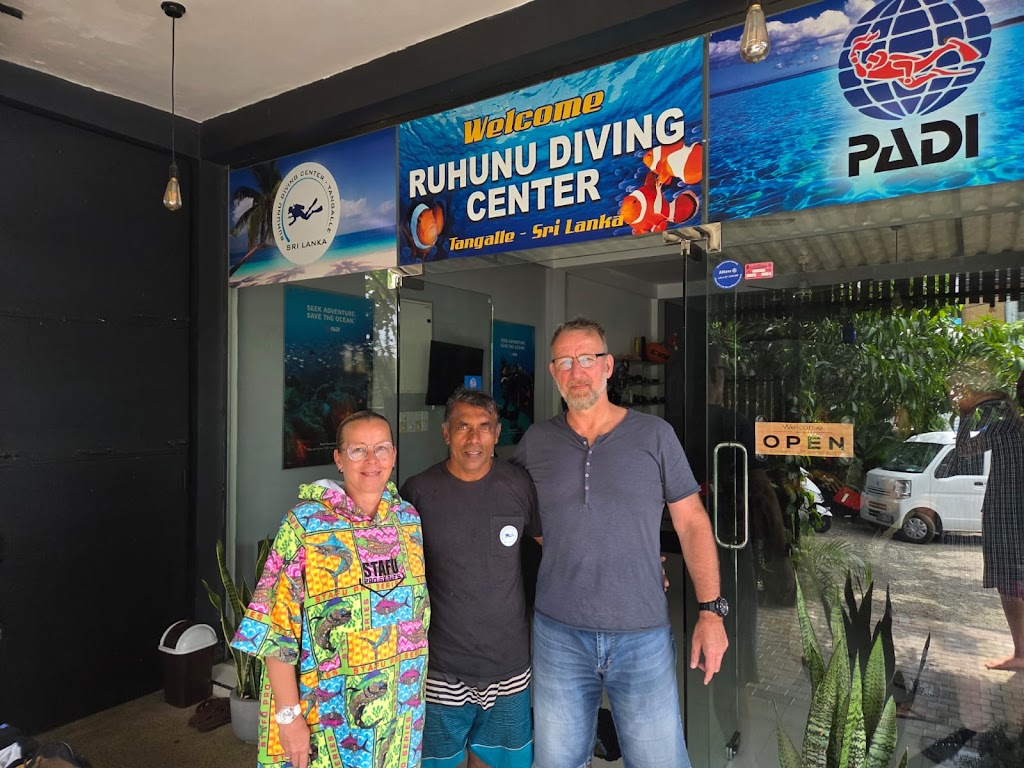
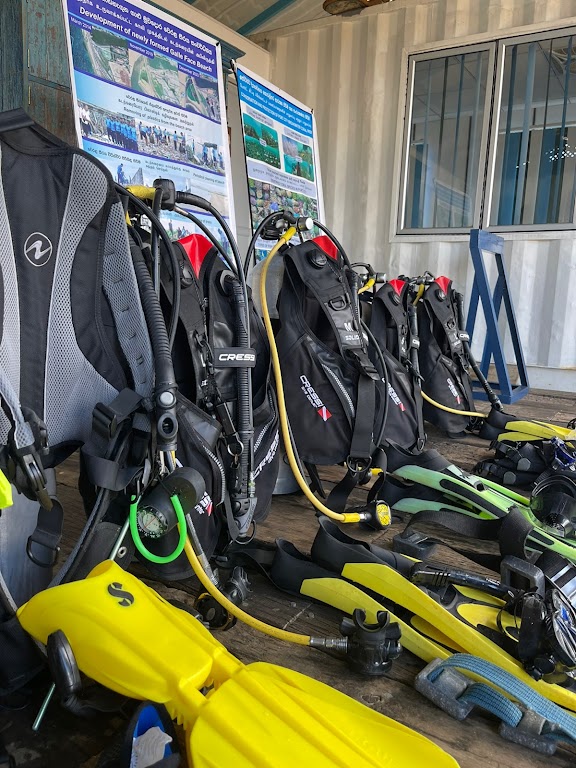
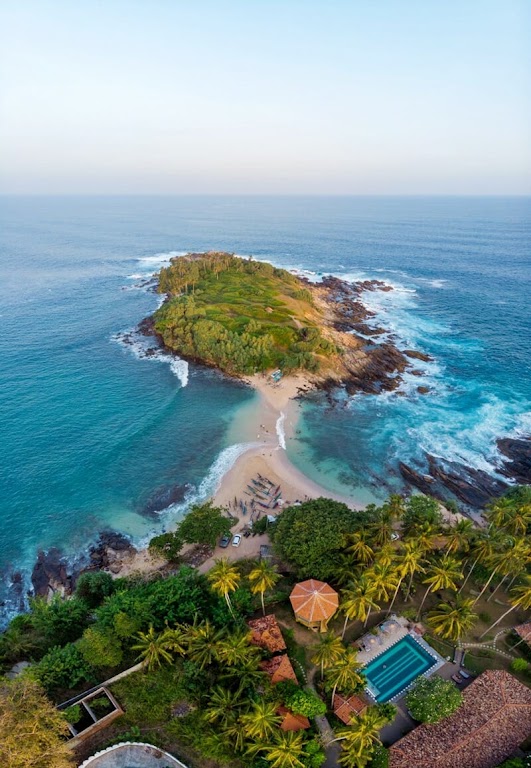
Nearest Airports
Nearest airports to help plan travel to this dive area.
Search Flights
Check available flights and routes on Expedia, using the nearby airports listed in this section.
Search Flights on ExpediaFrequently Asked Questions
Is diving at Tangalle reef a private tour?
No, diving excursions at Tangalle reef are typically offered as group tours. These sessions are usually led by experienced diving masters and include supporting crew.
What is the best time of day for diving at Tangalle?
Early mornings generally offer optimal water visibility at Tangalle reef. Visibility tends to decrease during the day as wind activity can stir up the ocean floor.
Can I go snorkeling in the evening?
Yes, snorkeling in the evening is possible at Tangalle reef. Since freediving takes place on the surface, visibility levels are less affected by wind conditions compared to deeper scuba dives.
How many dives are included in a typical session?
A standard diving tour in Tangalle usually includes two separate dives per session. This allows participants to explore different aspects of the underwater environment.
Is it safe to fly after diving in Tangalle?
For health and safety reasons, it is not recommended to fly within 24 hours after completing a dive. Always allow sufficient surface interval before air travel.
What specific dive sites can be explored?
Divers in Tangalle can explore the 'Cargo Wreck' and the 'Underwater Reef Museum'. These two sites offer distinct underwater experiences, from artificial structures to natural reef formations.
What type of boat is used for dive site transfers?
Dive site transfers are typically conducted using local standard motor boats. These boats are generally 15-19 feet (4.6-5.8 meters) in length, 5 feet (1.5 meters) wide, powered by a 25 H.P. engine, and often feature a foldable roof for comfort.
Planning to dive Tangalle Reef?
Send one inquiry and receive offers directly from the best verified local dive operators.
Conditions are Poor
High Swell Advisory. Not recommended.
Current conditions near Tangalle Reef show 31° air, 28° sea temperature, 2.3 m waves, and 36 km/h wind. Forecast data is refreshed regularly to ensure accuracy.