
Diving in Sri Lanka
Exploring dive sites in Sri Lanka involves navigating different conditions, with variations in visibility, depth, and access. We currently feature 36 mapped dive sites across Sri Lanka. This makes it easier to assess where and when to dive.
The island nation presents a unique dual-coast diving structure in the Indian Ocean. This geographical advantage allows for year-round underwater exploration by shifting between its eastern and western shores, each offering distinct experiences. Both coasts feature a compelling mix of natural reef systems and numerous historical shipwrecks, creating diverse habitats for marine species.
Seasonal monsoons dictate which coast is active at any given time, ensuring optimal conditions are always available somewhere. The west and southwest coasts, including areas like Colombo and Hikkaduwa, are characterized by older wrecks and expansive reef formations. Conversely, the east and northeast coasts, such as Trincomalee, offer sites with dramatic underwater structures and marine parks.
Divers here encounter a rich cross-section of Indian Ocean marine life. Reefs host butterflyfish, parrotfish, and various moray eels. Larger encounters include reef sharks, rays, and seasonal sightings of impressive pelagics such as blue whales, sperm whales, and whale sharks. The underwater landscape supports both macro and large animal observations.
Dive Map of Sri Lanka
Exploring the dive regions reveals a strategic seasonal distribution of sites across its coasts. The island’s diving landscape shifts throughout the year, with different areas becoming accessible depending on the prevailing monsoon patterns. This unique geography ensures continuous diving opportunities.
The west and south coasts, encompassing Colombo, Hikkaduwa, and Unawatuna, feature numerous historical wrecks and extensive reef systems. Moving to the east, Trincomalee and Passikudah offer additional sites, including the notable HMS Hermes wreck.
The northwest coast around Kalpitiya is home to the Bar Reef. Each region provides distinct underwater characteristics, from coral gardens to deep offshore reefs and significant wrecks, ensuring varied experiences for all skill levels.
Dive Sites to Explore
View all 36 sites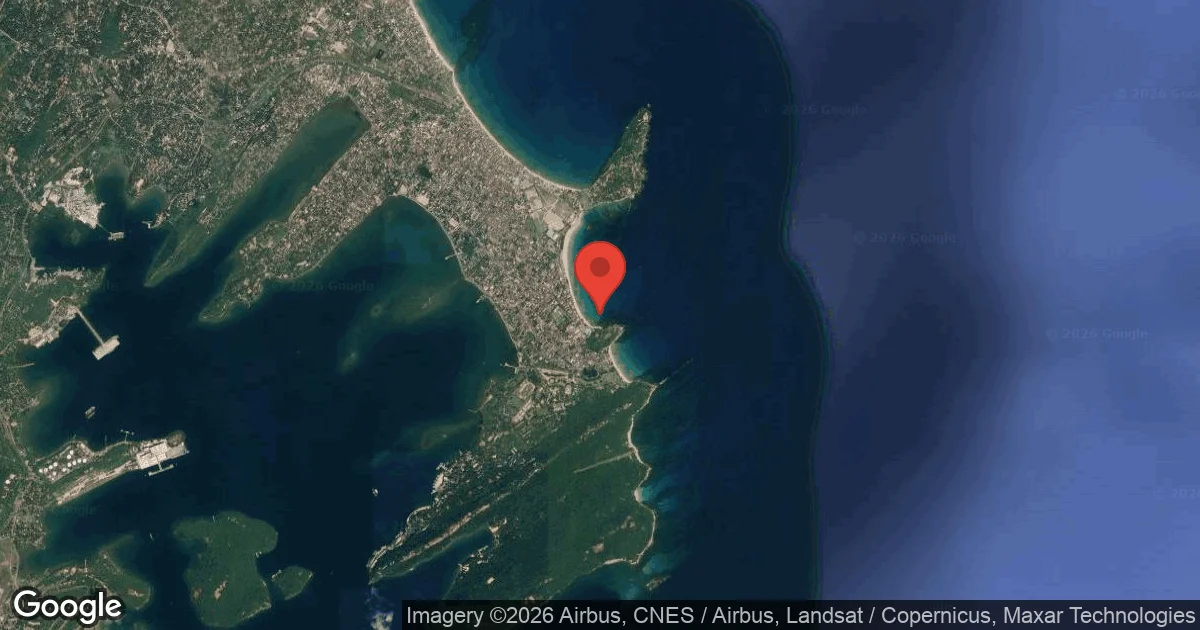
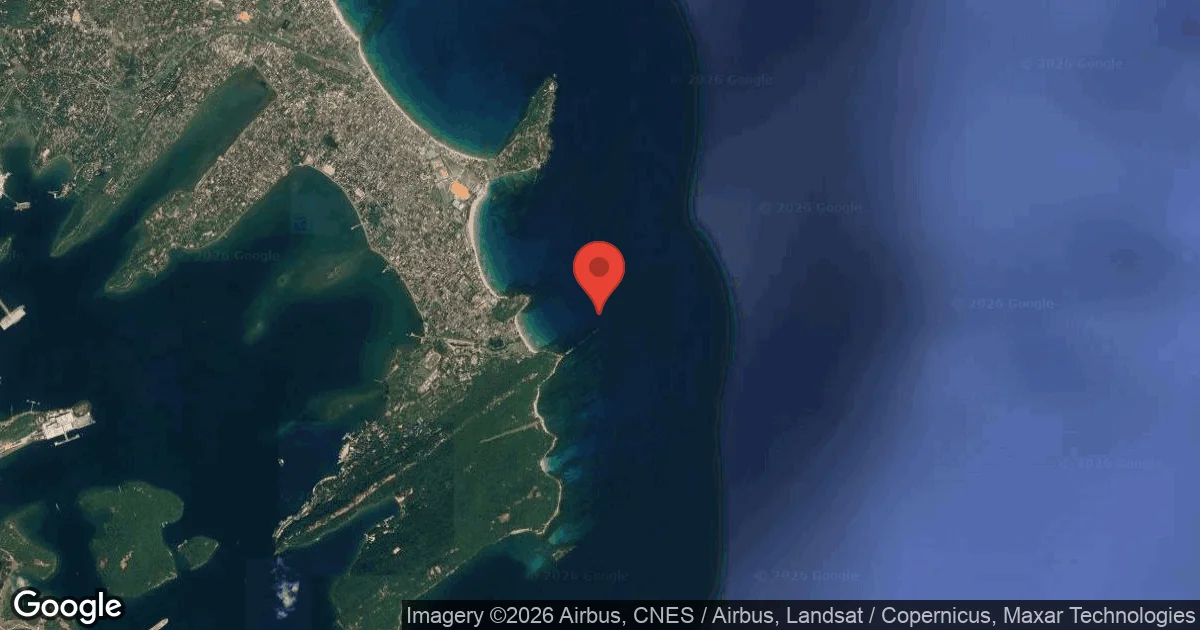
Underwater exploration here is defined by exceptional historical wrecks and diverse natural reefs. The HMS Hermes, a colossal aircraft carrier lying off the east coast near Trincomalee at 53 m (174 ft), stands as a signature deep dive. This site is heavily colonized by sponges, sea fans, and large corals, attracting significant pelagics such as manta rays and occasional whale sharks. It represents a major draw for experienced wreck divers globally.
Beyond the Hermes, the island offers a range of captivating sites. Off the west coast, the Cargo Wreck near Colombo, resting at 30 m (100 ft), is a popular recreational dive. This 1990s freighter has become an artificial reef, providing habitat for sponges, lionfish, rays, and reef sharks. Its open cargo hold allows for easy swim-throughs, with shoaling fusiliers, tuna, and trevally frequently observed.
On the northwest coast, Kalpitiya hosts the Bar Reef, recognized as one of the country’s largest coral reef systems, known for its marine biodiversity. This site is suitable for beginners and offers extensive reef exploration. For those seeking unique reef topography, Swami Reef, accessible from Nilaveli or Trincomalee, features underwater masonry remnants carved into rocky outcrops, creating a dramatic underwater cliff where reef sharks can be seen.
Another significant historical dive is the British Sergeant Wreck, an oil tanker over 122 m (400 ft) long sunk in 1942, found at depths of 24 to 40 m (80 to 130 ft) off Vakarai or Trincomalee. This wreck is adorned with soft corals and serves as a haven for barracudas, trevallies, and various rays. Passikudah Reef, a near-shore site on the east coast, provides excellent conditions for beginners with good visibility, home to hard corals, anemones, green turtles, and tropical fish. The Galle Shipwreck, at 20 m (65 ft), offers easy access to schools of fish and moray eels.
Best Time to Dive in Sri Lanka
Diving in Sri Lanka offers year-round opportunities due to its distinct coastal seasons. The prime months for exploring the west and southwest coasts, including destinations like Colombo, Hikkaduwa, Unawatuna, and Mirissa, are from October to May. During this period, the seas are typically calm, and visibility is at its peak, often reaching 25 to 30 m (80 to 100 ft). November to April specifically offers ideal conditions with very high visibility.
Conversely, the east and northeast coasts, encompassing areas such as Trincomalee, Nilaveli, and Passikudah, are best dived from May to October. These months coincide with the dry season for this side of the island, bringing calm and sunny conditions. Good wreck visibility is often observed in August in these eastern waters. Kirinda, on the southeast coast, experiences its clearer waters for diving between March and May.
The seasonal shift also influences marine life sightings. During the winter months, from October to February, or more specifically December to April, divers have increased chances of spotting larger pelagics. This includes blue whales, sperm whales, and dolphins, with blue whales being particularly frequent in March and April. While currents can be moderate, they sometimes bring in larger pelagic species, enhancing the dive experience.
Monthly Sea Temperatures
Consistent warmth defines Sri Lanka’s underwater environment, making it comfortable for divers year-round. Divers typically find lighter exposure protection sufficient for comfortable dives across the island.
The waters generally remain warm, ranging between 27°C and 30°C (80°F and 86°F). While some data suggests a broader range of 20°C to 30°C (68°F and 86°F), other reports indicate a more consistent 27°C to 29°C (81°F and 84°F).
These inviting conditions often mean a 3mm wetsuit or a dive skin is adequate for most. The highest water temperatures are typically observed in April and November, contributing to a relaxed dive experience with minimal thermal discomfort.
| Jan | Feb | Mar | Apr | May | Jun | Jul | Aug | Sep | Oct | Nov | Dec | |
|---|---|---|---|---|---|---|---|---|---|---|---|---|
| Max | 29° | 30° | 30° | 31° | 30° | 29° | 28° | 29° | 29° | 30° | 30° | 29° |
| Avg | 28° | 28° | 29° | 30° | 29° | 28° | 27° | 27° | 28° | 29° | 29° | 28° |
| Min | 26° | 27° | 28° | 28° | 28° | 27° | 26° | 26° | 27° | 27° | 28° | 27° |
Dive Conditions
Seasonal shifts and prevailing currents significantly dictate the diving experience and necessary safety protocols. Conditions throughout the island vary, with moderate to strong currents frequently encountered. These currents, while requiring attentiveness, are often responsible for attracting larger pelagic species like barracudas, trevally, and schooling fusiliers, enhancing the dive.
Currents can be unpredictable at certain sites, making local expertise invaluable. Diving with a knowledgeable local guide is essential for navigating these patterns safely and maximizing enjoyment. Guides provide critical insights into site-specific current behavior and potential hazards, especially at advanced locations known for stronger flows.
Visibility generally ranges from 25 to 30 m (80 to 100 ft) during favorable periods, often exceeding 30 m (100 ft) in peak seasons. However, monsoon seasons, especially from May to September in the south and west, can bring rougher seas and reduce clarity. Conversely, dry seasons on both coasts typically offer calm surface conditions and excellent underwater visibility. Occasional plankton blooms may temporarily affect clarity, yet they also draw in larger filter feeders like whale sharks. Divers should always monitor local reports and plan accordingly.
Marine Life Highlights
Most Mentioned Species
Marine life in Sri Lanka varies across dive locations, with different species appearing depending on environment and conditions. The species highlighted here are the most frequently associated with dive sites in our data, offering a realistic overview of what divers are most likely to encounter.
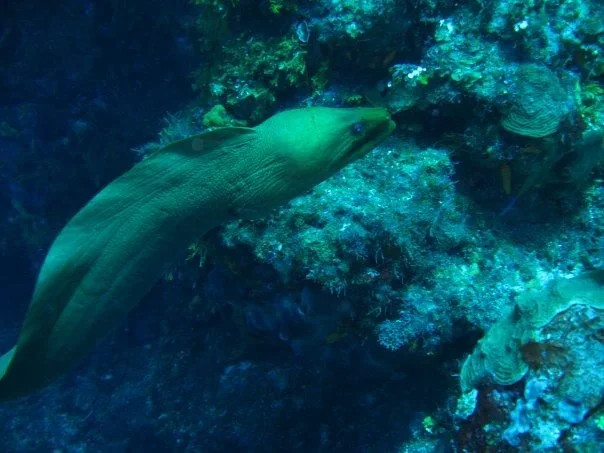
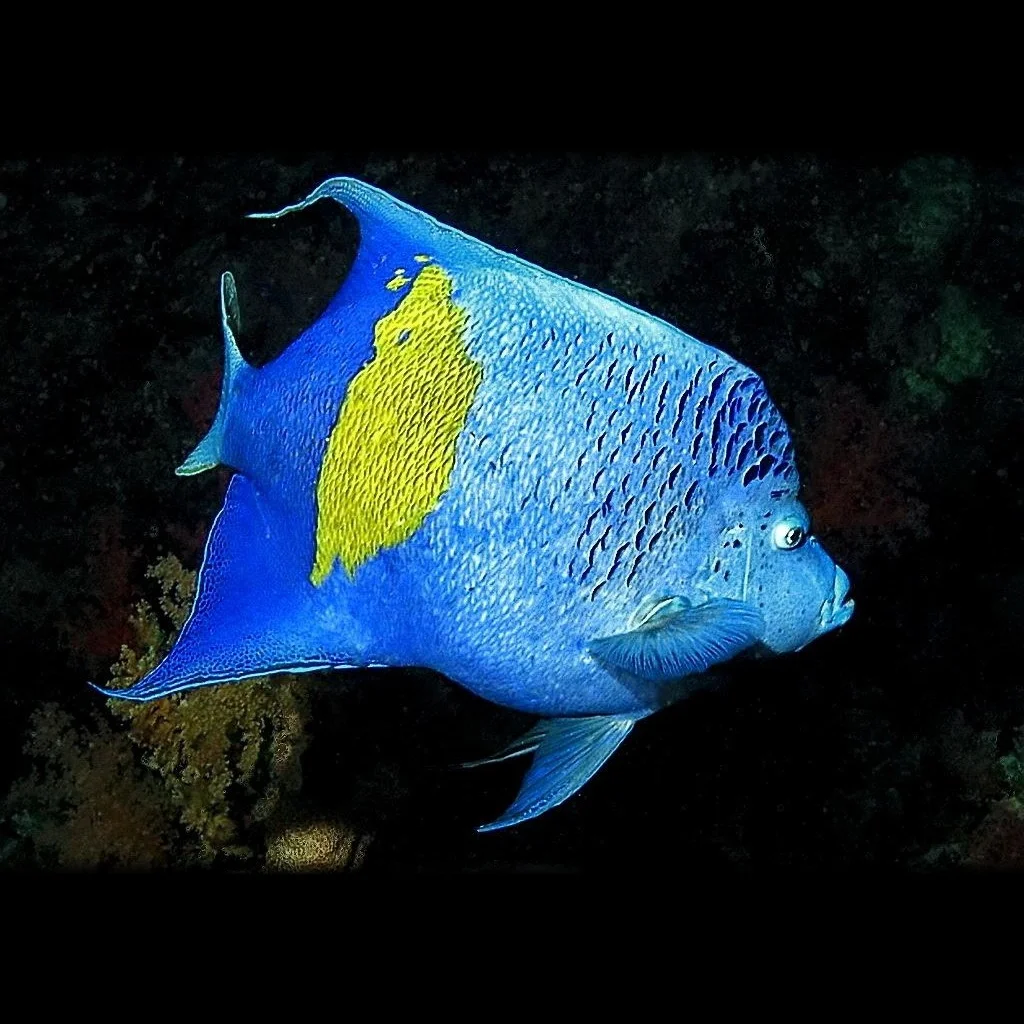
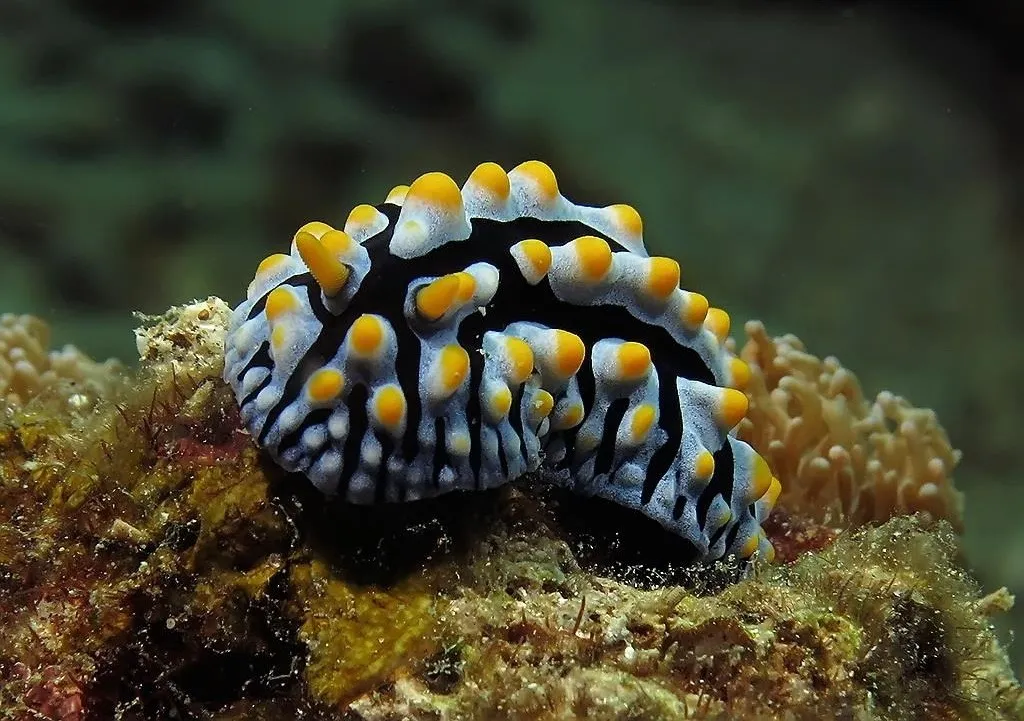
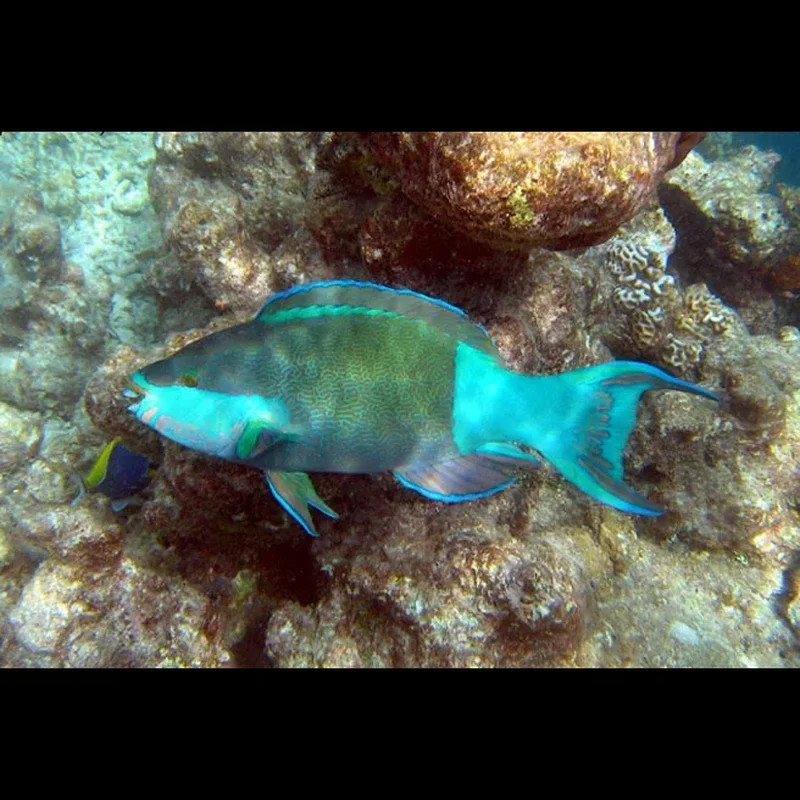
Sri Lanka's waters support a diverse array of marine life, offering both abundant reef residents and seasonal encounters with large pelagics. The coral reefs and wreck sites host a full catalog of Indian Ocean reef fish, including butterflyfish, angelfish, parrotfish, and anemonefish. Schools of fusiliers, snapper, and triggerfish are commonly observed, creating dynamic underwater scenes.
Divers frequently encounter reef sharks, such as blacktip and whitetip species, alongside various rays including eagle and bull rays. Sea turtles, particularly green and hawksbill varieties, are also regular inhabitants. The larger species and pelagic hunters are a significant draw, with seasonal sightings of blue whales, sperm whales, whale sharks, and dolphins.
Beyond the larger creatures, the macro life is also notable, with ornate nudibranchs, shrimps, and other small critters found in crevices and on reef structures. The underwater landscape is adorned with hard and soft corals, gorgonian sea fans, and sponges, which provide essential habitat for moray eels, barracudas, and groupers. Night dives in areas like Unawatuna can reveal glowing plankton and nocturnal creatures.
Regions for Diving
Sri Lanka’s coastal geography dictates distinct diving styles across its primary regions. The West and Southwest Coasts, active from October to May, offer a blend of historical wreck exploration and vibrant reef dives. Destinations like Colombo are characterized by numerous older wrecks, including the SS Worcestershire and the Cargo Wreck, which provide artificial reef habitats for diverse marine life. Unawatuna and Hikkaduwa present extensive reef systems, such as the Hikkaduwa Coral Gardens, suitable for all skill levels in calm, warm waters averaging 27-30°C (80-86°F) with visibility often reaching 20-30 m (65-100 ft). Mirissa and Weligama also contribute with accessible reefs like Prince Heinrich Patch, ideal for beginner to intermediate divers.
The East and Northeast Coasts, including Trincomalee and Passikudah, come alive for diving from May to October. This region is a major draw for wreck divers, boasting the iconic HMS Hermes aircraft carrier and other WWII casualties like the British Sergeant Wreck. Trincomalee also offers remarkable reef sites such as Swami Reef and Eel Rock, known for dramatic drop-offs and abundant moray eels, respectively. Passikudah provides calm, shallow waters perfect for beginners to explore hard corals and green turtles. The waters here maintain similar warm temperatures, and good wreck visibility is common during the season.
Further north, the Northwest Coast around Kalpitiya is home to the Bar Reef Marine Sanctuary. This area is distinguished by one of Sri Lanka’s largest and most pristine coral reef systems, making it a prime location for experiencing extensive marine biodiversity. The diving here often involves exploring these vast natural formations.
Finally, the Southeast Coast, particularly around Kirinda, caters to more adventurous deep-sea diving. Active from March to May for optimal conditions, this offshore reef system, known as the Great Basses Reef, offers interactions with larger pelagics and ocean-going species. Each region provides a unique facet of Sri Lanka's underwater landscape, allowing divers to tailor their experience based on season and preferred dive style.
Travel & Passport Guide
Travel Basics
Trip Planning
Safety & Diving Considerations
Ensuring diver safety in Sri Lanka requires an understanding of local environmental factors and best practices. Seasonal monsoons and varying currents are important considerations for planning. Monsoon seasons, particularly from May to September in the south and west, can bring rougher seas and reduced visibility, potentially limiting diving opportunities. Monitoring local weather conditions and dive reports is crucial.
Currents throughout Sri Lanka's dive sites can range from moderate to strong and may be unpredictable. Diving with a knowledgeable local guide is essential to navigate these conditions safely and to maximize enjoyment. Guides provide critical insights into local current patterns and site-specific hazards.
Additionally, occasional boat traffic, especially during peak tourist seasons, necessitates vigilance on the surface and during ascent and descent. Adhering to established dive practices and choosing reputable dive operators ensures a safer and more rewarding experience.
Dive Centers in Sri Lanka
View all 84 dive centers


Frequently Asked Questions
What are the best times of year to dive in Sri Lanka?
Sri Lanka offers year-round diving by alternating between its coasts. The west and southwest coasts are best from October to May, with ideal conditions from November to April, featuring calm seas and high visibility. For the east and northeast coasts, the prime diving season runs from May to October, with good wreck visibility often noted in August. Kirinda, on the southeast, has clearer waters from March to May.
What are the typical water temperatures for diving in Sri Lanka?
The sea temperatures in Sri Lanka are consistently warm throughout the year, making for comfortable diving. Temperatures generally range between 27°C and 30°C (80°F and 86°F). Some areas may see temperatures from 20°C to 30°C (68°F and 86°F). The warmest periods usually occur in April and November, meaning lighter exposure suits like a 3mm wetsuit or dive skin are often sufficient.
Which dive sites are recommended for exploring shipwrecks in Sri Lanka?
Sri Lanka has several notable wreck dives. The HMS Hermes, a significant aircraft carrier, lies off the east coast near Trincomalee and is a major deep dive. Also in Trincomalee, you can find the British Sergeant Wreck, an oil tanker over 122 m (400 ft) long. Near Colombo on the west coast, the Cargo Wreck is a popular recreational dive, and the Galle Shipwreck is accessible from Galle.
What kind of marine life can divers expect to see in Sri Lanka?
Divers in Sri Lanka can encounter a wide range of marine life. Reefs host numerous Indian Ocean fish species like butterflyfish, parrotfish, and anemonefish. Larger residents include reef sharks, various rays, and sea turtles. Seasonal highlights feature impressive pelagics such as blue whales, sperm whales, and whale sharks. Macro life, including nudibranchs and shrimps, is also prevalent, complementing the diverse coral formations.
Are there specific dive sites suitable for beginner divers?
Yes, several sites cater to beginner divers. Passikudah Reef on the east coast, near the shore, offers good visibility and is home to hard corals, green turtles, and tropical fish in calm, shallow waters. Hikkaduwa Coral Gardens on the southwest coast are also shallow, colorful, and beginner-friendly. The Bar Reef Marine Sanctuary near Kalpitiya on the northwest coast is another extensive reef system accessible to new divers.
What are the general visibility and current conditions in Sri Lanka?
Visibility in Sri Lanka typically ranges from 25 to 30 m (80 to 100 ft), often exceeding this during favorable seasons. However, visibility can be reduced during monsoon periods or by plankton blooms. Currents can be moderate to strong and sometimes unpredictable, especially at deeper offshore sites. It is recommended to dive with a knowledgeable guide to navigate these conditions safely and effectively.