Loading...

Diving at SS Umbria (Sudan)
Published
Last updated
Resting on the sheltered landward slope of Wingate Reef roughly 6.5 km / 4 mi northeast of Port Sudan harbor, SS Umbria is a 154.9 m / 508 ft Italian armed cargo liner scuttled by her own crew on 10 June 1940 as Italy entered World War II. Shielded from open Red Sea swell by the outer coral barrier, the intact steel hull lists at roughly 75 degrees on her port side from surface-breaking lifeboat davits at 0 to 5 m / 0 to 16 ft down to a sandy seabed at 38 m / 125 ft. Never commercially salvaged after sinking, her sunlit cargo holds still preserve 360,000 stacked aerial bombs, solidified cement sacks, glass wine bottles, and three Fiat 1100 Lunga automobiles beneath eight decades of Red Sea coral growth. Calm lagoon water makes the site accessible across multiple dives for both recreational and technical wreck teams.
Tonight's objective overview for SS Umbria shows an air temperature of 31°C. The measured surface conditions include wave heights around 0.7 m. This environmental data is logged for the close of the day.
Dive Site Location & Key Facts
Site Characteristics
Max Depth38m / 125ft
Entry Typeboat
Water Typesalt
Dive Types
DeepNightReef
Dive Site Overview
Launched in December 1911 and completed in early 1912 at the Reiherstieg shipyard in Hamburg as Bahia Blanca, this Hamburg-built passenger and cargo steamer measured 154.9 m / 508 ft in length with an 18.1 m / 59 ft beam and 10,076 gross register tons. Twin triple-expansion steam engines drove dual propellers at 13 knots along routes between Europe and South America before the Argentine government operated the ship from 1918 to 1934. Purchased by Italy in 1935 and renamed Umbria, she was refitted as a colonial troop and supply ship serving East African ports.
In late May 1940, SS Umbria departed Italian ports bound for Eritrea carrying roughly 8,600 metric tons / 9,480 short tons of war supplies stowed across five holds, including 360,000 aircraft bombs, 600 cases of detonators, bagged cement, wine bottles, and three Fiat 1100 Lunga sedans. Shadowed down the Red Sea by the Royal Navy sloop HMS Grimsby, a sister ship to escorts logged in the Australian War Memorial naval archive, she was intercepted off Port Sudan on 9 June 1940 alongside the cruiser HMNZS Leander, which had arrived at Port Sudan five days earlier to lead the Red Sea Force according to the National Museum of the Royal New Zealand Navy.
Ordered to anchor inside Wingate Reef under British naval guard while HMNZS Leander enforced the blockade detailed in New Zealand wartime naval records, Captain Lorenzo Muiesan listened secretly to Italian radio inside his cabin. Hearing confirmation that Italy entered World War II on 10 June 1940 as recorded in the official North and East African campaign timeline, Muiesan requested permission to run a routine lifeboat drill while engineers opened the sea valves, settling the ship onto the reef without casualties so her munitions could never be used against Italian forces.
Because post-war ordnance teams off Port Sudan's naval anchorage deemed bomb salvage too dangerous, SS Umbria remained intact on the inner flank of Wingate Reef. Today her 75-degree port list places starboard davits right at the surface while preserving vehicles, munitions stacks, tiled bakery ovens, and twin propellers across a multi-level reef profile.
SS Umbria
Conditions are Good
7/10
Confidence: 8/10
Indicates meteorological model agreement and data availability.
Best Dive Window
Optimal conditions expected
06:12
18:45
H: 10:45
L: 16:20
Air / Sea Temp
31° / 30°
Wave Height
0.9 m
Wind Speed
25 km/h ENE
Rain Chance
100%
Current conditions near SS Umbria show 31° air, 30° sea temperature, 0.9 m waves, and 25 km/h wind. Forecast data is refreshed regularly to ensure accuracy.
Radius: ~12km
Updated: Nov 23, 2026, 12:40 local timeMARINE: OPEN-METEOWEATHER: YR.NO
Best Time to Dive
Diving on SS Umbria follows Sudan's spring and autumn Red Sea liveaboard seasons because no land-based dive resorts operate along the Sudanese coast as noted in the IUCN 2025 Conservation Outlook Assessment for Sudan's Marine National Parks. Peak expedition departures run from February through May, when sea temperatures rise from 24 to 26°C / 75 to 79°F in late winter to 27 to 29°C / 81 to 84°F by May and offshore itineraries combine Wingate Reef with hammerhead shark diving at Sanganeb and Sha'ab Rumi. A second favorable window spans October and November, when warm 28 to 30°C / 82 to 86°F waters align with seasonal reef manta ray activity tracked in King Abdullah University of Science and Technology Red Sea telemetry.
Between June and September, liveaboards suspend Sudanese schedules as Port Sudan air temperatures surpass 38 to 42°C / 100 to 108°F and summer sea surface temperatures climb to 31 to 32°C / 88 to 90°F according to a 39-year Sudanese Red Sea coral reef study. Because the outer crest of Wingate Reef blocks open-ocean chop even during brisk northerly breezes, expedition yachts routinely schedule SS Umbria for both check-out dives and multi-dive finales including night descents.
PEAK SEASON SCORE
89/100
Very GoodScores combine air & water temps, waves, wind & rainfall for overall conditions.
BEST MONTHS TO DIVE
MAY
JUN
NOV
DIVE SCORE GUIDE (0–100)
Excellent (90–100)
Very Good (80–89)
Good (70–79)
Moderate (50–69)
Poor (30–49)
Not Recommended (0–29)
Monthly records compiled from satellite and marine observation nodes over the last 3 years. Data provided by Open-Meteo and MET Norway.
Dive Experience & Conditions
Positioned on the calm inner lagoon margin of Wingate Reef roughly 6.5 km / 4 mi northeast of Port Sudan, where shallow reef habitats were surveyed at 5 m / 16 ft in Senckenberg Natural History Museum collections, SS Umbria is reached by inflatable zodiac from liveaboards moored right behind the reef barrier. The outer coral wall absorbs Red Sea swell and blocks coastal drift, leaving the water over the hull calm with minimal surge and virtually zero current. Listing at roughly 75 degrees on her port side, the ship rises from 36 to 38 m / 118 to 125 ft on the sand beneath the bow and 30 to 36 m / 98 to 118 ft at the stern rudder up to 3 to 15 m / 10 to 49 ft along the starboard hull, with encrusted lifeboat davits breaking the surface at 0 to 5 m / 0 to 16 ft.
Wide, uncovered deck hatches let bright shafts of sunlight flood the five cavernous cargo holds between 12 and 28 m / 39 and 92 ft. Inside those open bays, divers hover above neat rows of 360,000 aerial bombs, petrified 50 kg / 110 lb cement sacks fused into solid blocks, thousands of glass wine bottles, aircraft tires, and three Fiat 1100 Lunga cars parked side by side in Hold 3. Multi-dive routes also trace the bow anchor chain, promenade walkways, tiled bakery with its dough mixer, engineer's workshop, and the massive four-bladed starboard propeller suspended in clear water above the deeper port screw. Horizontal visibility around the exterior hull spans 15 to 35 m / 49 to 115 ft while seasonal water temperatures hold between 24 and 30°C / 75 and 86°F during spring and autumn sailings, though fine silt inside enclosed machinery rooms clouds rapidly if disturbed.
Dive Difficulty & Safety Guidelines
The shallow starboard hull, external gangways, stern propeller, and wide sunlit upper cargo openings between 0 and 18 m / 0 and 59 ft allow certified Open Water and Advanced Open Water divers to tour SS Umbria with long no-decompression times and direct vertical access to the surface. Descending to the 38 m / 125 ft bow requires Deep Diver training, while entering the enclosed engine room, boiler room, or narrow companionways tilted at 75 degrees places divers in a dark, disorienting overhead environment where walls and ceilings invert orientation. Any interior penetration into machinery or lower deck spaces strictly requires Wreck Diver or Technical Wreck certification, continuous guideline reels, controlled frog-kicks, and redundant lighting. Across every hold, divers must maintain neutral trim and never touch, prod, or bump the 360,000 unexploded aerial bombs or corroded brass detonators and fuzes scattered from rotted wooden crates.
Diving off Port Sudan also requires strict operational self-reliance because civil conflict has rendered roughly 70 percent of Sudan's healthcare facilities non-functional according to the UK Government Sudan Country Information Note, and Port Sudan lacks reliable ambulance services and public hyperbaric chambers. As highlighted in the U.S. Department of State Sudan Travel Advisory, local emergency medical care is unavailable and any decompression injury requires international air ambulance evacuation, making active Divers Alert Network or specialist medevac coverage mandatory. Divers should use Enriched Air Nitrox within strict maximum operating depths, maintain wide no-decompression buffers, complete 5 minute safety stops beside the shallow starboard davits at 5 m / 16 ft, and verify official maritime and travel advisories for Port Sudan before booking.
Recommended Equipment
Deep dive hazard. Increased narcosis and gas consumption risk.
Overhead / entanglement risk. Wreck penetration requires proper training.
- Dive Computer
- DSMB
- Primary & Backup Lights
- Wreck Reel
- Cutting Tool
This gear list is based on verified equipment signals for SS Umbria, Sudan. Always confirm final gear choices with your dive operator, guide, or liveaboard.
Recommended Dive Suit
Comfort levels can also depend on how active a diver is during the dive.
The water around SS Umbria is currently holding at approximately 30°C (85°F), setting the tone for today's dives. Surface air temperatures are resting at 31°C (88°F). When water temperatures fall within this range, many divers dive comfortably with dive skin or rash guard. A hood or vest is suggested for sensitive divers due to surface winds.
Weather projections show fairly stable environmental conditions ahead.
SS Umbria conditions last reviewed: 12:40 local time (UTC+2), Nov 23, 2026
Emergency & Medical Support
Essential information to help you plan your dive trip to SS Umbria.

Hyperbaric chambers are a critical part of dive safety infrastructure. Availability varies significantly by region, and not all dive areas have immediate access.
Before diving, it's recommended to:
- confirm nearest medical facilities
- check emergency procedures with local dive operators
- ensure dive insurance covers evacuation if required
24/7 Available
Divers Alert Network
Diving emergency assistance available through DAN World.
+1-919-684-9111- 24/7 emergency hotline
- Diving medical assistance
- Evacuation coordination
Emergency contacts are provided for reference. Always verify local emergency services before diving.
Marine Life at SS Umbria
Situated along the central Sudanese Red Sea reef corridor documented in UNESCO World Heritage marine assessments and UNESCO records for nearby Sanganeb Atoll, SS Umbria functions as a mature coral-draped oasis. Sunlit starboard plates, masts, and winches between 0 and 15 m / 0 and 49 ft are covered in branching Pocillopora and Acropora stony corals, massive Porites boulders, and fire coral fans, while shaded companionways and ropes down to 23 m / 75 ft host soft corals and red sponges from which marine biologists described the holotype of the sponge goby Bryaninops spongicolus. Heavy clusters of thorny spiny oysters and pearl oysters encrust the surface-breaking davits and handrails.
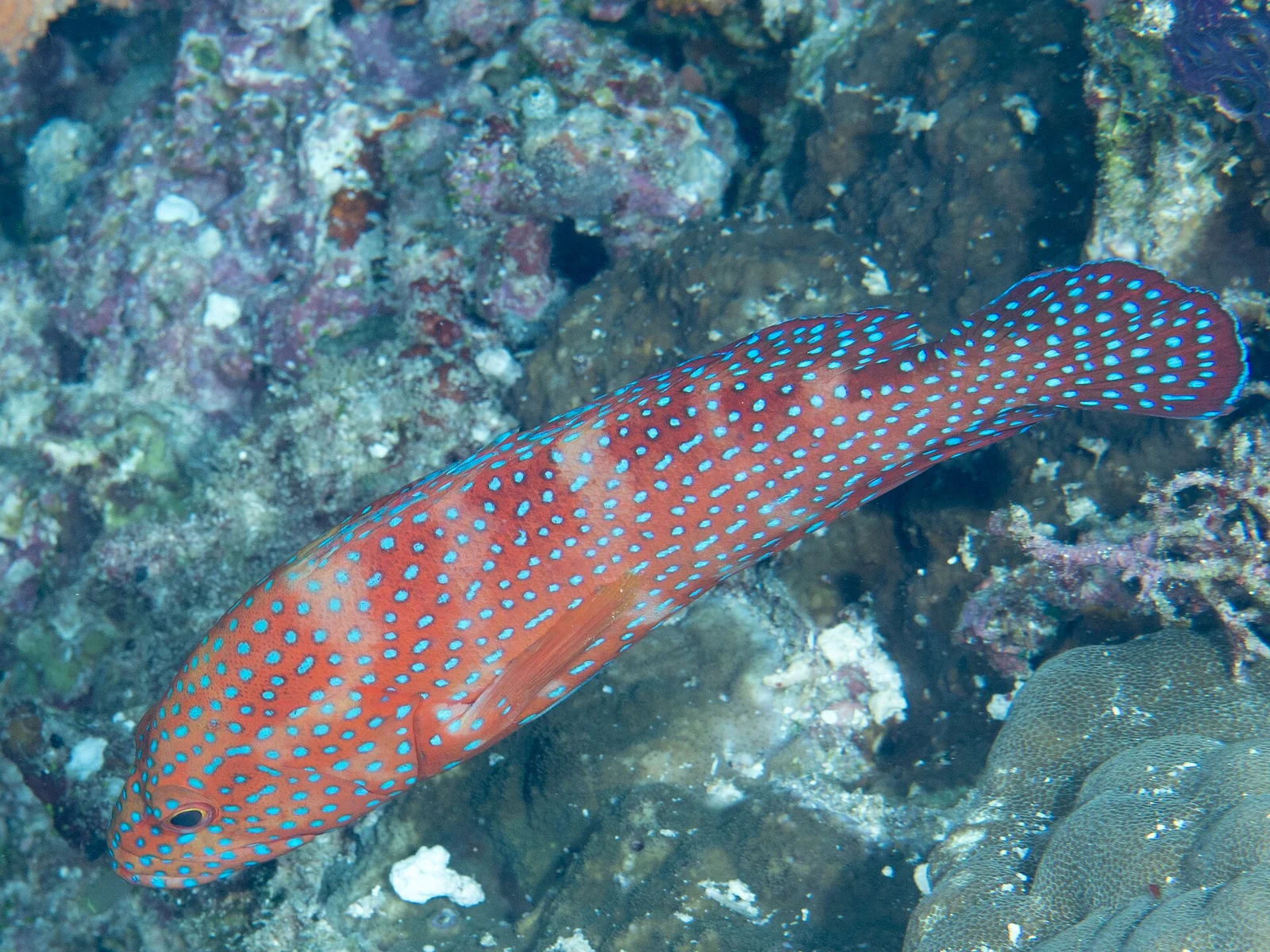
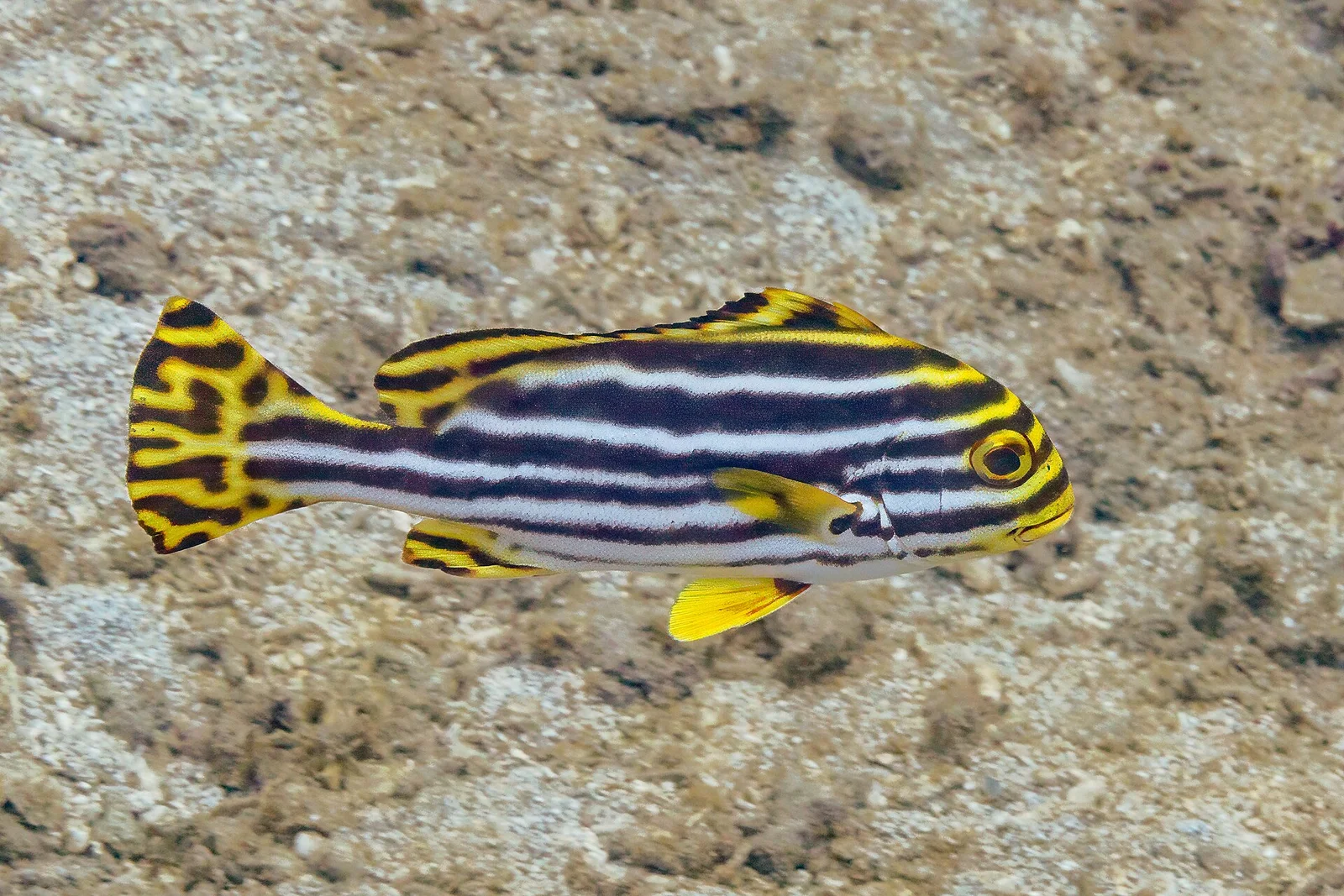
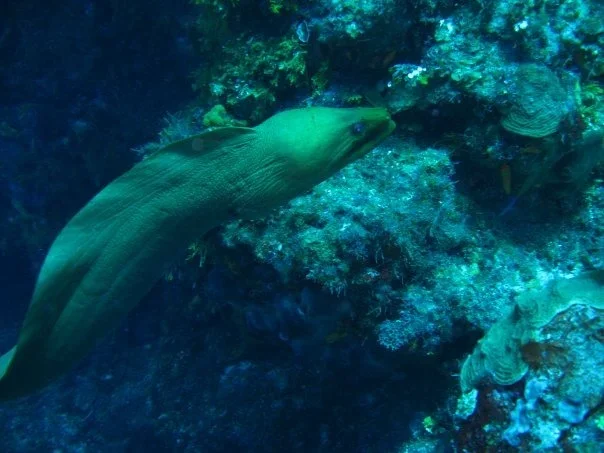
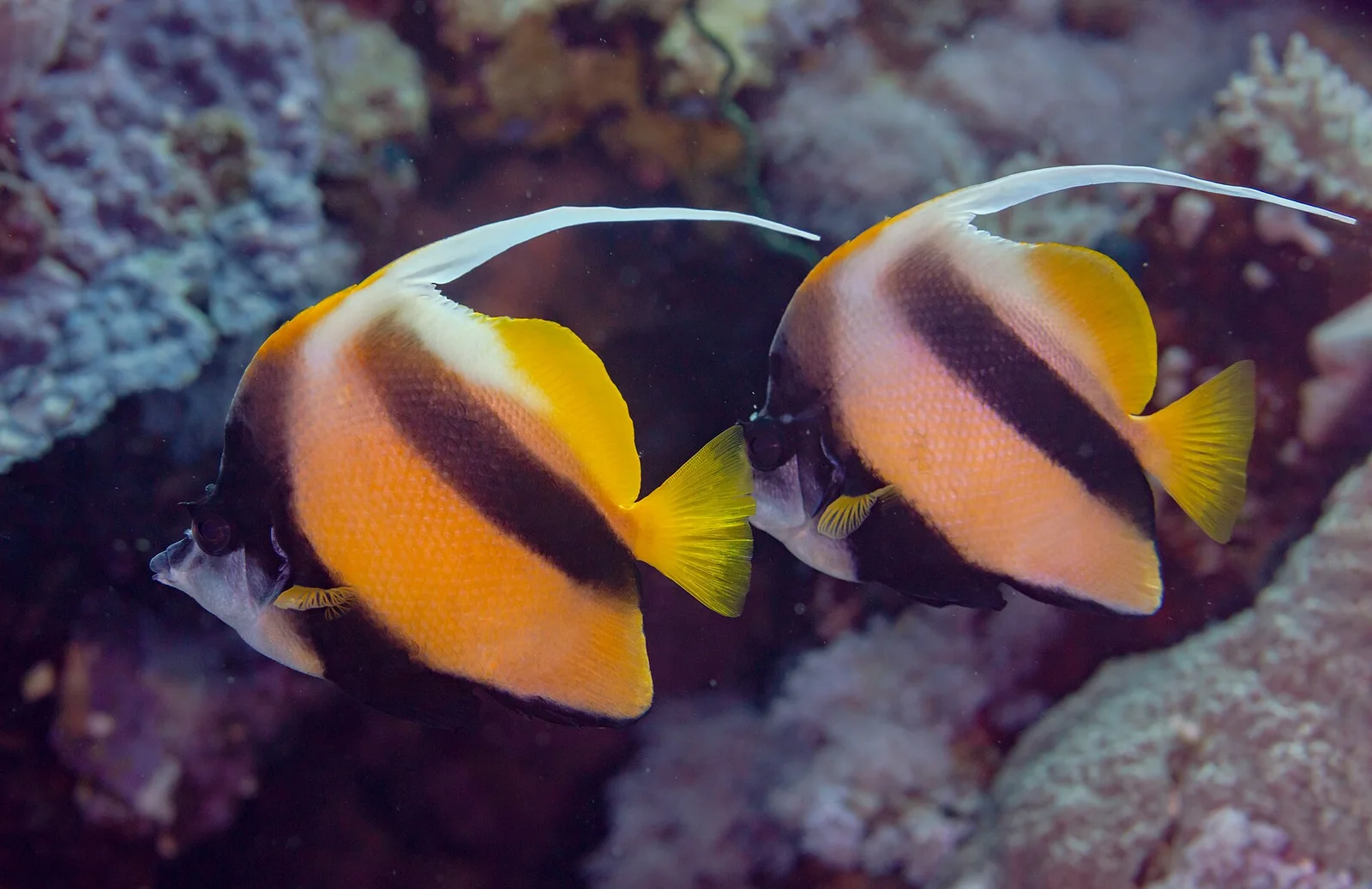
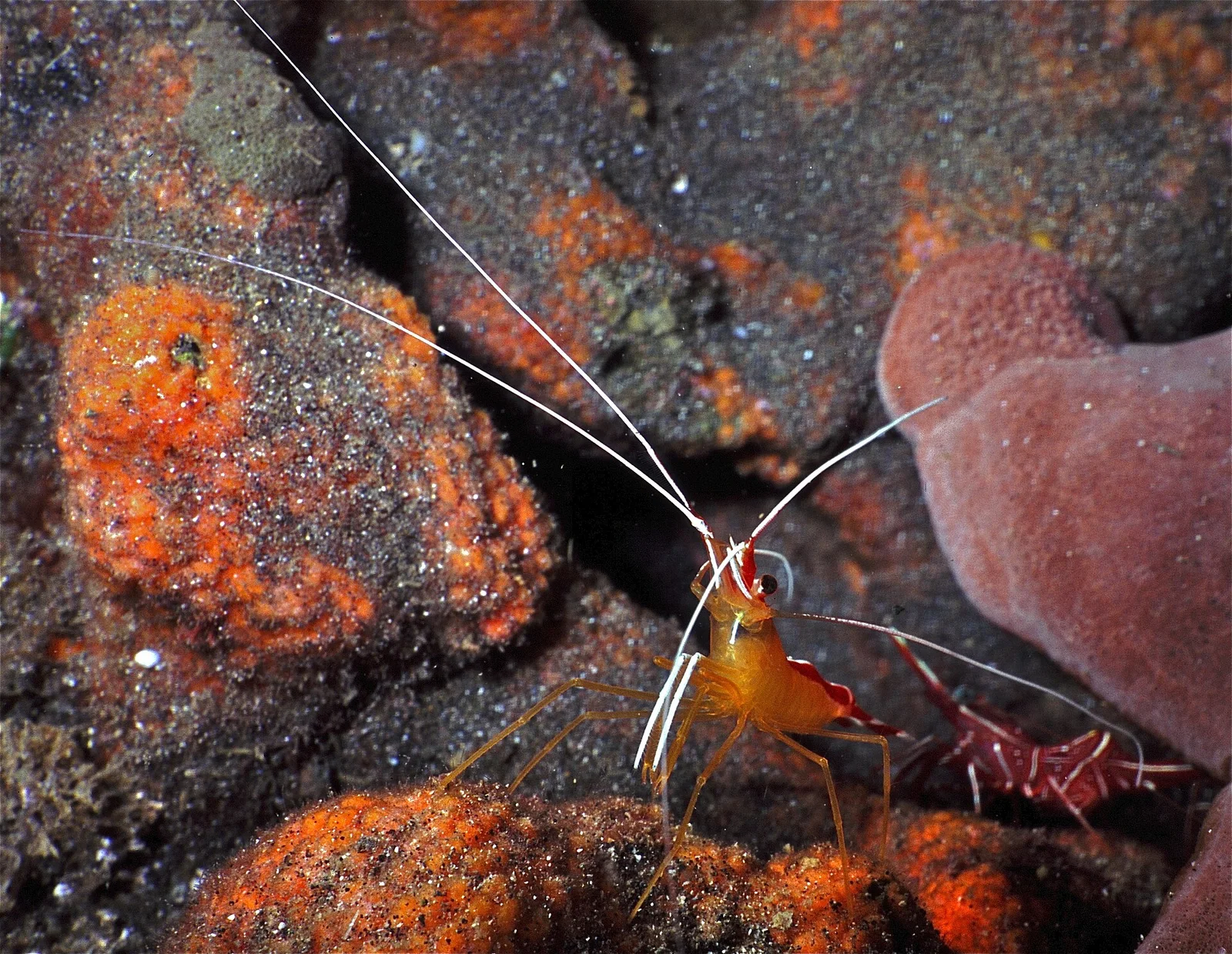
Dense Red Sea fish life patrols every deck level, led by masked butterflyfish, bannerfish, royal and emperor angelfish, and endemic two-band anemonefish nestled in anemones along the bow anchor chain. Common lionfish, coral hind groupers, sweetlips, and snappers hover beneath the stern rudder and open hatch rims, while schools of great barracuda, bigeye trevally, and bumphead parrotfish cruise the outer sandy drop-off and cleaner shrimp, moray eels, and Spanish dancer nudibranchs emerge on calm night dives.
1 / 3
Image contributors:Rickard Zerpe, Diego Delso + 1 more
Want to contribute photos or local dive knowledge? Learn how to contributeDive Sites Near SS Umbria
View all dive sites in SudanDiscover more underwater gems in this area.
Dive Centers Near SS Umbria
Working Hours
Sun08:00 - 16:00
Mon08:00 - 16:00
Tue08:00 - 16:00
Wed08:00 - 16:00
Thu08:00 - 16:00
FriClosed
Sat08:00 - 16:00
Today: 08:00 - 16:00
Sun08:00 - 16:00
Mon08:00 - 16:00
Tue08:00 - 16:00
Wed08:00 - 16:00
Thu08:00 - 16:00
FriClosed
Sat08:00 - 16:00
4.8| 20 reviews
7.3 kmNearest Airports
Nearest airports to help plan travel to this dive area.
Port Sudan New International Airport PZU
23 km
King Abdulaziz International Airport JED
298 km
Taif International Airport TIF
396 km
💵 Currency: SDG
Search Flights
Check available flights and routes on Expedia, using the nearby airports listed in this section.
Search Flights on ExpediaAffiliate link · Dive Navigator may earn a commission at no extra cost to you.
Frequently Asked Questions
How deep is the SS Umbria wreck in Sudan?
SS Umbria rests on the inner slope of Wingate Reef across depths from 0 m / 0 ft down to 38 m / 125 ft on the sand beneath the bow. Listing roughly 75 degrees to port, her starboard lifeboat davits touch the surface at 0 to 5 m / 0 to 16 ft, her five open holds span 12 to 28 m / 39 to 92 ft, and her stern rudder and engine room sit between 30 and 38 m / 98 and 125 ft.
Why did Captain Lorenzo Muiesan scuttle the SS Umbria on 10 June 1940?
Intercepted by HMS Grimsby and HMNZS Leander on 9 June 1940 while carrying 8,600 metric tons / 9,480 short tons of supplies toward Eritrea, the ship was held under British guard at Wingate Reef. When Captain Muiesan heard on his cabin radio on 10 June 1940 that Italy had entered World War II, he staged a lifeboat drill so his crew could open the sea valves and sink the ship safely rather than surrender 360,000 bombs.
What wartime cargo can divers still see inside the SS Umbria?
Peering into the wide sunlit holds between 12 and 28 m / 39 and 92 ft, divers see stacked rows of 360,000 aerial bombs, petrified cement sacks shaped like stone blocks, aircraft tires, and thousands of glass wine bottles. Hold 3 still shelters three intact Fiat 1100 Lunga sedans parked side by side near the ship's tiled bakery and workshop.
What certification level is required to dive the SS Umbria?
Open Water and Advanced Open Water divers can explore the shallow starboard hull, stern propeller, and sunlit upper cargo openings in calm lagoon conditions. Descending to the 38 m / 125 ft bow requires Deep Diver training, while entering the enclosed 75-degree tilted engine room, boiler room, or lower corridors requires Wreck Diver or Technical Wreck certification.
Is the unexploded ordnance aboard the SS Umbria dangerous?
Yes, the 360,000 aerial bombs and 600 cases of corroded brass detonators scattered across the holds remain live munitions after more than eighty years underwater. Divers must maintain neutral trim and never touch, move, or strike any ordnance, fuzes, or glass jars anywhere on the wreck.
How do divers reach Wingate Reef and the SS Umbria?
Because Sudan has no land-based scuba resorts, dives on SS Umbria operate from Red Sea liveaboard vessels using inflatable zodiac tenders. Wingate Reef lies roughly 6.5 km / 4 mi northeast of Port Sudan harbor, about a 20 to 30 minute boat ride from port.
Are there hyperbaric chambers in Port Sudan, and what precautions apply?
Port Sudan lacks modern public hyperbaric chambers and dependable emergency hospital services, so any decompression incident requires international air ambulance evacuation under active medevac insurance. Travelers must dive conservative Nitrox profiles and check current official government travel and maritime security advisories for Sudan before booking.
Trip Inquiry
Planning to dive SS Umbria?
Tell us your dates and diving needs. We'll review your request and seek offers from relevant local dive centers.
Request Dive Offers Free request for offers • No booking obligation
SS Umbria
Conditions are Good
7/10
Confidence: 8/10
Indicates meteorological model agreement and data availability.
Best Dive Window
Optimal conditions expected
06:12
18:45
H: 10:45
L: 16:20
Air / Sea Temp
31° / 30°
Wave Height
0.9 m
Wind Speed
25 km/h ENE
Rain Chance
100%
Current conditions near SS Umbria show 31° air, 30° sea temperature, 0.9 m waves, and 25 km/h wind. Forecast data is refreshed regularly to ensure accuracy.
Radius: ~12km
Updated: Nov 23, 2026, 12:40 local timeMARINE: OPEN-METEOWEATHER: YR.NO