
Diving at Sudan, Mar Rojo (Sudan)
For divers with advanced skills, Sudan’s Red Sea presents an extraordinary opportunity to explore some of the world’s most pristine and untouched dive sites. Its remote location, combined with the presence of strong currents and deep wrecks, makes it particularly suited for those holding advanced certifications. This destination promises encounters with vibrant marine life and historical artifacts far from crowded tourist routes.
Evening condition tracking at Sudan, Mar Rojo features an air temperature of 30.5°C. We have recorded wave heights measuring 0.2 m during this period. These figures outline the environmental parameters currently present.
Dive Site Location & Key Facts
Dive Site Overview
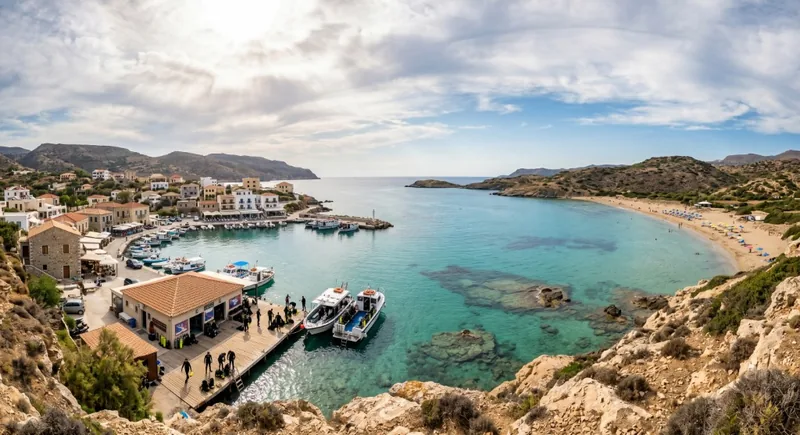
A captivating destination for experienced divers, Sudan's Red Sea offers an unparalleled combination of historical significance and thriving ecosystems, distinguishing it from more heavily dived regions. Here, iconic sites like Jacques Cousteau's Conshelf II experimental habitat and the remarkably intact SS Umbria wreck present unique historical exploration opportunities.
These submerged relics are complemented by vast, healthy coral formations that extend from the surface to deeper sections, supporting a rich biodiversity. Divers often find these reefs in the open sea, providing natural shelter for marine life and maintaining a robust trophic equilibrium. This creates a scenario with abundant fish populations and their natural predators, largely untouched by commercial exploitation.
The Central and North route, a classic itinerary, encapsulates these offerings, ensuring a diverse and unforgettable underwater journey.
Conditions are Excellent
07:00 - 14:00
Optimal conditions expected
Current conditions near Sudan, Mar Rojo show 30° air, 32° sea temperature, 0.5 m waves, and 27 km/h wind. Forecast data is refreshed regularly to ensure accuracy.
Best Time to Dive
Planning a dive trip to Sudan's Red Sea often yields the most rewarding experiences during the cooler months, specifically from January to May, when conditions are ideal for pelagic sightings. During this period, average water temperatures typically range from 24-26°C (75-79°F), encouraging larger species like sharks to frequent recreational depths. Air temperatures across these months vary from approximately 24.5°C (76°F) in February to 28.5°C (83°F) in May, making surface intervals comfortable. Rainfall is consistently minimal, with amounts as low as 0 mm in May and 0.09 mm in March, ensuring excellent visibility. Conversely, summer months see water temperatures rise above 30°C (86°F), potentially prompting pelagics to seek deeper, less accessible environments. This often results in a shorter prime dive season for some species.
PEAK SEASON SCORE
Scores combine air & water temps, waves, wind & rainfall for overall conditions.
BEST MONTHS TO DIVE
Monthly records compiled from satellite and marine observation nodes over the last 3 years. Data provided by Open-Meteo and MET Norway.
Dive Experience & Conditions
Descending into Sha'ab Rumi, divers should anticipate significant currents, often necessitating a back roll or negative entry from a Zodiac, especially on wavy days. This advanced site can benefit from a reef hook for maintaining position, though it isn't always mandatory. The SS Umbria wreck presents varying depths; its bow rests just below the surface, while the stern plunges to approximately 38 m (125 ft). Visibility across these Red Sea sites is generally excellent, allowing for clear views of intricate coral structures and abundant marine life. Average wave heights typically range between 0.4 m (1.3 ft) and 0.9 m (3.0 ft), and wind speeds generally fall between 20-29 km/h (12-18 mph), which can influence surface conditions.
Dive Difficulty & Safety Guidelines
Diving in Sudan's Red Sea, particularly at sites characterized by currents or deeper wreck components, demands advanced diving skills and experience. The remote nature of many sites means that participation in a well-organized liveaboard operation is not only common but also highly recommended for logistical support and safety. For those interested in exploring the interiors of wrecks like the SS Umbria, possessing a PADI Wreck Diver certification is crucial.
Given that specific hazards are not always consistently reported, divers must exercise heightened awareness, meticulously plan their dives, and always adhere to conservative dive profiles.
Recommended Equipment
- Dive Computer
This gear list is based on verified equipment signals for Sudan, Mar Rojo, Sudan. Always confirm final gear choices with your dive operator, guide, or liveaboard.
Recommended Dive Suit
Divers who spend more time observing marine life often prefer slightly warmer gear.
Environmental readings suggest that the waters surrounding Sudan, Mar Rojo are about 32°C (89°F) at the moment. Surface air temperatures are resting at 30°C (87°F). Water temperatures in this range are often well suited to diving with dive skin or rash guard.
A warming trend is expected over the next few days. A warming trend is expected over the next few days.
Emergency & Medical Support
Essential information to help you plan your dive trip to Sudan, Mar Rojo.

Hyperbaric chambers are a critical part of dive safety infrastructure. Availability varies significantly by region, and not all dive areas have immediate access.
Before diving, it's recommended to:
- confirm nearest medical facilities
- check emergency procedures with local dive operators
- ensure dive insurance covers evacuation if required
Divers Alert Network
Diving emergency assistance available through DAN World.
+1-919-684-9111- 24/7 emergency hotline
- Diving medical assistance
- Evacuation coordination
Emergency contacts are provided for reference. Always verify local emergency services before diving.
Marine Life at Sudan, Mar Rojo
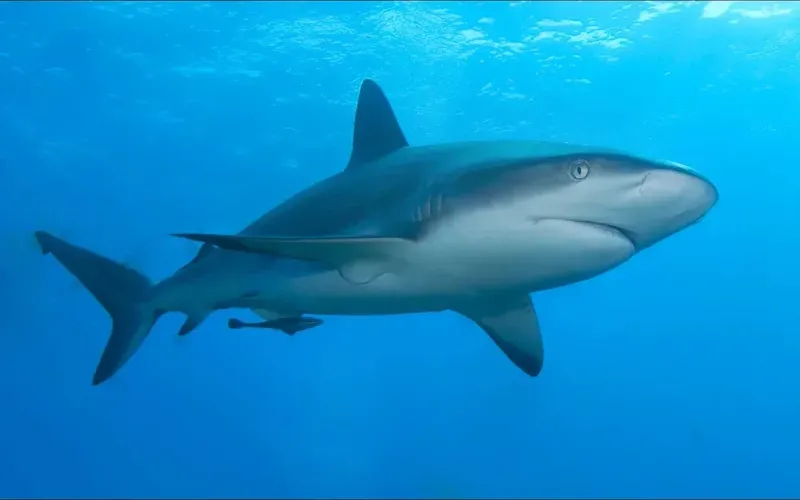
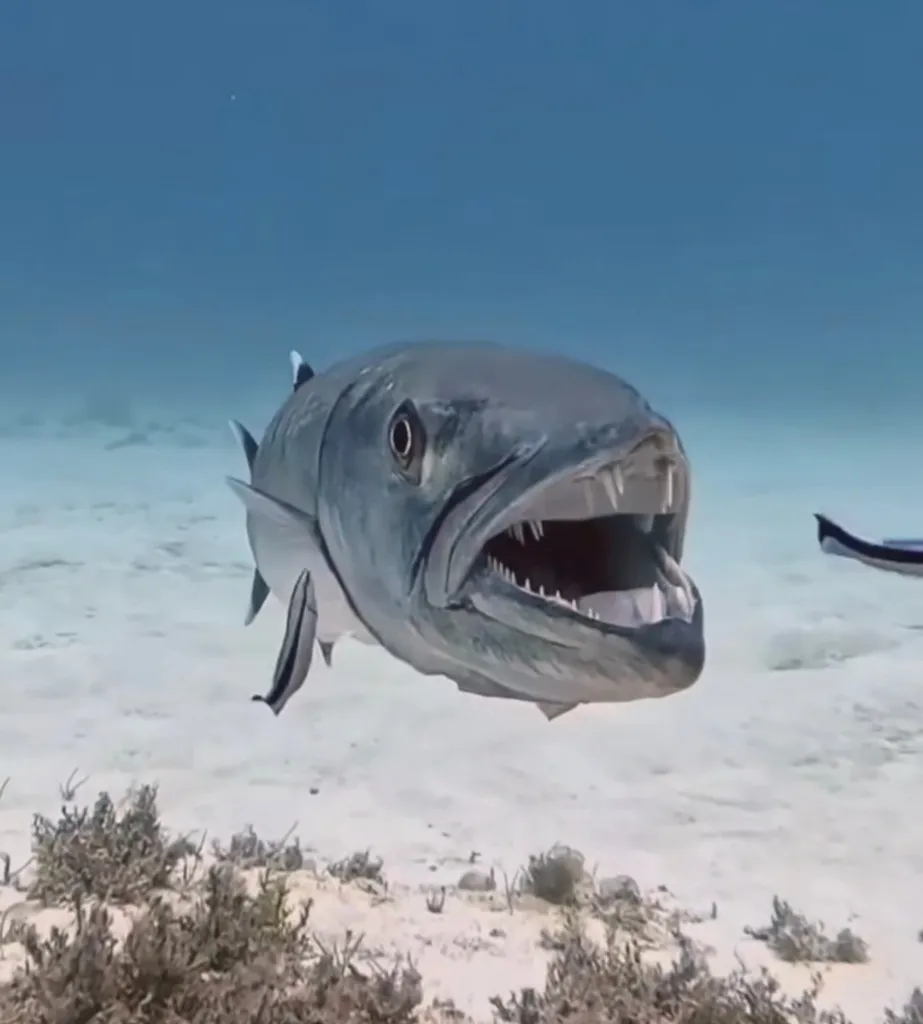
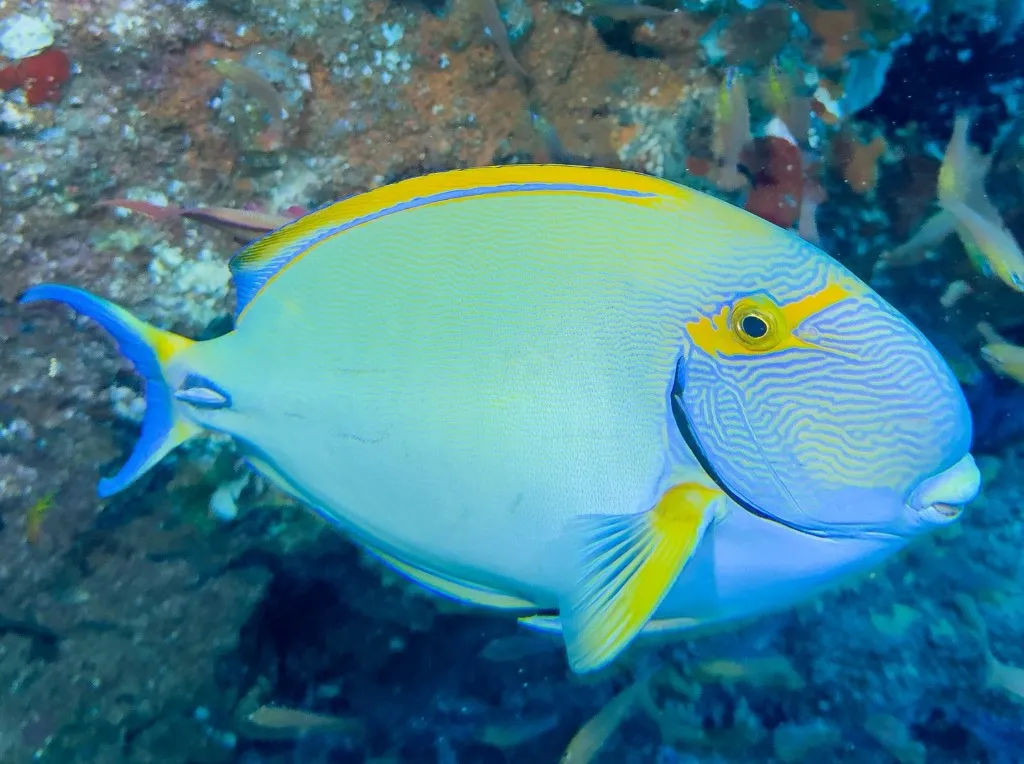
Upon entering the water at many Sudanese Red Sea sites, divers are frequently greeted by gray reef sharks, often appearing early in the dive and setting an immediate tone for pelagic encounters. Large schools of barracuda, sometimes swirling in impressive 'tornadoes' alongside black-barred surgeonfish, are a common and memorable sight.
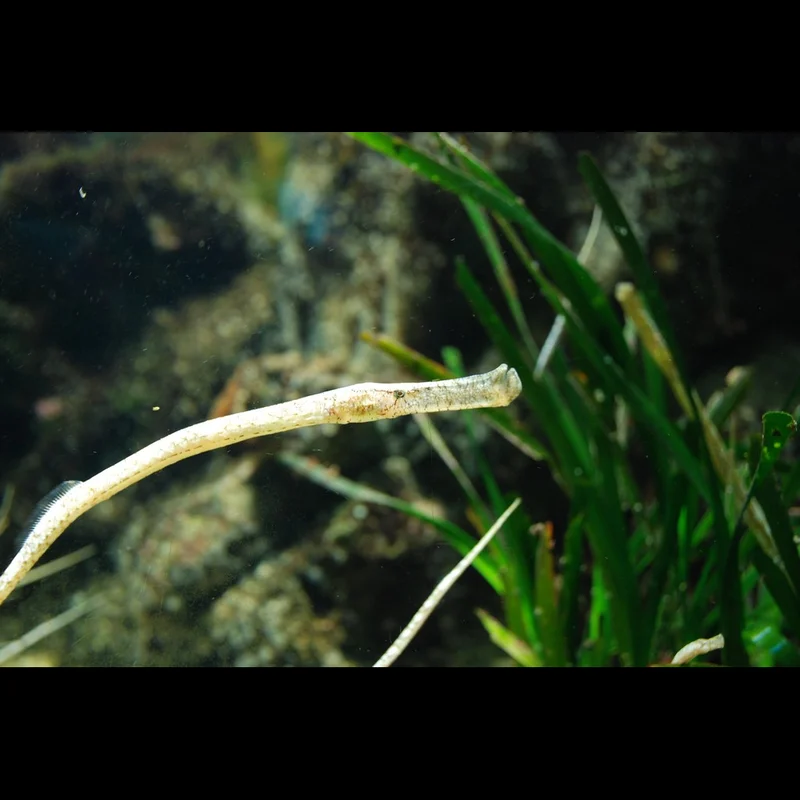
Beyond these schooling species, the vibrant reefs host a diverse array of fish, including blackspotted sweetlips, remoras, unicornfish, and pipefish, all thriving among extensive colonies of both hard and soft corals. Hammerheads are also a possibility, especially during cooler months when they are more likely to be found at recreational depths.

Dive Centers Near Sudan, Mar Rojo
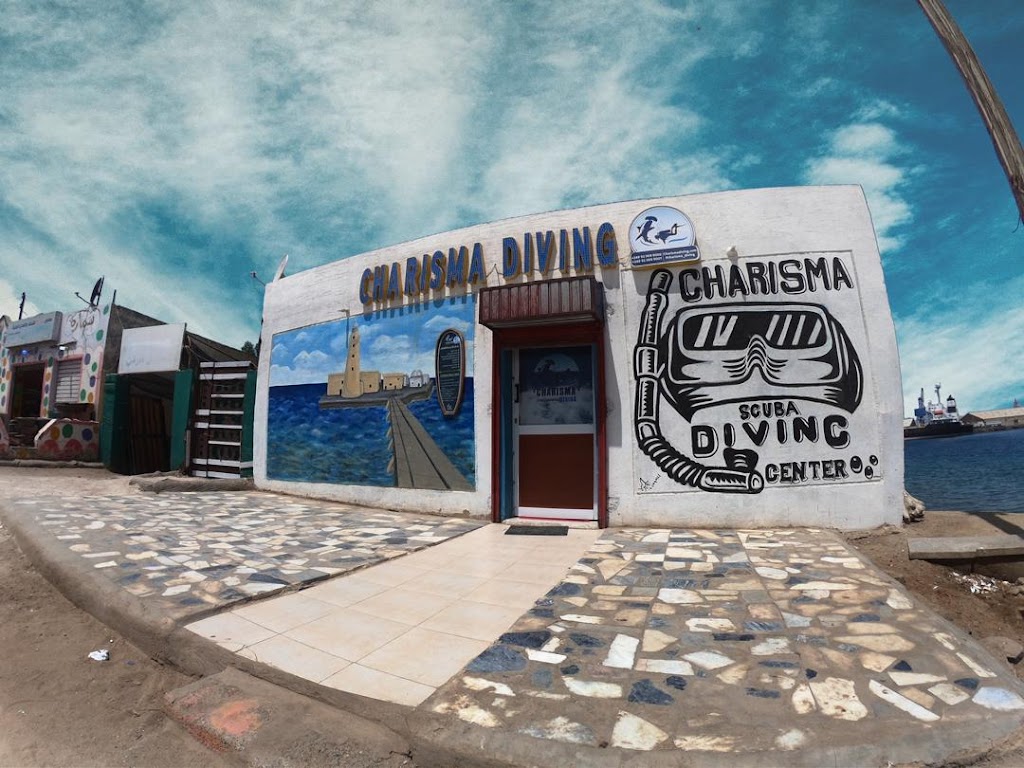
Today: 08:00 - 16:00
Nearest Airports
Nearest airports to help plan travel to this dive area.
Search Flights
Check available flights and routes on Expedia, using the nearby airports listed in this section.
Search Flights on ExpediaFrequently Asked Questions
What type of diving is primarily available in Sudan's Red Sea?
The region offers an exceptional mix of wreck diving, exemplified by the SS Umbria, and pristine reef diving. Many prominent sites are found in the open sea, featuring extensive, healthy coral formations.
Are there opportunities for wreck penetration?
Yes, for appropriately certified divers, the SS Umbria wreck allows for penetration into areas like the bridge. Exploring its well-preserved superstructure externally is also a very rewarding experience.
How strong are the currents at sites like Sha'ab Rumi?
Sha'ab Rumi is known for its currents, which often require advanced diving skills and specific entry techniques. A reef hook can be helpful for maintaining position against these conditions.
What's special about Jacques Cousteau's Conshelf II?
Conshelf II is an experimental underwater habitat built by Jacques Cousteau in 1963, proving the viability of human life under the sea. Divers can explore its remaining structures, including the submarine hangar, which are now covered in marine life.
Is Sudan suitable for beginners?
While some shallower reef sections exist, many of Sudan's premier dive sites, particularly those with significant currents or deeper wreck components, are generally more suited for advanced and experienced divers.
What kind of marine life can I expect to see?
You can anticipate encounters with gray reef sharks, impressive barracuda schools, and a variety of reef fish like blackspotted sweetlips. Healthy hard and soft corals are also a major highlight.
How do I access dive sites in Sudan?
Due to infrastructure limitations and the remote nature of many sites, liveaboards departing from Port Sudan are currently the most common and practical way to access the diving areas.
What are the typical water temperatures?
Water temperatures can range from 24-26°C (75-79°F) in cooler seasons, which are ideal for pelagic sightings, to over 30°C (86°F) during the warmer summer months.
Planning to dive Sudan, Mar Rojo?
Send one inquiry and receive offers directly from the best verified local dive operators.
Conditions are Excellent
07:00 - 14:00
Optimal conditions expected
Current conditions near Sudan, Mar Rojo show 30° air, 32° sea temperature, 0.5 m waves, and 27 km/h wind. Forecast data is refreshed regularly to ensure accuracy.