
Diving at Halbinsel Au, Vordere Au (Switzerland)
A gentle shoreline breeze often greets divers arriving at Halbinsel Au, preceding the walk through the park to the water's edge. A freshwater site, it transitions quickly from a calm bay entry to steep underwater topography. Anticipate descending into the serene, cool depths of a Swiss body of water, where natural light softens as you approach the wall. An initial impression is one of peaceful immersion into a structured underwater landscape.
The latest environmental reading at Halbinsel Au, Vordere Au indicates an air temperature of 16°C. The regional climate in Switzerland is aligning with expected historical averages. Prepare your gear according to these specific local conditions.
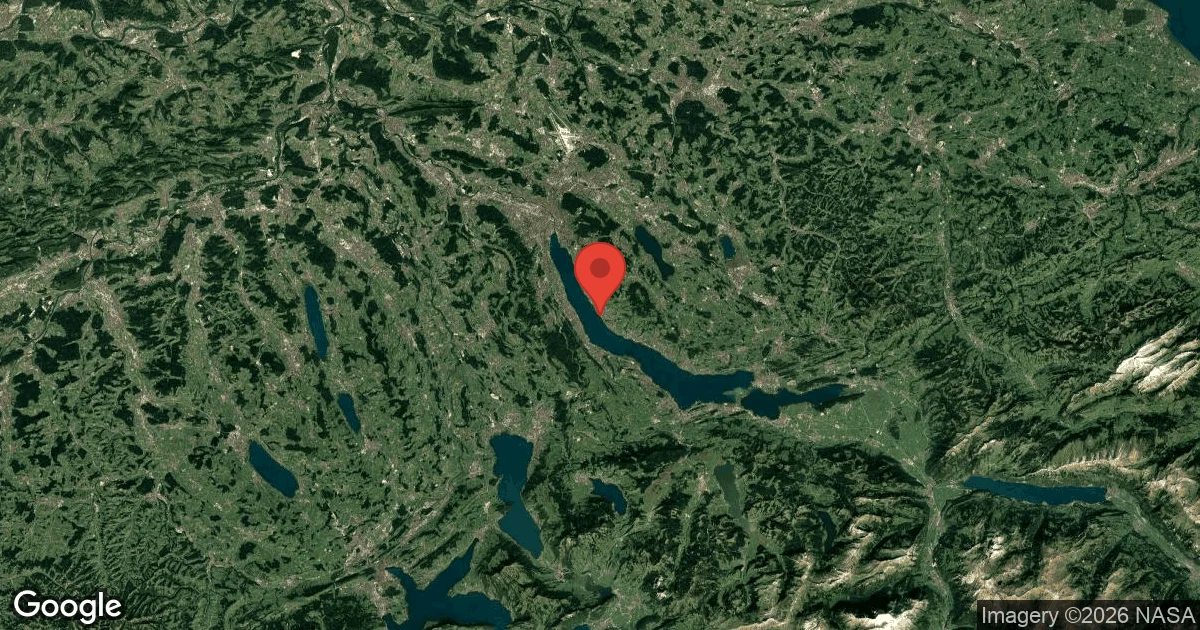
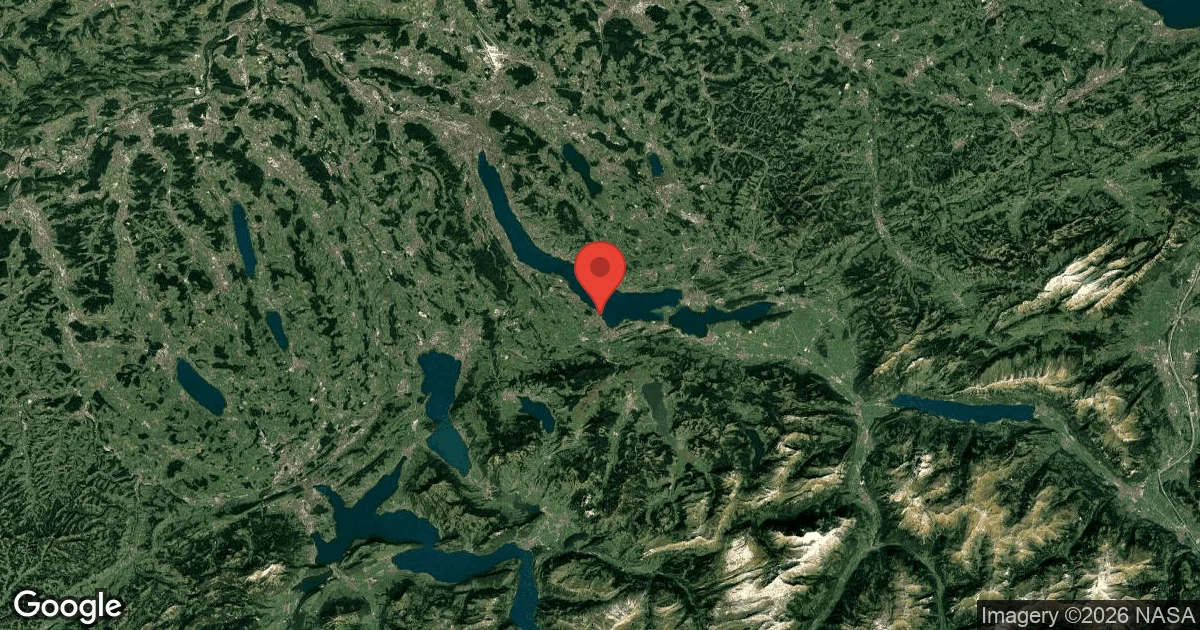
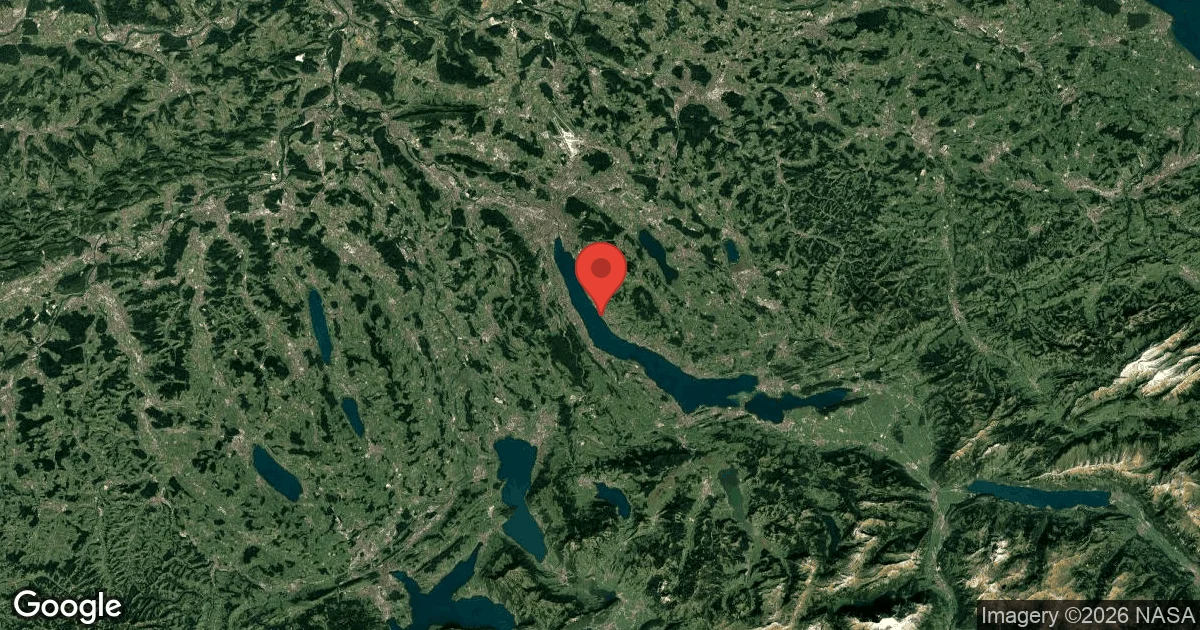
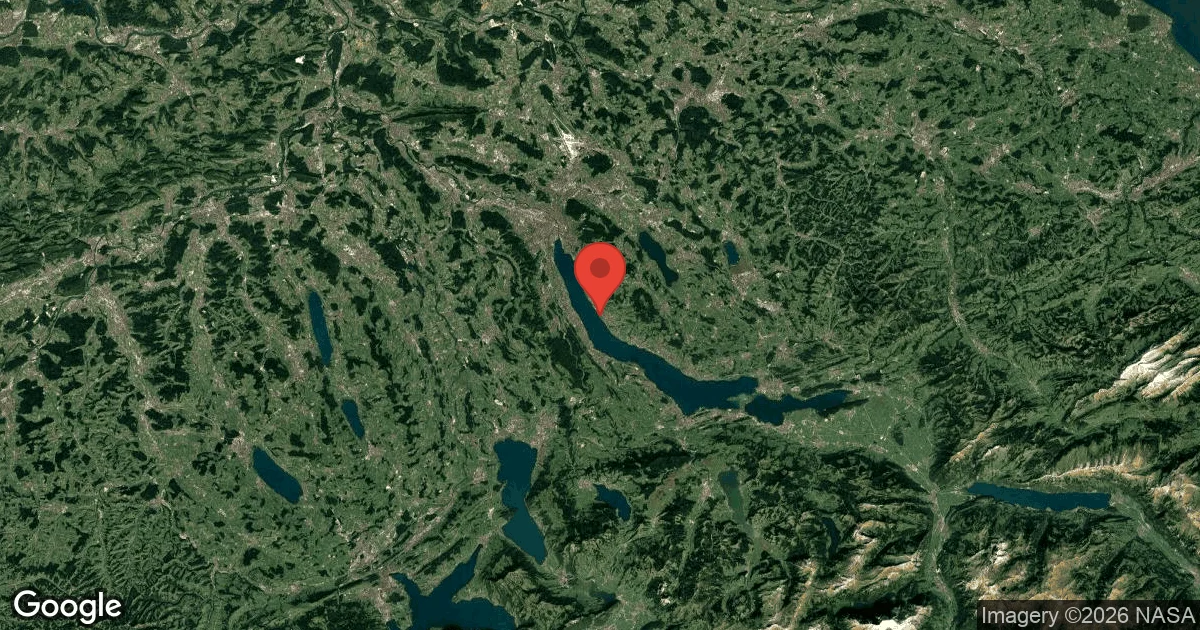
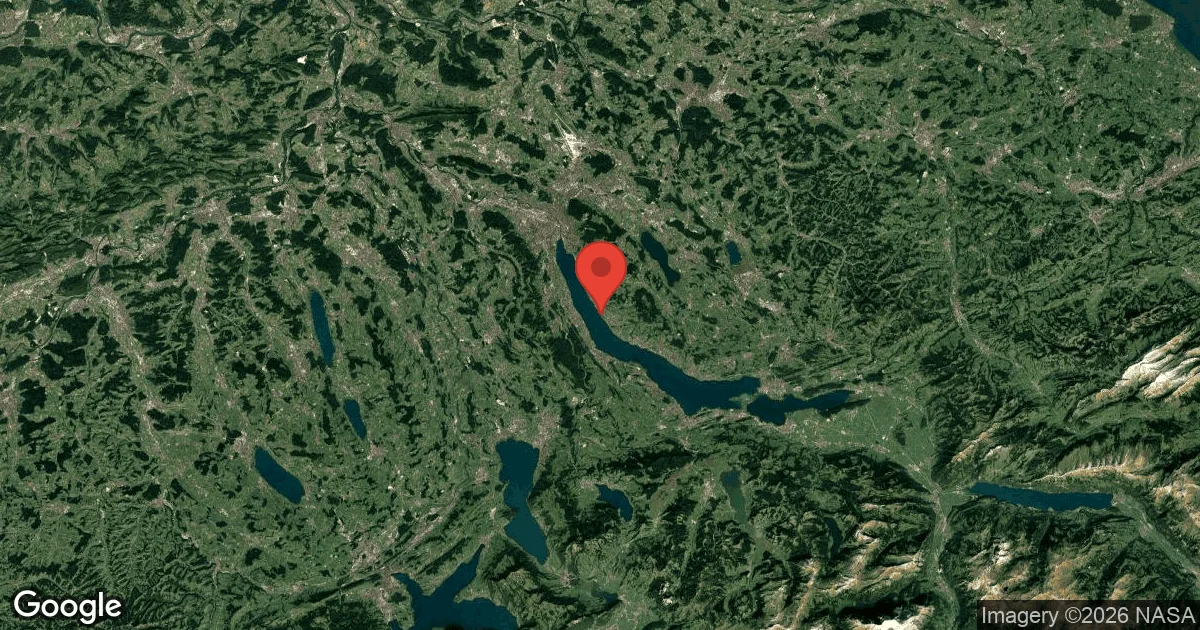
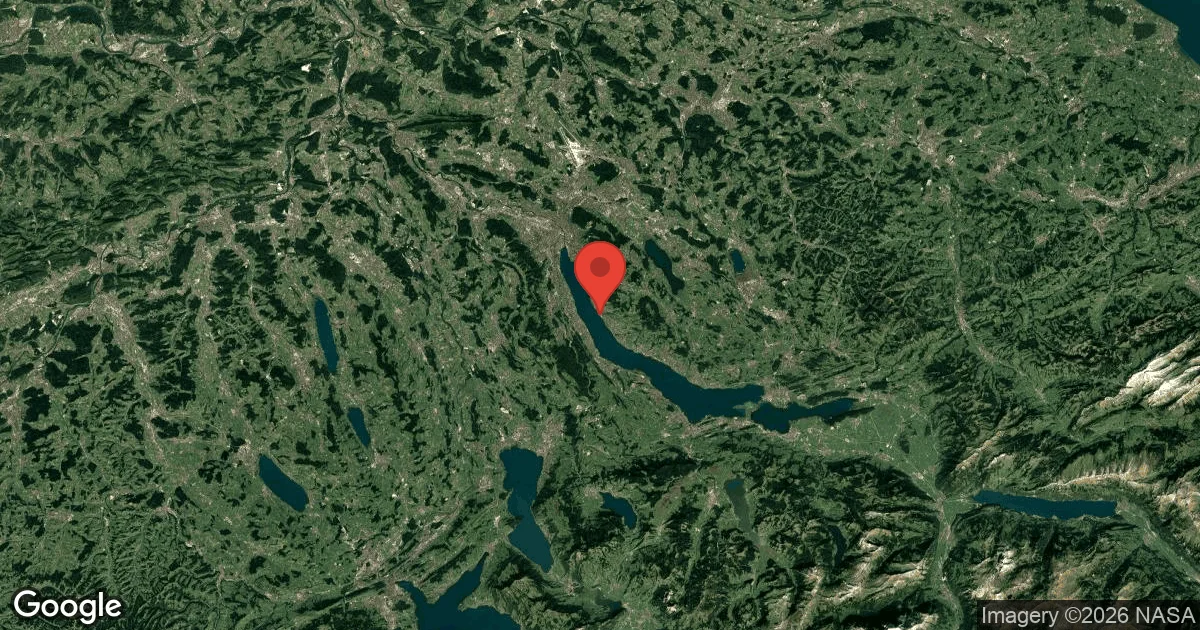
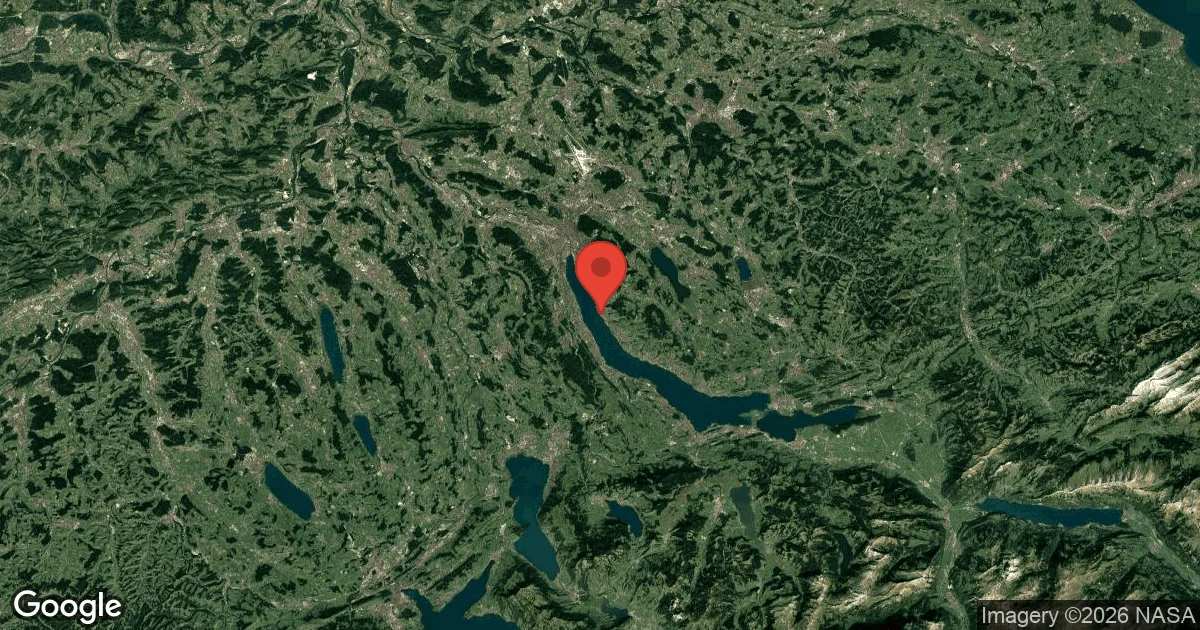
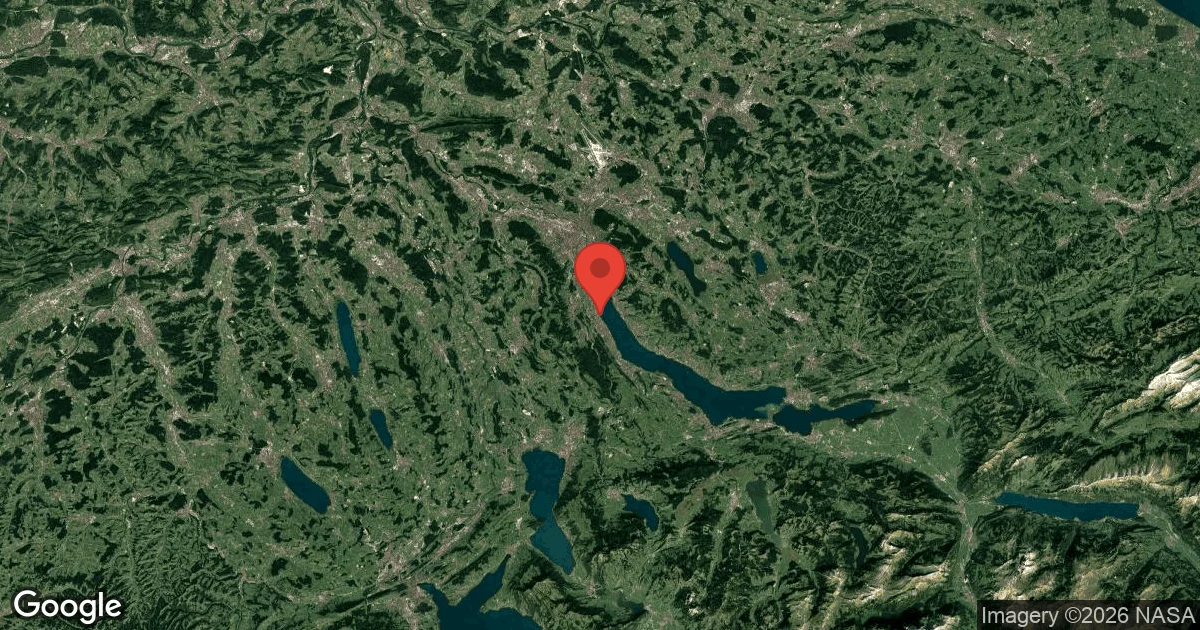
Dive Site Location & Key Facts
Dive Site Overview
Halbinsel Au presents a compelling freshwater dive for those seeking dramatic underwater landscapes. A pleasant, relatively long walk through a scenic park leads to a small, accessible bay, popular with both divers and other visitors.
From the beach entry, divers swim seaward until reaching the upper edge of a prominent wall. An initial section of this wall typically starts around 10 m (33 ft) and extends to just under 20 m (66 ft). Deeper, a longer wall steadily descends to a maximum depth of 50 meters.
An intricate structure of canyons, steep walls, and small caves defines the underwater terrain. Numerous cracks, crevices, protruding boulders, and depressions provide shelter for various freshwater species.
A substantial vertical relief characterizes the location, making it a distinctly adventurous wall dive in this freshwater setting.
Conditions are Excellent
07:00 - 14:00
Optimal conditions expected
Current conditions near Halbinsel Au, Vordere Au show 16° air, --° sea temperature, N/A waves, and 6 km/h wind. Forecast data is refreshed regularly to ensure accuracy.
Best Time to Dive
Considering the overall conditions, Halbinsel Au offers good diving opportunities throughout much of the year. Air temperatures are mildest during the summer months, with averages around 20°C (68°F) in June and peaking at 21°C (70°F) in August. Rainfall is generally moderate, with lower averages observed in February (2.7 mm) and June (3.6 mm), potentially leading to better visibility. The period from late spring through early autumn typically provides the most comfortable surface conditions, with average air temperatures remaining above 12°C (54°F) between May and October. Conversely, winter months present colder air temperatures, ranging from 2°C (36°F) in January to 5°C (41°F) in February, which may necessitate thicker exposure protection.
PEAK SEASON SCORE
Scores combine air & water temps, waves, wind & rainfall for overall conditions.
BEST MONTHS TO DIVE
Monthly records compiled from satellite and marine observation nodes over the last 3 years. Data provided by Open-Meteo and MET Norway.
Dive Experience & Conditions
Upon entering the water from the bay at Halbinsel Au, divers generally proceed seaward across a sloped bottom. Around 10 meters, the initial wall comes into view, dropping to roughly 20 meters. Descending further, a more extensive wall continues its impressive drop, reaching maximum depths of 50 m (164 ft). Underwater, the environment is characterized by distinct cracks, crevices, and larger protruding boulders, interspersed with smaller depressions, creating a varied and interesting topography. Local intelligence indicates a general absence of strong currents and a typically flat calm surface, which simplifies entries and exits. While visibility can vary in freshwater environments, other local sites suggest ranges that are suitable for exploration. The location is predominantly a deep wall dive, requiring appropriate buoyancy control.
Dive Difficulty & Safety Guidelines
Diving at Halbinsel Au demands careful planning and adherence to advanced diving protocols due to its significant depth profile. A prominent wall extends down to recreational depth limits, requiring divers to meticulously plan their gas consumption and strictly adhere to their training and experience. It's crucial not to exceed personal or certification depth boundaries.
Prior to any descent, consulting a dive professional familiar with the site and current conditions is strongly recommended to ensure preparedness for the specific challenges of a deep freshwater wall dive. Divers should always practice standard safe diving procedures, particularly when exploring deeper sections or within overhead environments like small caves.
Recommended Equipment
- Dive Computer
This gear list is based on verified equipment signals for Halbinsel Au, Vordere Au, Switzerland. Always confirm final gear choices with your dive operator, guide, or liveaboard.
Recommended Dive Suit
Based on regional estimates and current weather, the likely required exposure protection is a 5mm or thicker wetsuit. Note that local currents and upwellings can alter this. A thermal robe or jacket is recommended between dives. Divers who tend to get cold easily may prefer slightly thicker exposure protection.
Because recent water temperature readings are not available for Halbinsel Au, Vordere Au, the guidance below is based mainly on current air conditions and seasonal expectations. Current surface air temperatures are roughly 16°C (61°F).
Forecast confidence is somewhat lower, with potential for varied conditions ahead. A warming trend is expected over the next few days.
Due to technical issues with our weather providers, live updates are temporarily delayed. The data above reflects the conditions at the time of the last successful fetch.
Emergency & Medical Support
Essential information to help you plan your dive trip to Halbinsel Au, Vordere Au.

Hyperbaric chambers are a critical part of dive safety infrastructure. Availability varies significantly by region, and not all dive areas have immediate access.
Before diving, it's recommended to:
- confirm nearest medical facilities
- check emergency procedures with local dive operators
- ensure dive insurance covers evacuation if required
Divers Alert Network
Diving emergency assistance available through DAN Europe.
+39 0642115685- 24/7 emergency hotline
- Diving medical assistance
- Evacuation coordination
Emergency contacts are provided for reference. Always verify local emergency services before diving.
Closest Listed Hyperbaric Chambers
Showing listed hyperbaric chamber facilities within 200 km of this dive site.
Distances are approximate straight-line distances and may not reflect emergency travel time.
Centre Hyperbare de Bâle
Basel, Switzerland•Approx. 88 km straight-line
Centre Hyperbare de Bâle
Information is provided for reference and planning purposes only. Dive Navigator does not verify operational status, staffing, availability, or quality of care at listed facilities. In an emergency, contact local emergency services, DAN, your dive operator, or the chamber directly. Do not travel to a facility without calling ahead.
Hospitasuisse SA
24/7 ListedBioggio - Lugano, Switzerland•Approx. 138 km straight-line
Hospitasuisse SA
24/7 ListedInformation is provided for reference and planning purposes only. Dive Navigator does not verify operational status, staffing, availability, or quality of care at listed facilities. In an emergency, contact local emergency services, DAN, your dive operator, or the chamber directly. Do not travel to a facility without calling ahead.
Marine Life at Halbinsel Au, Vordere Au
Descending along the walls of Halbinsel Au, divers often first notice the burbot, locally known as Trüschen, frequently found sheltering within the numerous rock fissures. Observing these freshwater fish in large numbers is a regular occurrence.
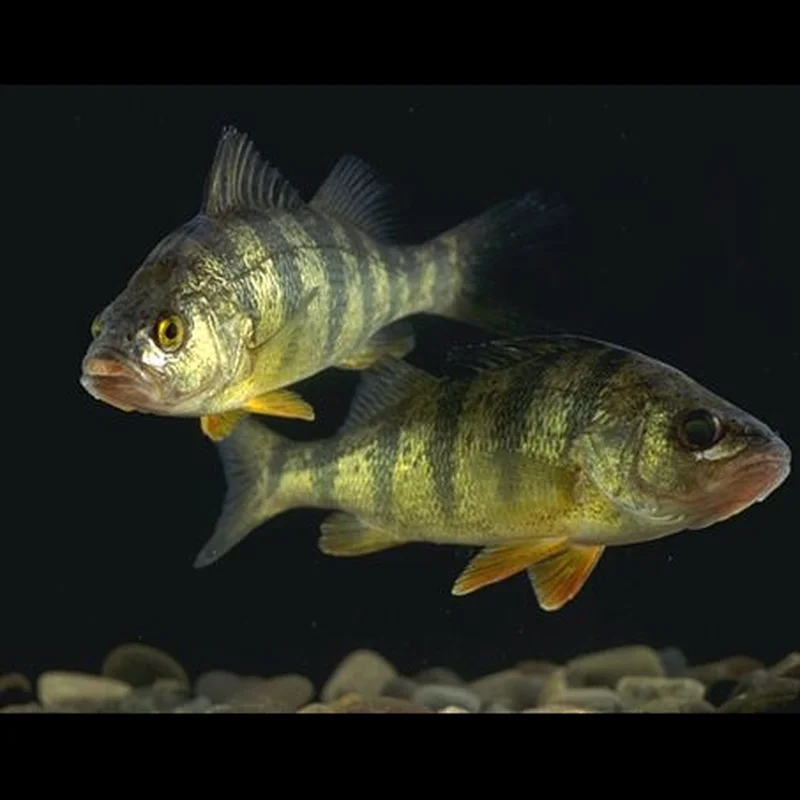
Additionally, divers can spot various perch (Egli) navigating the structured terrain. For those with a keen eye, the smaller, delicate freshwater shrimp (Schwebegarnelen) are also present.
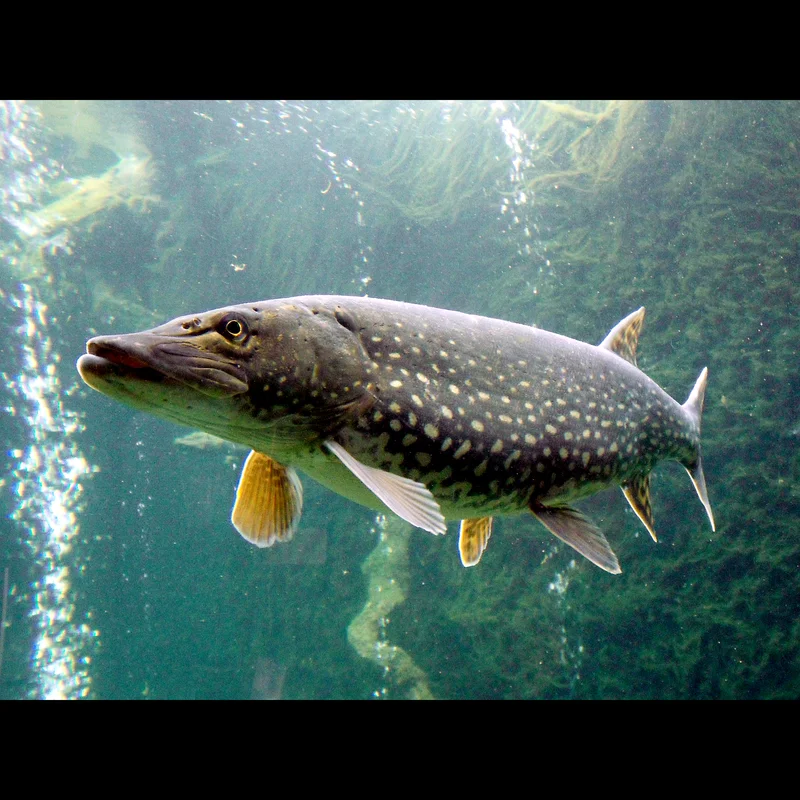
In shallower areas with beds of submerged aquatic vegetation, pike (Hechte) are often seen lurking among the growth, patiently awaiting prey.

Dive Sites Near Halbinsel Au, Vordere Au
View all dive sites in SwitzerlandDiscover more underwater gems in this area.
Dive Centers Near Halbinsel Au, Vordere Au
Today: Closed
Nearest Airports
Nearest airports to help plan travel to this dive area.
Search Flights
Check available flights and routes on Expedia, using the nearby airports listed in this section.
Search Flights on ExpediaFrequently Asked Questions
How do I access the dive site at Halbinsel Au?
Access involves a walk through a scenic park from the parking area to a small bay. A beach entry provides a straightforward point into the water, where you then swim seaward to reach the underwater wall.
What is the typical depth range for diving here?
An initial wall begins around 10 meters and drops to almost 20 meters. From there, diving continues along a deeper wall that steadily descends to a maximum depth of 50 m (164 ft).
What kind of marine life can I expect to see?
Divers often encounter burbot (Trüschen) hiding in rock crevices. You might also spot perch (Egli), freshwater shrimp (Schwebegarnelen), and pike (Hechte) in the seagrass areas.
Are there any specific underwater features?
Extensive walls, several canyons, and small caves define the site. Walls are rich with cracks, crevices, protruding boulders, and various depressions, creating complex terrain.
What are the general dive conditions like?
Site conditions typically include flat calm surface conditions with no notable currents, making for a relaxed entry and exit. Visibility, while varying, allows for exploration of the wall's features and marine inhabitants.
Is Halbinsel Au suitable for beginner divers?
Given the wall descends to 50 meters and features deep sections, Halbinsel Au is generally considered more appropriate for advanced divers. Beginners should consult a dive professional and adhere strictly to their certification limits.
Planning to dive Halbinsel Au, Vordere Au?
Send one inquiry and receive offers directly from the best verified local dive operators.
Conditions are Excellent
07:00 - 14:00
Optimal conditions expected
Current conditions near Halbinsel Au, Vordere Au show 16° air, --° sea temperature, N/A waves, and 6 km/h wind. Forecast data is refreshed regularly to ensure accuracy.