
Diving at Matterhorn (Switzerland)
An extreme altitude ice diving experience awaits at Matterhorn, primarily focusing on Lake Théodul and Lake Lioson. These high-alpine lakes are found near Zermatt in the canton of Valais, where dives unfold under ice at elevations up to approximately 3000 meters / 9,842 ft. This specialized, cold-water environment attracts divers seeking truly unique conditions and a demanding dive profile.
Recent updates for Matterhorn show an air temperature measuring 12.5°C. Overall water conditions reflect the typical seasonal state for Switzerland. Please exercise standard safety precautions before entering the water.
Dive Site Location & Key Facts
Dive Site Overview
Diving at Matterhorn isn't about vibrant reefs or abundant marine life; it's an immersive test of skill and an unparalleled encounter with an alpine wilderness. The primary draw involves ice diving at high-altitude lakes like Théodul, often under a meter of ice.
While underwater visibility is consistently reported as turbid and water temperatures hover around 1°C / 34°F, the experience itself is the spectacle. This isn't a dive for photographic endeavors, given the limited visibility, but rather a profound sensory journey. Divers navigate through holes cut in the ice, witnessing the unique play of air bubbles trapped beneath the surface, surrounded by a dramatic, snowy mountain panorama visible immediately upon surfacing.
This niche activity combines extreme conditions with breathtaking natural beauty, appealing to those who prioritize adventure and the unusual over traditional underwater aesthetics. It challenges divers with intensely cold water, requiring specialized gear and mindset.
Conditions are Excellent
07:00 - 14:00
Optimal conditions expected
Current conditions near Matterhorn show 12° air, --° sea temperature, N/A waves, and 7 km/h wind. Forecast data is refreshed regularly to ensure accuracy.
Best Time to Dive
For ice diving near Matterhorn, the optimal period typically spans the winter months. While specific water temperature data for these high-altitude lakes is not consistently reported, external sources indicate conditions around 1°C / 34°F during ice dives. Air temperatures during winter months range from approximately 1.5°C / 35°F in January to 5.5°C / 42°F in November, with moderate rainfall averaging 2.4-5 mm / 0.1-0.2 inches. Surface conditions vary significantly, but snow cover is typical. If the objective is traditional lake diving in Switzerland (not necessarily ice diving at Matterhorn's extreme altitude), the warmer months from June to September are generally recommended, when air temperatures rise to 16-20°C / 61-68°F and rain is still manageable. However, the Matterhorn's specific appeal lies in its frozen state.
PEAK SEASON SCORE
Scores combine air & water temps, waves, wind & rainfall for overall conditions.
BEST MONTHS TO DIVE
Monthly records compiled from satellite and marine observation nodes over the last 3 years. Data provided by Open-Meteo and MET Norway.
Dive Experience & Conditions
Initiating a dive at Matterhorn's ice sites involves entering through pre-cut holes in the ice, which is often a startling transition due to the extremely low water temperatures, frequently around 1°C / 34°F. Divers immediately descend into a world of limited visibility, which is often turbid, making navigation largely reliant on lines and instructors. Maximum depths encountered typically range from 2-12 meters / 7-39 feet, staying relatively shallow beneath the ice layer. The dive's structure often involves traversing under the ice sheet, observing air bubbles, and resurfacing through different exit points. This challenging environment prioritizes cold-water proficiency and comfort with low visibility, shifting the focus from visual exploration to the raw sensory experience of being submerged in an extreme alpine setting.
Dive Difficulty & Safety Guidelines
Planning an ice dive near Matterhorn requires specific safety considerations. Extreme cold and an overhead environment make a dry suit and advanced cold-water/ice diving certifications essential. Operations are generally organized upon request through specialized centers, ensuring experienced guides are present.
Comfort with very low visibility and the sensation of being under thick ice is crucial. Altitude also plays a role, with dive sites at approximately 1800-3000 meters (5,900-9,800 ft); proper ascent profiles and surface intervals are critical to mitigate decompression sickness risks.
A hyperbaric chamber is available in Geneva, though it's a significant distance away. Always verify local logistical support and emergency protocols.
Recommended Equipment
- Dive Computer
This gear list is based on verified equipment signals for Matterhorn, Switzerland. Always confirm final gear choices with your dive operator, guide, or liveaboard.
Recommended Dive Suit
With water temperatures around 12°C (54°F), many divers find a a thicker wetsuit or drysuit provides comfortable protection.
Divers performing multiple dives may appreciate slightly warmer protection later in the day.
Weather patterns are currently shifting, so expect some variability in conditions. A warming trend is expected over the next few days.
Emergency & Medical Support
Essential information to help you plan your dive trip to Matterhorn.

Hyperbaric chambers are a critical part of dive safety infrastructure. Availability varies significantly by region, and not all dive areas have immediate access.
Before diving, it's recommended to:
- confirm nearest medical facilities
- check emergency procedures with local dive operators
- ensure dive insurance covers evacuation if required
Divers Alert Network
Diving emergency assistance available through DAN Europe.
+39 0642115685- 24/7 emergency hotline
- Diving medical assistance
- Evacuation coordination
Emergency contacts are provided for reference. Always verify local emergency services before diving.
Closest Listed Hyperbaric Chambers
Showing listed hyperbaric chamber facilities within 200 km of this dive site.
Distances are approximate straight-line distances and may not reflect emergency travel time.
Centre Hyperbare de Bâle
Basel, Switzerland•Approx. 83 km straight-line
Centre Hyperbare de Bâle
Information is provided for reference and planning purposes only. Dive Navigator does not verify operational status, staffing, availability, or quality of care at listed facilities. In an emergency, contact local emergency services, DAN, your dive operator, or the chamber directly. Do not travel to a facility without calling ahead.
Hospitasuisse SA
24/7 ListedBioggio - Lugano, Switzerland•Approx. 143 km straight-line
Hospitasuisse SA
24/7 ListedInformation is provided for reference and planning purposes only. Dive Navigator does not verify operational status, staffing, availability, or quality of care at listed facilities. In an emergency, contact local emergency services, DAN, your dive operator, or the chamber directly. Do not travel to a facility without calling ahead.
Marine Life at Matterhorn
The underwater environment at Matterhorn's ice diving sites is distinctly minimalist. Rather than an abundance of marine life, the focus shifts to the stark beauty of the sub-ice world itself.
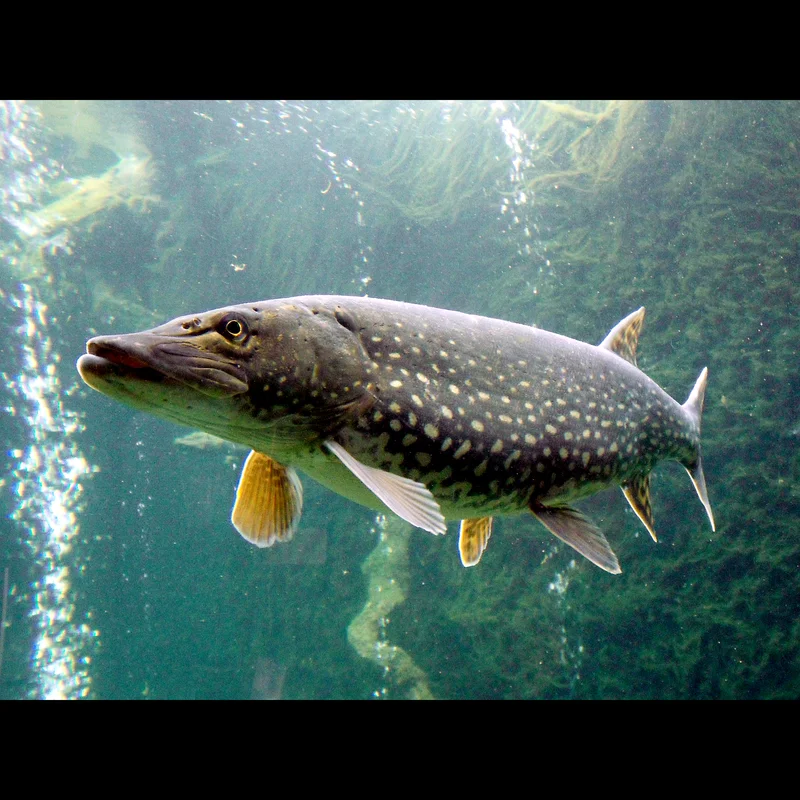
Divers will encounter a unique landscape formed by the thick ice sheet overhead and the lakebed below, often characterized by turbid waters. While other Swiss lakes feature freshwater species like pike or Arctic char, the specific conditions under the ice near Matterhorn are described as offering "nothing to see" in terms of vibrant aquatic fauna.
The visual spectacle here is derived from the play of light through the ice and the structural elements of the frozen environment, not diverse biological encounters.
Dive Sites Near Matterhorn
View all dive sites in SwitzerlandDiscover more underwater gems in this area.
Dive Centers Near Matterhorn
Today: Open 24 hours


Nearest Airports
Nearest airports to help plan travel to this dive area.
Search Flights
Check available flights and routes on Expedia, using the nearby airports listed in this section.
Search Flights on ExpediaFrequently Asked Questions
What is ice diving at Matterhorn like?
It's an extreme high-altitude dive, typically at Lake Théodul or Lake Lioson, often under a meter of ice. The experience involves navigating very cold, turbid water, with the primary appeal being the unique challenge and the surrounding alpine panorama upon surfacing.
What are the water temperatures and visibility?
Water temperatures are consistently reported as extremely cold, around 1°C / 34°F. Visibility is generally low and turbid, making it challenging for underwater photography.
Do I need special certification for these dives?
Yes, due to the overhead environment and extreme cold, specialized ice diving and cold-water certifications are essential. Experience with high-altitude diving protocols is also recommended.
What depths are typically explored during Matterhorn ice dives?
Dives usually remain relatively shallow, with depths ranging from approximately 2 to 12 meters (7-39 feet) beneath the ice. The focus is on the unique under-ice environment rather than deep exploration.
Is marine life a highlight of these dives?
No, the Matterhorn ice dives are not known for marine life. The experience is centered on the stark, frozen underwater landscape and the challenge of the dive itself, with little in terms of aquatic fauna reported.
How can I arrange an ice dive near Matterhorn?
Operations are generally organized only upon request through specialized diving clubs or centers, some of which may be based internationally. It's advisable to inquire well in advance for logistics and guide availability.
What is the best time of year for ice diving here?
The winter months are the best period for ice diving, when lakes like Théodul are reliably frozen. Warmer months from June to September are suitable for traditional lake diving in Switzerland, but not for Matterhorn's signature ice experience.
Planning to dive Matterhorn?
Send one inquiry and receive offers directly from the best verified local dive operators.
Conditions are Excellent
07:00 - 14:00
Optimal conditions expected
Current conditions near Matterhorn show 12° air, --° sea temperature, N/A waves, and 7 km/h wind. Forecast data is refreshed regularly to ensure accuracy.