
Diving at Terlinden (Switzerland)
Descending into Terlinden's depths offers a cool, crisp immersion into a freshwater environment. The initial sandy slope gently guides divers toward a dramatic wall, where the underwater topography shifts from open expanse to impressive verticality. This popular Swiss dive site provides a distinct feel for experienced divers, characterized by its deep wall formations and clear entry points.
Recent updates for Terlinden show an air temperature measuring 15.5°C. Overall water conditions reflect the typical seasonal state for Switzerland. Please exercise standard safety precautions before entering the water.
Dive Site Location & Key Facts
Dive Site Overview
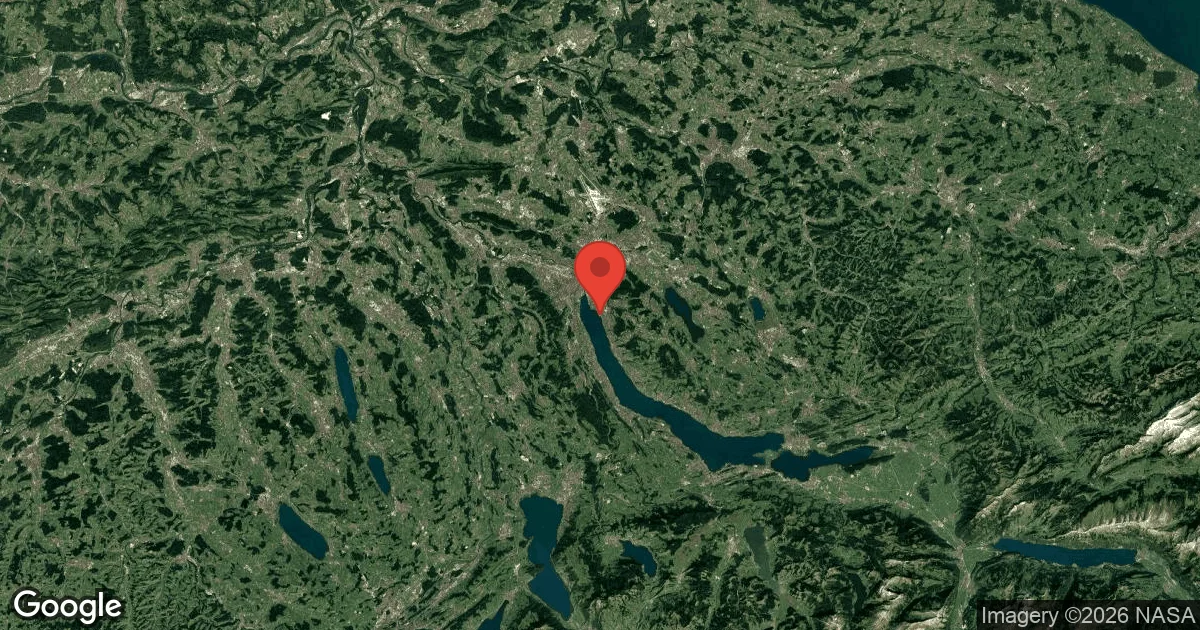
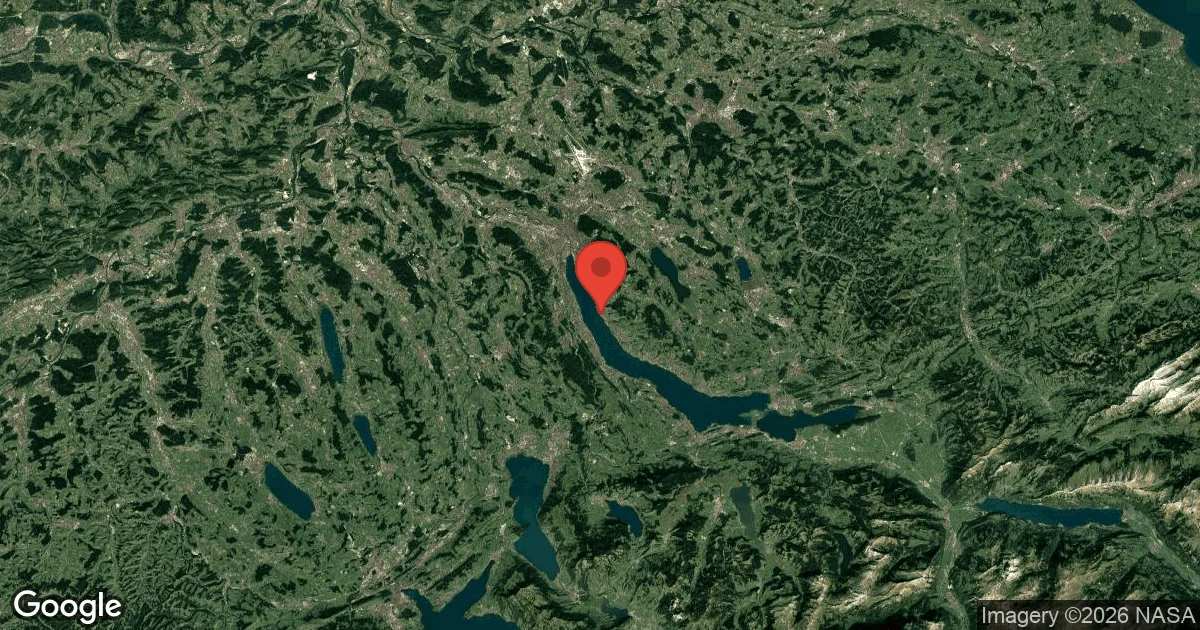
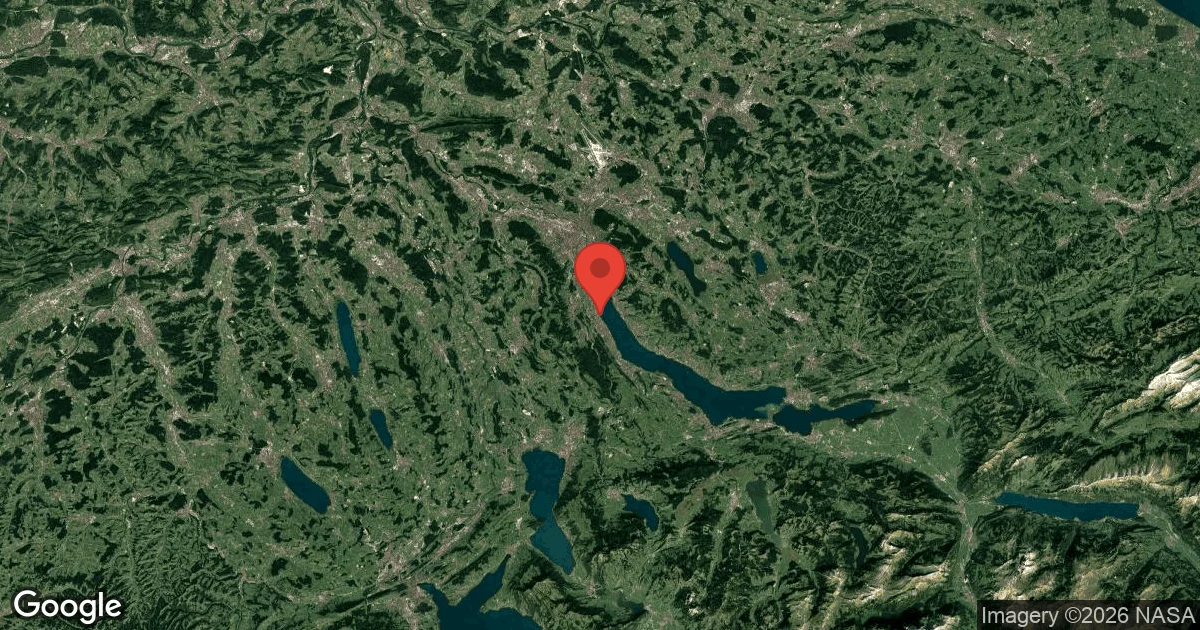
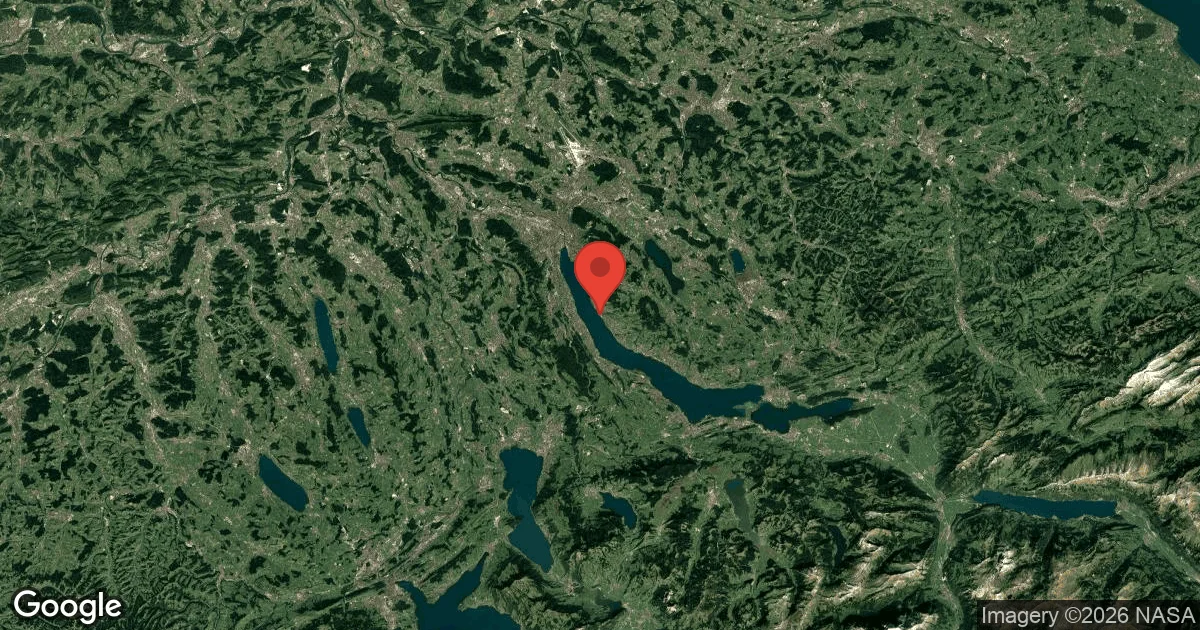
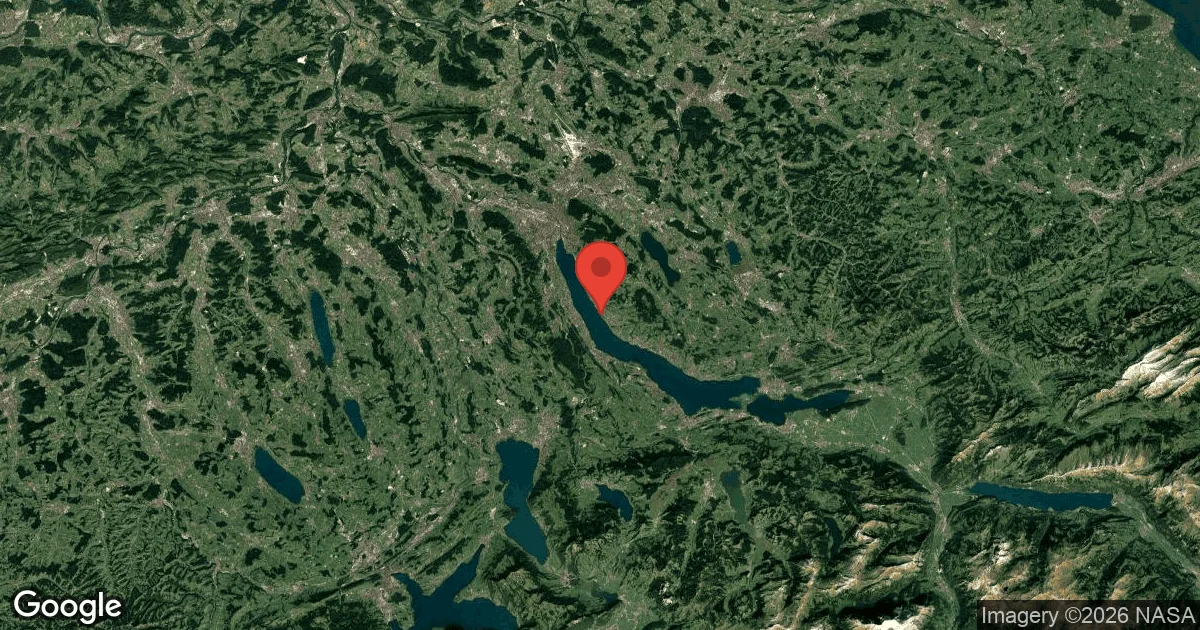
Tracing the established dive path at Terlinden begins from the bathing stage, offering a straightforward entry into Lake Zurich. Divers typically follow the sandy bottom, which gradually slopes down towards the middle until a prominent wall emerges at approximately 30 m (100 ft).
This substantial wall then drops steeply, continuing to a maximum depth of around 40 m (130 ft) before transitioning to a softer sludge ground. Along the wall, particularly towards Zurich, overhanging sections and distinct clefts, sometimes referred to as a Canyon, present interesting navigation challenges and visual interest.
To conserve bottom time, especially for recreational depth limits, an open water descent is recommended for experienced divers. During the return, following the wall's ridge at approximately 32 meters or ascending to shallower sections at 3-6 meters allows for extended enjoyment of the aquatic plants and associated marine life. An emergency exit sign is located at 5.5 meters, aiding in orientation for the final ascent.
Conditions are Excellent
07:00 - 14:00
Optimal conditions expected
Current conditions near Terlinden show 15° air, --° sea temperature, N/A waves, and 6 km/h wind. Forecast data is refreshed regularly to ensure accuracy.
Best Time to Dive
Optimal conditions for diving at Terlinden vary throughout the year, with a general 'Good' dive score consistently reported across all months. Air temperatures reach their warmest averages in July and August, peaking at approximately 20°C (68°F), which correlates with increased activity at the site, including more swimmers and divers. Conversely, colder months like January and February see air temperatures around 1-4°C (34-39°F). Rainfall is relatively consistent, generally ranging from 2.4-5.6 mm (0.09-0.22 inches) monthly, not significantly impacting dive planning. Wind speeds remain moderate, typically between 10.5-13.1 km/h (6.5-8.1 mph) year-round. Given these averages, late spring through early autumn offers a more comfortable surface experience, although the consistent conditions here make it accessible for appropriate drysuit diving virtually any time.
PEAK SEASON SCORE
Scores combine air & water temps, waves, wind & rainfall for overall conditions.
BEST MONTHS TO DIVE
Monthly records compiled from satellite and marine observation nodes over the last 3 years. Data provided by Open-Meteo and MET Norway.
Dive Experience & Conditions
Navigating Terlinden involves a clear transition from a gently sloping sandy bottom to a dramatic, steep wall. This wall features various contours, including occasional overhanging sections and distinct clefts that add structural complexity to the dive. As divers descend beyond the main wall, the substrate shifts to a soft, silty sludge ground. Visibility in this freshwater environment is not consistently reported but varies depending on recent weather and aquatic activity. Encountering the wall's prominent features, like the Canyon towards Zurich, requires good buoyancy control. The water temperature, as is typical for deeper dives in such environments, experiences thermoclines, necessitating appropriate thermal protection. Near the entry, a small wall and several boulders create a distinct shallow zone at 3-5 meters, contrasting with the site's deeper, more expansive sections.
Dive Difficulty & Safety Guidelines
Terlinden is explicitly identified as a popular dive site for advanced divers, reflecting its deeper profile and the need for proficient navigation skills. An open water descent, while efficient for reaching the main wall, can consume valuable bottom time, making effective dive planning crucial.
Parking near the marina operates with specific restrictions; a blue parking disc allows for a maximum of three hours between 7 am and 5 pm on weekdays. During warmer periods, both parking and the entry points can become busy due to combined diver and swimmer activity.
Divers should be mindful of these logistical constraints and plan accordingly. An emergency exit sign at 5.5 meters serves as a clear reference for the ascent and exit, particularly important in a busy environment.
Recommended Equipment
Deep dive hazard. Increased narcosis and gas consumption risk.
- Dive Computer
- DSMB
- Primary & Backup Lights
- Hard-soled Dive Boots
This gear list is based on verified equipment signals for Terlinden, Switzerland. Always confirm final gear choices with your dive operator, guide, or liveaboard.
Recommended Dive Suit
Repeated dives during the same day can gradually reduce overall body warmth.
Because recent water temperature readings are not available for Terlinden, the guidance below is based mainly on current air conditions and seasonal expectations. Current surface air temperatures are roughly 15°C (60°F). Based on regional estimates and current weather, the likely required exposure protection is a 5mm or thicker wetsuit. Note that local currents and upwellings can alter this. A thermal robe or jacket is recommended between dives.
Conditions may fluctuate slightly depending on wind and weather patterns. A warming trend is expected over the next few days.
Emergency & Medical Support
Essential information to help you plan your dive trip to Terlinden.

Hyperbaric chambers are a critical part of dive safety infrastructure. Availability varies significantly by region, and not all dive areas have immediate access.
Before diving, it's recommended to:
- confirm nearest medical facilities
- check emergency procedures with local dive operators
- ensure dive insurance covers evacuation if required
Divers Alert Network
Diving emergency assistance available through DAN Europe.
+39 0642115685- 24/7 emergency hotline
- Diving medical assistance
- Evacuation coordination
Emergency contacts are provided for reference. Always verify local emergency services before diving.
Closest Listed Hyperbaric Chambers
Showing listed hyperbaric chamber facilities within 200 km of this dive site.
Distances are approximate straight-line distances and may not reflect emergency travel time.
Centre Hyperbare de Bâle
Basel, Switzerland•Approx. 79 km straight-line
Centre Hyperbare de Bâle
Information is provided for reference and planning purposes only. Dive Navigator does not verify operational status, staffing, availability, or quality of care at listed facilities. In an emergency, contact local emergency services, DAN, your dive operator, or the chamber directly. Do not travel to a facility without calling ahead.
Hospitasuisse SA
24/7 ListedBioggio - Lugano, Switzerland•Approx. 148 km straight-line
Hospitasuisse SA
24/7 ListedInformation is provided for reference and planning purposes only. Dive Navigator does not verify operational status, staffing, availability, or quality of care at listed facilities. In an emergency, contact local emergency services, DAN, your dive operator, or the chamber directly. Do not travel to a facility without calling ahead.
Marine Life at Terlinden
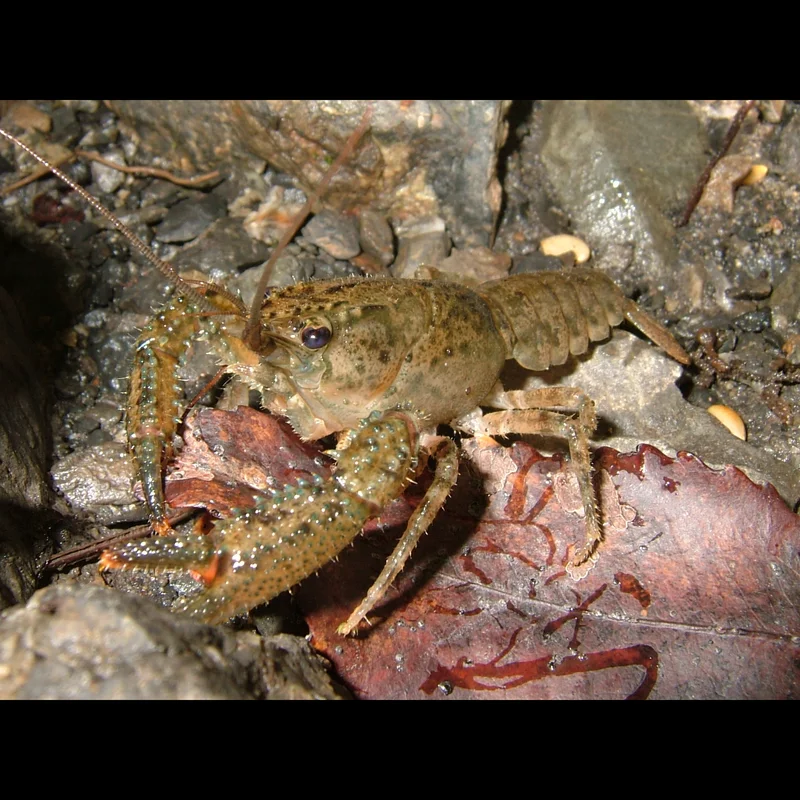
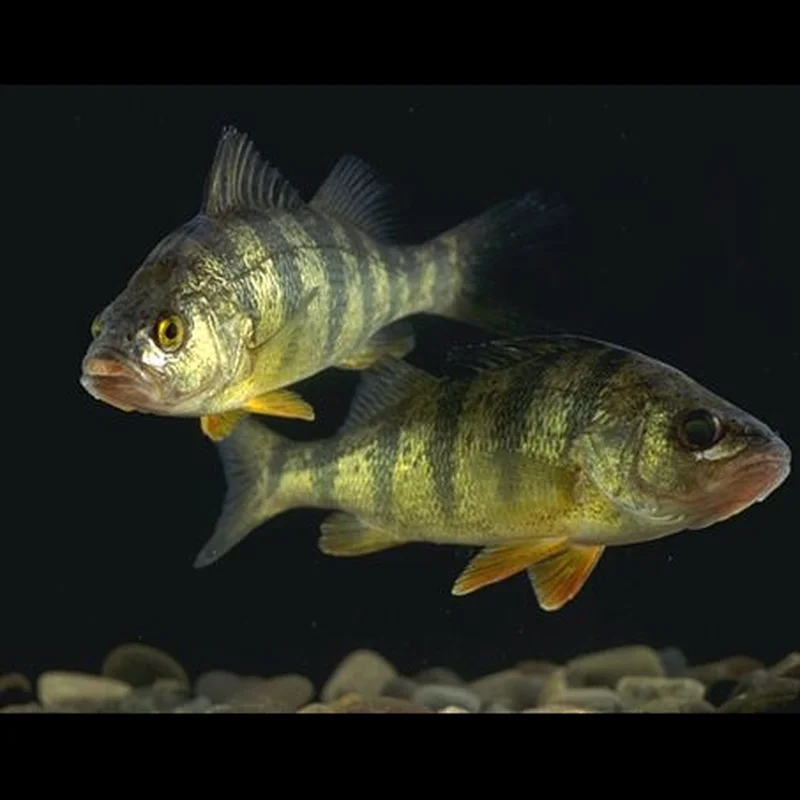
While general promotional material might broadly mention marine life, Terlinden, as a Swiss dive site, hosts specific freshwater species. Around the shallower small wall and boulders at 3-5 meters, divers often observe perches, tenches, and crayfishes.
Ascending through the aquatic plants, which resemble thin creepers covered with silt, reveals numerous other fish species enjoying the shelter and food sources available in these vibrant underwater gardens. These smaller inhabitants contribute to the ecosystem without the presence of large pelagics often associated with oceanic environments.

Dive Sites Near Terlinden
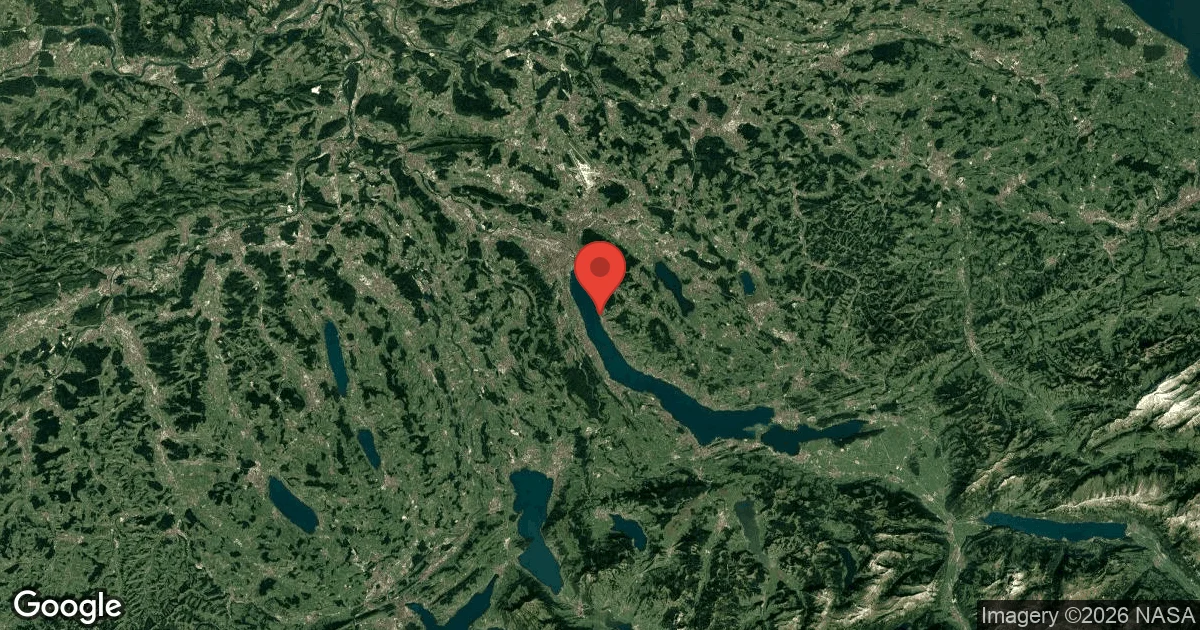
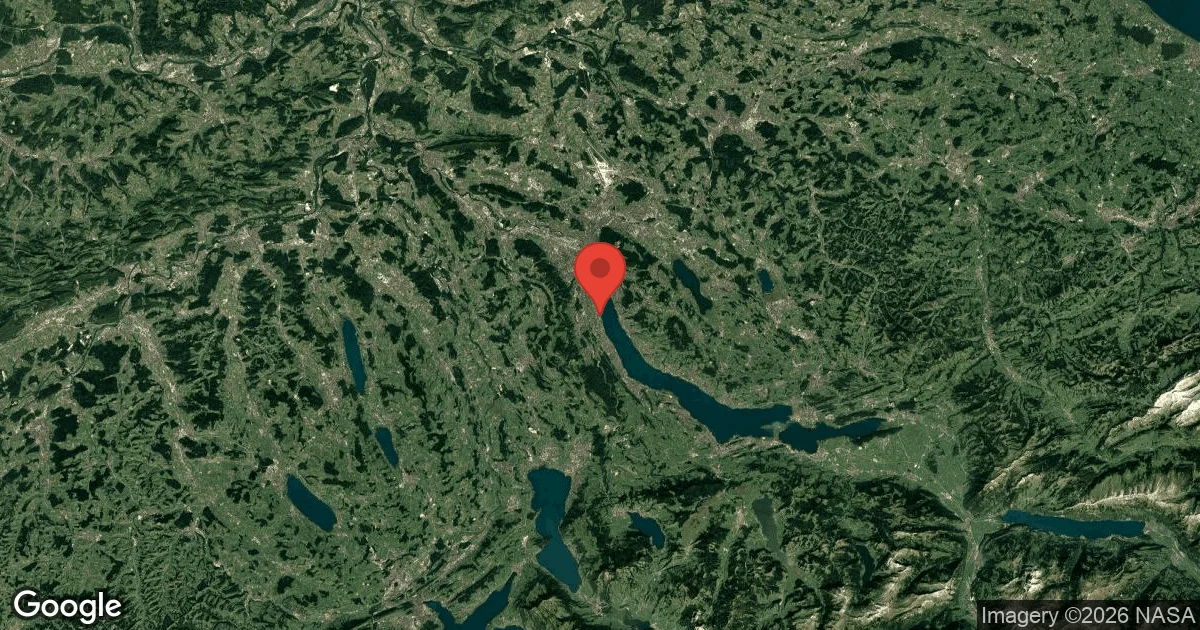
View all dive sites in SwitzerlandDiscover more underwater gems in this area.
Dive Centers Near Terlinden
Nearest Airports
Nearest airports to help plan travel to this dive area.
Search Flights
Check available flights and routes on Expedia, using the nearby airports listed in this section.
Search Flights on ExpediaFrequently Asked Questions
What skill level is required for diving at Terlinden?
Terlinden is considered a popular dive site primarily suitable for advanced divers. Its deeper wall sections and potential for open water descents demand proficiency in navigation and buoyancy control.
Are there specific parking instructions for divers?
Yes, parking at the nearby lot is available with a blue parking disc for a maximum of three hours between 7 am and 5 pm on weekdays. This area can get quite busy, especially during warmer days, so plan your timings accordingly.
What kind of underwater features can I expect?
You'll encounter a sandy bottom transitioning to a steep wall that drops to about 40 m (130 ft). The wall features overhanging sections and distinct clefts, sometimes referred to as a Canyon, providing varied topography.
What should I know about the entry and exit?
Access to the dive site is conveniently from a bathing stage via a ladder. For the exit, an emergency sign is visible at 5.5 meters near the bathing stage, helping with orientation.
What marine life is commonly seen here?
In the shallower sections, divers frequently spot perches, tenches, and crayfishes among the small wall and boulders. Various fish species are also present within the aquatic plants during the return to shallower depths.
How deep can one dive at Terlinden?
The main wall begins at about 30 m (100 ft) and then drops steeply to approximately 40 meters before reaching a sludge ground. Recreational limits should always guide your dive planning.
Planning to dive Terlinden?
Send one inquiry and receive offers directly from the best verified local dive operators.
Conditions are Excellent
07:00 - 14:00
Optimal conditions expected
Current conditions near Terlinden show 15° air, --° sea temperature, N/A waves, and 6 km/h wind. Forecast data is refreshed regularly to ensure accuracy.