
Diving at Tössegg - Eglisau (Switzerland)
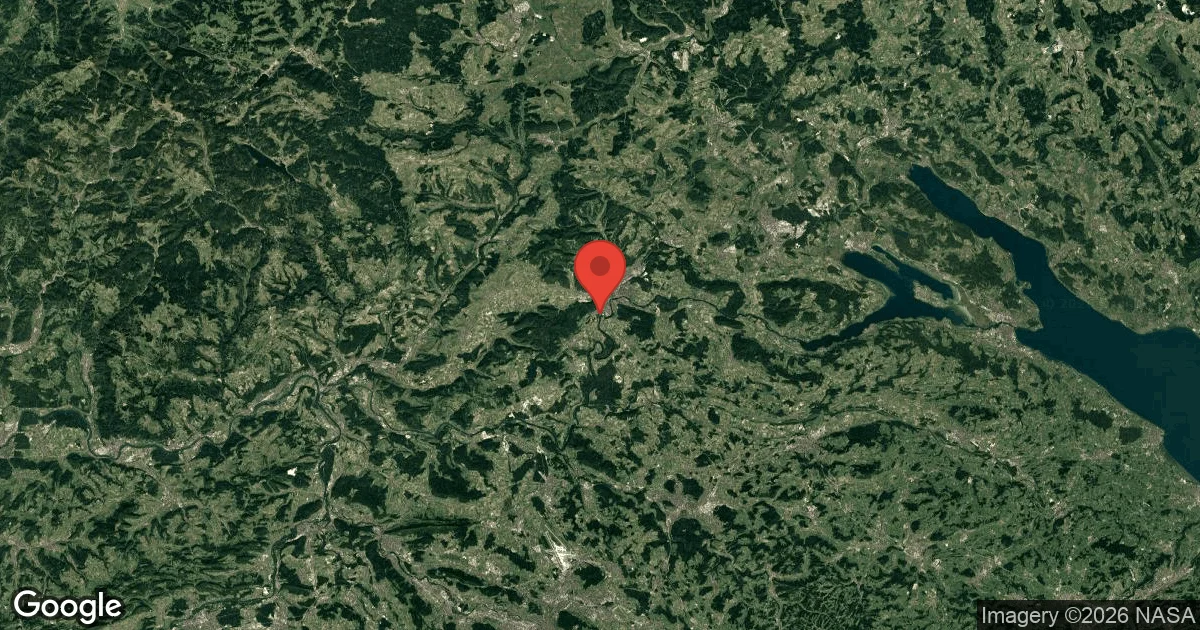
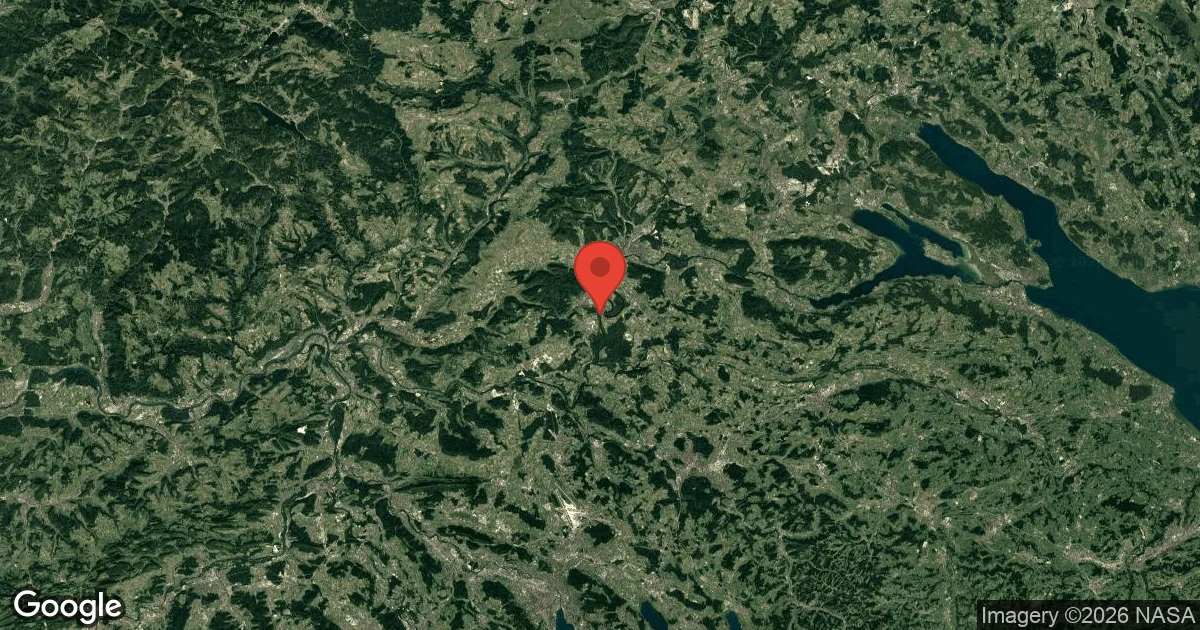
Situated in the Zurich region of Switzerland, Tössegg-Eglisau presents an accessible shore dive for exploring a freshwater setting. This intermediate site is a straightforward entry point for divers comfortable with current dynamics. It provides a distinct perspective on local aquatic ecosystems, setting it apart within Switzerland's diverse dive offerings.
Recent updates for Tössegg - Eglisau show an air temperature measuring 11.5°C. Overall water conditions reflect the typical seasonal state for Switzerland. Please exercise standard safety precautions before entering the water.
Dive Site Location & Key Facts
Dive Site Overview
Tössegg-Eglisau offers a distinctive freshwater diving experience, shaped by currents that influence the underwater topography. In this flowing environment, conditions naturally vary, influenced by recent rainfall and seasonal flow rates.
Entry is from shore, making logistics relatively simple for certified divers. While specific depths aren't consistently reported, most dives in such settings typically remain within recreational limits, often featuring shallower sections closer to the banks and potentially deeper channels. Divers should anticipate colder water temperatures inherent to these environments, necessitating appropriate thermal protection.
The absence of specific star ratings suggests a less trafficked, perhaps more understated, dive opportunity where individual exploration and preparation are key. This site provides a chance to observe a natural streambed and its aquatic inhabitants in a tranquil setting, far removed from typical lake or ocean environments.
Conditions are Excellent
07:00 - 14:00
Optimal conditions expected
Current conditions near Tössegg - Eglisau show 11° air, --° sea temperature, N/A waves, and 9 km/h wind. Forecast data is refreshed regularly to ensure accuracy.
Best Time to Dive
Planning a dive at Tössegg-Eglisau can be advantageous throughout the year, given its consistent 'Good' dive score. For surface comfort, the warmer months from June to August present the most pleasant air temperatures, averaging around 20-20.5°C (68-69°F). Cooler periods, especially from December to February, see air temperatures drop to 1-5°C (34-41°F), indicating that robust thermal protection is essential for diving during winter. Rainfall is relatively steady across all seasons, with slightly higher averages in May (4.12 mm) and November (4.54 mm), which could influence river flow and visibility. Regardless of the season, conditions generally support diving, with careful consideration for air temperature changes. Prepare for cold water diving year-round.
PEAK SEASON SCORE
Scores combine air & water temps, waves, wind & rainfall for overall conditions.
BEST MONTHS TO DIVE
Monthly records compiled from satellite and marine observation nodes over the last 3 years. Data provided by Open-Meteo and MET Norway.
Dive Experience & Conditions
Descending into this freshwater location, divers immediately perceive the distinct sensation of a current, which can range from mild to moderate depending on seasonal flow rates. Visibility in such environments is often contingent on recent weather and sediment levels, so conditions may vary from dive to dive. Divers should expect cooler water temperatures, characteristic of local freshwater systems, and plan their thermal protection accordingly. The underwater landscape likely consists of a mix of sandy patches, rocky formations, and submerged vegetation, typical of streambeds. Navigating this water body requires good buoyancy control and an understanding of how to work with, or against, the prevailing current. Shore access makes entry and exit manageable, though specific details like ladders are not directly confirmed for this particular site.
Dive Difficulty & Safety Guidelines
Safety at Tössegg-Eglisau emphasizes specific considerations beyond standard open water procedures. Managing variable currents is paramount, meaning divers should possess solid buoyancy control and finning techniques. Given the potential for surface vessel traffic, it's advisable to carry and deploy a surface marker buoy, and obtaining any necessary authorization for its use is a prudent step.
No specific hazards are reported for this site, but general flowing water precautions, such as avoiding overhead environments and maintaining situational awareness, are always relevant. Intermediate diving experience is suggested for this location, reflecting the need for proficiency in current management.
Recommended Equipment
- Dive Computer
This gear list is based on verified equipment signals for Tössegg - Eglisau, Switzerland. Always confirm final gear choices with your dive operator, guide, or liveaboard.
Recommended Dive Suit
Forecast confidence is somewhat lower, with potential for varied conditions ahead. A warming trend is expected over the next few days.
Based on regional estimates and current weather, the likely required exposure protection is a thicker wetsuit or drysuit. Note that local currents and upwellings can alter this. Strong cold advisory: dress warmly immediately after exiting the water.
Because recent water temperature readings are not available for Tössegg - Eglisau, the guidance below is based mainly on current air conditions and seasonal expectations. Current surface air temperatures are roughly 11°C (53°F).
Due to technical issues with our weather providers, live updates are temporarily delayed. The data above reflects the conditions at the time of the last successful fetch.
Emergency & Medical Support
Essential information to help you plan your dive trip to Tössegg - Eglisau.

Hyperbaric chambers are a critical part of dive safety infrastructure. Availability varies significantly by region, and not all dive areas have immediate access.
Before diving, it's recommended to:
- confirm nearest medical facilities
- check emergency procedures with local dive operators
- ensure dive insurance covers evacuation if required
Divers Alert Network
Diving emergency assistance available through DAN Europe.
+39 0642115685- 24/7 emergency hotline
- Diving medical assistance
- Evacuation coordination
Emergency contacts are provided for reference. Always verify local emergency services before diving.
Closest Listed Hyperbaric Chambers
Showing listed hyperbaric chamber facilities within 200 km of this dive site.
Distances are approximate straight-line distances and may not reflect emergency travel time.
Centre Hyperbare de Bâle
Basel, Switzerland•Approx. 73 km straight-line
Centre Hyperbare de Bâle
Information is provided for reference and planning purposes only. Dive Navigator does not verify operational status, staffing, availability, or quality of care at listed facilities. In an emergency, contact local emergency services, DAN, your dive operator, or the chamber directly. Do not travel to a facility without calling ahead.
Hospitasuisse SA
24/7 ListedBioggio - Lugano, Switzerland•Approx. 173 km straight-line
Hospitasuisse SA
24/7 ListedInformation is provided for reference and planning purposes only. Dive Navigator does not verify operational status, staffing, availability, or quality of care at listed facilities. In an emergency, contact local emergency services, DAN, your dive operator, or the chamber directly. Do not travel to a facility without calling ahead.
Marine Life at Tössegg - Eglisau
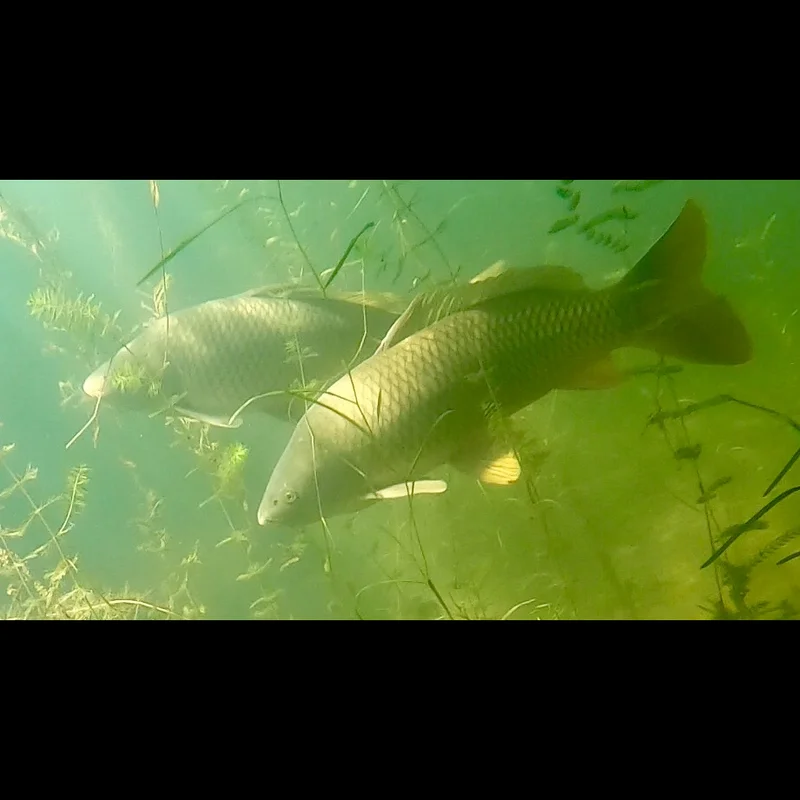
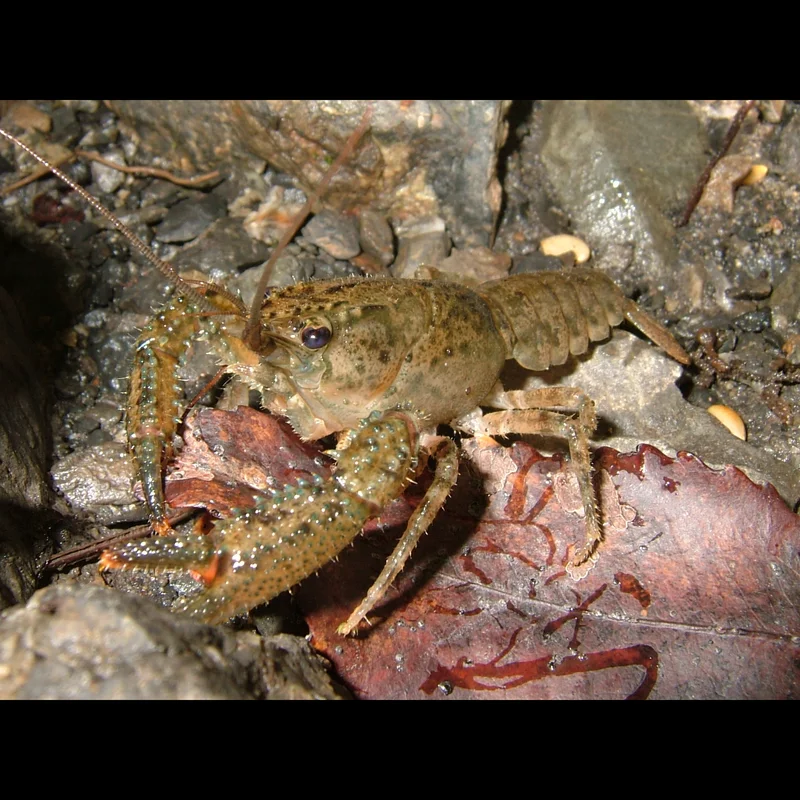
The aquatic life here offers a different biological perspective compared to lake or ocean dives. While specific species aren't consistently reported for Tössegg-Eglisau, local freshwater systems in Switzerland typically host various fish species such as trout, grayling, and carp.
Look for these fish sheltering among submerged rocks or within beds of aquatic plants. Crayfish and smaller invertebrates may also be present, often camouflaged against the substrate. Patient observation can reveal patterns of aquatic life adapting to the flowing water.
Dive Sites Near Tössegg - Eglisau
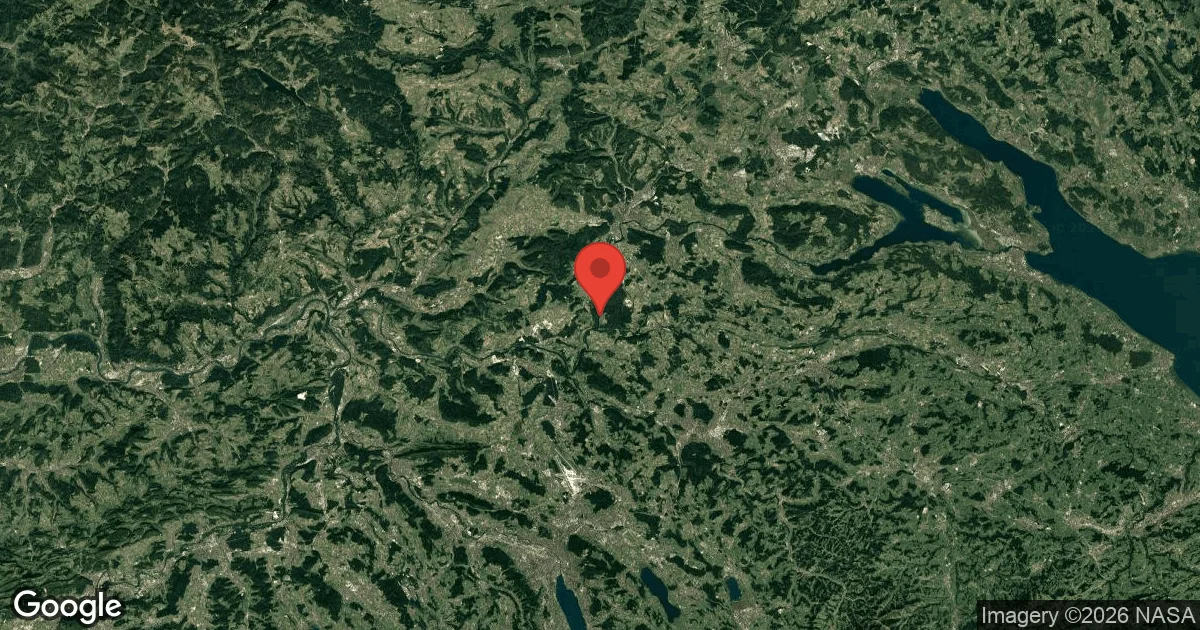
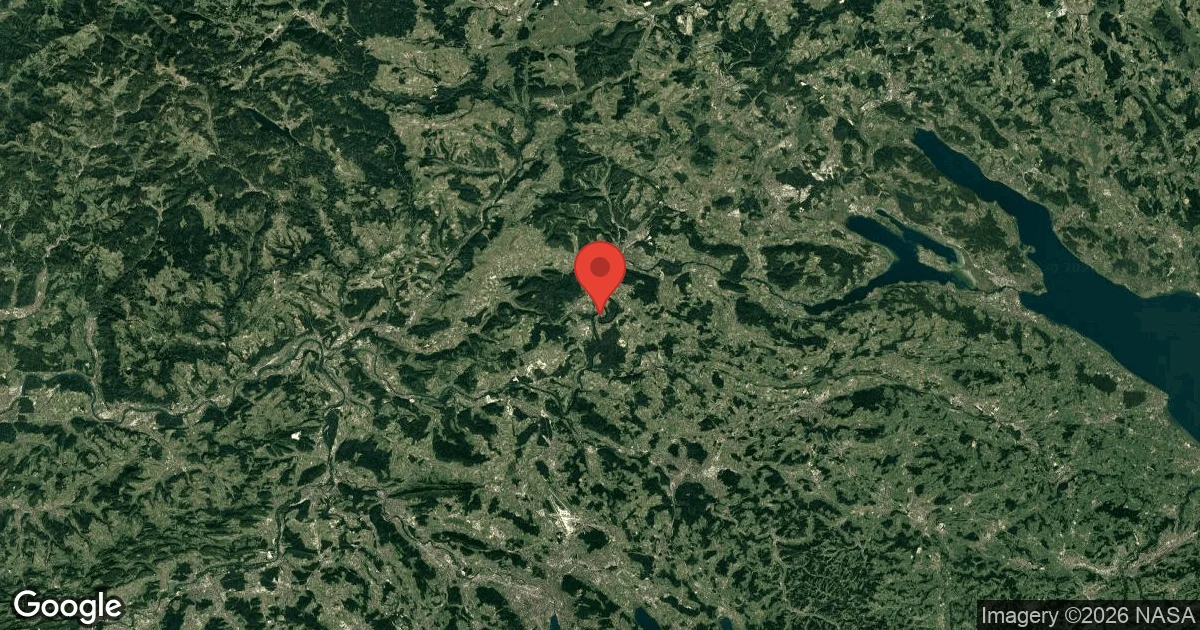
View all dive sites in SwitzerlandDiscover more underwater gems in this area.
Dive Centers Near Tössegg - Eglisau
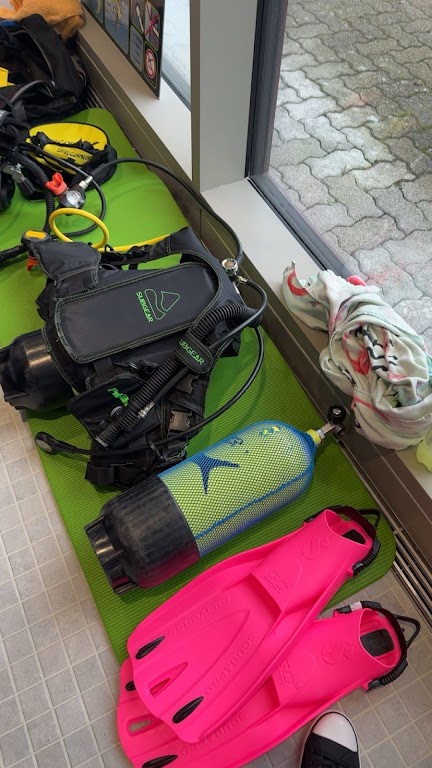
Today: 09:00 - 15:00

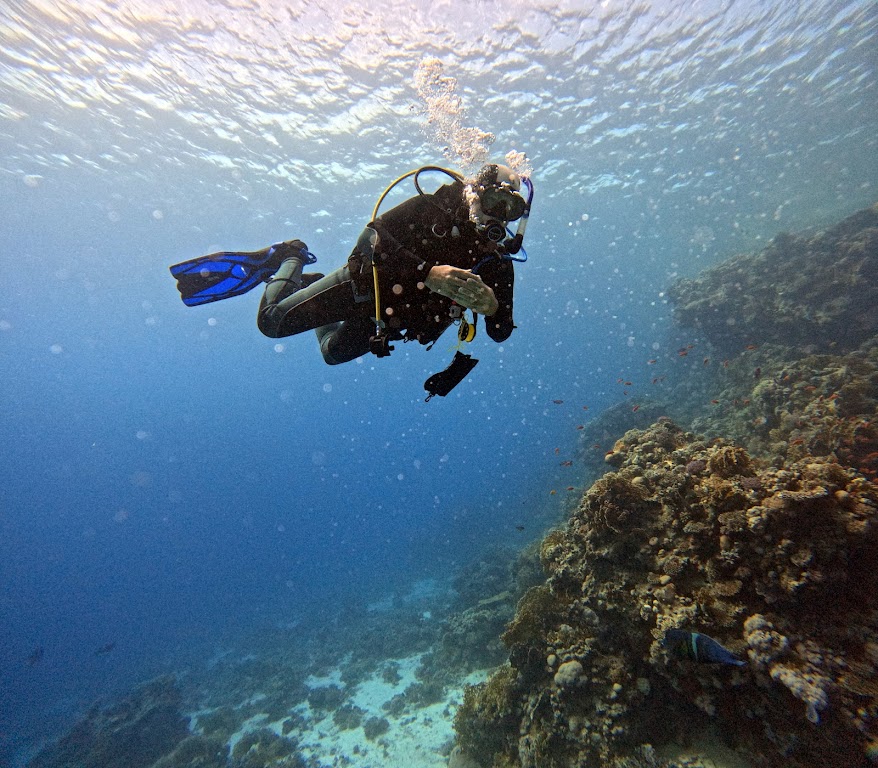
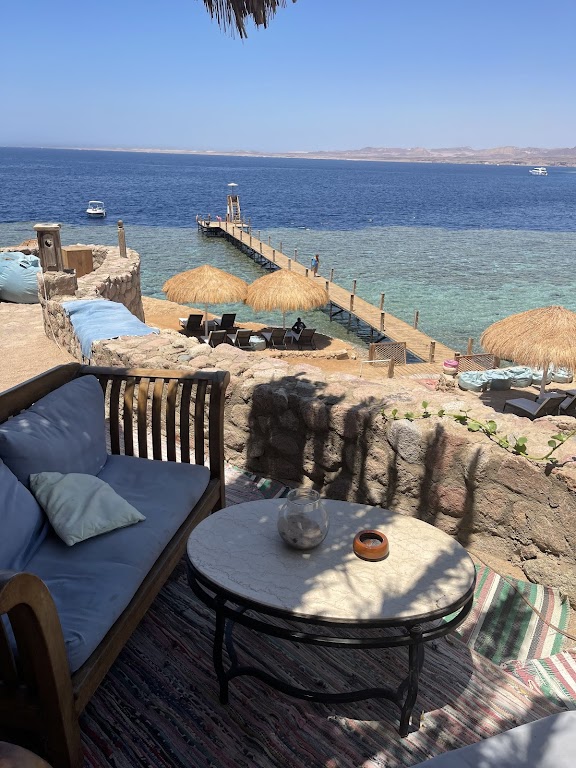
Nearest Airports
Nearest airports to help plan travel to this dive area.
Search Flights
Check available flights and routes on Expedia, using the nearby airports listed in this section.
Search Flights on ExpediaFrequently Asked Questions
What is the typical visibility at Tössegg-Eglisau?
Visibility in this freshwater setting can fluctuate significantly. It largely depends on recent rainfall, snowmelt, and the overall water flow, often varying from moderate to limited. Checking local conditions before diving is always recommended.
Is Tössegg-Eglisau suitable for beginner divers?
This site is categorized as an intermediate dive. Beginners should gain experience in calm conditions and current management before attempting dives in flowing water, ensuring they are comfortable with variable flow.
What kind of thermal protection is needed for diving here?
Given the freshwater environment and potentially low water temperatures, especially outside of peak summer, a drysuit is generally recommended. A thick wetsuit might suffice in warmer months, but be prepared for cold conditions.
Are there any specific entry or exit points?
Tössegg-Eglisau is accessible from shore. While specific details on entry aids like ladders aren't provided for this exact site, shore access typically implies a straightforward entry to the water.
Should I be concerned about currents?
Yes, currents are a natural characteristic of diving in flowing water. They can range from mild to strong, depending on the season and recent precipitation. Divers must be proficient in current navigation and buoyancy control.
What are the best months for diving here?
The site holds a 'Good' dive score year-round. While surface conditions are most pleasant from June to August with air temperatures around 20°C (68°F), equipped divers can enjoy the site in any month, provided they have adequate cold-water gear.
Planning to dive Tössegg - Eglisau?
Send one inquiry and receive offers directly from the best verified local dive operators.
Conditions are Excellent
07:00 - 14:00
Optimal conditions expected
Current conditions near Tössegg - Eglisau show 11° air, --° sea temperature, N/A waves, and 9 km/h wind. Forecast data is refreshed regularly to ensure accuracy.