
Diving at Tom's Garden (Tanzania)
Tom's Garden in Tanzania immediately captures attention with its focus on unique macro life. Divers here can expect to encounter an array of fascinating small creatures. This site offers a departure from traditional coral wall diving, inviting close observation of its diverse, often elusive inhabitants. Amongst the sea grass and sandy patches, photographers will find ample opportunities.
Evening condition tracking at Tom's Garden features an air temperature of 24.5°C. We have recorded wave heights measuring 1.4 m during this period. These figures outline the environmental parameters currently present.
Dive Site Location & Key Facts
Dive Site Overview
The dive site known as Tom's Garden presents an exceptional opportunity for focused macro photography and critter identification. Its structure, primarily shallow, cultivates an environment where divers can thoroughly explore for extended periods, dedicated to discovering its intricate inhabitants.
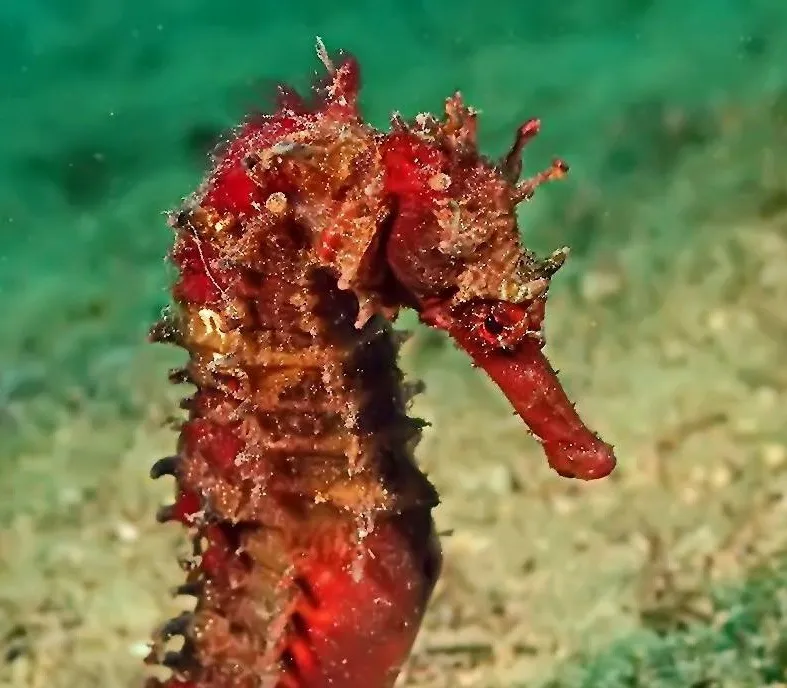
Comprising expansive sandy bottoms interspersed with vital sea grass beds, this location provides ideal camouflage and foraging grounds for a remarkable array of smaller marine species. The unique topography here was first documented by a marine biologist who recognized its abundant seahorse populations, leading to its distinctive name. Navigating the diverse substrate, divers regularly encounter several species of seahorses, their delicate forms often clinging to sea grass blades.
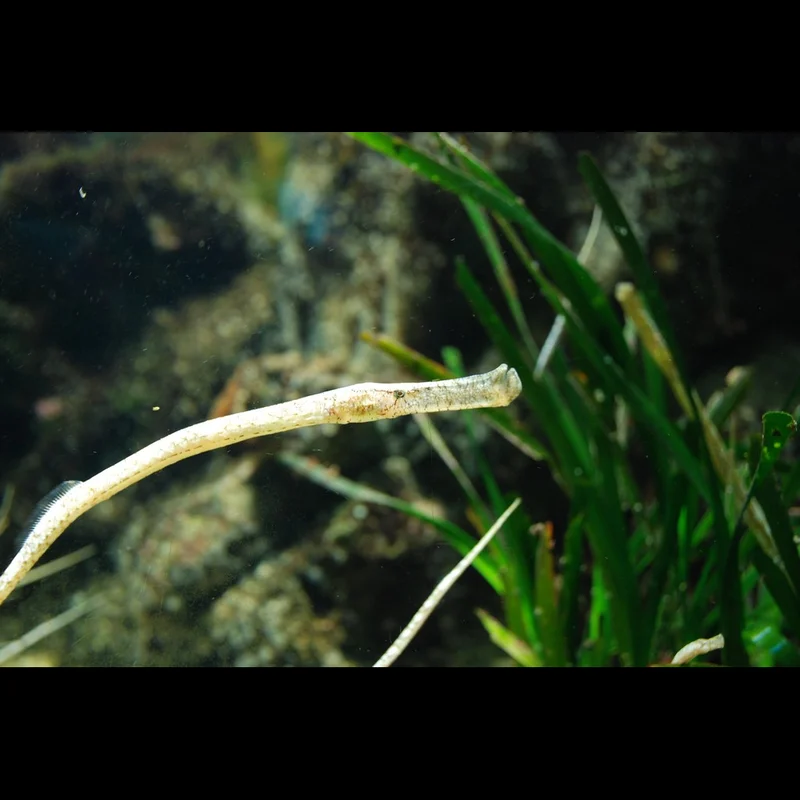
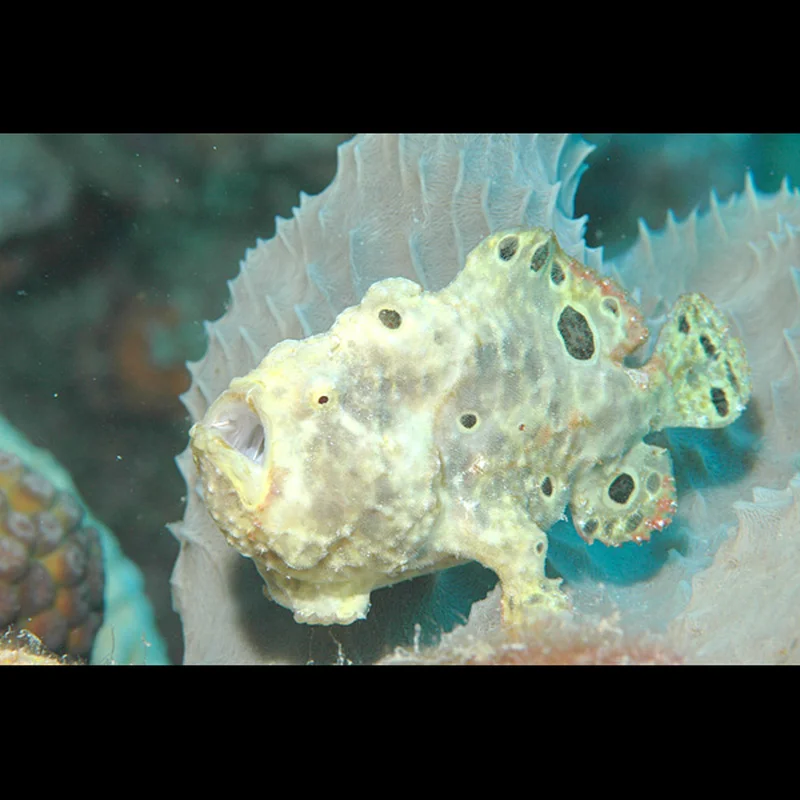
Frogfish, masters of disguise, are frequently spotted, blending seamlessly with their surroundings. Various pipefish and pipehorses also inhabit these areas, moving subtly through the reeds and shallower sections.
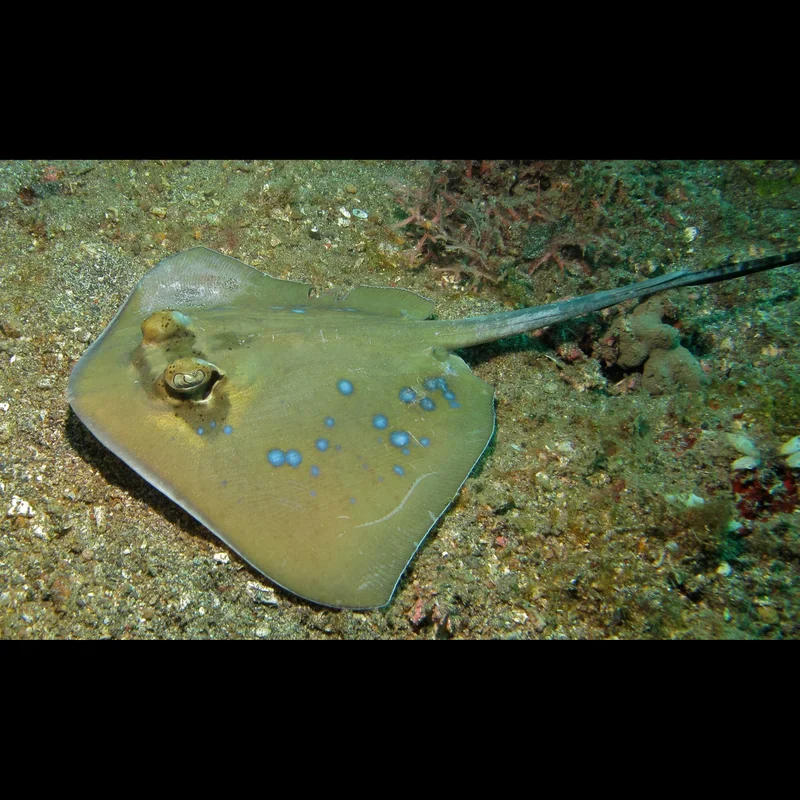
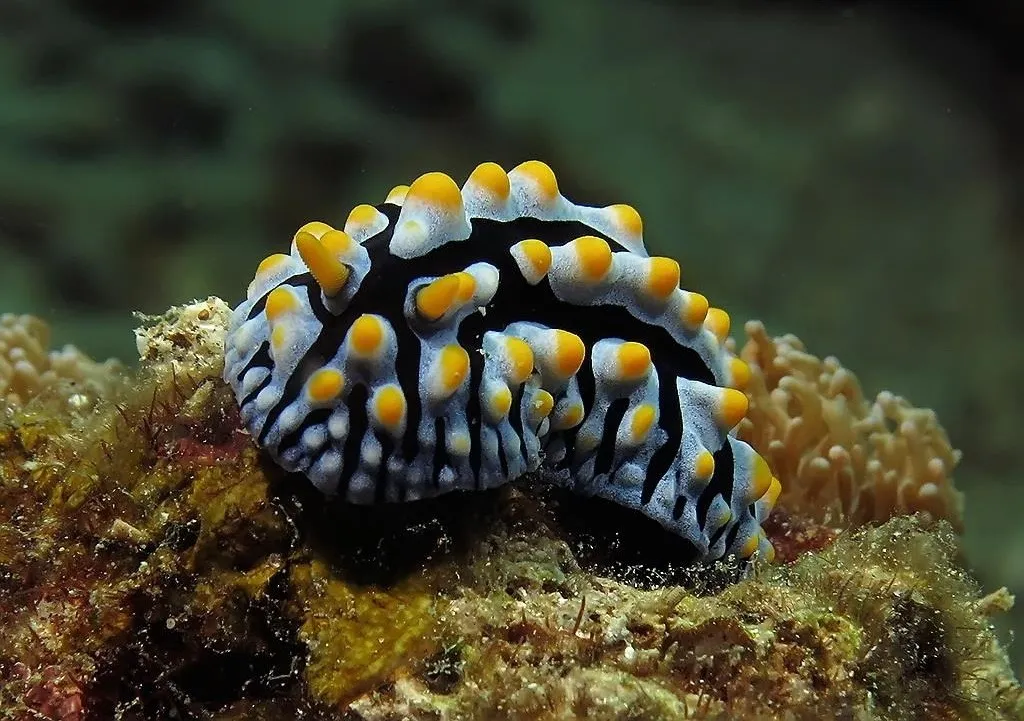
Keep a vigilant eye out for razor shrimp fish and the vibrant colors of numerous nudibranchs. Closer to the bottom, crocodile fish patiently await their prey, while blue spotted stingrays often settle on the soft sand.
Looking upwards, schools of needlefish can be observed darting just beneath the surface, adding another layer to the diverse ecosystem. Dives here typically remain within recreational depth limits, allowing for prolonged observation and interaction with the macro world.
Conditions are Moderate
Optimal conditions expected
Current conditions near Tom's Garden show 25° air, 27° sea temperature, 1.3 m waves, and 31 km/h wind. Forecast data is refreshed regularly to ensure accuracy.
Best Time to Dive
Diving conditions are generally favorable for most of the year at Tom's Garden, with 'Good' dive scores reported for eleven out of twelve months. The calmest conditions, often ideal for macro photography, typically occur during the dry seasons from July to September and November to March. During these periods, wind speeds tend to be lower, reducing wave height. Air temperatures remain consistently warm, ranging from 25-28.5°C (77-83°F). While January, February, and March show minimal rain and lower wave heights, the slightly wetter months of April and May can see increased rainfall and higher average wave heights, sometimes resulting in 'Moderate' dive scores.
PEAK SEASON SCORE
Scores combine air & water temps, waves, wind & rainfall for overall conditions.
BEST MONTHS TO DIVE
Monthly records compiled from satellite and marine observation nodes over the last 3 years. Data provided by Open-Meteo and MET Norway.
Dive Experience & Conditions
Experiencing Tom's Garden means slowing down and meticulously scanning the environment. Primarily a shallow site, it encourages a relaxed pace, allowing ample time to search for its camouflaged inhabitants across sandy patches and through sea grass. Water conditions tend to be calm, especially within protected bay areas, which aids in visibility for spotting small critters. Though explicit water temperatures aren't consistently reported, the warm tropical air suggests comfortable diving without heavy thermal protection. Visibility here can vary depending on local currents and recent sediment movement over the sandy bottom, but often allows for good macro observation.
Dive Difficulty & Safety Guidelines
Approaching Tom's Garden, divers should prioritize excellent buoyancy control. This protects the delicate macro life, including seahorses and nudibranchs, inhabiting the sea grass and sandy areas. Maintain a respectful distance from marine organisms and avoid disturbing their natural habitats.
As a shore dive, careful entry and exit procedures are important to prevent stirring up sediment or damaging the immediate shoreline ecosystem. Always dive within your training limits, and consider a local guide who understands the subtle cues for spotting the site's unique, often well-camouflaged residents.
Recommended Equipment
- Dive Computer
- Pointer / Muck Stick
This gear list is based on verified equipment signals for Tom's Garden, Tanzania. Always confirm final gear choices with your dive operator, guide, or liveaboard.
Recommended Dive Suit
With water temperatures around 27°C (80°F), many divers find a 2-3mm shorty or light wetsuit provides comfortable protection.
Local dive briefings can provide the most accurate guidance.
Surface conditions are expected to warm up slightly in the coming days. A warming trend is expected over the next few days.
Due to technical issues with our weather providers, live updates are temporarily delayed. The data above reflects the conditions at the time of the last successful fetch.
Emergency & Medical Support
Essential information to help you plan your dive trip to Tom's Garden.

Hyperbaric chambers are a critical part of dive safety infrastructure. Availability varies significantly by region, and not all dive areas have immediate access.
Before diving, it's recommended to:
- confirm nearest medical facilities
- check emergency procedures with local dive operators
- ensure dive insurance covers evacuation if required
Divers Alert Network
Diving emergency assistance available through DAN Southern Africa.
+27828106010- 24/7 emergency hotline
- Diving medical assistance
- Evacuation coordination
Emergency contacts are provided for reference. Always verify local emergency services before diving.
Marine Life at Tom's Garden
The vibrant array of small, often camouflaged creatures immediately catches the eye. Numerous species of seahorses are a key highlight, found among the sea grass and sandy patches in varying sizes and colors.
Frogfish, with their incredible ability to blend into the environment, are frequent encounters. Pipefish and pipehorses also inhabit these areas, moving subtly through the shallow reeds.
Keep an eye out for razor shrimp fish and diverse nudibranchs. Crocodile fish patiently await their prey in the shallows, while blue spotted stingrays gracefully glide over the sand.
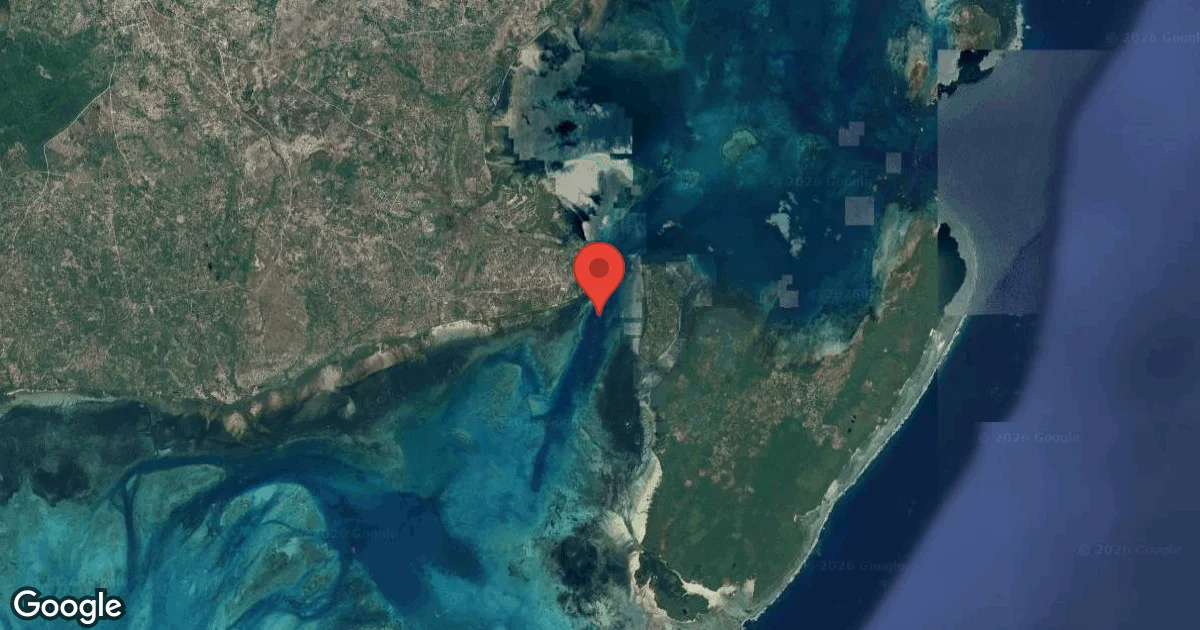
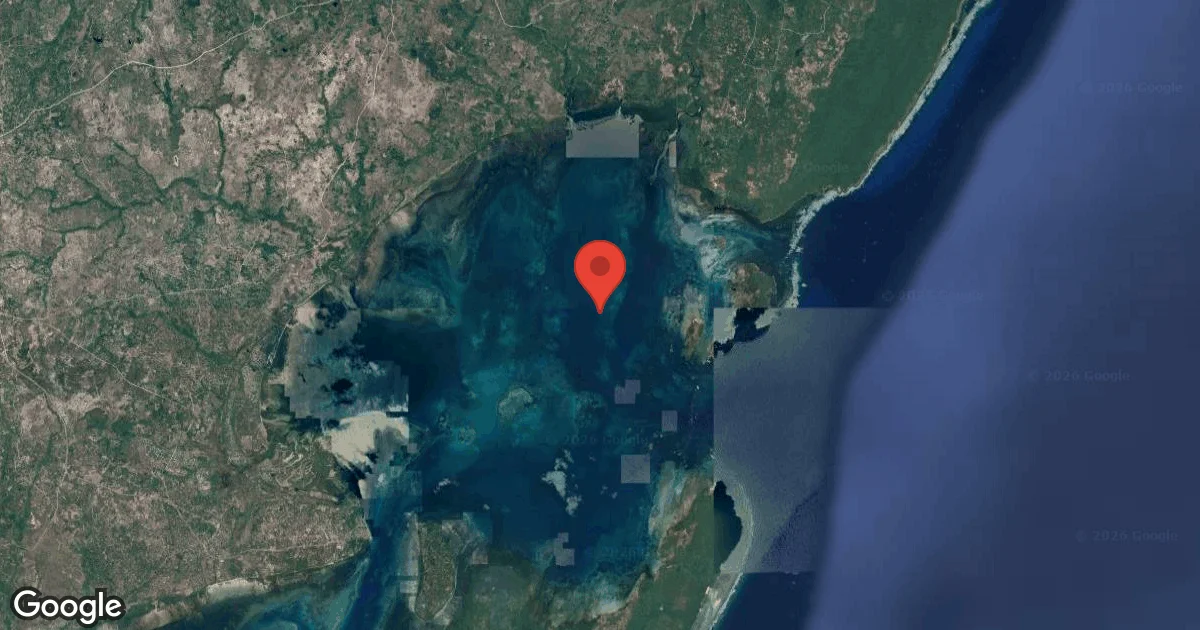
Dive Sites Near Tom's Garden
View all dive sites in TanzaniaDiscover more underwater gems in this area.
Dive Centers Near Tom's Garden
Today: 06:00 - 16:00
Nearest Airports
Nearest airports to help plan travel to this dive area.
Search Flights
Check available flights and routes on Expedia, using the nearby airports listed in this section.
Search Flights on ExpediaFrequently Asked Questions
What is Tom's Garden best known for?
Tom's Garden is primarily known as a premier macro diving site, particularly celebrated for its diverse populations of seahorses, frogfish, and other rare, small marine species. It's a hotspot for underwater photographers and critter enthusiasts.
How deep is the dive site?
This is predominantly a shallow dive site, making it ideal for longer bottom times and less demanding dives. Exact maximum depths vary but generally remain within recreational depth ranges, focusing on the sea grass beds and sandy areas close to shore.
Is Tom's Garden suitable for beginner divers?
Yes, its shallow depths and generally calm conditions make it suitable for divers of all experience levels, including beginners. The emphasis is on slow, deliberate movement and observation rather than navigating complex currents or deep environments.
What kind of terrain can be expected?
The terrain at Tom's Garden consists mainly of sandy bottoms interspersed with extensive sea grass beds and shallow reeds. These features provide ideal camouflage and habitat for the site's unique macro life.
What unique marine life might I spot?
Divers frequently encounter several species of seahorses, frogfish, and various pipefish. Other notable sightings include razor shrimp fish, nudibranchs, crocodile fish, and blue spotted stingrays resting on the sand.
Is shore diving common at Tom's Garden?
Yes, Tom's Garden is typically accessed as a beach shore dive. This allows for convenient entry and exit, making it particularly appealing for divers who enjoy direct access to the underwater environment.
What are the general water conditions like?
Water conditions are usually calm, especially within the protected bay area where the site is located. Visibility can fluctuate depending on local factors but is generally good enough for detailed macro observations.
Planning to dive Tom's Garden?
Send one inquiry and receive offers directly from the best verified local dive operators.
Conditions are Moderate
Optimal conditions expected
Current conditions near Tom's Garden show 25° air, 27° sea temperature, 1.3 m waves, and 31 km/h wind. Forecast data is refreshed regularly to ensure accuracy.