
Diving in Tanzania
Diving in Tanzania covers a wide range of environments, with conditions that vary depending on location and site type. Our platform currently includes 27 mapped dive sites across Tanzania. This supports planning across different types of dive environments.
Planning a diving trip to Tanzania usually starts with arrival at key international airports, such as Julius Nyerere International Airport (DAR) in Dar es Salaam or Abeid Amani Karume International Airport (ZNZ) in Zanzibar. From these gateways, connections to the primary diving islands of Zanzibar, Pemba, and Mafia are managed through regional flights or ferry services. This logistical setup allows divers to choose between the more accessible options of Zanzibar or the quieter, more remote experiences found around Pemba and Mafia.
The nation provides a wide range of diving environments, from extensive coral gardens and walls to dynamic drift dives in current-rich channels. Beyond the Indian Ocean islands, Lake Tanganyika presents a unique freshwater diving opportunity. Here, divers can observe hundreds of cichlid fish species, with nearly all being endemic to the lake.
Efficient connecting flights streamline travel between these varied marine ecosystems. This arrangement lets divers effectively shape their itinerary, whether they seek encounters with large pelagic species or focus on macro photography opportunities across different areas.
Dive Map of Tanzania
Grasping Tanzania's geographical layout is fundamental for crafting an efficient diving itinerary. Divers benefit from understanding the distinct regions available for exploration: the Zanzibar Archipelago, encompassing Pemba and Mafia Islands, and the unique freshwater environment of Lake Tanganyika. This overview helps in visualizing the spread of dive opportunities.
This geographical context is vital for planning travel, especially when considering flight connections from mainland Dar es Salaam or Zanzibar to the more remote island destinations. Each area offers a different experience, characterized by varying concentrations of dive sites and distinct marine life profiles.
For instance, Pemba Island's position provides access to the deep Pemba Channel, while Mafia Island features a protected marine park. Understanding these locations is essential for maximizing a diving adventure in Tanzania.
Dive Sites to Explore
View all 27 sites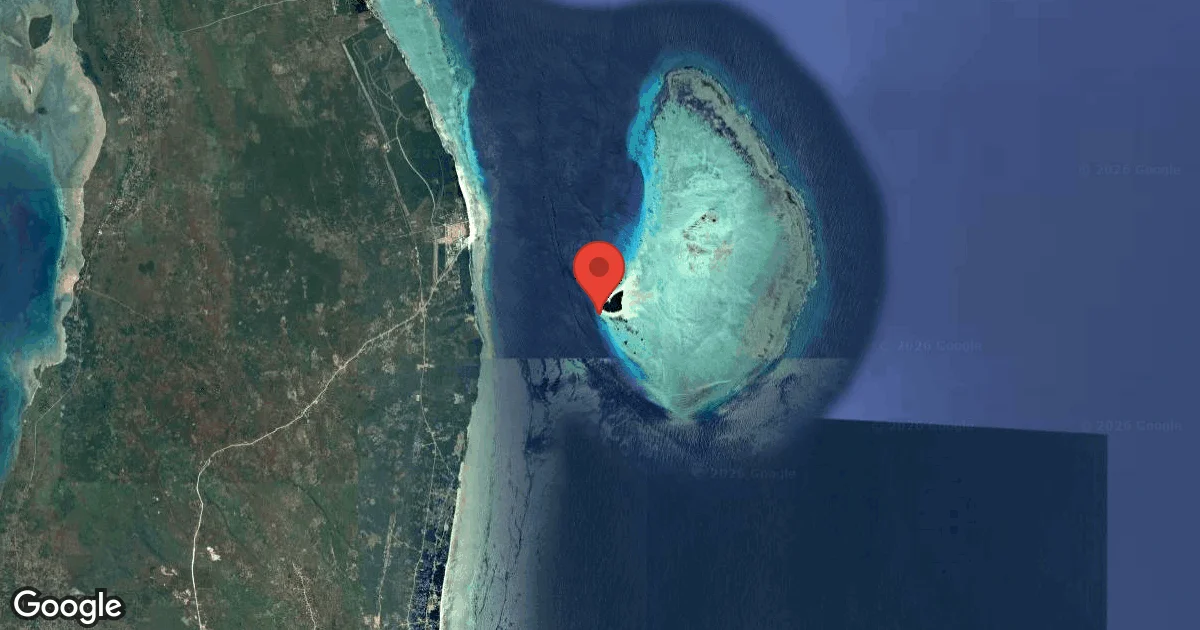
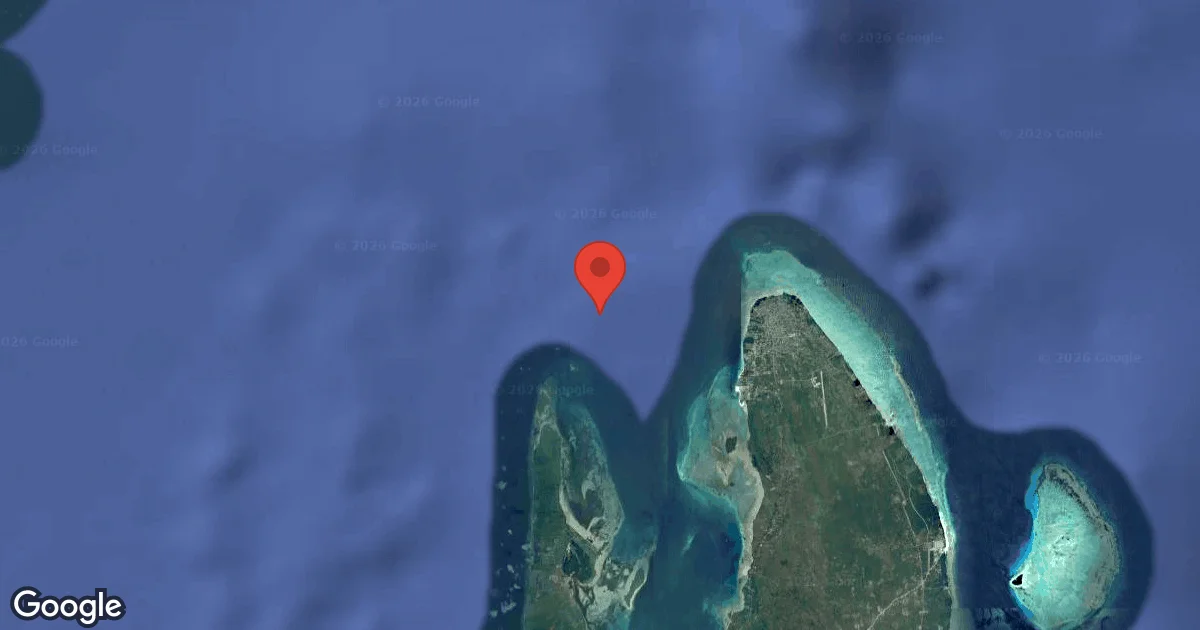
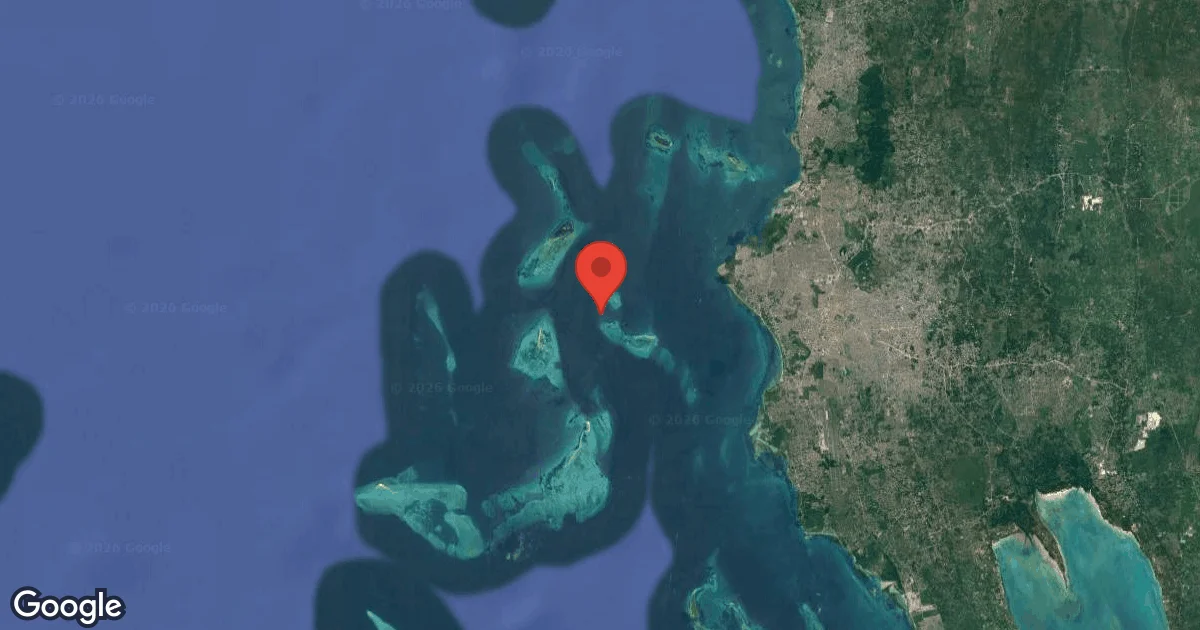
Tanzania's dive sites cater to a range of experience levels, from tranquil reefs suitable for beginners to challenging deep walls and drift dives for advanced divers. New divers can find comfort in sites with minimal currents and shallower profiles, while experienced divers can seek out adrenaline-filled encounters.
For those with advanced certification or significant experience, Leven Bank off Zanzibar's northern tip is a challenging site known for strong, nutrient-rich currents that attract large pelagic species. Similarly, Pemba Island offers sites like North Horn, frequented by whitetip, silvertip, and even hammerhead sharks along coral-covered walls. Fundu Gap in Pemba is another drift dive site with strong currents, offering an exciting experience. Mtangani, near Mafia Island, is a deep site with ripping currents where hammerhead sharks are sometimes observed.
More accessible sites include Misali Island Coral Garden in Pemba, a marine conservation area rich in fish and coral species, suitable for various skill levels. Mwangana is another beginner-friendly site covered in plate coral, hosting lobster, moray eels, and blue-striped snappers. Watabomi at Mnemba Atoll provides a calm environment with brain coral and a variety of reef fish, blue surgeonfish, and turtles. Lake Tanganyika offers a distinct freshwater experience, allowing divers to explore with hundreds of endemic cichlid fish species in temperatures around 24-26°C (75-79°F).
Best Time to Dive in Tanzania
Choosing the optimal time to dive in Tanzania often involves weighing trade-offs between conditions and specific marine encounters. The primary dive season for the coastal areas generally runs from November through March, coinciding with the dry season. During this period, coastal air temperatures are typically 24-26°C (75-79°F), and water temperatures are at their warmest.
This main season is particularly favorable for pelagic sightings, with whale sharks most commonly observed between October and April, peaking from November to February in Mafia and Pemba. Manta rays are frequently seen from November to January. Humpback whales migrate through the channels and can often be heard underwater or sighted between August and September, with some sightings extending into October. For Lake Tanganyika, the dry season from May to September offers the best diving conditions.
While diving is possible year-round, conditions outside the main season may present different challenges. For instance, Mafia Island's outer bay dives are only accessible to advanced divers between October and March. The long rains typically occur from April to June, which can affect visibility and sea conditions, especially in Pemba. Divers seeking specific large marine animal encounters should align their travel plans with these seasonal patterns.
Monthly Sea Temperatures
Tanzania's coastal waters consistently offer comfortable sea temperatures throughout the year. Divers can typically expect average water temperatures to range between 24-30°C (75-86°F) across the primary diving regions. This warmth is a direct result of the equatorial climate, creating a pleasant environment for extended underwater exploration.
The ocean's warmest period generally spans from November to April, with temperatures frequently reaching 29°C (84°F) in March and April. Specifically, Pemba Island's waters maintain a range of 24-29°C (75-84°F), providing consistent warmth. Zanzibar experiences slightly higher temperatures, typically between 28-29°C (82-84°F).
In contrast, Lake Tanganyika, as a freshwater body, exhibits cooler and more stable temperatures, usually holding steady between 24-26°C (75-79°F). This provides a different thermal experience compared to the surrounding Indian Ocean.
| Jan | Feb | Mar | Apr | May | Jun | Jul | Aug | Sep | Oct | Nov | Dec | |
|---|---|---|---|---|---|---|---|---|---|---|---|---|
| Max | 30° | 29° | 30° | 31° | 29° | 28° | 27° | 26° | 27° | 28° | 29° | 30° |
| Avg | 28° | 28° | 29° | 29° | 28° | 27° | 26° | 26° | 26° | 27° | 28° | 28° |
| Min | 27° | 27° | 28° | 28° | 27° | 26° | 25° | 25° | 25° | 25° | 27° | 27° |
Dive Conditions
Underwater dynamics in Tanzania exhibit significant variation depending on the specific location and depth, particularly concerning visibility and currents. Coastal waters generally provide good to excellent visibility, often ranging between 15-30 meters (50-100 feet). Pemba Island frequently boasts exceptional visibility, often between 30-40 meters (98-131 feet), outside of any wet season influences. Zanzibar's visibility can fluctuate from 20-60 meters (66-197 feet), while Lake Tanganyika offers a more moderate 10-20 meters (30-66 feet).
Currents play a critical role in shaping the diving experience. The Pemba Channel is recognized for its strong currents, which create thrilling drift dives but require experienced divers. Leven Bank, located off Zanzibar, also experiences strong, nutrient-rich currents that are attractive to pelagic species. Similarly, sites such as Mtangani can be deep and feature ripping currents.
While Pemba's east side is subject to powerful currents, its west side provides more protected dive sites with minimal current, making them suitable for all diver levels. Mafia Island's diving is notably tide-dependent, and strong local winds between June and September can restrict diving activities to the sheltered Chole Bay.
Marine Life Highlights
Most Mentioned Species
Marine life in Tanzania varies across dive locations, with different species appearing depending on environment and conditions. The species highlighted here are the most frequently associated with dive sites in our data, offering a realistic overview of what divers are most likely to encounter.
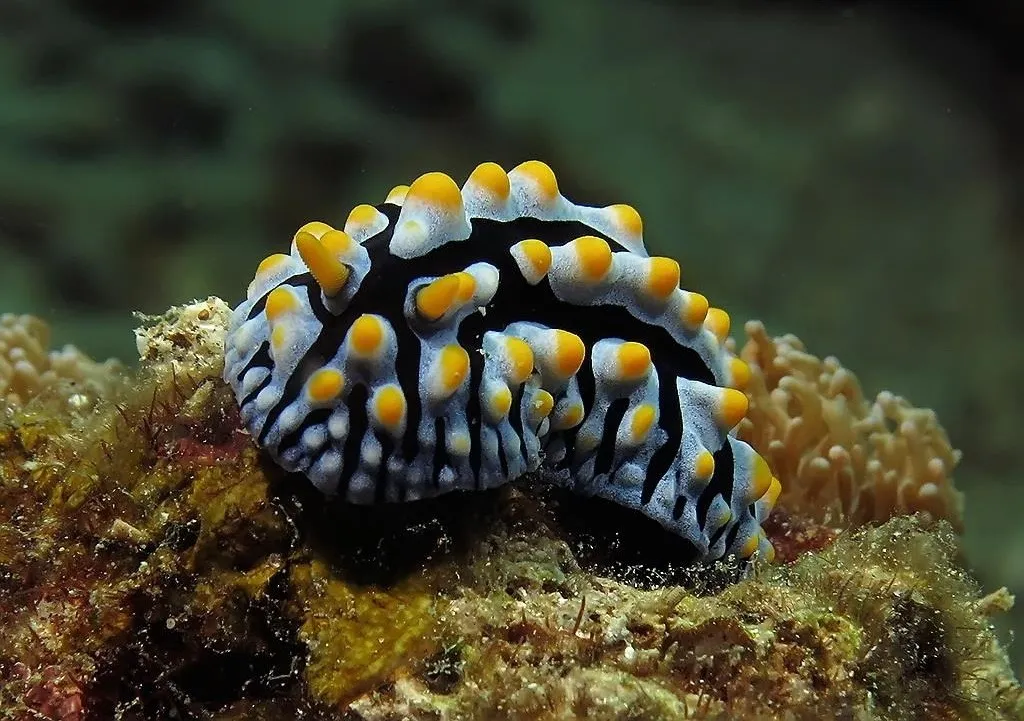
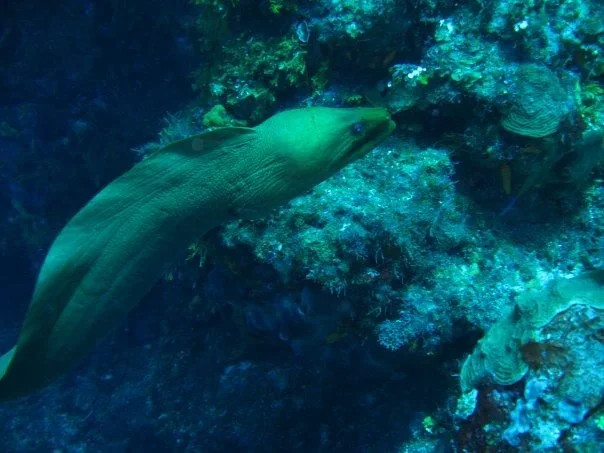
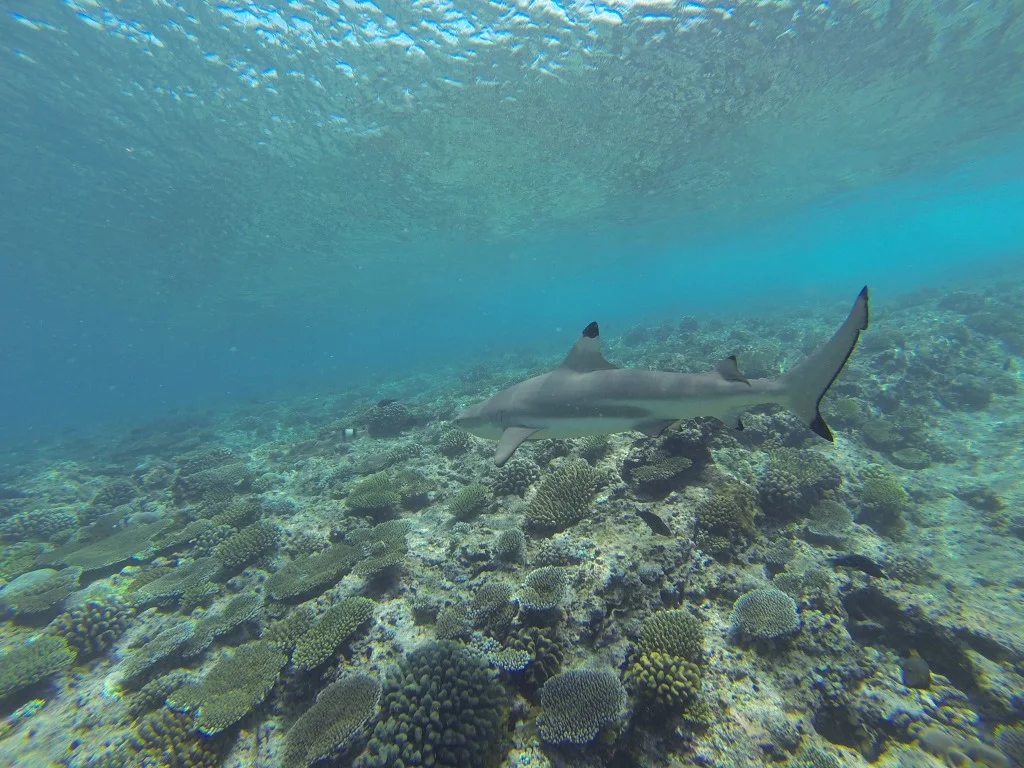
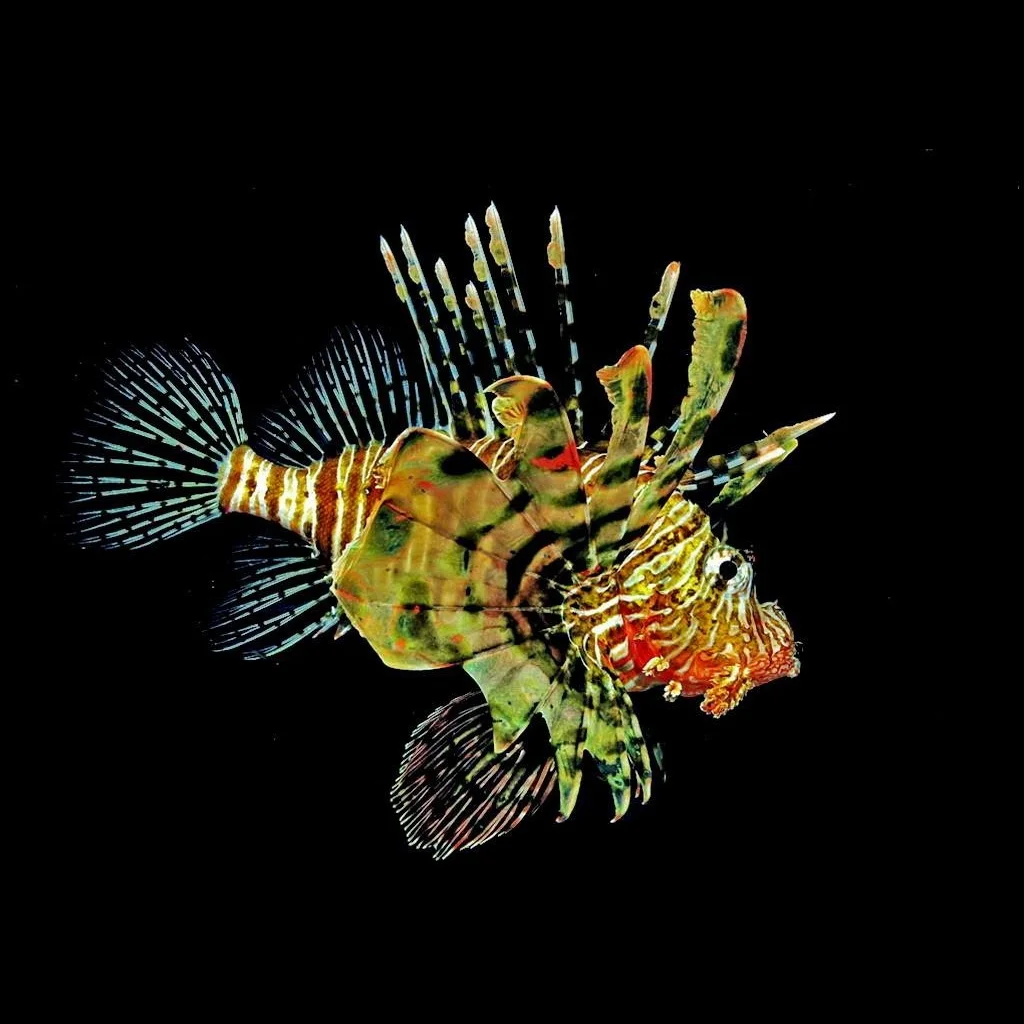
Tanzania's marine environments present a captivating blend of seasonal spectacles and diverse resident species. Whale sharks are a significant seasonal draw, observed from October to April, with peak sightings around Mafia Island between November and February. Manta rays are also frequent visitors from November to January. Humpback whales migrate through the channels, often heard underwater between August and September, with sightings extending into October. Hammerhead sharks are occasionally spotted during the winter months, especially at deep, current-swept sites like Mtangani and North Horn.
Year-round, divers can encounter a rich variety of reef fish and larger inhabitants. Mafia Island Marine Park protects over 460 species of tropical fish, five species of turtle (including green and hawksbill), and the elusive dugong. Pemba's Misali Island Coral Garden alone supports 350 fish species and over 40 coral varieties, alongside reef sharks, Napoleon wrasse, and large gorgonian sea fans.
Zanzibar's Mnemba Atoll is known for peppered moray eels, blue surgeonfish, and turtles; bottlenose and spinner dolphins are often encountered here. Lake Tanganyika, a freshwater ecosystem, features hundreds of endemic cichlid fish species, with nearly 98% found nowhere else on Earth.
Regions for Diving
Tanzania offers distinct diving experiences across its main regions, each accessible through various travel methods.
Mafia Island is primarily reached by flying into Mafia Airport (MFA) from Dar es Salaam (DAR) or occasionally Zanzibar (ZNZ) with regional airlines. The island is largely protected by the Mafia Island Marine Park, which safeguards its extensive coral reefs and diverse marine life. Mafia Island supports a resident whale shark population, with sightings common from October to March, particularly November to February. Divers can expect to see over 460 species of tropical fish, five species of turtle, and the shy dugong. Diving is very tide-dependent, and outside-the-bay dives are reserved for advanced divers from October to March. Water temperatures range from 24-30°C (75-86°F), though visibility can be lower during whale shark season due to plankton. Notable sites include Kinasi Pass, Dindini Wall, and Wattabomi Reef.
Pemba Island, Tanzania’s northernmost island, is less developed for tourism than Zanzibar. It is best accessed by flying from Dar es Salaam (DAR) or Zanzibar (ZNZ) to Pemba Airport (PMA). The west side of Pemba features protected dive sites suitable for all levels, while the deeper east side, with its strong currents, is recommended for experienced divers only. Conditions are generally excellent from July to March, with water temperatures between 24-29°C (75-84°F) and visibility often reaching 30-40 meters (98-131 feet). Pelagic encounters, including whale sharks and manta rays, are more frequent from October to April. Key dive sites include Misali Island Coral Garden, Njao Gap, North Horn, and Fundu Gap.
Zanzibar is easily reached by flying into Abeid Amani Karume International Airport (ZNZ) or taking a fast ferry from Dar es Salaam. While some areas have limited reefs, the northern tip of the island, particularly Mnemba Atoll, is a significant diving destination. The main dive season runs from November through March, with water temperatures ranging from 28-29°C (82-84°F) and visibility often between 20-60 meters (66-197 feet). Mnemba Atoll offers pristine coral walls and sightings of reef fish, peppered moray eels, and turtles. Leven Bank, an open-ocean site, is for experienced divers only due to strong currents. Other sites include Watabomi, Kizimkazi Reef, and Kichwani Reef.
Lake Tanganyika offers a freshwater diving experience, accessible via land transfers from Mpanda or Mbeya to lodges like Lake Shore Lodge. The best time to dive here is during the dry season, from May to September. Water temperatures are a consistent 24-26°C (75-79°F), with visibility between 10-20 meters (30-66 feet). The lake is remarkable for its nearly 250 species of endemic cichlid fish.
Travel & Passport Guide
Travel Basics
Trip Planning
Safety & Diving Considerations
Diving in Tanzania requires varying levels of certification and experience, depending on the chosen sites. Several locations are specifically recommended for experienced or advanced divers due to strong currents, depth, or open-ocean exposure. For example, the Pemba Channel, Leven Bank off Zanzibar, and sites like Fundu Gap and Mtangani are known for strong currents and are best suited for those with advanced training.
Pemba Island's east and south sides present deeper dives with strong currents, accessible only to experienced individuals. Similarly, dives outside Mafia Island's Chole Bay are only possible between October and March and are exclusively for advanced divers. The Big Wall, located on Mnemba's east side, is another site designated for experienced divers. It is important to assess personal skill levels and certifications before attempting these more challenging dives.
General travel safety considerations include ensuring your passport is valid for at least six months beyond your intended stay. When considering ferry travel between islands, particularly from Zanzibar to Pemba, it is advisable to inquire about the safety records of specific ferry companies. Air travel between the main islands is generally considered more comfortable and efficient.
Dive Centers in Tanzania
View all 35 dive centers


Frequently Asked Questions
What is the best time of year for diving in Tanzania?
The primary diving season for coastal areas runs from November through March, offering warm water temperatures and generally good visibility. This period is ideal for spotting pelagic species like whale sharks and manta rays. For Lake Tanganyika, the dry season from May to September is recommended. Humpback whales can be heard or sighted between August and October.
What unique marine life can divers expect to see?
Tanzania offers diverse marine encounters. Mafia Island has a resident population of whale sharks, along with five species of turtles and dugongs. Pemba is known for various reef sharks (whitetip, silvertip, hammerhead), large gorgonian sea fans, and over 350 fish species. Lake Tanganyika provides a unique experience with hundreds of endemic cichlid fish species.
Are there dive sites suitable for beginner divers?
Yes, many areas cater to all experience levels. Sites like Misali Island Coral Garden in Pemba, Mwangana, Watabomi at Mnemba Atoll, and Kizimkazi Reef in Zanzibar offer shallower depths and calmer conditions. The west side of Pemba Island generally has sites protected from strong currents, suitable for less experienced divers.
How can I travel to the main diving islands?
The main diving islands of Zanzibar, Pemba, and Mafia are accessible by air from Dar es Salaam (DAR) or Zanzibar (ZNZ). Flights to Pemba Airport (PMA) or Mafia Airport (MFA) are available with regional airlines. Ferries also connect Dar es Salaam to Zanzibar, and Zanzibar to Pemba, though flights are often preferred for comfort and speed. Lake Tanganyika requires land transfers.
What are the typical sea temperatures in Tanzania?
Sea temperatures are generally comfortable year-round, ranging from 24-30°C (75-86°F). The warmest period is from November to April, with temperatures often reaching 29°C (84°F) in March and April. Pemba's waters are typically 24-29°C (75-84°F), while Zanzibar sees 28-29°C (82-84°F). Lake Tanganyika maintains cooler temperatures around 24-26°C (75-79°F).
What visibility can I expect while diving?
Visibility in Tanzania's coastal waters is generally good to excellent, often ranging between 15-30 meters (50-100 feet). Pemba can offer outstanding visibility of 30-40 meters (98-131 feet). However, during whale shark season (October-February) in areas like Mafia Channel, visibility can be lower due to planktonic organisms that attract these large animals. Lake Tanganyika offers 10-20 meters (30-66 feet).