
Diving at Mun Nai Jetty (Thailand)
Mun Nai Jetty, positioned off the western side of Mun Nai Island, serves as more than just a functional structure; it acts as an accessible entry point to a vibrant underwater world. Providing shelter and a foundation for marine life, the small jetty establishes a habitat often explored by divers. It’s a convenient boat entry site for those looking to experience the diverse species thriving beneath its pilings and surrounding waters. Its structure guides divers into an environment suitable for observation.
As evening covers Mun Nai Jetty, the local air temperature is measured at 28°C. The current wave height at the surface is recorded at 0.5 m. These late-day readings characterize the surface conditions for the night.
Dive Site Location & Key Facts
Dive Site Overview
Ease of access and a surprising density of macro life make Mun Nai Jetty particularly appealing for divers. A shallow, protected environment greets visitors, ideal for new certified divers holding PADI Open Water Diver certification.
Average depth here is 6 meters (20 ft), with maximum depths around 8 meters (26 ft). Conditions typically feature minimal currents, providing a calm setting for exploration and observation. A sandy bottom offers a contrasting backdrop that highlights the site's smaller inhabitants.
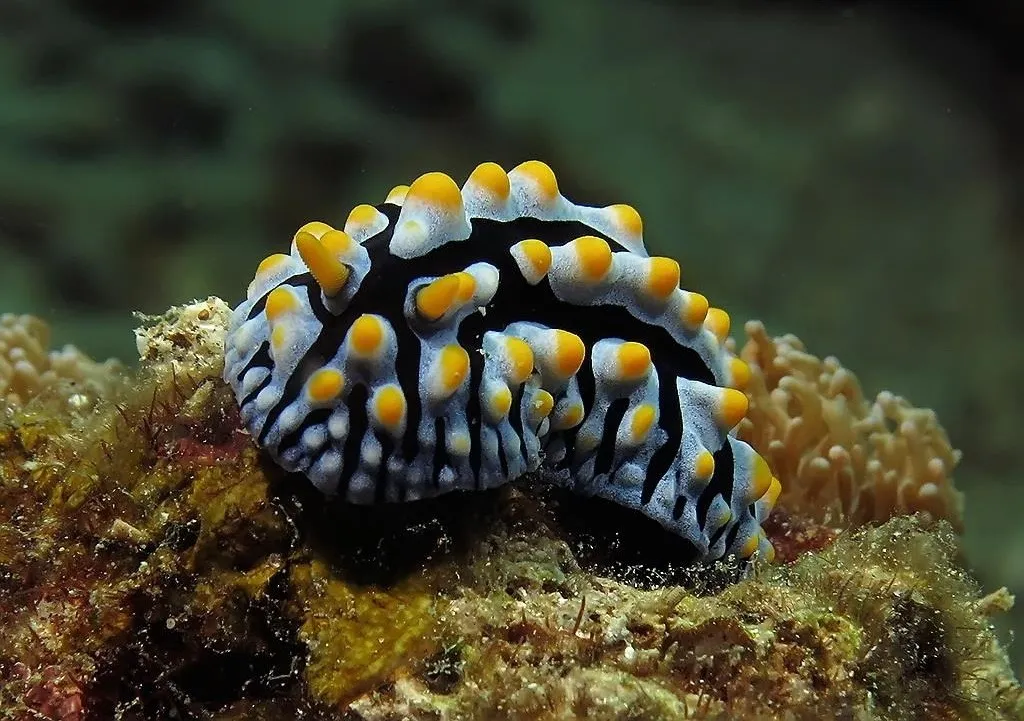
Often described as a haven for nudibranch enthusiasts, the site also hosts a variety of other fascinating creatures, from pipefish to giant clams. Recreational depth limits ensure suitability for longer bottom times, allowing ample opportunity to search for cryptic species beneath the jetty and among scattered debris.
Convenient boat entry further enhances its appeal as a flexible, rewarding dive destination. Divers can focus on underwater observation, unburdened by challenging conditions.
Exploring a world brimming with small wonders is comfortable here, making it a favorite for those seeking intricate marine encounters rather than large pelagic action. For divers interested in specialized skills, Mun Nai Jetty presents an excellent opportunity to practice techniques for Peak Performance Buoyancy and Underwater Photography, given its calm environment and plentiful subjects.
Conditions are Good
Optimal conditions expected
Current conditions near Mun Nai Jetty show 28° air, 30° sea temperature, 0.5 m waves, and 21 km/h wind. Forecast data is refreshed regularly to ensure accuracy.
Best Time to Dive
Planning a dive trip to Mun Nai Jetty largely depends on optimizing for stable and enjoyable conditions, which typically align with Thailand's dry season. January to April offers excellent dive scores, characterized by consistently high air temperatures ranging from 26.5°C (80°F) to 29.5°C (85°F), coupled with minimal rainfall, often less than 3 mm (0.12 inches) per month. During these months, wave heights are generally low, averaging between 0.2-0.4 meters (0.7-1.3 ft), ensuring comfortable boat rides and surface conditions. Winds are also relatively mild, typically around 15-16 km/h (9-10 mph). As the year progresses into May, air temperatures remain warm, but rainfall increases slightly, yet still maintaining an excellent dive score. While months from June to September experience higher rainfall, sometimes reaching over 10 mm (0.39 inches), and slightly increased wave heights up to 0.8 meters (2.6 ft), diving remains good. For the most reliably calm and clear experience, October, November, and December consistently report excellent dive scores and reduced precipitation.
PEAK SEASON SCORE
Scores combine air & water temps, waves, wind & rainfall for overall conditions.
BEST MONTHS TO DIVE
Monthly records compiled from satellite and marine observation nodes over the last 3 years. Data provided by Open-Meteo and MET Norway.
Dive Experience & Conditions
Diving Mun Nai Jetty typically commences with an easy boat entry, ushering divers directly into a sheltered environment. Below the surface, visibility, while not consistently reported, generally permits comfortable navigation within shallower sections. Divers quickly reach an average depth of 6 meters (20 ft), finding a predominantly sandy bottom to explore. This substrate supports various smaller organisms that camouflage effectively, promoting careful observation. Conditions here are frequently calm, with minimal to no discernible currents, ensuring a relaxed dive profile. Max depth reaches around 8 meters (26 ft). Warm tropical water temperatures contribute to a comfortable experience, suitable for prolonged bottom times. Often, divers explore the immediate vicinity of the jetty structure, where marine life congregates, before venturing across the surrounding sand.
Dive Difficulty & Safety Guidelines
Given its manageable depths and generally calm conditions, Mun Nai Jetty is considered a very approachable dive site, particularly beneficial for Open Water Divers. There are no specific hazards consistently reported for this location in our database. Nevertheless, adherence to standard safe diving practices remains crucial.
Divers should maintain proper buoyancy control, especially around the jetty structures, to avoid disturbing the fragile marine ecosystem or kicking up sediment from the sandy bottom. Planning your dive within no-decompression limits is straightforward given the shallow profile.
Always dive with a buddy, conduct thorough gear checks, and monitor air consumption closely. Furthermore, divers are encouraged to practice responsible interaction with marine life, observing without touching.
Recommended Equipment
- Dive Computer
- DSMB
This gear list is based on verified equipment signals for Mun Nai Jetty, Thailand. Always confirm final gear choices with your dive operator, guide, or liveaboard.
Recommended Dive Suit
Divers planning deeper dives may feel cooler than those staying in shallower areas.
Many divers find that dive skin or rash guard offers a comfortable balance between warmth and mobility. A hood or vest is suggested for sensitive divers due to surface winds. Conditions in the coming days are expected to stay within a similar temperature range.
Divers heading to Mun Nai Jetty today should expect water temperatures around 30°C (85°F). Surface air temperatures are resting at 28°C (82°F).
Emergency & Medical Support
Essential information to help you plan your dive trip to Mun Nai Jetty.

Hyperbaric chambers are a critical part of dive safety infrastructure. Availability varies significantly by region, and not all dive areas have immediate access.
Before diving, it's recommended to:
- confirm nearest medical facilities
- check emergency procedures with local dive operators
- ensure dive insurance covers evacuation if required
Divers Alert Network
Diving emergency assistance available through DAN World.
+1-919-684-9111- 24/7 emergency hotline
- Diving medical assistance
- Evacuation coordination
Emergency contacts are provided for reference. Always verify local emergency services before diving.
Marine Life at Mun Nai Jetty
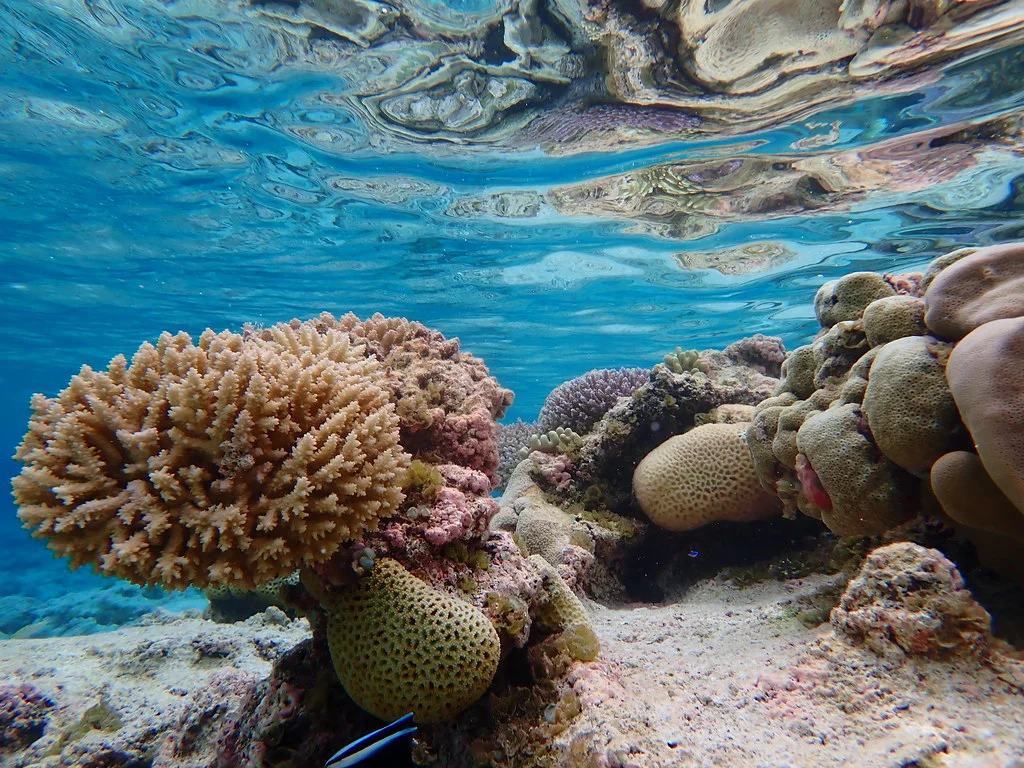
Mun Nai Jetty's underwater landscape, defined by its sandy bottom and the jetty's supporting structures, provides a rich habitat for a variety of smaller, often cryptic, marine creatures. Divers frequently encounter vibrant nudibranchs, adding splashes of color to the seafloor.
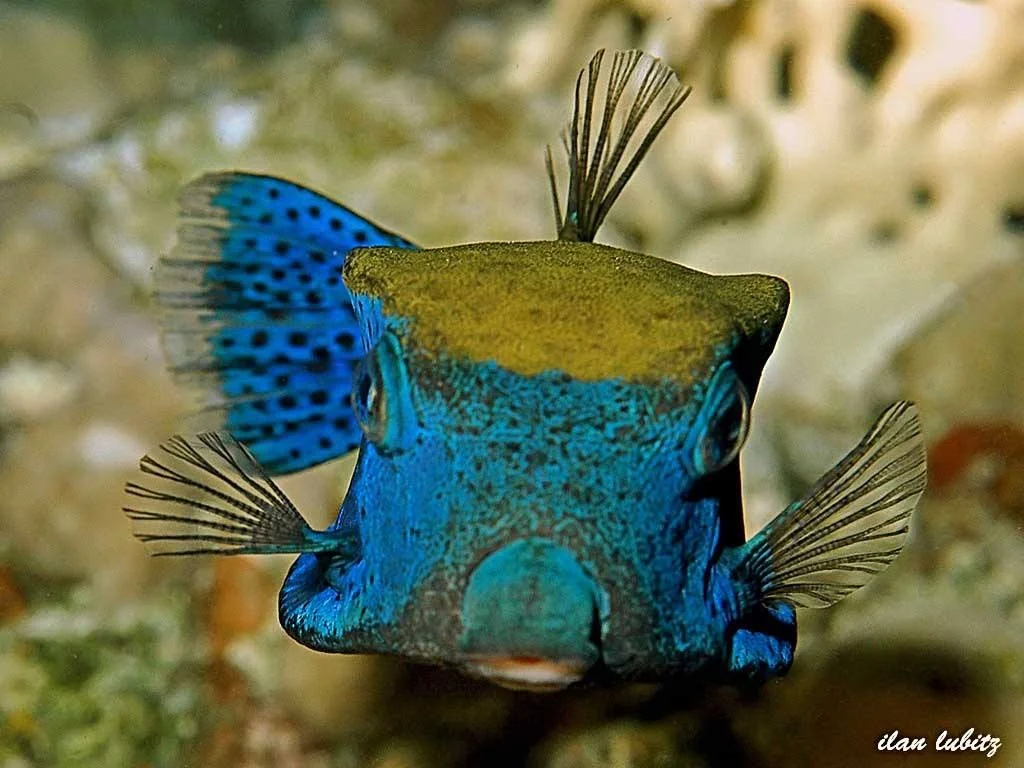
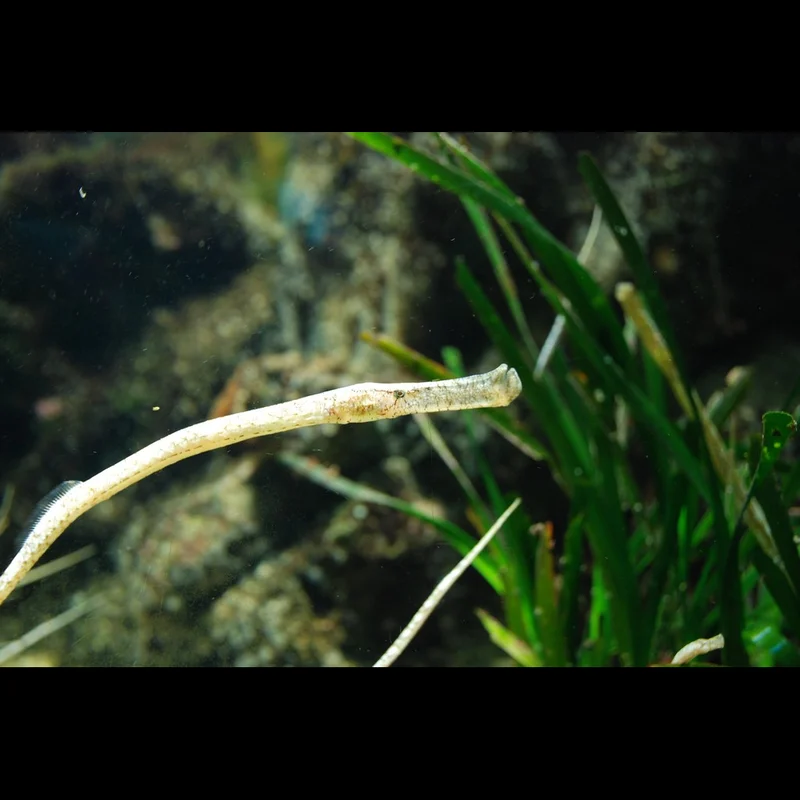
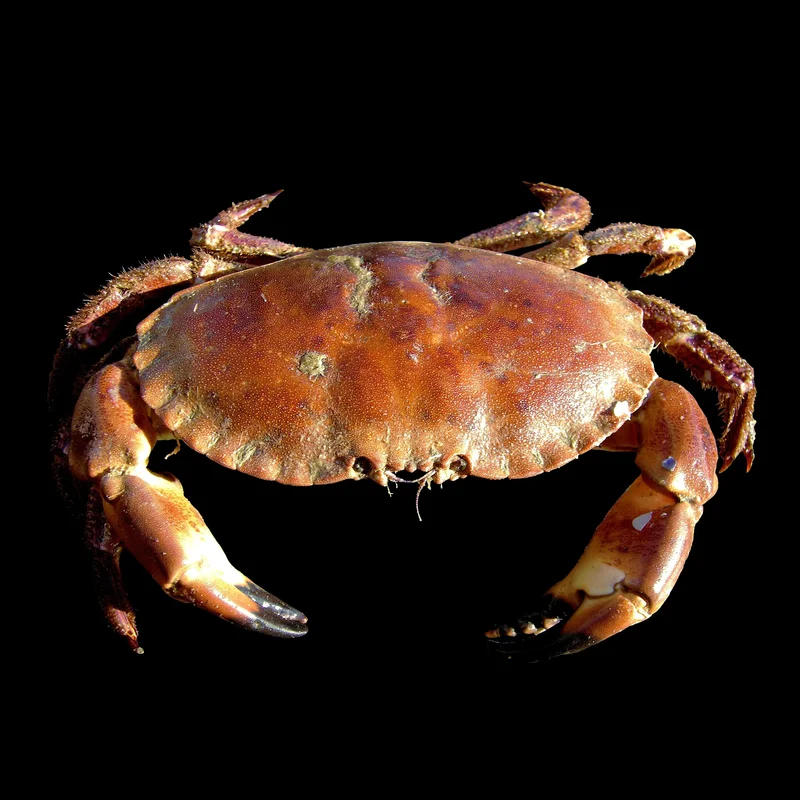
Pipefish can be spotted camouflaged among the substrate, while various species of crab scuttle across the sand or hide within crevices. The site is also home to boxfish, pufferfish, and the occasional seahorse, requiring keen eyes to locate.
Giant clams are present, often nestled in the sand. Squirrelfish often dart around the jetty pylons, contributing to the site's dynamic ecosystem.
Dive Centers Near Mun Nai Jetty

Today: 08:00 - 18:00


Nearest Airports
Nearest airports to help plan travel to this dive area.
Search Flights
Check available flights and routes on Expedia, using the nearby airports listed in this section.
Search Flights on ExpediaFrequently Asked Questions
What is the typical depth range for diving at Mun Nai Jetty?
Mun Nai Jetty is a shallow dive site. It features an average depth of 6 meters (20 ft) and a maximum depth of approximately 8 meters (26 ft). Such depths are very suitable for new and recreational divers.
Are there strong currents at Mun Nai Jetty?
No, Mun Nai Jetty typically experiences minimal to no discernible currents. Calm conditions contribute to its reputation as an easy and relaxed dive, ideal for observation and training.
What type of bottom can divers expect to find?
The dive site primarily features a sandy bottom. A sandy substrate is home to various macro life and provides a clear backdrop for spotting smaller creatures like nudibranchs and pipefish.
What kind of marine life can be seen there?
Mun Nai Jetty is especially known for its macro life. Divers can expect to see nudibranchs, pipefish, various crabs, giant clams, boxfish, pufferfish, seahorses, and squirrelfish.
Is Mun Nai Jetty suitable for beginner divers?
Yes, it is very suitable for beginner divers. With shallow depths, minimal currents, and easy boat entry, the site is excellent for PADI Open Water Divers to gain experience.
What PADI courses are recommended for this site?
PADI Open Water Diver certification is sufficient. For skill enhancement, PADI Peak Performance Buoyancy and PADI Underwater Photographer courses are highly recommended due to the calm conditions and abundant photo opportunities.
When is the best time of year to dive at Mun Nai Jetty?
The best time is typically from January to April, and again from October to December. During these periods, divers can expect consistently excellent dive conditions with warm air temperatures, low rainfall, and minimal waves.
Planning to dive Mun Nai Jetty?
Send one inquiry and receive offers directly from the best verified local dive operators.
Conditions are Good
Optimal conditions expected
Current conditions near Mun Nai Jetty show 28° air, 30° sea temperature, 0.5 m waves, and 21 km/h wind. Forecast data is refreshed regularly to ensure accuracy.