
Diving at Surin Islands National Marine Park (Thailand)
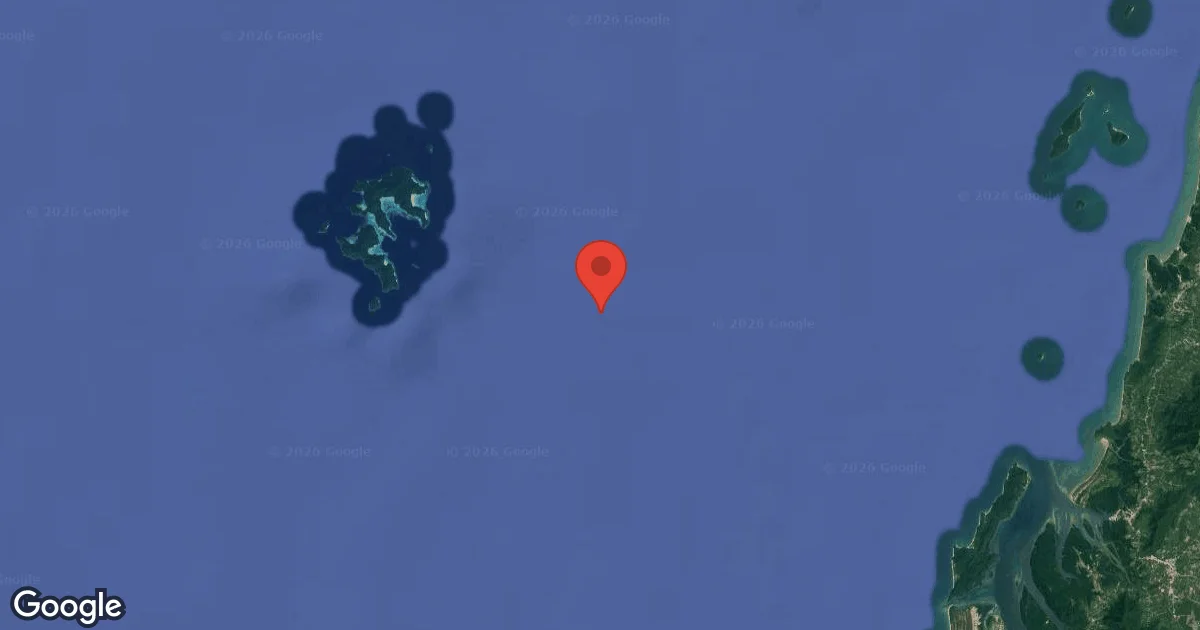
Navigating the Surin Islands National Marine Park presents an engaging challenge for divers seeking varied underwater experiences in the Andaman Sea. This archipelago, situated 55 km (34 miles) off the coast, requires a focused approach, typically through liveaboard expeditions that visit multiple islands. Preparing for dynamic conditions and embracing a multi-day itinerary unlocks the full potential of these diverse dive sites.
Tonight's objective overview for Surin Islands National Marine Park shows an air temperature of 27.5°C. The measured surface conditions include wave heights around 1.7 m. This environmental data is logged for the close of the day.
Dive Site Location & Key Facts
Dive Site Overview
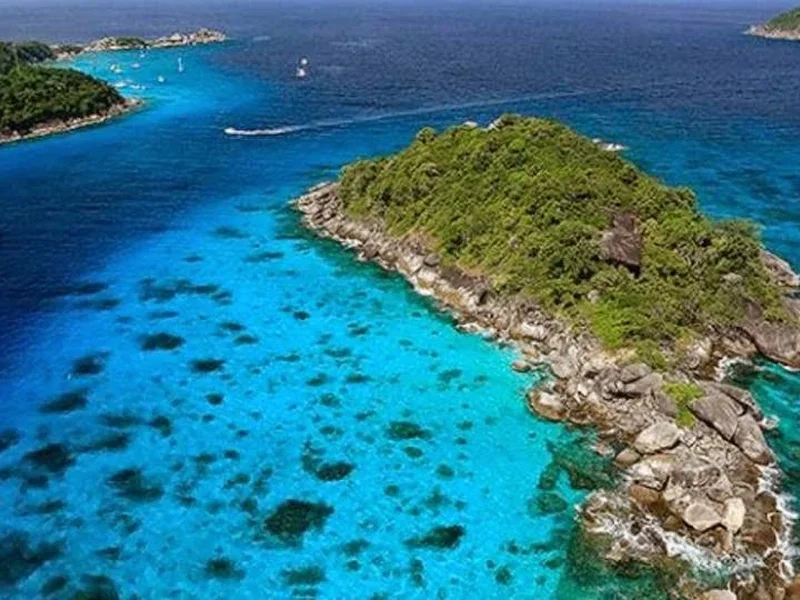
Exploring the Surin Islands unveils a captivating underwater world within Mu Ko Surin National Park, a vast area where 76% is designated sea. Divers encounter a diverse range of environments, from extensive, gently sloping coral gardens to dramatic granite boulder formations that create intricate swim-throughs and sheltered nooks.
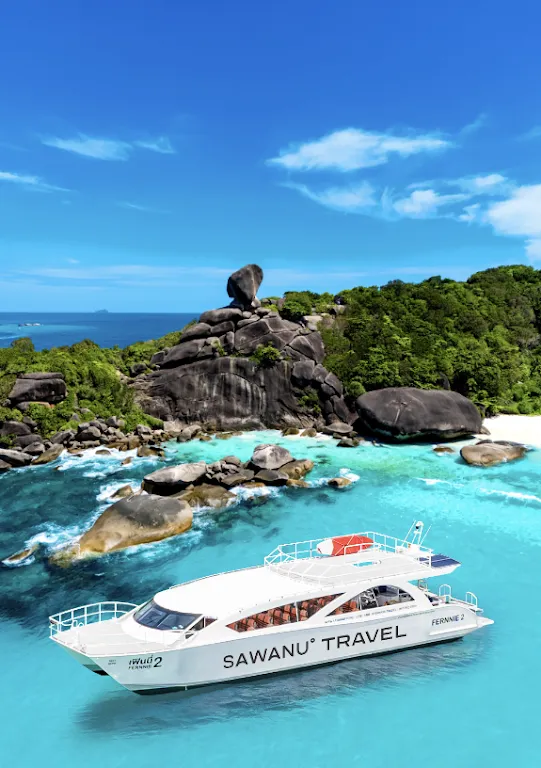
A liveaboard journey is often the most effective way to discover the best spots, frequently including celebrated dive sites like Koh Bon, Koh Tachai, and culminating at the iconic Richelieu Rock. Most locations here feature depths reaching 10 m to 30 m (33 ft to 100 ft), accommodating a spectrum of certification levels. Expect to navigate a mix of reef systems and rocky outcrops, each with its own character.
Certain challenging spots, particularly Richelieu Rock, are best reserved for advanced divers due to the complex topography and potential for stronger currents. Typical visibility spans 10 to 30 meters, though it can fluctuate based on plankton presence.
This rich plankton, however, is crucial in attracting the larger pelagic species often sought by divers. The collective diving here presents a vibrant mosaic of marine life and topographical features, requiring adaptability to changing conditions and currents.
Conditions are Poor
High Wind Advisory (44km/h). Unsafe surface.
Current conditions near Surin Islands National Marine Park show 28° air, 29° sea temperature, 2.0 m waves, and 44 km/h wind. Forecast data is refreshed regularly to ensure accuracy.
Best Time to Dive
Planning a dive trip to the Surin Islands involves considering the seasonal shifts in weather and ocean conditions. Peak diving scores, rated as 'Good,' are consistently reported from January through April and again from October to December. During these months, the average air temperature remains comfortable, hovering between 27.5°C (82°F) and 29°C (84°F), with minimal rainfall, typically less than 3.2 mm. Conversely, the period from May to September sees 'Moderate' dive scores due to increased rainfall, which can exceed 10 mm monthly, and higher wave heights, occasionally surpassing 1.3 meters (4.3 ft). Stronger winds, reaching over 30 km/h (19 mph), also characterize these wetter months. While visibility may vary with plankton presence, this condition often attracts the larger marine life that many divers seek.
PEAK SEASON SCORE
Scores combine air & water temps, waves, wind & rainfall for overall conditions.
BEST MONTHS TO DIVE
Monthly records compiled from satellite and marine observation nodes over the last 3 years. Data provided by Open-Meteo and MET Norway.
Dive Experience & Conditions
Current dynamics are a notable feature throughout the Surin Islands, with divers often encountering moderate currents at various sites. Most dive locations reach a maximum depth of 30 m (100 ft), providing ample opportunity for both recreational and advanced divers. Water temperatures remain consistently warm, typically around 29°C (84°F), making a full wetsuit largely unnecessary for thermal comfort. Visibility, while generally good, can range from 10 m to 30 m (33 ft) and is sometimes reduced by plankton blooms; however, these plankton events are vital for attracting impressive pelagic species. The topography below includes expansive, gently sloping coral reefs and distinctive granite boulder formations, offering diverse underwater landscapes to explore.
Dive Difficulty & Safety Guidelines
Ensuring a safe dive experience in the Surin Islands begins with acknowledging the specific demands of each site. While many areas are accessible for all certification levels, some premier locations, particularly Richelieu Rock, are best suited for advanced divers due to potentially strong currents and complex topography.
Always dive within your training and experience limits. Investing in comprehensive dive travel insurance is highly recommended, as unforeseen circumstances can arise, making such coverage invaluable.
This region is a national marine park, requiring adherence to local conservation rules to protect its pristine environment and marine inhabitants.
Recommended Equipment
- Dive Computer
- DSMB
This gear list is based on verified equipment signals for Surin Islands National Marine Park, Thailand. Always confirm final gear choices with your dive operator, guide, or liveaboard.
Recommended Dive Suit
According to recent observations, water temperatures near Surin Islands National Marine Park are approximately 29°C (84°F). Surface air temperatures are resting at 28°C (82°F).
Conditions are expected to stay fairly consistent in the days ahead.
Most divers would typically feel comfortable using 2-3mm shorty or light wetsuit in these conditions. Consider warmer surface protection (like a boat coat) due to brisk winds. Dive depth and duration can significantly affect perceived warmth. Stronger winds may also make surface intervals feel cooler than usual.
Emergency & Medical Support
Essential information to help you plan your dive trip to Surin Islands National Marine Park.

Hyperbaric chambers are a critical part of dive safety infrastructure. Availability varies significantly by region, and not all dive areas have immediate access.
Before diving, it's recommended to:
- confirm nearest medical facilities
- check emergency procedures with local dive operators
- ensure dive insurance covers evacuation if required
Divers Alert Network
Diving emergency assistance available through DAN World.
+1-919-684-9111- 24/7 emergency hotline
- Diving medical assistance
- Evacuation coordination
Emergency contacts are provided for reference. Always verify local emergency services before diving.
Marine Life at Surin Islands National Marine Park
The underwater landscape of the Surin Islands supports a rich variety of marine life, making each dive a potential encounter with captivating species. Many sites offer frequent sightings of various sharks, including leopard sharks, blacktip, and whitetip reef sharks.
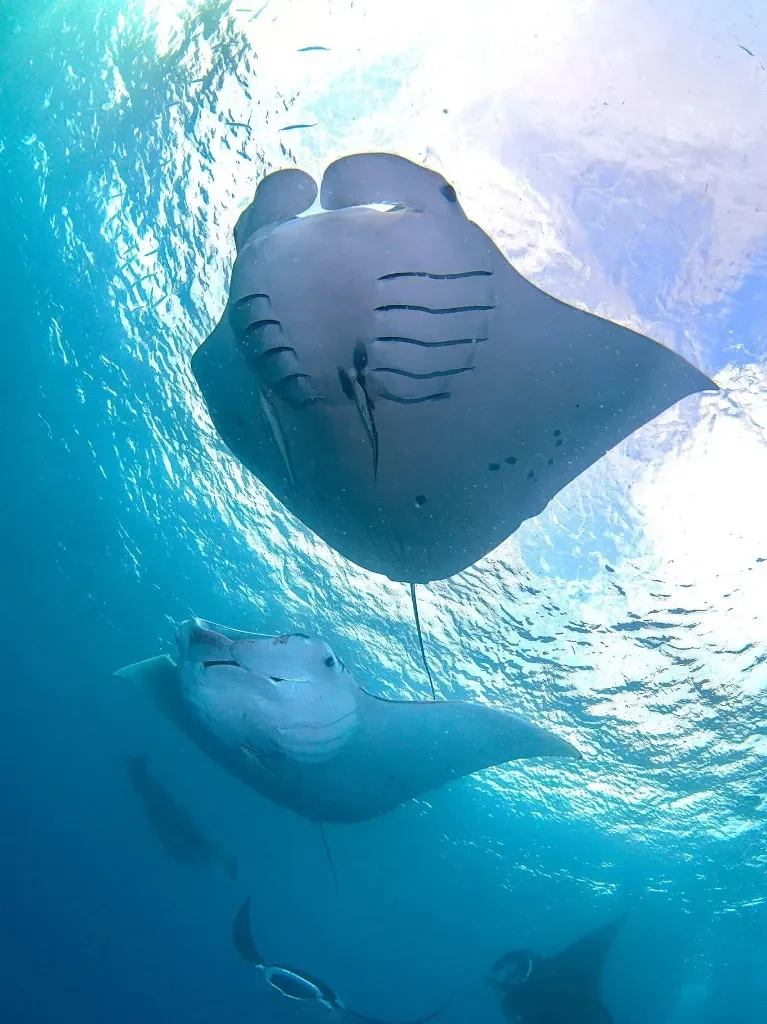
Divers also report observing majestic manta rays and a consistent presence of turtles, which visit the islands to lay eggs. Whale sharks are a notable attraction, especially around Richelieu Rock, known for its ability to draw these giants.
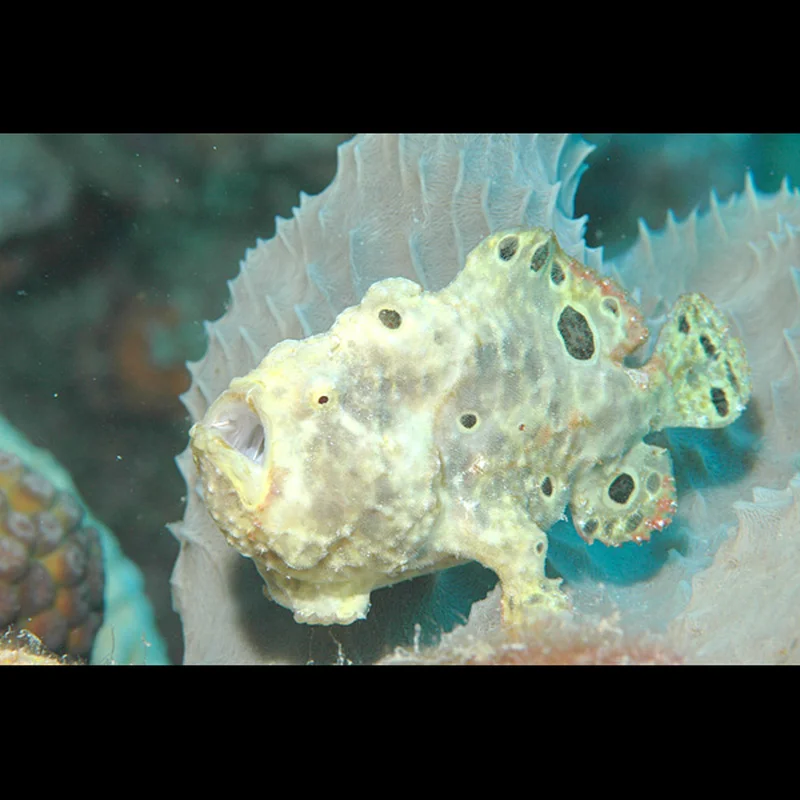
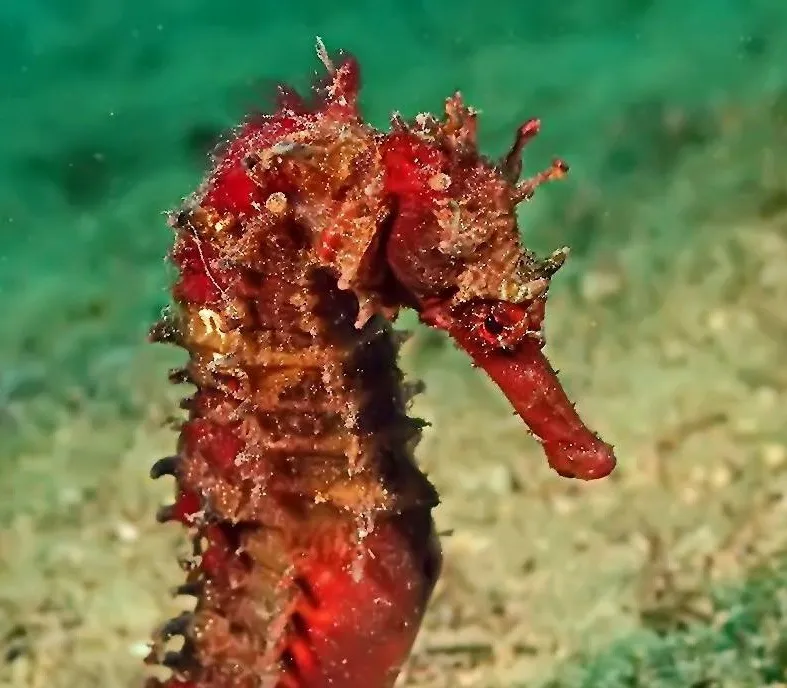
Beyond the pelagic encounters, observant divers can also discover intriguing macro life, such as frogfish, ghost pipefish, and seahorses, nestled within the corals and rocky crevices.

Dive Sites Near Surin Islands National Marine Park
View all dive sites in ThailandDiscover more underwater gems in this area.
Dive Centers Near Surin Islands National Marine Park
Today: 09:00 - 21:00
Nearest Airports
Nearest airports to help plan travel to this dive area.
Search Flights
Check available flights and routes on Expedia, using the nearby airports listed in this section.
Search Flights on ExpediaFrequently Asked Questions
What are the Surin Islands known for?
The Surin Islands are recognized as an archipelago within Mu Ko Surin National Park, celebrated for its diverse dive and snorkel sites. It's a key destination in the Andaman Sea, often visited via liveaboard for its rich marine biodiversity.
What is the best way to dive the Surin Islands?
The most effective way to experience the Surin Islands is through a liveaboard trip. Such expeditions provide access to multiple islands and dive sites, including remote locations like Richelieu Rock, over several days.
What are the typical dive depths and water temperatures?
Dive depths generally range from 10 m to 30 m (33 ft to 100 ft). Water temperatures are consistently warm, averaging around 29°C (84°F), providing comfortable diving conditions.
Is Surin Islands suitable for all diver levels?
While many dive sites are suitable for all divers, some of the most prominent spots, such as Richelieu Rock, can be challenging. These deeper sites with moderate currents are better reserved for advanced divers.
What kind of marine life can I expect to see?
Divers frequently encounter large marine creatures like various shark species, manta rays, and turtles. The area is also known for attracting whale sharks, and macro enthusiasts can find frogfish, ghost pipefish, and seahorses.
How clear is the water visibility?
Visibility typically ranges from 10 to 30 meters (33 to 100 feet). While plankton presence can occasionally reduce clarity, it's also responsible for attracting the larger pelagic species.
How do I get to the Surin Islands?
To reach the Surin Islands, you usually fly into Phuket International Airport. From there, most liveaboards depart from Khao Lak, which is accessible by bus or taxi from Phuket.
Planning to dive Surin Islands National Marine Park?
Send one inquiry and receive offers directly from the best verified local dive operators.
Conditions are Poor
High Wind Advisory (44km/h). Unsafe surface.
Current conditions near Surin Islands National Marine Park show 28° air, 29° sea temperature, 2.0 m waves, and 44 km/h wind. Forecast data is refreshed regularly to ensure accuracy.