
Diving at Richelieu Rock (Thailand)
Imagine descending onto a vast, submerged horseshoe-shaped pinnacle that barely breaches the surface at low tide. This isolated rock mass, alive with vibrant soft corals, anemones, gorgonian sea fans, and barrel sponges, drops dramatically into the deep surrounding waters. It's an explosion of color and structure, a truly immersive experience in the Andaman Sea.
Evening condition tracking at Richelieu Rock features an air temperature of 26.5°C. We have recorded wave heights measuring 1.6 m during this period. These figures outline the environmental parameters currently present.
Dive Site Location & Key Facts
Dive Site Overview
Richelieu Rock stands as an isolated aquatic beacon in the Andaman Sea, an enormous central pinnacle surrounded by several smaller rock formations. Discovered by Jacques-Yves Cousteau, this site acts as a crucial attraction for a staggering number of species across miles of open ocean, included within the Mu Koh Surin Marine National Park.
The pinnacles themselves are completely encrusted, creating a tapestry of soft corals, anemones, gorgonian sea fans, and barrel sponges. Below the surface, the rock takes on a horseshoe shape, featuring numerous overhangs and small caves that provide refuge and exploration opportunities. It drops steeply on its north and west sides, while the southern inner curve of the horseshoe offers a more gradual slope.
Dives often extend to a maximum depth of approximately 35 m (115 ft), though most exploration occurs in the 20-28 m (65-90 ft) range. The convergence of deep-water currents against the pinnacle generates a consistent upwelling of nutrients, sustaining a remarkably rich and diverse ecosystem.
This expansive site typically requires multiple dives to fully appreciate its scale and the density of life it supports, making it a staple on many liveaboard itineraries.
Conditions are Poor
Optimal conditions expected
Current conditions near Richelieu Rock show 27° air, 29° sea temperature, 1.8 m waves, and 37 km/h wind. Forecast data is refreshed regularly to ensure accuracy.
Best Time to Dive
To maximize your experience at Richelieu Rock, consider planning your visit during the peak diving season, typically from November through April. This period aligns with the highest dive scores recorded, particularly from February to April, which consistently show excellent conditions. Air temperatures during these months remain comfortably warm, averaging between 27.5°C (84°F) and 29°C (84.6°F), with minimal rainfall, often below 3 mm (0.1 inches) per month. Wave heights are generally lower then, contributing to smoother surface conditions. As the season progresses, water temperatures gradually warm from about 26°C (79°F) in November to approximately 29°C (84°F) by April. While good diving can extend into May and October, characterized by slightly increased wave activity and rainfall, the clearer skies and calmer seas of the main season generally offer the most consistent conditions for exploring this vibrant pinnacle.
PEAK SEASON SCORE
Scores combine air & water temps, waves, wind & rainfall for overall conditions.
BEST MONTHS TO DIVE
Monthly records compiled from satellite and marine observation nodes over the last 3 years. Data provided by Open-Meteo and MET Norway.
Dive Experience & Conditions
Upon descending at Richelieu Rock, divers frequently encounter currents that can range from mild to strong, depending on the tide and local conditions. The pinnacle sits in open ocean, which means currents sweep over and around the rock, enriching the environment but also demanding attention. For this reason, the site is generally better suited for certified divers with some experience navigating varying current strengths. Liveaboards commonly employ descent and ascent lines to assist divers, providing a stable reference point against stronger flows. Visibility here is quite variable; on some days it can extend up to 35 m (115 ft), offering expansive views of the rock's structure. Other times, however, it might reduce to 10-15 m (30-50 ft), often due to increased plankton in the water, which paradoxically attracts larger pelagic species. Dives usually explore depths between 20-28 m (65-90 ft).
Dive Difficulty & Safety Guidelines
Navigating Richelieu Rock's dynamic environment requires careful planning and awareness. Given the often strong and unpredictable currents, maintaining good buoyancy control and staying close to your dive guide is essential. Divers should be prepared for potential drift, particularly if venturing away from the lee side of the pinnacle.
It's a wise practice to carry a surface marker buoy (SMB) and a finger spool; these tools become invaluable if you surface away from the main boat, allowing you to signal your position effectively. While no specific environmental hazards beyond currents are consistently reported, the site's isolation and exposure mean divers should always conduct thorough buddy checks and stay within their training and comfort limits. Always listen to your dive brief and follow local guidelines for the safest experience.
Recommended Equipment
Current and surface separation risk. Local briefing strongly recommended.
- Dive Computer
- DSMB
- Reel / Spool
This gear list is based on verified equipment signals for Richelieu Rock, Thailand. Always confirm final gear choices with your dive operator, guide, or liveaboard.
Recommended Dive Suit
With water temperatures around 29°C (84°F), many divers find a dive skin or rash guard provides comfortable protection.
Being prepared with flexible exposure options is a common approach among experienced divers.
The next few days appear likely to bring similar environmental conditions.
Emergency & Medical Support
Essential information to help you plan your dive trip to Richelieu Rock.

Hyperbaric chambers are a critical part of dive safety infrastructure. Availability varies significantly by region, and not all dive areas have immediate access.
Before diving, it's recommended to:
- confirm nearest medical facilities
- check emergency procedures with local dive operators
- ensure dive insurance covers evacuation if required
Divers Alert Network
Diving emergency assistance available through DAN World.
+1-919-684-9111- 24/7 emergency hotline
- Diving medical assistance
- Evacuation coordination
Emergency contacts are provided for reference. Always verify local emergency services before diving.
Marine Life at Richelieu Rock
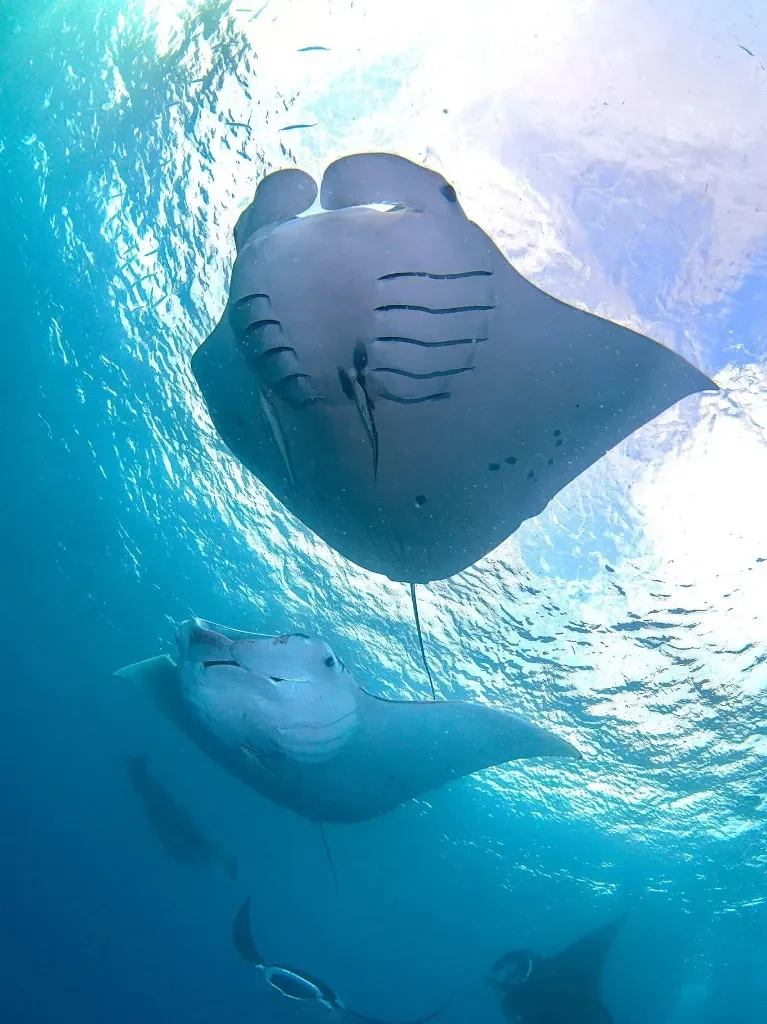
The underwater landscape of Richelieu Rock teems with an extraordinary density of marine life. This single pinnacle attracts large pelagics like whale sharks, manta rays, and devil rays, often observed congregating around the nutrient-rich waters.
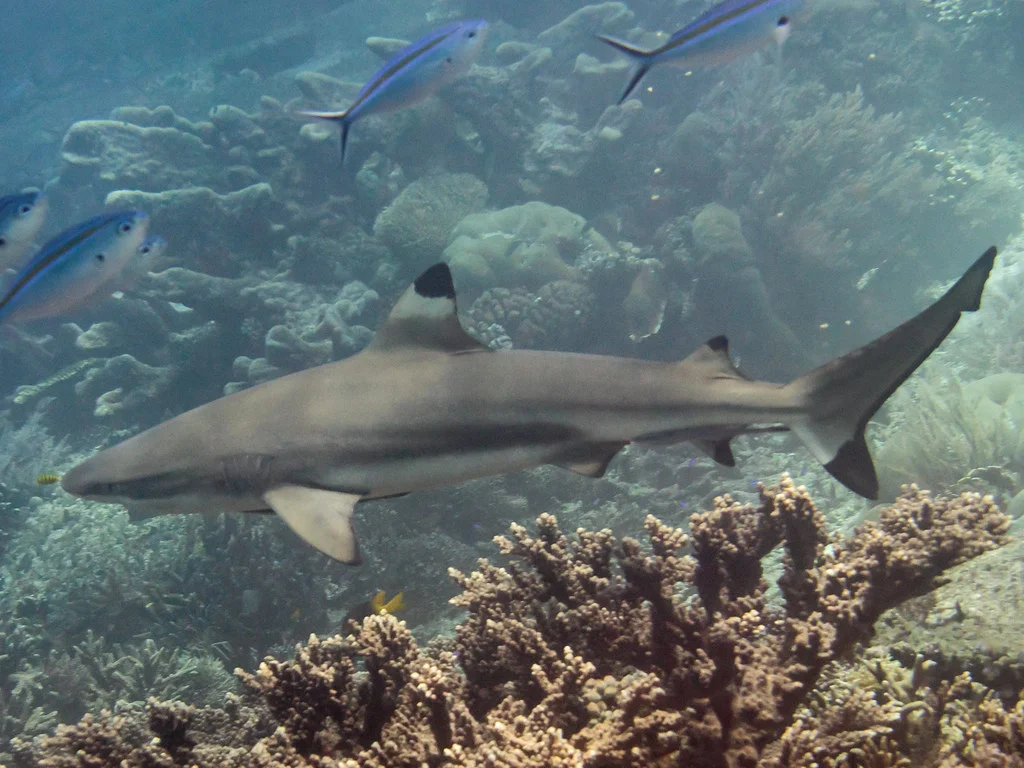
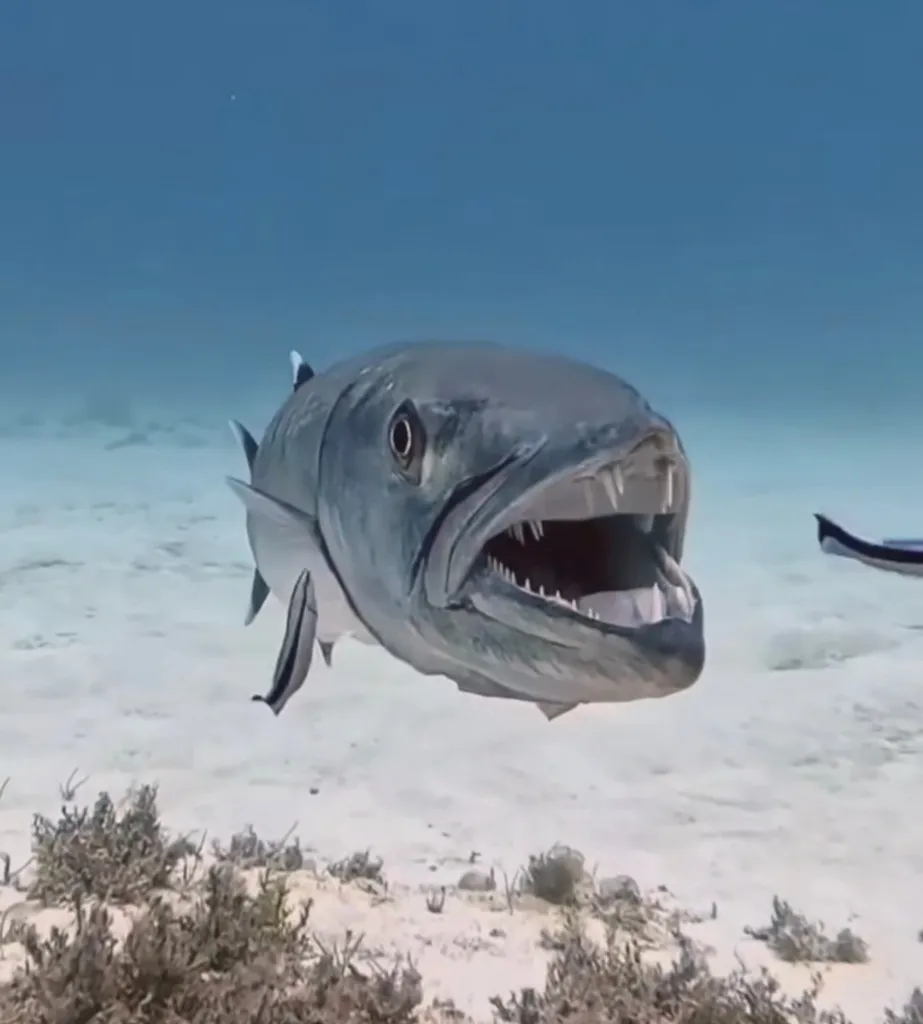
Schools of barracuda, trevally, and dogtooth tuna frequently encircle the rock. Divers also have opportunities to spot oceanic whitetip and blacktip reef sharks.
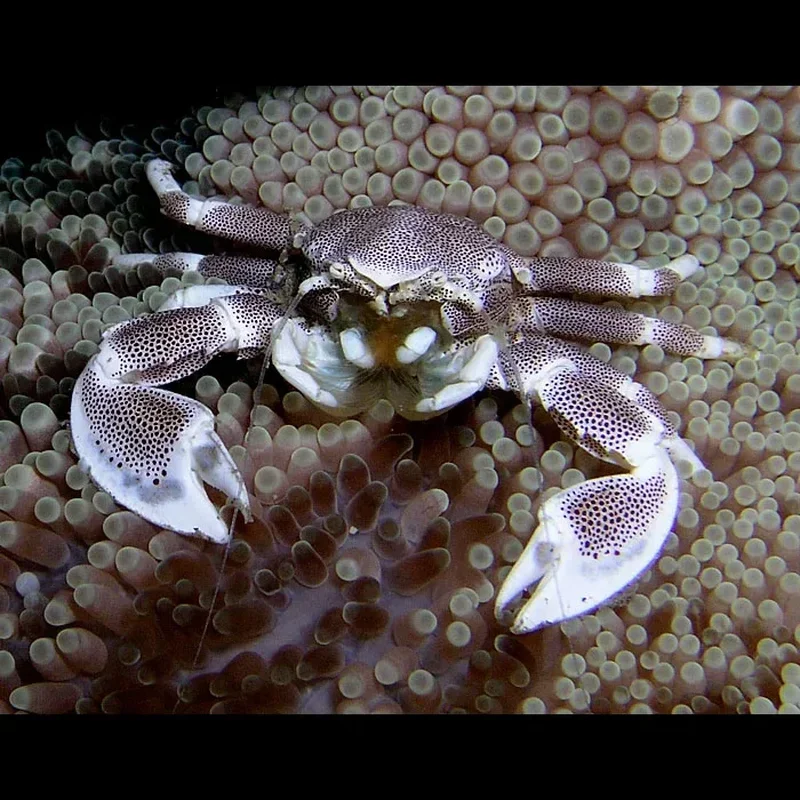
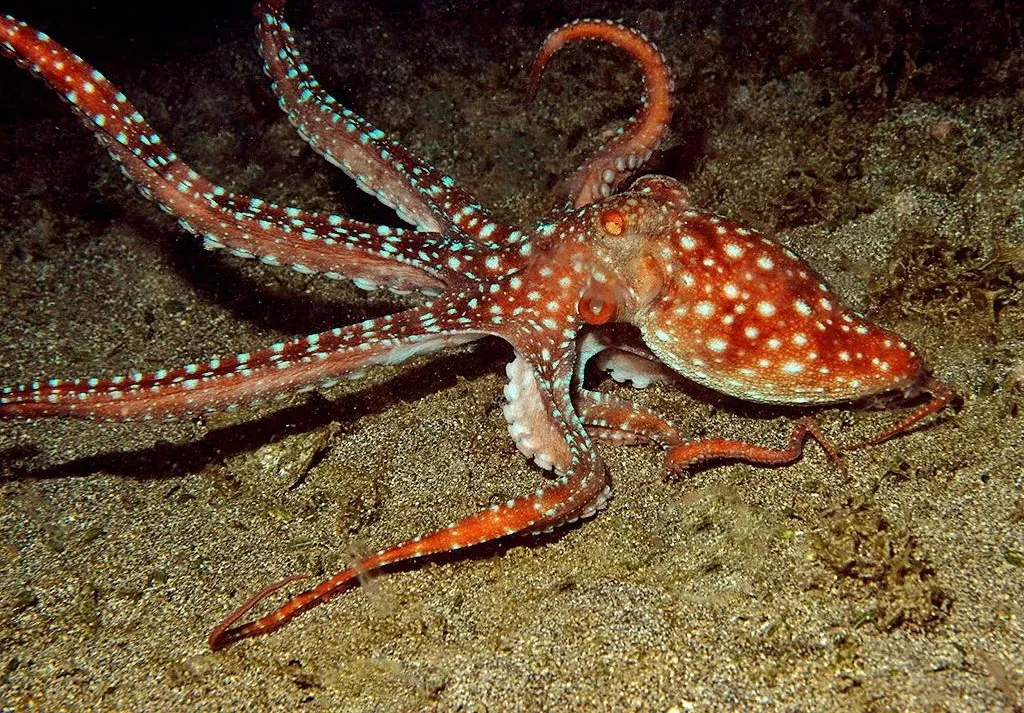
Closer to the rock's surface, the intricate coral formations hide a wealth of macro species, including porcelain crabs, various nudibranchs, ghost pipefish, and the elusive tigertail seahorses. Harlequin shrimp, frogfish, and even mating octopuses are also occasionally sighted, making every dive a potential discovery.
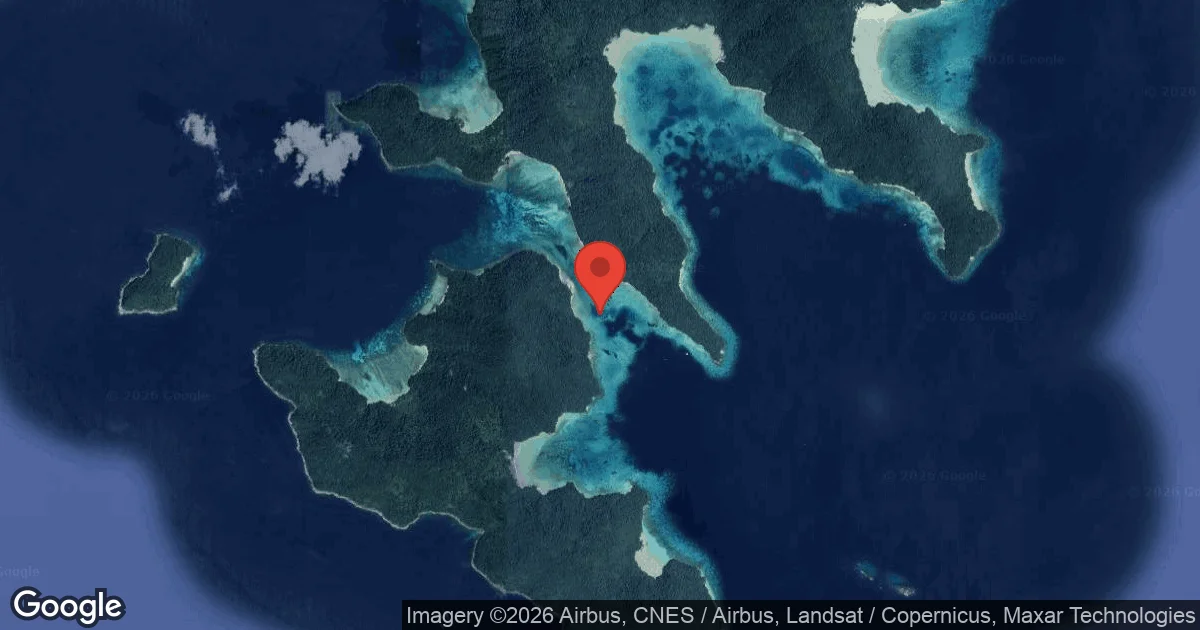
Dive Sites Near Richelieu Rock
View all dive sites in ThailandDiscover more underwater gems in this area.
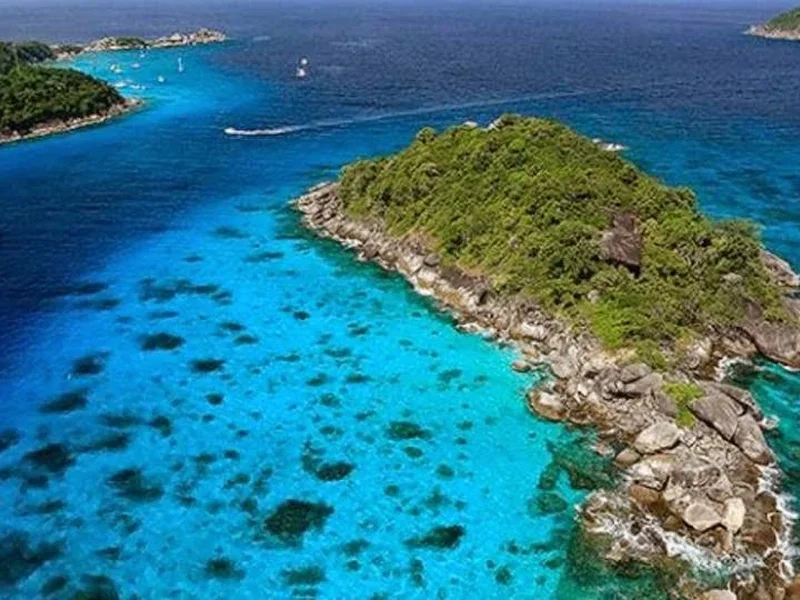
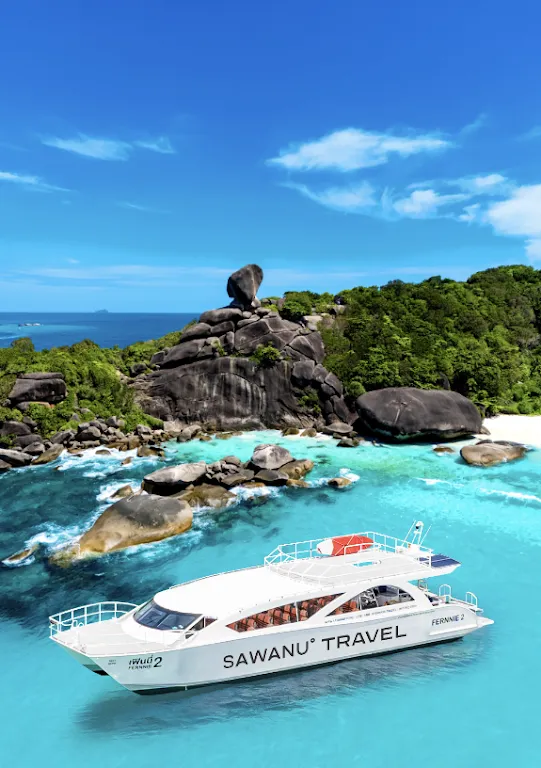
Dive Centers Near Richelieu Rock
Today: 09:00 - 21:00
Nearest Airports
Nearest airports to help plan travel to this dive area.
Search Flights
Check available flights and routes on Expedia, using the nearby airports listed in this section.
Search Flights on ExpediaFrequently Asked Questions
How deep is Richelieu Rock?
The maximum depth is around 35 meters (115 feet), but most recreational dives explore the pinnacle between 20-28 meters (65-90 feet).
What is the typical water temperature?
Water temperatures generally range from 26°C (79°F) at the start of the dive season, warming up to 29°C (84°F) towards the end.
Is Richelieu Rock suitable for beginner divers?
Due to often strong currents and its open ocean location, Richelieu Rock is generally recommended for experienced divers comfortable with drift diving conditions. Descent and ascent lines are often used for assistance.
What marine life can I expect to see?
The site is known for both large pelagics like whale sharks, manta rays, and barracuda schools, as well as macro species such as ghost pipefish, seahorses, and nudibranchs.
How do I get to Richelieu Rock?
Richelieu Rock is primarily accessed via liveaboard trips departing from Phuket or Khao Lak, typically as part of a Similan and Surin Islands itinerary. Day trips from Khao Lak are sometimes available during high season.
Why is Richelieu Rock considered such a good dive site?
Its isolated position acts as a magnet for marine life in the open ocean, and the rich upwelling of nutrients supports an incredible diversity of both large pelagic and intricate macro species. It was even highly rated by Jacques-Yves Cousteau.
Planning to dive Richelieu Rock?
Send one inquiry and receive offers directly from the best verified local dive operators.
Conditions are Poor
Optimal conditions expected
Current conditions near Richelieu Rock show 27° air, 29° sea temperature, 1.8 m waves, and 37 km/h wind. Forecast data is refreshed regularly to ensure accuracy.