
Diving at Shipwreck Sanni (Turkey)
Descending onto the Shipwreck SANNI offers a direct experience with maritime history in Turkey's shallow waters. Providing an engaging dive, the accessible wreck is often characterized by calm conditions. Its relatively shallow maximum depth of 10 m (32 ft) makes it approachable for various certification levels. Divers can expect to explore significant wreckage components, appreciating how marine life integrates with its structure.
As evening covers Shipwreck Sanni, the local air temperature is measured at 21°C. The current wave height at the surface is recorded at 0.6 m. These late-day readings characterize the surface conditions for the night.
Dive Site Location & Key Facts
Dive Site Overview
Cargo ship SANNI, originally constructed in 1968, carried a storied past under various names such as PETR KAKHOVSKIY, SIMBA, PERLA, and MANA MARIA before becoming the SANNI. Possessing substantial dimensions, the vessel measured 77 m (253 ft) in length overall and 11 m (36 ft) in extreme breadth.
Equipped with a Sulzer Zgoda engine producing 1500 HP, it could reach speeds of 12 knots. While precise details surrounding its final resting in Turkish waters are not consistently reported, the wreck now lies at a maximum depth of 10 m (32 ft). Over the decades, SANNI's submerged framework has steadily integrated into the marine ecosystem, evolving into an artificial reef.
Its metallic shell provides shelter and attachment points for various marine organisms, making it a compelling study of how human-made structures can support underwater life. Divers exploring this site encounter the tangible remnants of its engineering, from sections of its hull to perhaps remnants of its powerful engine, all now enveloped by the sea.
Accessible depth ensures ample bottom time for observation and photography, inviting a detailed inspection of its historical elements and newfound ecological role.
Conditions are Excellent
07:00 - 14:00
Optimal conditions expected
Current conditions near Shipwreck Sanni show 21° air, 24° sea temperature, 0.6 m waves, and 17 km/h wind. Forecast data is refreshed regularly to ensure accuracy.
Best Time to Dive
Divers often find the most enjoyable conditions at the SANNI wreck from May through October, aligning with the region's warmer months. During these months, air temperature ranges comfortably, typically from 15°C (59°F) in May to a peak of 25°C (77°F) in July, before gradually cooling to 16.5°C (62°F) by October. Rainfall during these months is minimal, frequently less than 2 mm, ensuring clearer skies and generally pleasant surface conditions. Wave heights remain relatively low, often below 1 meter, which contributes to easier boat access and more comfortable entries and exits from the water. For optimal visibility and calm seas, planning a visit during June, July, or August is often recommended, as these months consistently show high dive scores. Shoulder seasons, such as May and October, also present favorable conditions with potentially fewer divers, offering a more serene exploration of the wreck.
PEAK SEASON SCORE
Scores combine air & water temps, waves, wind & rainfall for overall conditions.
BEST MONTHS TO DIVE
Monthly records compiled from satellite and marine observation nodes over the last 3 years. Data provided by Open-Meteo and MET Norway.
Dive Experience & Conditions
Immersing into the waters around the SANNI wreck, divers immediately sense the calm, accessible nature of this site. Shallow maximum depth of 10 m (32 ft) creates excellent natural light penetration, illuminating the wreckage clearly. Visibility is generally good, varying depending on local conditions but often allowing clear views of the entire wreck structure from a distance. Currents at this location are not consistently reported as strong, making for a relaxed dive suitable for various skill levels. Exploring the wreck's components, you can observe how the metal hull has transformed into a substrate for marine growth, offering intricate details for macro enthusiasts. It's a dive that prioritizes detailed observation of a submerged relic rather than deep exploration. Water in this region is reliably salty, typical of Mediterranean dive sites, and generally offers comfortable temperatures during peak seasons, though specific data varies.
Dive Difficulty & Safety Guidelines
To safely enjoy the SANNI wreck, divers should prioritize maintaining excellent buoyancy control. Maintaining this is crucial not only to protect the delicate marine growth covering the wreck but also to prevent accidental contact with deteriorating metal structures. Given the shallow depth, managing air consumption and no-decompression limits is less of a concern, but thorough pre-dive planning remains essential for any wreck exploration.
Always dive within your certification limits; wreck penetration requires specialized training and should not be attempted without it. For shore entries, be mindful of any potential uneven terrain or obstacles.
Carrying a dive knife and a surface marker buoy is a sensible practice for any open water dive, enhancing personal safety and visibility for surface support.
Recommended Equipment
Overhead / entanglement risk. Wreck penetration requires proper training.
- Dive Computer
- Primary & Backup Lights
- Wreck Reel
- Cutting Tool
- Hard-soled Dive Boots
This gear list is based on verified equipment signals for Shipwreck Sanni, Turkey. Always confirm final gear choices with your dive operator, guide, or liveaboard.
Recommended Dive Suit
Short-term weather patterns suggest stable conditions for divers visiting the area.
Thermal protection such as 3-5mm wetsuit is commonly used in similar temperatures. Surface intervals may feel cooler.
Recent environmental data from Shipwreck Sanni indicates water temperatures near 24°C (75°F). Surface air temperatures are resting at 21°C (70°F).
Emergency & Medical Support
Essential information to help you plan your dive trip to Shipwreck SANNI.

Hyperbaric chambers are a critical part of dive safety infrastructure. Availability varies significantly by region, and not all dive areas have immediate access.
Before diving, it's recommended to:
- confirm nearest medical facilities
- check emergency procedures with local dive operators
- ensure dive insurance covers evacuation if required
Divers Alert Network
Diving emergency assistance available through DAN Europe.
+39 0642115685- 24/7 emergency hotline
- Diving medical assistance
- Evacuation coordination
Emergency contacts are provided for reference. Always verify local emergency services before diving.
Closest Listed Hyperbaric Chambers
Showing listed hyperbaric chamber facilities within 200 km of this dive site.
Distances are approximate straight-line distances and may not reflect emergency travel time.
Özel Oksimer Hiperbarik Oksijen Tedavi Merkezi (Avcılar)
ICU CapableIstanbul, Turkey•Approx. 125 km straight-line
Özel Oksimer Hiperbarik Oksijen Tedavi Merkezi (Avcılar)
ICU CapableInformation is provided for reference and planning purposes only. Dive Navigator does not verify operational status, staffing, availability, or quality of care at listed facilities. In an emergency, contact local emergency services, DAN, your dive operator, or the chamber directly. Do not travel to a facility without calling ahead.
Bağcılar Eğitim Araştırma Hastanesi, Sualtı Hekimliği ve Hiperbarik Tıp Kliniği
24/7 ListedICU CapableIstanbul, Turkey•Approx. 127 km straight-line
Bağcılar Eğitim Araştırma Hastanesi, Sualtı Hekimliği ve Hiperbarik Tıp Kliniği
24/7 ListedICU CapableInformation is provided for reference and planning purposes only. Dive Navigator does not verify operational status, staffing, availability, or quality of care at listed facilities. In an emergency, contact local emergency services, DAN, your dive operator, or the chamber directly. Do not travel to a facility without calling ahead.
Özel İstanbul Hiperbarik Oksijen Tedavi Merkezi
ICU CapableIstanbul, Turkey•Approx. 130 km straight-line
Özel İstanbul Hiperbarik Oksijen Tedavi Merkezi
ICU CapableInformation is provided for reference and planning purposes only. Dive Navigator does not verify operational status, staffing, availability, or quality of care at listed facilities. In an emergency, contact local emergency services, DAN, your dive operator, or the chamber directly. Do not travel to a facility without calling ahead.
Marine Life at Shipwreck Sanni
Serving as an artificial reef, the Shipwreck SANNI attracts a variety of common Mediterranean marine life. Divers frequently observe schools of fish seeking shelter within its structure.
Metallic surfaces of the wreck are often encrusted with sponges and soft corals, providing microhabitats for smaller creatures. Peering into crevices may reveal hidden fishes.
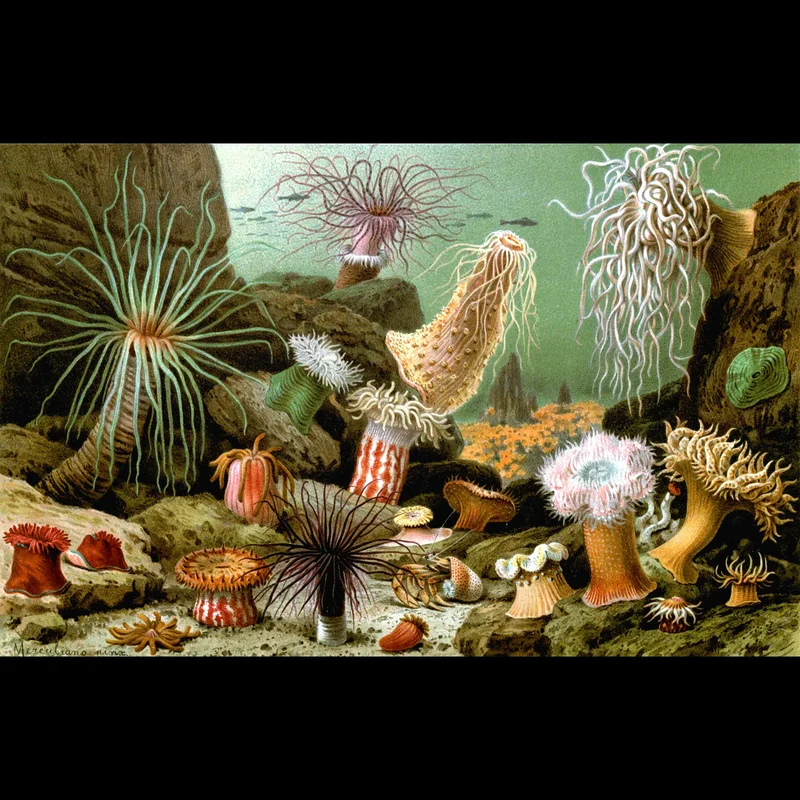
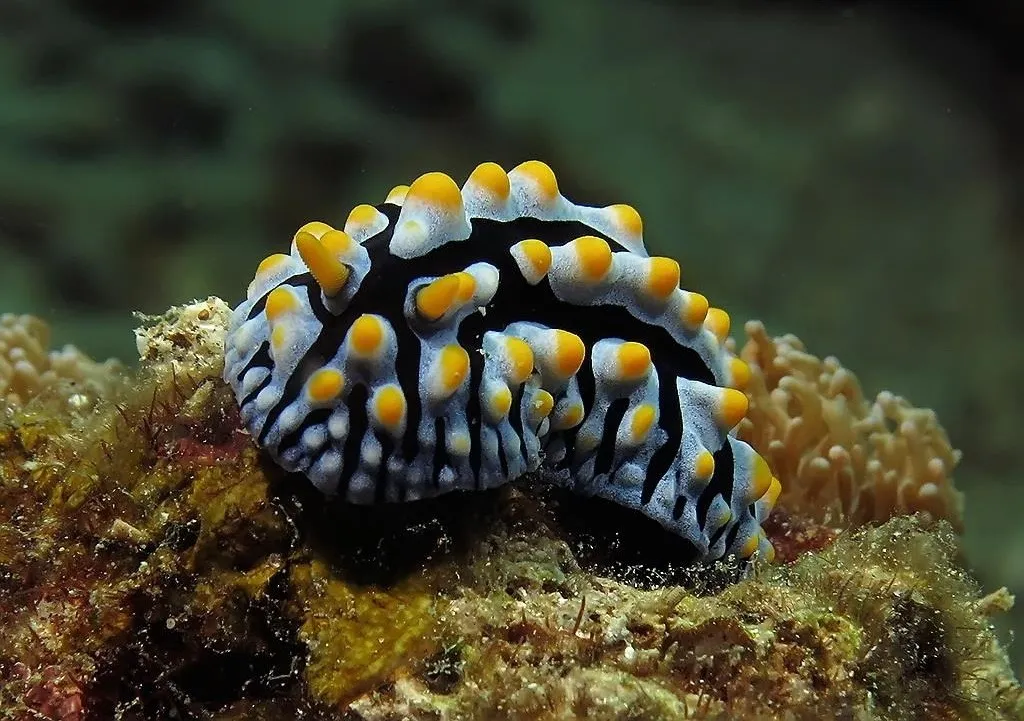
It's not uncommon to spot different nudibranch species, gobies, and anemones, which thrive in such environments. While larger pelagics are less common at this shallow site, the intricate ecosystems supported by the wreck offer ample opportunities for macro photography and close observation of smaller, resident species during daylight hours.
Dive Centers Near Shipwreck Sanni
Today: 09:00 - 19:00
Nearest Airports
Nearest airports to help plan travel to this dive area.
Search Flights
Check available flights and routes on Expedia, using the nearby airports listed in this section.
Search Flights on ExpediaFrequently Asked Questions
What is the maximum depth of the SANNI wreck?
SANNI wreck lies at a maximum depth of 10 m (32 ft), making it a relatively shallow dive site. Such a depth allows for longer bottom times and good natural light penetration.
Is the SANNI wreck suitable for beginner divers?
Yes, its shallow depth and generally calm conditions make the SANNI wreck suitable for Open Water certified divers. Maintaining good buoyancy control is always recommended.
Are there strong currents at the SANNI wreck site?
Strong currents are not consistently reported for this specific location. Conditions generally allow for a relaxed dive, but local conditions can vary, so it's wise to check with local dive operators.
What kind of marine life can be seen on the wreck?
Acting as an artificial reef, the wreck attracts various Mediterranean fish species. Divers might observe sponges, soft corals, nudibranchs, gobies, and other small reef inhabitants finding shelter and food on the structure.
How is the visibility typically at the SANNI wreck?
Visibility at the SANNI wreck is generally good, though it can vary based on weather and local marine conditions. Clear days often provide excellent views of the entire wreck.
What equipment is recommended for diving the SANNI?
Standard recreational dive gear is sufficient. A dive computer, appropriate exposure protection, and a camera are beneficial. Booties are also useful for shore entries.
What is the best way to access the Shipwreck SANNI?
Access to the Shipwreck SANNI is typically by shore entry. It's advisable to consult with local dive centers for precise entry points and current access information.
Planning to dive Shipwreck Sanni?
Send one inquiry and receive offers directly from the best verified local dive operators.
Conditions are Excellent
07:00 - 14:00
Optimal conditions expected
Current conditions near Shipwreck Sanni show 21° air, 24° sea temperature, 0.6 m waves, and 17 km/h wind. Forecast data is refreshed regularly to ensure accuracy.