
Diving in Turkey
Turkey includes dive locations with differing conditions, shaped by natural features and site exposure. Our database currently contains 71 dive locations across Turkey. This allows divers to evaluate locations before planning trips.
Exploring the underwater world of the Aegean and Mediterranean coasts presents a diverse experience, blending vibrant marine life with intriguing historical sites. Divers here can navigate a variety of underwater landscapes, from colorful reef structures and dramatic canyons to ancient shipwrecks and mysterious caves. This country provides opportunities for various dive styles, including abundant reef diving, wall diving, and frequent wreck explorations, catering to a wide range of skill levels.
Clear waters, especially in destinations like Kaş and Fethiye, often provide excellent visibility, enhancing encounters with marine species. You might spot green turtles and loggerhead turtles, moray eels, groupers, and schools of barracuda. Some areas even show glimpses of Red Sea species due to lessepsian migration.
Key regions, such as the southwestern coast near Bodrum and Marmaris, present a mix of natural beauty and historical remnants beneath the surface. With accessible dive centers and varied topography, Turkey stands as an engaging destination for certified divers seeking both natural wonders and submerged history.
Dive Map of Turkey
The dive planning process for Turkey greatly benefits from understanding its extensive coastline and the distribution of dive sites. This country's Aegean and Mediterranean shores present a varied underwater landscape, inviting divers to explore numerous unique features. Mapping out potential destinations allows for an informed choice, whether seeking vibrant reefs or submerged historical artifacts.
Key diving regions such as Kaş, Bodrum, and Fethiye are central hubs, each offering a distinct flavor of underwater exploration. From the historically significant wrecks found in Gallipoli to the lively reef systems near Ayvalik, reviewing a map helps divers strategically pinpoint locations that align with their interests.
This geographic spread ensures that a well-planned itinerary can encompass a range of experiences, from serene reef dives to adventurous wreck penetrations. Understanding the overall layout of dive zones is crucial for maximizing a trip, providing insights into travel logistics and the types of encounters possible in each area.
Dive Sites to Explore
View all 71 sites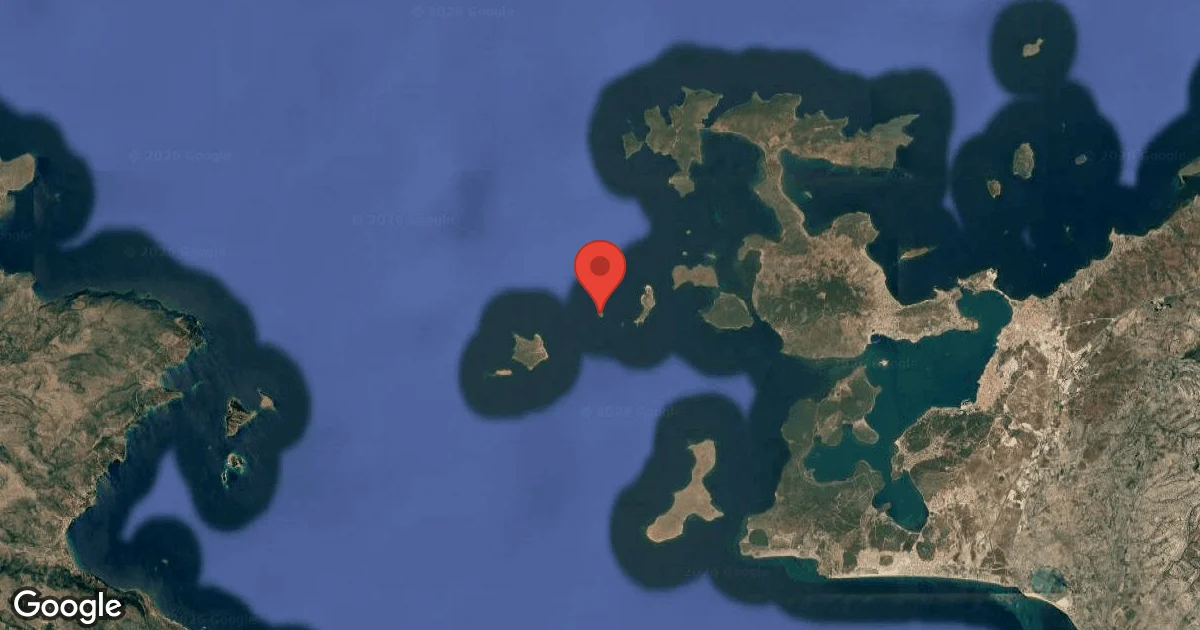
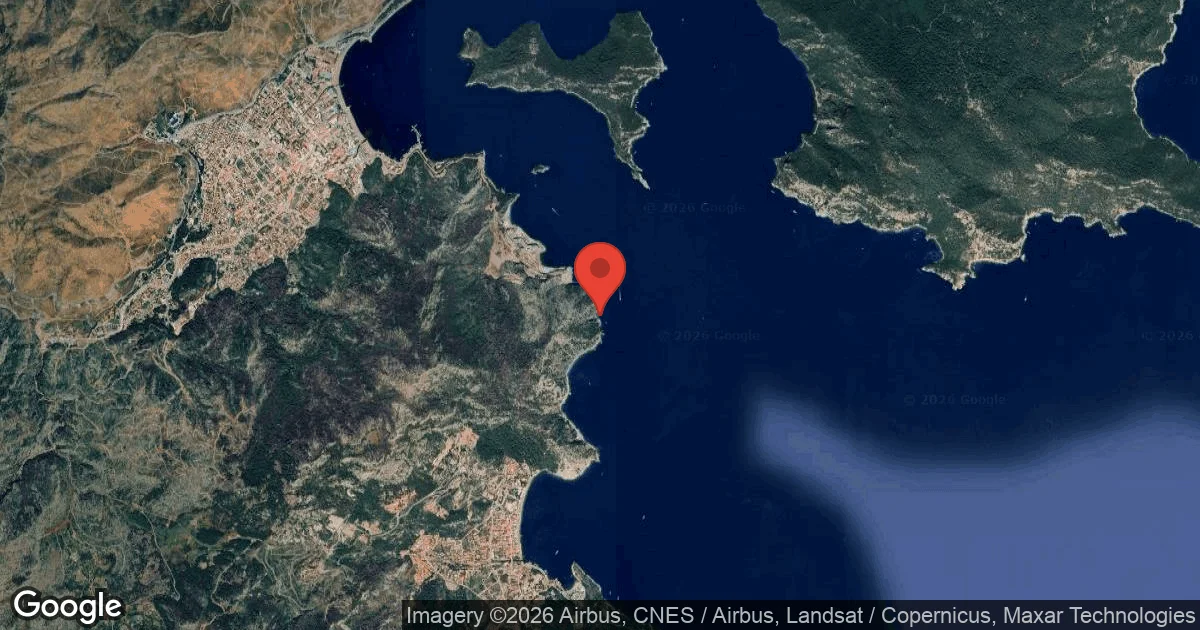
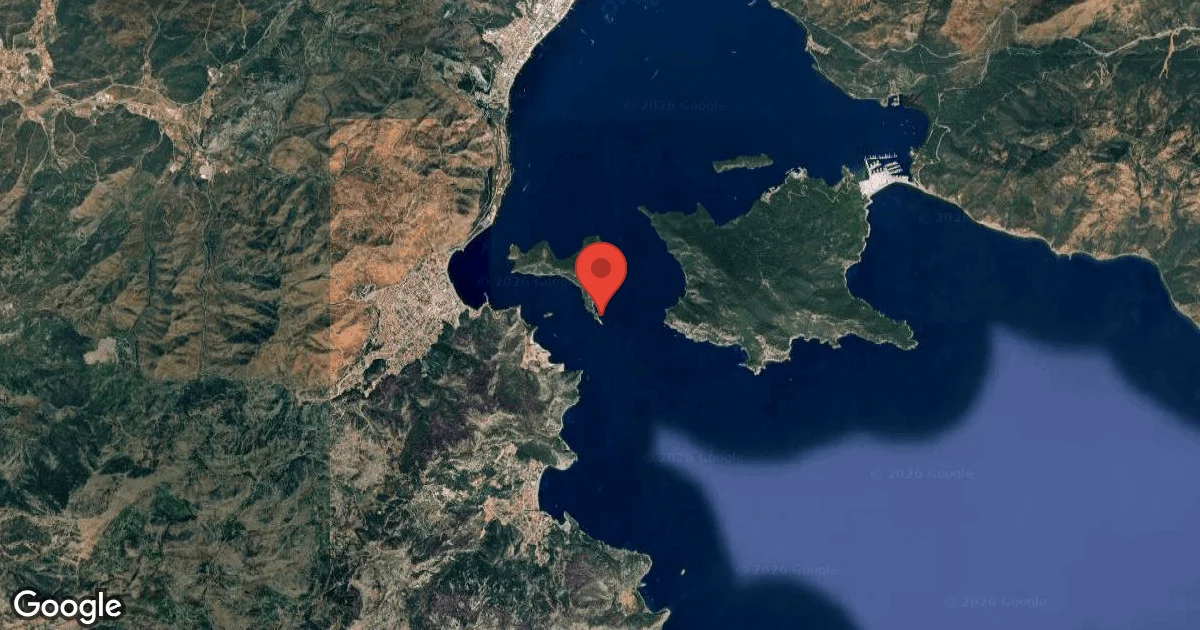
A fascinating exploration awaits divers across various depths in Turkey, from shallow reefs suitable for beginners to challenging deep wrecks and walls for advanced divers. The underwater topography frequently shifts, presenting everything from gentle slopes to dramatic vertical drop-offs.
In Kaş, the Canyon stands out as a signature site, featuring impressive rock formations and providing depths from intermediate to advanced. Nearby, the Dimitrios Wreck, a steel coaster that sank in 1968, rests at around 40 m (130 ft), offering a historical penetration opportunity. Visibility here can extend up to 40 m (130 ft), making for clear views of the wreck and surrounding marine life.
Over in Ayvalik, the Deli Mehmet sites present two distinct underwater islands. Deli Mehmet 1 is suitable for intermediate divers, reaching depths between 18-70 m (59-230 ft), while Deli Mehmet 2 is reserved for professionals, descending from 27-70 m (89-230 ft). These sites are known for their vibrant marine ecosystems and rock formations. For historical significance, the Gallipoli Historic Underwater Park near Canakkale houses 14 WWI warships, including HMS Majestic, which lies at 18-29 m (59-95 ft), providing a poignant deep-water wreck experience. Divers can also find sites like Aladdin's Cavern in Bodrum, which features an air dome accessible at depths of 12 m (39 ft) and 30 m (98 ft), creating mesmerizing light rays within its interior.
Best Time to Dive in Turkey
Planning a dive trip to Turkey involves considering the dynamics of high and low seasons, which significantly impact crowd levels and underwater conditions. The peak diving season generally runs from June to September, offering the warmest waters and optimal visibility, but also attracting the most divers.
For those seeking comfortable conditions with fewer crowds, the shoulder seasons from May to November are ideal. Water temperatures remain favorable, typically ranging from 20-25°C (68-77°F), and visibility is still good. This period allows for a more tranquil experience at popular dive sites.
Winter diving, from December to February, caters to adventurous divers. While water temperatures drop to around 16-19°C (60-66°F), requiring thicker wetsuits, this season often boasts remarkably clear visibility and uncrowded sites. Although plankton blooms and stormier weather can reduce visibility to 10-15 m (33-50 ft) in some areas, the trade-off is often a peaceful, solitary dive.
Monthly Sea Temperatures
Practical gear planning for Turkey's diverse dive sites must account for significant seasonal sea temperature variations. During the peak summer months, typically from June through August, water temperatures can comfortably reach 28-30°C (82-86°F). Many divers find a 3mm wetsuit or even a shorty sufficient for these warm conditions, especially for shorter dives.
As the seasons transition, spring (April-June) and fall (October-December) bring moderate temperatures, generally ranging from 18-25°C (64-77°F). For these periods, a 5mm wetsuit is a common recommendation, providing adequate thermal protection for most dives. This ensures comfort without excessive bulk.
In the colder winter months, from December to February, water temperatures can drop to 16-19°C (60-66°F). Divers planning to explore during this time should consider a thicker 7mm wetsuit or a drysuit, particularly for multiple dives or extended bottom times. Proper exposure protection ensures a comfortable and enjoyable experience regardless of the season.
| Jan | Feb | Mar | Apr | May | Jun | Jul | Aug | Sep | Oct | Nov | Dec | |
|---|---|---|---|---|---|---|---|---|---|---|---|---|
| Max | 11° | 9° | 10° | 13° | 18° | 25° | 28° | 27° | 25° | 22° | 17° | 14° |
| Avg | 9° | 8° | 9° | 10° | 16° | 21° | 25° | 25° | 23° | 19° | 14° | 11° |
| Min | 7° | 7° | 7° | 8° | 13° | 18° | 22° | 23° | 21° | 16° | 12° | 8° |
Dive Conditions
Understanding the prevailing visibility and current conditions is fundamental for diving in Turkey's Aegean and Mediterranean waters. Divers often enjoy exceptional clarity, with visibility frequently extending to 30-40 m (98-130 ft) in prime areas like Fethiye and Kaş. This superb underwater transparency allows for detailed observation of marine life and extensive photographic opportunities, particularly during the peak season from June to September, when visibility consistently exceeds 30 m (100 ft).
However, these optimal conditions can shift with the seasons. During the colder months, from December to February, visibility might reduce to around 10-15 m (33-50 ft). This decrease is often attributed to plankton blooms or more turbulent weather patterns, which can stir up sediments. Despite this, winter dives can still offer unique experiences in quieter conditions.
Currents across Turkey's dive sites are generally mild in many popular areas, contributing to a relaxed diving environment. Yet, some specific locations, such as parts of the Dardanelles Strait or certain Mediterranean sites, can experience stronger currents, demanding more advanced diving skills. Sites like Kerbela Reef may present moderate currents, offering dynamic drift opportunities that add an exciting element to the dive without being overly challenging. Always consult local dive centers for real-time conditions.
Marine Life Highlights
Most Mentioned Species
Marine life in Turkey varies across dive locations, with different species appearing depending on environment and conditions. The species highlighted here are the most frequently associated with dive sites in our data, offering a realistic overview of what divers are most likely to encounter.
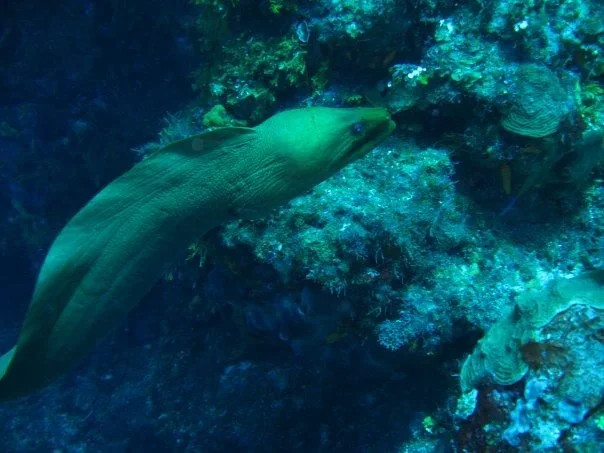
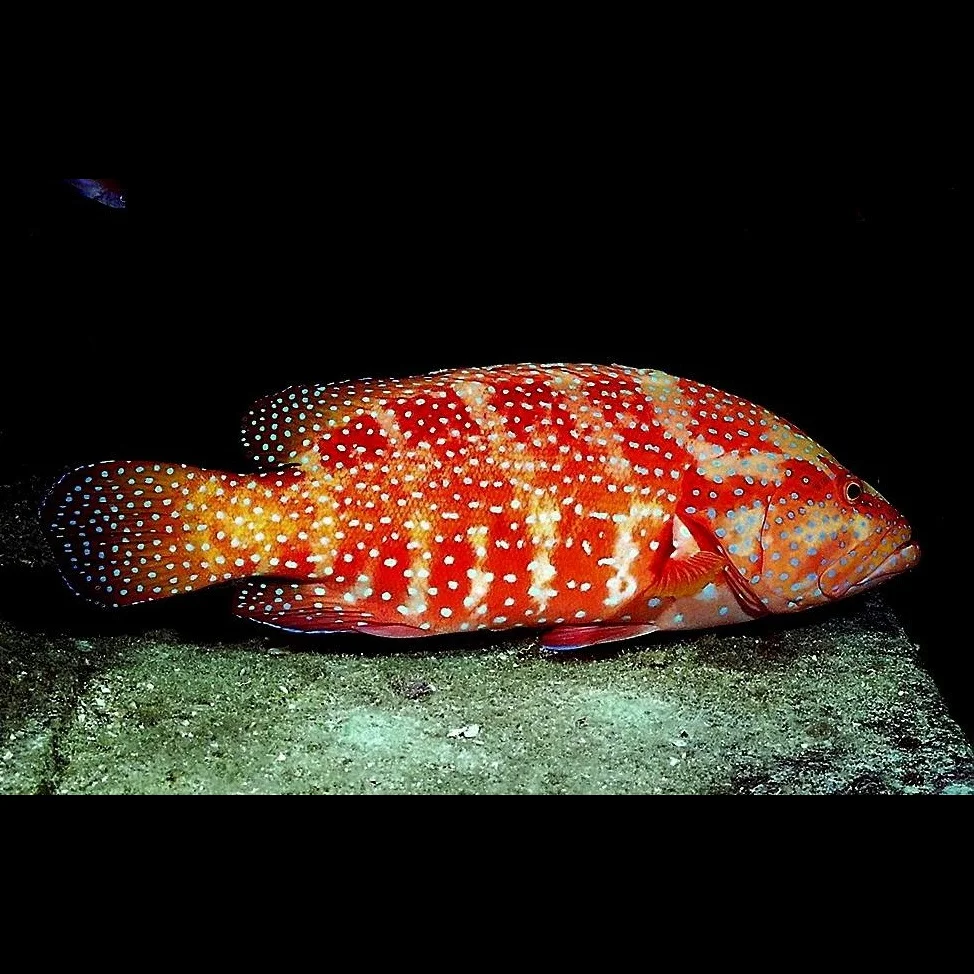
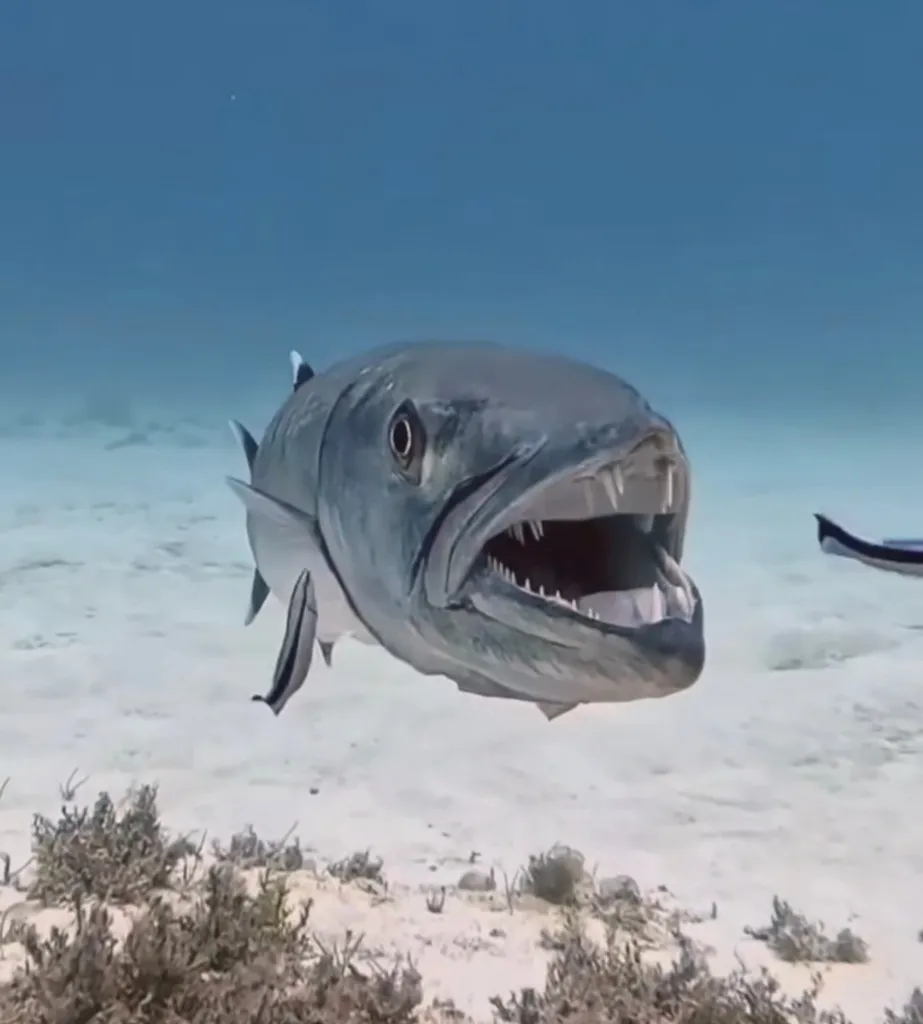
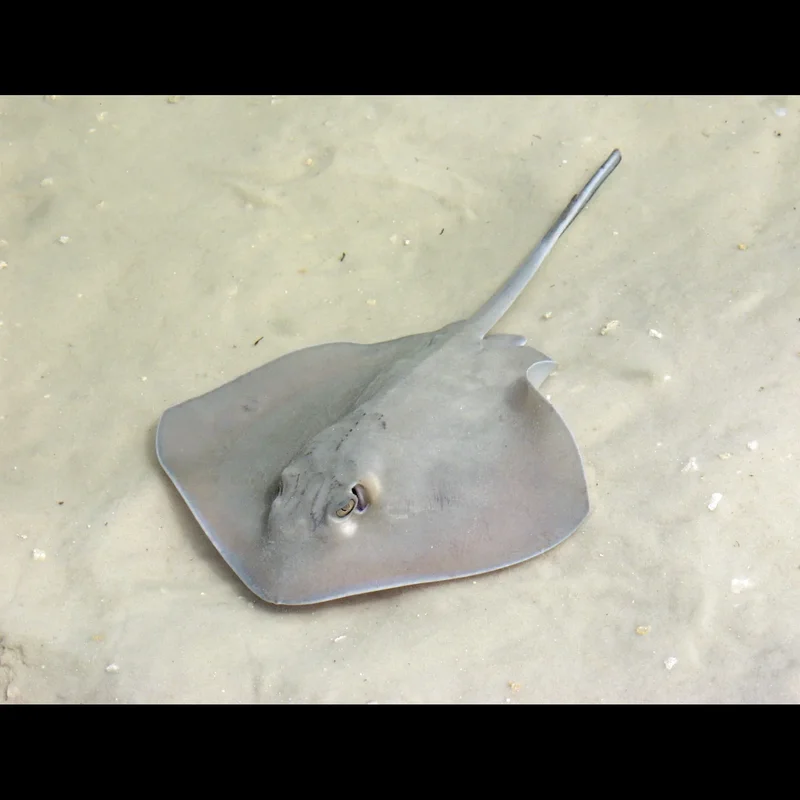
The underwater ecosystems off Turkey's coasts reveal a rich tapestry of marine life, offering divers diverse encounters from vibrant reef inhabitants to larger pelagic species. Clear waters frequently showcase thriving populations where grouper, barracuda, and moray eels are common. Divers can also spot colorful rainbow wrasse, Mediterranean parrotfish, and painted comb fish navigating among the sea sponges and rock formations.
Green turtles and loggerhead turtles are regularly observed, especially in areas influenced by lessepsian migration, which also introduces species like eagle rays from the Red Sea. Smaller creatures such as seahorses can be found tucked away in seagrass beds, while numerous nudibranchs and various shellfish provide excellent subjects for macro photography.
Beyond the reefs, there's an occasional chance to encounter larger marine life, including dolphins. Seasonal sightings of humpback whales, though less frequent, add an extra layer of excitement to the underwater experience. This biodiversity ensures that every dive offers something new to discover.
Regions for Diving
Distinct diving regions, each with its unique character and array of dive sites, are distributed along Turkey's diverse coastline. Starting on the southwestern coast, Kaş stands out as a premier destination. It offers over 25 dive sites, including wrecks, caves, walls, and canyons. Visibility in Kaş is exceptional, sometimes reaching up to 40 m (130 ft), and water temperatures range from 16°C (60°F) in winter to 28°C (82°F) in summer. Notable sites include The Canyon and the Dimitrios Wreck, attracting divers of all levels.
Moving along the Aegean Sea, Bodrum is another popular hub, combining historical shipwrecks with colorful coral reefs. Destinations like Karaada (Black Island) offer sites such as Delikli Cave, with depths between 14-45 m (46-148 ft), and Aladdin's Cavern. Bodrum provides a lively atmosphere both above and below the water, with good visibility and comfortable summer temperatures around 28°C (82°F).
Further north on the northwestern Aegean coast, Ayvalik harbors over 50 diving spots, including the two distinct underwater islands of Deli Mehmet, which cater to intermediate and professional divers with depths up to 70 m (230 ft). This region is known for its remarkable biodiversity. For history enthusiasts, the Gallipoli peninsula near Canakkale offers the Gallipoli Historic Underwater Park, featuring 14 WWI warships at depths from 18-29 m (59-95 ft). Diving here provides a unique blend of historical exploration and underwater adventure, though the Dardanelles Strait can have strong currents.
Travel & Passport Guide
Travel Basics
Trip Planning
Safety & Diving Considerations
A safe and enjoyable diving experience in Turkey begins with thorough pre-dive preparation and strict adherence to on-site protocols. Divers must always operate within their certification limits and select reputable dive operators that prioritize safety. While many sites feature gentle currents, being aware of potentially stronger flows, especially in areas like the Dardanelles Strait, is crucial. Always confirm local conditions with your dive center before entering the water.
Carrying essential safety gear, such as a surface marker buoy (SMB) and a dive computer, is highly advisable for all dives. These tools enhance personal safety and communication. Respect for the marine environment is also paramount; divers should refrain from touching or disturbing corals, fish, or other underwater organisms to preserve these delicate ecosystems.
Familiarizing yourself with emergency procedures and the locations of nearby medical facilities forms a sensible part of any dive plan. This proactive approach ensures that any unforeseen circumstances can be managed effectively, contributing to a secure and rewarding underwater adventure across Turkey's varied dive sites.
Dive Centers in Turkey
View all 38 dive centers
Frequently Asked Questions
What is the best time of year to go diving in Turkey?
The prime diving season in Turkey typically runs from May to November, with peak conditions from June to September. During these months, water temperatures are at their warmest, ranging from 24-30°C (75-86°F), and visibility is often excellent, frequently exceeding 30 meters (100 feet). While these months are popular, the shoulder seasons offer fewer crowds with still comfortable conditions. Winter diving is possible but requires thicker wetsuits due to cooler temperatures, though visibility can be exceptionally clear.
What kind of marine life can I expect to see while diving in Turkey?
Turkey's waters host a diverse array of marine life. Divers can frequently encounter green and loggerhead turtles, moray eels, groupers, and barracudas. Smaller reef fish like rainbow wrasse and Mediterranean parrotfish are common, as are octopuses, crabs, and nudibranchs. In some areas, particularly in Kaş, you might even spot Red Sea species such as eagle rays due to lessepsian migration. Occasional sightings of dolphins and seasonal humpback whales are also possible, adding to the underwater spectacle.
What are the typical water temperatures in Turkey for diving?
Water temperatures in Turkey vary significantly by season. In the peak summer months (June-August), temperatures can be as warm as 28-30°C (82-86°F). During spring (April-June) and fall (October-December), temperatures are moderate, ranging from 18-25°C (64-77°F). In winter (December-February), the waters cool down to approximately 16-19°C (60-66°F). This range means divers should plan their exposure protection accordingly, from 3mm wetsuits in summer to 7mm or drysuits in winter.
Are there many wreck diving opportunities in Turkey?
Yes, Turkey offers significant wreck diving opportunities, especially for those interested in historical sites. The Gallipoli Historic Underwater Park near Canakkale is a notable area, housing 14 WWI warships, including the HMS Majestic, which rests at 18-29 meters (59-95 feet). Other significant wrecks include the 1968 Dimitrios Wreck in Kaş and various ancient shipwrecks scattered along the Aegean and Mediterranean coasts, some dating back to Byzantine and Ottoman periods. These sites provide compelling explorations for certified wreck divers.