
Diving at Lochaline (United Kingdom)
For experienced sports divers seeking a challenging shore dive, Lochaline Pier provides an exceptional opportunity. This site, known for its extensive wall dive, demands strong buoyancy control and an understanding of specific local conditions. Divers can explore depths well within recreational limits and beyond, making it suitable for those with advanced certifications and careful planning.
At Lochaline, the ambient air temperature is currently recorded at 11°C. This dive site in United Kingdom is operating under normal seasonal weather patterns. Familiarize yourself with the local topography prior to navigating.
Dive Site Location & Key Facts
Dive Site Overview
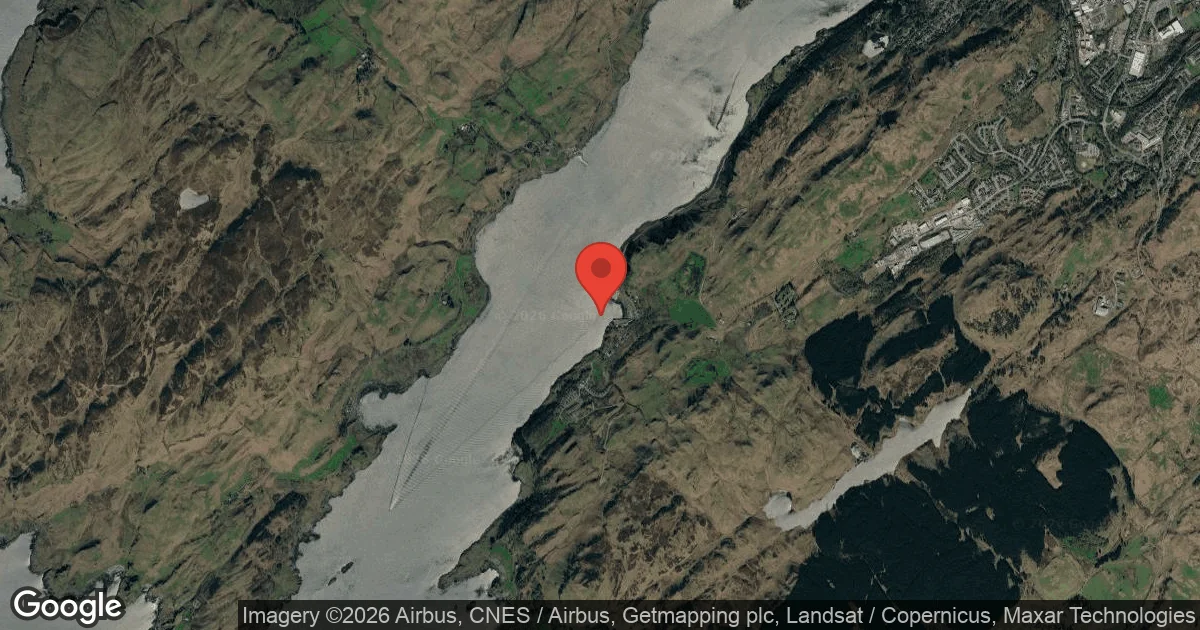
Lochaline, nestled on Scotland's western coast within the Sound of Mull, presents a significant dive experience, particularly at its pier. This location is part of a region celebrated for its historical maritime activity, reflected in numerous nearby wreck sites like the RMS Moldavia, SS TR Thompson, and the SS City of Brisbane, as well as the older Mindora [+1864].
While the wider Sound of Mull offers these deeper historical explorations, the Lochaline pier itself stands out as one of the UK's premier shore wall dives. Descending vertically to 90 m (295 ft), the pier wall is densely covered in marine life, drawing divers to its accessible yet profound environment. Beyond the initial vertical drop, the terrain transitions into a boulder slope, offering further exploration opportunities.
Divers appreciate the convenience of shore access combined with the impressive depth and biological richness typically associated with boat dives.
Conditions are Poor
Optimal conditions expected
Current conditions near Lochaline show 11° air, 14° sea temperature, N/A waves, and 36 km/h wind. Forecast data is refreshed regularly to ensure accuracy.
Best Time to Dive
Considering local climate patterns, diving at Lochaline is most favorable during the spring and summer months. April through September generally exhibit better dive scores, with May and June often providing the calmest conditions. Air temperatures during these prime months range from around 12.5°C (54°F) in May to approximately 14.5°C (58°F) in August. Rainfall during April, May, and November tends to be lower, which can contribute to more pleasant surface conditions and potentially clearer waters. Regardless of the season, successful diving at Lochaline hinges on precise timing, as this is a slack water only dive, essential for safe and enjoyable exploration of the pier's depths.
PEAK SEASON SCORE
Scores combine air & water temps, waves, wind & rainfall for overall conditions.
BEST MONTHS TO DIVE
Monthly records compiled from satellite and marine observation nodes over the last 3 years. Data provided by Open-Meteo and MET Norway.
Dive Experience & Conditions
Beginning the descent at Lochaline pier involves a straightforward entry, either by walking down a stony path to a concrete section or, during high tide, performing a jump entry from the pier corner. Upon entering, the pier wall immediately presents a dramatic vertical drop to depths of 90 m (295 ft). Navigating this expansive wall requires excellent buoyancy control, as the environment is rich with diverse sea life clinging to its surfaces. Beyond the vertical sections, the dive transitions into a boulder slope, extending the exploration deeper. Water temperatures here are not consistently reported but are characteristic of Scottish loch diving, typically cool. Current activity in the Sound of Mull can be substantial, necessitating careful planning to dive exclusively during slack water to prevent strong drift conditions. Exiting the water is generally easiest by finning towards the adjacent pier and using the sandy beach; alternatively, experienced divers may opt to climb the pier ladder.
Dive Difficulty & Safety Guidelines
Approaching Lochaline pier for a dive requires adherence to specific safety protocols to ensure a rewarding experience. Given the significant depth and potential for strong currents, it's an environment best suited for experienced sports divers with well-honed buoyancy control. Always plan your dive around slack water; failure to do so can result in challenging and potentially unsafe drift conditions along the wall.
Before diving, conduct thorough equipment checks, especially if you plan to explore deeper sections. Monitoring gas consumption and decompression limits is paramount due to the maximum depth of 90 m (295 ft).
Familiarizing yourself with the entry and exit points, including the sandy beach alternative for easier egress, is also a critical part of pre-dive planning.
Recommended Equipment
Overhead / entanglement risk. Wreck penetration requires proper training.
- Dive Computer
- Primary & Backup Lights
- Wreck Reel
- Cutting Tool
This gear list is based on verified equipment signals for Lochaline, United Kingdom. Always confirm final gear choices with your dive operator, guide, or liveaboard.
Recommended Dive Suit
Exposure protection is partly a personal preference.
7mm wetsuit or semidry typically provides a reliable level of thermal protection for dives here. Consider warmer surface protection (like a boat coat) due to brisk winds. Strong cold advisory: dress warmly immediately after exiting the water. Environmental models indicate a modest warming trend ahead. A warming trend is expected over the next few days.
Current temperature readings suggest that the water at Lochaline is around 14°C (57°F). Surface air temperatures are resting at 11°C (52°F).
Emergency & Medical Support
Essential information to help you plan your dive trip to Lochaline.

Hyperbaric chambers are a critical part of dive safety infrastructure. Availability varies significantly by region, and not all dive areas have immediate access.
Before diving, it's recommended to:
- confirm nearest medical facilities
- check emergency procedures with local dive operators
- ensure dive insurance covers evacuation if required
Divers Alert Network
Diving emergency assistance available through DAN Europe.
+39 0642115685- 24/7 emergency hotline
- Diving medical assistance
- Evacuation coordination
Emergency contacts are provided for reference. Always verify local emergency services before diving.
Closest Listed Hyperbaric Chambers
Showing listed hyperbaric chamber facilities within 200 km of this dive site.
Distances are approximate straight-line distances and may not reflect emergency travel time.
West Scotland Centre for Diving and Hyperbaric Medicine
Oban, Argyll, United Kingdom•Approx. 23 km straight-line
West Scotland Centre for Diving and Hyperbaric Medicine
Information is provided for reference and planning purposes only. Dive Navigator does not verify operational status, staffing, availability, or quality of care at listed facilities. In an emergency, contact local emergency services, DAN, your dive operator, or the chamber directly. Do not travel to a facility without calling ahead.
Marine Life at Lochaline
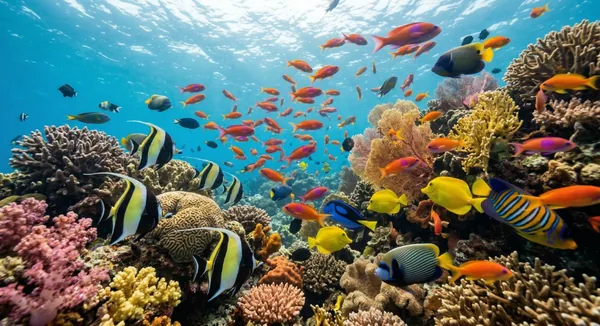
Diving the wall at Lochaline pier offers an opportunity to observe a vibrant array of marine life, despite the cooler northern waters. The pier structure itself provides a habitat for a variety of sessile invertebrates, richly covering the vertical surfaces.
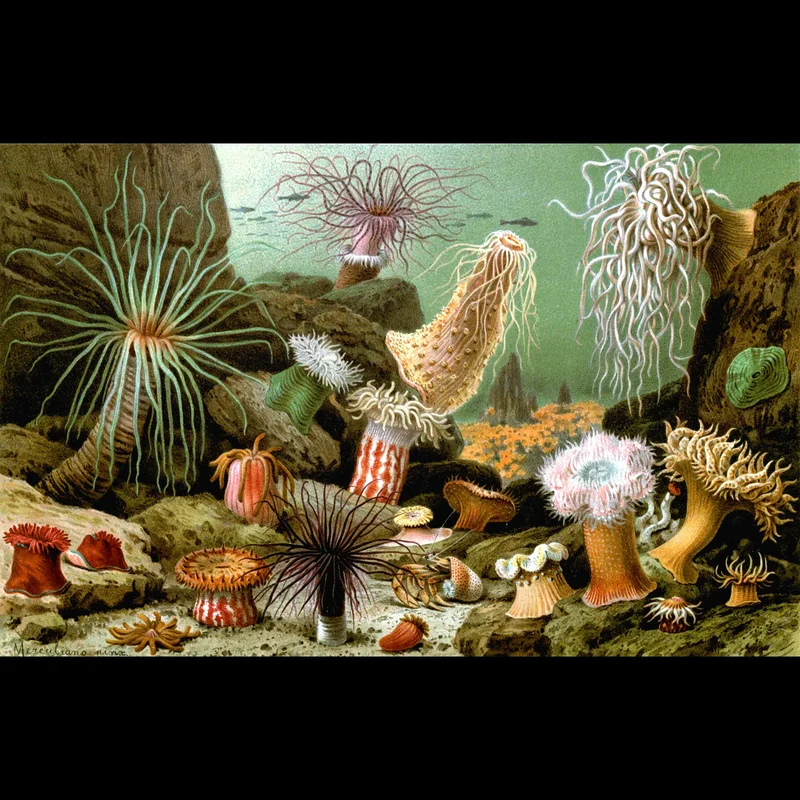
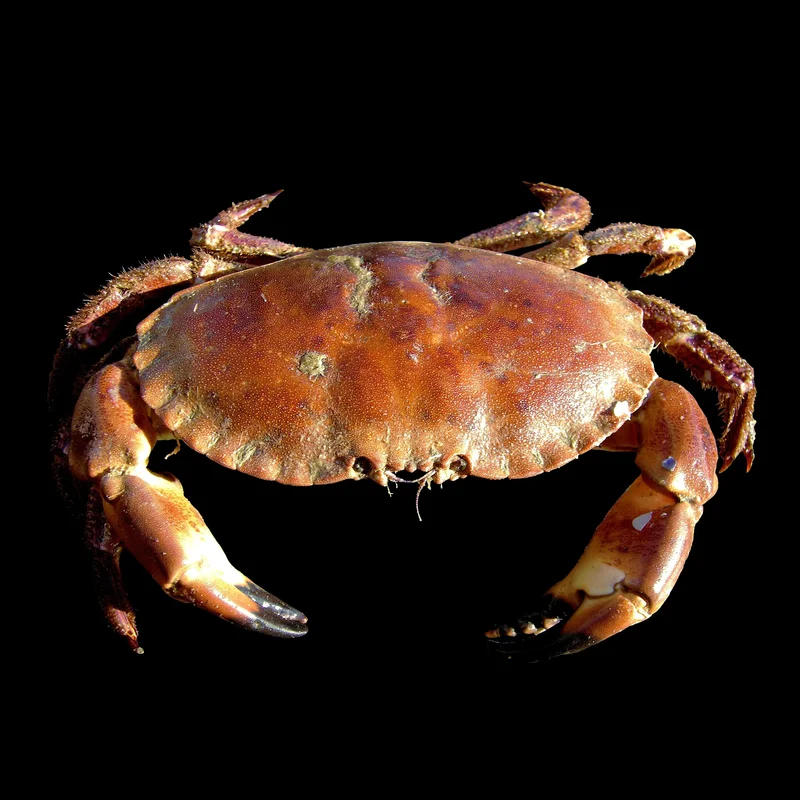
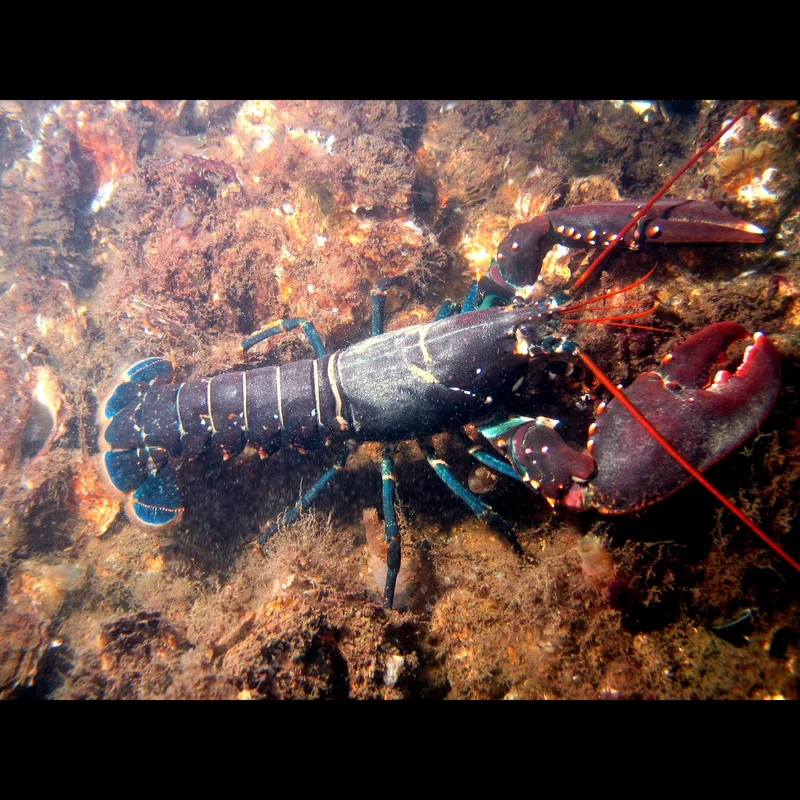
You'll likely encounter diverse soft corals, anemones, and sponges adorning the structure. Various species of wrasse and blennies inhabit the crevices, while crabs and lobsters can be spotted in the rocky sections and on the boulder slope below.
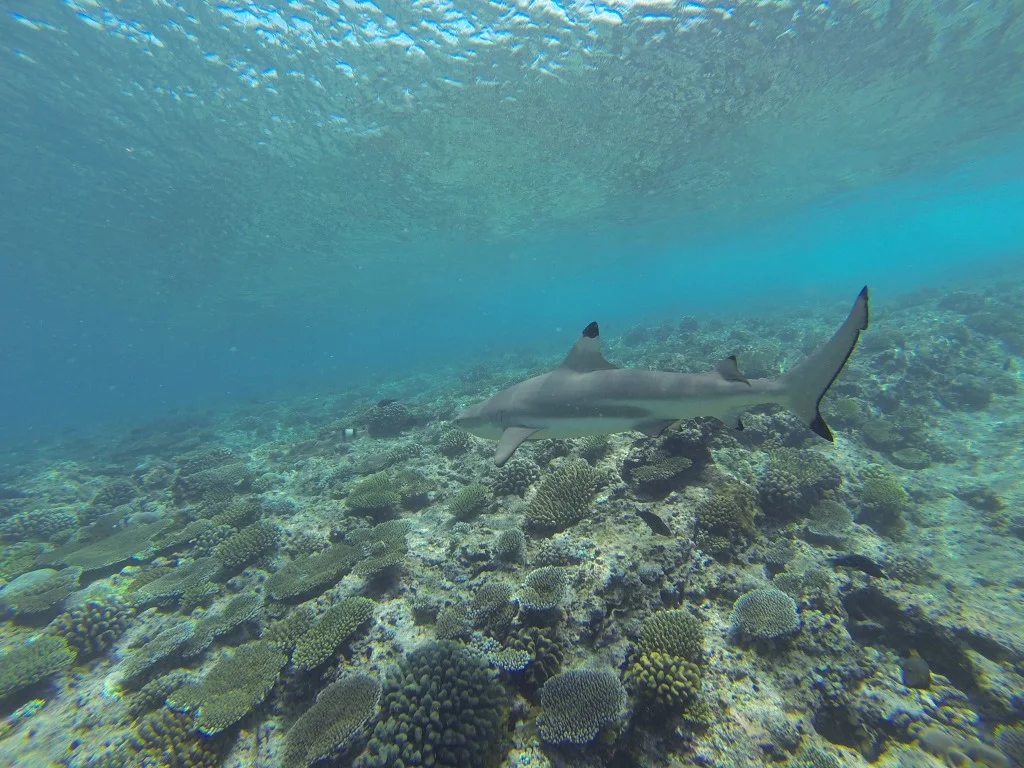
While larger pelagic species like sharks, whales, dolphins, or turtles are sighted in the broader Sound of Mull, smaller, fascinating creatures are the primary draw on the pier wall.
Dive Sites Near Lochaline
View all dive sites in United KingdomDiscover more underwater gems in this area.
Dive Centers Near Lochaline
Nearest Airports
Nearest airports to help plan travel to this dive area.
Search Flights
Check available flights and routes on Expedia, using the nearby airports listed in this section.
Search Flights on ExpediaFrequently Asked Questions
What is the maximum depth at Lochaline pier?
The Lochaline pier offers a dramatic wall dive that extends vertically to a maximum depth of 90 m (295 ft). Beyond the initial wall, a boulder slope continues deeper.
What skill level is recommended for diving at Lochaline pier?
This site is best suited for experienced sports divers. Good buoyancy control is essential due to the vertical wall and the need to manage depth effectively in varying conditions.
Is Nitrox available at Lochaline?
While Nitrox is not available directly on charter boats like Sound Diver, the Lochaline Dive Centre can provide Nitrox fills. Divers planning to use Nitrox should arrange refills with the center at the end of each dive day.
How do divers enter and exit the water at the pier?
Entry can be made by walking down a stone and concrete path beside the pier, or by a jump entry from the pier corner during high tide. For exit, finning to a nearby sandy beach is recommended, or experienced divers can use the pier ladder.
What are the parking facilities like at Lochaline pier?
Ample parking space for 10-15 cars is available at the old Lochaline pier. This setup allows for convenient kitting up directly at the site before entering the water.
What makes Lochaline pier a notable dive site?
Lochaline pier ranks among the UK's top shore wall dives. Its accessibility, combined with a significant vertical drop and abundant marine life, makes it a unique and highly regarded location for divers.
Are there accommodation options near the dive site?
Yes, the Lochaline Dive Centre offers associated bunkhouse accommodation. Other options like the Lochaline Hotel and the O2 Cafe are available, though checking their opening hours for meals is advisable, particularly outside peak season.
Planning to dive Lochaline?
Send one inquiry and receive offers directly from the best verified local dive operators.
Conditions are Poor
Optimal conditions expected
Current conditions near Lochaline show 11° air, 14° sea temperature, N/A waves, and 36 km/h wind. Forecast data is refreshed regularly to ensure accuracy.