
Diving at 3 Mile South Reef, Site 'D'-01-12 (United States)
Reef structures like those at 3 Mile South Reef offer essential habitats, attracting a diverse range of marine species that seek shelter and feeding grounds. These artificial deployments serve as vibrant focal points for biodiversity, creating complex ecosystems on otherwise barren seafloors. Divers can anticipate encountering various creatures interacting with the submerged components, making each exploration a dynamic display of ocean life adapting to new environments.
Evening condition tracking at 3 Mile South Reef, Site 'D'-01-12 features an air temperature of 27.5°C. We have recorded wave heights measuring 0.5 m during this period. These figures outline the environmental parameters currently present.
Dive Site Location & Key Facts
Dive Site Overview
Exploring 3 Mile South Reef, Site 'D'-01-12, provides an opportunity to witness an artificial reef environment actively fostering marine ecosystems. This site, like many others in the region, features a collection of deployed materials designed to enhance underwater habitat and attract aquatic life.
Divers may encounter structures similar to landing craft, barges, or general rubble, which together form a complex network of shelter and foraging areas. While specific depth details are not consistently reported for this particular site, artificial reefs in the vicinity often present dive profiles suitable for recreational divers, typically ranging from shallower sections to depths around 9-12 m (30-40 ft) or deeper. The intention behind such installations is to provide structural complexity, drawing in a variety of fish and invertebrate species to colonize the new substrate.
Each dive here presents a chance to observe how these deliberately placed objects transform into thriving underwater communities.
Conditions are Good
Optimal conditions expected
Current conditions near 3 Mile South Reef, Site 'D'-01-12 show 27° air, 31° sea temperature, 0.3 m waves, and 27 km/h wind. Forecast data is refreshed regularly to ensure accuracy.
Best Time to Dive
Optimizing visibility and comfort for a dive at 3 Mile South Reef often aligns with periods of settled weather, particularly from May to September. During these months, the region experiences lower average wave heights, typically around 0.3-0.5 m (1.0-1.6 ft), and reduced wind speeds, which can contribute to clearer underwater conditions. May and July specifically receive 'Excellent' dive scores, indicating prime opportunities. Air temperatures during these favorable periods are pleasantly warm, ranging from 25.5°C (78°F) in May to 28.5°C (83°F) in July, with rainfall generally moderate. Even through the autumn and early winter, from October to April, conditions are rated 'Good', though average wave heights can increase to around 0.6-0.7 m (2.0-2.3 ft), potentially impacting visibility.
PEAK SEASON SCORE
Scores combine air & water temps, waves, wind & rainfall for overall conditions.
BEST MONTHS TO DIVE
Monthly records compiled from satellite and marine observation nodes over the last 3 years. Data provided by Open-Meteo and MET Norway.
Dive Experience & Conditions
Navigating this artificial reef challenges divers to explore a varied underwater landscape crafted from deliberate deployments. Exploration involves traversing sections resembling old landing craft, barges, or other introduced materials, each providing extensive surfaces for marine growth to establish. Currents here are not consistently reported but typically vary with localized conditions and offshore weather patterns; however, a manageable flow is generally anticipated. Water clarity is often a dynamic factor, influenced by recent weather events and tidal movements. Despite potential fluctuations, the inherent structural density of the reef system allows for compelling exploration during calmer periods, offering numerous nooks and crannies to investigate. Water temperature, while lacking specific site reports, typically mirrors regional seasonal trends, remaining mild to warm for much of the year, potentially supporting comfortable bottom times.
Dive Difficulty & Safety Guidelines
Diving on artificial reefs like 3 Mile South Reef requires careful planning and adherence to safety protocols, primarily due to the nature of the submerged structures. Divers should be mindful of potential entanglement hazards from fishing lines or loose debris that might accumulate around the various barges, landing craft, and other materials. Maintaining adequate buoyancy control is crucial to avoid contact with the reef structure itself, protecting both the diver and the developing ecosystem.
Always ensure your gear is streamlined to prevent snagging on any projections. Given that these are man-made structures, their integrity may vary; caution is advised when exploring close to or within any large components.
Recommended Equipment
- Dive Computer
This gear list is based on verified equipment signals for 3 Mile South Reef, Site 'D'-01-12, United States. Always confirm final gear choices with your dive operator, guide, or liveaboard.
Recommended Dive Suit
Forecast models show minimal temperature variation in the coming days.
Thermal protection such as dive skin or rash guard is commonly used in similar temperatures. Consider warmer surface protection (like a boat coat) due to brisk winds.
At 3 Mile South Reef, Site 'D'-01-12, the water is currently sitting around 31°C (88°F). Surface air temperatures are resting at 27°C (81°F).
Due to technical issues with our weather providers, data hasn't been fetched for over 48 hours. The data above reflects the conditions at the time of the last successful fetch.
Emergency & Medical Support
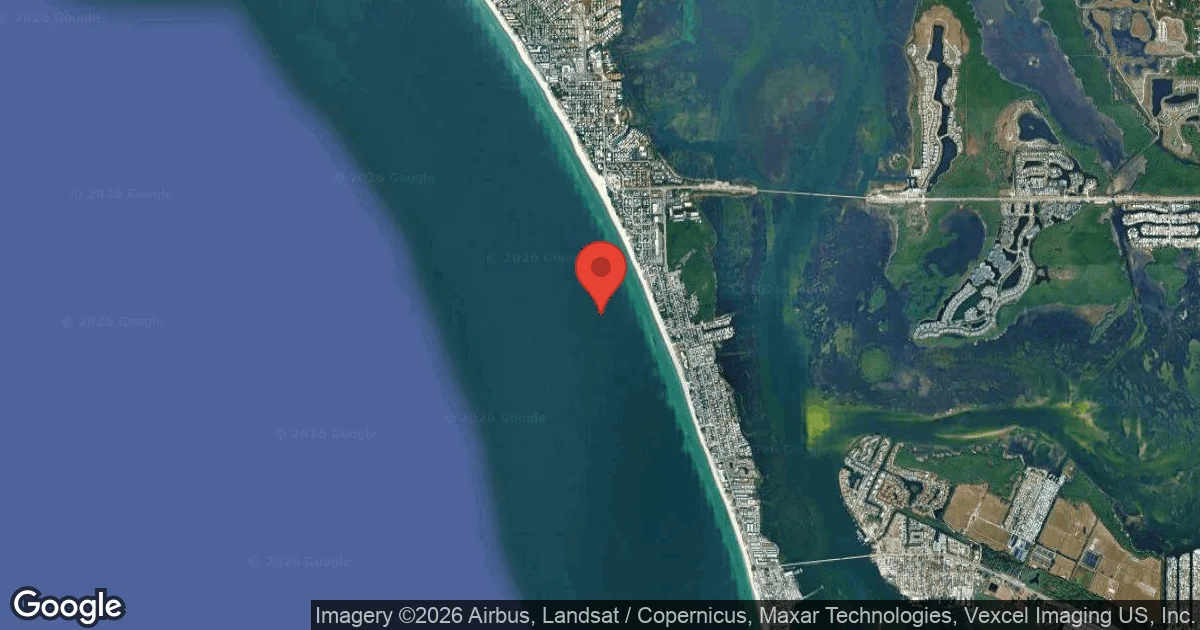
Essential information to help you plan your dive trip to 3 Mile South Reef, Site 'D'-01-12.

Hyperbaric chambers are a critical part of dive safety infrastructure. Availability varies significantly by region, and not all dive areas have immediate access.
Before diving, it's recommended to:
- confirm nearest medical facilities
- check emergency procedures with local dive operators
- ensure dive insurance covers evacuation if required
Divers Alert Network
Diving emergency assistance available through DAN World.
+1-919-684-9111- 24/7 emergency hotline
- Diving medical assistance
- Evacuation coordination
Emergency contacts are provided for reference. Always verify local emergency services before diving.
Marine Life at 3 Mile South Reef, Site 'D'-01-12
The artificial structures at 3 Mile South Reef act as magnets for marine organisms, transforming a relatively featureless bottom into a thriving habitat. Divers can expect to observe various types of reef fish, from smaller schooling species to larger predators, utilizing the crevices and overhangs for shelter.
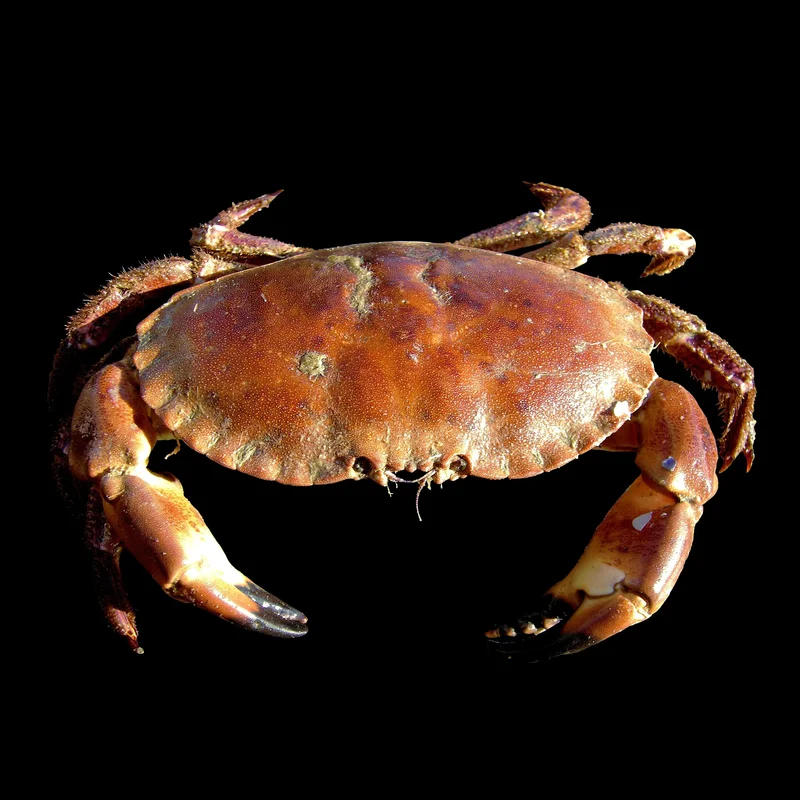
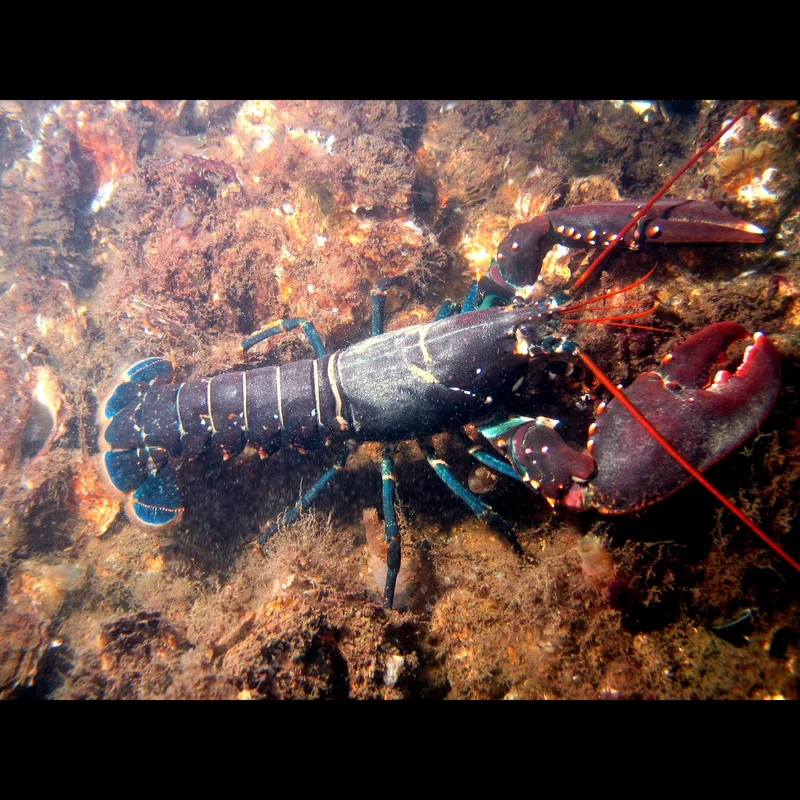
Invertebrates such as crabs, lobsters, and a diverse array of corals and sponges will colonize the surfaces of barges, landing craft, and other debris. The layered complexity of this man-made environment encourages a rich tapestry of life, making it a productive area for observing the intricate interactions within a developing reef community.
Dive Sites Near 3 Mile South Reef, Site 'D'-01-12
View all dive sites in United StatesDiscover more underwater gems in this area.
Dive Centers Near 3 Mile South Reef, Site 'D'-01-12
Today: 09:00 - 18:00
Nearest Airports
Nearest airports to help plan travel to this dive area.
Search Flights
Check available flights and routes on Expedia, using the nearby airports listed in this section.
Search Flights on Expedia
Plan Your Stay
Looking for a place to stay for your dive trip? Explore hotels, stays, and vacation rentals for dive groups near Bradenton Beach.
Dive Navigator may earn a commission from these links at no extra cost to you.
Frequently Asked Questions
What kind of structures make up 3 Mile South Reef?
This artificial reef is comprised of various deployed materials intended to create marine habitat. You can expect to find structures such as barges, landing craft, and other miscellaneous materials that provide surfaces for marine growth and shelter for fish.
What are the typical dive depths at this site?
While specific depths for 3 Mile South Reef are not extensively detailed, similar artificial reefs in the region often fall within recreational diving limits. Depths can range from shallower sections to around 9-12 m (30-40 ft) or potentially deeper, making it accessible for most certified divers.
How clear is the water usually at 3 Mile South Reef?
Water clarity, or visibility, can fluctuate based on recent weather, tides, and currents. Conditions tend to be best during periods of calmer seas and lighter winds, often from late spring through early autumn, which generally leads to better visibility for exploration.
What kind of marine life can I expect to see?
Artificial reefs quickly become home to a variety of marine creatures. You'll likely encounter numerous fish species, including schooling fish and larger predatory fish, along with invertebrates like crabs, sponges, and soft corals that colonize the reef structures.
Are there any specific hazards to be aware of when diving here?
Divers should be aware of potential entanglement risks from fishing lines or debris around the artificial structures. Maintaining excellent buoyancy control is essential to avoid disturbing the reef or becoming snagged on submerged objects. Always check your gear for loose hoses or straps.
When is the best time of year to visit 3 Mile South Reef?
The months from May to September generally offer the most favorable diving conditions, with lower wave heights and warmer air temperatures contributing to a more comfortable experience. While year-round diving is possible, these periods often yield better visibility and calmer seas.
Planning to dive 3 Mile South Reef, Site 'D'-01-12?
Send one inquiry and receive offers directly from the best verified local dive operators.
Conditions are Good
Optimal conditions expected
Current conditions near 3 Mile South Reef, Site 'D'-01-12 show 27° air, 31° sea temperature, 0.3 m waves, and 27 km/h wind. Forecast data is refreshed regularly to ensure accuracy.