
Diving at Bahia Beach Reef (Bay) #5 (United States)
While not traditionally highlighted for extensive offshore reef systems, Bahia Beach Reef (Bay) presents a distinct local dive experience. This site is primarily known for its shallower conditions, distinguishing it from the deeper boat-accessed reefs prevalent in the wider Keys area. For divers seeking to explore a nearshore environment, its characteristics offer a contrasting perspective on local marine habitats. It provides a specific context for understanding the varied diving opportunities available.
Evening condition tracking at Bahia Beach Reef (Bay) #5 features an air temperature of 24.5°C. We have recorded wave heights measuring 0.2 m during this period. These figures outline the environmental parameters currently present.
Dive Site Location & Key Facts
Dive Site Overview
Shaped by its sheltered bay environment, Bahia Beach Reef (Bay) presents a distinct and often debated perspective on Florida Keys diving. This site frequently surfaces in discussions regarding shore accessibility in the region; while some regional opinions suggest limited value compared to the vibrant offshore coral formations, individual diver accounts highlight its unique appeal.
Accessing a marine habitat directly from shore makes it an interesting alternative for those without boat access or seeking simpler logistics. Divers typically find themselves exploring depths that remain quite shallow, usually within the recreational range, allowing for extended bottom times compared to many of the deeper, boat-accessed reefs in the wider Keys area.
Beneath the surface, divers find a substrate often characterized by a sandy bottom, interspersed with smaller reef structures and seagrass beds, supporting a different array of marine life. A notable historical account, for instance, involves a diver encountering an exceptionally large hammerhead shark in 2000 while lobstering, underscoring the potential for unexpected pelagic sightings within its confines.
Its characteristics offer a contrasting dive experience, emphasizing accessibility and the possibility of unique observations within a less conventional setting.
Conditions are Good
Optimal conditions expected
Current conditions near Bahia Beach Reef (Bay) #5 show 24° air, 30° sea temperature, 0.1 m waves, and 24 km/h wind. Forecast data is refreshed regularly to ensure accuracy.
Best Time to Dive
Dive conditions generally remain favorable for much of the year, with excellent ratings recorded in nearly every month. Air temperatures here typically range from a cooler 15°C (59°F) in January, gradually warming to highs around 28.5°C (83°F) in July and August. Rainfall is consistently low during most of the year, with averages between 0.6 mm (0.02 in) in November and 6.9 mm (0.27 in) in August, contributing to generally clear conditions. Surface wave heights are also typically minimal, often staying below 0.4 meters (1.3 ft). Planning a dive during any season is generally suitable; however, late spring through early fall may offer the warmest air temperatures.
PEAK SEASON SCORE
Scores combine air & water temps, waves, wind & rainfall for overall conditions.
BEST MONTHS TO DIVE
Monthly records compiled from satellite and marine observation nodes over the last 3 years. Data provided by Open-Meteo and MET Norway.
Dive Experience & Conditions
Exploring this reef involves navigating predominantly shallow waters. Conditions within Bahia Beach Reef (Bay) are consistently reported as shallow, which allows for extended bottom times and is often suitable for divers of varying experience levels. However, it's also recognized for considerable boat traffic, necessitating heightened situational awareness. Water temperature data is not consistently reported for this specific site, but general regional patterns suggest comfortable conditions through much of the year. Visibility can vary, influenced by local weather patterns and tidal movements within the bay.
Dive Difficulty & Safety Guidelines
Considering the characteristics of this bay, diver safety at Bahia Beach Reef (Bay) significantly involves managing the presence of heavy boat traffic. All divers, regardless of experience, should consistently use a dive flag and float to clearly signal their position to surface vessels. Maintaining a vigilant watch and ensuring proper buoyancy control are essential in these shallower waters.
Due to the environment, it's advisable for divers to possess a good understanding of navigation and be comfortable with potential minor currents that may arise from tidal flows, even in sheltered areas.
Recommended Equipment
- Dive Computer
This gear list is based on verified equipment signals for Bahia Beach Reef (Bay) #5, United States. Always confirm final gear choices with your dive operator, guide, or liveaboard.
Recommended Dive Suit
For relaxed exploration dives, dive skin or rash guard generally provides adequate warmth. A hood or vest is suggested for sensitive divers due to surface winds. For divers entering the water at Bahia Beach Reef (Bay) #5, temperatures are currently hovering around 30°C (87°F). Surface air temperatures are resting at 24°C (76°F).
Forecast trends indicate similar diving conditions over the next few days.
A diver's personal tolerance to cold water can play a large role in suit selection.
Emergency & Medical Support
Essential information to help you plan your dive trip to Bahia Beach Reef (Bay) #5.

Hyperbaric chambers are a critical part of dive safety infrastructure. Availability varies significantly by region, and not all dive areas have immediate access.
Before diving, it's recommended to:
- confirm nearest medical facilities
- check emergency procedures with local dive operators
- ensure dive insurance covers evacuation if required
Divers Alert Network
Diving emergency assistance available through DAN World.
+1-919-684-9111- 24/7 emergency hotline
- Diving medical assistance
- Evacuation coordination
Emergency contacts are provided for reference. Always verify local emergency services before diving.
Marine Life at Bahia Beach Reef (Bay) #5
Beneath the surface, divers might initially encounter a range of common reef inhabitants. Observations include spiny lobster, often found tucked into crevices, alongside mangrove snapper and bar jacks cruising through the water column.
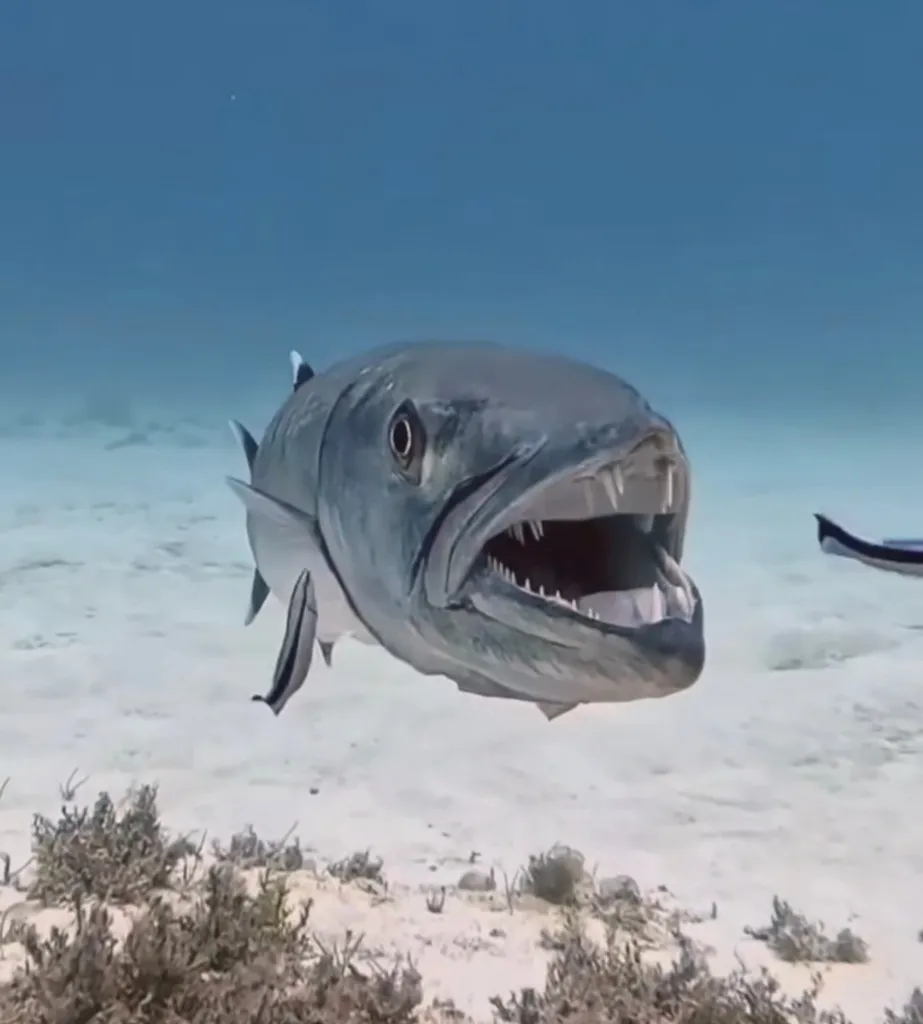
Barracuda are frequently spotted, often appearing curious about passing divers. A particularly noteworthy historical sighting here was a large hammerhead shark, which underscores the potential for encounters with pelagic species, even within the shallower bay environment. Such occasional sightings add to the appeal for those exploring the reef's ecosystem.


Dive Centers Near Bahia Beach Reef (Bay) #5

Today: 11:00 - 17:00
Nearest Airports
Nearest airports to help plan travel to this dive area.
Search Flights
Check available flights and routes on Expedia, using the nearby airports listed in this section.
Search Flights on Expedia
Plan Your Stay
Looking for a place to stay for your dive trip? Explore hotels, stays, and vacation rentals for dive groups near Ruskin.
Dive Navigator may earn a commission from these links at no extra cost to you.
Frequently Asked Questions
Is Bahia Beach Reef (Bay) suitable for shore diving?
Yes, it is often discussed as a shore dive location, though opinions on its quality compared to boat dives in the Keys vary. The primary characteristic is its shallow depth.
What is the typical depth at Bahia Beach Reef (Bay)?
The site is consistently described as shallow. Specific maximum depths are not widely reported, but it remains within a recreational depth range for most divers.
Are there any specific hazards to be aware of?
Divers should be aware of heavy boat traffic in the area. Always use a dive flag to ensure surface visibility and practice situational awareness.
What kind of marine life can I expect to see?
You may encounter spiny lobster, mangrove snapper, bar jacks, and barracuda. There have been reports of larger pelagic species, such as a hammerhead shark, in the past.
What are the best months to dive Bahia Beach Reef (Bay)?
Dive conditions are rated as excellent for most of the year. Warmer air temperatures occur from late spring to early fall, but low rain and minimal waves are consistent across seasons.
Is a dive flag required?
Given the heavy boat traffic, using a dive flag and float is highly recommended to signal your position to passing vessels and enhance safety.
Is this a good site for beginner divers?
Due to its shallow nature, the site can be suitable for beginner divers. However, familiarity with dive flag usage and awareness of boat traffic are important for all skill levels.
Planning to dive Bahia Beach Reef (Bay) #5?
Send one inquiry and receive offers directly from the best verified local dive operators.
Conditions are Good
Optimal conditions expected
Current conditions near Bahia Beach Reef (Bay) #5 show 24° air, 30° sea temperature, 0.1 m waves, and 24 km/h wind. Forecast data is refreshed regularly to ensure accuracy.