What Divers Should Know About Hammerhead Shark

Learn all about the Hammerhead Shark, including dynamic specs, encounter highlights, habitats, and the best dive sites to find them.
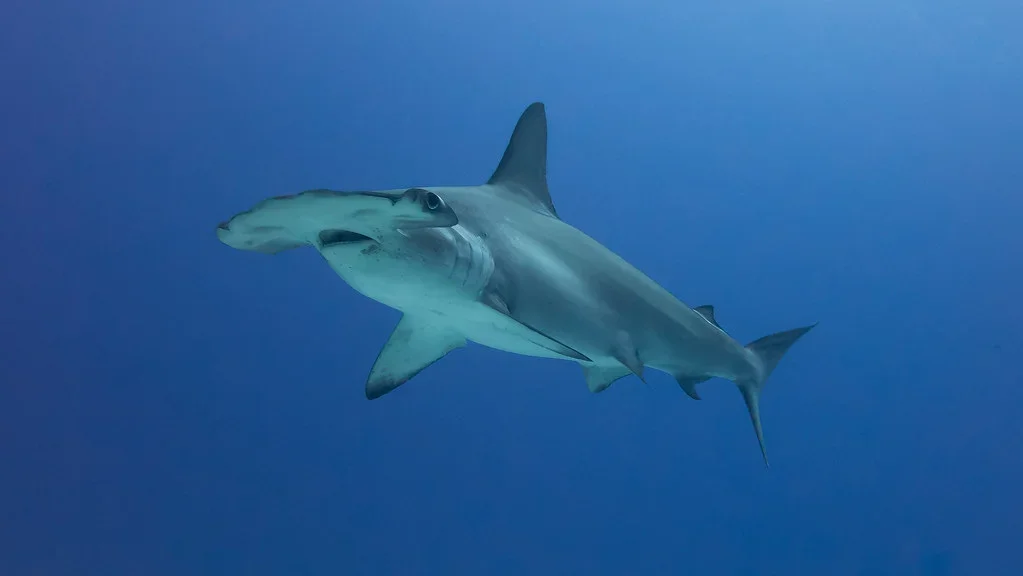
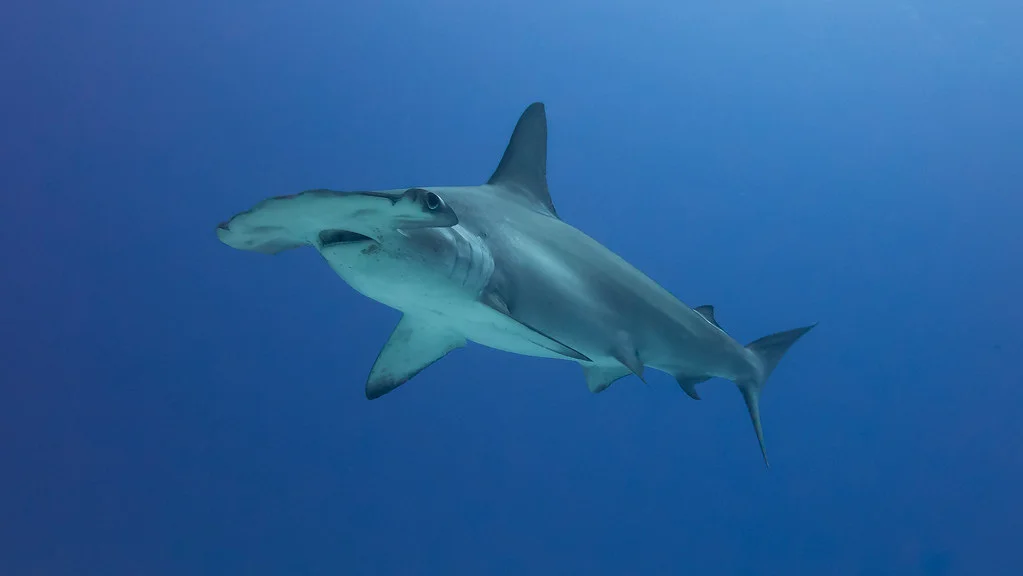
Hammerhead shark (Sphyrnidae) with a wide cephalofoil head swimming through open blue ocean water
Scientific Name

Sphyrnidae

Size

0.9–6.1 m

Depth

0–300 m

Habitat

open water, coral reef, sand, seagrass

Conservation

Varies by species

Danger Level

Caution

About the Hammerhead Shark

Scanning along warm coastlines and continental shelves, a distinctive silhouette might emerge: the hammerhead shark. Easily identified by its flattened, T-shaped cephalofoil, this unique head design provides superior binocular vision and depth perception, critical for spotting prey. These impressive creatures often appear light gray with a greenish tint, their white bellies offering camouflage against the surface when viewed from below. They prefer tropical waters and can be found swimming above the sand along the ocean bottom.

While most sharks are solitary, some hammerhead species famously congregate in large schools during the day, making for truly unforgettable encounters. At night, however, they revert to solitary hunting. Size varies significantly across the family; the formidable Great Hammerhead averages 13.1 feet (4 m) and 500 pounds (230 kg), while the smaller bonnethead shark can reach up to 5 feet in length. Their diet is broad, with stingrays being a particular favorite, often pinned down by the shark's powerful head.

Further Reading

Did You Know?

Six-Meter Stingray Specialists That Pin Barbed Prey With Their Hammers

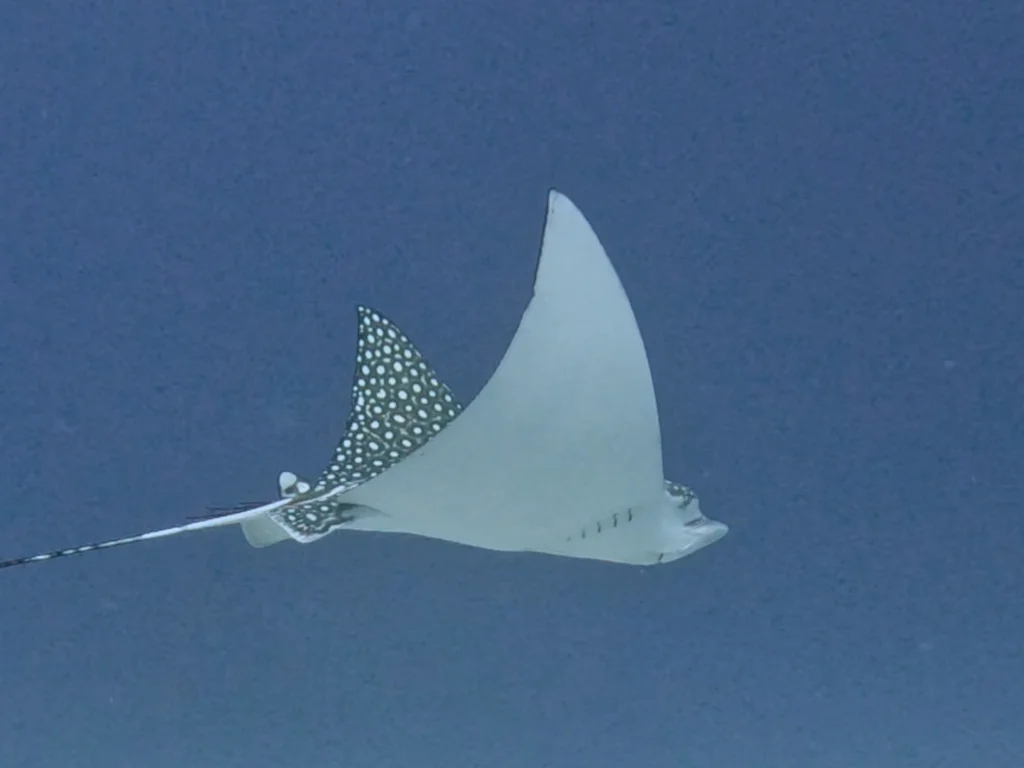
β€œTowering at the apex of the hammerhead lineage at lengths approaching six meters with a sky-scraping, sickle-curved first dorsal fin taller than a grown human's torso, the great hammerhead (Sphyrna mokarran) hunts prey most other predators avoid: venomous stingrays and eagle rays. Sweeping low over Bahamian and Indo-Pacific sand flats, it locks onto the faint bioelectric pulse of a ray buried completely beneath sediment, whips around in a razor-tight pivot, and slams the broad underside of its cephalofoil straight down onto the ray's wings like a sledgehammer. Pinning its struggling target flat against the sand keeps the barbed tail away from vital eyes while serrated triangular teeth take clean bitesβ€”leaving veteran hammerheads unfazed even with dozens of stingray barbs embedded harmlessly around their jaws.”

Where You Can See Hammerhead Shark

This map highlights the main regions where divers may encounter Hammerhead Shark or where the species is commonly associated with suitable marine habitats. Actual sightings depend on local dive sites, season, visibility, depth, and natural behaviour.

World distribution map showing regions where divers can see Hammerhead Shark: Caribbean, East Pacific, Atlantic, Indian Ocean, Asia Pacific, Mediterranean
Caribbean
East Pacific
Atlantic
Indian Ocean
Asia Pacific
Mediterranean

Dive Sites with Hammerhead Shark

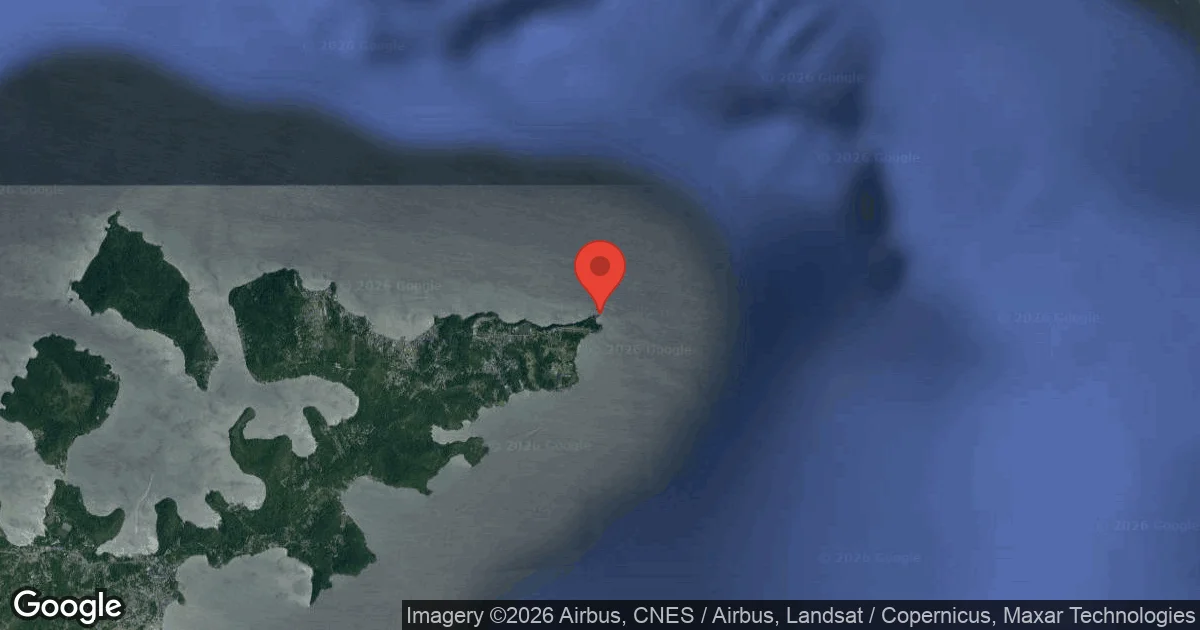
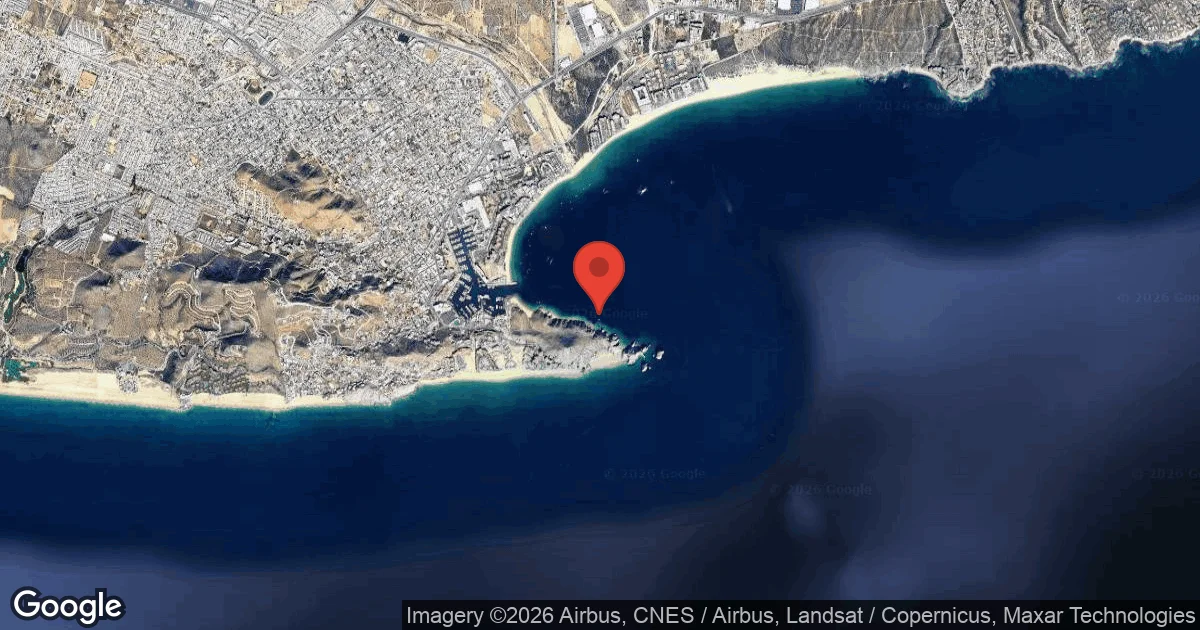
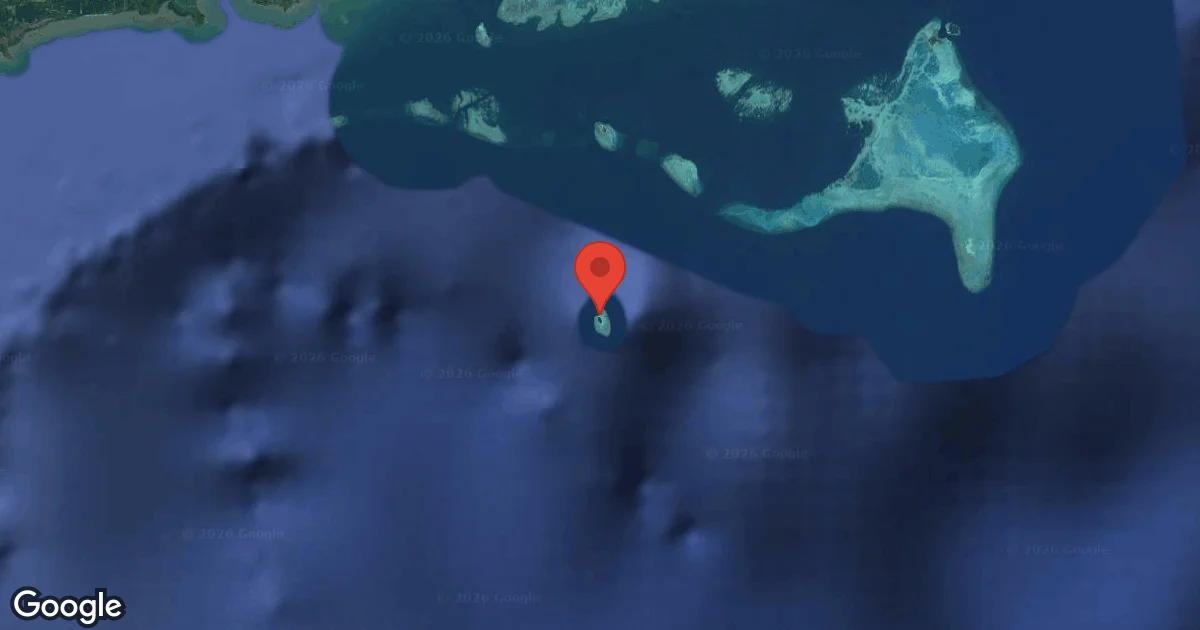
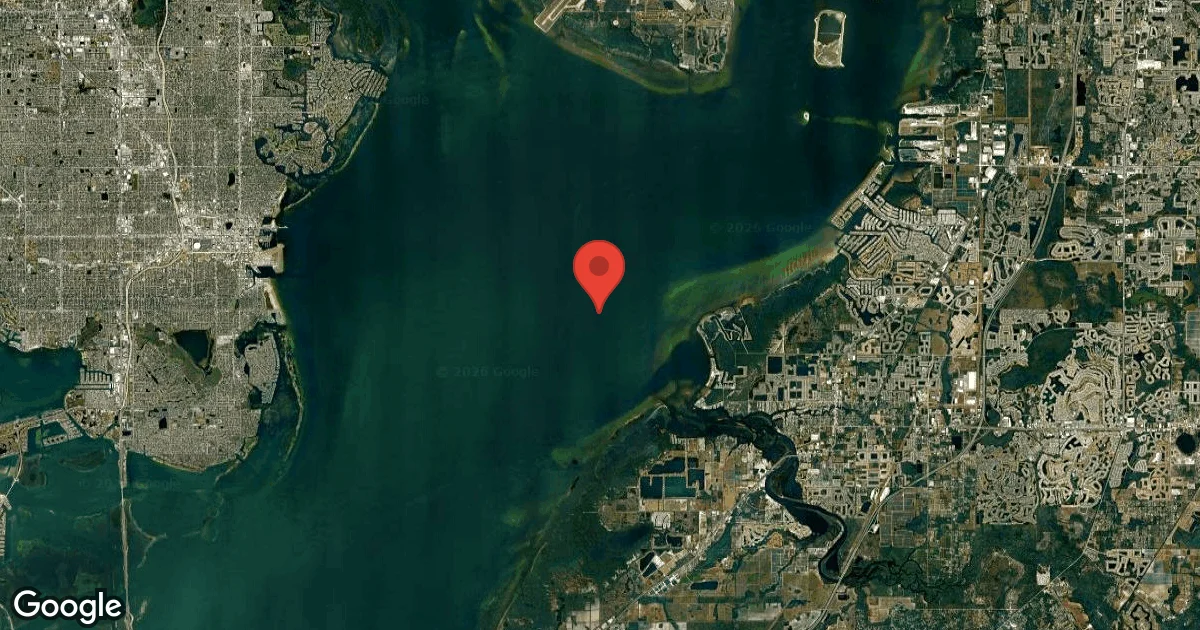
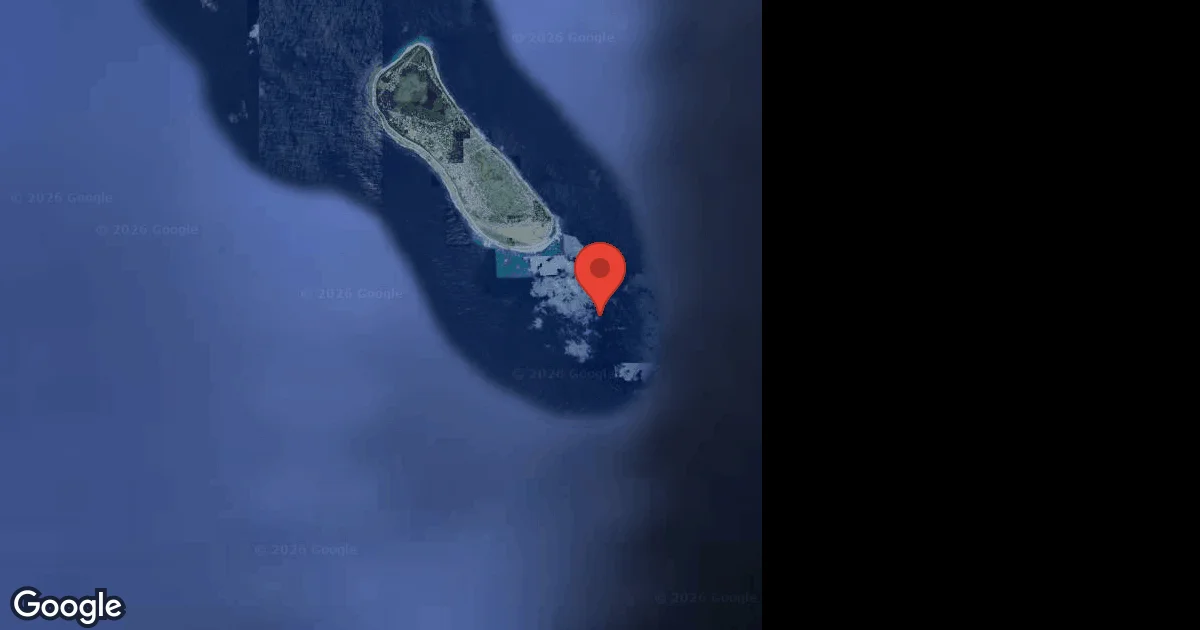
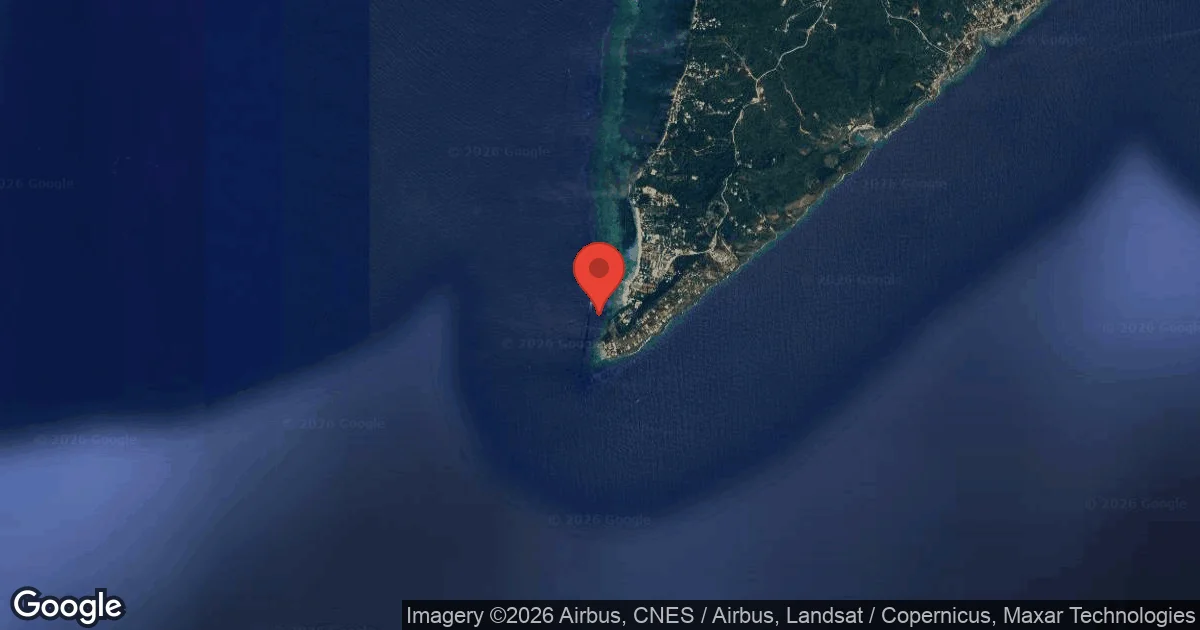
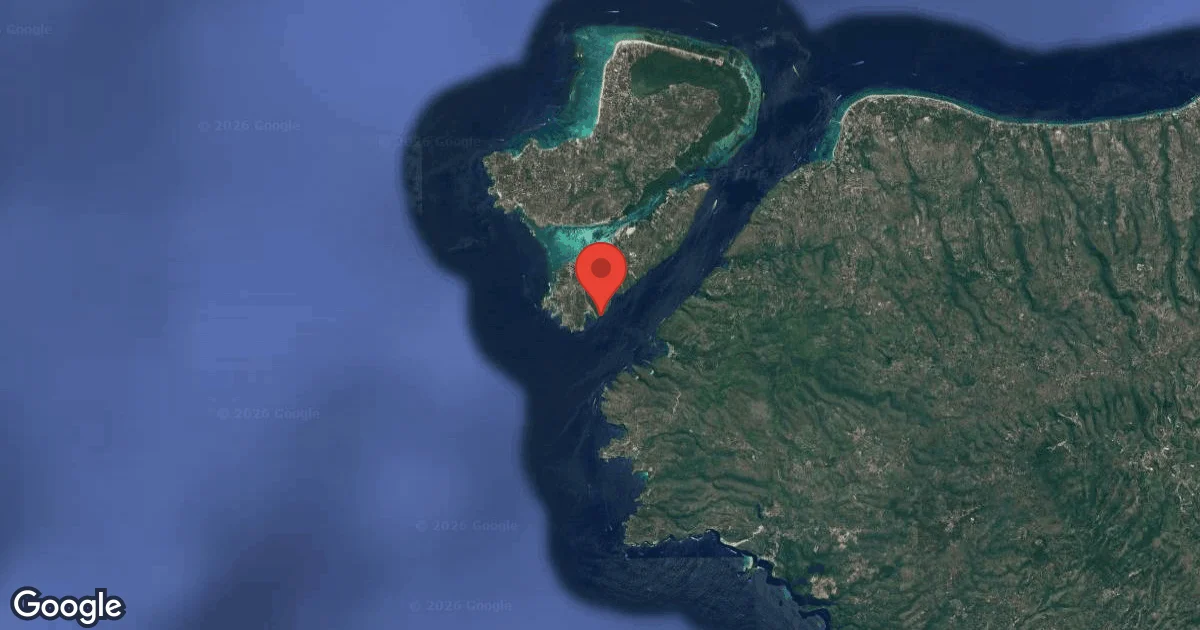
Discover 12 of 57 breathtaking locations where you can encounter this species.
Related Marine Life

Explore other incredible species you can encounter on your diving adventures.