
Diving at Barnacle Reef #15 (United States)
Barnacle Reef #15 sits within the expansive historical framework of the Southeast Florida Reef Tract. Its geological formation began shaping after the last glacial period, with rising sea levels submerging ancient beach ridge complexes. Over millennia, coral growth initiated on these lithified sand dunes, establishing linear reefs parallel to the shoreline. Barnacle Reef #15 is an integral part of this dynamic underwater landscape, influenced by its deep geological past.
As evening covers Barnacle Reef #15, the local air temperature is measured at 29.5°C. The current wave height at the surface is recorded at 0.9 m. These late-day readings characterize the surface conditions for the night.
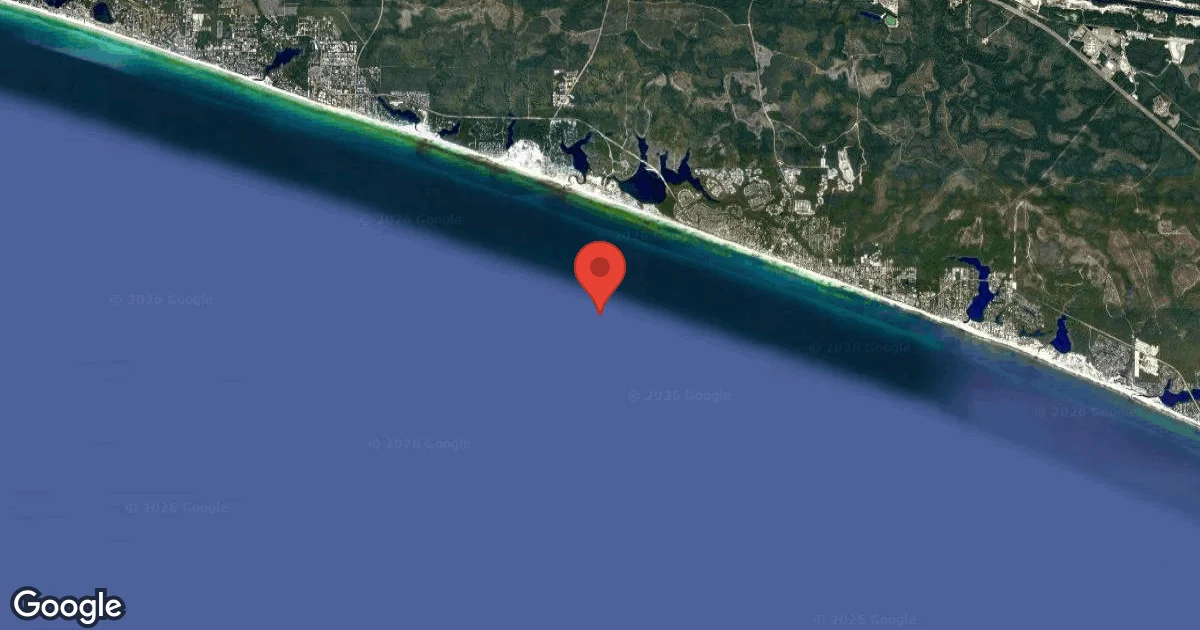
Dive Site Location & Key Facts
Dive Site Overview
Reefs similar to Barnacle Reef #15 showcase varied topography, characteristic of the Southeast Florida Reef Tract. Formations frequently include patch reefs with large coral mounds, sometimes reaching heights of up to 4.5 meters (15 feet), creating intricate labyrinth-like passages for divers.
These structures often feature overhangs and small caverns, adding to the exploratory appeal. Reefs in this area commonly present a network of nooks and crannies, offering many hiding spots for smaller marine life. A notable feature of the region's reefs is their linear orientation, running parallel to the shoreline, often separated by sand channels that can be navigated.
Gulf Stream current frequently flows nearshore, bathing these reefs in clear water and contributing to a dynamic dive experience. Divers commonly find themselves drift diving along these formations.
Dives often involve navigating depths ranging from 3 to 9 meters (10 to 30 feet), providing ample bottom time for thorough exploration of the diverse habitats found here.
Conditions are Excellent
07:00 - 14:00
Optimal conditions expected
Current conditions near Barnacle Reef #15 show 29° air, 30° sea temperature, 0.4 m waves, and 21 km/h wind. Forecast data is refreshed regularly to ensure accuracy.
Best Time to Dive
For optimal diving conditions at Barnacle Reef #15, focusing on visibility and calmer seas, the period from April to October generally yields the most favorable outcomes, consistently rated as 'Good' for diving. During these months, average air temperatures range from 21°C (70°F) in April to a peak of 29°C (84°F) in August. Wave heights are typically lower, especially from July through September, averaging 0.7-0.8 meters (2.3-2.6 feet), which usually translates to clearer underwater visibility. Wind speeds are also at their lowest during this summer period, further contributing to calm surface conditions. While September does show the highest average rainfall at 7.22 mm, other months within this window experience less precipitation, making it a reliable period for enjoyable dives.
PEAK SEASON SCORE
Scores combine air & water temps, waves, wind & rainfall for overall conditions.
BEST MONTHS TO DIVE
Monthly records compiled from satellite and marine observation nodes over the last 3 years. Data provided by Open-Meteo and MET Norway.
Dive Experience & Conditions
Diving Barnacle Reef #15 generally involves exploring relatively shallow depths, typically ranging from 3 to 9 meters (10 to 30 feet). Shallower sections allow for extended bottom times and excellent light penetration, illuminating vibrant reef structures. Prevailing currents in the Southeast Florida Reef Tract tend to run parallel to the shoreline; this creates ideal conditions for drift diving, allowing divers to cover significant reef area effortlessly. Visibility here often sees influence from the Gulf Stream's proximity, bringing warm, clear water into the area. Divers can expect a moderate to good experience, depending on the season, with calm conditions more frequent during summer and early fall.
Dive Difficulty & Safety Guidelines
While specific hazards for Barnacle Reef #15 are not consistently reported, divers should be mindful of general conditions found on similar reefs in the Southeast Florida tract. Currents running parallel to the shoreline are common, making drift diving a popular method; this necessitates careful dive planning and good surface support. Fishermen also utilize the area, so boat traffic can be present.
Maintaining proper buoyancy control is crucial to protect delicate coral formations. Standard dive safety practices, including carrying a dive computer and a dive flag, are recommended for all expeditions in this region.
Recommended Equipment
- Dive Computer
This gear list is based on verified equipment signals for Barnacle Reef #15, United States. Always confirm final gear choices with your dive operator, guide, or liveaboard.
Recommended Dive Suit
Divers visiting Barnacle Reef #15 today can expect water conditions around 30°C (86°F). Surface air temperatures are resting at 29°C (85°F).
For the majority of recreational dives here, dive skin or rash guard should provide suitable protection. A hood or vest is suggested for sensitive divers due to surface winds.
Surface temperatures may decrease slightly later in the week. Cooler days are ahead; you might want a warmer option for later in the week. Some divers prefer carrying a slightly thicker suit as a backup.
Due to technical issues with our weather providers, live updates are temporarily delayed. The data above reflects the conditions at the time of the last successful fetch.
Emergency & Medical Support
Essential information to help you plan your dive trip to Barnacle Reef #15.

Hyperbaric chambers are a critical part of dive safety infrastructure. Availability varies significantly by region, and not all dive areas have immediate access.
Before diving, it's recommended to:
- confirm nearest medical facilities
- check emergency procedures with local dive operators
- ensure dive insurance covers evacuation if required
Divers Alert Network
Diving emergency assistance available through DAN World.
+1-919-684-9111- 24/7 emergency hotline
- Diving medical assistance
- Evacuation coordination
Emergency contacts are provided for reference. Always verify local emergency services before diving.
Marine Life at Barnacle Reef #15
A diverse array of marine life finds support in the reef environment around Barnacle Reef #15, consistent with other shallow reefs in Southeast Florida. Divers exploring these areas may encounter impressive schooling fish, often seen in large numbers across the reef.
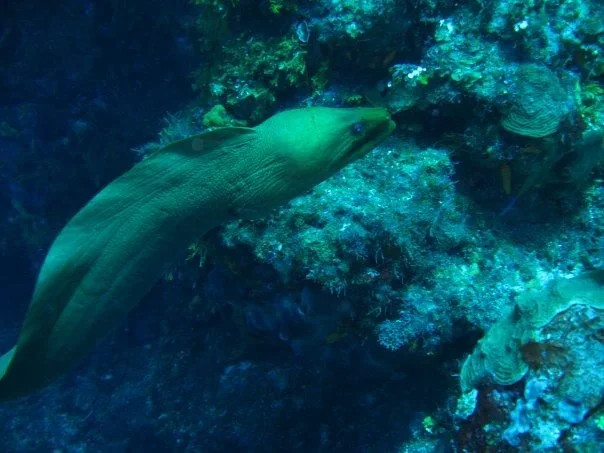
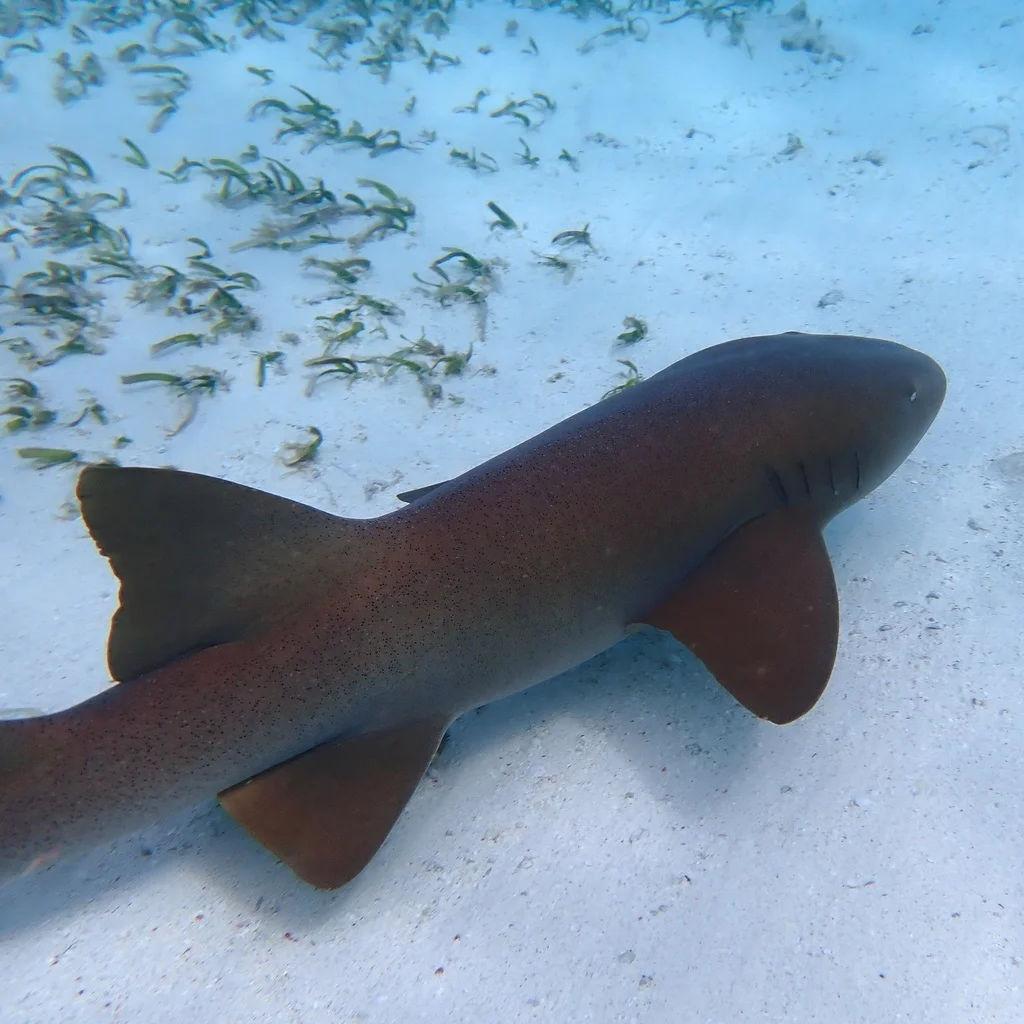
Nurse sharks and various eel species, including green morays and spotted morays, commonly inhabit numerous nooks and crannies. Turtles are also frequently sighted, gracefully navigating coral formations.
Hard corals like brain and star corals form significant mounds, while expansive fields of purple sea fans and other gorgonians provide a vibrant backdrop to the underwater scenery.

Dive Sites Near Barnacle Reef #15
View all dive sites in United StatesDiscover more underwater gems in this area.
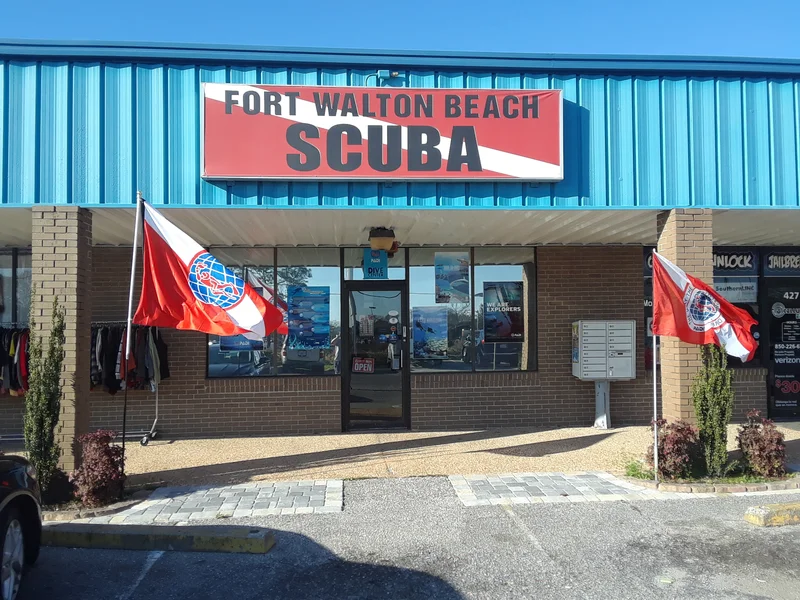
Dive Centers Near Barnacle Reef #15
Today: 09:00 - 16:00
Nearest Airports
Nearest airports to help plan travel to this dive area.
Search Flights
Check available flights and routes on Expedia, using the nearby airports listed in this section.
Search Flights on ExpediaFrequently Asked Questions
What is the typical depth range for diving at Barnacle Reef #15?
Divers typically explore Barnacle Reef #15 at depths ranging from 3 to 9 meters (10 to 30 feet). These shallow depths allow for extended bottom times, contributing to thorough exploration of the reef's features. Excellent light penetration at this range further enhances visibility of the vibrant structures.
What kind of reef structures can I expect to see at Barnacle Reef #15?
Topography commonly includes patch reefs featuring large coral mounds, which can reach heights of up to 4.5 meters (15 feet). These formations often create intricate, labyrinth-like passages throughout the reef. You'll also find a network of nooks and crannies that serve as hiding spots for smaller marine life.
How do currents affect diving at Barnacle Reef #15?
Currents in the Southeast Florida Reef Tract frequently run parallel to the shoreline, creating favorable conditions for drift diving. Proximity of the Gulf Stream often bathes the reefs in clear, warm water. Divers should plan for potential drift and ensure proper surface support.
When is the best time to dive Barnacle Reef #15 for optimal conditions?
The period from April to October generally offers the most favorable diving conditions for Barnacle Reef #15, particularly for visibility and calm seas. During these months, wave heights are typically lower and wind speeds are at their lowest. Such conditions contribute to clearer underwater views and a more comfortable experience.
What marine life can divers expect to encounter at Barnacle Reef #15?
The reef environment supports diverse marine life, including impressive schooling fish and various eel species like green and spotted morays. Nurse sharks are commonly observed, along with frequent sightings of turtles gracefully navigating the corals. Hard corals such as brain and star corals, alongside expansive fields of purple sea fans, form the vibrant backdrop.
What safety guidelines are recommended for diving at Barnacle Reef #15?
Divers should be mindful of boat traffic, as the area is also used by fishermen. Maintaining proper buoyancy control is vital to protect the delicate coral formations. Standard safety practices, including carrying a dive computer and a dive flag, are recommended for all expeditions in this region.
Planning to dive Barnacle Reef #15?
Send one inquiry and receive offers directly from the best verified local dive operators.
Conditions are Excellent
07:00 - 14:00
Optimal conditions expected
Current conditions near Barnacle Reef #15 show 29° air, 30° sea temperature, 0.4 m waves, and 21 km/h wind. Forecast data is refreshed regularly to ensure accuracy.