
Diving at Boynton Inlet Mitigation Site (United States)
The Boynton Inlet Mitigation Site, like much of the Boynton Beach area, is characterized by its accessible recreational depth profile. While specific depths for the mitigation site are not consistently reported, surrounding natural reefs and wrecks typically range from relatively shallow areas of around 4 m (15 ft) to deeper formations that can reach up to 20 m (67 ft). Divers can expect an environment primarily within the recreational limits, suitable for a broad range of certification levels.
Early observations for Boynton Inlet Mitigation Site report a surface air temperature of 24.5°C. The water surface is currently presenting wave heights of 0.8 m. Consider these environmental metrics before beginning your descent.
Dive Site Location & Key Facts
Dive Site Overview
Topographically, the marine environment surrounding Boynton Inlet presents a diverse array of reef structures and artificial habitats. This region features a notable reef system, often described as having three bands parallel to the inlet, with older reefs hosting established coral formations.
Sites such as Horseshoe Reef, named for its distinctive hooked shape, turn sharply to the west and rise significantly from the seabed, while Casino Reef offers a substantial width ranging from 15 to 30 m (50 to 100 ft) and rises about 1 meter (5 ft) from the sand. Lynn's Reef is acknowledged for its abundant marine life and varied topography, and Castle Ledge is easily followed due to its wide, prominent structure. These diverse underwater landscapes, including ledges with undercuts and vertical cracks, provide complex habitats that contribute to a rich diving experience within the Boynton Beach area.
Conditions are Excellent
07:00 - 14:00
Optimal conditions expected
Current conditions near Boynton Inlet Mitigation Site show 25° air, 30° sea temperature, 0.8 m waves, and 14 km/h wind. Forecast data is refreshed regularly to ensure accuracy.
Best Time to Dive
For those prioritizing clear conditions, visibility in the Boynton Beach region typically ranges between 12 to 18 meters (40 to 60 feet), with potential for higher clarity during winter months. The area supports year-round diving due to its generally warm waters, which average between 22°C and 26°C (72°F and 80°F) at the surface. Air temperatures are comfortable throughout the year, with averages from 19°C (January) to 28°C (August). While rain can be higher in late summer and early autumn, particularly in September with an average of 8.47 mm, the calmer seas from May through August, characterized by lower wave heights averaging 0.5 to 0.8 meters, often provide more favorable conditions. Dive scores generally indicate good conditions from May to September and November to December, with moderate ratings in March, April, and October.
PEAK SEASON SCORE
Scores combine air & water temps, waves, wind & rainfall for overall conditions.
BEST MONTHS TO DIVE
Monthly records compiled from satellite and marine observation nodes over the last 3 years. Data provided by Open-Meteo and MET Norway.
Dive Experience & Conditions
Currents are a defining aspect of diving here, often dictating a drift dive approach for many sites in the Boynton Beach area. Divers should anticipate conditions where medium to strong currents are possible, turning what would be a stationary dive into an easy drift experience. Locations like The Nursery and Beach House specifically highlight currents as a factor, with the latter noting that visibility can also vary depending on current strength. Rough surf can also be present, particularly near shore access points such as Garrett's Reef. While some sites benefit from light currents suitable for smooth drifting, the potential for stronger flows means divers should be prepared for dynamic conditions and adapt their dive plan accordingly.
Dive Difficulty & Safety Guidelines
Navigating the Boynton Inlet diving areas requires careful consideration of potential hazards, primarily variable currents and occasional rough surf. Divers are strongly advised to check with local Boynton Beach dive centers for up-to-date safety information, site-specific requirements, and current conditions before entering the water. Due to the prevalence of drift diving and potentially strong currents, it's recommended to dive with a professional or experienced local guide who understands the site's behavior.
Always ensure you are diving within your certified level of training to manage any changing conditions effectively. No specific hazards beyond natural environmental factors have been consistently reported for this area.
Recommended Equipment
- Dive Computer
This gear list is based on verified equipment signals for Boynton Inlet Mitigation Site, United States. Always confirm final gear choices with your dive operator, guide, or liveaboard.
Recommended Dive Suit
Dive skin or rash guard usually provides adequate warmth in water around this temperature. For divers entering the water at Boynton Inlet Mitigation Site, temperatures are currently hovering around 30°C (87°F). Surface air temperatures are resting at 25°C (76°F).
Environmental conditions are expected to remain consistent in the short-term outlook.
Conditions can vary slightly across different parts of the same dive site.
Emergency & Medical Support
Essential information to help you plan your dive trip to Boynton Inlet Mitigation Site.

Hyperbaric chambers are a critical part of dive safety infrastructure. Availability varies significantly by region, and not all dive areas have immediate access.
Before diving, it's recommended to:
- confirm nearest medical facilities
- check emergency procedures with local dive operators
- ensure dive insurance covers evacuation if required
Divers Alert Network
Diving emergency assistance available through DAN World.
+1-919-684-9111- 24/7 emergency hotline
- Diving medical assistance
- Evacuation coordination
Emergency contacts are provided for reference. Always verify local emergency services before diving.
Marine Life at Boynton Inlet Mitigation Site
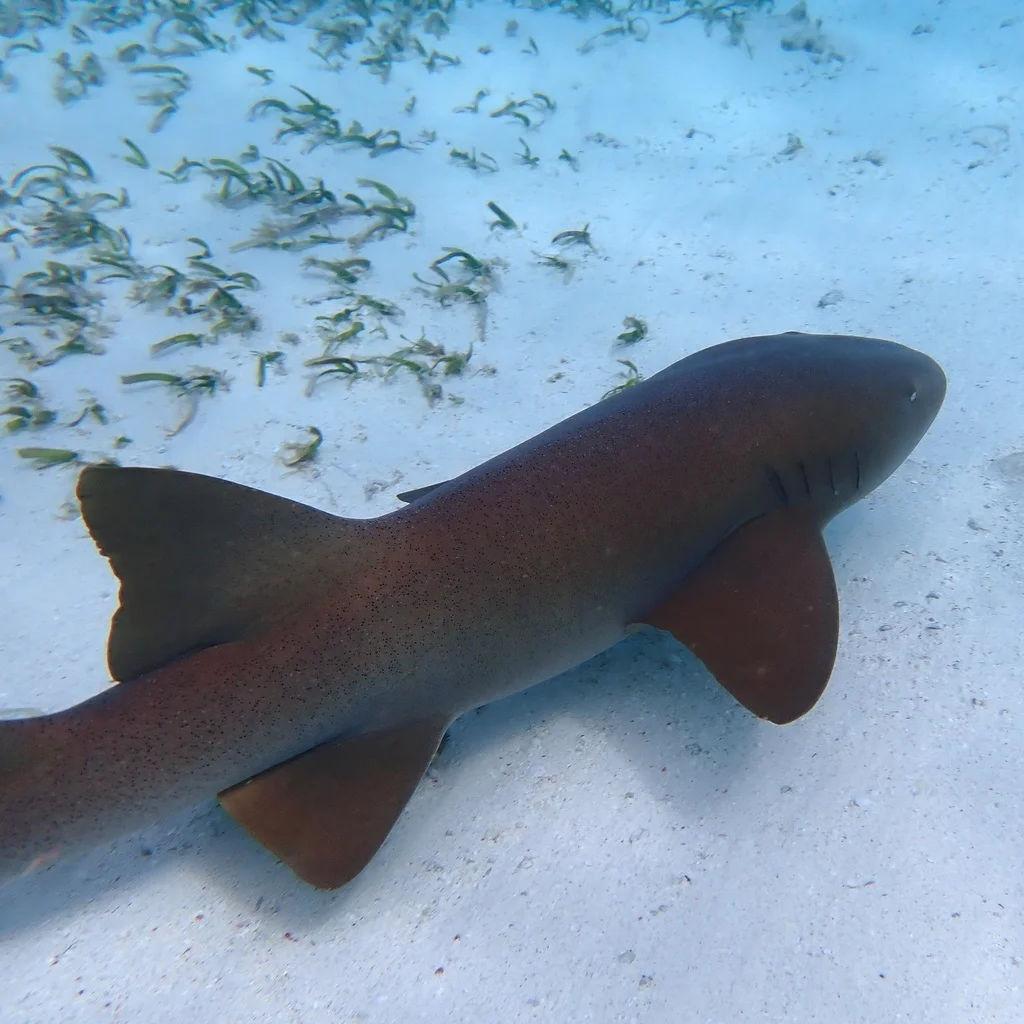
Diving the Boynton Inlet Mitigation Site and nearby areas frequently brings immediate encounters with a variety of reef dwellers. The region is well-known for housing nurse sharks, as exemplified by a site named The Nursery.
You'll often notice large schools of grunts and yellowtails congregating around natural reefs, particularly at sites like Horseshoe. Beyond these, the structured environments, including soft corals growing on wrecks, support diverse populations of fish such as damsel fish and provide shelter for spiny lobsters.
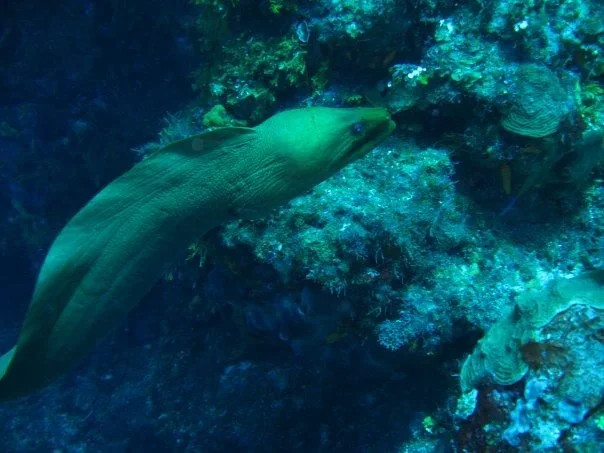
Castle Ledge also serves as a habitat for a wide array of marine life, including various species of turtles, additional sharks, and moray eels, making for consistent wildlife observations.

Dive Sites Near Boynton Inlet Mitigation Site
View all dive sites in United StatesDiscover more underwater gems in this area.
Dive Centers Near Boynton Inlet Mitigation Site
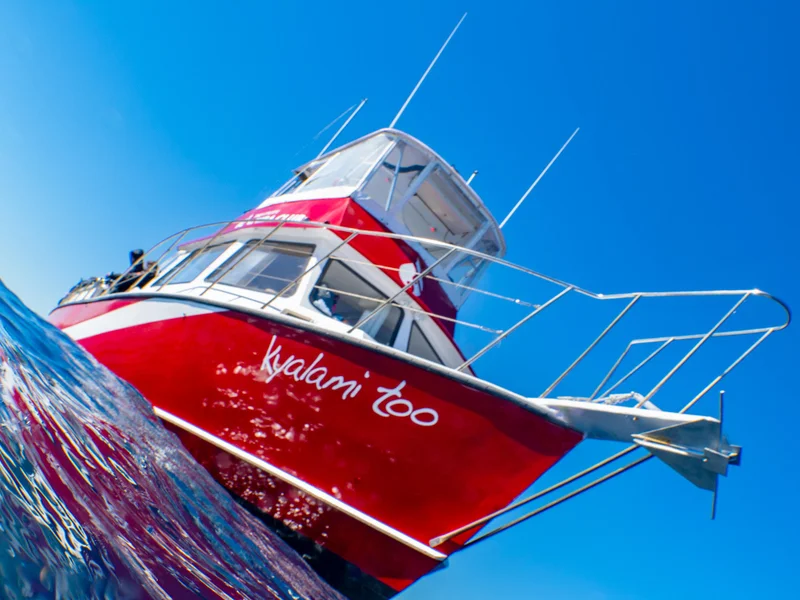
Today: 08:00 - 18:00
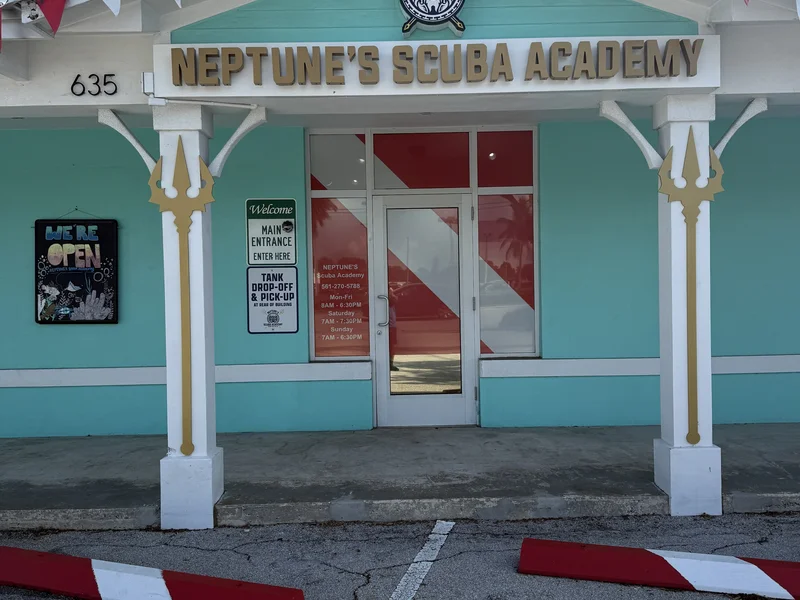
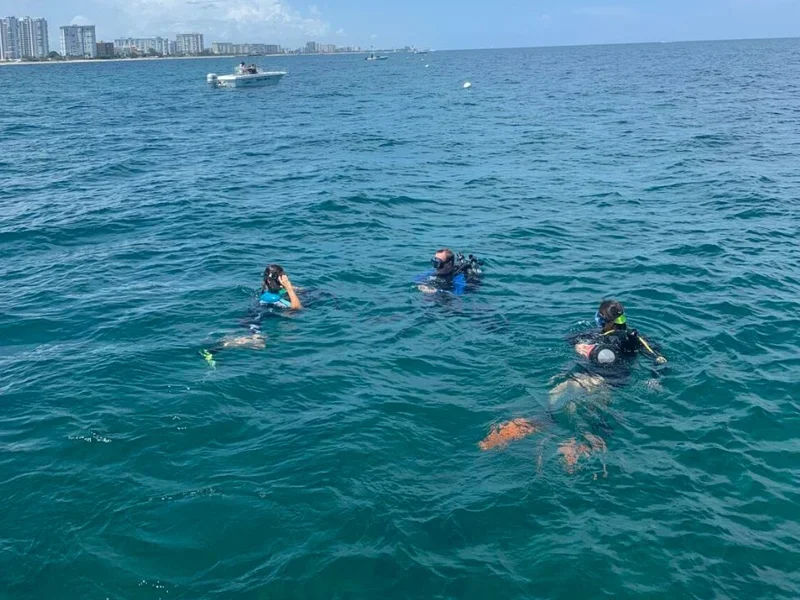
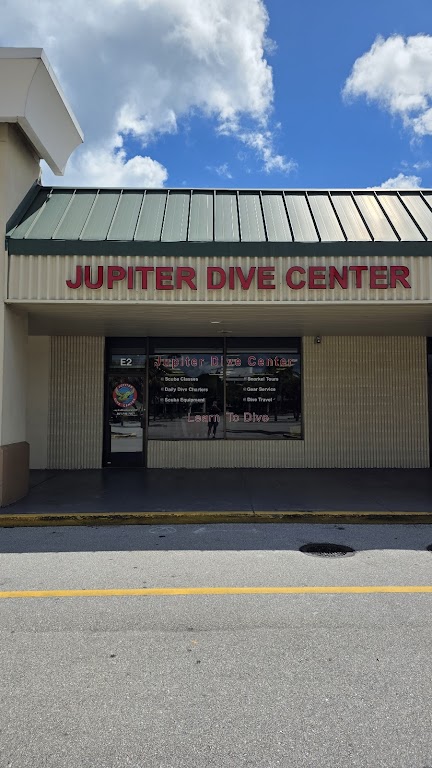
Nearest Airports
Nearest airports to help plan travel to this dive area.
Search Flights
Check available flights and routes on Expedia, using the nearby airports listed in this section.
Search Flights on Expedia
Plan Your Stay
Looking for a place to stay for your dive trip? Explore hotels, stays, and vacation rentals for dive groups near Ocean Ridge.
Dive Navigator may earn a commission from these links at no extra cost to you.
Frequently Asked Questions
What are the typical dive depths at Boynton Inlet?
Dive depths in the Boynton Beach area, including sites around the inlet, generally fall within recreational limits. Depths often range from relatively shallow areas of around 4 m (15 ft) to deeper formations that can reach up to 20 m (67 ft). These profiles are suitable for a broad range of certification levels.
What marine life can divers expect to see?
Divers frequently encounter nurse sharks, large schools of grunts, and yellowtails. The structured environments, including soft corals on wrecks, support diverse populations of fish like damselfish and provide shelter for spiny lobsters. Castle Ledge, in particular, hosts various species of turtles, additional sharks, and moray eels.
Are strong currents common in this area?
Currents are a defining aspect of diving here, often making drift diving the preferred approach. Divers should anticipate conditions where medium to strong currents are possible. These can turn a stationary dive into an easy drift experience, though some sites benefit from lighter currents.
When is the best time to dive Boynton Beach?
The area supports year-round diving due to its generally warm waters. While rain can be higher in late summer and early autumn, calmer seas from May through August often provide more favorable conditions. Dive scores generally indicate good conditions from May to September and November to December.
What is the typical water temperature and visibility?
Water temperatures average between 22°C and 26°C (72°F and 80°F) at the surface, allowing for comfortable year-round diving. Visibility typically ranges between 12 to 18 meters (40 to 60 feet). Higher clarity is possible during the winter months.
What safety guidelines should I follow for diving near Boynton Inlet?
It's strongly advised to check with local Boynton Beach dive centers for up-to-date safety information and current conditions. Due to the prevalence of drift diving and potentially strong currents, diving with a professional or experienced local guide is recommended. Always dive within your certified training level.
Planning to dive Boynton Inlet Mitigation Site?
Send one inquiry and receive offers directly from the best verified local dive operators.
Conditions are Excellent
07:00 - 14:00
Optimal conditions expected
Current conditions near Boynton Inlet Mitigation Site show 25° air, 30° sea temperature, 0.8 m waves, and 14 km/h wind. Forecast data is refreshed regularly to ensure accuracy.