
Diving at Breakers Reef (United States)
Breakers Reef earns its name from the historic Breakers Hotel in West Palm Beach, providing a recognizable point of reference for divers. This site has become a consistently popular drift dive destination in Palm Beach County, known for its vibrant reef ecosystems. Its structure and location make it a favored spot for various skill levels looking for diverse underwater encounters.
Tonight's objective overview for Breakers Reef shows an air temperature of 29.5°C. The measured surface conditions include wave heights around 1.5 m. This environmental data is logged for the close of the day.
Dive Site Location & Key Facts
Dive Site Overview
A significant north-to-south trending reef system parallels the coastline of West Palm Beach at Breakers Reef. This extensive formation consistently draws divers with its vibrant ecosystems and predictable drift opportunities.
Reef profile typically holds depths between 15-20 m / 50-65 ft, though its most engaging features often appear shallower. A prominent 2-3 m / 5-10 ft high ledge defines the western flank of the reef, creating a pronounced wall effect. This specific ledge acts as a natural magnet for marine activity, fostering a high concentration of reef fish and invertebrates, becoming the primary focus for many recreational divers.
Eastward, the reef gradually slopes into deeper sand flats, a transition often favored by those pursuing spearfishing or lobster hunting. That change in topography offers a different experience, moving from the concentrated life of the ledge to more expansive, open areas.
It's primarily experienced as a boat-accessed drift dive, leveraging consistent offshore currents that carry divers effortlessly along its length. These currents typically flow from north to south, facilitating a relaxed journey.
Divers often complete a substantial distance on a single tank. The site's diverse topography, marked by its continuous ledges, crevices, and varying depths, creates a dynamic habitat supporting a rich spectrum of marine life.
Its structure dictates the flow of the dive, offering an immersive journey through its living landscape.
Conditions are Good
Optimal conditions expected
Current conditions near Breakers Reef show 30° air, 31° sea temperature, 0.8 m waves, and 17 km/h wind. Forecast data is refreshed regularly to ensure accuracy.
Best Time to Dive
Optimizing your dive experience at Breakers Reef often involves aligning with the calmer conditions typically found during the late spring and summer months. Data indicates that May through August generally offer superior dive scores, characterized by reduced wave heights, averaging between 0.5 to 0.8 meters, and lighter winds, often below 19 km/h. While summer months show increased rainfall, these are frequently brief tropical showers that don't severely impact underwater visibility or surface conditions for extended periods. Conversely, the cooler months from October through March tend to present more moderate conditions for diving, with higher average wave heights peaking around 1.6 meters in October and December. Air temperatures remain comfortable year-round, ranging from 19-28°C / 67-83°F across the seasons, yet the lessened surface chop in summer can make boat rides and entries significantly more enjoyable.
PEAK SEASON SCORE
Scores combine air & water temps, waves, wind & rainfall for overall conditions.
BEST MONTHS TO DIVE
Monthly records compiled from satellite and marine observation nodes over the last 3 years. Data provided by Open-Meteo and MET Norway.
Dive Experience & Conditions
Currents are a defining feature of diving here; they typically facilitate a smooth, extended drift along the reef line. This natural flow allows divers to cover significant ground with minimal effort, making for a relaxed yet dynamic experience. Visibility at Breakers Reef is often excellent, with ample natural light penetrating the relatively shallow depths. The vibrant reef colors are frequently illuminated, enhancing photographic opportunities for all skill levels. Water temperatures are not consistently reported but generally vary with the season, remaining comfortable for diving without heavy thermal protection during much of the year. Conditions can change, however, with stronger currents possible depending on tidal movements and offshore weather patterns.
Dive Difficulty & Safety Guidelines
While diving at Breakers Reef, essential safety practices for drift diving are paramount to a secure experience. Divers should always carry a surface marker buoy (SMB) and know how to deploy it, as currents dictate the pace and direction. A dive flag is mandatory on the surface, indicating diver presence to boat traffic.
Given the nature of drift diving, staying with your group and maintaining regular depth checks is vital. The site welcomes open water certified divers, but familiarity with drift diving techniques is beneficial. Always confirm current conditions with your dive operator before entering the water.
Recommended Equipment
Current and surface separation risk. Local briefing strongly recommended.
- Dive Computer
- DSMB
- Reel / Spool
This gear list is based on verified equipment signals for Breakers Reef, United States. Always confirm final gear choices with your dive operator, guide, or liveaboard.
Recommended Dive Suit
Dive skin or rash guard is widely used for recreational dives in waters of this temperature. A hood or vest is suggested for sensitive divers due to surface winds. Water conditions at Breakers Reef are currently measured at approximately 31°C (87°F). Surface air temperatures are resting at 30°C (85°F).
The coming days appear slightly cooler according to the latest forecast. A significant temperature drop is forecast; strongly suggest bringing a backup warmer suit option. Some divers bring an extra layer for surface intervals between dives.
Water temperatures can occasionally shift throughout the day depending on currents and depth layers.
Due to technical issues with our weather providers, live updates are temporarily delayed. The data above reflects the conditions at the time of the last successful fetch.
Emergency & Medical Support
Essential information to help you plan your dive trip to Breakers Reef.

Hyperbaric chambers are a critical part of dive safety infrastructure. Availability varies significantly by region, and not all dive areas have immediate access.
Before diving, it's recommended to:
- confirm nearest medical facilities
- check emergency procedures with local dive operators
- ensure dive insurance covers evacuation if required
Divers Alert Network
Diving emergency assistance available through DAN World.
+1-919-684-9111- 24/7 emergency hotline
- Diving medical assistance
- Evacuation coordination
Emergency contacts are provided for reference. Always verify local emergency services before diving.
Marine Life at Breakers Reef
The vibrant reef structure at Breakers Reef acts as a thriving habitat for a diverse array of marine life. Divers frequently encounter a wide assortment of reef fish darting among the corals and along the ledges.
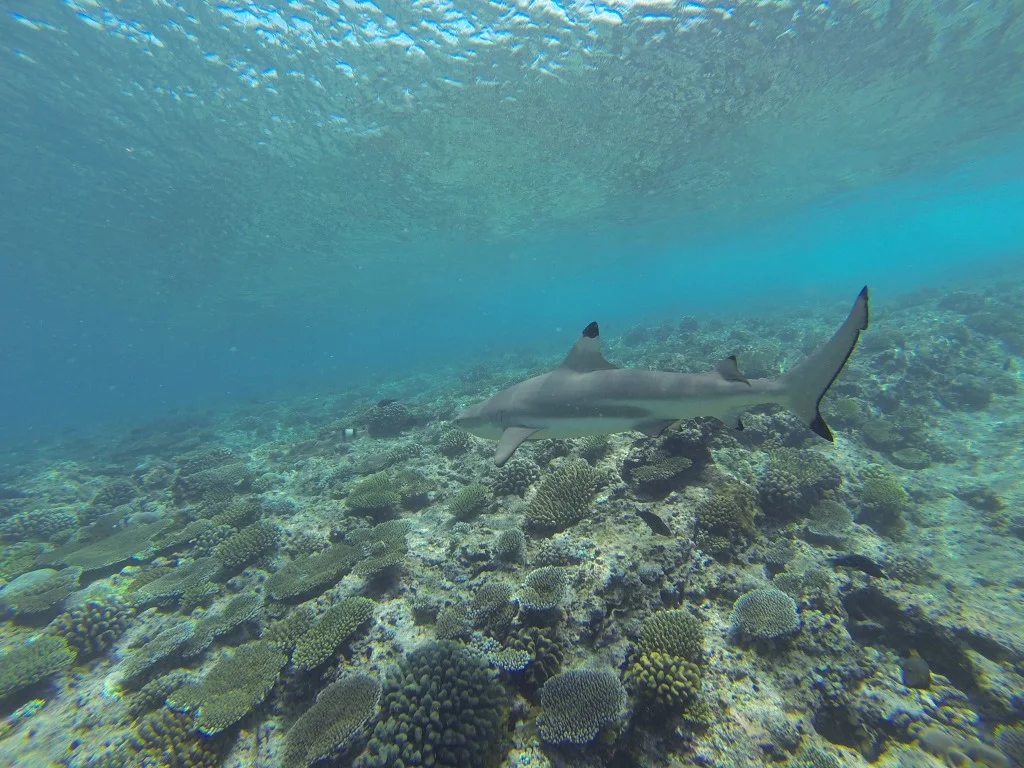
Sea turtles, including Loggerhead, Green, and Hawksbill species, are common sightings, especially during the spring and summer months. Encounters with larger species such as lemon sharks or various types of eels are also possible, particularly near the reef's more pronounced features.
The structure supports a healthy ecosystem, making each drift dive an opportunity to observe different creatures.


Dive Sites Near Breakers Reef
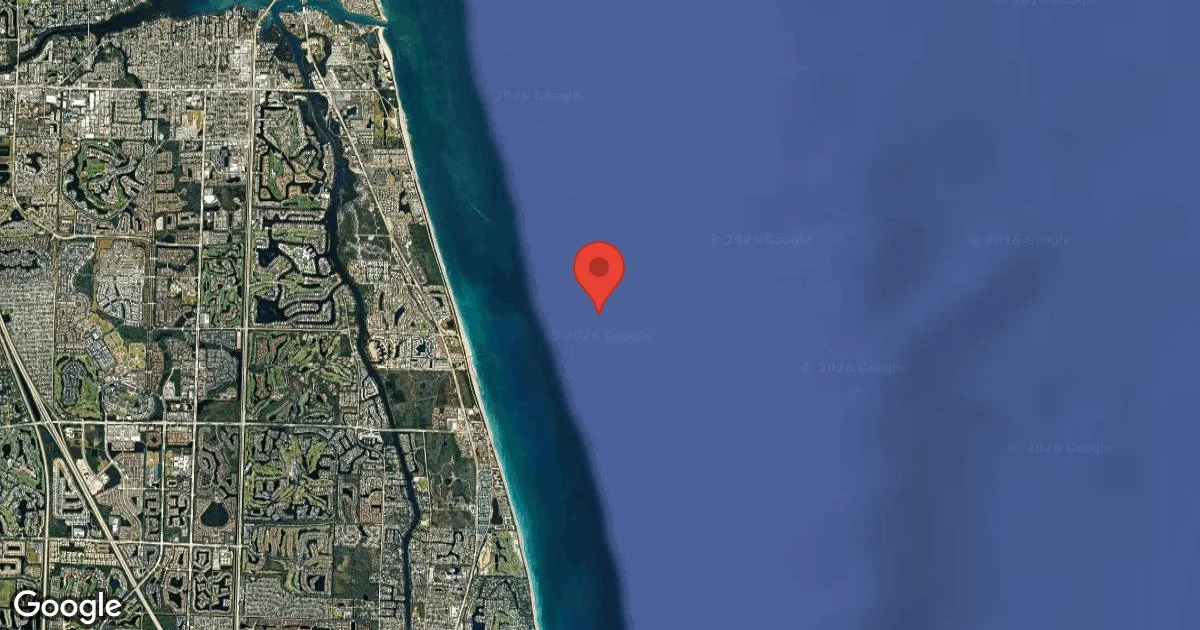
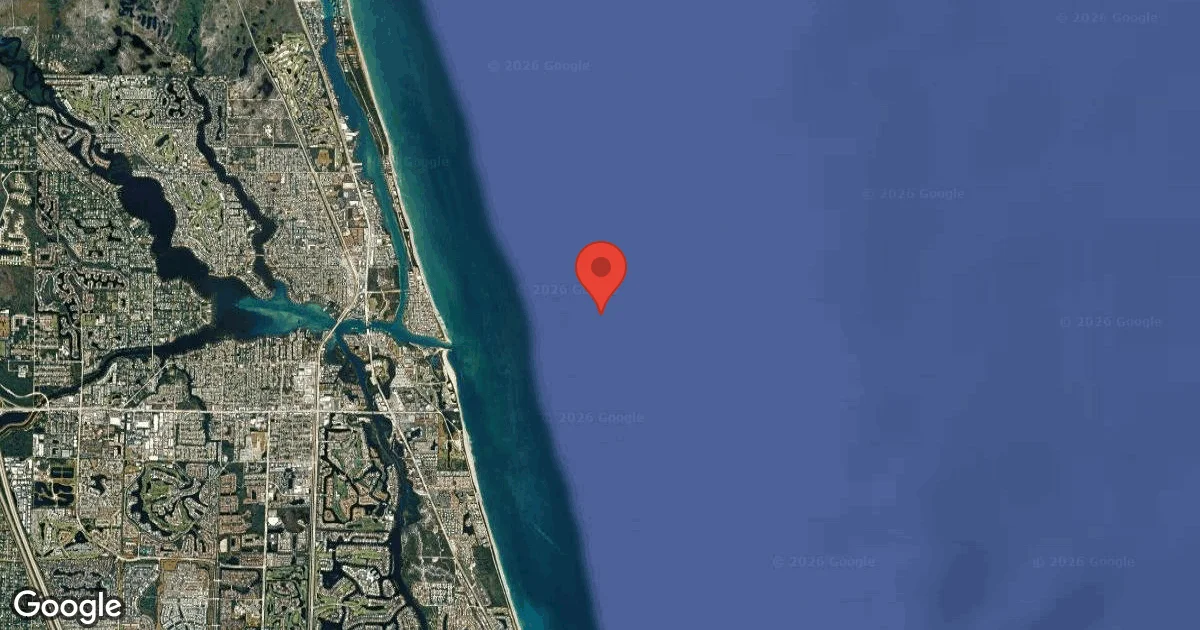
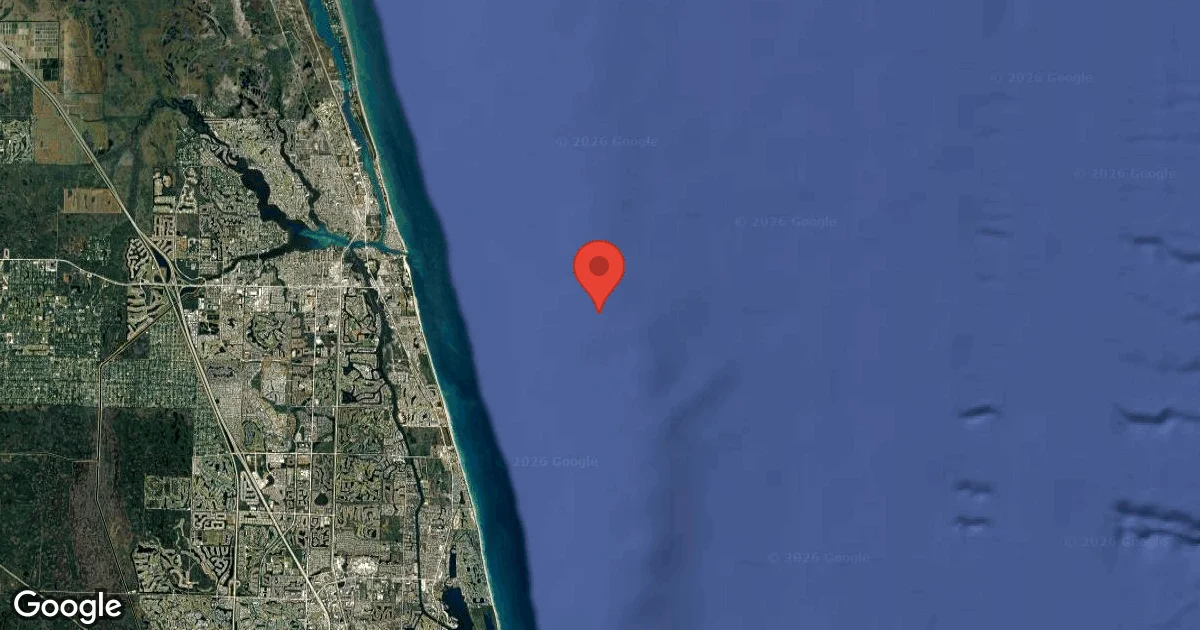
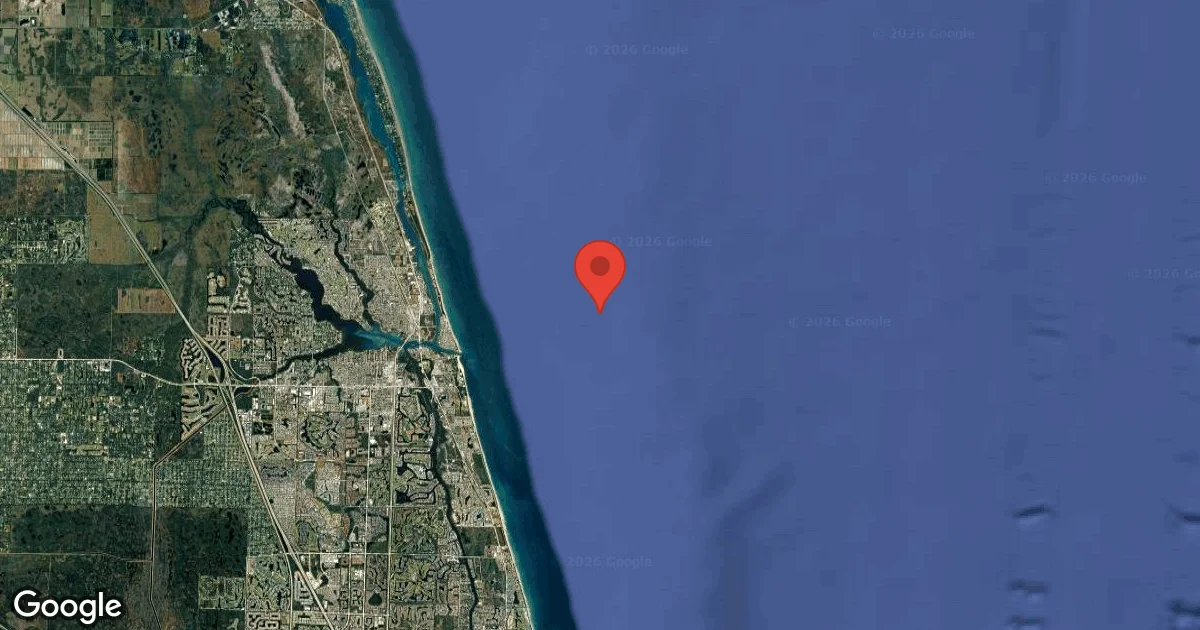
View all dive sites in United StatesDiscover more underwater gems in this area.
Dive Centers Near Breakers Reef
Today: 08:00 - 18:00
Nearest Airports
Nearest airports to help plan travel to this dive area.
Search Flights
Check available flights and routes on Expedia, using the nearby airports listed in this section.
Search Flights on Expedia
Plan Your Stay
Looking for a place to stay for your dive trip? Explore hotels, stays, and vacation rentals for dive groups near West Palm Beach.
Dive Navigator may earn a commission from these links at no extra cost to you.
Frequently Asked Questions
What is the typical depth range for diving at Breakers Reef?
Breakers Reef generally has depths ranging from 15 to 20 meters (50-65 feet). The shallower ledge on the west side sits around 5-10 feet in height, while the eastern side extends into deeper water.
What skill level is required to dive Breakers Reef?
Breakers Reef is accessible to a wide range of divers, from Open Water certified individuals to Advanced divers. Its reputation as a great drift dive makes it suitable for those comfortable with this style of diving.
What marine life can I expect to see at Breakers Reef?
Divers often encounter a variety of reef fish, sea turtles (Loggerhead, Green, Hawksbill), and sometimes lemon sharks or eels. The reef's structure provides ample habitat for these species.
Is Breakers Reef a drift dive?
Yes, Breakers Reef is primarily known as a boat-accessed drift dive. The natural currents along the reef line typically allow for a relaxed and extended underwater journey.
What are the best months for diving Breakers Reef?
Late spring and summer, particularly May through August, often provide the most favorable diving conditions due to lower wave heights and lighter winds. While rain increases, it typically consists of brief showers.
Why is it called Breakers Reef?
The reef is named after the well-known Breakers Hotel. Dive boats sometimes use the hotel's 'Fourth Window' on its north section as a navigational reference point for dropping divers.
Planning to dive Breakers Reef?
Send one inquiry and receive offers directly from the best verified local dive operators.
Conditions are Good
Optimal conditions expected
Current conditions near Breakers Reef show 30° air, 31° sea temperature, 0.8 m waves, and 17 km/h wind. Forecast data is refreshed regularly to ensure accuracy.