
Diving at Carbody-Mbara (United States)
Descending into Carbody-MBARA, divers encounter a submerged world shaped by deliberate design. The water often carries a soft, emerald hue, characteristic of productive Gulf waters, inviting exploration into its artificial structures. It feels like entering a series of underwater architectural elements, where each reef ball and scattered component provides a focal point. You're enveloped by the quiet hum of the sea, punctuated by the occasional dart of a fish.
Evening condition tracking at Carbody-Mbara features an air temperature of 29.5°C. We have recorded wave heights measuring 0.3 m during this period. These figures outline the environmental parameters currently present.
Dive Site Location & Key Facts
Dive Site Overview
Carbody-MBARA functions as an extensive artificial reef complex, managed by the Mexico Beach Artificial Reef Association (MBARA). Development began in the late 1990s, incorporating various concrete reef balls and diverse modules strategically placed to foster marine habitats.
Historical documents confirm significant deployments; for example, 98 reef balls were placed through a City of Mexico Beach grant in 2001, clearly illustrating the site's ongoing expansion and community commitment. Numerous individual reefs, including Mike Neal Memorial Reef #1 and the City of Mexico Beach 2000 grant reef, contribute to the broader Carbody-MBARA complex, creating a mosaic of underwater structures.
Structures are scattered across designated areas, sometimes forming dense clusters over a 46 m x 46 m (150 ft x 150 ft) footprint, actively transforming the barren sandy seafloor into a vibrant ecosystem. These deployments have largely been a community-led effort, with many individual reefs funded and overseen directly by MBARA members.
Artificial structures like these serve as crucial recruitment sites and provide immediate shelter for diverse Gulf species, directly supporting regional marine biodiversity and recreational diving opportunities. This constructed habitat effectively demonstrates how thoughtful human intervention, when strategically planned, can significantly enhance underwater environments.
Conditions are Excellent
07:00 - 14:00
Optimal conditions expected
Current conditions near Carbody-Mbara show 29° air, 30° sea temperature, 0.3 m waves, and 22 km/h wind. Forecast data is refreshed regularly to ensure accuracy.
Best Time to Dive
Planning a dive to Carbody-MBARA offers the most rewarding experience from late spring through early fall, aligning with generally favorable weather patterns. Air temperatures during these months are comfortably warm, typically ranging from 24-28°C (75-82°F), making surface intervals enjoyable. August often presents the highest average air temperature at around 28°C (82°F). Rainfall tends to be higher in late summer and early fall, with September averaging around 6.29 mm, which might occasionally affect visibility. Conversely, October brings reduced rainfall, averaging just 1.33 mm, along with pleasant air temperatures around 21.5°C (71°F), often providing excellent conditions. Dive scores consistently rate as 'Good' (8 out of 10) throughout the year, with January scoring slightly lower at 7. These months also frequently report calmer sea states, with wave heights generally lower than 0.8 meters (2.6 feet) from May to October, creating more comfortable boat rides and entry/exit conditions.
PEAK SEASON SCORE
Scores combine air & water temps, waves, wind & rainfall for overall conditions.
BEST MONTHS TO DIVE
Monthly records compiled from satellite and marine observation nodes over the last 3 years. Data provided by Open-Meteo and MET Norway.
Dive Experience & Conditions
Diving the Carbody-MBARA artificial reefs generally presents a straightforward experience, suitable for various certification levels. Max depth at these sites varies, with reports ranging from 6 m (20 ft) to 18 m (60 ft) for specific reef ball deployments, keeping them well within recreational dive limits. Visibility varies depending on conditions, influenced by local currents and recent weather, but often allows for good viewing of the reef structures. Water temperatures are not consistently reported in the climate data, but conditions in the Gulf of Mexico can range significantly with the seasons. It's advisable to check current conditions closer to your dive date. The concrete reef balls themselves create diverse topography, providing numerous nooks and crannies to explore. While currents are usually manageable, understanding local tidal patterns can optimize the dive experience, particularly around these structures.
Dive Difficulty & Safety Guidelines
When exploring Carbody-MBARA, always plan your dive with a focus on conservative limits given the variable conditions often encountered in artificial reef environments. Many of these sites are identified as individual reef deployments, making careful navigation important if you intend to visit specific structures. Divers should carry appropriate signaling devices, as boat traffic can occur above popular artificial reef zones.
Maintain adequate buoyancy control to avoid contact with the reef structures and minimize disturbance to marine life. Given the possibility of localized currents, staying aware of your dive team and surroundings is crucial.
Regular checks of your air supply are always paramount, especially when navigating around the various modules of the artificial reef. Always dive within your training and experience, and if conditions are questionable, consider alternative plans.
Recommended Equipment
- Dive Computer
This gear list is based on verified equipment signals for Carbody-Mbara, United States. Always confirm final gear choices with your dive operator, guide, or liveaboard.
Recommended Dive Suit
Forecasts suggest a slight cooling pattern in the days ahead. Cooler days are ahead; you might want a warmer option for later in the week. Divers planning multiple dives may appreciate having a warmer option available.
Two divers in the same water temperature may experience very different comfort levels. Divers planning trips later in the week may want to consider bringing a slightly warmer suit.
Many divers find that dive skin or rash guard offers the right level of insulation for conditions like these. The latest environmental readings for Carbody-Mbara suggest water temperatures around 30°C (86°F). Surface air temperatures are resting at 29°C (85°F).
Emergency & Medical Support
Essential information to help you plan your dive trip to Carbody-MBARA.

Hyperbaric chambers are a critical part of dive safety infrastructure. Availability varies significantly by region, and not all dive areas have immediate access.
Before diving, it's recommended to:
- confirm nearest medical facilities
- check emergency procedures with local dive operators
- ensure dive insurance covers evacuation if required
Divers Alert Network
Diving emergency assistance available through DAN World.
+1-919-684-9111- 24/7 emergency hotline
- Diving medical assistance
- Evacuation coordination
Emergency contacts are provided for reference. Always verify local emergency services before diving.
Marine Life at Carbody-Mbara
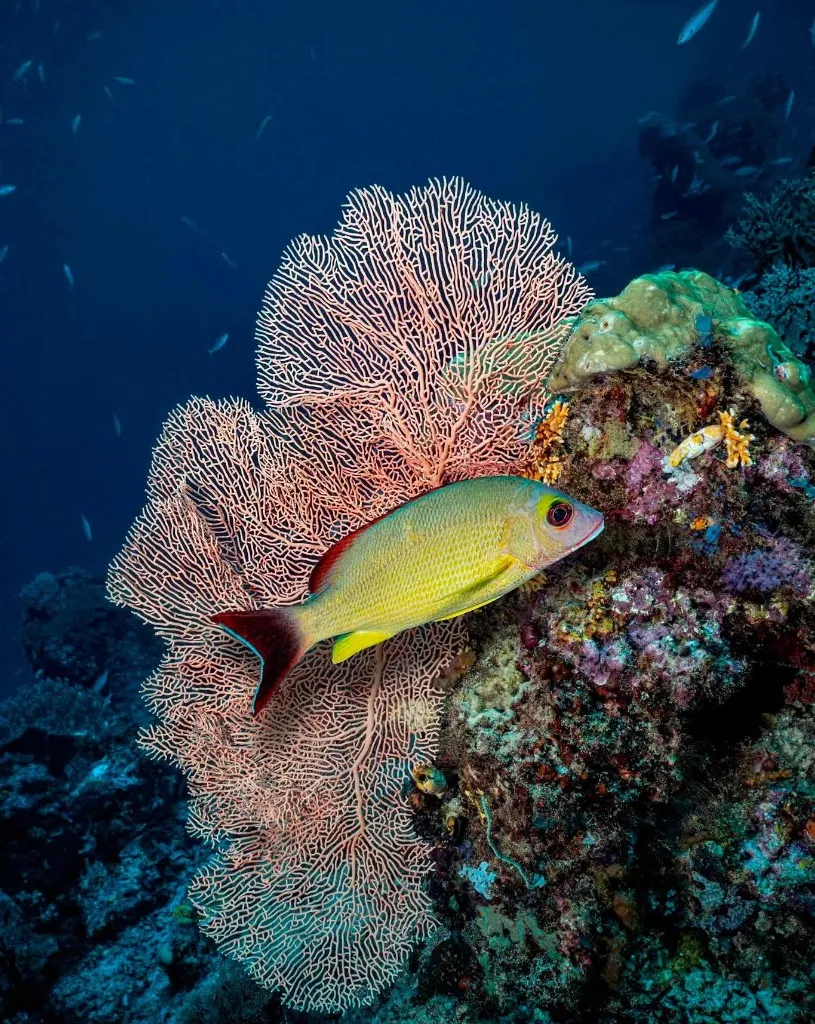
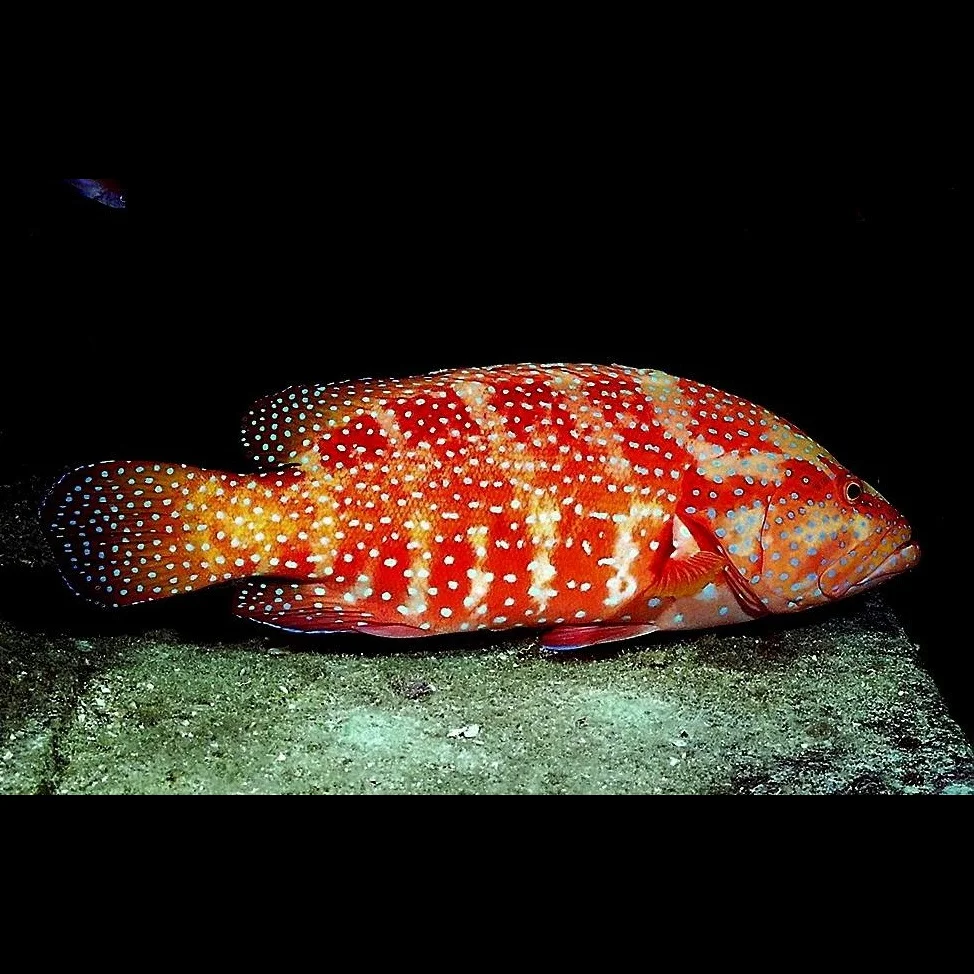
The artificial reef landscape here acts as a magnet for a range of marine species, providing shelter and feeding grounds. You might observe various fish such as grouper and snapper, often congregating around the reef balls.
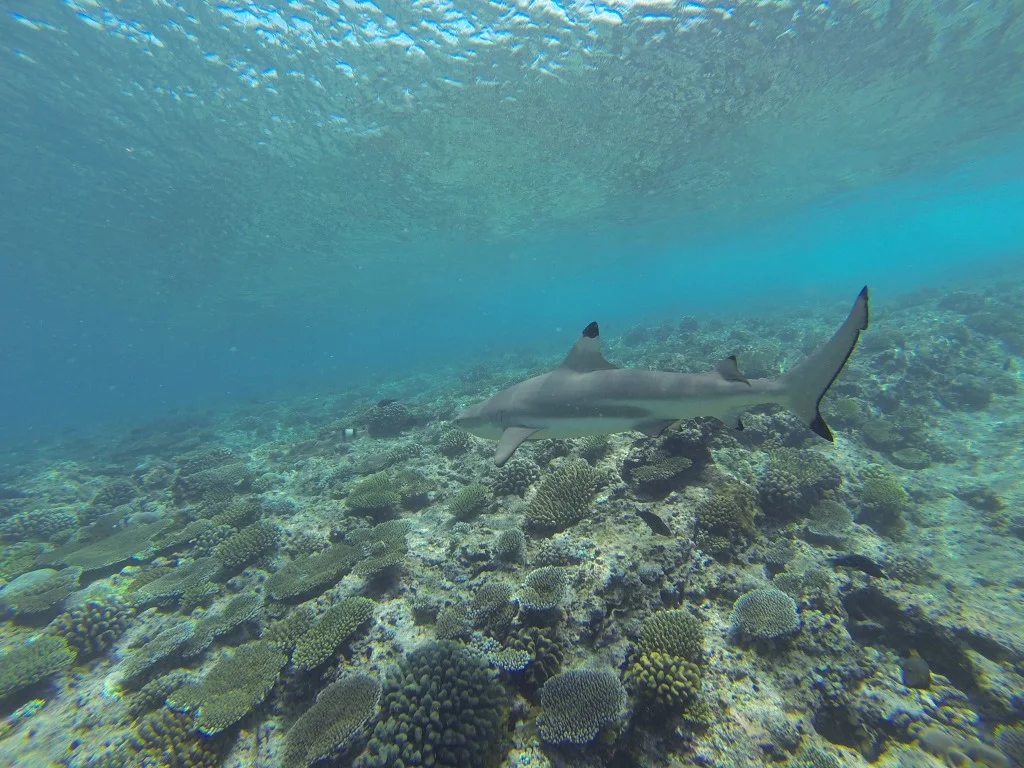
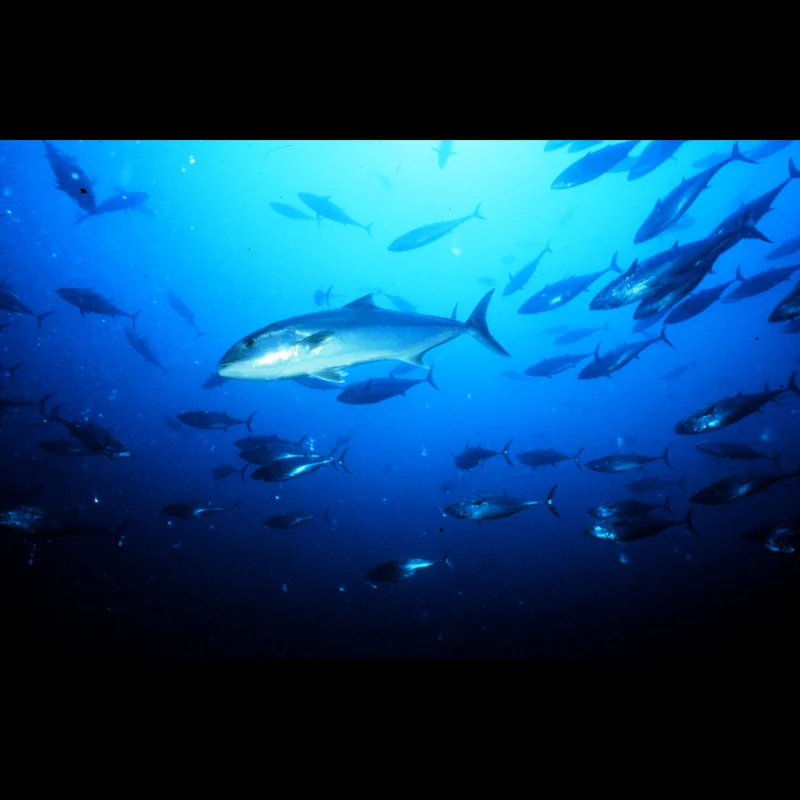
Smaller reef fish find refuge within the crevices of the concrete modules. Occasional sightings of species like amberjack, cobia, or even smaller sharks like makos have been noted around these structures.
The surfaces of the reef balls begin to colonize with algae and invertebrates, forming the base of a diverse food web. Keep an eye out for a jewfish, as one was filmed inside a reef ball here.

Dive Centers Near Carbody-Mbara
Today: 09:00 - 16:00
Nearest Airports
Nearest airports to help plan travel to this dive area.
Search Flights
Check available flights and routes on Expedia, using the nearby airports listed in this section.
Search Flights on Expedia
Plan Your Stay
Looking for a place to stay for your dive trip? Explore hotels, stays, and vacation rentals for dive groups near Mexico Beach.
Dive Navigator may earn a commission from these links at no extra cost to you.
Frequently Asked Questions
What kind of structures make up the Carbody-MBARA dive site?
The site is primarily composed of various concrete reef balls and steel counters, deployed in clusters. These modules were specifically designed to create complex habitats for marine life on the otherwise sandy seafloor.
What are the typical depths for diving at Carbody-MBARA?
Depths at these artificial reef sites generally range between 6 m (20 ft) and 18 m (60 ft). This makes them accessible for most recreational divers and suitable for extended bottom times.
Who deployed the reefs at this location?
Many of the reefs within the Carbody-MBARA area were funded and deployed by the Mexico Beach Artificial Reef Association (MBARA). Other deployments were made possible through grants, such as one received by the City of Mexico Beach.
What kind of marine life can I expect to see?
Divers often encounter grouper, snapper, and other reef fish seeking shelter and food around the concrete structures. There are also reports of species like amberjack, cobia, and even occasional sharks in the vicinity.
Is Carbody-MBARA suitable for beginner divers?
Given the relatively shallow depths and generally manageable conditions, many parts of Carbody-MBARA are suitable for beginner to intermediate certified divers. Always assess current conditions and dive within your comfort and training levels.
What is the best time of year to dive Carbody-MBARA?
The best time to dive is typically from late spring through early fall (May to October), when air temperatures are warm and wave heights are generally lower. October often offers particularly good conditions with less rain.
Planning to dive Carbody-Mbara?
Send one inquiry and receive offers directly from the best verified local dive operators.
Conditions are Excellent
07:00 - 14:00
Optimal conditions expected
Current conditions near Carbody-Mbara show 29° air, 30° sea temperature, 0.3 m waves, and 22 km/h wind. Forecast data is refreshed regularly to ensure accuracy.