
Diving at Cedar Key Reef Site 3 (United States)
An array of concrete structures forms the base of Cedar Key Reef Site 3, creating an intricate underwater landscape designed to foster marine life. This artificial reef comprises distinct sections, including concrete culverts ranging from 18 to 40 inches, numerous pipes, and several large slabs. These varied materials are intentionally scattered across the seafloor, providing diverse habitats and a compelling environment for divers to explore the Gulf waters. The site represents a deliberate effort to enhance local ecosystems.
Tonight's objective overview for Cedar Key Reef Site 3 shows an air temperature of 29°C. The measured surface conditions include wave heights around 0.5 m. This environmental data is logged for the close of the day.
Dive Site Location & Key Facts
Dive Site Overview
Exploring Cedar Key Reef Site 3 reveals the success of intentional habitat creation. Part of Florida's extensive artificial reef program, the site segments into multiple areas.
Notably, Site 3a holds 60 pieces of concrete culverts, while Site 3b features 36 pipes and 6 slabs. Further sections like 3c, 3d, 3e, and 3f each contribute numerous pipes to the overall reef structure.
These placements transform an otherwise featureless seabed into a vibrant ecosystem. Divers navigate through the various material deployments, observing how marine life colonizes these artificial elements, from small invertebrates to schooling fish.
Artificial structures play a crucial role in increasing reef fish habitat and providing long-term recreational opportunities, particularly those lost during incidents like the BP Oil Spill. Such programs support local coastal communities by enhancing the marine environment for human use.
Understanding the purpose behind these structures adds another layer to the dive, connecting divers to broader conservation initiatives and the ongoing efforts of the FWC Artificial Reef Program.
Conditions are Good
Optimal conditions expected
Current conditions near Cedar Key Reef Site 3 show 29° air, 30° sea temperature, 0.4 m waves, and 29 km/h wind. Forecast data is refreshed regularly to ensure accuracy.
Best Time to Dive
Optimal diving at Cedar Key Reef Site 3 often contrasts with the cooler, windier periods, making late spring through early fall generally more favorable. From May to September, air temperatures are consistently warm, ranging from 25°C (77°F) to nearly 29°C (84°F), contributing to comfortable surface conditions. While July and August see the highest average rainfall, with 4.7-6.6 mm, wave heights are typically lower during these months, averaging 0.5-0.7 meters (1.6-2.3 ft). Conversely, winter months, particularly January and December, bring cooler air temperatures, around 13-16°C (55-61°F), alongside higher wind speeds, which can generate rougher surface conditions and impact visibility. Although water temperatures are not consistently reported for Cedar Key Reef Site 3, they typically align with regional averages that fluctuate significantly between seasons, generally warmest during summer. Planning dives outside of strong cold fronts improves the overall experience.
PEAK SEASON SCORE
Scores combine air & water temps, waves, wind & rainfall for overall conditions.
BEST MONTHS TO DIVE
Monthly records compiled from satellite and marine observation nodes over the last 3 years. Data provided by Open-Meteo and MET Norway.
Dive Experience & Conditions
Upon entry, divers will encounter the structured landscape of Cedar Key Reef Site 3, a site developed to create new reef habitat within recreational depth limits, typically ranging from 6 to 12 meters (20 to 40 ft). Visibility can vary, influenced by local currents, sediment, and seasonal algal blooms; it's advisable to check recent reports. The artificial structures, including the large culverts and numerous pipes, provide intricate swim-throughs and sheltered areas for marine inhabitants. Exploring these different components allows divers to observe a cross-section of reef life, from small invertebrates finding refuge to larger fish patrolling the perimeters. Currents can be present, especially around the structures, requiring divers to manage buoyancy and finning effectively. This site isn't a drift dive, but understanding local water movement helps in navigating the reef effectively.
Dive Difficulty & Safety Guidelines
Navigating Cedar Key Reef Site 3 involves specific considerations to ensure a safe and respectful dive. This site is part of a formally permitted artificial reef program; however, divers must be aware that other reef placements without proper permitting are illegal and may pose unmanaged hazards. Divers should maintain neutral buoyancy to avoid contact with the structures and sediment, which helps preserve the delicate ecosystem and prevents accidental entanglement.
Always inquire about local fishing and spearfishing regulations, as these sites are often designated for enhancing recreational fishing opportunities, and rules can vary. Carrying a dive knife or cutting tool is a prudent measure, though careful observation and distance from potential snags are the primary defense.
Familiarize yourself with the site's layout, if available, before descending, and dive within your certification limits. Always dive with a buddy, and ensure your equipment is well-maintained.
Recommended Equipment
- Dive Computer
This gear list is based on verified equipment signals for Cedar Key Reef Site 3, United States. Always confirm final gear choices with your dive operator, guide, or liveaboard.
Recommended Dive Suit
Water temperatures at Cedar Key Reef Site 3 are currently estimated to be around 30°C (86°F), shaping the overall diving conditions for today. Surface air temperatures are resting at 29°C (84°F).
Dive skin or rash guard generally offers enough warmth for most dives under these conditions. A hood or vest is suggested for sensitive divers due to surface winds.
The coming days appear slightly cooler according to the latest forecast. Cooler days are ahead; you might want a warmer option for later in the week. Some divers prefer carrying a slightly thicker suit as a backup.
Emergency & Medical Support
Essential information to help you plan your dive trip to Cedar Key Reef Site 3.

Hyperbaric chambers are a critical part of dive safety infrastructure. Availability varies significantly by region, and not all dive areas have immediate access.
Before diving, it's recommended to:
- confirm nearest medical facilities
- check emergency procedures with local dive operators
- ensure dive insurance covers evacuation if required
Divers Alert Network
Diving emergency assistance available through DAN World.
+1-919-684-9111- 24/7 emergency hotline
- Diving medical assistance
- Evacuation coordination
Emergency contacts are provided for reference. Always verify local emergency services before diving.
Marine Life at Cedar Key Reef Site 3
The artificial structures of Cedar Key Reef Site 3 immediately draw attention, providing critical habitat for a variety of marine life. Divers often first notice schools of baitfish congregating around the pipes and culverts, attracting larger predatory fish.
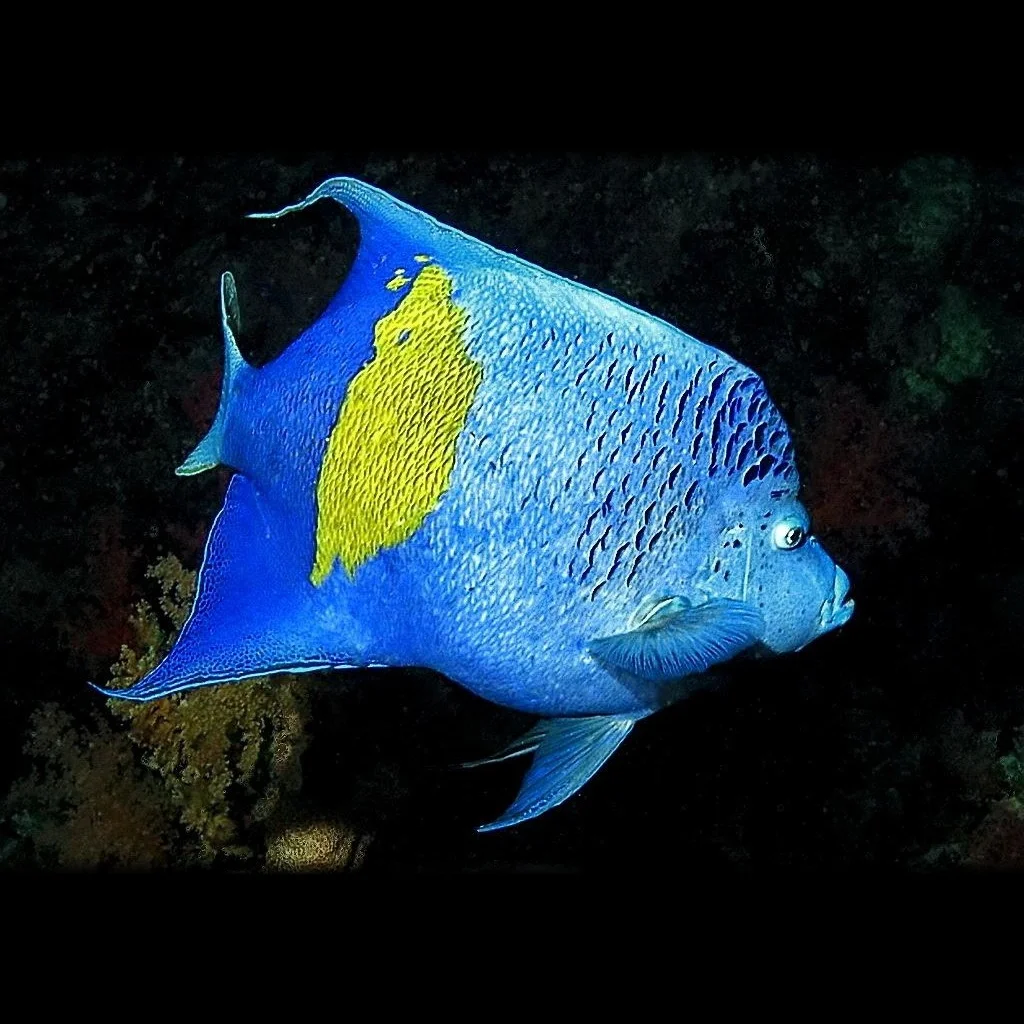
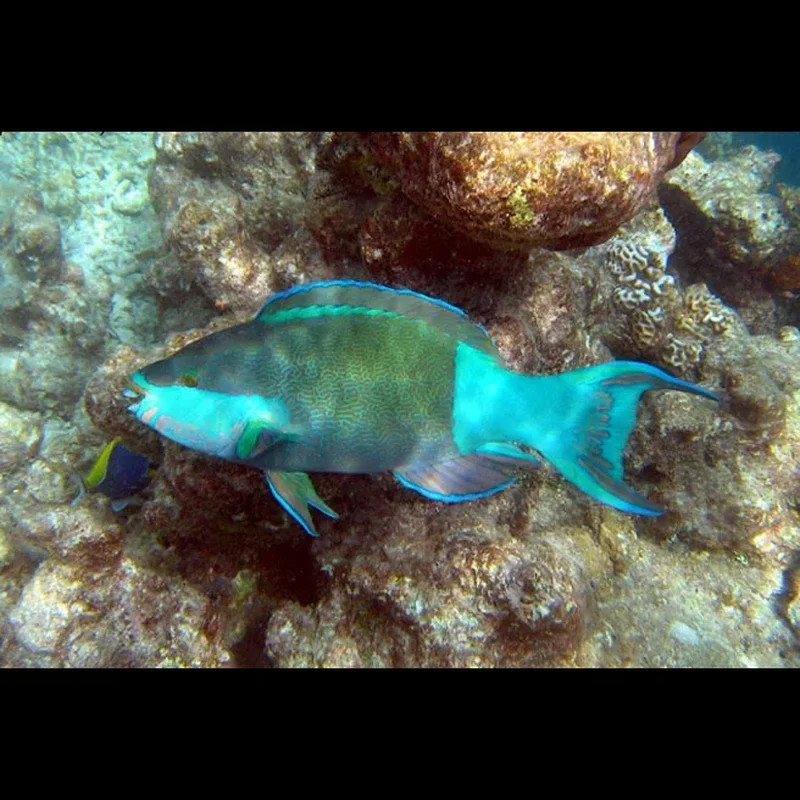
Expect to see species commonly found on Florida's artificial reefs, such as parrotfish, angelfish, and sergeant majors, which actively graze on the growth accumulating on the structures. Look closely for rays gliding over the sandy bottom adjacent to the reef, and keep an eye out for starfish clinging to the concrete.
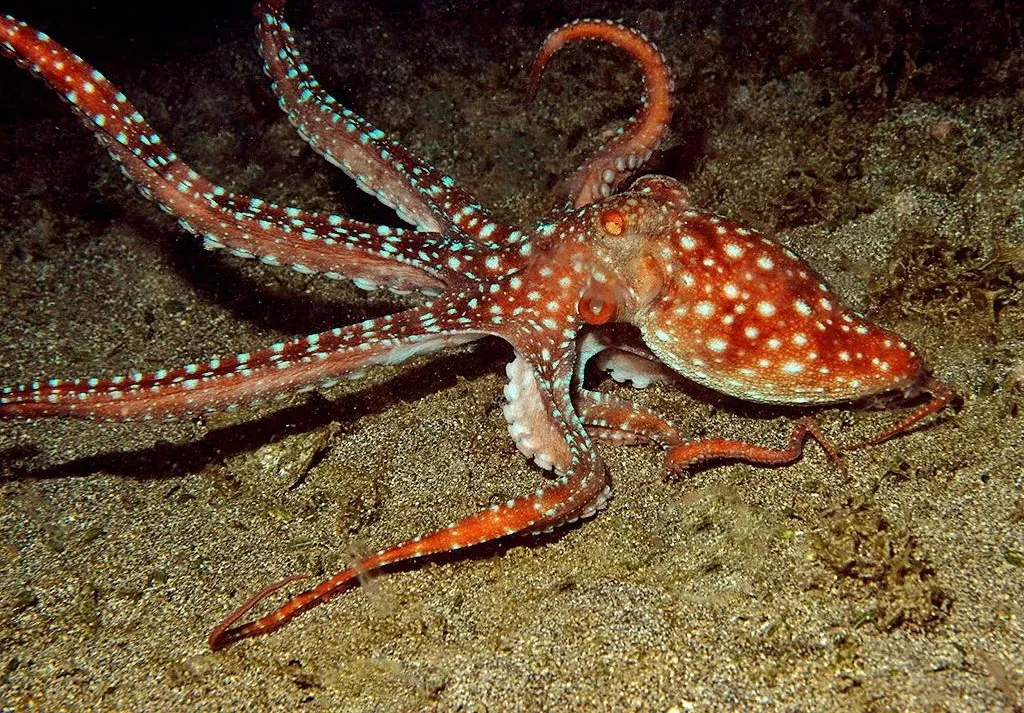
Octopuses might be found tucked into the nooks and crannies, offering a chance for keen observers to spot these masters of camouflage.

Dive Centers Near Cedar Key Reef Site 3
Today: 10:00 - 17:00
Nearest Airports
Nearest airports to help plan travel to this dive area.
Search Flights
Check available flights and routes on Expedia, using the nearby airports listed in this section.
Search Flights on ExpediaFrequently Asked Questions
What types of materials form Cedar Key Reef Site 3?
Cedar Key Reef Site 3 is composed of various artificial materials designed to create marine habitat. It includes 60 pieces of concrete culverts ranging from 18 to 40 inches, 36 pipes and 6 slabs in one section, and additional pipes across several other designated zones within the site.
Are private individuals allowed to build their own artificial reefs in Florida?
No, private citizens cannot legally build their own artificial reefs directly in most of Florida. Artificial reef construction can only be completed by state or local coastal governments in authorized permitted areas, due to strict liability coverage requirements from the Army Corps of Engineers.
What is the typical depth for diving at Cedar Key Reef Site 3?
Cedar Key Reef Site 3 is generally within recreational diving depths. While exact figures are not consistently reported, artificial reefs like this one are commonly found between 6 to 12 meters (20 to 40 ft) to ensure accessibility for divers and anglers.
What are the main benefits of artificial reefs?
Artificial reefs offer several key benefits. They enhance recreational opportunities, including diving and fishing, provide socio-economic advantages to local communities, and create increased habitat for reef fish. Some reefs also serve as mitigation for lost hard bottom habitat.
What can impact visibility at this dive site?
Visibility at Cedar Key Reef Site 3 can vary due to several factors. Local currents, the amount of sediment stirred up, and seasonal algal blooms can all influence how clear the water is during a dive.
How can I support Florida's artificial reef programs?
You can support artificial reef creation by looking for the FWC Artificial Reef Programs symbol when purchasing fishing equipment, motor fuel, and fishing licenses. Grant funding, provided by U.S. Fish and Wildlife Sport Fish Restoration and the State of Florida’s Marine Trust Conservation Fund, relies on these user-pay contributions.
Planning to dive Cedar Key Reef Site 3?
Send one inquiry and receive offers directly from the best verified local dive operators.
Conditions are Good
Optimal conditions expected
Current conditions near Cedar Key Reef Site 3 show 29° air, 30° sea temperature, 0.4 m waves, and 29 km/h wind. Forecast data is refreshed regularly to ensure accuracy.