What Divers Should Know About Octopuses

Learn all about the Octopuses, including dynamic specs, encounter highlights, habitats, and the best dive sites to find them.
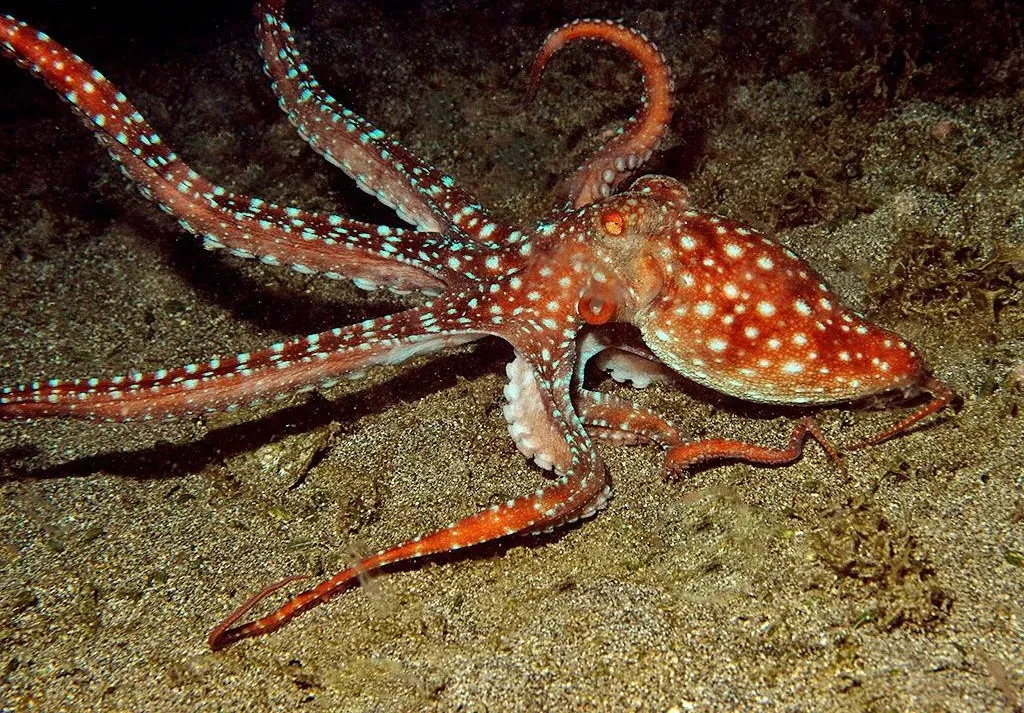
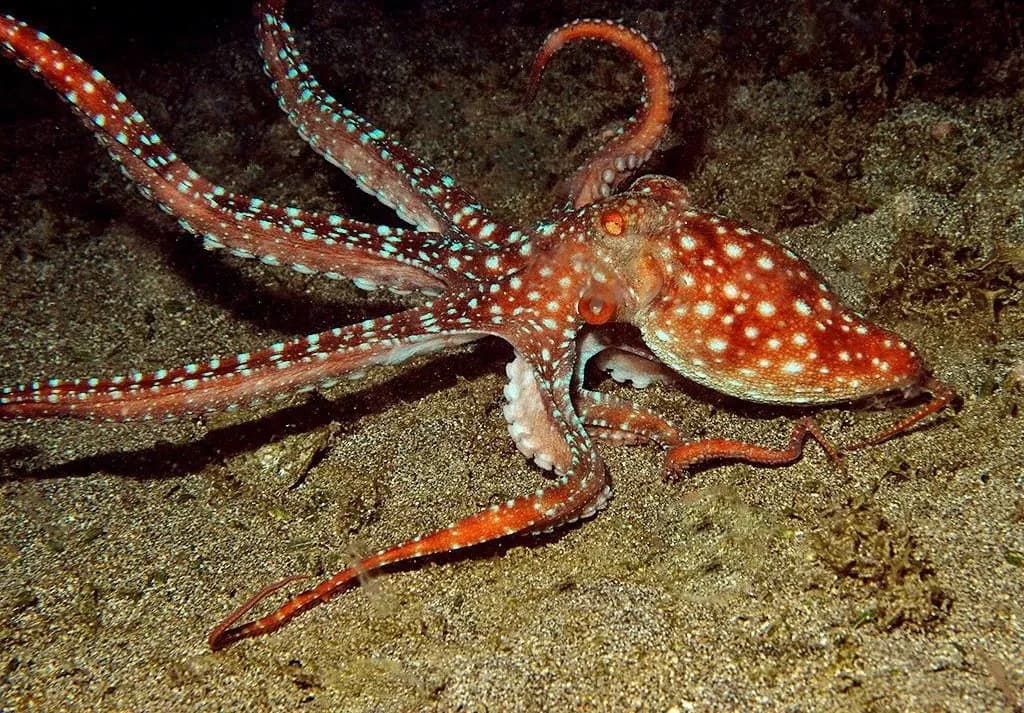
Octopus (Octopoda) with textured skin and suction-cupped arms moving across a rocky reef
Scientific Name

Octopoda

Size

2 cm – 5 m

Depth

0–2000 m

Habitat

coral reef, rocky reef, sand, cave

Conservation

Varies by species

Danger Level

Caution

About the Octopuses

Octopuses are among the most captivating invertebrates encountered underwater, recognized as highly intelligent and behaviourally diverse cephalopods. These soft-bodied, eight-limbed molluscs possess a complex nervous system and excellent sight, making them adept hunters and masters of their environment. Divers commonly spot them across a wide range of ocean habitats, from the bustling life of coral reefs and rocky seabeds to the intricate structures of intertidal zones.

Observe closely, and you might witness their remarkable ability to radically deform their shape, allowing them to squeeze through incredibly small gaps or crevices to hide from predators or pursue prey. Their primary defense strategies are equally fascinating, including rapid color changes for camouflage, the expulsion of an ink cloud, and quick jet propulsion for swift escapes. They are skilled predators, actively hunting crustaceans, bivalves, gastropods, and small fish.

Species variation is significant; some, like Octopus wolfi, are tiny at just 2.5 cm and weigh less than a gram, while the Giant Pacific octopus can weigh up to 50 kg with an arm span nearing 5 meters. While all octopuses are venomous, it is crucial for divers to remember that only the blue-ringed octopuses are known to be deadly to humans. These fascinating creatures generally grow quickly and are short-lived, making every encounter a special glimpse into their world.

Further Reading

Did You Know?

Distributed-Brain Escape Artists With Tasting Arms and Shell-Drilling Drills

β€œImagine trying to coordinate eight infinitely bendable, jointless limbs simultaneously from a single central brainβ€”and it immediately makes sense why octopuses decentralized their nervous system instead. Nearly two-thirds of an octopus's five hundred million neurons reside directly inside nerve cords running down its eight arms, allowing each sucker to taste chemicals, test rock textures, and solve local grasping motions semi-independently while encoded skin proteins prevent the arms from sticking to itself. When crab shells or clam valves refuse to pry open under sheer sucker pull, octopuses deploy surgical tools hidden inside their beaks: a toothed salivary papilla and radula drill a pinhole straight through solid calcium carbonate so venomous saliva dissolves the prey's muscle attachments from within.”

Where You Can See Octopuses

This map highlights the main regions where divers may encounter Octopuses or where the species is commonly associated with suitable marine habitats. Actual sightings depend on local dive sites, season, visibility, depth, and natural behaviour.

World distribution map showing regions where divers can see Octopuses: Caribbean, East Pacific, Atlantic, Indian Ocean, Asia Pacific, Mediterranean
Caribbean
East Pacific
Atlantic
Indian Ocean
Asia Pacific
Mediterranean

Dive Sites with Octopuses

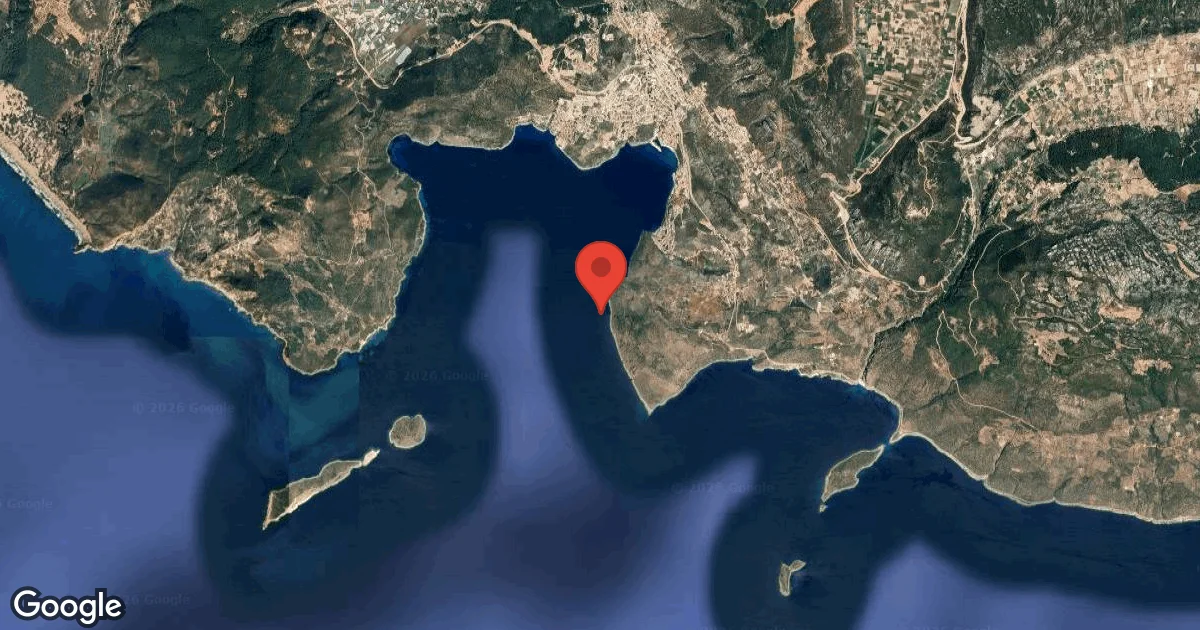
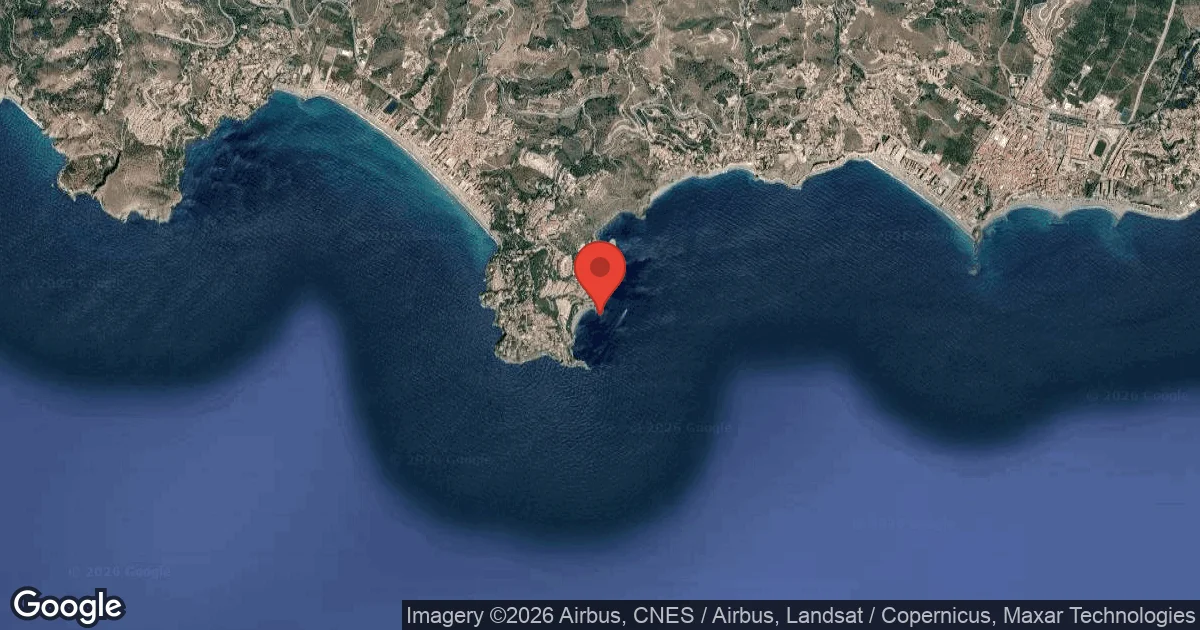
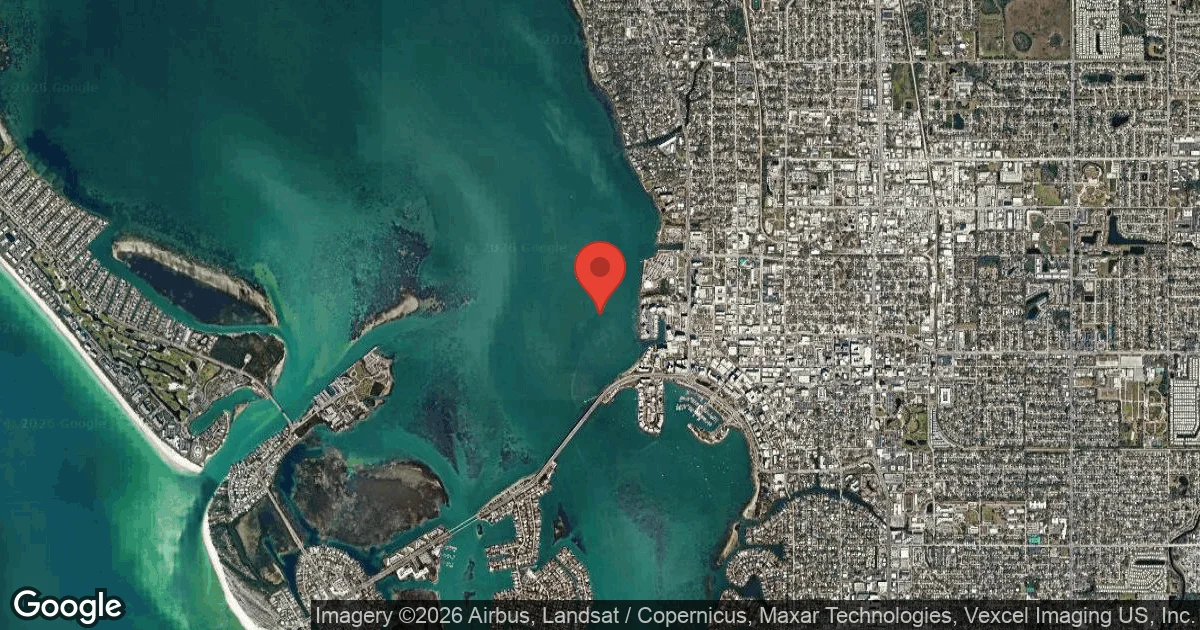
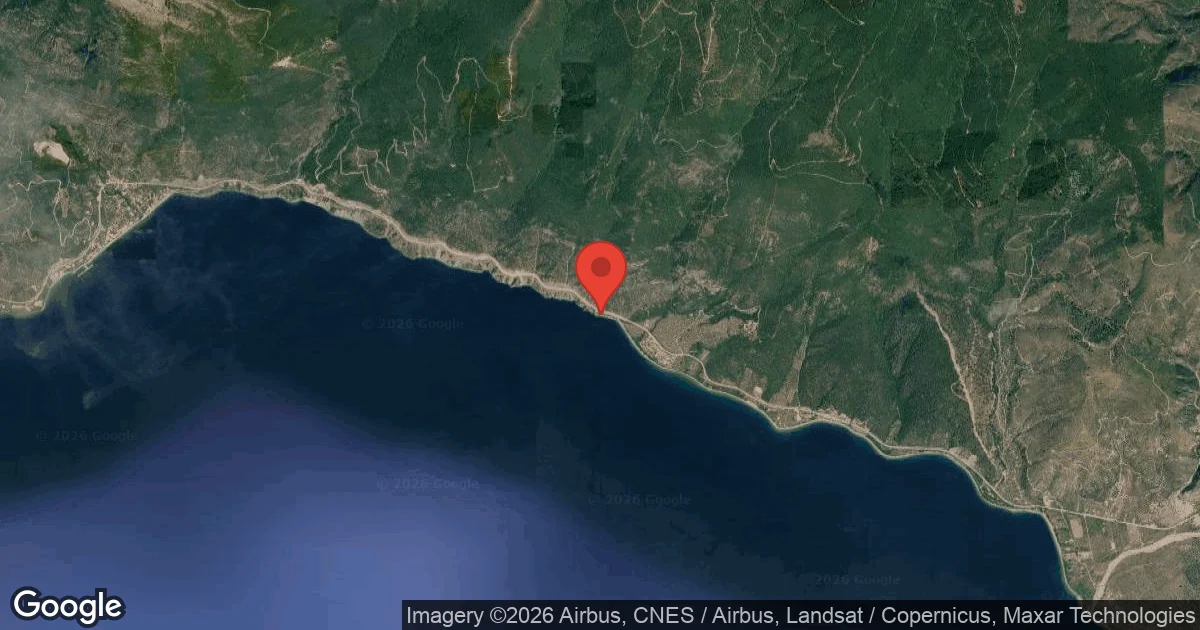
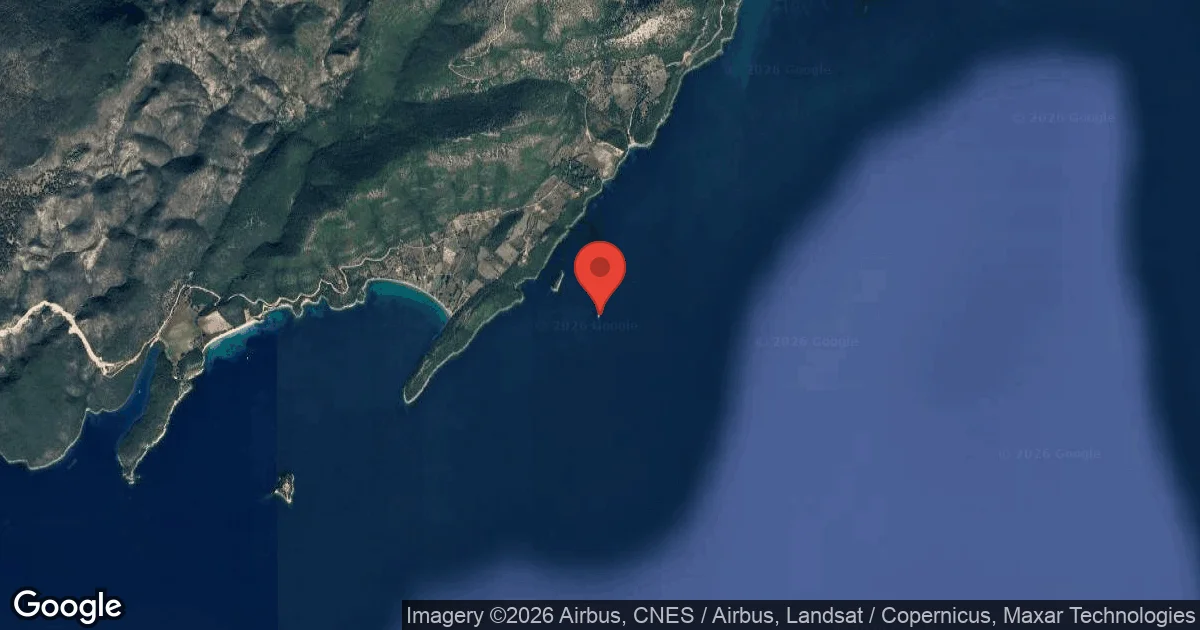
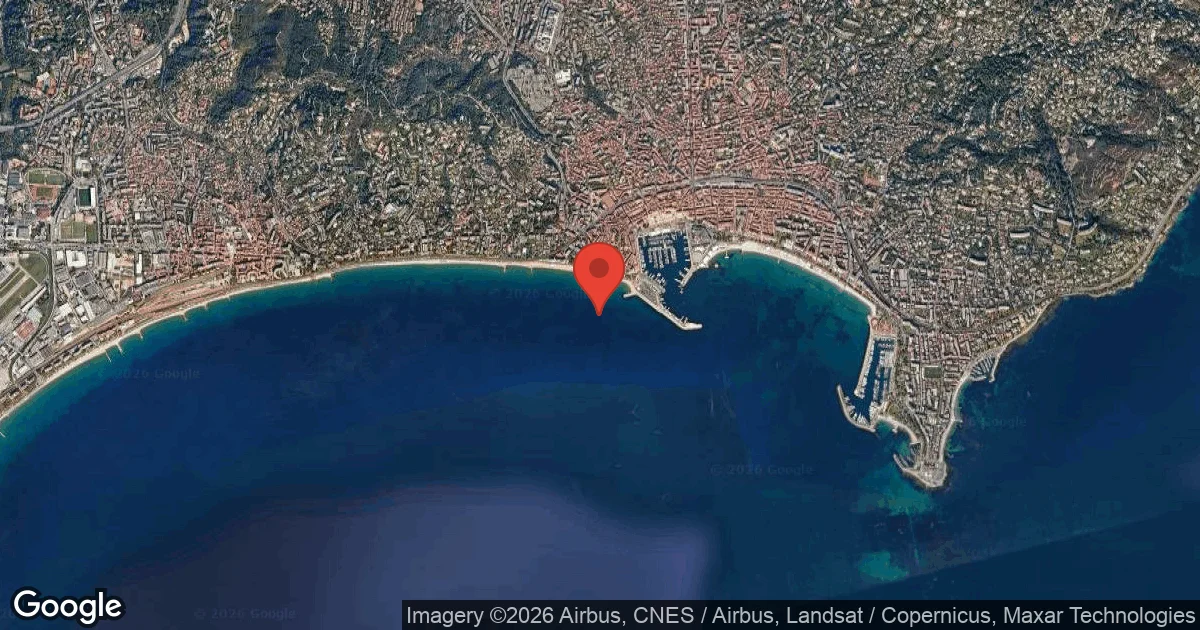
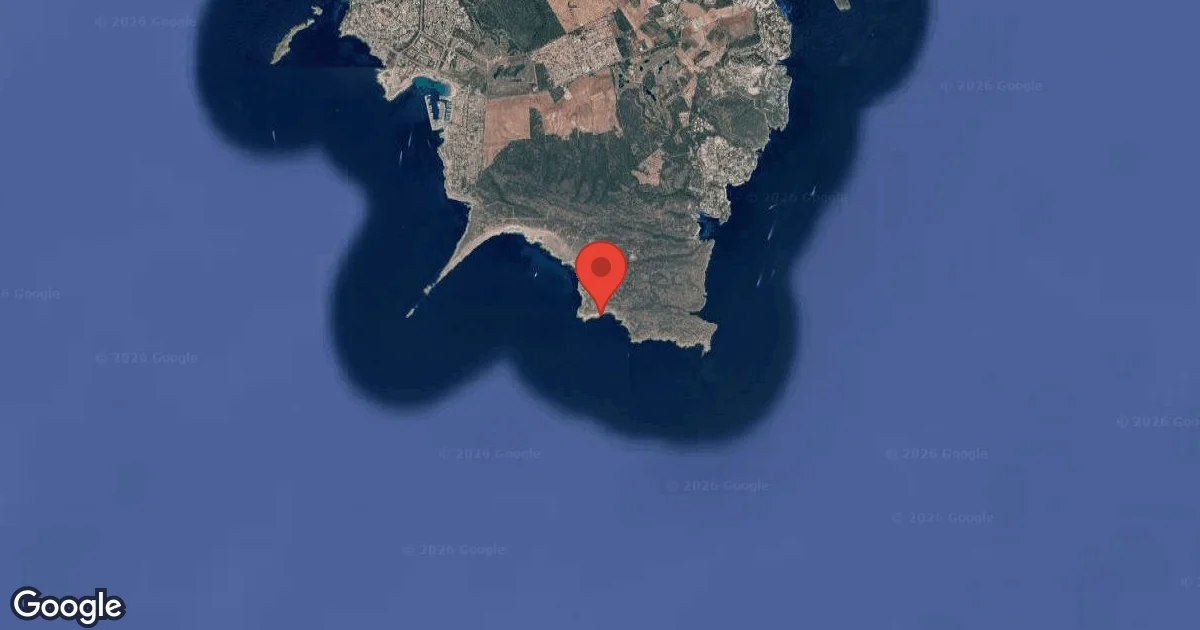
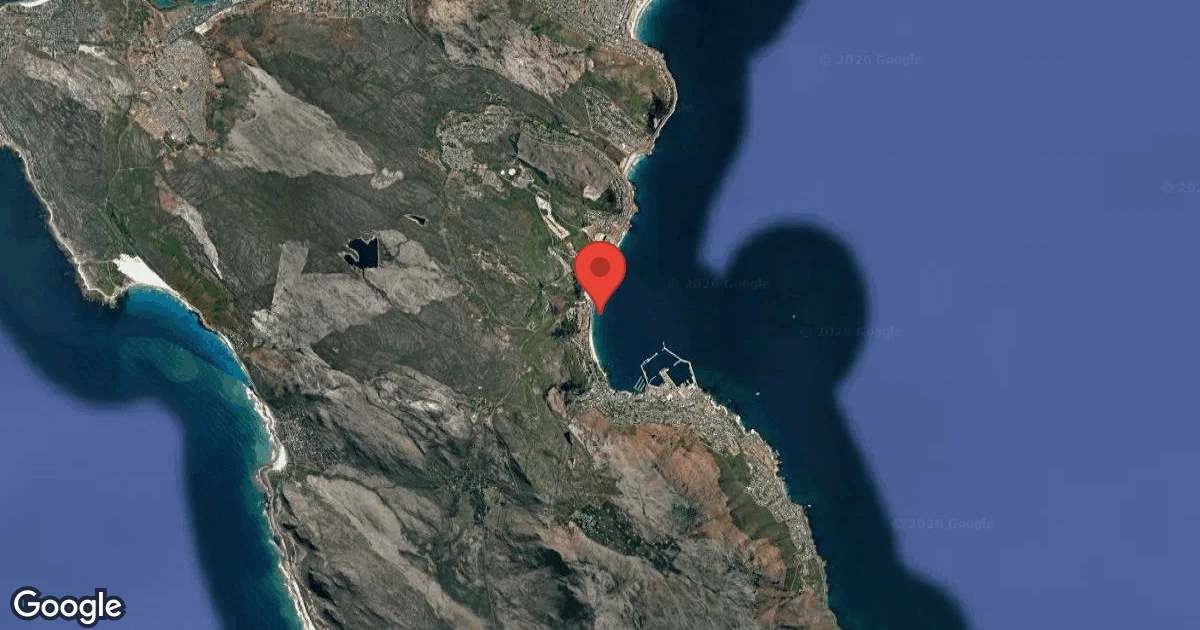
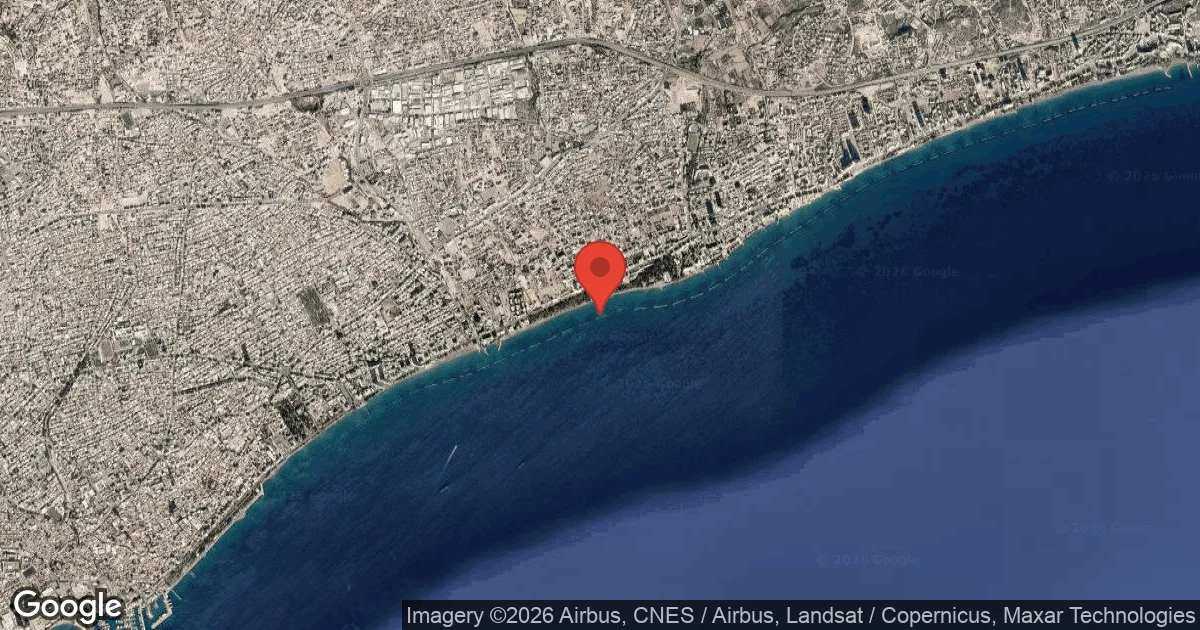
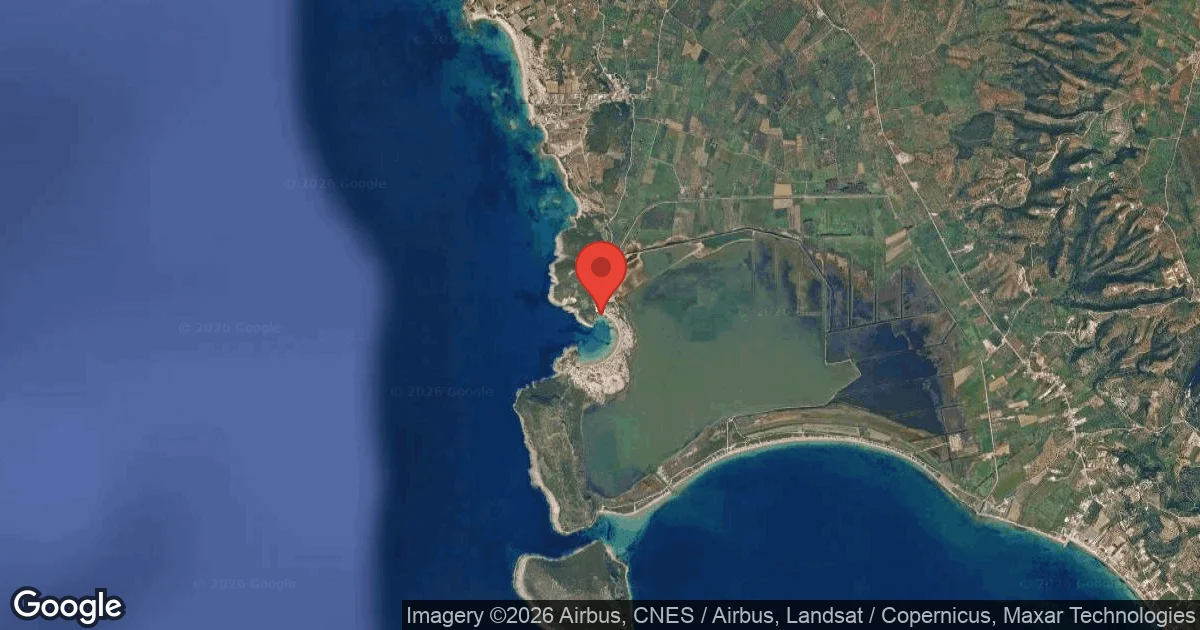
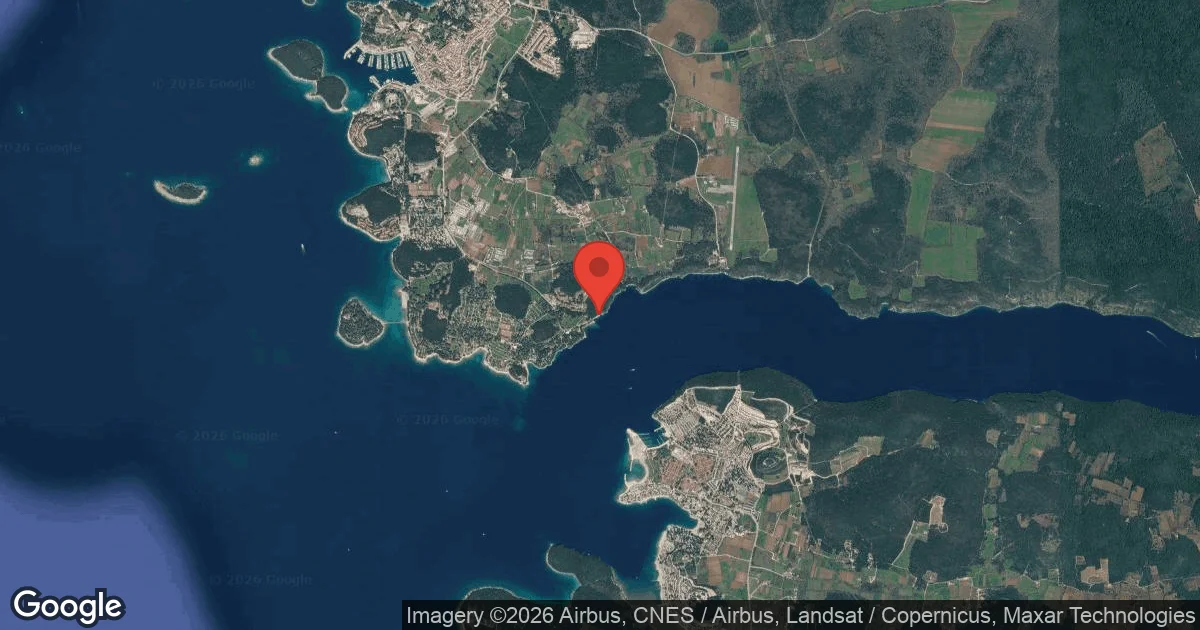
Discover 12 of 414 breathtaking locations where you can encounter this species.
Related Marine Life

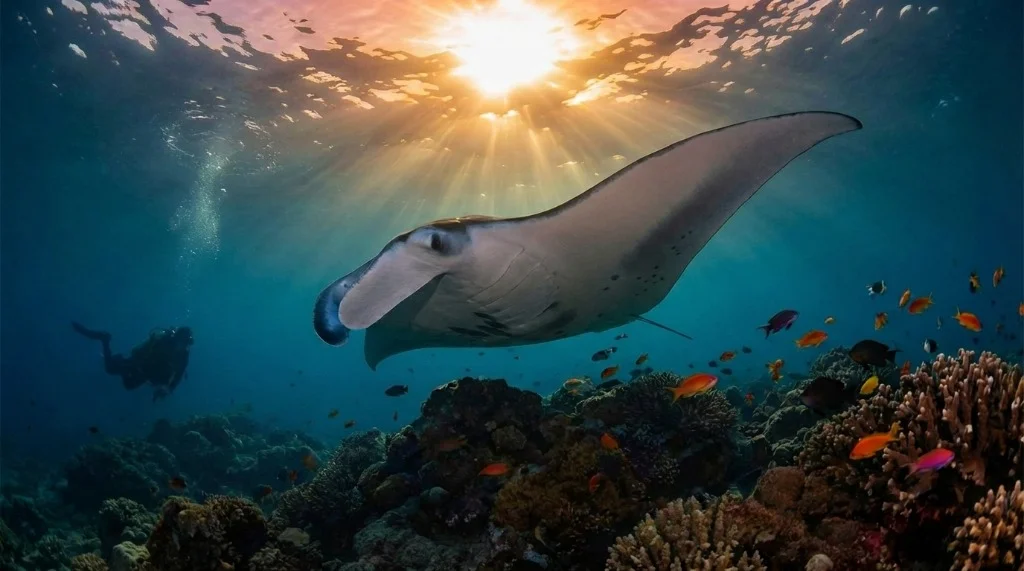
Explore other incredible species you can encounter on your diving adventures.