
Diving at Concrete ' Fish Havens' (United States)
Visibility at these man-made dive sites, often established for marine habitat enrichment, typically averages around 4.6 m (15 ft). However, during very calm weather months, conditions can become exceptionally clear. This variability means divers should always check current reports before planning an outing.
Evening condition tracking at Concrete ' Fish Havens' features an air temperature of 30.5°C. We have recorded wave heights measuring 1 m during this period. These figures outline the environmental parameters currently present.
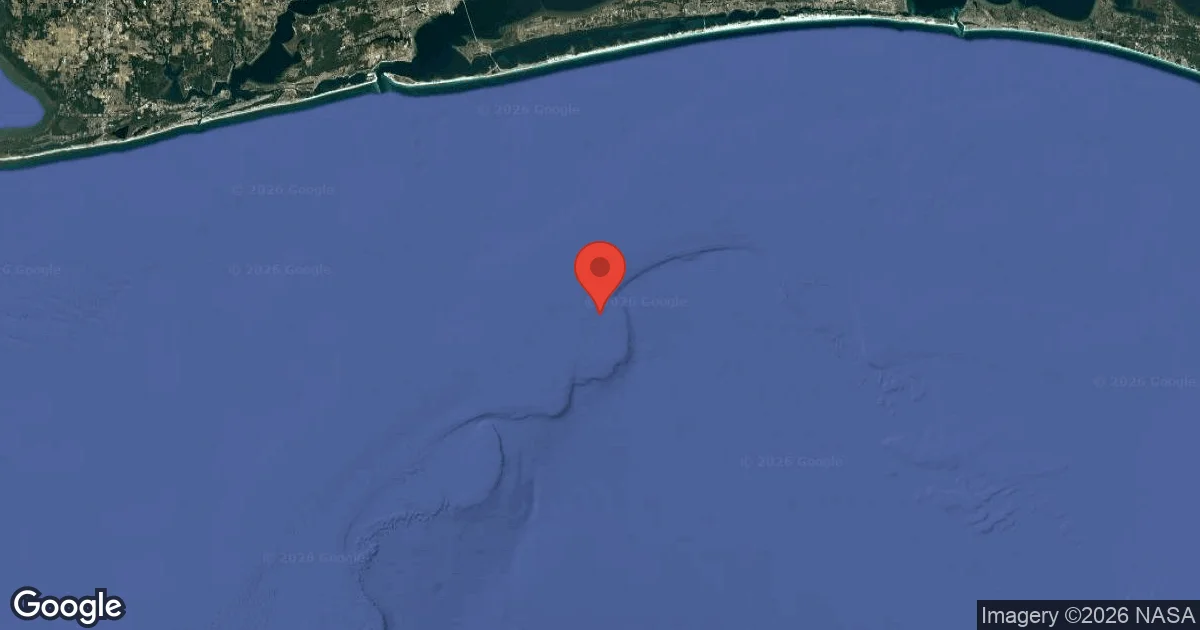
Dive Site Location & Key Facts
Dive Site Overview
Across the United States, Concrete 'Fish Havens' refer to artificial reef systems, strategically deployed to foster diverse marine ecosystems. These sites, found in regions like Walton County and Marco Island in Florida, as well as along the Delaware coast, serve as essential habitat where natural rock structures are limited.
Consisting of various materials such as steel, concrete culverts, Florida limestone, and even sunken barges, these formations create intricate underwater landscapes. Many of these fish/dive reef sites are best accessed by boat, with some located within one nautical mile of shore, while others like Fish Haven #1 and #2 might be two to four miles offshore. Snorkel reefs, on the other hand, are designed for easier access, positioned approximately 230-275 m (250-300 yds) from public beaches and suitable for kayak or paddleboard excursions. The varied structures provide both shelter and a sustainable food source, mimicking natural reefs.
Conditions are Excellent
07:00 - 14:00
Optimal conditions expected
Current conditions near Concrete ' Fish Havens' show 31° air, 30° sea temperature, 0.5 m waves, and 21 km/h wind. Forecast data is refreshed regularly to ensure accuracy.
Best Time to Dive
Planning a dive at these artificial reef sites is best during the warmer, calmer months. From May through September, conditions are generally rated 'Good' for diving, with air temperatures comfortably ranging from 24.5-29°C (76-84°F). Rainfall is moderate during this period, averaging 3.6-5.3 mm, which typically doesn't significantly impact underwater visibility. Winds are also lighter, often around 23-26 km/h (14-16 mph), contributing to calmer seas and potentially clearer water. In contrast, the months from October to April are generally rated 'Moderate', experiencing cooler air temperatures between 13.5-23.5°C (56-74°F) and higher average wave heights, sometimes exceeding 1 meter, which can decrease visibility.
PEAK SEASON SCORE
Scores combine air & water temps, waves, wind & rainfall for overall conditions.
BEST MONTHS TO DIVE
Monthly records compiled from satellite and marine observation nodes over the last 3 years. Data provided by Open-Meteo and MET Norway.
Dive Experience & Conditions
Descending into these artificial havens, divers encounter a submerged world built from purposeful structures like concrete culverts and historical barges, forming a rich wreck environment. Depths across the various sites typically range between 3.6 and 11.3 meters (12 and 37 feet), catering to a broad spectrum of recreational dive certifications. The topography of the sites varies; for instance, Anchor Eater is known for its substantial relief, offering interesting contours to explore. While visibility averages around 4.6 m (15 ft), it often improves significantly during periods of very calm weather. Water temperatures, though not consistently reported, generally correlate with the comfortable surface air temperatures observed in the warmer months.
Dive Difficulty & Safety Guidelines
Approaching these artificial reef sites requires a cautious mindset and adherence to established guidelines. Sea conditions can shift rapidly, making safety the paramount priority for all visitors. Divers must always display a diver-down flag or buoy as mandated by Florida State Law when diving in these areas.
It's crucial for divers to be properly trained and certified for SCUBA and to never exceed their personal limits. All SWARA reef sites operate under state waters, meaning divers use them at their own risk.
For boat-accessed dive sites, a GPS device is necessary for accurate navigation to the reef structures. Responsible diving also includes respecting the marine environment, taking only pictures, and leaving only bubbles.
Recommended Equipment
- Dive Computer
This gear list is based on verified equipment signals for Concrete ' Fish Havens', United States. Always confirm final gear choices with your dive operator, guide, or liveaboard.
Recommended Dive Suit
The latest conditions reported around Concrete ' Fish Havens' place the water temperature close to 30°C (86°F). Surface air temperatures are resting at 31°C (87°F).
Dive skin or rash guard is generally considered suitable for water temperatures like this. Consider warmer surface protection (like a boat coat) due to brisk winds.
Forecasts suggest a slight cooling pattern in the days ahead. Cooler days are ahead; you might want a warmer option for later in the week. Some divers prefer carrying a slightly thicker suit as a backup.
Emergency & Medical Support
Essential information to help you plan your dive trip to Concrete ' Fish Havens'.

Hyperbaric chambers are a critical part of dive safety infrastructure. Availability varies significantly by region, and not all dive areas have immediate access.
Before diving, it's recommended to:
- confirm nearest medical facilities
- check emergency procedures with local dive operators
- ensure dive insurance covers evacuation if required
Divers Alert Network
Diving emergency assistance available through DAN World.
+1-919-684-9111- 24/7 emergency hotline
- Diving medical assistance
- Evacuation coordination
Emergency contacts are provided for reference. Always verify local emergency services before diving.
Marine Life at Concrete ' Fish Havens'
Observing the marine life at Concrete 'Fish Havens' often reveals a rapid congregation of species around the artificial structures. Expect to spot various bottom dwellers like Goliath Grouper, particularly in areas with substantial wreckage, along with Snook fish frequenting spots like Anchor Eater.
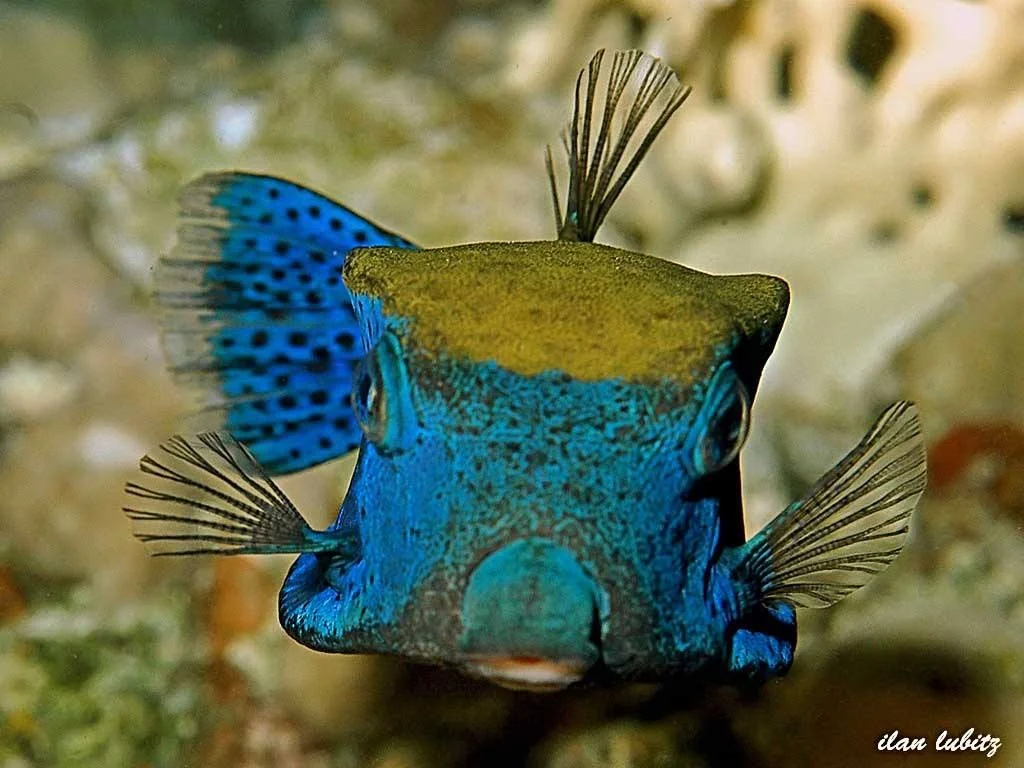
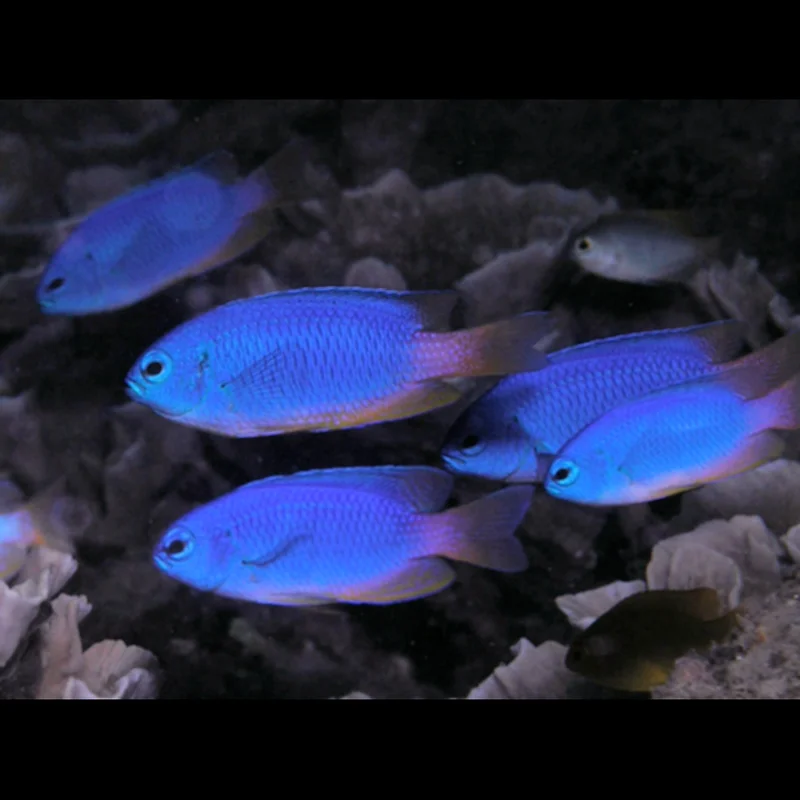
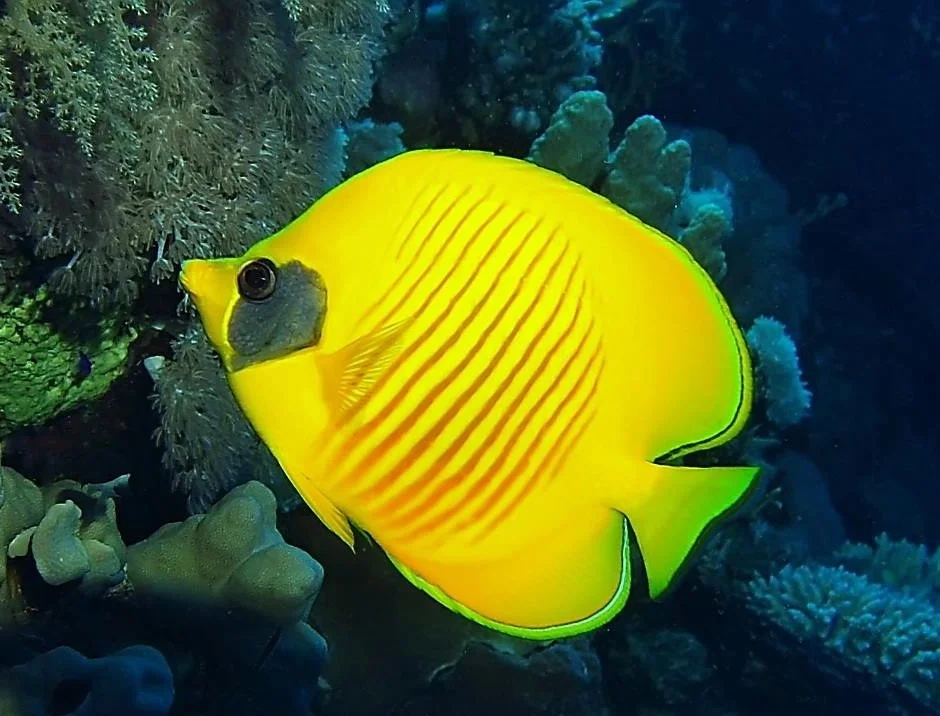
The reefs also host an array of colorful reef fish including Boxfish, Pufferfish, Angelfish, Butterflyfish, and Damselfish.
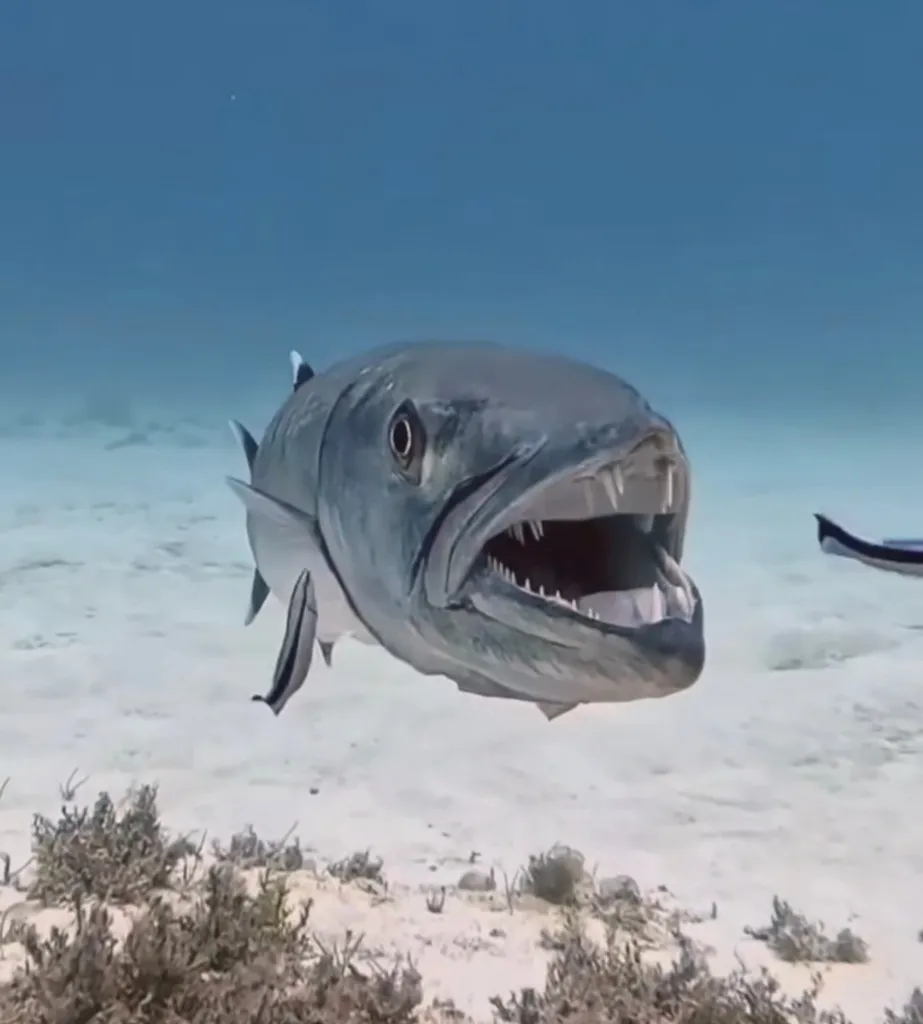
Additionally, species like Grouper, Barracuda, Pork fish, Toad Fish, and Sheepshead are commonly sighted, making the dive a dynamic experience of actively thriving artificial ecosystems.
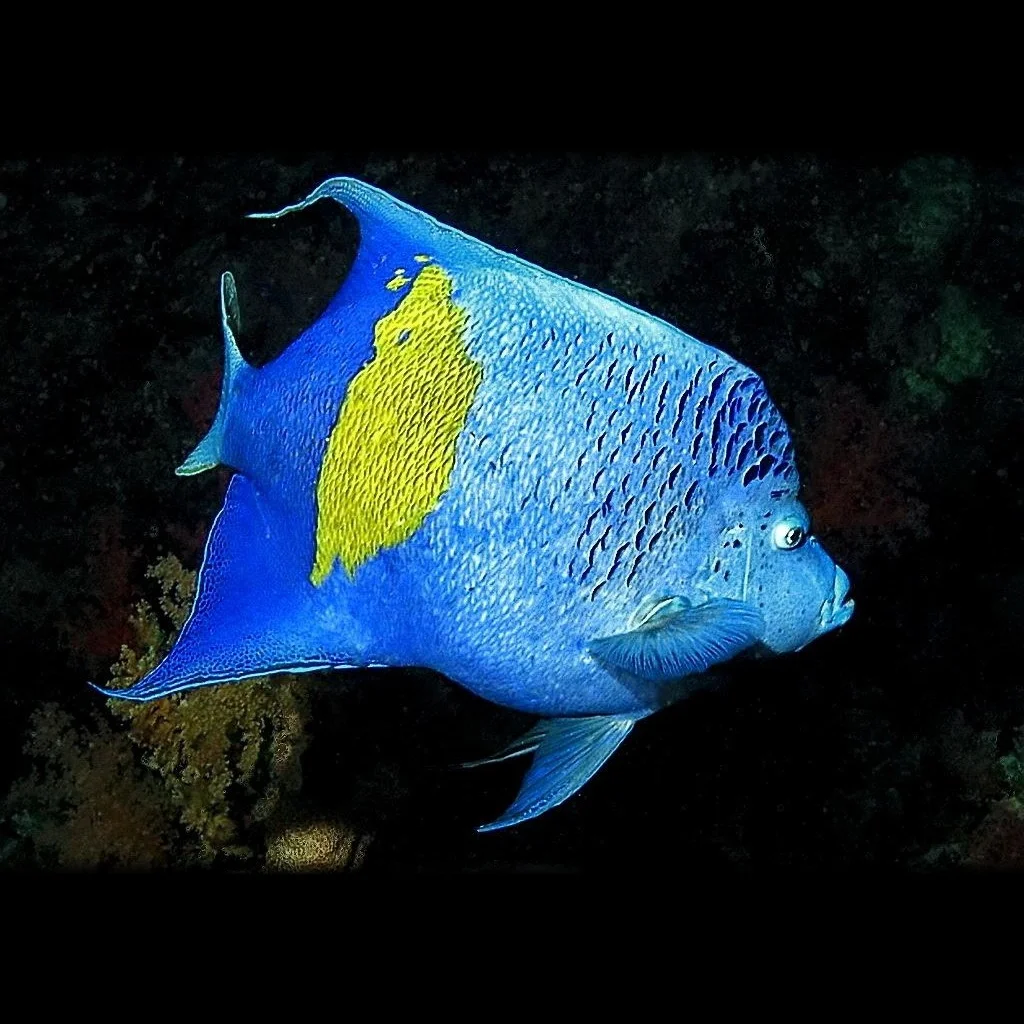
Dive Sites Near Concrete ' Fish Havens'
View all dive sites in United StatesDiscover more underwater gems in this area.
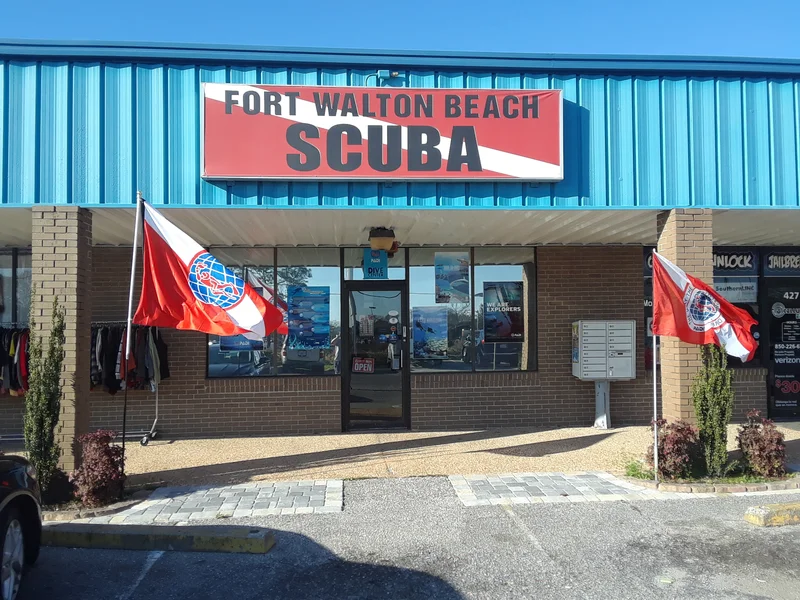
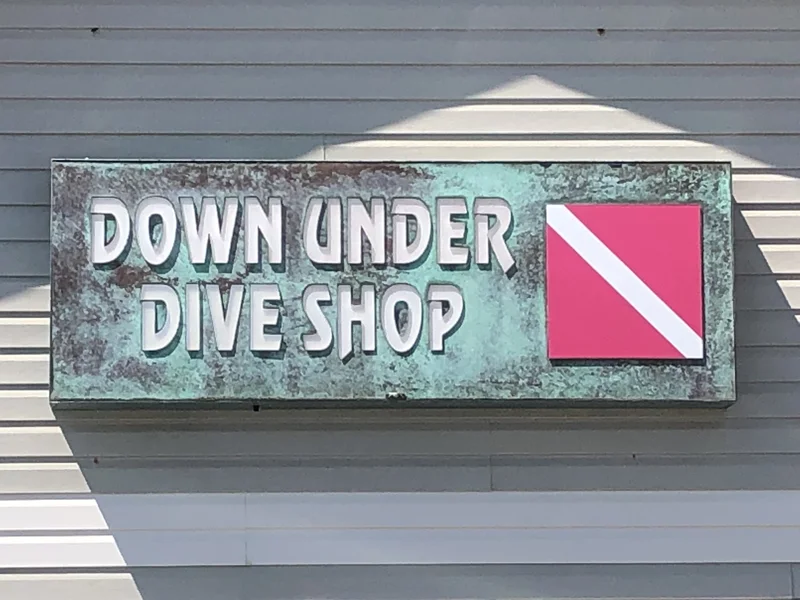
Dive Centers Near Concrete ' Fish Havens'
Today: 10:00 - 16:00
Nearest Airports
Nearest airports to help plan travel to this dive area.
Search Flights
Check available flights and routes on Expedia, using the nearby airports listed in this section.
Search Flights on ExpediaFrequently Asked Questions
What is the primary purpose of Concrete 'Fish Havens'?
These artificial reef systems are designed to create durable, stable man-made habitats. They attract diverse fish populations and other marine life, providing shelter and a food source where natural rock formations are scarce.
What materials are used to construct these artificial reefs?
The reef structures are made from a combination of steel, concrete, Florida limestone, and sometimes include sunken barges or concrete culverts. Vessels sunk as reefs are certified for environmental cleanliness.
Are all 'Fish Havens' diveable from shore?
No. While some SWARA snorkel reefs are intended for shore access (kayak/paddleboard), most fish/dive reef sites are best reached by boat and require a GPS device for accurate location.
What is the typical depth range for diving at these sites?
Dive sites at these artificial reefs typically range from 3.6 to 11.3 meters (12 to 37 feet), accommodating recreational divers.
What kind of marine life can I expect to see?
Common sightings include Goliath Grouper, Snook, Barracuda, and various reef fish such as Angelfish, Butterflyfish, Boxfish, Pufferfish, and Damselfish. Blue mussels and oysters also attach to the structures.
Is special certification required to dive these sites?
Visitors planning to dive the reefs should be trained and certified in SCUBA diving. Courses like PADI Open Water, Advanced Open Water, and Boat Diver are relevant for navigating these sites.
How clear is the water usually?
Visibility averages around 4.6 meters (15 feet). However, conditions can be extremely clear during very calm weather months, offering enhanced viewing.
Planning to dive Concrete ' Fish Havens'?
Send one inquiry and receive offers directly from the best verified local dive operators.
Conditions are Excellent
07:00 - 14:00
Optimal conditions expected
Current conditions near Concrete ' Fish Havens' show 31° air, 30° sea temperature, 0.5 m waves, and 21 km/h wind. Forecast data is refreshed regularly to ensure accuracy.